Lieferkettenmanagement-Leistung Powerpoint-Präsentationsfolien
Try Before you Buy Download Free Sample Product
Audience
Editable
of Time
Sie haben Probleme bei der Erstellung einer Präsentation zum Lieferkettenmanagement? Hier präsentieren wir unsere gebrauchsfertigen Powerpoint-Präsentationsfolien für das Supply Chain Management. Unsere PowerPoint-Vorlagen für die Auftragsabwicklung werten Ihre Präsentation auf. Diese Präsentationsfolien für das Bestandsmanagement werden für Betriebsleiter hilfreich sein, um ihr mittleres Management zu beeindrucken. Diese SCM-Präsentation umfasst Folien zu Bestandskennzahlen, finanziellen und nicht-finanziellen Maßnahmen, Bestandskennzahlen, laufende Arbeiten, Bestandsverwaltung und Betriebsführung. Es umfasst auch Logistik, Beschaffung und Marketing, Mindmap und zusätzliche Folien usw. Diese PowerPoint-Präsentation zur Produktentwicklung kann für die verwandten Themen Bestandsmanagement, Logistikfluss in der Lieferkette, Materialmanagement, Leistung des Rohstoffmanagements, Kreislaufwirtschaftsmanagement, Waren- und Dienstleistungsfluss usw. Laden Sie unsere Powerpoint-Präsentationsvorlage für das Lieferkettenmanagement herunter und beeindrucken Sie Ihre Zuschauer. Die Leute fühlen sich aufgrund unserer Powerpoint-Präsentationsfolien zur Supply Chain Management Performance sehr dankbar. Sie schätzen Ihre guten Ratschläge.
Eigenschaften dieser PowerPoint-Präsentationsfolien:
100% risikofreie PPT-Vorlagen. 100 % Kompatibilität mit Google-Folien. Diese Präsentation enthält 30 Folien. Vollständig bearbeitbare Grafiken in PowerPoint. Dieses Deck ist hilfreich für Betriebsleiter, das mittlere Management, Bestandsbeamte, Geschäftsinhaber usw. Erstklassige Unterstützung für unsere Kunden. PowerPoint-Präsentationsfolien sind sowohl mit dem Standard- als auch mit dem Breitbild kompatibel. Dies ist ein einstufiger Prozess. Die Phasen in diesem Prozess sind die Leistung des Lieferkettenmanagements und die SCM-Leistung.
People who downloaded this PowerPoint presentation also viewed the following :
Inhalt dieser Powerpoint-Präsentation
Folie 1 : Diese Folie stellt die Leistung des Supply Chain Managements vor. Geben Sie hier den Untertitel ein und beginnen Sie.
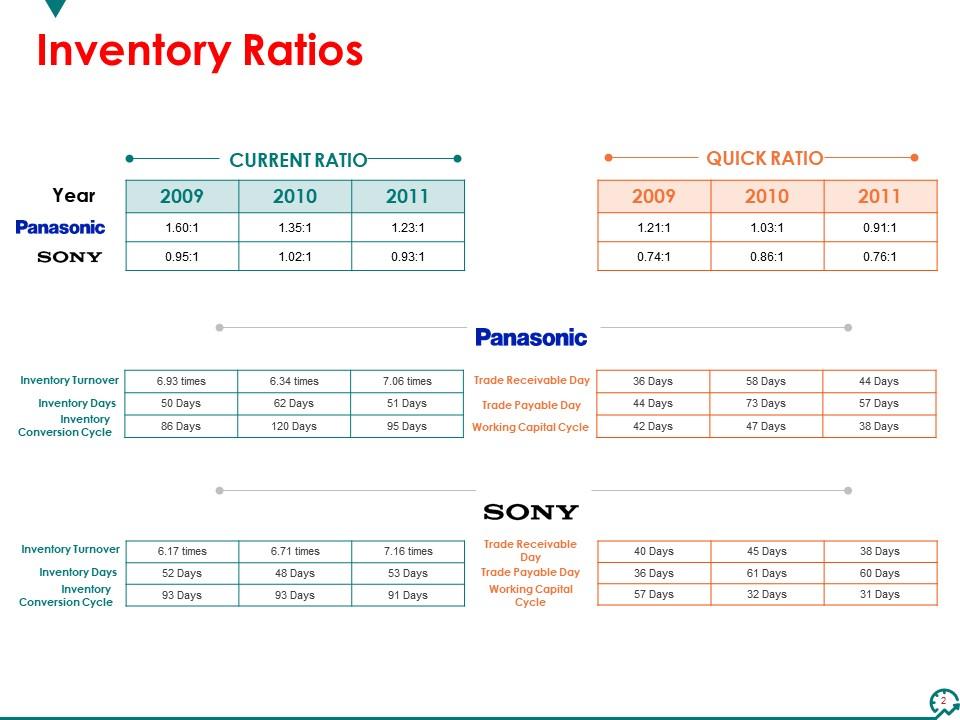
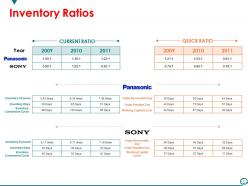
Folie 2 : Diese Folie zeigt Bestandsquoten, die - CURRENT RATIO und QUICK RATIO mit - Lagerumschlag, Lagertage, Lagerbestand, Konvertierungszyklus, Tag der Forderungen aus Lieferungen und Leistungen, Tag der Zahlung aus Lieferungen und Leistungen, Betriebskapitalzyklus, Lagerumschlag, Lagertage, Lagerbestand, Konvertierungszyklus anzeigen , Tag der Forderungen aus Lieferungen und Leistungen, Tag der Zahlung aus Lieferungen und Leistungen, Working Capital Cycle.
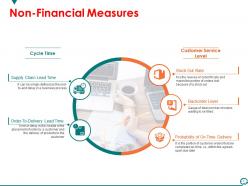
Folie 3 : Diese Folie zeigt nicht-finanzielle Maßnahmen wie Lieferketten-Durchlaufzeit, Bestellung-bis-Lieferungs-Vorlaufzeit, Bestandsausfallquote, Rückstandsquote, Zykluszeit, Wahrscheinlichkeit der pünktlichen Lieferung auf Kundendienstebene.
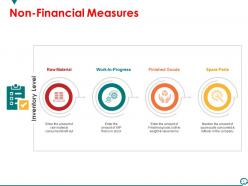
Folie 4 : Diese Folie zeigt nichtfinanzielle Maßnahmen mit der Unterüberschrift „Rohmaterial, Unfertige Erzeugnisse, Fertigerzeugnisse, Ersatzteile, Lagerbestand“.
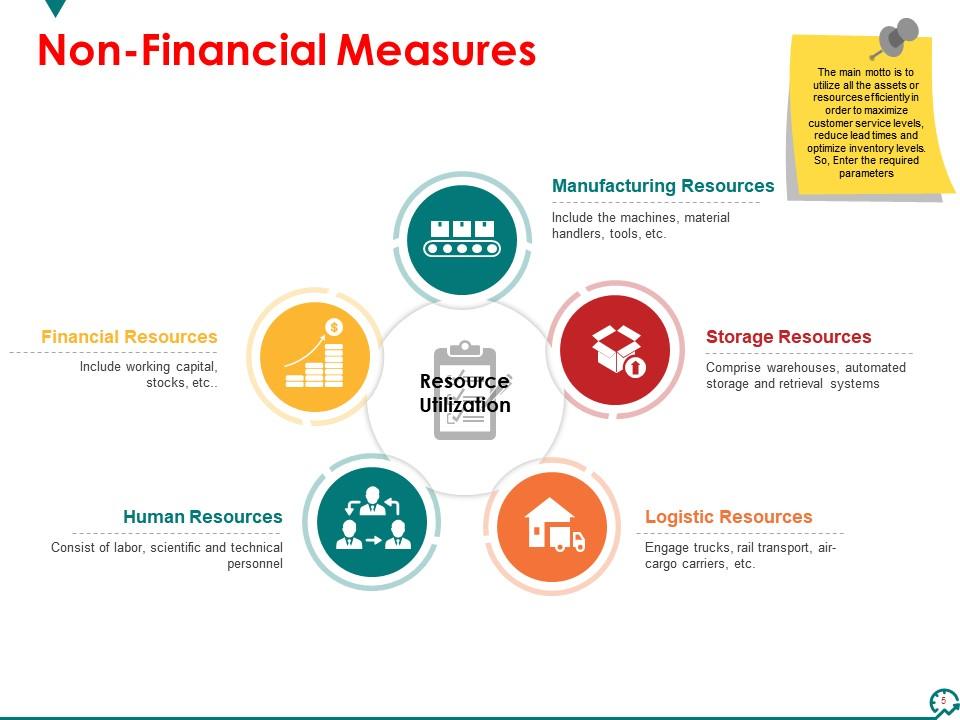
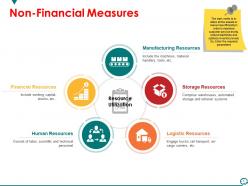
Folie 5 : Diese Folie stellt nichtfinanzielle Maßnahmen dar, die Produktionsressourcen, Lagerressourcen, logistische Ressourcen, Humanressourcen, Finanzressourcen, Betriebskapital, Lagerbestände usw. einschließen. Ressourcenauslastung.
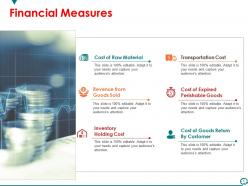
Folie 6 : Diese Folie zeigt die durchgeführten finanziellen Maßnahmen – Rohstoffkosten, Erlöse aus verkauften Waren, Lagerhaltungskosten, Transportkosten, Kosten für abgelaufene verderbliche Waren, Kosten für Warenrücksendungen durch den Kunden.
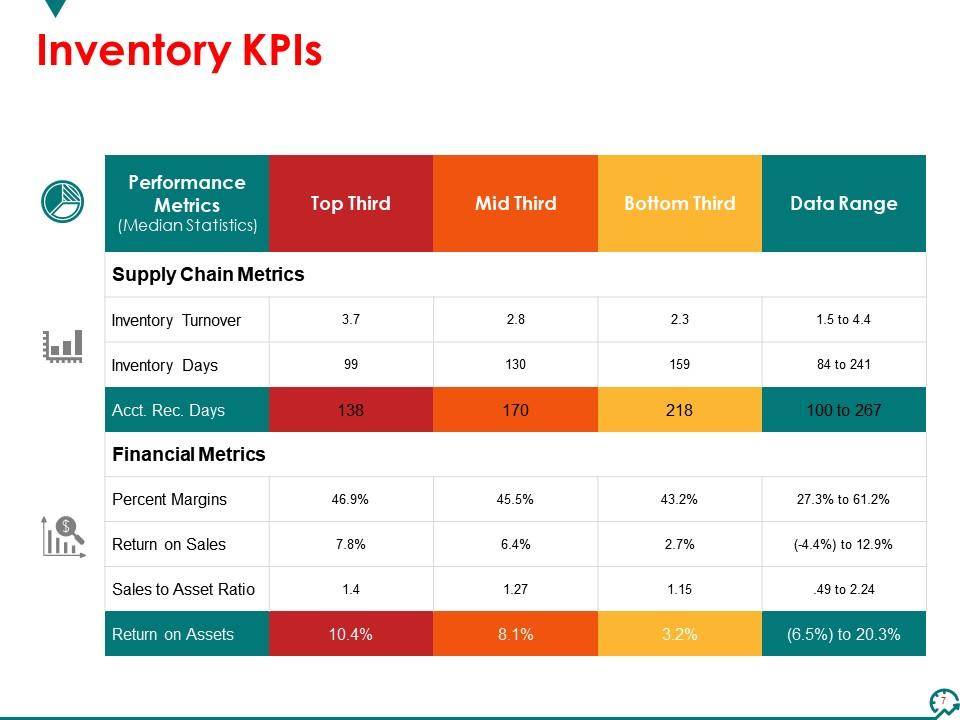
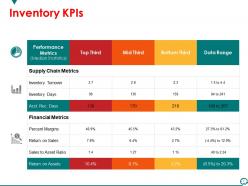
Folie 7 : Dies sind Inventar-KPIs in Tabellenform.
Folie 8 : Dies ist die Leistungssymbolfolie für das Supply Chain Management. Verwenden Sie die Symbole nach Bedarf.
Folie 9 : Dies ist eine Kaffeepause-Folie zum Anhalten. Sie können den Folieninhalt nach Bedarf ändern.
Folie 10 : Diese Folie trägt den Titel Unsere Charts, um fortzufahren. Sie können den Folieninhalt nach Bedarf ändern.
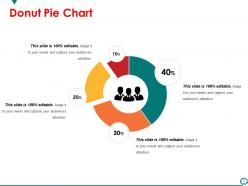
Folie 11 : Diese Folie präsentiert ein Donut-Diagramm für den Vergleich von zwei Produkten/Einheiten, Informationen, Spezifikationen usw.
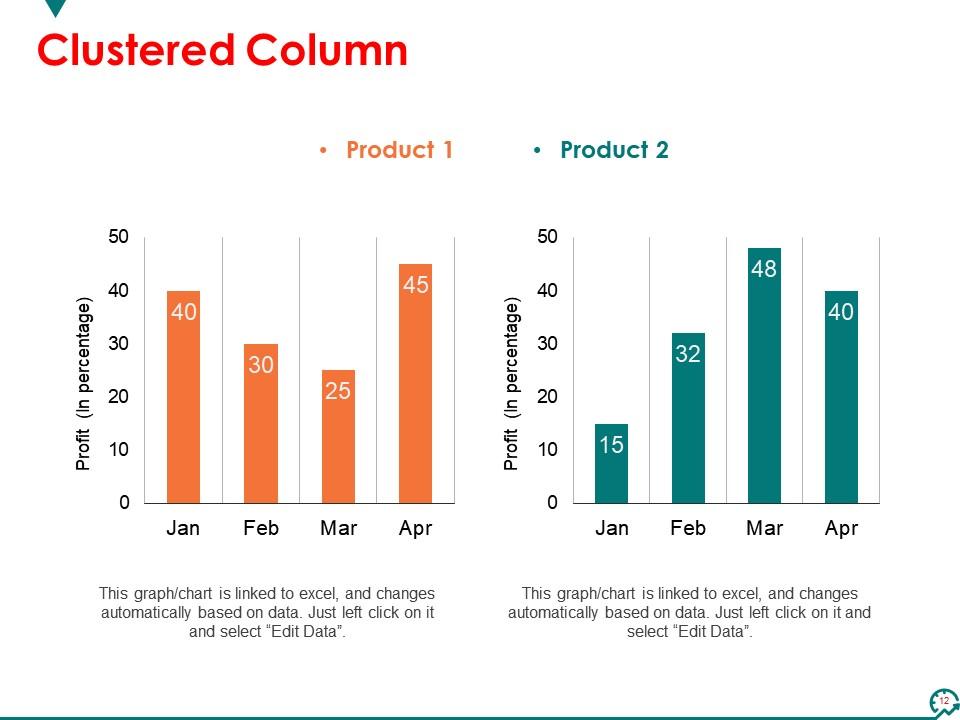
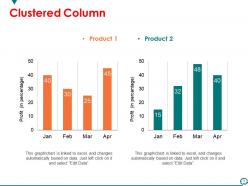
Folie 12 : Diese Folie zeigt ein gruppiertes Säulendiagramm für den Vergleich von zwei Produkten/Einheiten, Informationen, Spezifikationen usw.
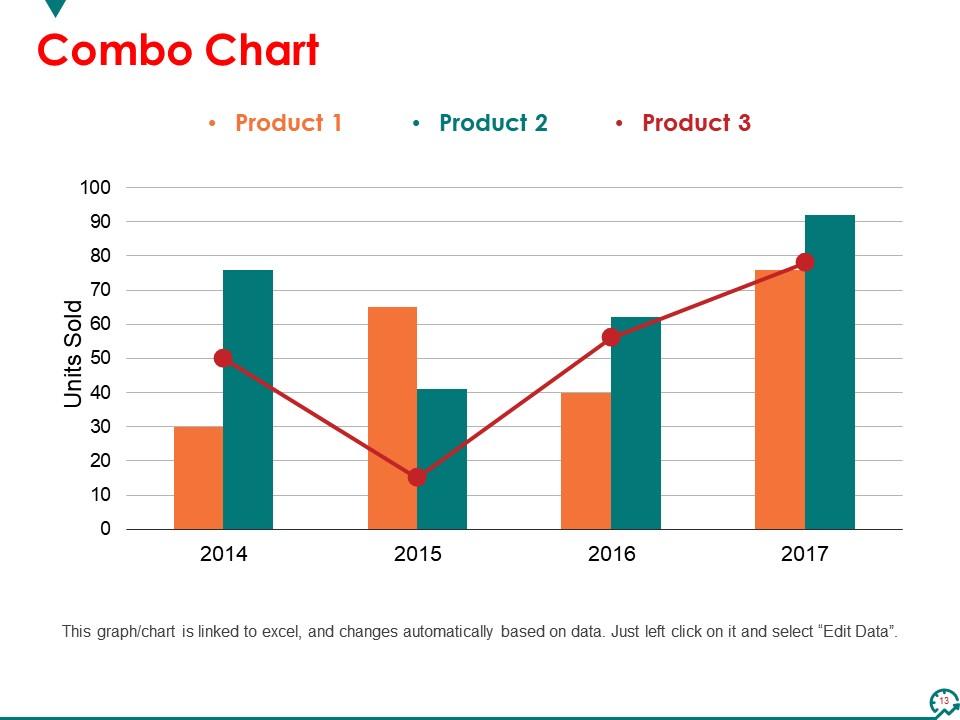
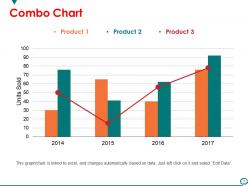
Folie 13 : Diese Folie zeigt ein Kombinationsdiagramm für den Vergleich von zwei Produkten/Einheiten, Informationen, Spezifikationen usw.
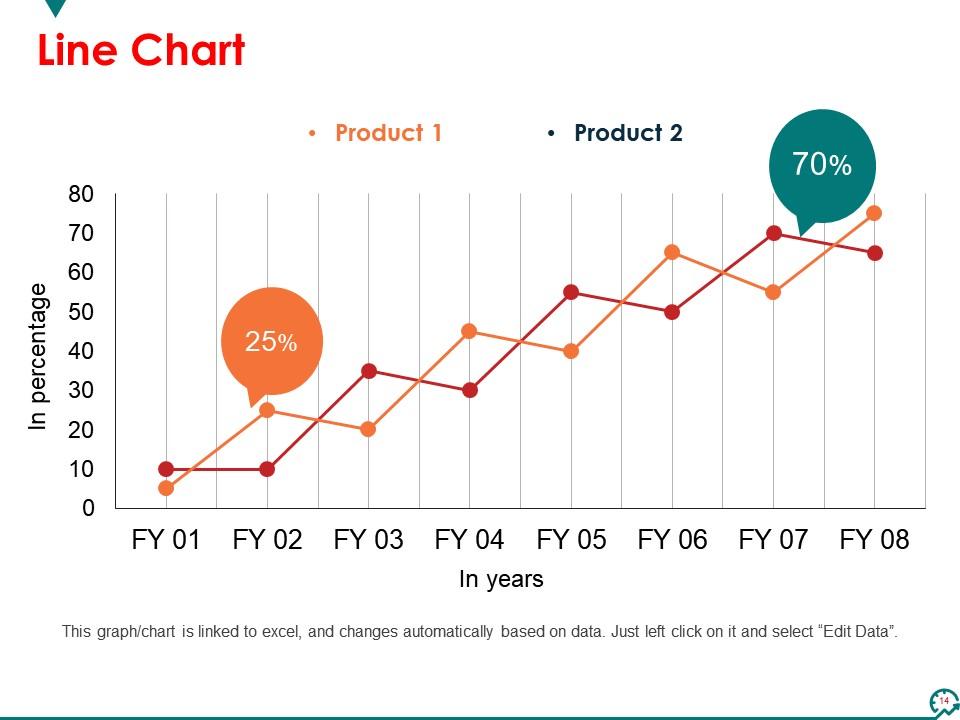
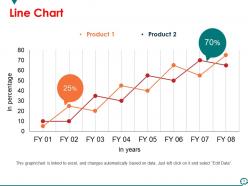
Folie 14 : Diese Folie zeigt ein Liniendiagramm für den Vergleich von zwei Produkten/Einheiten, Informationen, Spezifikationen usw.
Folie 15 : Diese Folie trägt den Titel Zusätzliche Folien, um fortzufahren. Sie können den Folieninhalt nach Bedarf ändern.
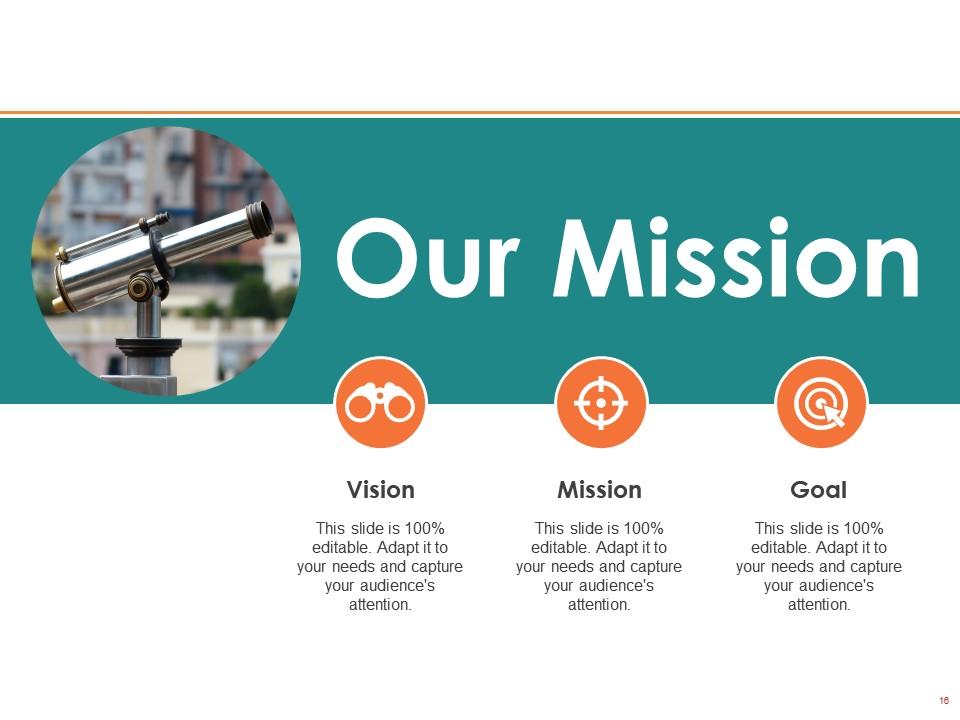
Folie 16 : Dies ist unsere Missionsfolie mit Vision und Zielen. Nennen Sie diese Aspekte hier.
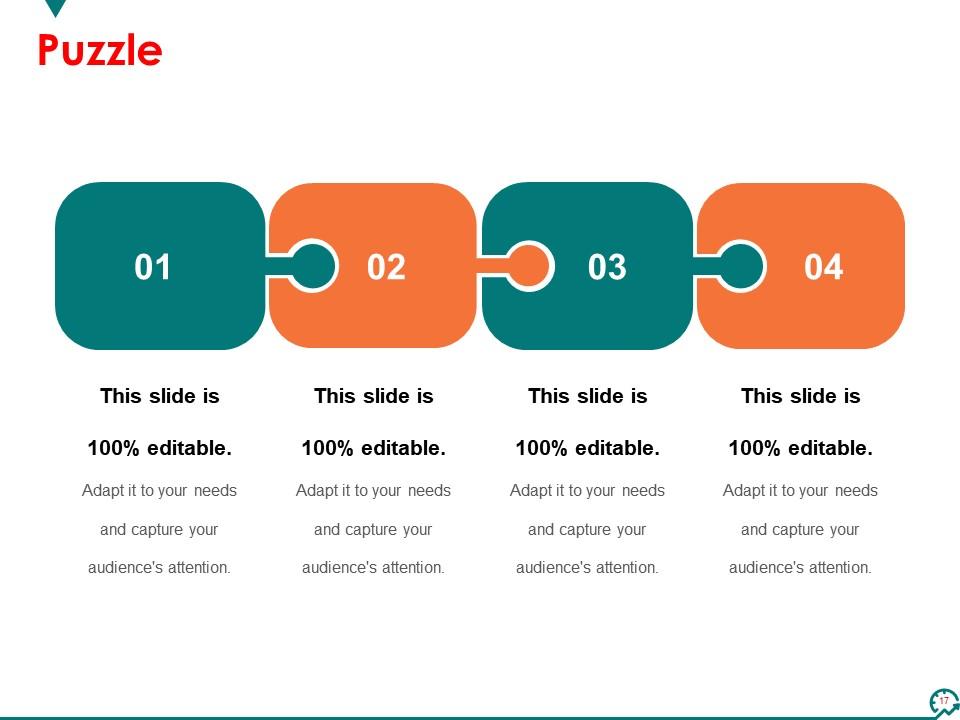
Folie 17 : Dies ist eine Puzzle-Bildfolie, um Informationen, Spezifikationen usw. anzuzeigen.
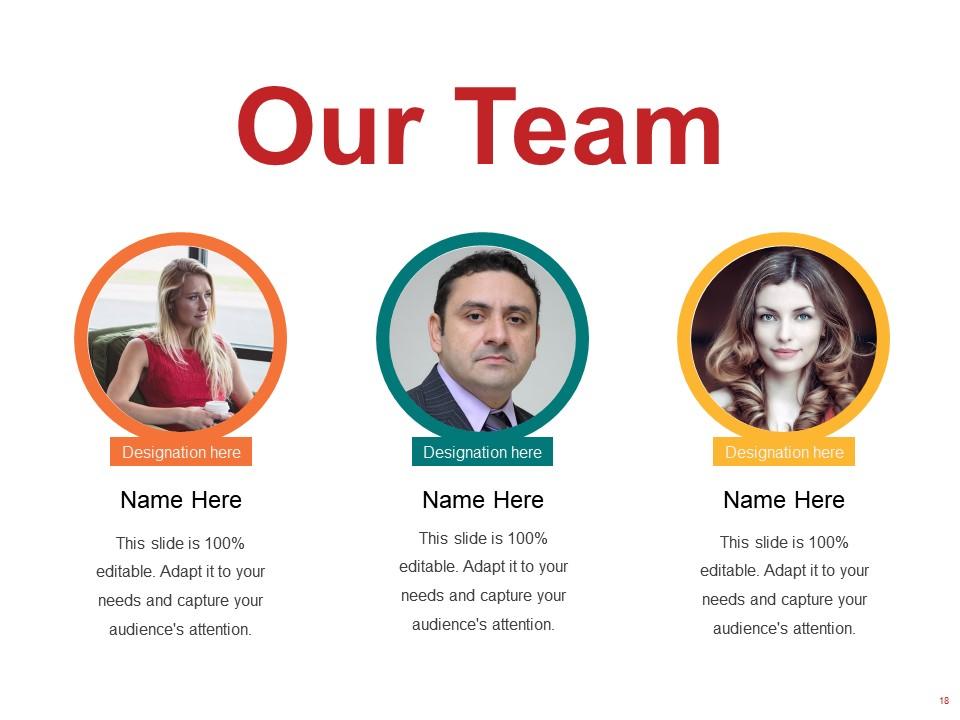
Folie 18 : Dies ist die Folie unseres Teams mit Namen, Bezeichnung und Textfeldern zum Ausfüllen von Informationen.
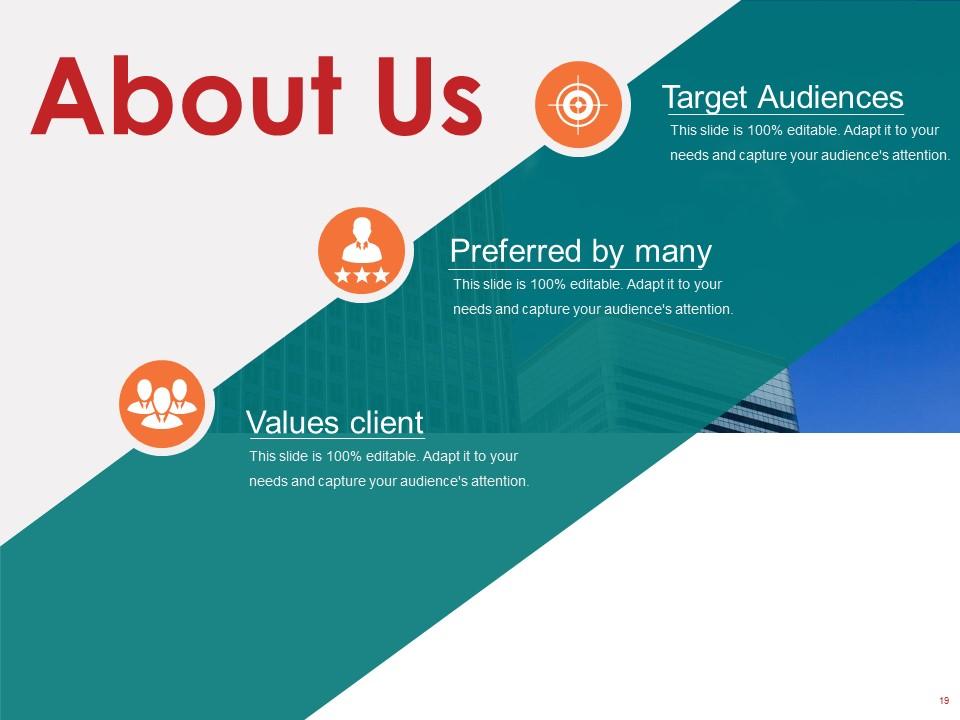
Folie 19 : Dies ist eine Über uns-Folie. Geben Sie hier Ihre Position, Fakten, Team-/Firmenspezifikationen oder alles Geschäftliche an.
Folie 20 : Dies ist die Folie „Unsere Ziele“. Geben Sie hier Ihre Ziele, Wünsche etc. an.
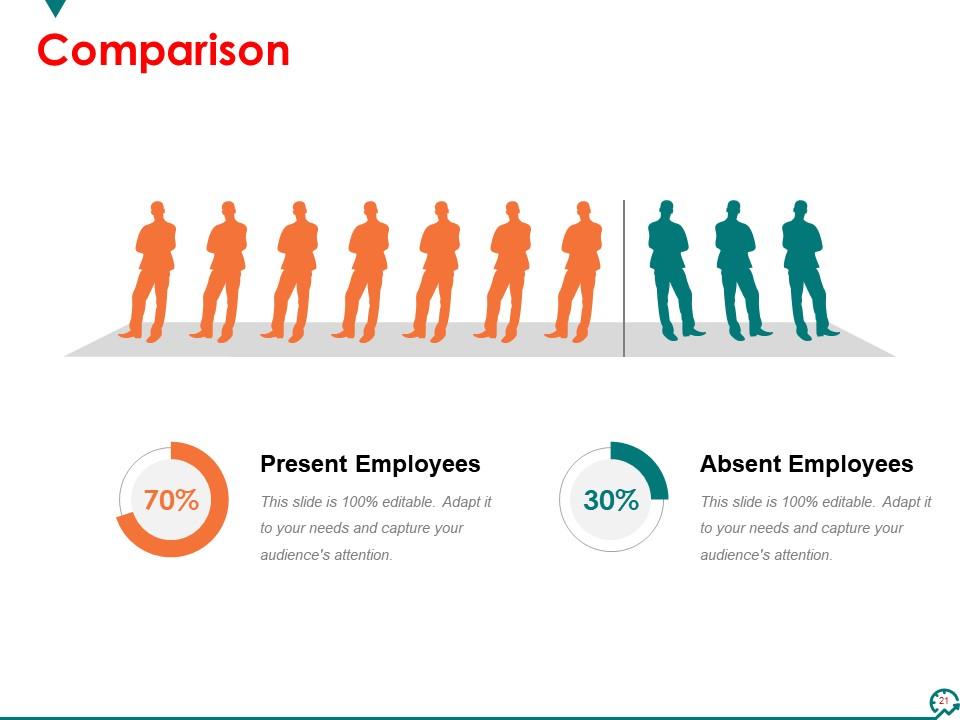
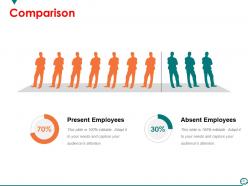
Folie 21 : Diese Folie zeigt den Vergleich zweier Entitäten in kreativer menschlicher Bildform.
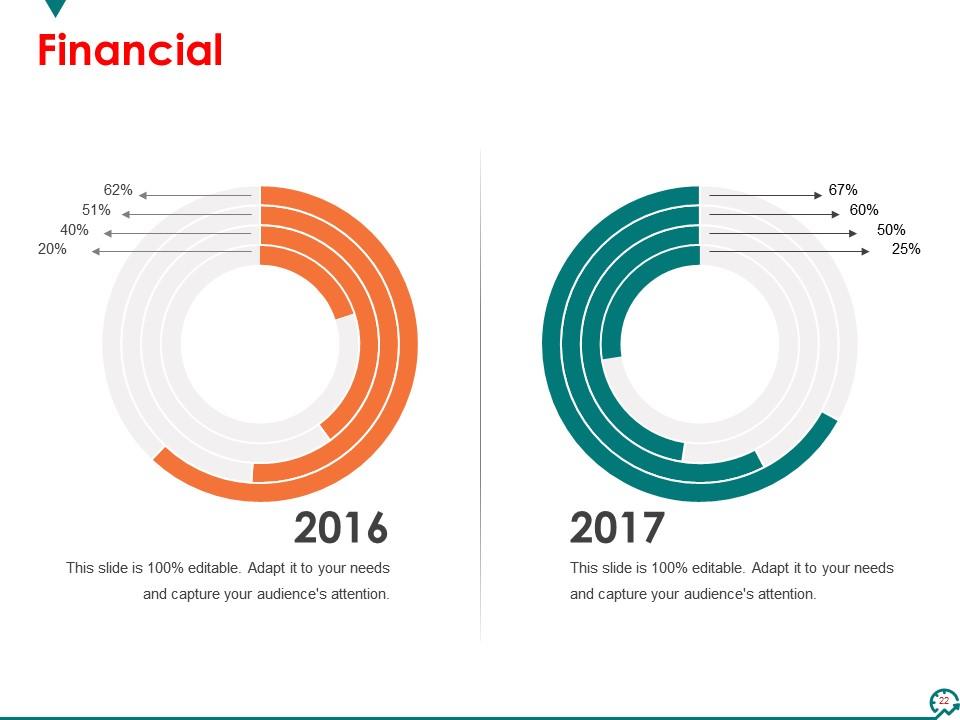
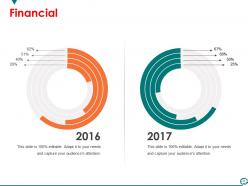
Folie 22 : Diese Folie trägt den Titel Finanzen. Zeigen Sie hier finanzbezogene Dinge, Statistiken usw. an.
Folie 23 : Dies ist eine Zitate-Folie. Sie können den Folieninhalt nach Bedarf hinzufügen/ändern.
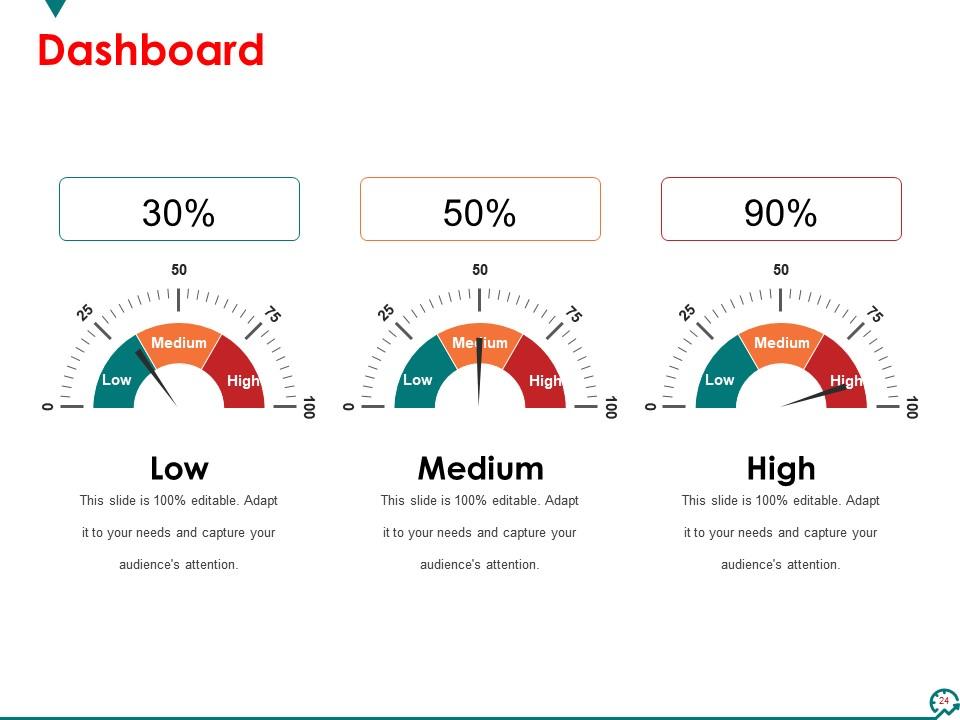
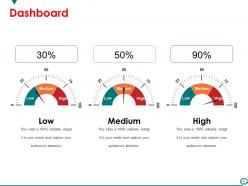
Folie 24 : Dies ist eine Dashboard-Folie, um niedrige, mittlere und hohe Aspekte, KPIs, Metriken usw. anzugeben.
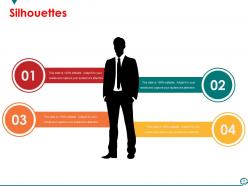
Folie 25 : Dies ist eine Infografik-Folie von Silhouettes, um Informationen, Spezifikationen usw. anzuzeigen.
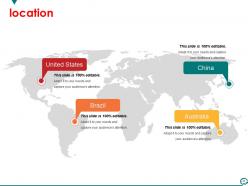
Folie 26 : Dies ist eine Standortbildfolie des Weltkartenbilds, um das globale Wachstum, die Präsenz usw.
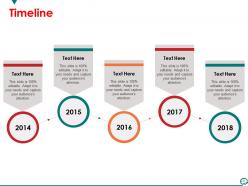
Folie 27 : Dies ist eine Timeline-Folie, die Wachstumsfaktoren, Meilensteine, Highlights usw. zeigt.
Folie 28 : Dies ist eine Mindmap-Bildfolie zur Anzeige von Informationen, Trennung, Spezifikationen usw.
Folie 29 : Dies ist eine Glühbirnen- oder Ideenfolie, um eine neue Idee zu präsentieren oder Spezifikationen/Informationen usw. hervorzuheben.
Folie 30 : Dies ist eine Dankesfolie mit E-Mail, Adresse, Hausnummer, Stadt, Bundesland, Kontaktnummern.
Supply Chain Management Performance Powerpoint-Präsentationsfolien mit allen 30 Folien:
Schaffen Sie mit unseren Powerpoint-Präsentationsfolien für Supply Chain Management Performance eine Gruppe, die einen dominierenden Einfluss hat. Es hilft, beeindruckende Allianzen zu schmieden.
FAQs for Supply Chain Management Performance
You'll need solid demand forecasting and good supplier relationships first - and I mean actually good ones, not just whoever's cheapest. Inventory optimization matters too. Map out your whole supply chain before doing anything else because you can't fix what you don't understand. Get real-time visibility so bottlenecks don't blindside you. Risk management became way more obvious after COVID hit everyone. Oh, and logistics coordination obviously. Build in flexibility wherever possible - rigid systems break when stuff goes sideways. Technology helps but start with understanding your current setup completely.
So AI and IoT are basically game-changers for supply chains. You get real-time data on everything - inventory, shipments, equipment health. The forecasting is insane now, like almost creepy how accurate it gets with predicting demand and disruptions. IoT sensors track stuff live from warehouses to individual products. This lets you automate reordering and instantly reroute when problems hit. Quality issues get caught early too. Honestly, my cousin's company started with just tracking their most important shipments and it made a huge difference. Don't overthink it - start small.
Dude, data analytics is a total game-changer for supply chains. It helps you predict what customers actually want instead of guessing. You can spot bottlenecks early and fix inventory issues - no more being stuck with tons of stuff nobody wants or running out of the good stuff. Plus tracking supplier performance becomes way easier. My advice? Don't go crazy trying to fix everything at once. Pick something specific like demand forecasting first. Build from there. I learned this the hard way when we tried to overhaul our entire system - what a nightmare that was.
Honestly, don't put all your eggs in one basket with suppliers - that's just asking for trouble. Get multiple vendors lined up, ideally in different regions so you're covered if one tanks. Map out your whole supply chain to find the weak spots, then make backup plans for each. Real-time tracking tools are pretty clutch for catching problems early. Keep some extra inventory around for your most critical stuff too. I'd start by doing a supplier audit this quarter and figure out where you're most vulnerable. It sounds like a lot but breaking it down makes it manageable.
Start with supplier audits - check if they're actually doing what they claim environmentally. Design your products so they can be recycled later (saves you headaches down the road). Track carbon emissions, but honestly just pick your biggest 3 suppliers first or you'll go crazy with data. Local sourcing helps when it makes sense. The reporting stuff is kind of a pain initially, but whatever. Focus on cutting waste and getting your key suppliers on board with renewable energy. Oh, and build real partnerships with suppliers who aren't just greenwashing. Scale up once you've figured out what works.
Pandemics totally mess up everything you've planned. Consumer behavior changes overnight, suppliers shut down, transportation gets weird. One factory in Asia closes? Your whole production timeline is screwed. Build flexibility into your planning though. Don't rely on just one supplier - spread it around. Keep more safety stock of critical stuff than you think you need. Real-time tracking tools are worth the investment, honestly. When the next crazy thing happens (and it will), you'll be able to pivot fast instead of scrambling like everyone else did in 2020.
Honestly, data silos are gonna be your biggest headache. Different systems that don't talk to each other, suppliers who clam up because they're scared you'll see their mess-ups or steal their secrets. The tech side is brutal too - getting everyone on platforms that actually work together? Yeah, that'll drain your budget fast. Oh, and once you get past your direct suppliers, good luck seeing anything. Multi-tier networks are basically black holes for visibility. My advice? Don't go crazy trying to fix everything. Pick your most critical suppliers first and build transparency there. Baby steps work better than going nuclear on the whole supply chain at once.
Don't think of it as all-or-nothing. Split your suppliers up - go premium for the stuff that'll kill you if it breaks, but save money on everything else. Honestly, I've watched companies blow cash by always chasing the lowest bid instead of locking in decent suppliers long-term. The real trick is finding partners who'll scale with you. Their costs drop as they grow, yours do too. Also, think bigger picture than just sticker price - a cheap part that fails later will cost you way more than paying a bit extra upfront. Total ownership costs matter more than unit price.
So you want to focus on four main things: cost, quality, speed, and flexibility. Track your total supply chain costs and cost per unit obviously. Quality-wise, watch defect rates and how your suppliers are performing. Speed is huge - measure order fulfillment time and on-time delivery because late shipments will absolutely ruin your day. Don't forget flexibility metrics that show how fast you can pivot when demand shifts or something breaks. Honestly though, pick maybe 3-5 metrics that actually tie to what matters for your business. Otherwise you'll just drown in spreadsheets. Start with whatever's giving you the biggest headaches right now.
Your sourcing decisions literally make or break everything else down the line. Pick solid suppliers, negotiate decent contracts, spread your bets across vendors - suddenly your whole operation runs way smoother. Mess up procurement though and you're looking at bottlenecks everywhere, costs going crazy (seriously, it gets ugly fast). Lead times, inventory, quality control - it all traces back to who you chose to work with. Oh and when stuff hits the fan, good supplier relationships are what save you. Don't just treat it like paperwork - actually invest in those partnerships and use real data to make calls.
Honestly, good collaboration with your supply chain partners can totally make or break everything. Share info regularly and get everyone on the same page with planning - you'll see costs drop and delivery times get way better. It's kinda like that relay race thing where if someone fumbles the handoff, everyone's screwed. I've seen companies mess this up and end up with crazy inventory buildups and demand that's all over the place. My advice? Pick your most important partners first. Set up regular check-ins with them. The coordination takes work but seriously pays off in customer satisfaction.
So basically you'll get instant updates on what's in stock everywhere, which stops you from running out of stuff or ordering way too much. The system sets up automatic reorder alerts and can predict what you'll need based on your sales history. Barcode scanning cuts out all those counting mistakes - I swear spreadsheets are the worst for tracking inventory. It even figures out seasonal patterns and adjusts orders for you. Cloud-based systems work best since they connect with whatever tools you're already using. Way better than manually tracking everything.
Customer feedback is your best guide for supply chain choices - shows you what's broken and what works. Look for patterns in complaints about late deliveries or damaged stuff. That's where your bottlenecks are hiding. Companies blow so much cash fixing random things instead of listening to customers first (I've watched this happen way too many times). Set up regular feedback collection, then focus on the recurring issues, not one-off complaints. It'll save you from optimizing the wrong parts of your operation.
Honestly, smaller companies can totally compete if they're smart about suppliers. Instead of working with tons of vendors, pick a few solid ones and build real relationships - you'll get better deals and they'll prioritize you when stuff hits the fan. Being small is actually pretty great because you can change direction way faster than the big guys. Map out who you're working with now and figure out where you're most vulnerable. Then find backups for anything critical. Oh, and don't wait until there's a crisis to start looking for alternatives - that never ends well.
Honestly, the biggest shifts I'm seeing are AI demand forecasting and companies going super local to avoid getting burned by global supply chain meltdowns again. Sustainability isn't just trendy anymore - it's actually driving real decisions. Drones and self-driving trucks are getting way more traction than I expected. Blockchain's helping with transparency too, though that one's still pretty niche. COVID basically made everyone realize resilience beats pure efficiency every time. Oh, and circular economy stuff is everywhere now. Start by mapping out your current suppliers and finding local backups - that's probably your easiest win right there.
-
Informative design.
-
Innovative and Colorful designs.