


Vantagem Competitiva Sustentável em Gestão Estratégica Apresentação em PowerPoint Slides Estratégia CD
Uma vantagem competitiva sustentável é a capacidade da empresa de superar seus concorrentes no atendimento a seus consumidores. Obtenha nossa Vantagem Competitiva Sustentável projetada de forma perspicaz em um modelo de Gestão Estratégica. Seu principal objetivo é expandir a participação de mercado da empresa entre rivais formidáveis. O PPT oferece uma ampla visão geral e informações sobre os tipos, significado, procedimentos e estruturas que várias empresas podem usar. O acesso a uma variedade de técnicas de aumento de vantagem competitiva, como liderança em custo, diferenciação, foco e plano de iniciativas sustentáveis, é fornecido nesta apresentação em PowerPoint. Nossa plataforma de estratégia de liderança de custos inclui um organograma, uma estratégia de comunicação e um programa de treinamento. Além disso, oferece informações sobre a seleção de software e preços para colocar em prática métodos de vantagem competitiva sustentável. Além disso, a análise de impacto deste módulo, KPIs e painéis podem ajudar na avaliação da eficácia da abordagem acima. Por fim, apresenta uma visão geral de vários estudos de caso de empresas que usam táticas de vantagem competitiva sustentável, incluindo Walmart, Zara e Harley Davidson. Baixe esta apresentação totalmente editável para obter nossa oferta bem pesquisada e habilmente elaborada.








-

- Google Slides is a new FREE Presentation software from Google.
- All our content is 100% compatible with Google Slides.
- Just download our designs, and upload them to Google Slides and they will work automatically.
- Amaze your audience with SlideTeam and Google Slides.
-

Want Changes to This PPT Slide? Check out our Presentation Design Services
-

- WideScreen Aspect ratio is becoming a very popular format. When you download this product, the downloaded ZIP will contain this product in both standard and widescreen format.
-

- Some older products that we have may only be in standard format, but they can easily be converted to widescreen.
- To do this, please open the SlideTeam product in Powerpoint, and go to
- Design ( On the top bar) -> Page Setup -> and select "On-screen Show (16:9)” in the drop down for "Slides Sized for".
- The slide or theme will change to widescreen, and all graphics will adjust automatically. You can similarly convert our content to any other desired screen aspect ratio.
Compatible With Google Slides

Get This In WideScreen
You must be logged in to download this presentation.


Do you want to remove this product from your favourites?
Recursos desses slides de apresentação do PowerPoint:

People who downloaded this PowerPoint presentation also viewed the following :
Conteúdo desta apresentação em Powerpoint
Slide 1 : Este slide apresenta a Vantagem Competitiva Sustentável na Gestão Estratégica. Comece informando o nome da sua empresa.
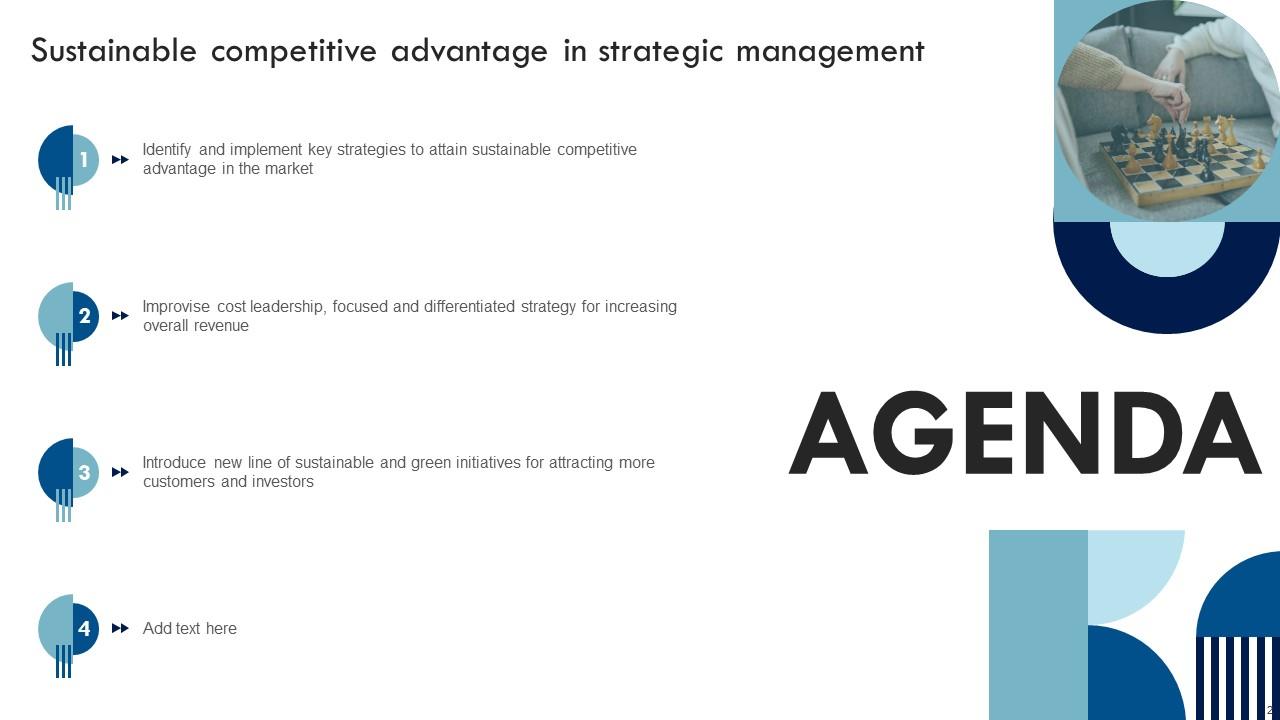
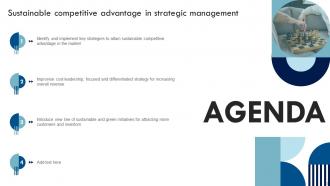
Slide 2 : Este slide descreve a Agenda da apresentação.
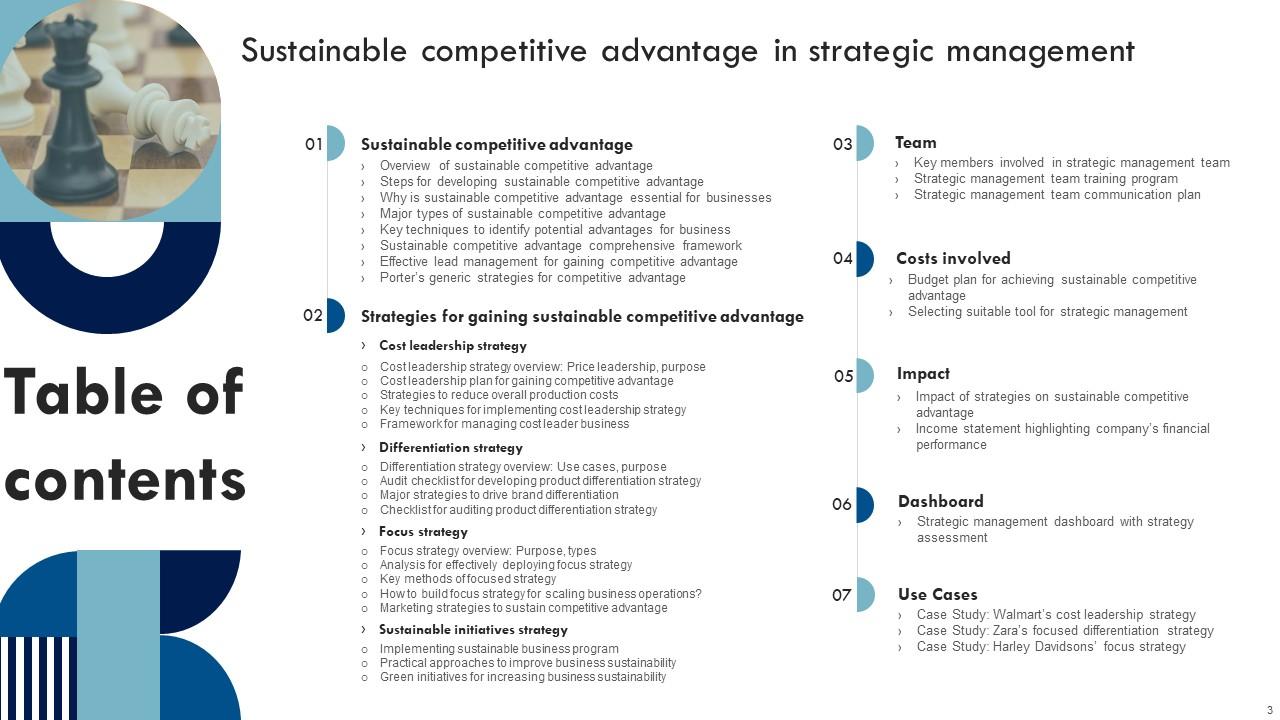
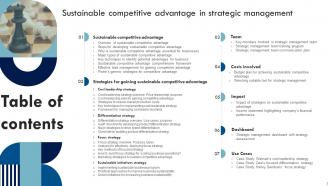
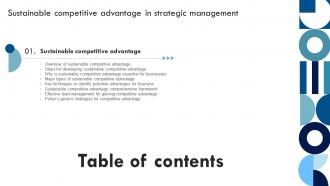
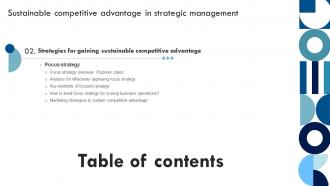
Slide 3 : Este slide incorpora o sumário.
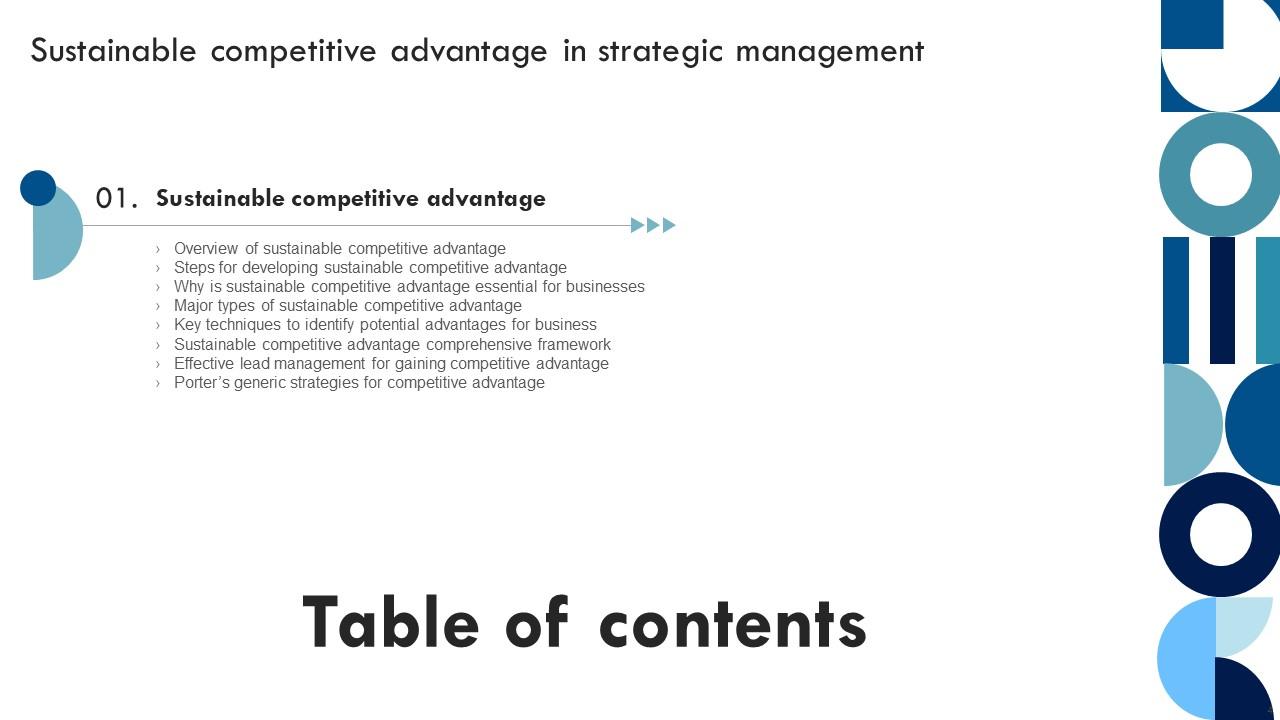
Slide 4 : Este slide destaca o título dos tópicos a serem discutidos a seguir.
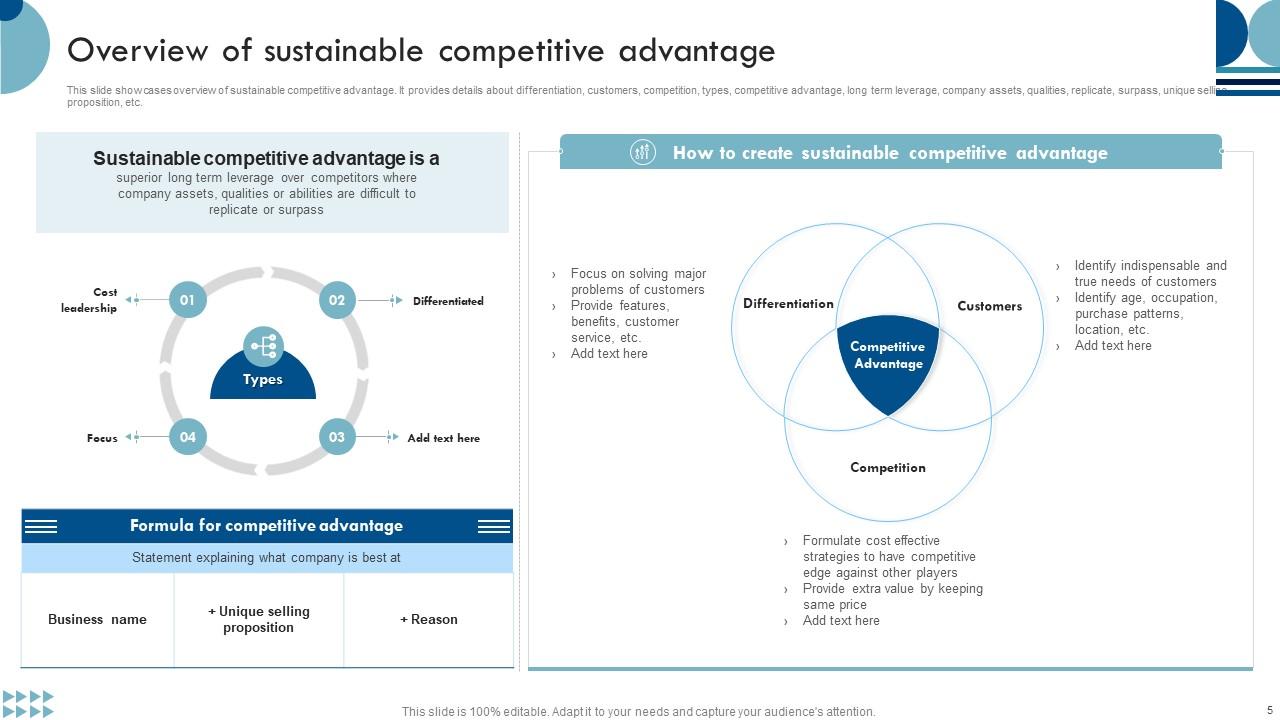
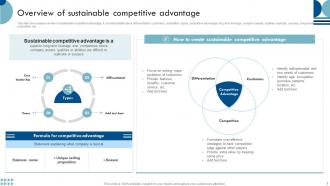
Slide 5 : Este slide mostra a visão geral da vantagem competitiva sustentável.
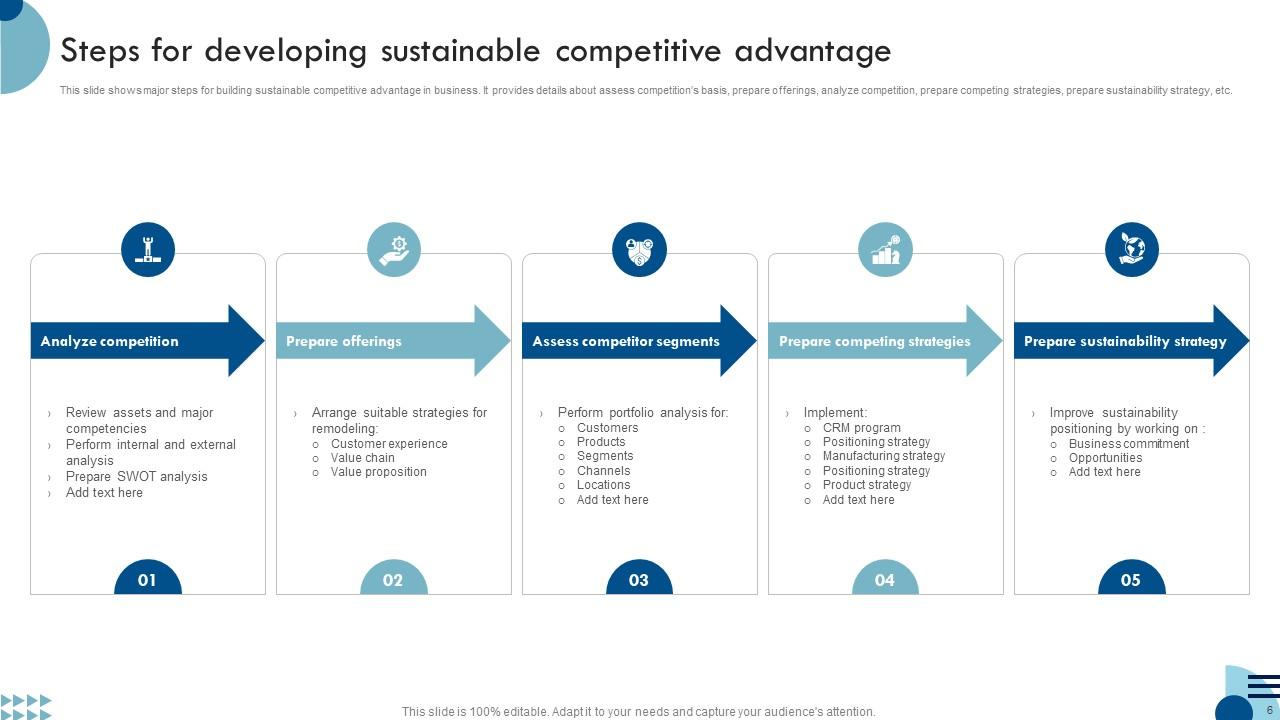
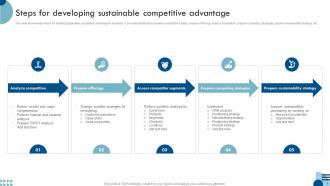
Slide 6 : Este slide apresenta as etapas para desenvolver uma vantagem competitiva sustentável.
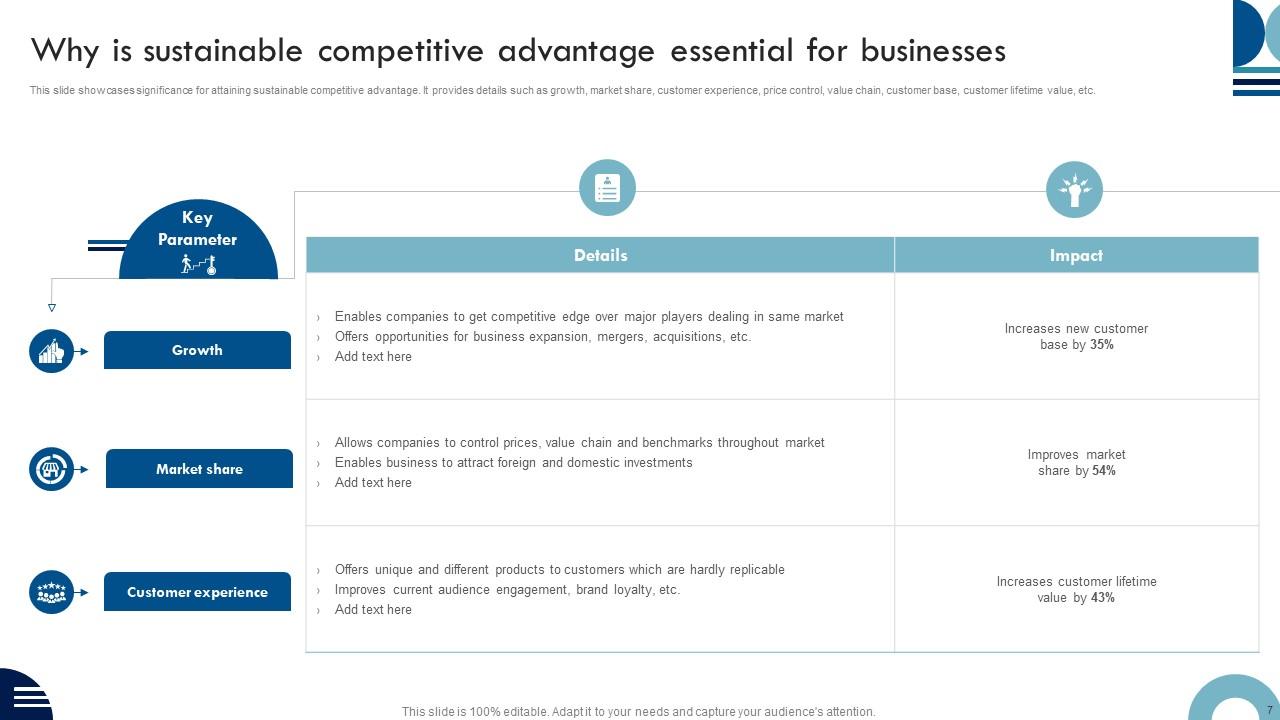
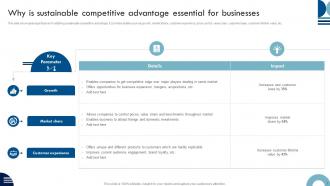
Slide 7 : Este slide mostra a importância de se obter uma vantagem competitiva sustentável.
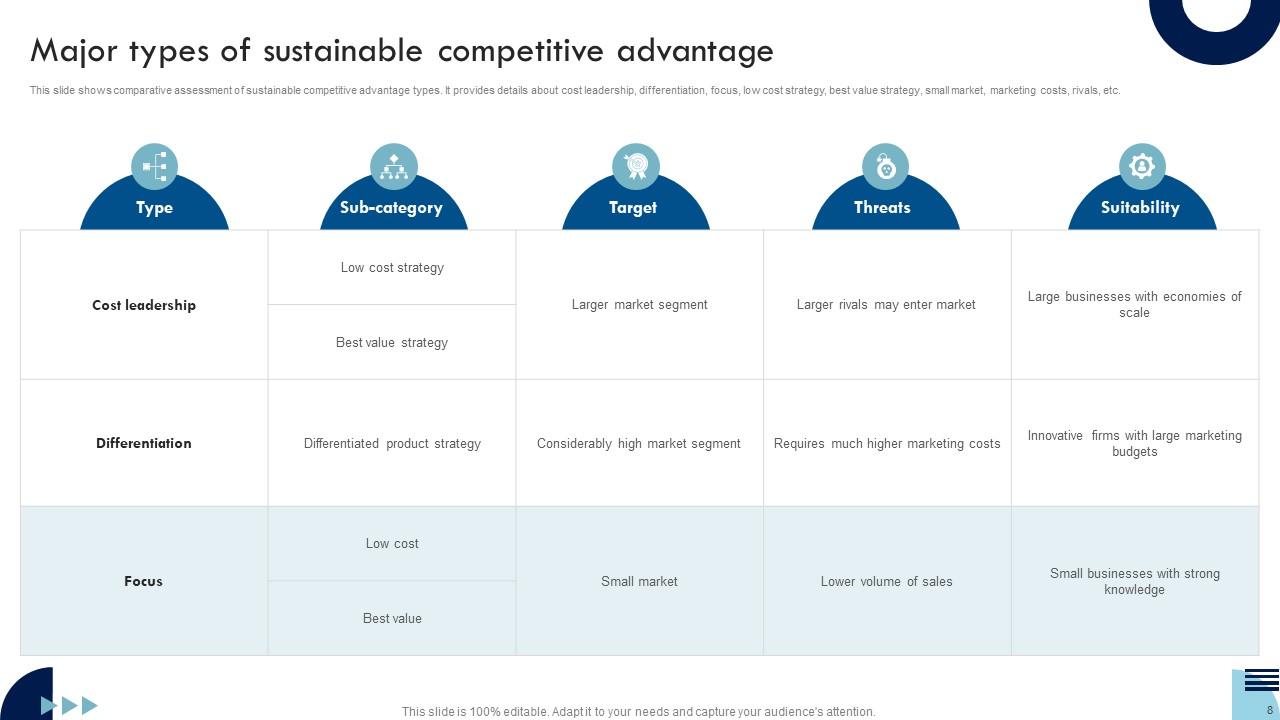
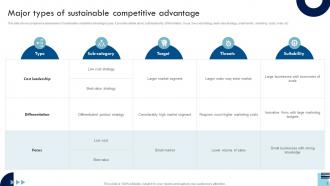
Slide 8 : Este slide elucida a avaliação comparativa dos tipos de vantagens competitivas sustentáveis.
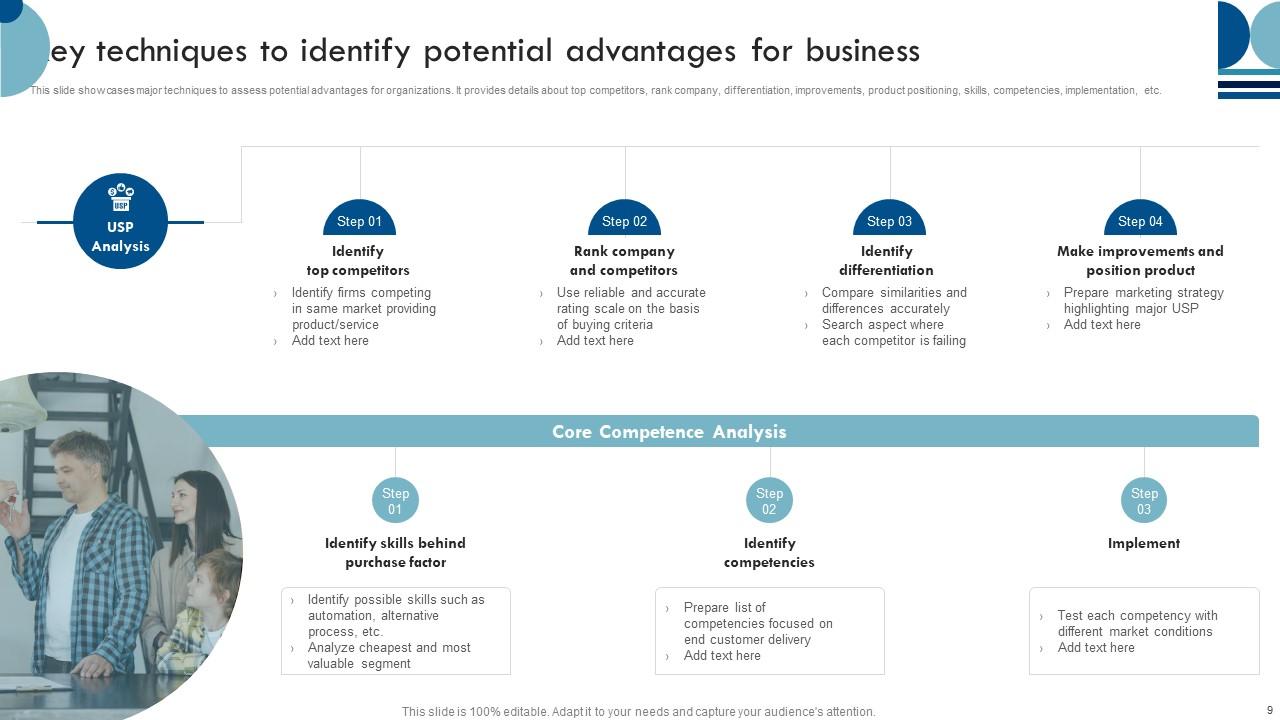
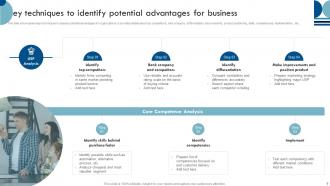
Slide 9 : Este slide leva em consideração as principais técnicas para identificar potenciais vantagens para os negócios.
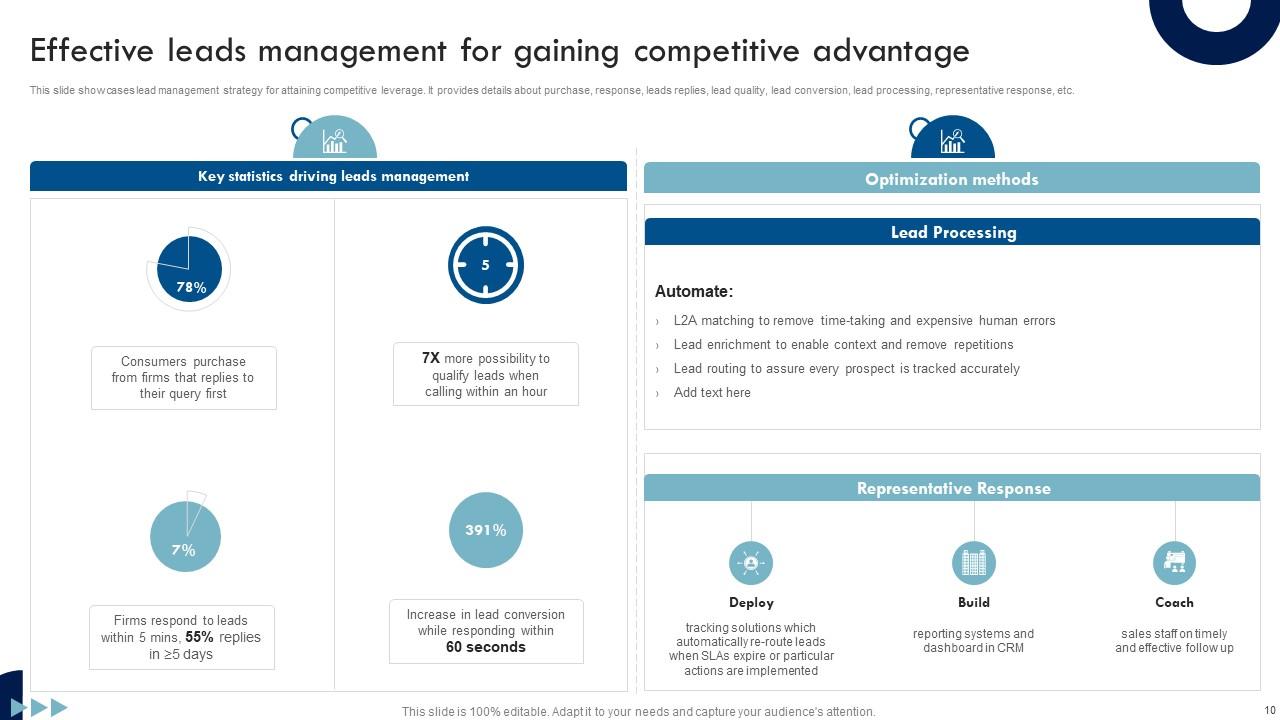
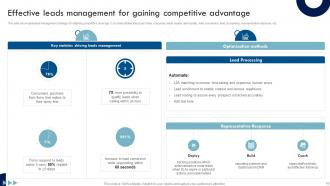
Slide 10 : Este slide mostra a estratégia de gerenciamento de leads para obter vantagem competitiva.
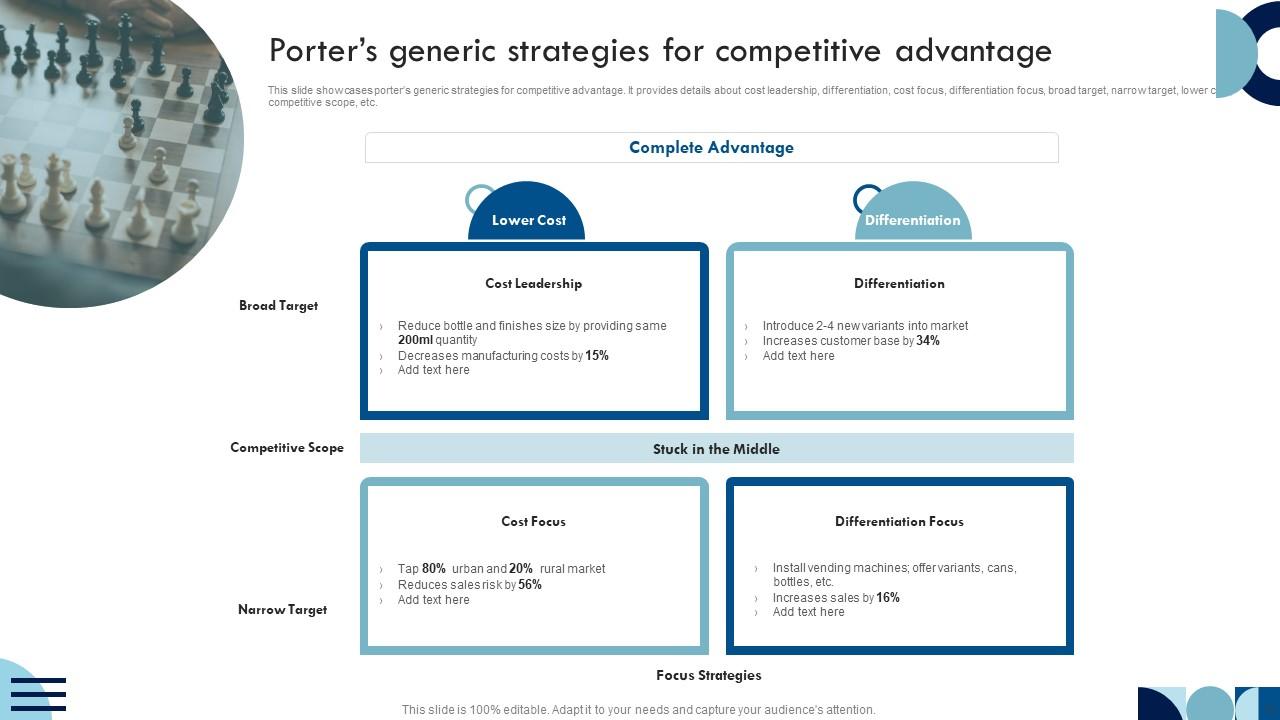
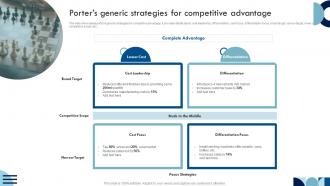
Slide 11 : Este slide apresenta as estratégias genéricas de Porter para vantagem competitiva.
Slide 12 : Este slide revela o título dos componentes a serem abordados no próximo modelo.
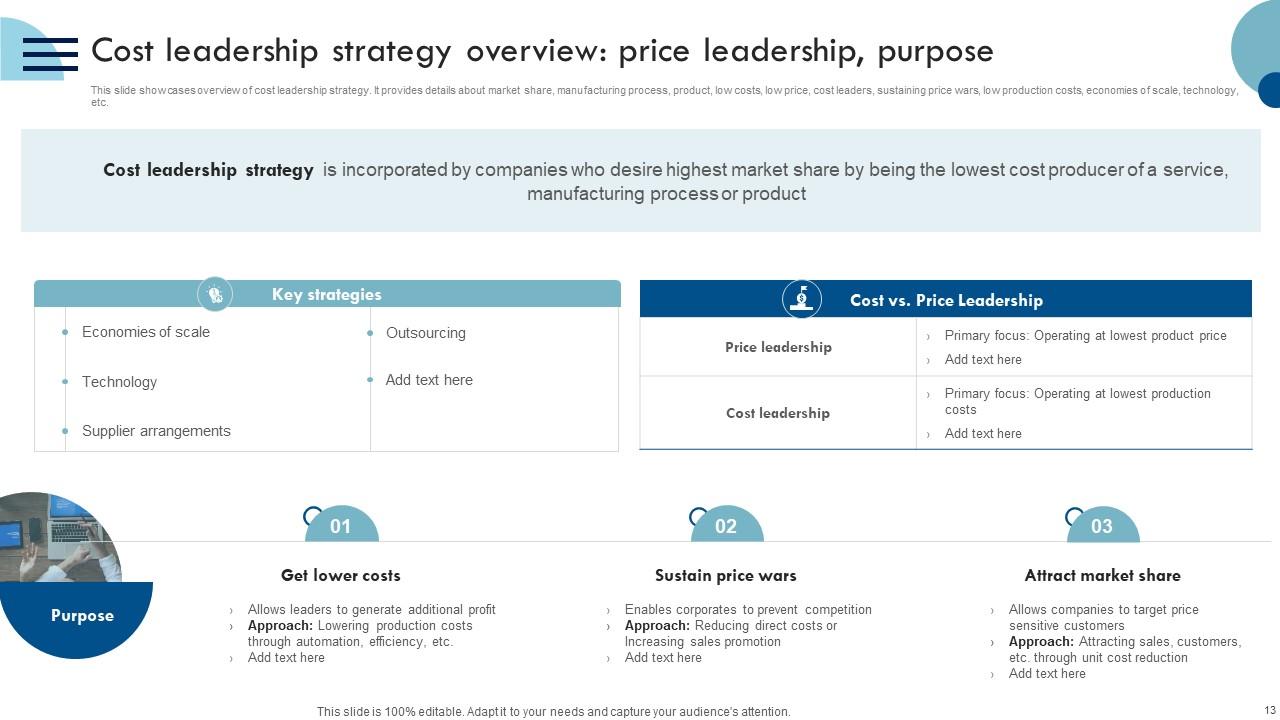
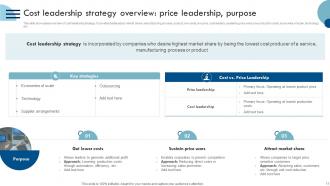
Slide 13 : Este slide retrata a visão geral da estratégia de liderança em custos.
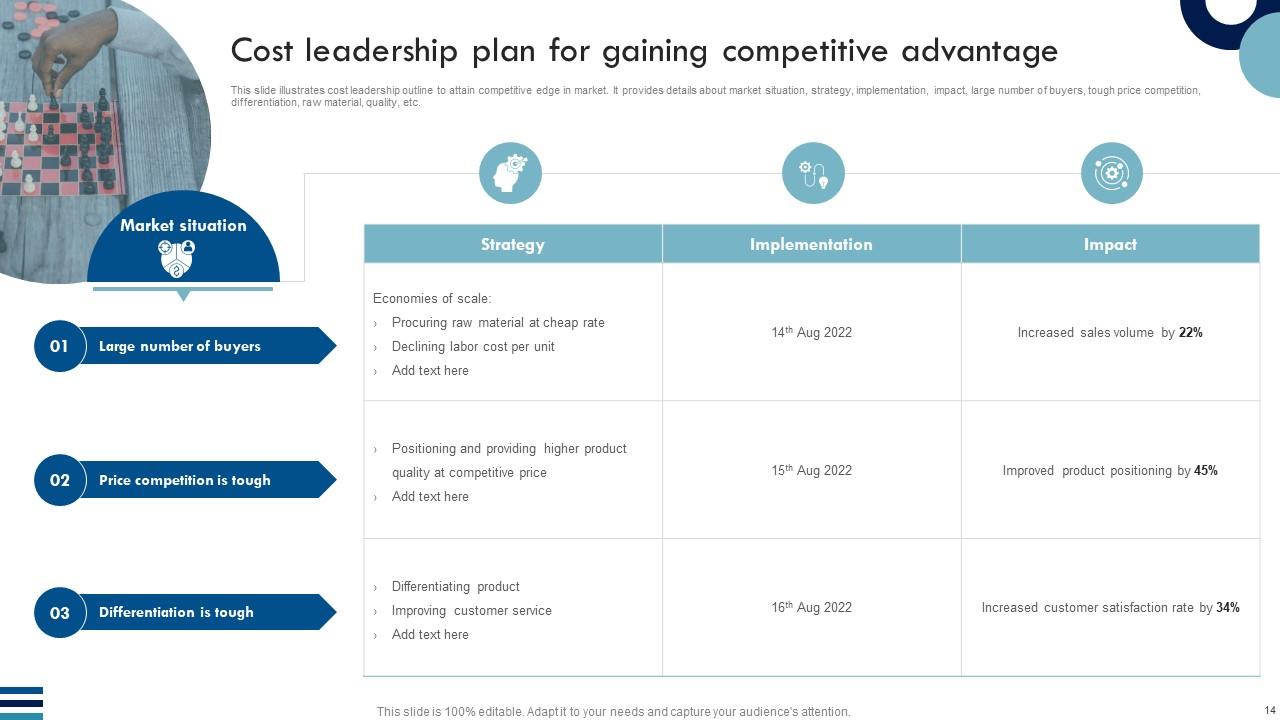
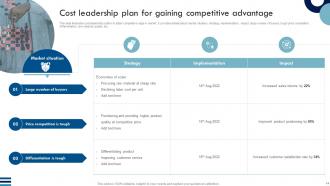
Slide 14 : Este slide ilustra o esboço de liderança de custo para obter vantagem competitiva no mercado.
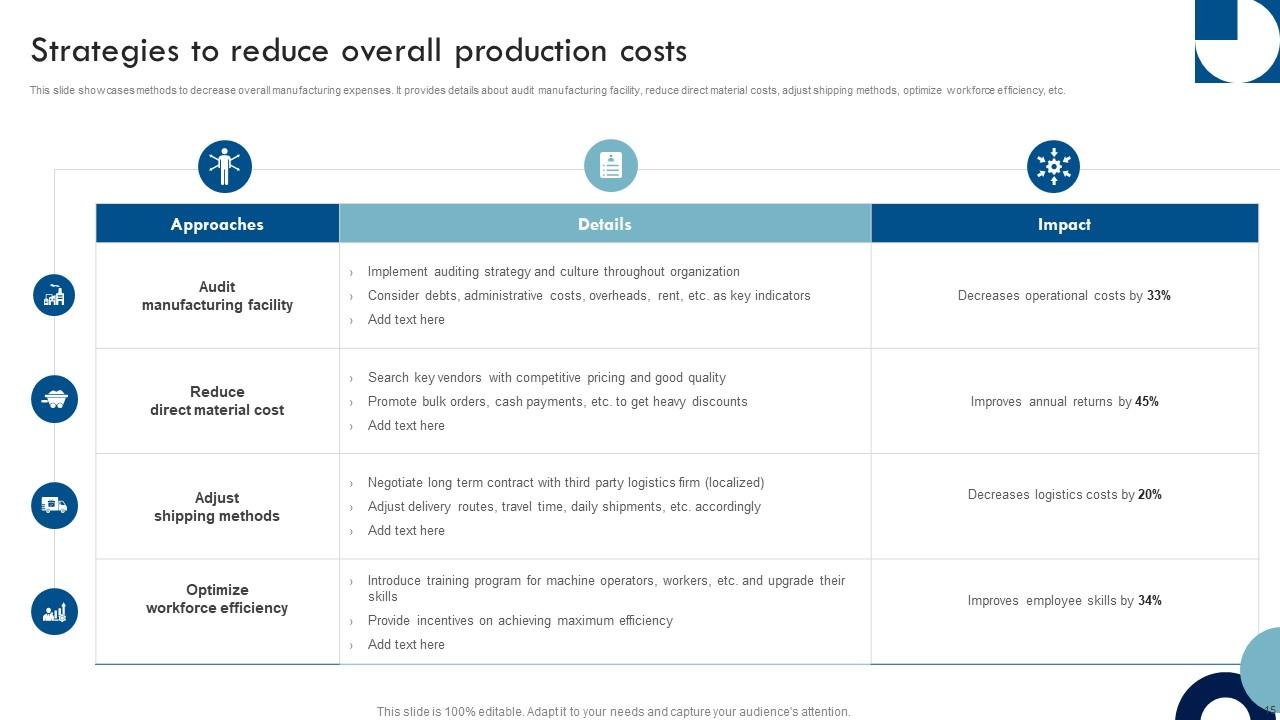
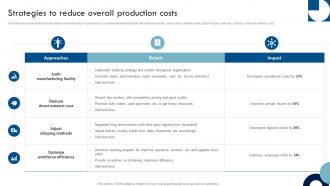
Slide 15 : Este slide lista as estratégias para reduzir os custos gerais de produção.
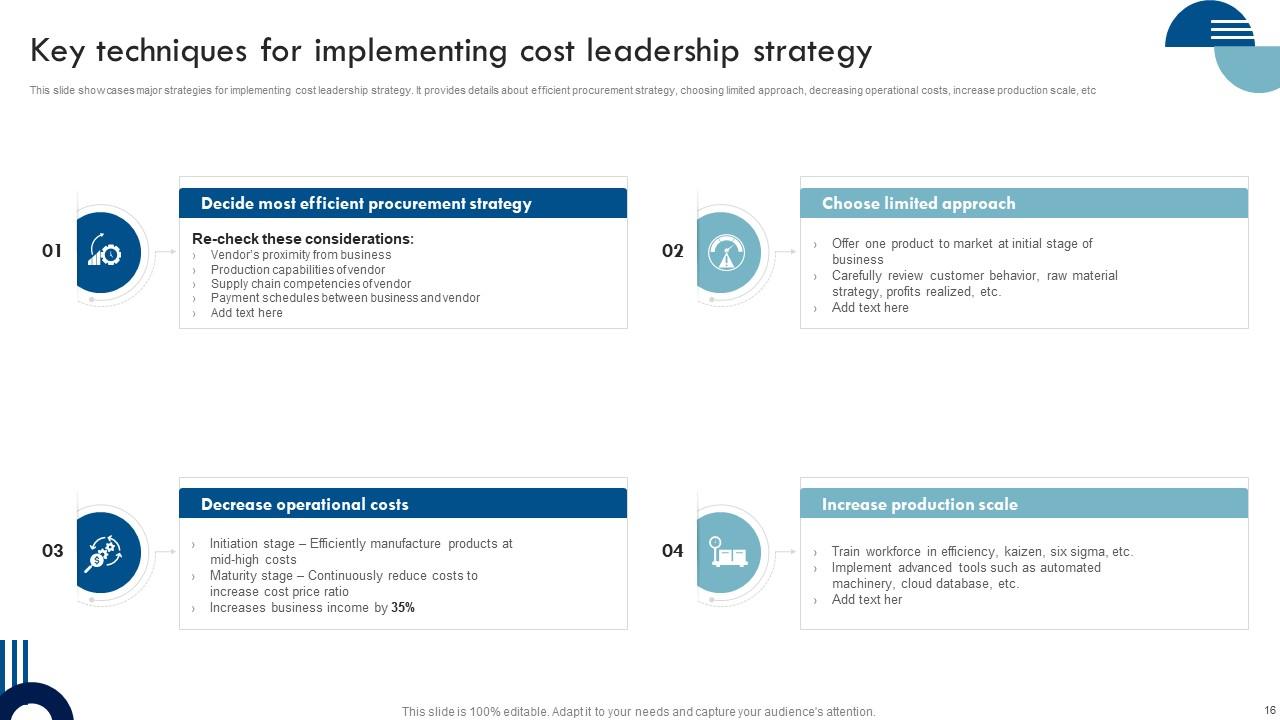
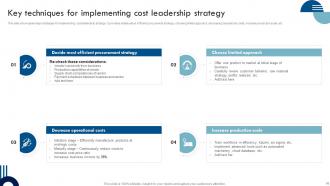
Slide 16 : Este slide destaca as principais técnicas para implementar a estratégia de liderança em custos.
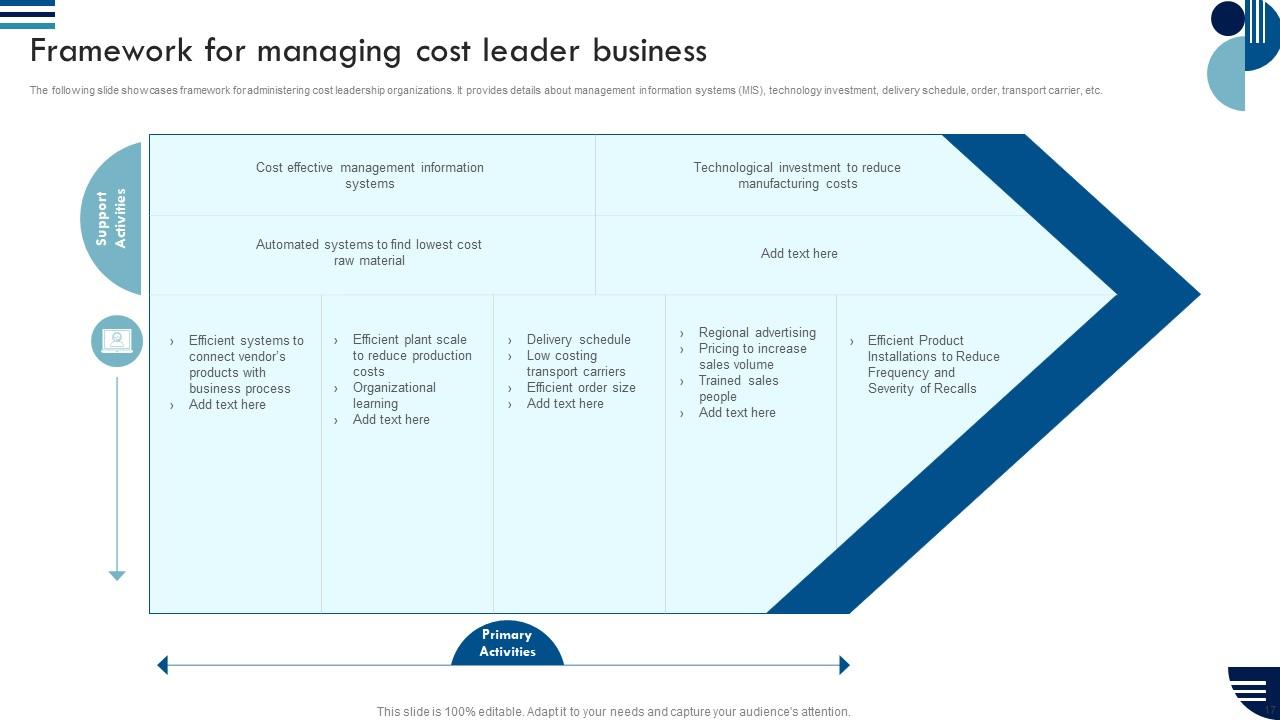
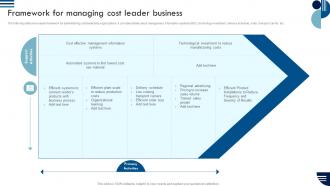
Slide 17 : O slide a seguir mostra a estrutura para administrar organizações de liderança em custos.
Slide 18 : Este slide contém o título das ideias a serem discutidas a seguir.
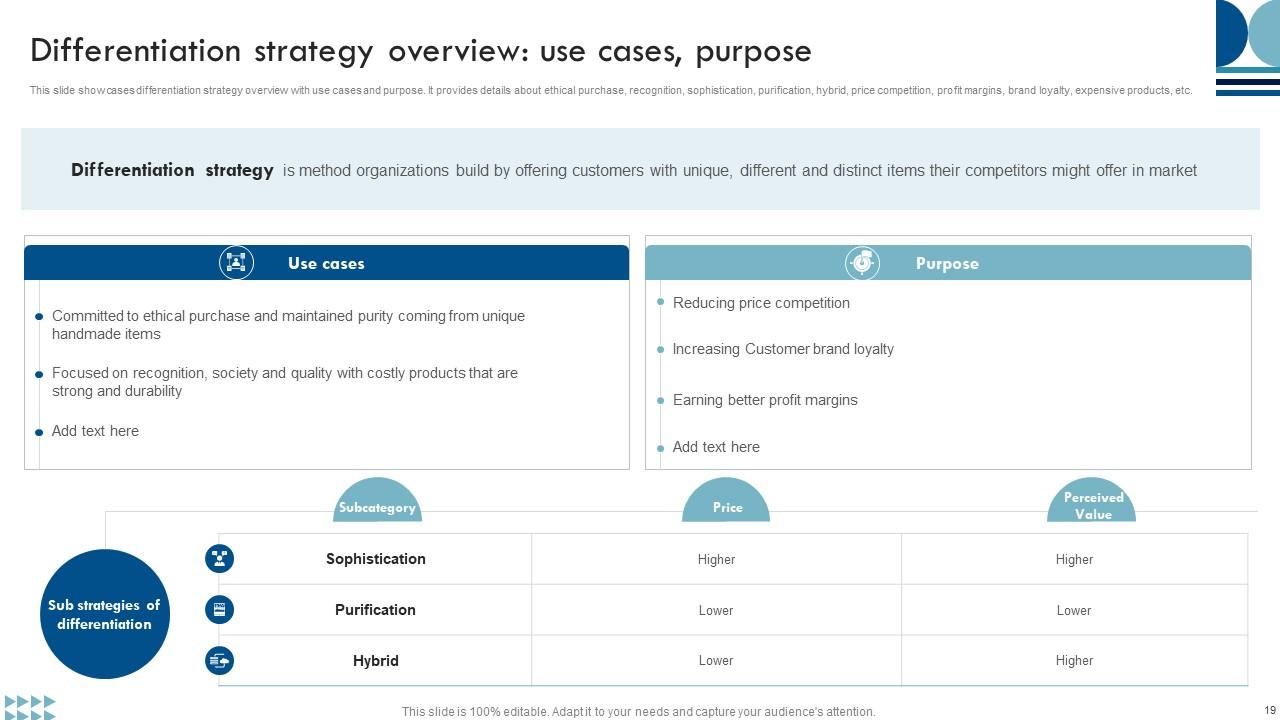
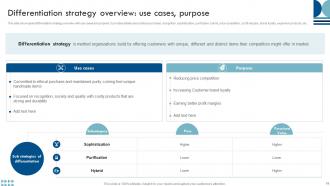
Slide 19 : Este slide apresenta uma visão geral da estratégia de diferenciação com casos de uso e finalidade.
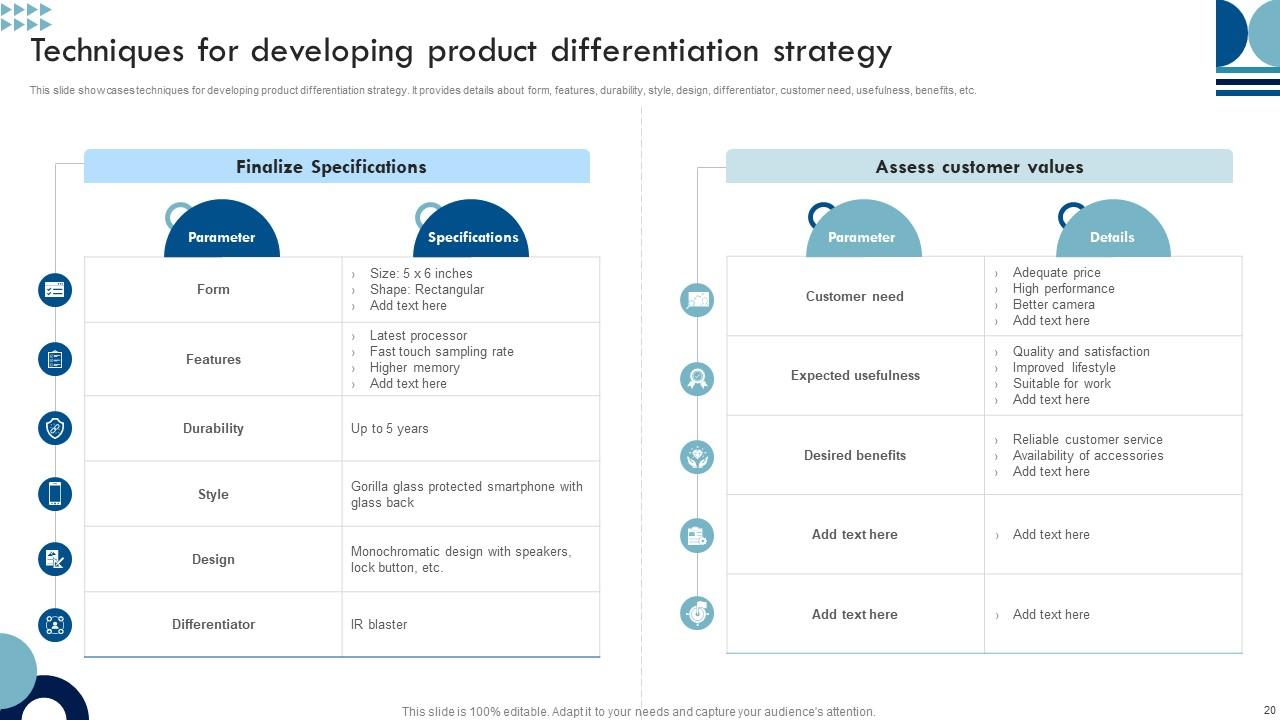
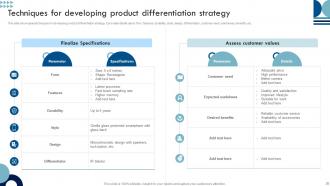
Slide 20 : Este slide elucida as técnicas para desenvolver a estratégia de diferenciação do produto.
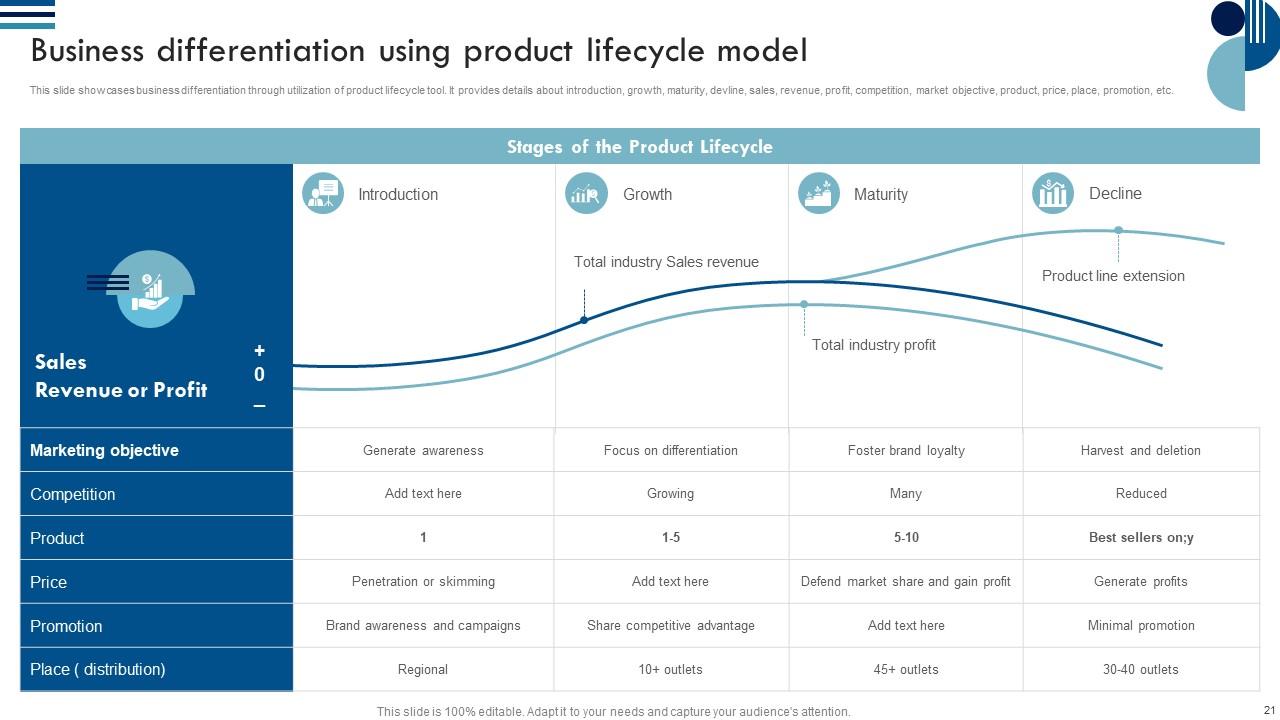
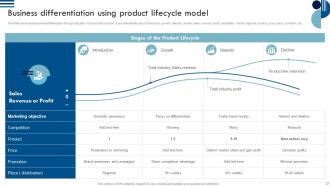
Slide 21 : Este slide representa a diferenciação de negócios por meio da utilização da ferramenta de ciclo de vida do produto.
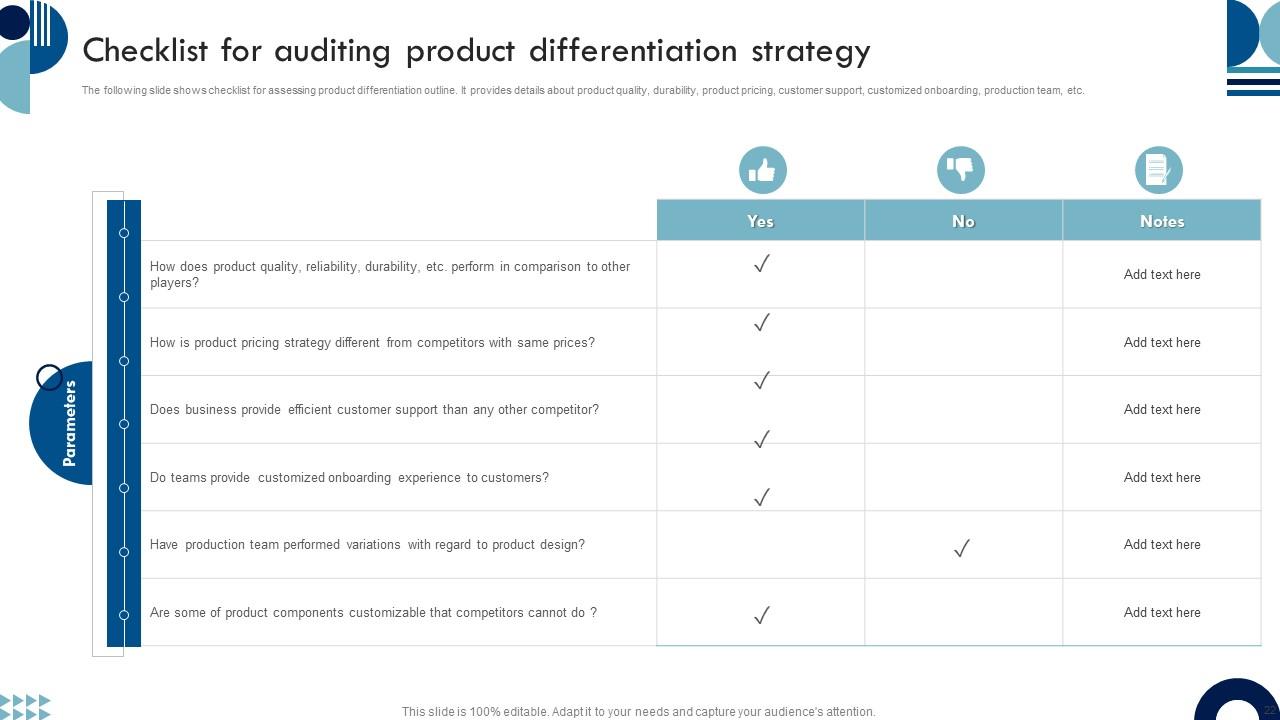
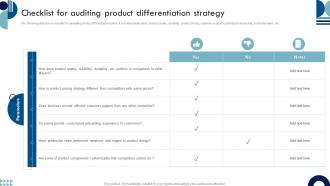
Slide 22 : O slide a seguir descreve uma lista de verificação para avaliar o esboço de diferenciação do produto.
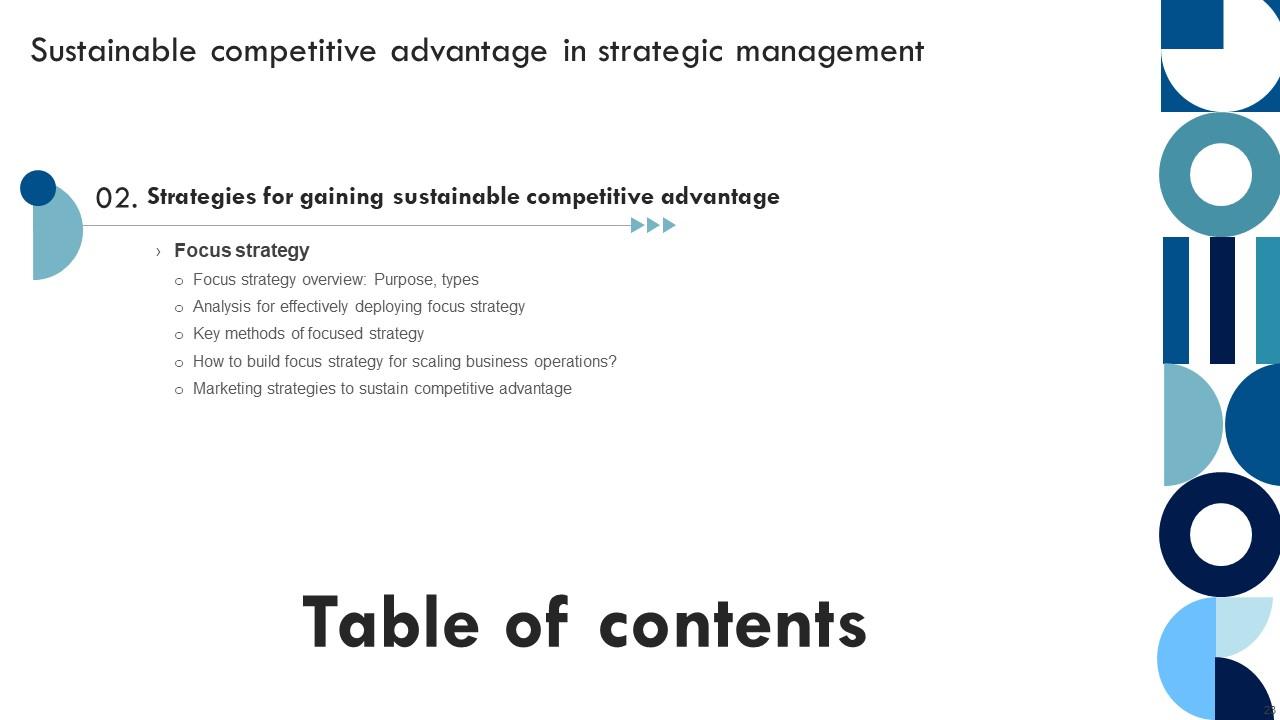
Slide 23 : Este slide indica o Título para as Ideias a serem abordadas posteriormente.
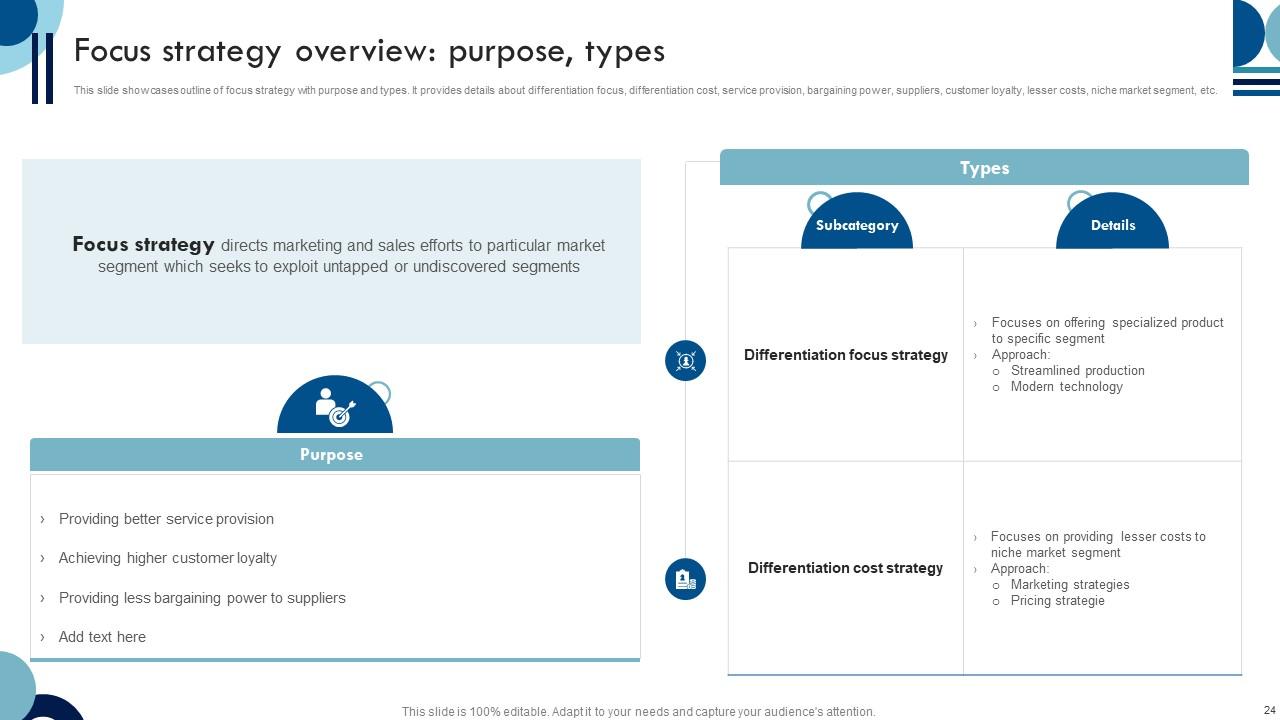
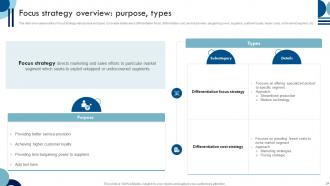
Slide 24 : Este slide mostra o esboço da estratégia de foco com propósito e tipos.
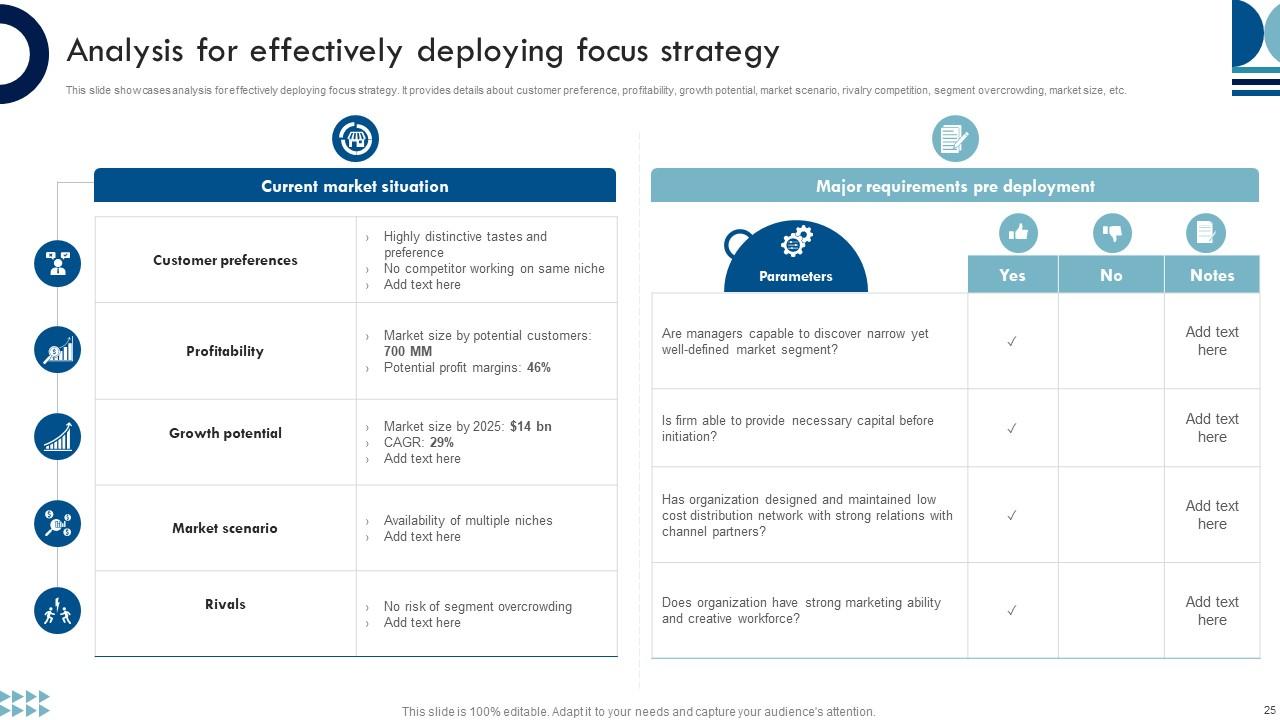
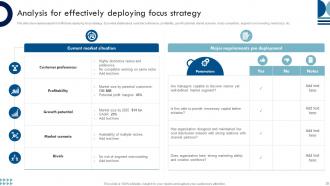
Slide 25 : Este slide trata da análise para a implantação eficaz da estratégia de foco.
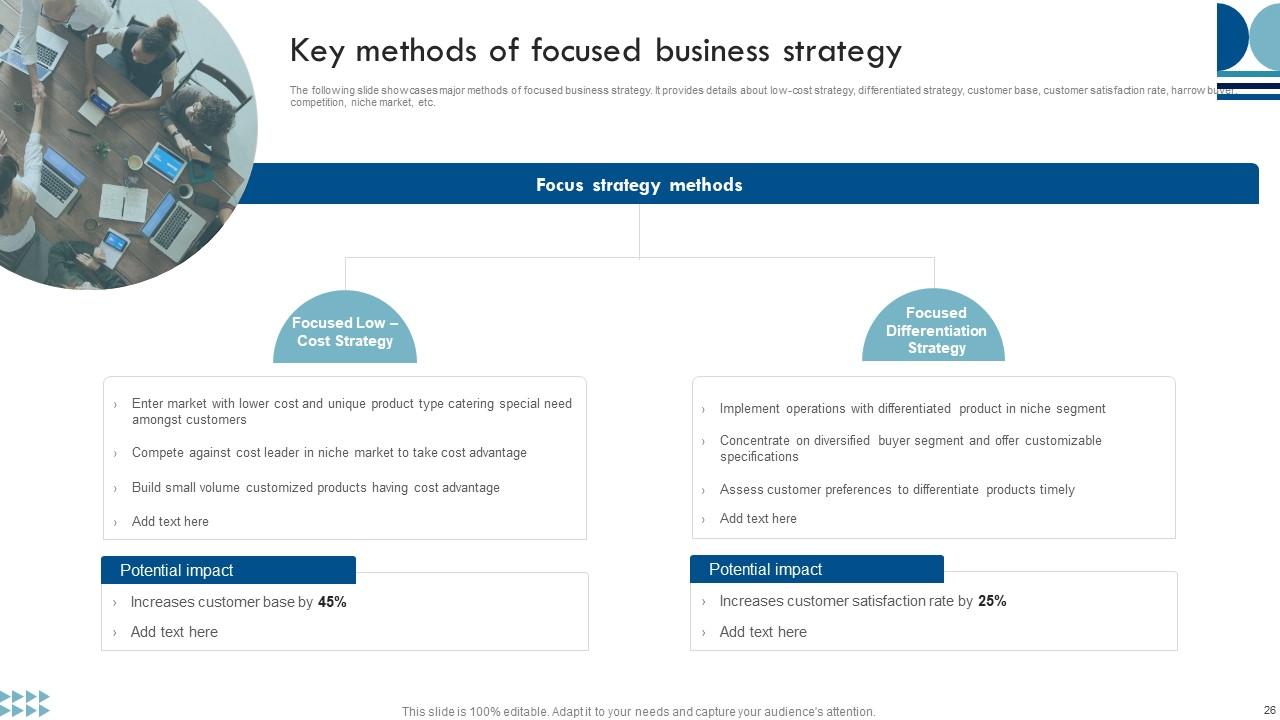
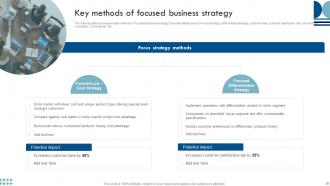
Slide 26 : Este slide destaca os principais métodos de estratégia de negócios focada.
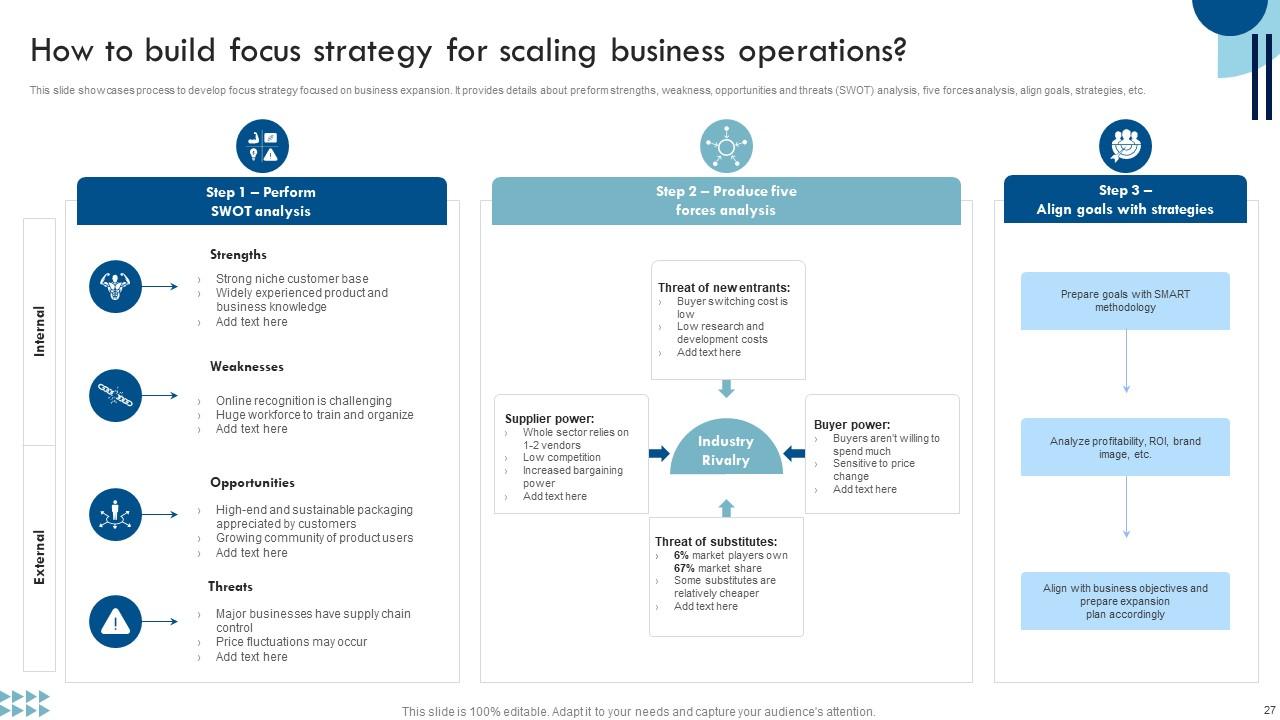
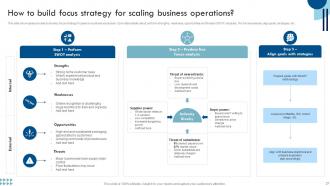
Slide 27 : Este slide revela o processo de desenvolvimento da estratégia de foco com foco na expansão dos negócios.
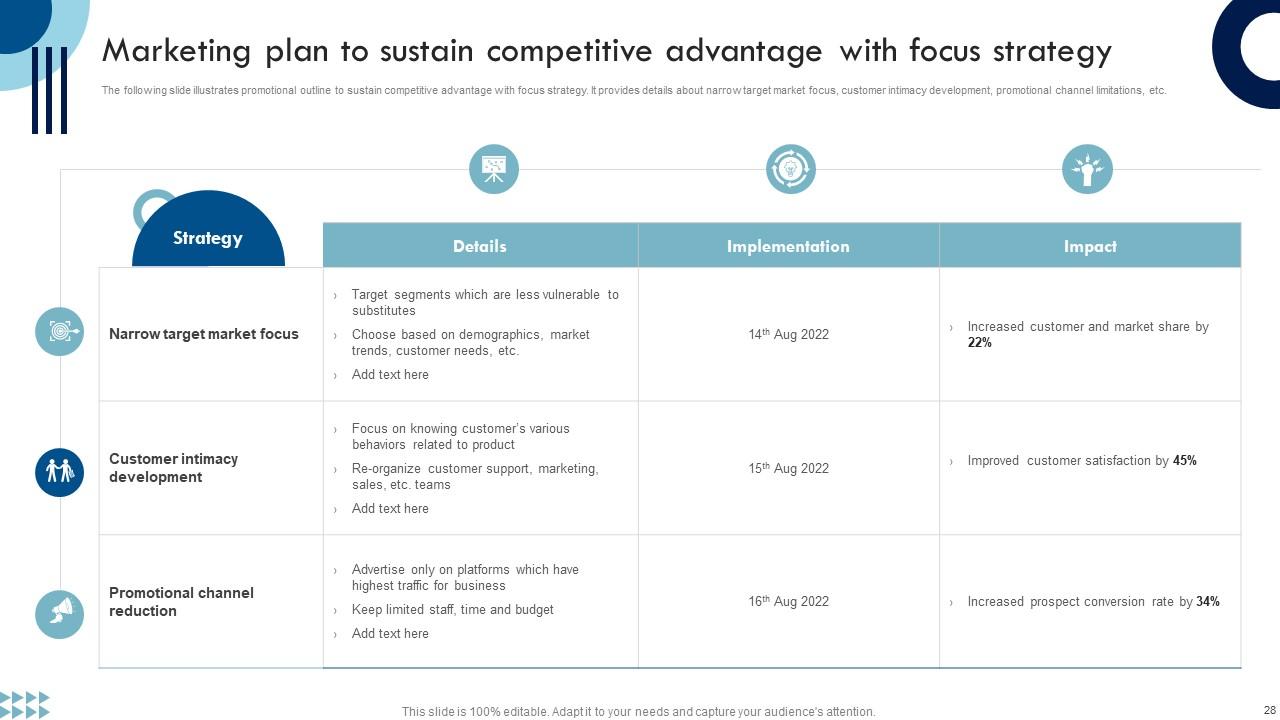
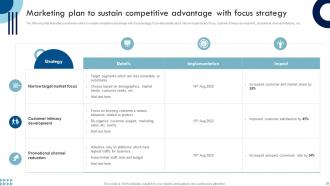
Slide 28 : O slide a seguir ilustra o esboço promocional para sustentar a vantagem competitiva com estratégia de foco.
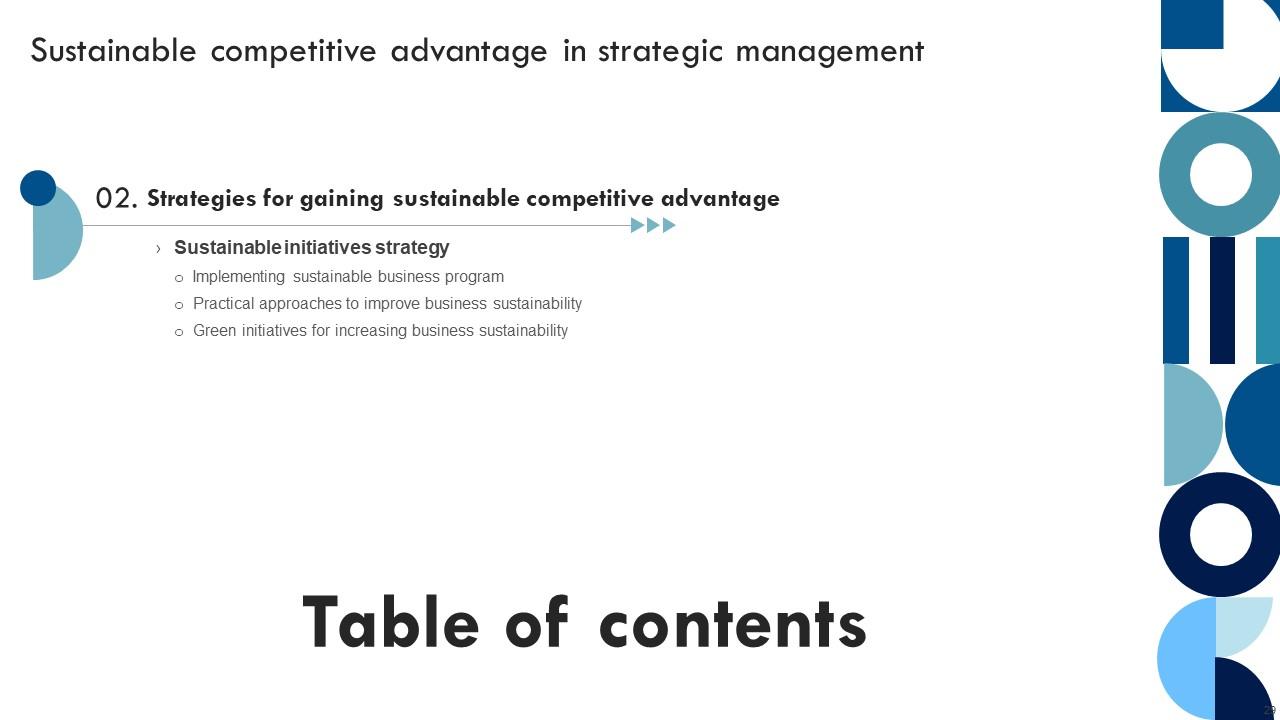
Slide 29 : Este slide menciona o título dos componentes a serem discutidos a seguir.
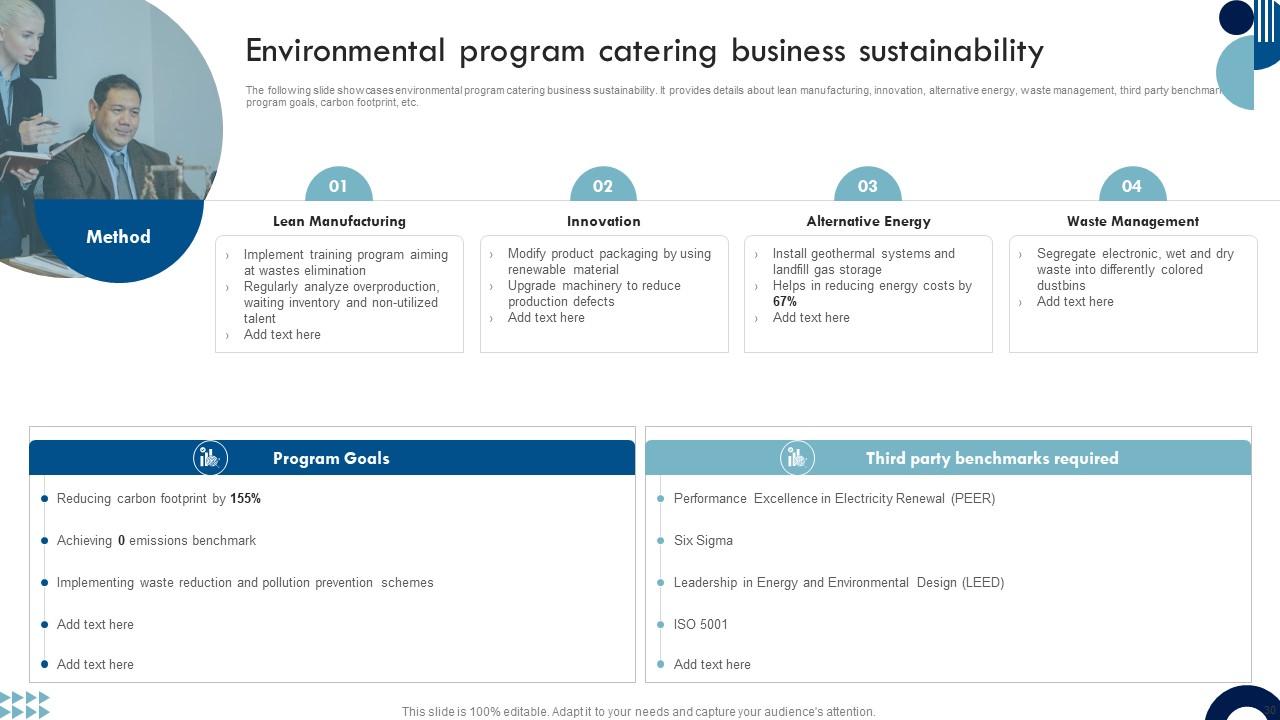
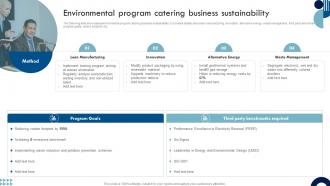
Slide 30 : O slide a seguir mostra a sustentabilidade do negócio de catering do programa ambiental.
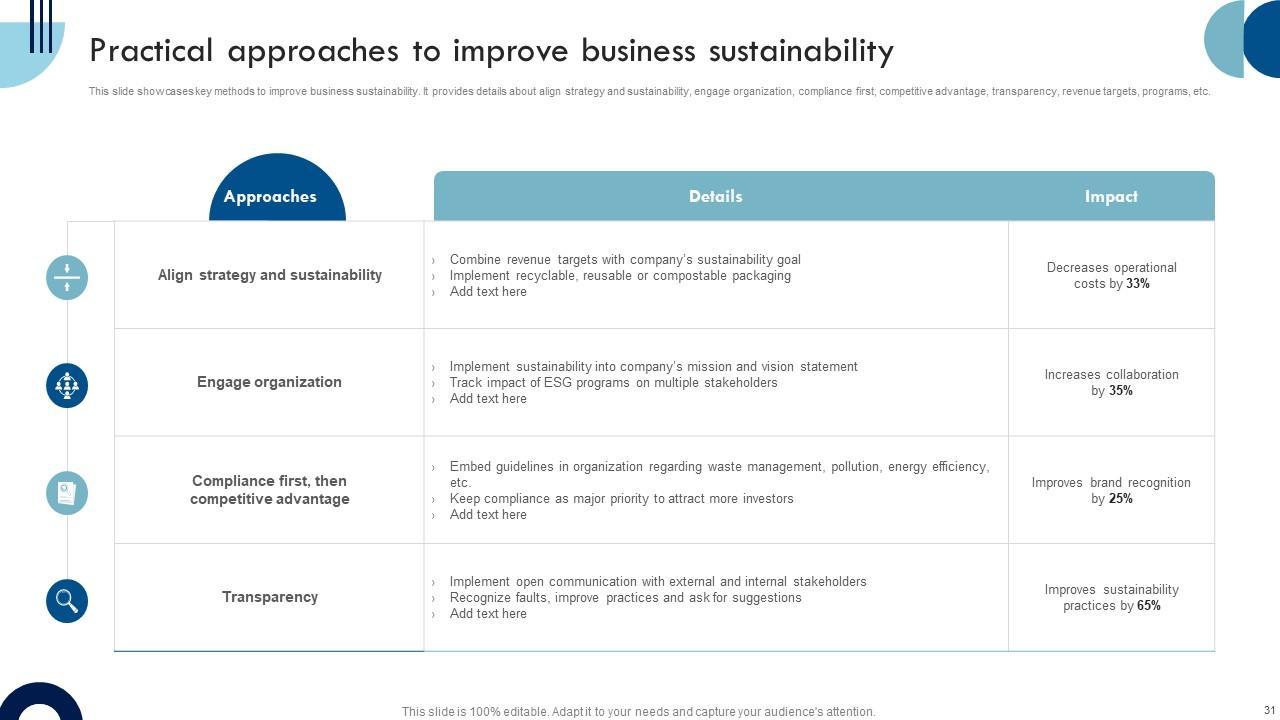
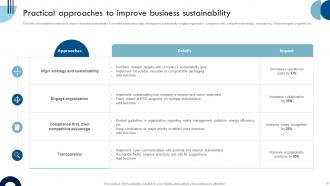
Slide 31 : Este slide se concentra nas abordagens práticas para melhorar a sustentabilidade dos negócios.
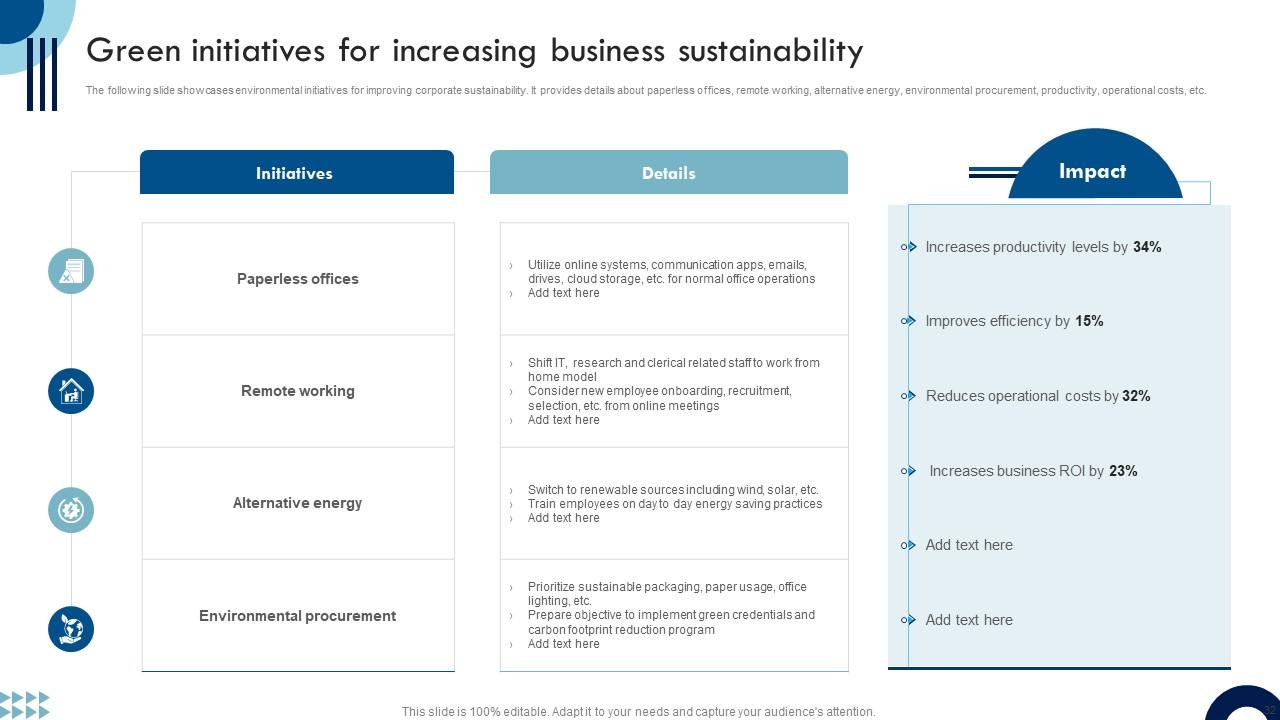
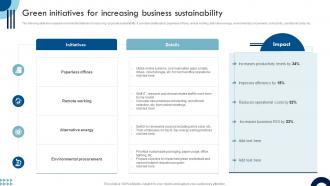
Slide 32 : Este slide fala sobre as iniciativas Verdes para aumentar a sustentabilidade dos negócios.
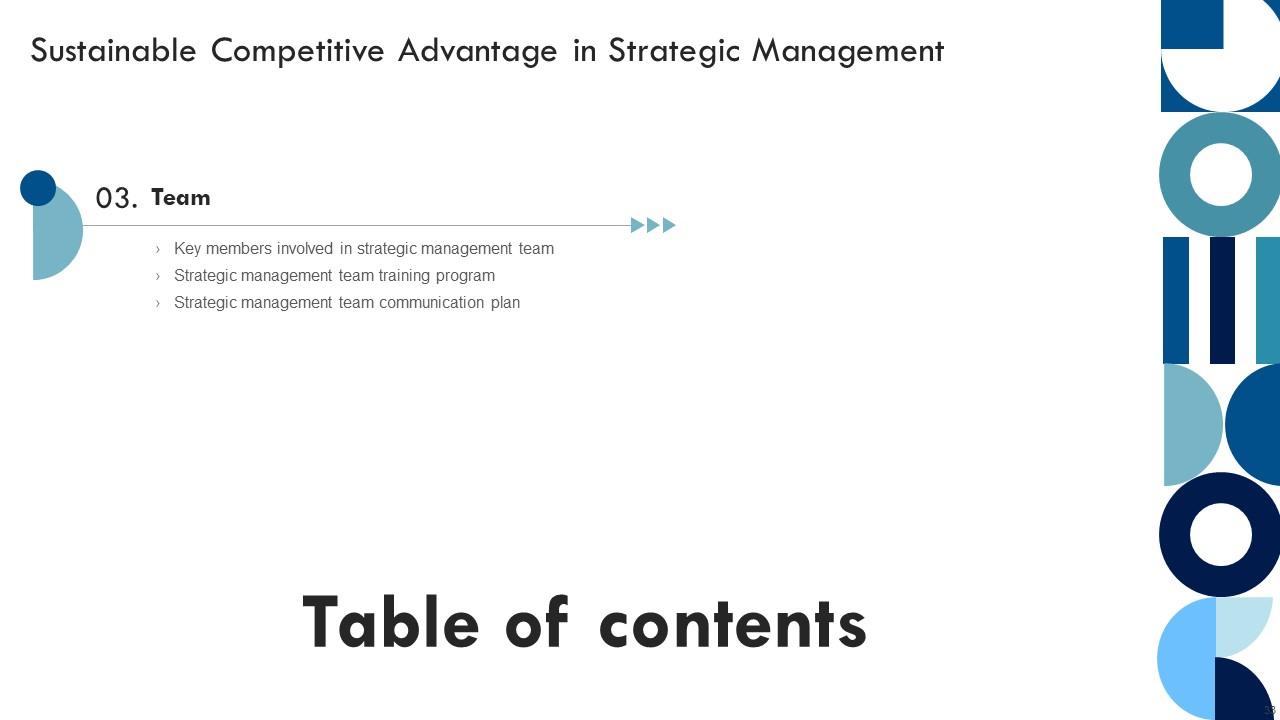
Slide 33 : Este slide indica o Título para os Tópicos a serem cobertos mais adiante.
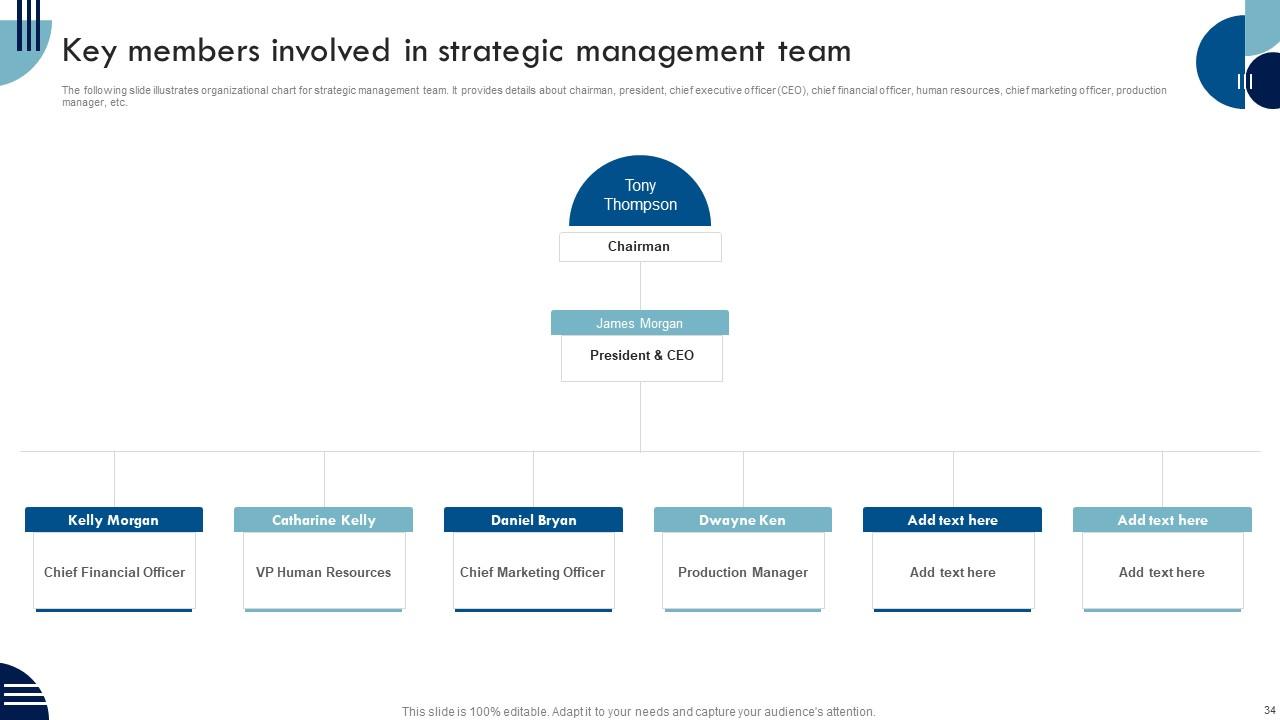
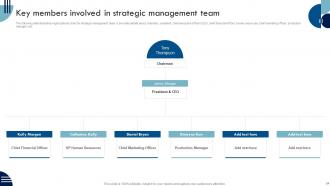
Slide 34 : O slide a seguir ilustra o organograma da equipe de gerenciamento estratégico.
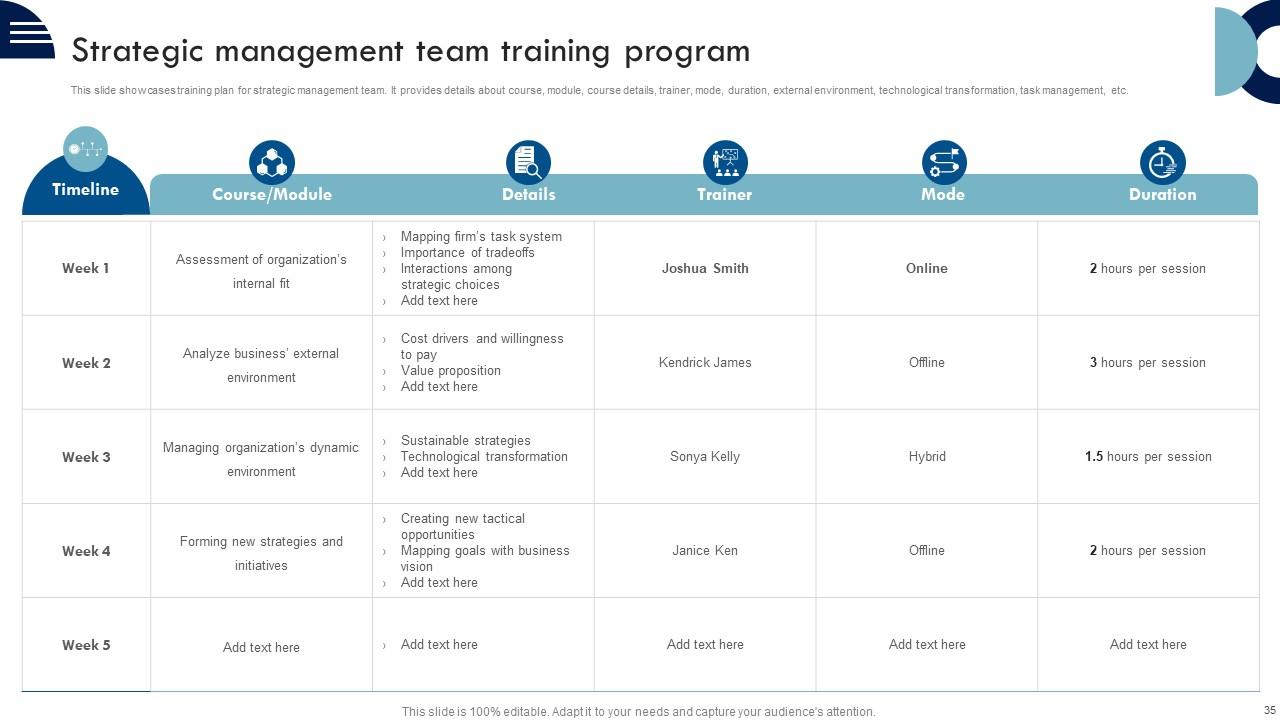
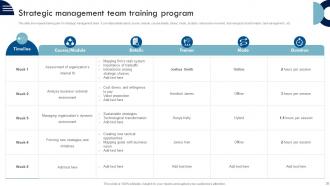
Slide 35 : Este slide apresenta o plano de treinamento para a equipe de gerenciamento estratégico.
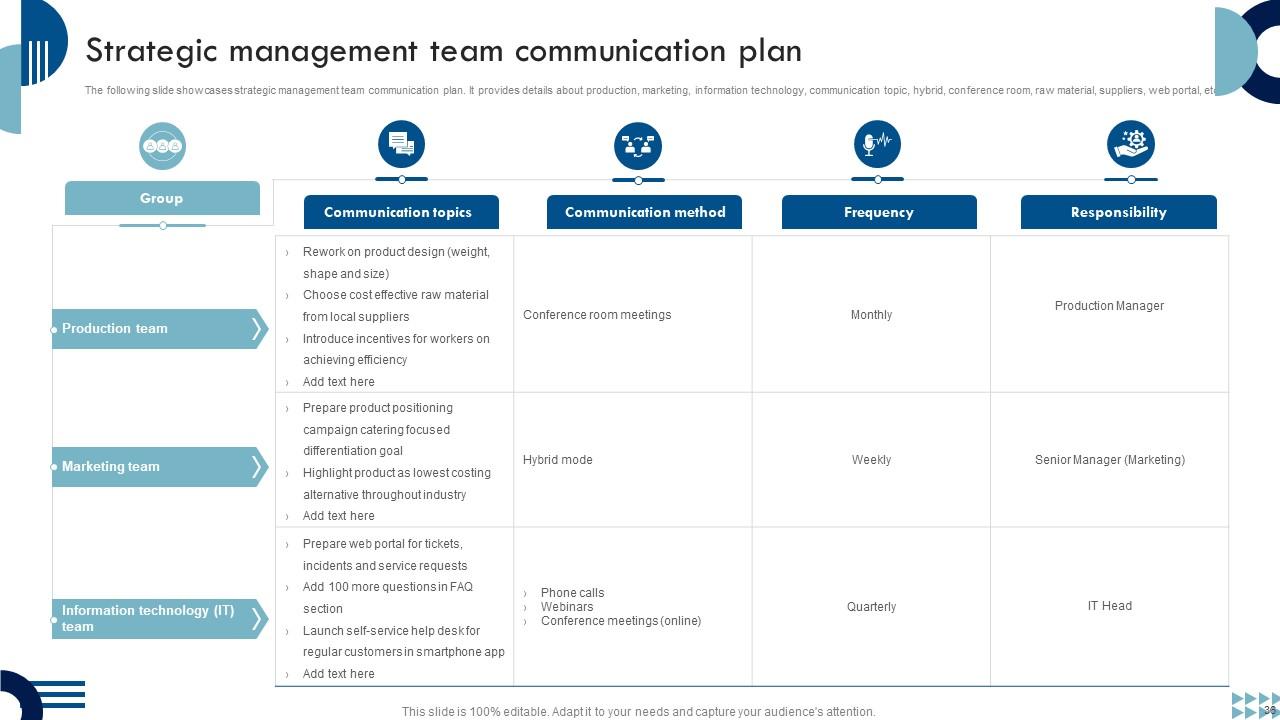
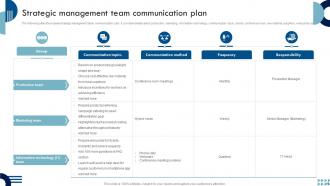
Slide 36 : O slide a seguir apresenta o plano de comunicação da equipe de gestão estratégica.
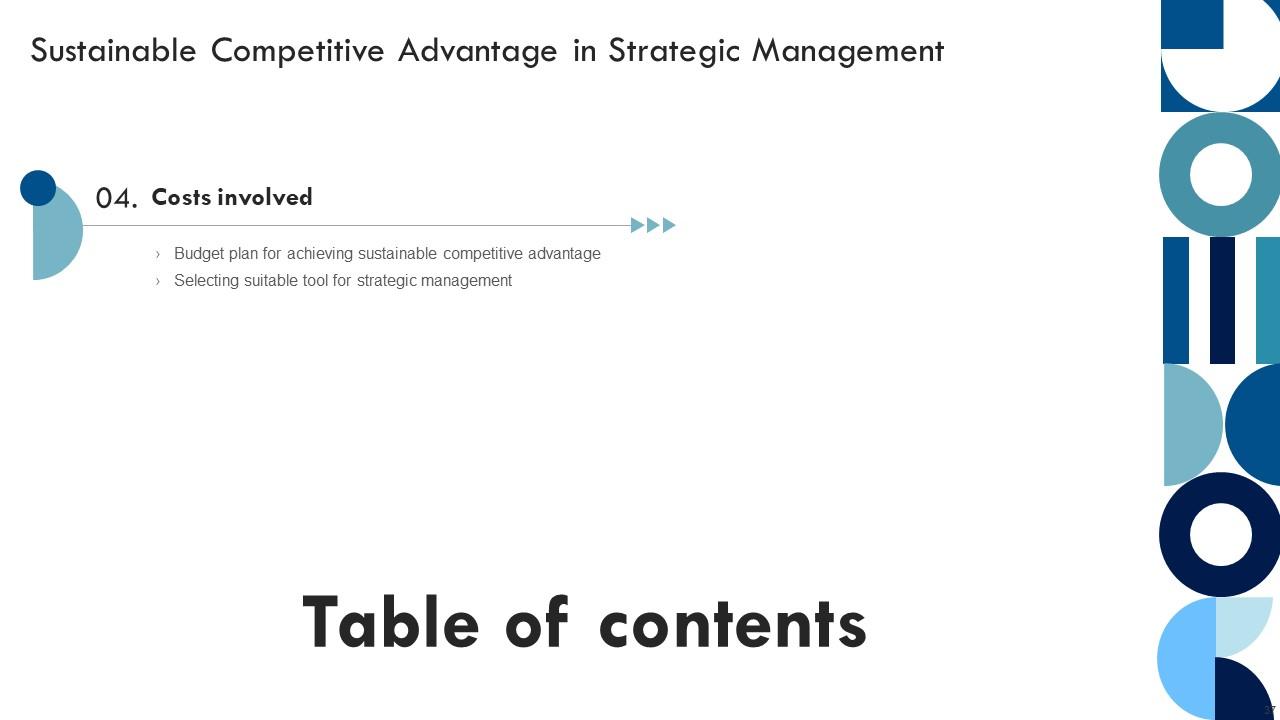
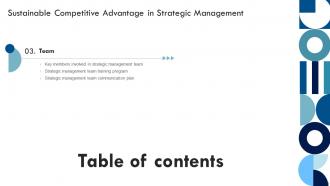
Slide 37 : Este slide indica o Título dos Tópicos a serem abordados a seguir.
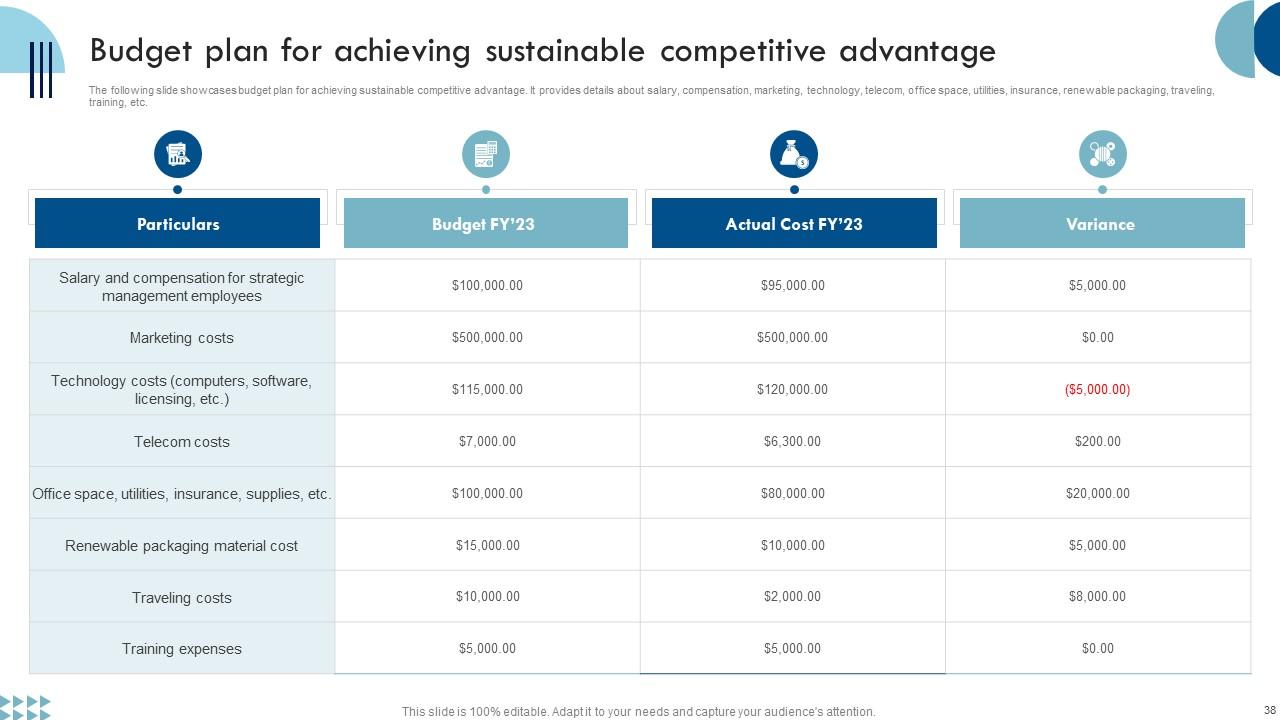
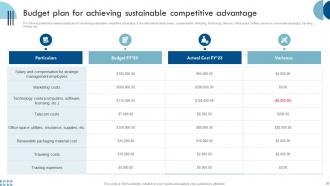
Slide 38 : Este slide destaca o plano de orçamento para alcançar uma vantagem competitiva sustentável.
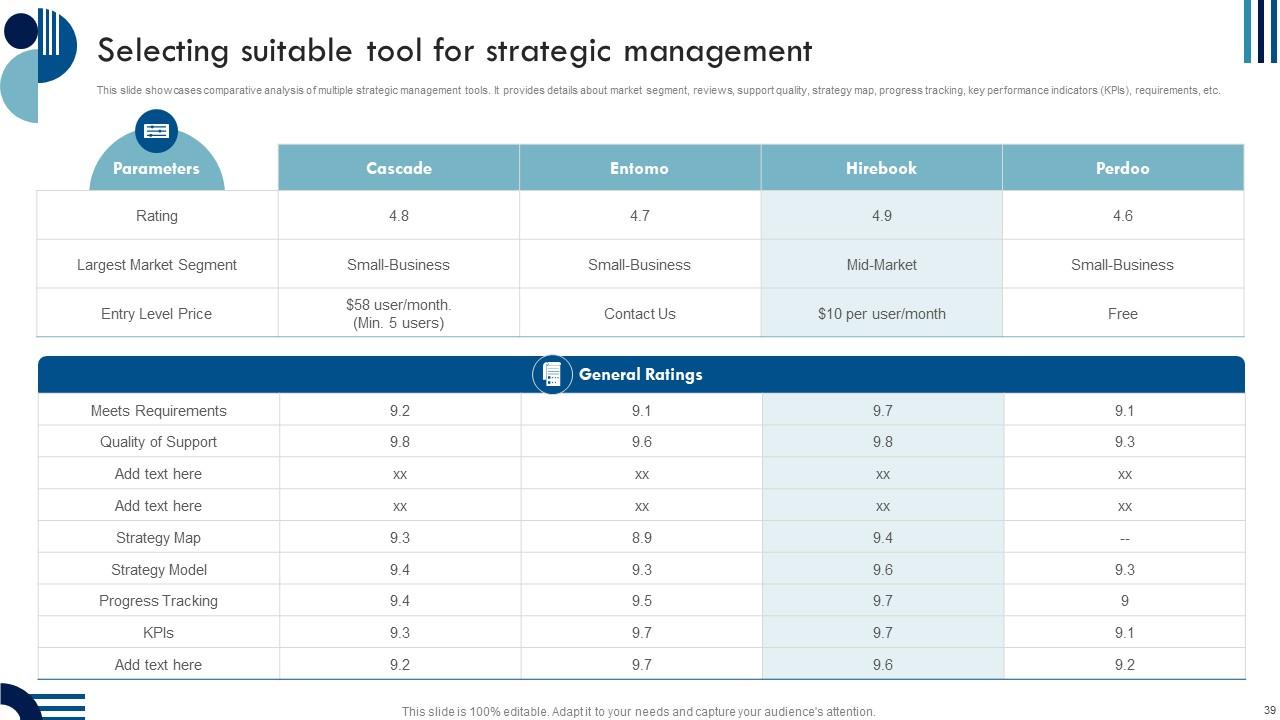
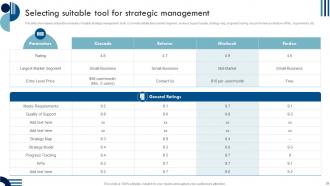
Slide 39 : Este slide revela a análise comparativa de várias ferramentas de gerenciamento estratégico.
Slide 40 : Este slide incorpora o Título para o Conteúdo a ser discutido no próximo modelo.
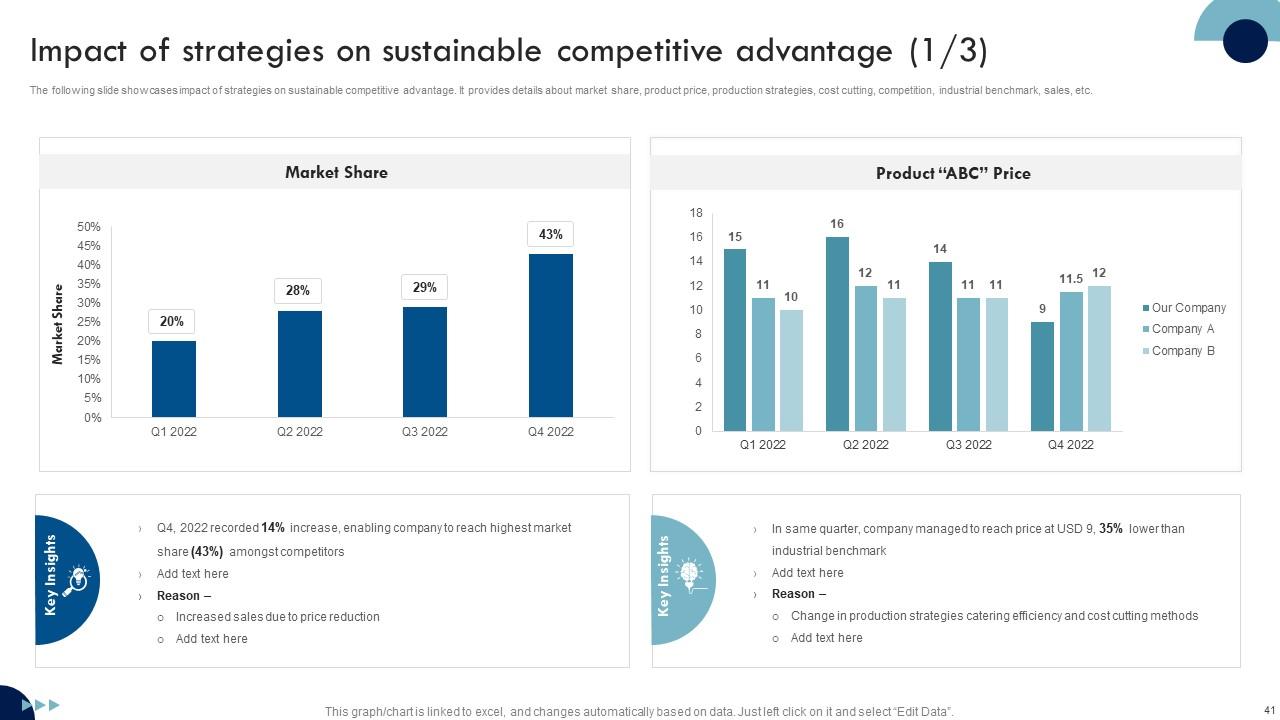
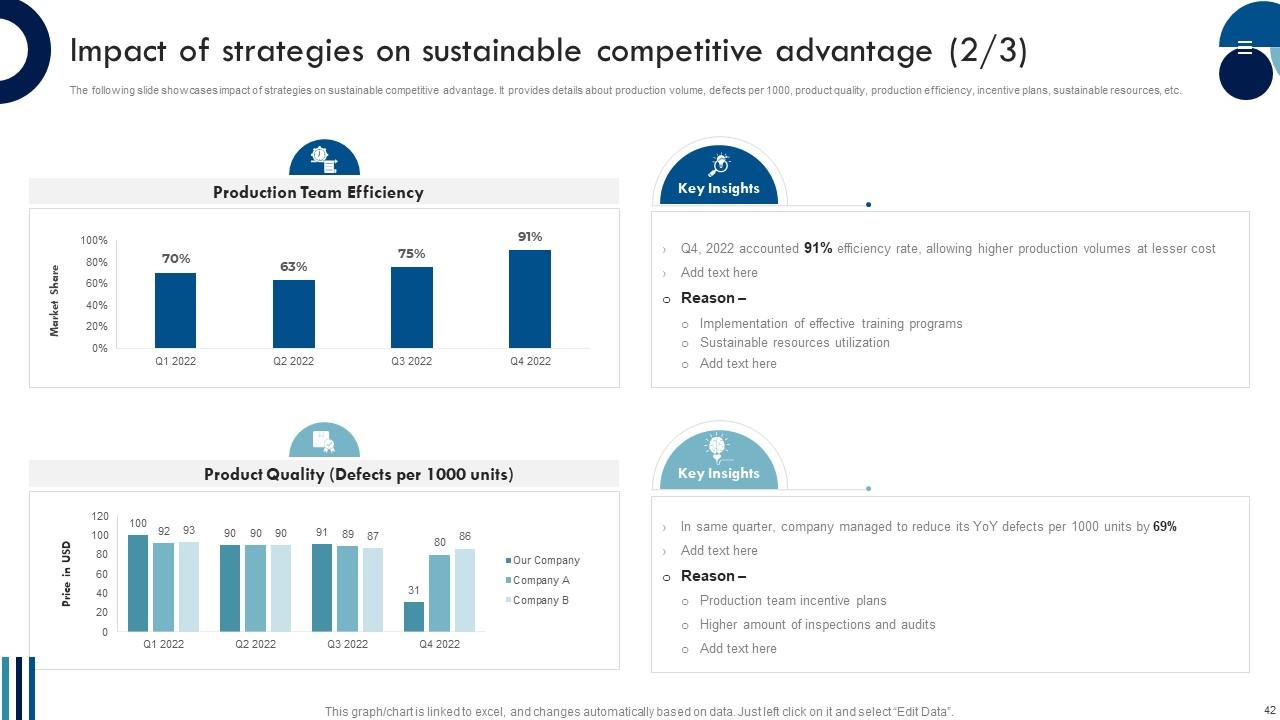
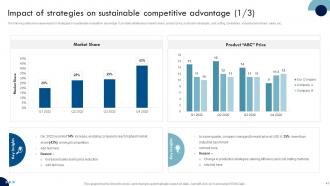
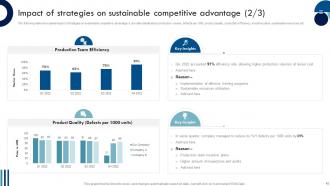
Slide 41 : O slide a seguir trata do impacto das estratégias na vantagem competitiva sustentável.
Slide 42 : Impacto das estratégias na vantagem competitiva sustentável
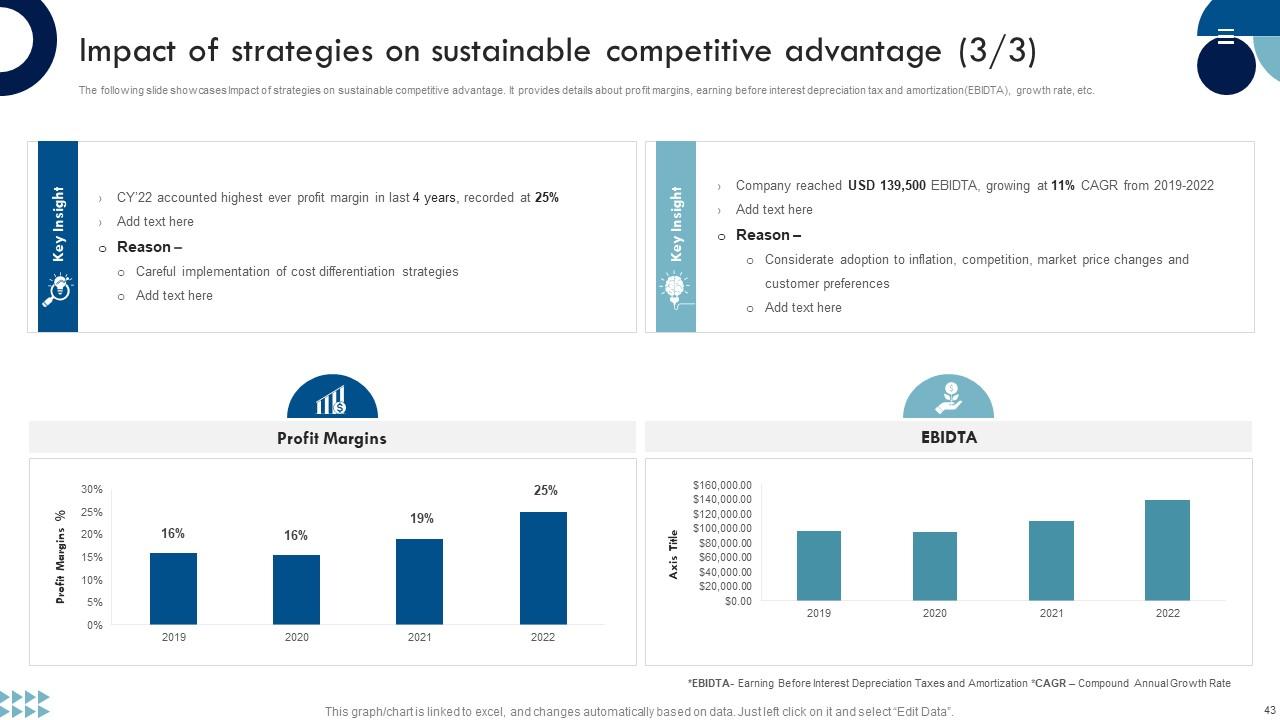
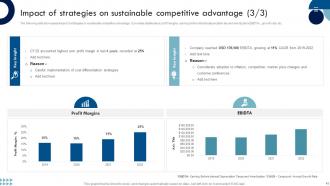
Slide 43 : Este slide dá continuidade ao Impacto das estratégias na vantagem competitiva sustentável.
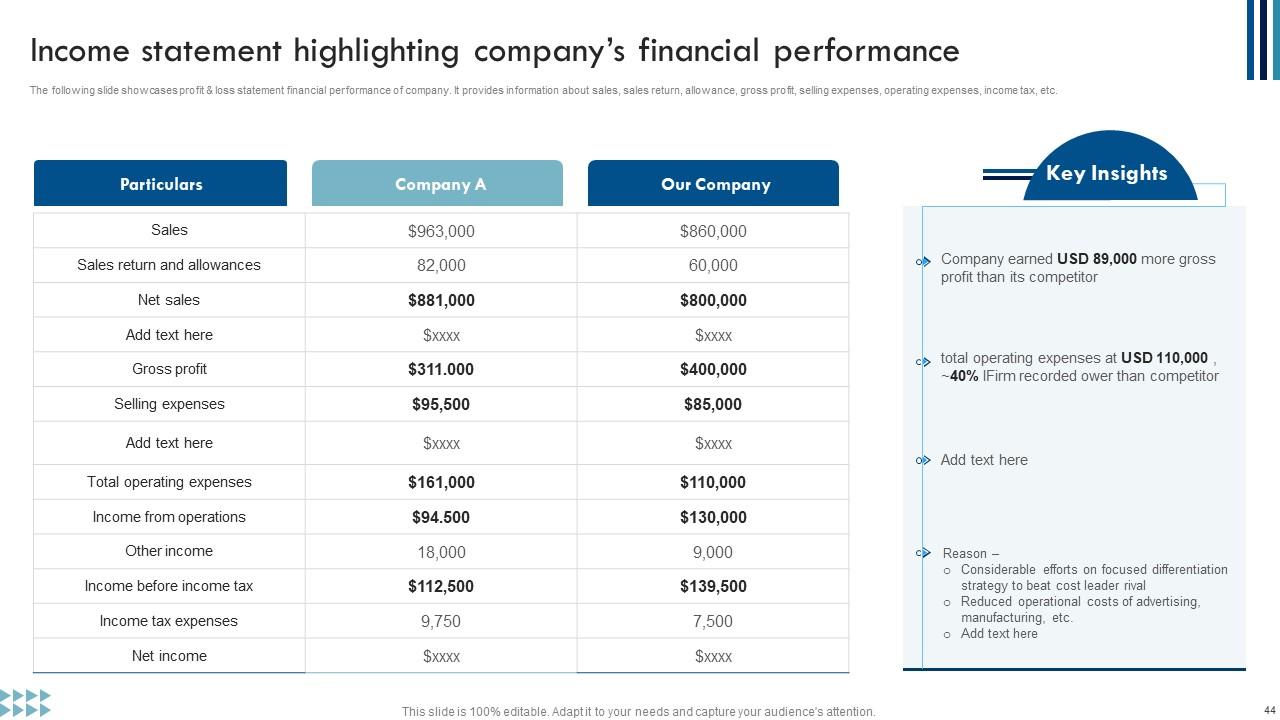
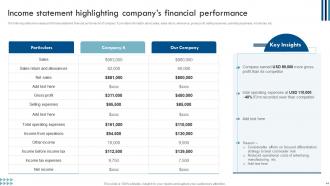
Slide 44 : Este slide representa a demonstração do resultado destacando o desempenho financeiro da empresa.
Slide 45 : Este slide contém o título dos componentes a serem cobertos posteriormente.
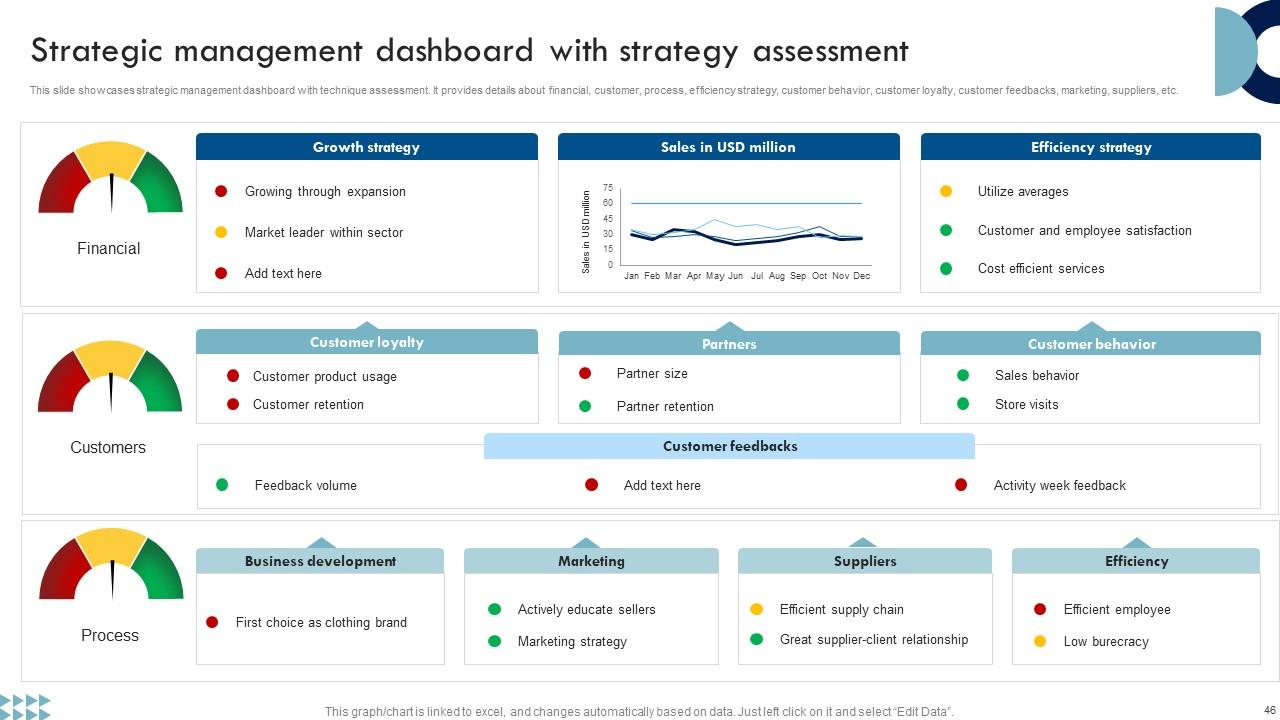
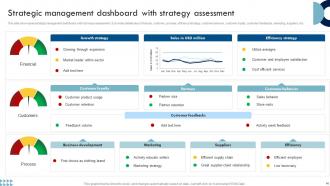
Slide 46 : Este slide se concentra no painel de gerenciamento estratégico com avaliação de estratégia.
Slide 47 : Este slide elucida o Título dos Tópicos a serem discutidos a seguir.
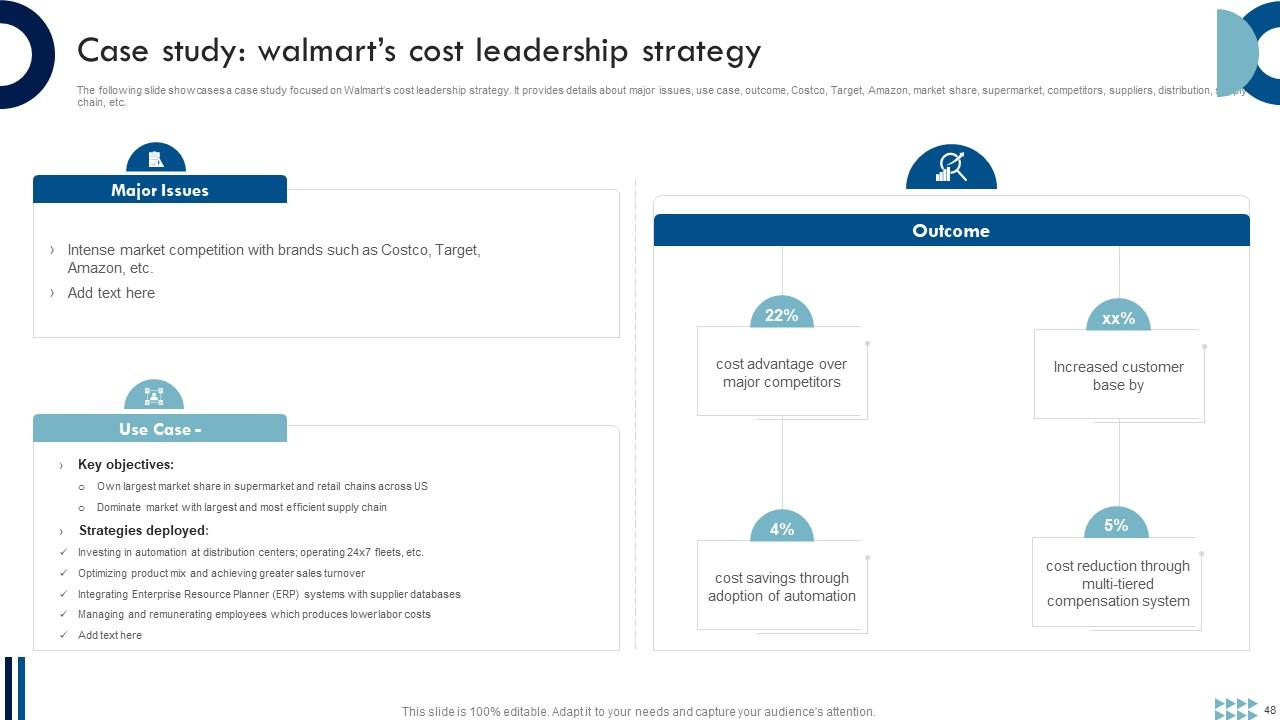
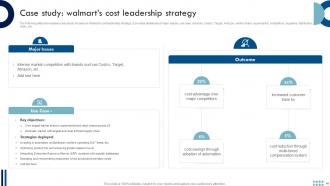
Slide 48 : O slide a seguir apresenta um estudo de caso focado na estratégia de liderança de custo do Walmart.
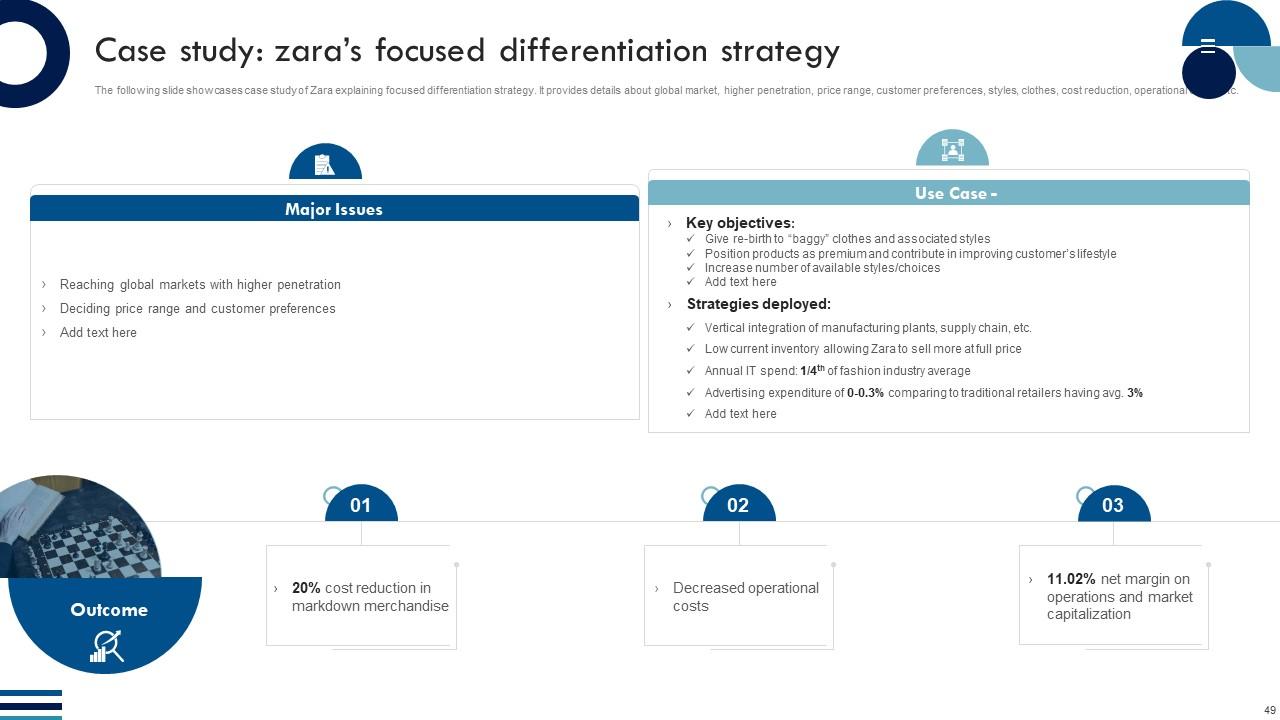
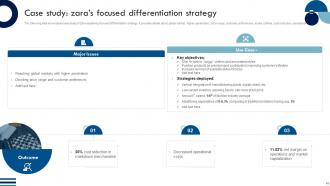
Slide 49 : O slide a seguir exibe informações sobre o estudo de caso da Zara explicando a estratégia de diferenciação focada.
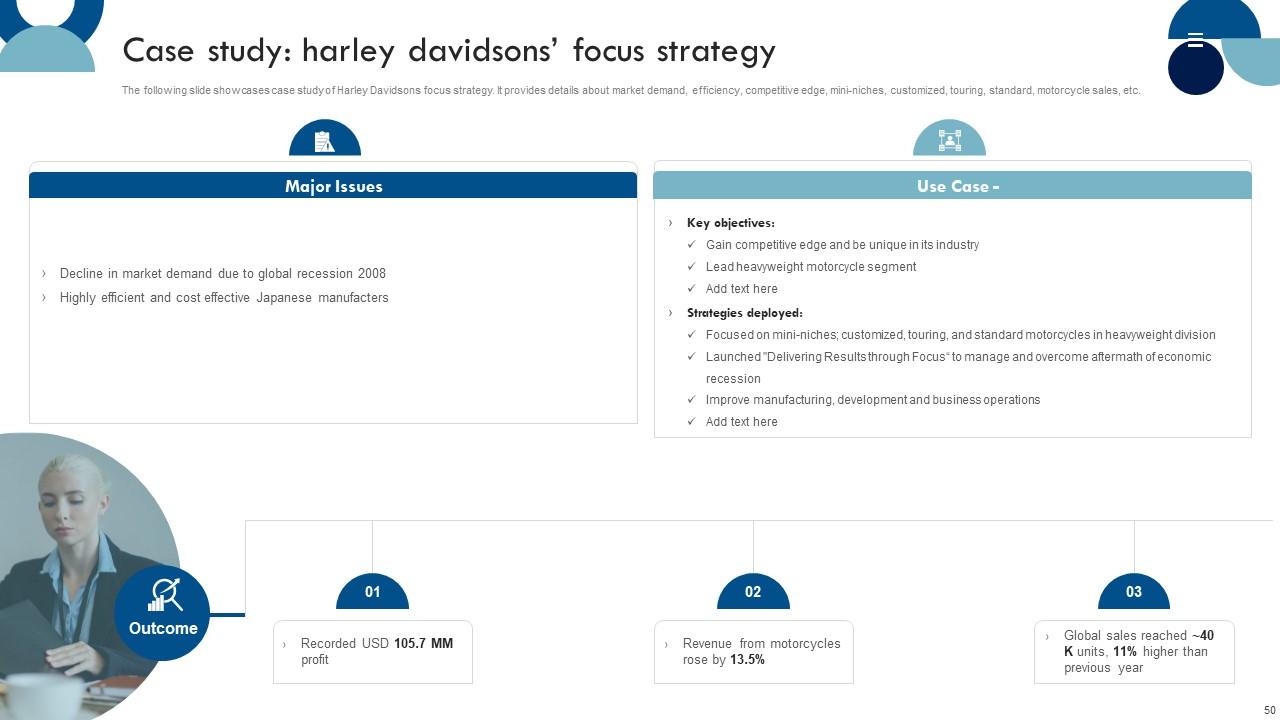
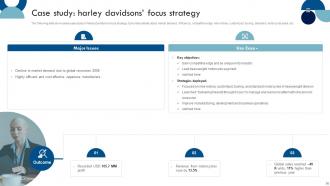
Slide 50 : O slide a seguir destaca o estudo de caso da estratégia de foco da Harley Davidson.
Slide 51 : Este é o slide dos Ícones contendo todos os Ícones usados no plano.
Slide 52 : O objetivo deste slide é mostrar informações adicionais.
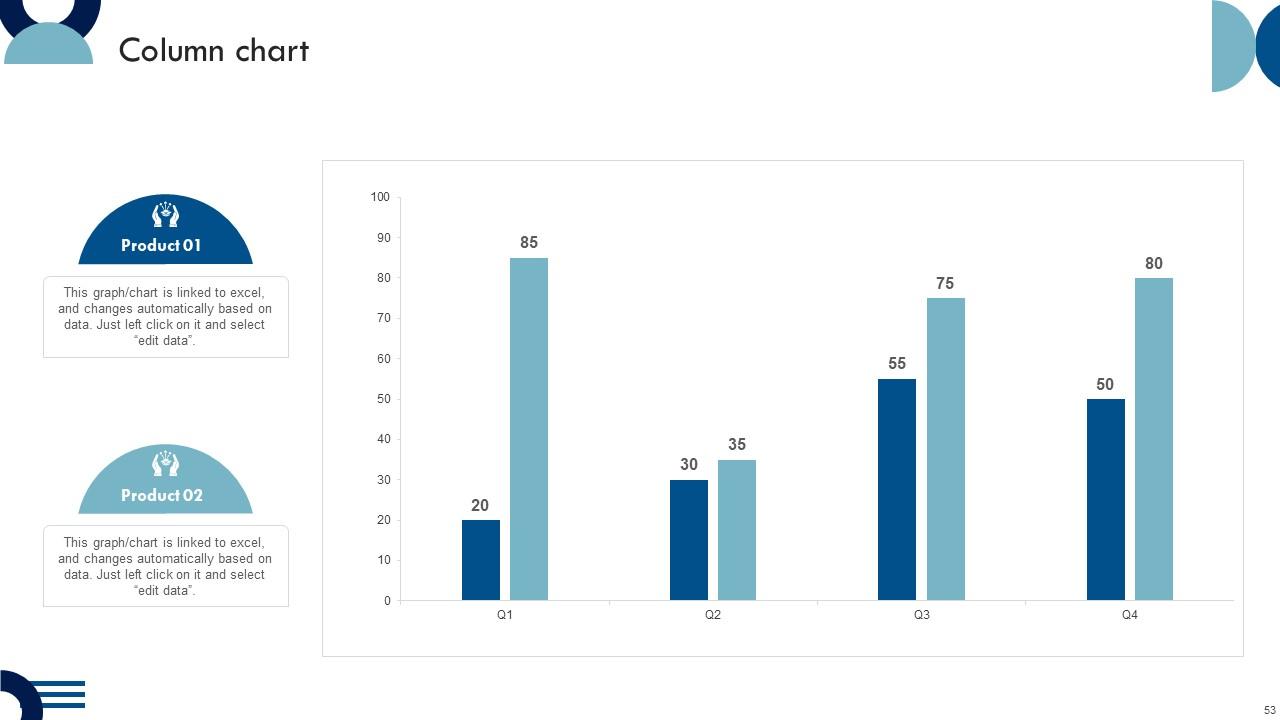
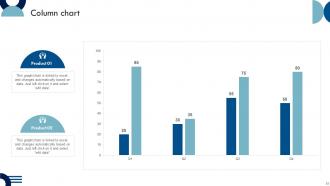
Slide 53 : Este slide apresenta o gráfico de colunas.
Slide 54 : Este slide contém as notas Post-it para lembretes e prazos.
Slide 55 : Este é o slide do quebra-cabeça com oito imagens relacionadas.
Slide 56 : Este slide revela o Diagrama de Venn.
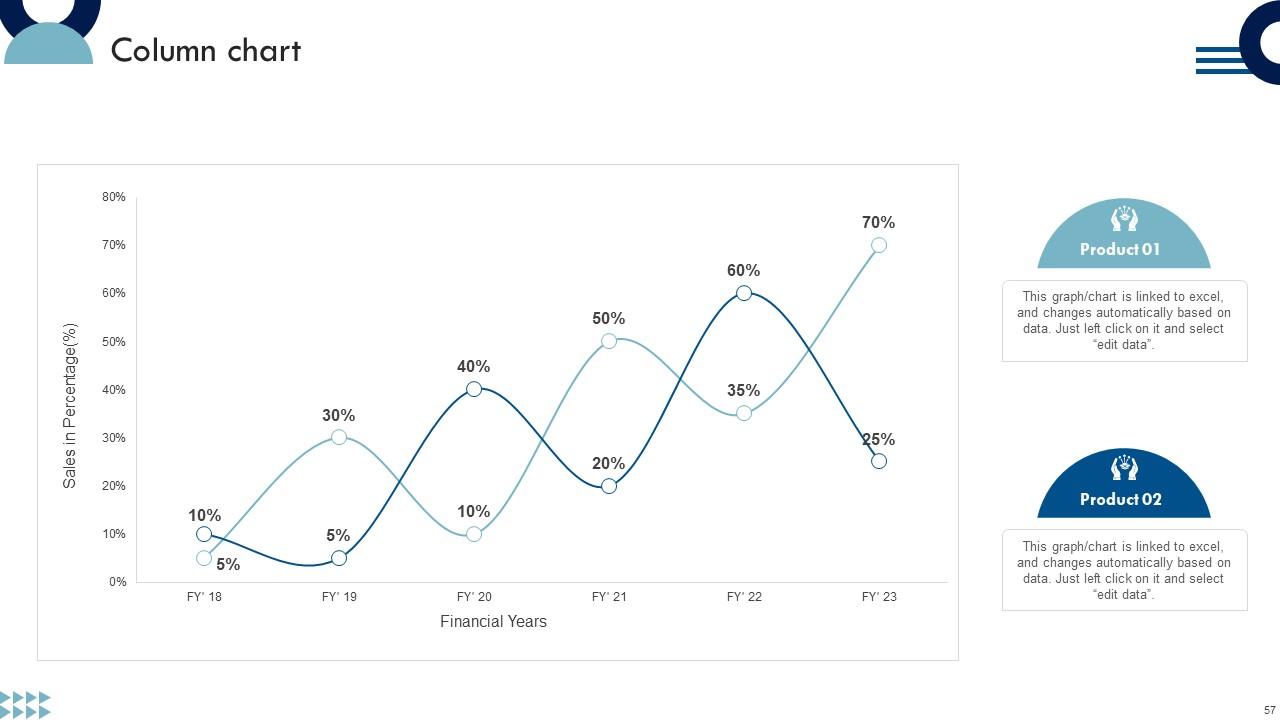
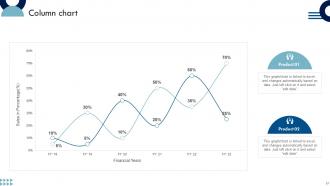
Slide 57 : Este slide mostra o gráfico de colunas.
Slide 58 : Este é o plano de 30 60 90 dias para um planejamento eficiente.
Slide 59 : Este é o slide de agradecimento pelo reconhecimento.
Vantagem Competitiva Sustentável em Gestão Estratégica Apresentação em Powerpoint Slides CD de estratégia com todos os 64 slides:
Use nosso CD de estratégia de slides de apresentação do Powerpoint de vantagem competitiva sustentável em gerenciamento estratégico para ajudá-lo a economizar seu valioso tempo de maneira eficaz. Eles estão prontos para caber em qualquer estrutura de apresentação.
-
The slides are remarkable with creative designs and interesting information. I am pleased to see how functional and adaptive the design is. Would highly recommend this purchase!
-
It’s really cool, and you can find pretty much everything you could need for your work or school.
