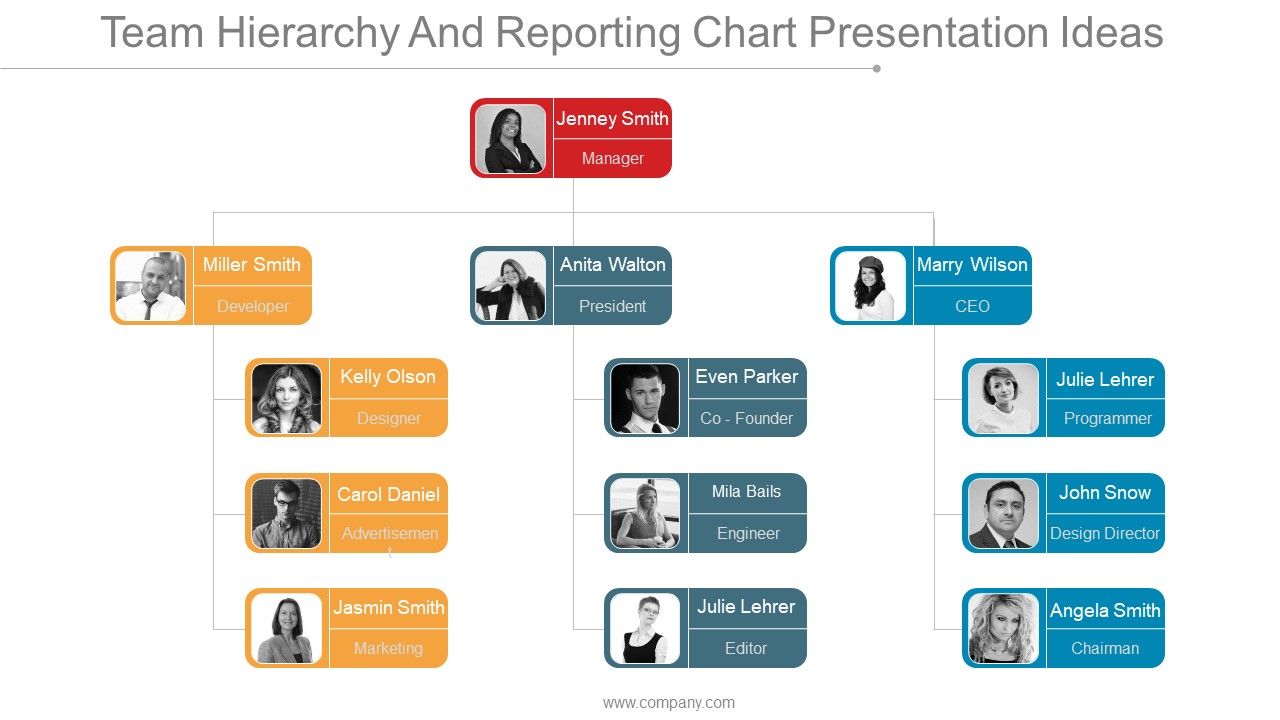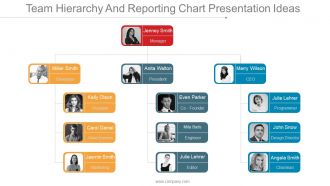
Hierarquia da equipe e ideias de apresentação de gráfico de relatórios

Rating:
90%
Slide 1 of 5
Favourites Favourites

Try Before you Buy Download Free Sample Product

Audience Impress Your
Audience
Editable 100%
Editable
Time Save Hours
of Time
The Biggest Sale is ending soon in
0
0
:
0
0
:
0
0
Rating:
90%

Recursos desses slides de apresentação do PowerPoint:

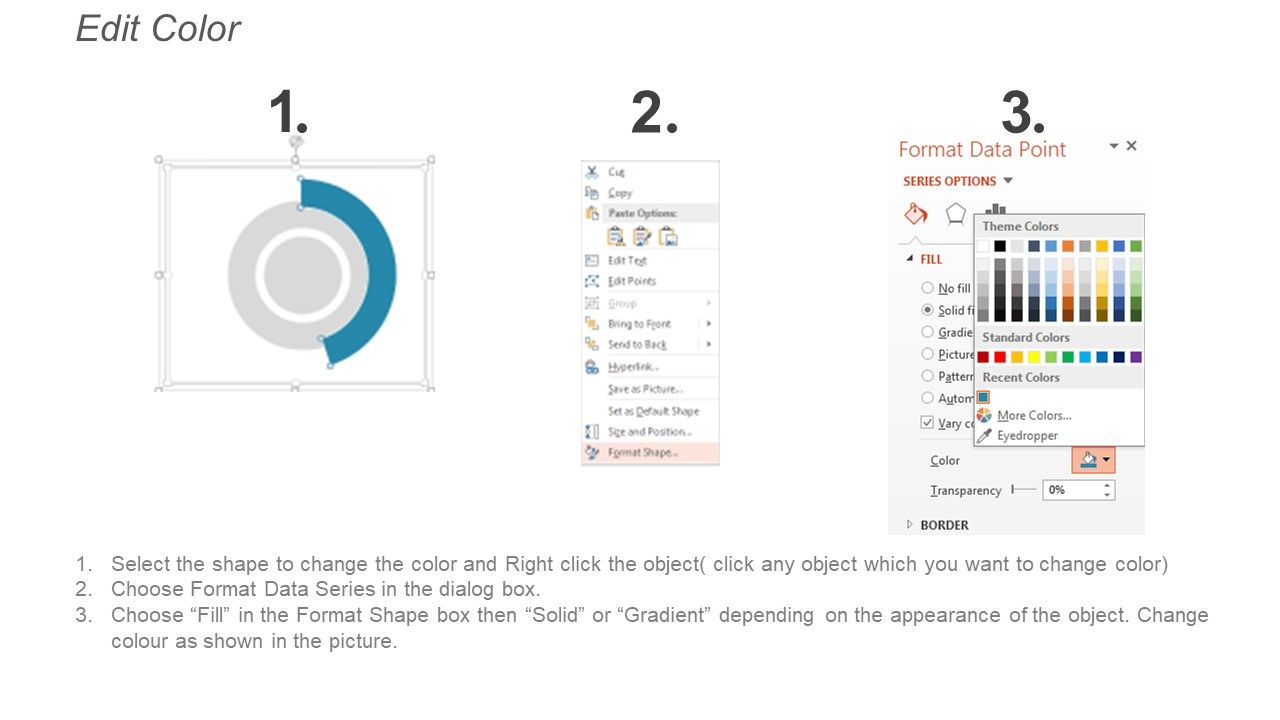
5 designs exclusivos com conteúdo bem explorado. Baixe instantaneamente com um único clique. Suporte padrão e widescreen disponível. Também pode ser visualizado no Google Slides. Edite os modelos de acordo com sua preferência. Adequado para empresários, gerente de RH e organizações. Serviço de apoio ao cliente Premium. As etapas deste processo são negócio, pessoas, gestão, análise, sucesso, estratégia.

People who downloaded this PowerPoint presentation also viewed the following :

FAQs for Team hierarchy and reporting

Honestly, start by mapping out what you have now - it's probably messier than you think lol. Three big things to nail down: who does what (and I mean EXACTLY what, not just vague job titles), how info actually moves around your team, and who gets to make decisions. Communication breakdowns will tank your productivity so fast it's not even funny. Also figure out where the decision-making power sits - you want people accountable but not bottlenecked waiting for approval on everything. The goal is finding that sweet spot between structure and speed. Once you've documented the current mess, the pain points become pretty obvious.

Honestly, your reporting structure makes or breaks team dynamics. Flat orgs are great - quick decisions, tons of collaboration. But good luck figuring out who's actually responsible when things go sideways. Hierarchical teams? Super clear ownership and processes, though you'll sit through way too many unnecessary meetings. Matrix structures stress people out because they're constantly torn between different bosses (been there, it sucks). The trick is picking what fits your goals. Oh, and make sure everyone knows who they report to for different stuff - sounds obvious but you'd be surprised how often that gets messy.

Honestly, hierarchy can go either way - it'll either help your team work together or totally wreck it. Too rigid? People get paranoid about speaking up or questioning anything, so everyone just hides in their corner. But done right, it actually works pretty well by giving clear decision-making power while still letting everyone contribute ideas. The trick is having solid roles but keeping communication open. You want junior people feeling safe enough to challenge senior folks, and leaders who actually ask around before making big decisions. It's kinda like... structured but not stuffy, you know?

Honestly, I'd go with a hybrid setup - keep your regular teams by function (marketing, engineering, whatever) but pull people into temporary project groups that mix departments. Your marketing person still reports to the marketing manager for reviews and career stuff, but day-to-day they're working with the project lead. It's like having a home base but getting to work on cool cross-team stuff too. Deep expertise meets better collaboration, you know? Oh, and definitely test it with just one project first - don't go crazy and restructure everything at once.

Yeah so with flat structures you'll get way faster decisions and communication flows better. People feel more empowered which is nice. Downside though - it gets messy real quick when nobody knows who's actually in charge. I've watched teams argue for hours over stuff that should take 5 minutes to decide. Plus there's only so many people one manager can actually handle before things fall apart. Most companies do best with something in the middle honestly. My take? Start flat and only add layers when you're literally drowning in chaos, not because some business book told you to.

Honestly, having clear reporting lines is a game changer for team motivation. People know exactly who to hit up for decisions and feedback - no more awkward guessing or getting stuck between conflicting priorities. The stress reduction alone is worth it. When accountability is obvious, nobody can pull that "wasn't my job" nonsense anymore. Decisions happen faster, frustration drops, and your team actually owns their work instead of passing stuff around. Oh and mapping out the chain of command first really helps - sounds boring but trust me on this one. Make sure everyone gets how their manager fits into their success.

Okay, you gotta sort out who's actually calling the shots - like yesterday. Make a RACI chart so everyone knows their lane (responsible, accountable, consulted, informed). Trust me, I've watched teams completely fall apart over this mess. Get those competing managers in a room regularly to figure out priorities before your team gets whiplash from mixed signals. Oh, and tell your people to speak up fast when they're getting conflicting orders instead of trying to make everyone happy. You need to document this stuff and make the real org chart crystal clear through constant communication.

So basically when markets go crazy or customers keep changing what they want, companies ditch the old rigid hierarchy thing. They flatten the org chart and make these smaller, autonomous teams that can actually make decisions without asking their boss's boss's boss. Honestly the transition is a total shitshow for a while - I've seen it firsthand. But here's the thing: your structure needs to match how fast you need to move. Stable market? Traditional reporting works fine. Need to pivot every month? Give small teams real authority and cut the approval chains.

Start with visual org charts showing clear reporting lines - update them constantly because honestly, outdated charts are the worst. Write detailed role descriptions that spell out who reports to who. I'd also throw this info everywhere: intranet, onboarding docs, team wikis, whatever. Hold team meetings to discuss these relationships, especially with new hires. Managers should review reporting structures with their teams quarterly. Being redundant about it actually helps - people need to see the same info multiple times before it sticks. Oh, and make sure someone owns keeping everything current.

Oh man, this is such a good question! Flat teams move way faster because there's less red tape - people just decide stuff and go. Hierarchical structures? Total opposite. Everything crawls up the chain for approval, which honestly drives me nuts sometimes. But I get why companies do it - more oversight means fewer crazy mistakes. The biggest issue I see is when teams SAY they're flat but still act hierarchical. That's when you get five people thinking they're the decision-maker and nothing actually happens. Really depends on what kind of chaos your company can handle.

Honestly? Just start with a basic org chart - Lucidchart or Miro work great, but even PowerPoint does the job. RACI matrices are clutch if people don't know who's supposed to do what (which happens more than you'd think). Network analysis tools can show you the real communication flows, not just the official ones. But here's the thing - I always sketch stuff out on a whiteboard first. Helps me actually think through how people relate to each other before I get all fancy with software. Build your basic visual hierarchy first, then add the role clarity stuff if you're seeing confusion about decisions or responsibilities.

Honestly, remote work changes everything about how teams talk to each other. People just message whoever has the answer they need - forget about going through your boss first. It's actually pretty nice not having those weird office politics gatekeepers anymore. You can't just wander over to someone's desk though, so meetings become way more planned out. Managers have to work harder to stay in the loop since they can't see what you're doing. Trust becomes huge because nobody's watching over your shoulder. Oh, and document stuff way more than you think you need to - future you will thank you when things get confusing.

Honestly, diverse teams totally flip the script on old-school top-down management. Communication gets way more collaborative - like, you'll see rotating leadership or decision processes that actually pull from everyone's background. But here's the thing: not everyone communicates the same way. Some people are meeting rockstars, others do their best work through written stuff. I learned this the hard way on my last project actually. You gotta build in different channels and do more check-ins than you think you need. The "messiness" is worth it though - just don't assume one approach works for everyone.

Track both the numbers and the gut feelings. Decision speed is huge - how long does stuff actually take to get approved? Survey your team quarterly about communication flow and bottlenecks. Retention rates tell the real story though, because nobody sticks around when the reporting structure is a mess. Check if your managers have decent spans of control and whether they're actually coaching people instead of just assigning tasks. Employee engagement scores matter too, especially broken down by team. Oh, and watch for unnecessary escalations - that's usually a dead giveaway that something's broken in the chain.

Honestly, just bake it right into how your team works. Pair up senior people with newer folks on actual projects - way better than some awkward coffee meetings. Some teams do these "mentorship rotations" which sounds fancy but it's basically just exposing juniors to different leaders. Smart move if you ask me. Don't leave it to chance though - spell out what mentors should actually do (career stuff, skills, feedback) and block off real time for it. Oh, and tie it to performance reviews so the senior people actually care about developing others.

Ratings and Reviews

90% of 100
Review Form
Write a review
Most Relevant Reviews
  1. 100%

    by Donald Peters

    Easy to edit slides with easy to understand instructions.
  2. 80%

    by O'Connor Collins

    Amazing product with appealing content and design.

2 Item(s)

per page: