Techniques To Foster Growth Mindset At Workplace Training Ppt
Try Before you Buy Download Free Sample Product
Audience
Editable
of Time
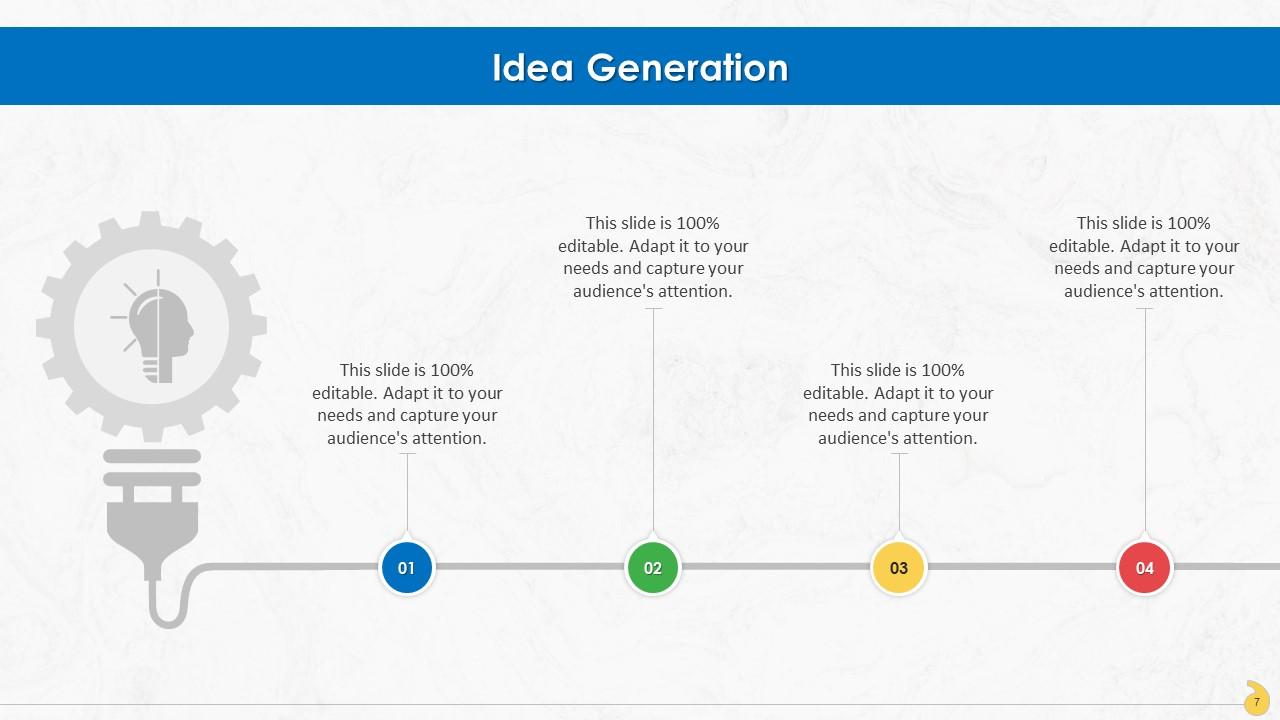
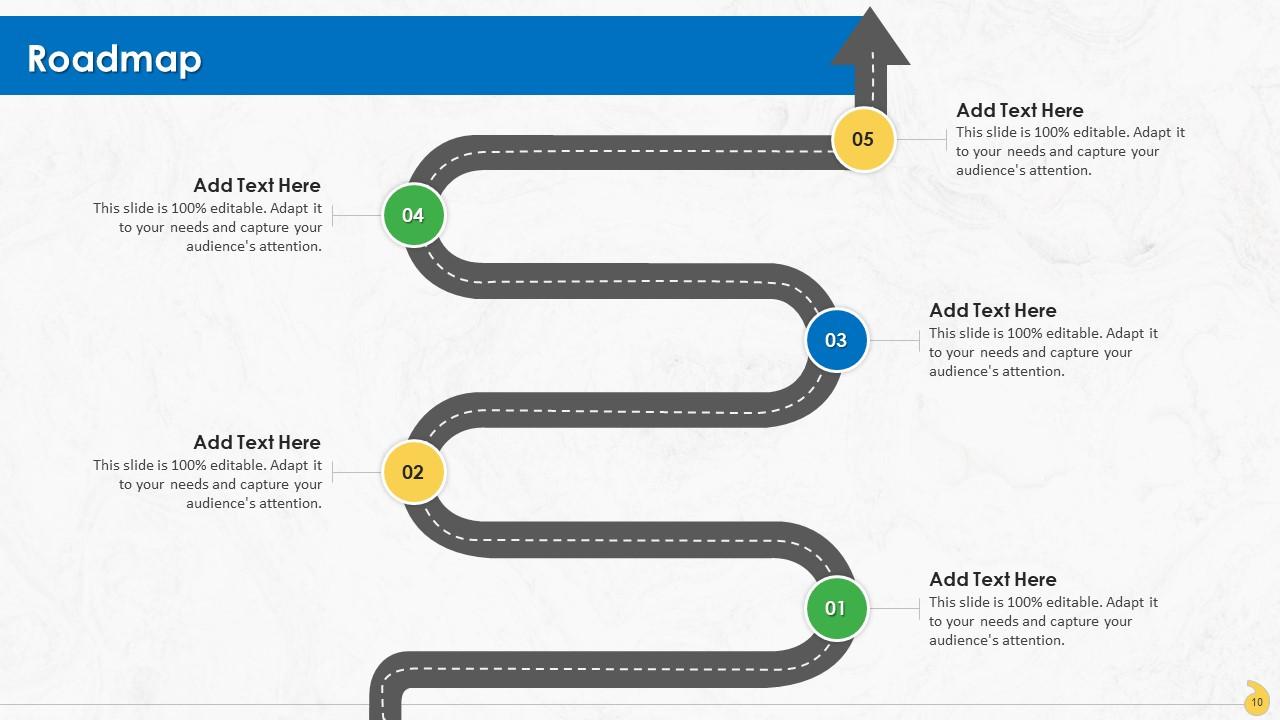
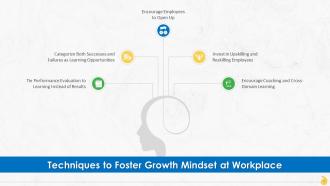
This slide represents measures to be adopted in order to nurture a growth mindset at the workplace. These are Tie performance evaluation to learning instead of results, categorize both successes and failures as learning opportunities, encourage employees to open up, invest in upskilling and reskilling employees, and encourage coaching and cross-domain learning.
People who downloaded this PowerPoint presentation also viewed the following :
Techniques To Foster Growth Mindset At Workplace Training Ppt with all 19 slides:
Use our Techniques To Foster Growth Mindset At Workplace Training Ppt to effectively help you save your valuable time. They are readymade to fit into any presentation structure.
FAQs for Techniques To Foster Growth Mindset At
Honestly, it's all about flipping your mindset. Instead of avoiding hard stuff, lean into it. When you mess up, don't think "I suck at this" - think "okay, what can I learn here?" I used to be so obsessed with getting perfect grades, but now I actually care more about whether I'm understanding the material. Replace "I can't do this" with "I can't do this YET." That one word makes such a difference. When someone gives you feedback, try seeing it as helpful info instead of an attack. Pick something you always say you're bad at and start viewing it as a skill you're still developing. Works way better than beating yourself up about it.
Okay so first thing - notice when you catch yourself saying "I suck at this" or "I'll never get it." Write those thoughts down because we have them way more than we think. Then flip the script: "I'm still figuring out math" instead of "I'm terrible at math." Adding "yet" to stuff is honestly a game changer. When things get hard, ask yourself what you can learn rather than why you're failing. It sounds cheesy but treating struggles like practice instead of proof you can't do something actually works.
Honestly, feedback is everything for growth mindset. You want to praise the process, not the kid's "natural talent." So instead of "you're so smart!" try something like "that strategy you used really paid off." Makes them focus on what they actually did rather than some fixed ability they think they have or don't have. Keep it specific too - vague compliments don't help anyone figure out what to do next. I've seen kids completely flip how they handle tough problems just from changing how we talk about their work. Focus on their journey and effort, not whether they got the right answer.
So instead of just saying "you're smart!" try praising their effort or strategy. When kids get stuck, I tell them they haven't learned it *yet* - that little word changes everything! Mistakes? Total brain-builders. I actually get excited now when students struggle because that's where the real learning happens. Oh, and definitely share your own mess-ups with them. Kids need to see you're still figuring things out too. The whole point is making your classroom somewhere they're not afraid to bomb spectacularly while they're growing.
Honestly, the biggest thing is changing how you give feedback - praise the effort and strategy, not just results. When someone messes up, ask "what did you learn?" instead of focusing on the failure. I've watched managers completely flip their team dynamics just by tweaking this one thing. Make it safe to experiment and fail. Oh, and model it yourself! Admit when you don't know something. Try starting your next meeting by sharing what you struggled with recently - it's weirdly powerful for setting the right tone.
Honestly, failure's just your brain learning what doesn't work - which is actually super useful info. Instead of thinking "I suck at this," try flipping it to "well, that was educational." Sounds cheesy but it works! Your brain starts getting curious instead of panicked when stuff goes sideways. I used to spiral every time something didn't work out, but now I'm like... okay what's this telling me? It's weirdly freeing once you stop taking every setback personally. Just ask yourself what you learned instead of beating yourself up about it.

Honestly, praise effort instead of calling them smart - like "you worked so hard on that" rather than "you're brilliant." I used to say "good job" for literally everything until I realized how pointless that was! Frame obstacles as learning moments, not failures. Ask stuff like "what did you learn?" or "what would you try differently?" Also - and this might sound weird - talk through your own struggles out loud so they hear you problem-solving. The whole point is showing them abilities grow through practice, not that they're just stuck with whatever talents they're born with.
Oh totally! Setting goals basically rewires how you think about challenges. Instead of "am I smart enough for this?" you start asking "what do I need to learn here?" I learned this the hard way - used to only focus on end results and would get so bummed when things didn't work out. Now I set goals around actually building skills and getting better at stuff. Makes such a difference! When you mess up, it just becomes useful info instead of proof you suck. You should try mixing in one skill-building goal with whatever else you're working on.
Honestly, switching to a growth mindset is a game-changer for bouncing back from stuff. You stop taking failures personally and start seeing them as ways to learn instead. Like, when something goes wrong, you're not thinking "I suck at this" - you're thinking "I don't have this figured out yet." The whole "yet" thing might sound cheesy but it actually works. Your stress levels drop because you're not constantly judging yourself. I used to be terrible at this, but now when I catch myself in that negative spiral, I literally just add "so far" to whatever I'm thinking. Try it next time you're being hard on yourself.
Working with other people is honestly the best way to build that growth mindset. You realize everyone struggles - not just you! When I see my teammates hit the same roadblocks I do, it makes failing feel way less personal. Peer feedback doesn't sting like boss feedback either, so you actually want to try new things. The whole group gets into this "we haven't figured it out *yet*" vibe. Set up regular peer reviews where you talk through your process, not just whether you got the answer right. Game changer.
Oh this is actually easier than you'd think! Just add "yet" to "I can't do this" - sounds small but it's huge. When someone does well, skip the "you're so smart" stuff and go with "wow you really worked hard on that." I used to feel super awkward doing this at first, not gonna lie. But now it's automatic. If I mess something up, I'll literally tell myself "okay what can I learn here" instead of spiraling. Start with switching just one phrase this week and see what happens. You'll probably notice conversations feel different pretty quickly.
So I've been using learning management systems that track progress - kids actually get excited seeing their improvement over time instead of just stressing about final grades. Padlet and Flipgrid work really well for peer feedback too. Students love commenting on each other's work (honestly way more than I expected). Video reflection journals are solid - they record themselves talking through challenges and breakthroughs. Digital portfolios are probably my favorite though. Students showcase their growth and actually reflect on mistakes as learning wins. The trick is picking tech that highlights the process, not just the end result.
Okay so the biggest thing people get wrong? They think growth mindset just means "stay positive and try harder" - which is basically toxic positivity wearing a fancy hat. Also, tons of people believe it means anyone can become literally anything with enough effort. That's just not true and honestly kinda harmful. Here's what it actually is: getting genuinely curious about how you learn stuff. Focus on getting better instead of being perfect. When something goes sideways, ask yourself "what can I actually learn here?" instead of just grinding through it. Oh, and growth mindset isn't something you either have or don't - it develops over time too.
Dude, culture totally changes how growth mindset hits people. Americans love the whole "I can get better" individual thing, but collectivist cultures? They're way more about group learning and helping everyone improve together. Makes sense honestly. Where you're from shapes how you see failure too - some places think struggling means you suck, others see it as normal learning stuff. Your cultural background even affects how people take feedback and view effort. So when you're trying this out, just think about who you're talking to first. Can't use the same approach everywhere, you know?
So there's a bunch of ways to actually measure if this stuff is working. Grades and test scores are the obvious ones - you'll see those climb over time. But honestly, the behavioral changes are way more telling. Kids start attempting harder problems, bounce back quicker when they mess up, and actually raise their hands more. Homework completion rates go up too. You can also do surveys about whether students think intelligence is fixed or can grow - that's huge. Track everything for like 3-6 months to spot real patterns. Oh, and definitely compare with a control group if you can swing it.
-
Great product with highly impressive and engaging designs.
-
I was able to find the right choice of PPT template for my thesis with SlideTeam. Thank you for existing.