Plantilla ppt de plataforma de presentación de tecnología
Try Before you Buy Download Free Sample Product
Audience
Editable
of Time
Esta plataforma de presentación de tecnología es una herramienta esencial de recaudación de fondos para las empresas que buscan recaudar fondos. Echa un vistazo a nuestra plataforma de presentación de tecnología diseñada de manera competente que es beneficiosa para todas las empresas emergentes que necesitan una excelente plataforma de presentación para mostrar su misión, plan de negocios y una descripción general de la empresa. Esta presentación puede ser útil cuando las empresas buscan financiación inicial, hacen crecer empresas para satisfacer la demanda o comienzan a desarrollar nuevos productos. Este pitch deck puede ayudarlos a alcanzar sus objetivos de financiación. Este pitch deck de tecnología es claro, convincente y directo. Incluye de 10 a 20 diapositivas que son suficientes para tocar todos los puntos clave. El contenido de esta presentación es el siguiente. Al principio, consiste en una cubierta deslizante para la plataforma de financiación de software de tecnología. Además, cubre una descripción general de la empresa seguida de una declaración del problema o una diapositiva de oportunidad. Este ppt también describe la solución que ofrece la empresa, incluidas las características y el diseño del producto. Luego cubre el modelo de negocios y el contexto histórico, la tracción y la ventaja competitiva de la empresa. Por último, esta presentación incluye proyecciones financieras, trabajo de productos, equipo de proyecto, planes y pensamientos finales. Descarga el pitch deck ahora.
Características de estas diapositivas de presentación de PowerPoint:
Ofrezca una presentación de su negocio a sus inversores potenciales y obtenga fondos con nuestra Plantilla Ppt de Pitch Deck de Tecnología. Esta es una presentación PPT de pitch deck que puede usar para proporcionar un desglose de varios aspectos. Esto involucra temas como el resumen ejecutivo, la visión, los modelos de negocios, etc. Consta de treinta diapositivas, cada una con información invaluable, esta es una herramienta ingeniosa para usar en todas sus presentaciones. Úselo para resaltar y brindar una vista amplia de su producto, servicio, proyecto o negocio. Esta plataforma completa se ajusta a las necesidades y el estilo de experiencia de cada presentador, ya que viene en un formato editable. Los gráficos visuales y el diseño están estructurados de tal manera que le brinda un amplio espacio para agregar personalización y crear una presentación única cada vez que la presenta. No solo eso, proporciona detalles concisos sobre diferentes aspectos, lo que induce al pensamiento estratégico. Por lo tanto, tome este PPT ahora.
People who downloaded this PowerPoint presentation also viewed the following :
Contenido de esta presentación de Powerpoint
Diapositiva 1 : Esta diapositiva muestra el título, es decir, "Pitch Deck de tecnología" y el nombre de su empresa.
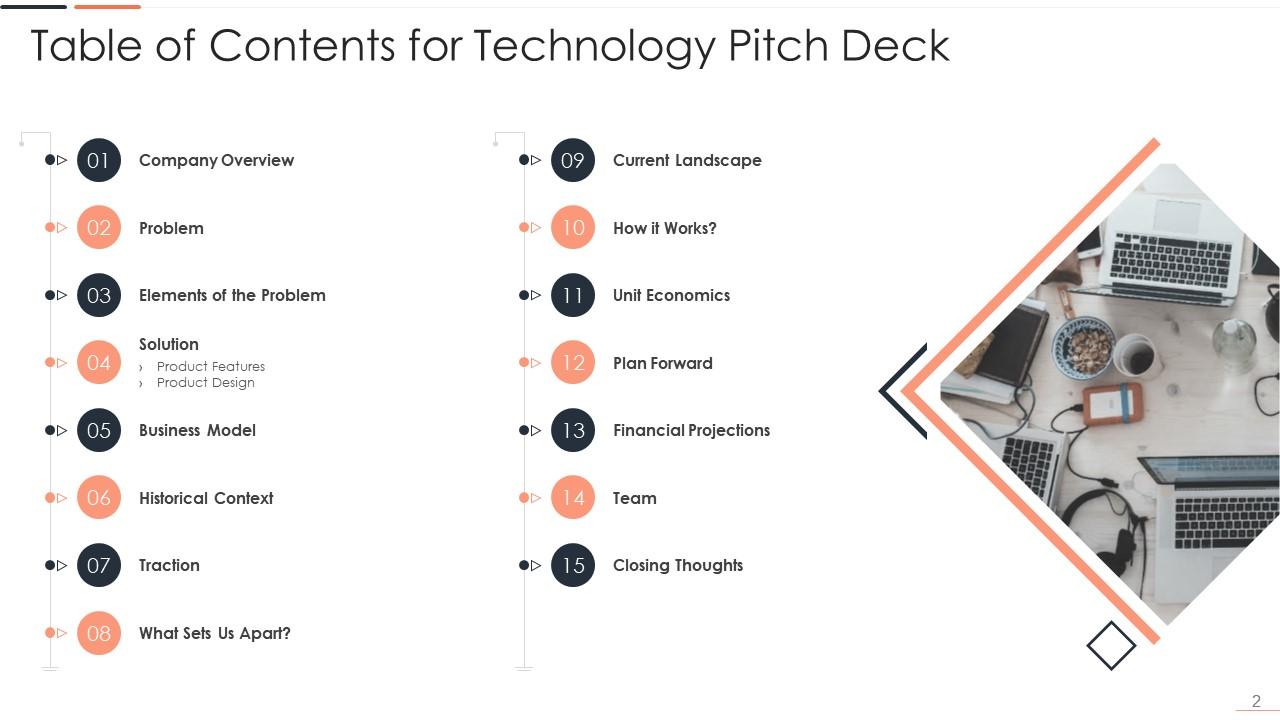
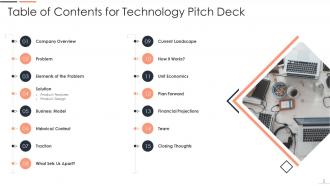
Diapositiva 2 : Esta diapositiva presenta el índice.
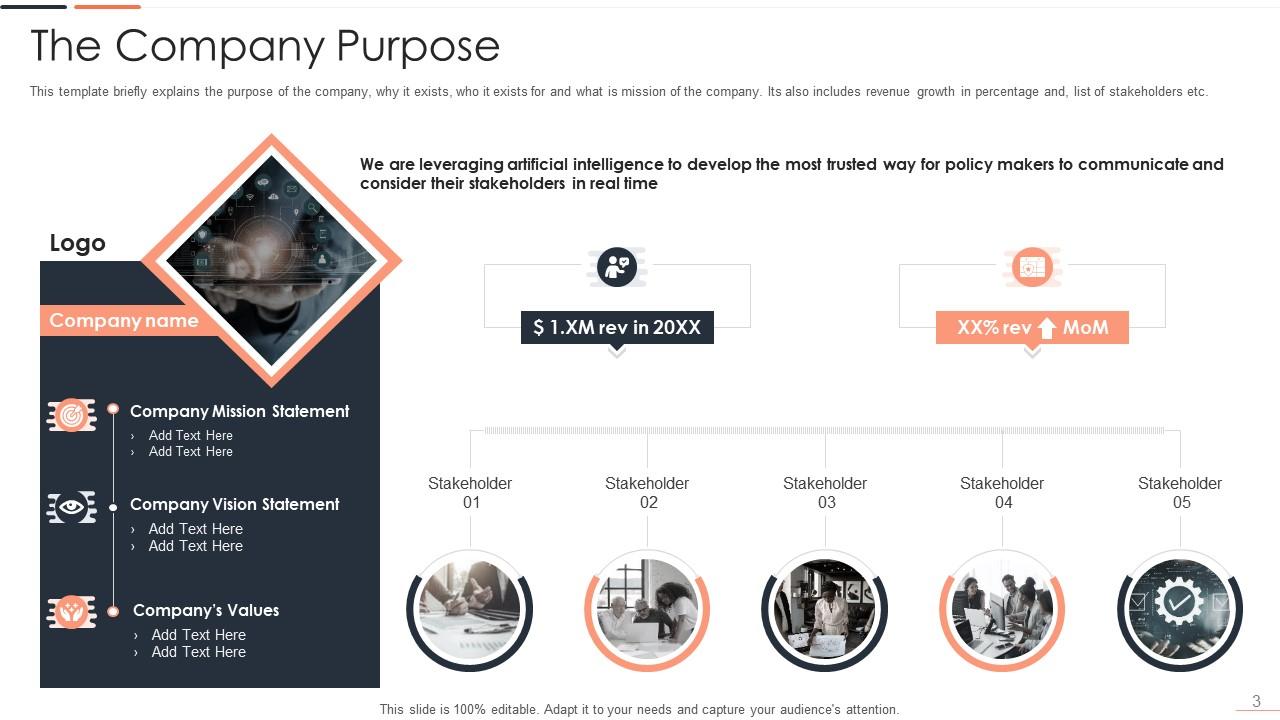
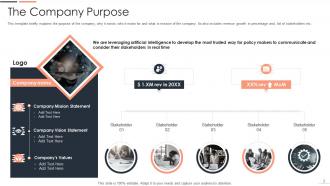
Diapositiva 3 : Esta plantilla explica brevemente el propósito de la empresa, por qué existe, para quién existe y cuál es la misión de la empresa.
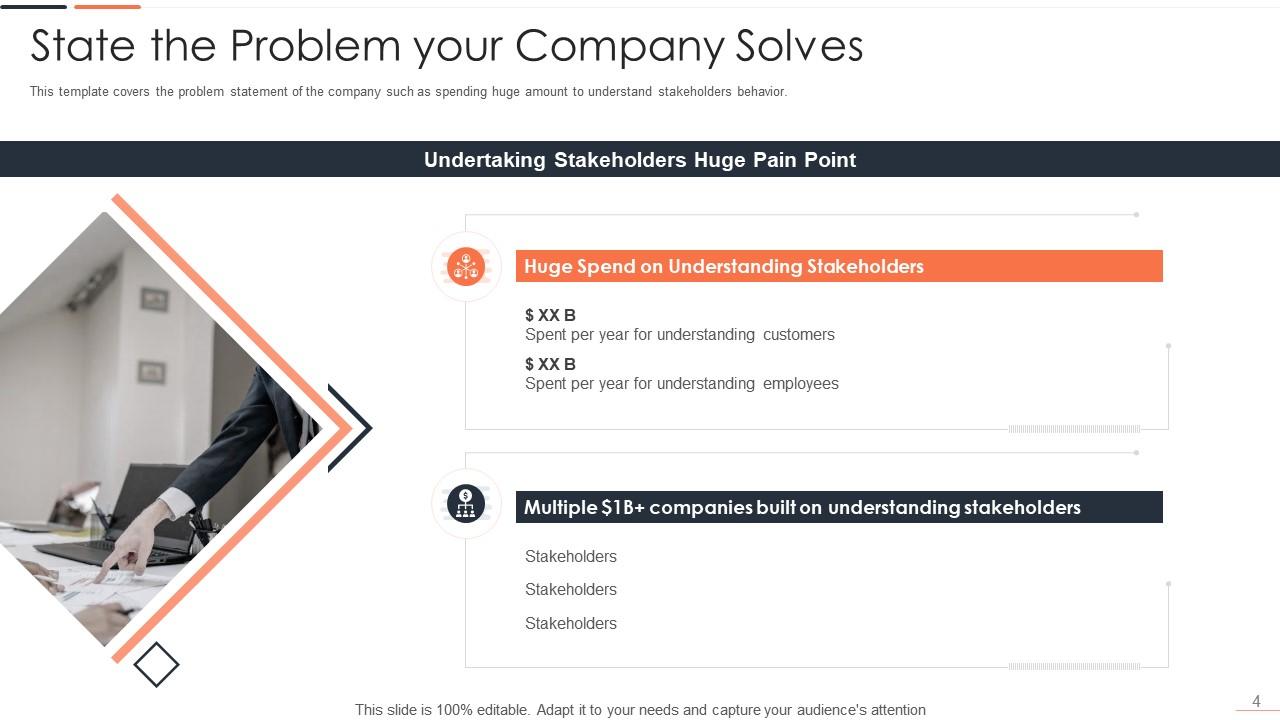
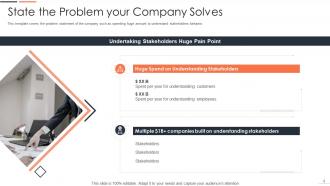
Diapositiva 4 : esta plantilla cubre la declaración del problema de la empresa, como gastar una gran cantidad para comprender el comportamiento de las partes interesadas.
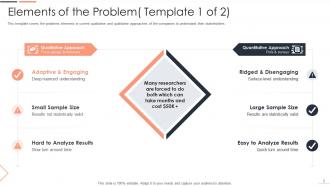
Diapositiva 5 : Esta plantilla cubre los elementos problemáticos en los enfoques cualitativos y cualitativos actuales de las empresas para comprender a sus partes interesadas.
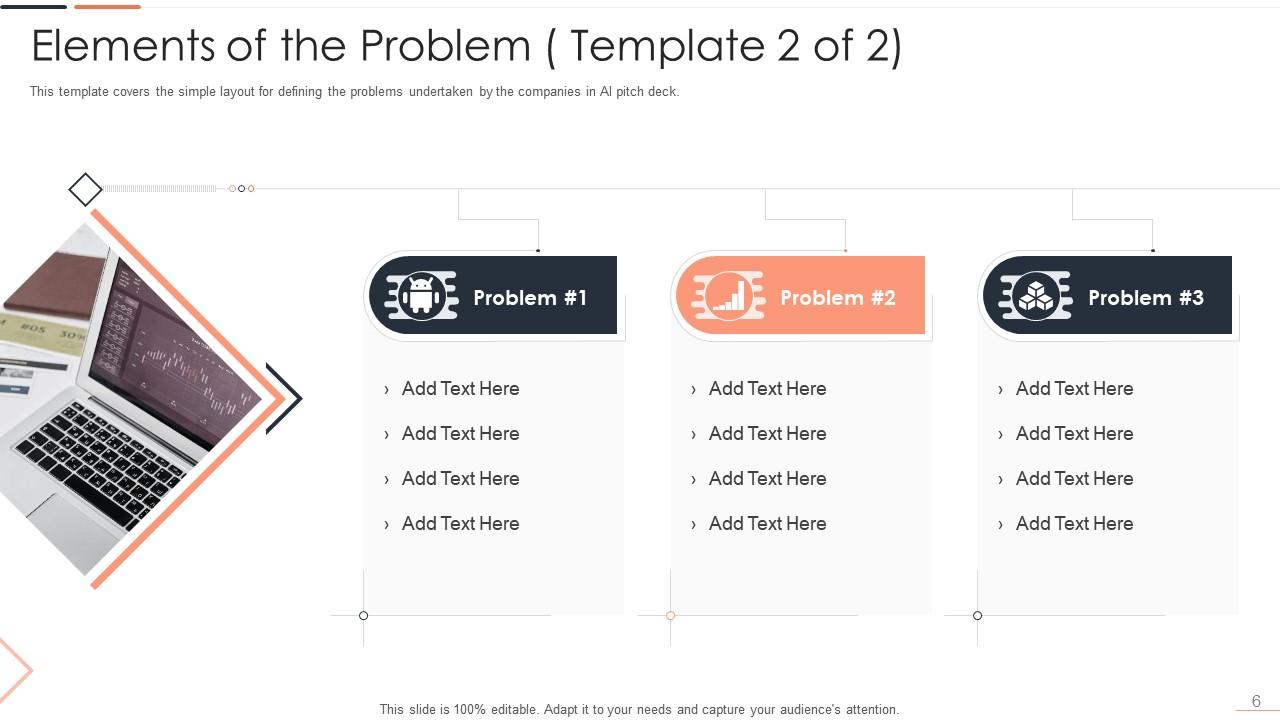
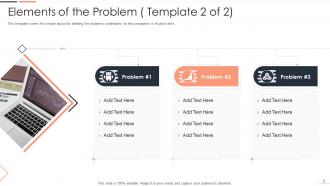
Diapositiva 6 : esta plantilla cubre el diseño simple para definir los problemas que abordan las empresas en el pitch deck de IA.
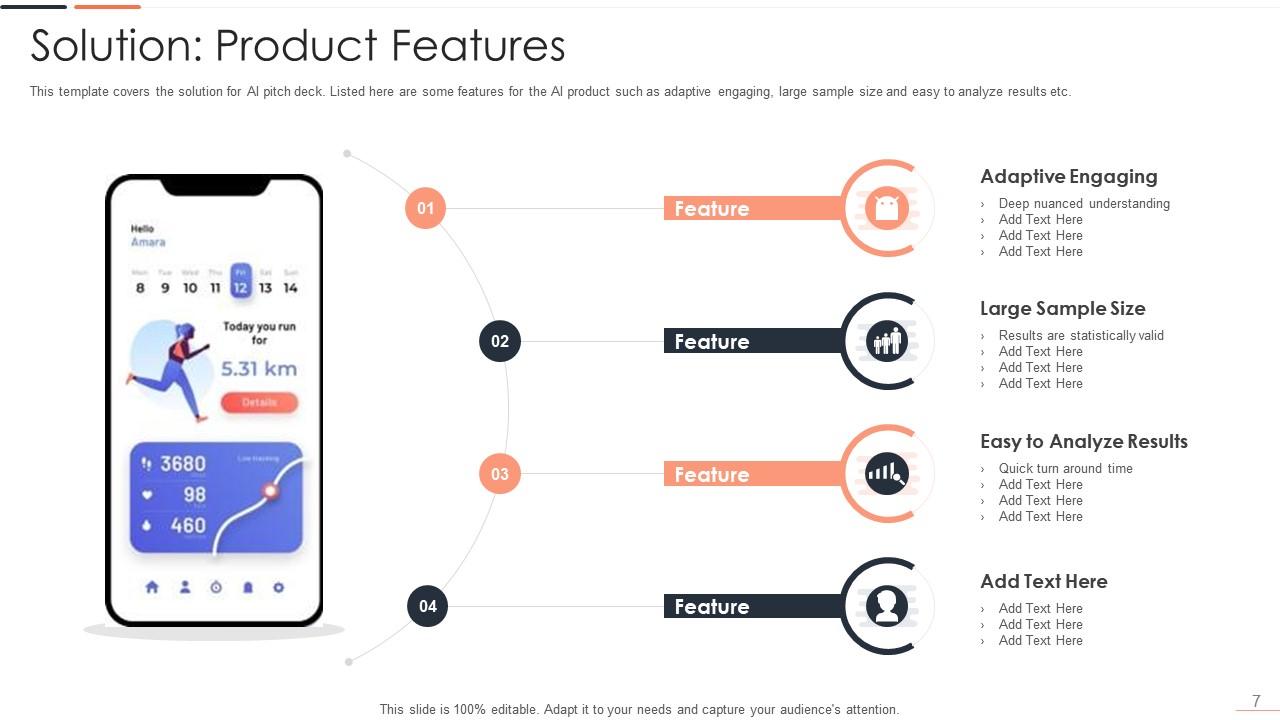
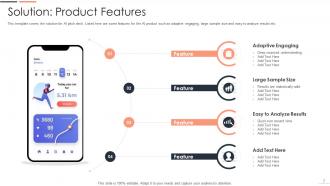
Diapositiva 7 : esta plantilla cubre la solución para la plataforma de lanzamiento de IA.
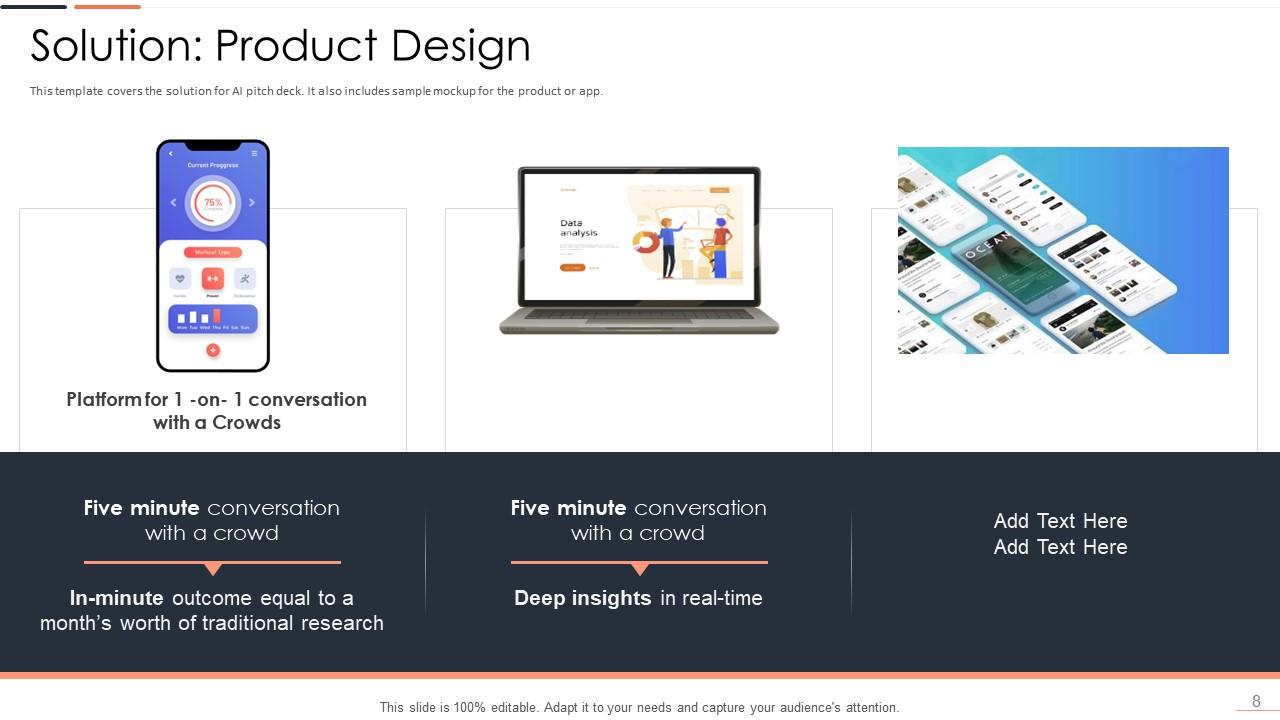
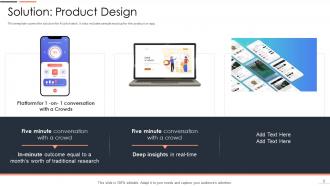
Diapositiva 8 : esta plantilla cubre la solución para la plataforma de lanzamiento de IA. También incluye una maqueta de muestra para el producto o la aplicación.
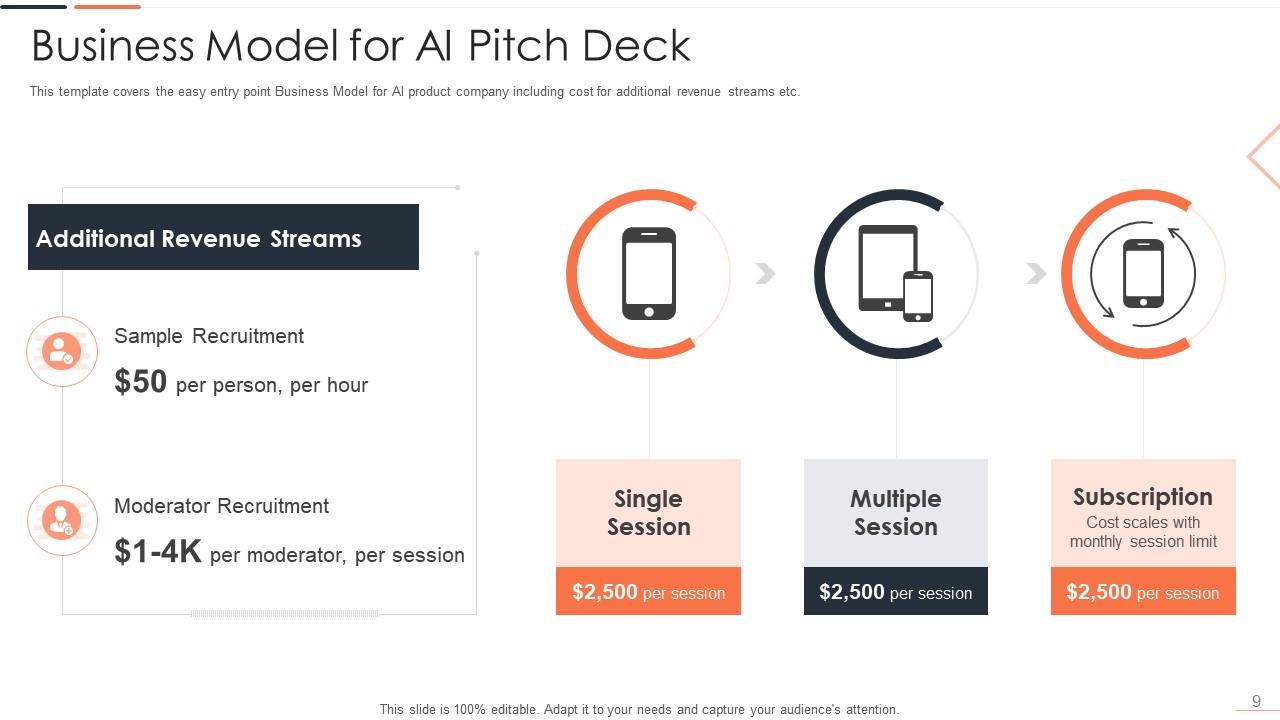
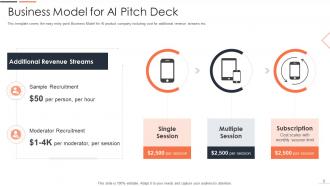
Diapositiva 9 : esta plantilla cubre el modelo comercial de punto de entrada fácil para la empresa de productos de IA, incluido el costo de las fuentes de ingresos adicionales, etc.
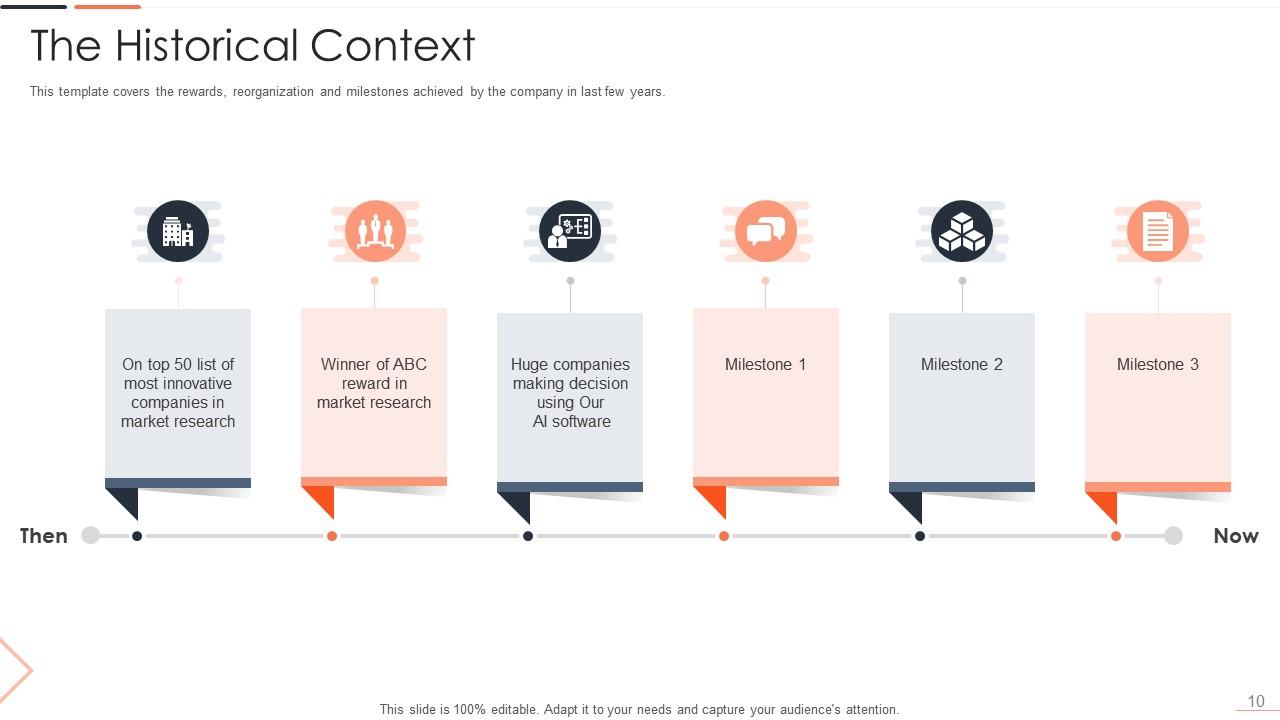
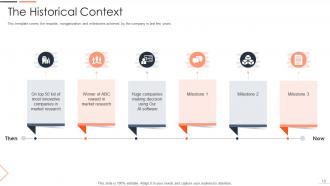
Diapositiva 10 : Esta plantilla cubre las recompensas, la reorganización y los hitos alcanzados por la empresa en los últimos años.
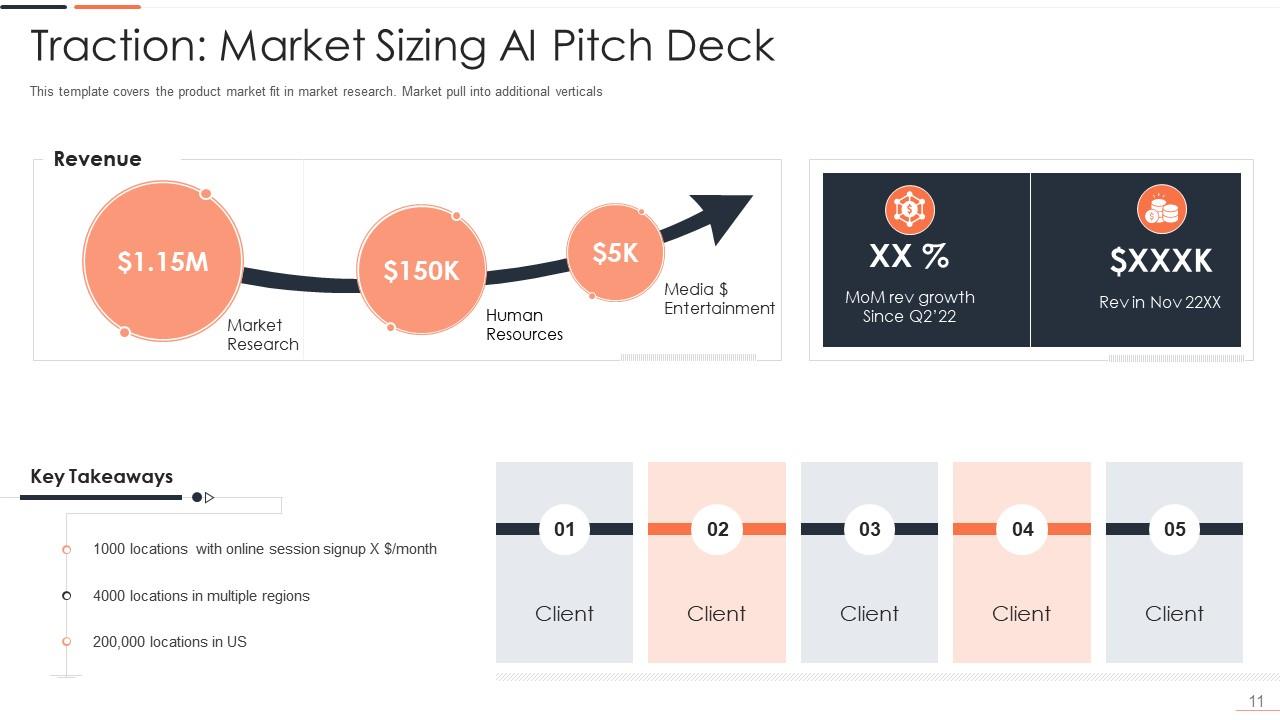
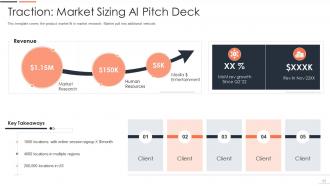
Diapositiva 11 : Esta plantilla cubre el ajuste del mercado del producto en la investigación de mercado.
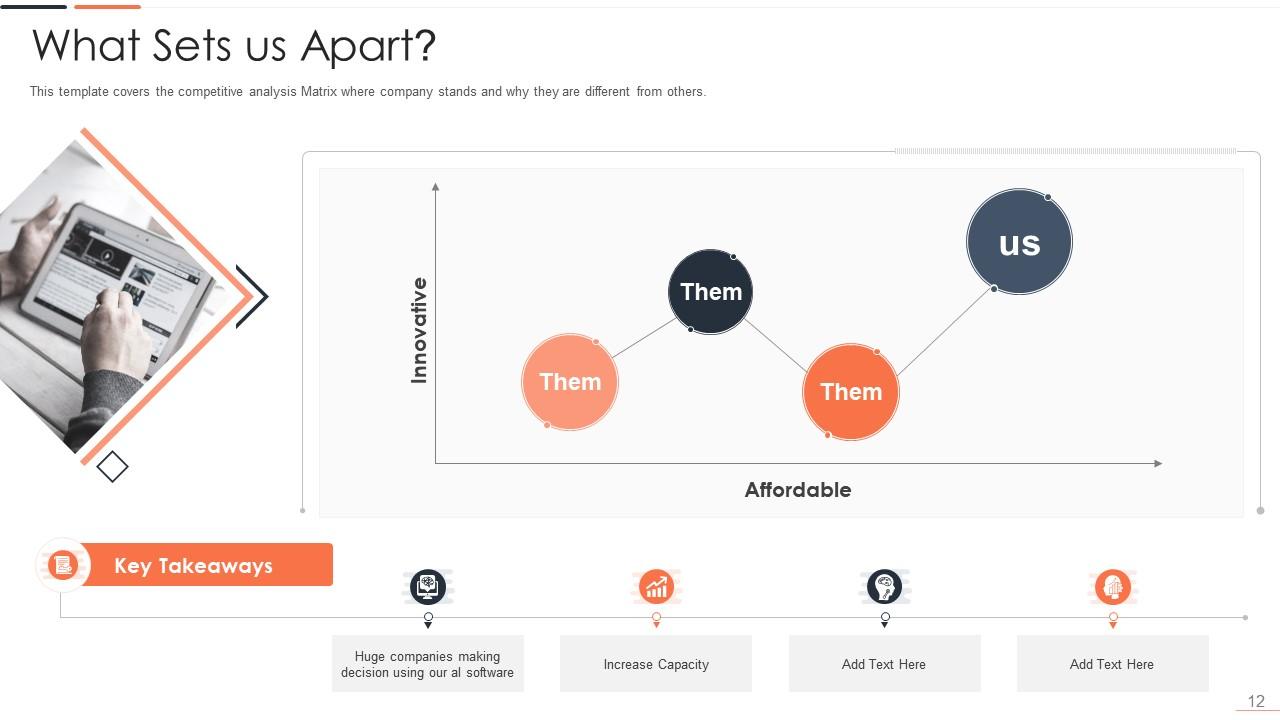
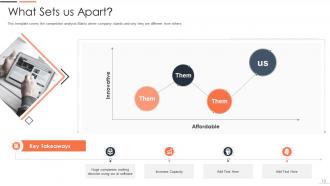
Diapositiva 12 : Esta plantilla cubre la Matriz de análisis competitivo donde se encuentra la empresa y por qué es diferente de los demás.
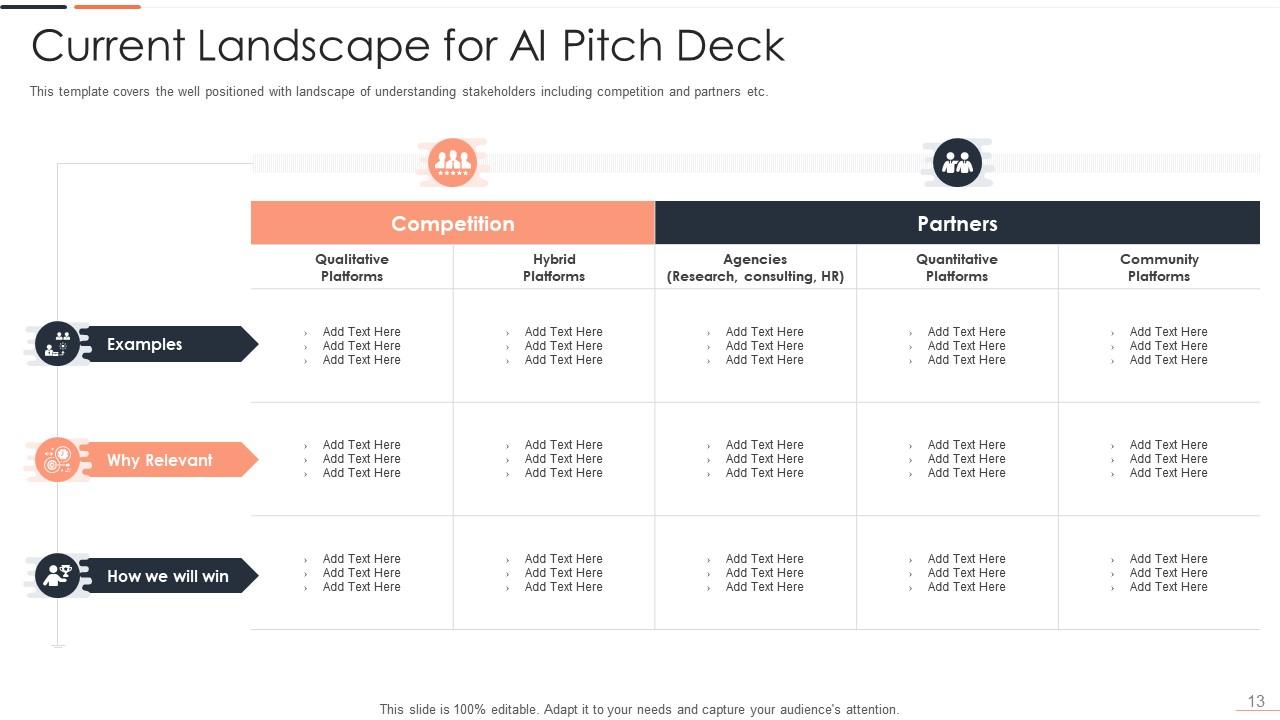
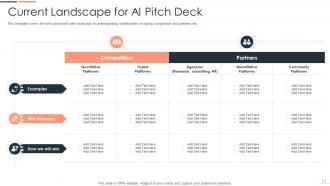
Diapositiva 13 : esta plantilla cubre el panorama bien posicionado de comprender a las partes interesadas, incluida la competencia y los socios, etc.
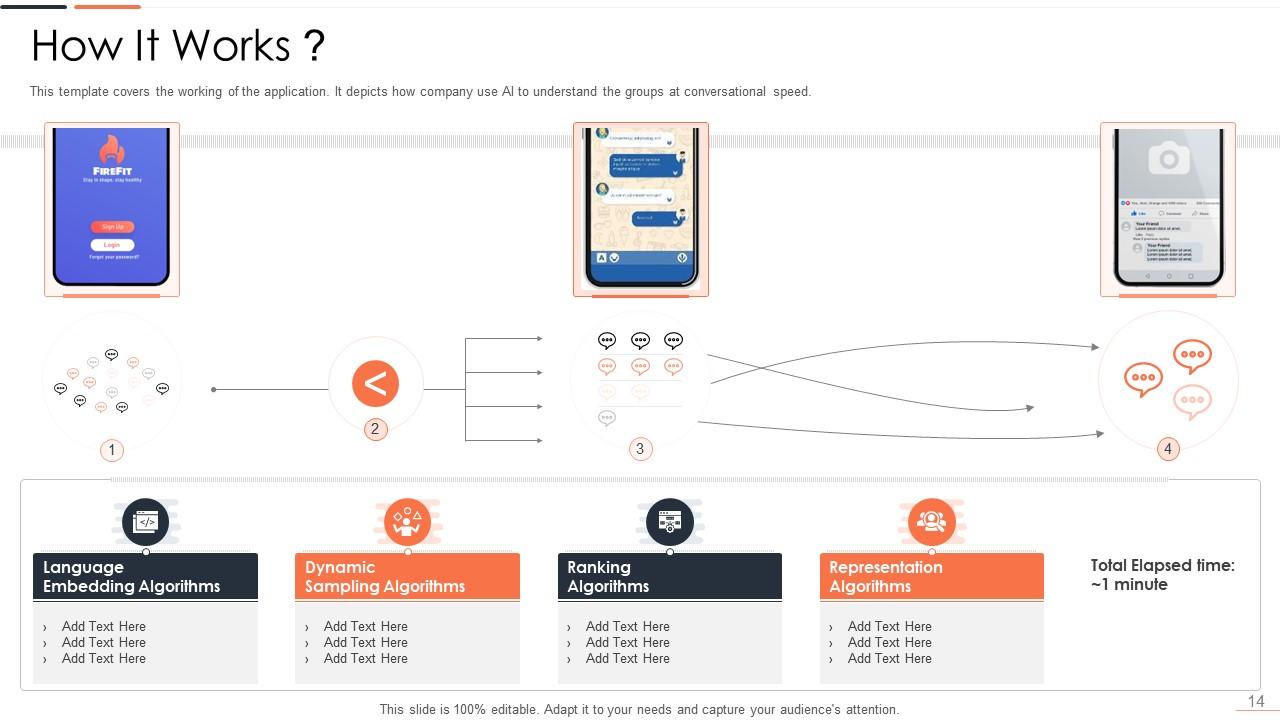
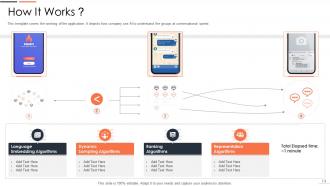
Diapositiva 14 : Esta plantilla cubre el funcionamiento de la aplicación.
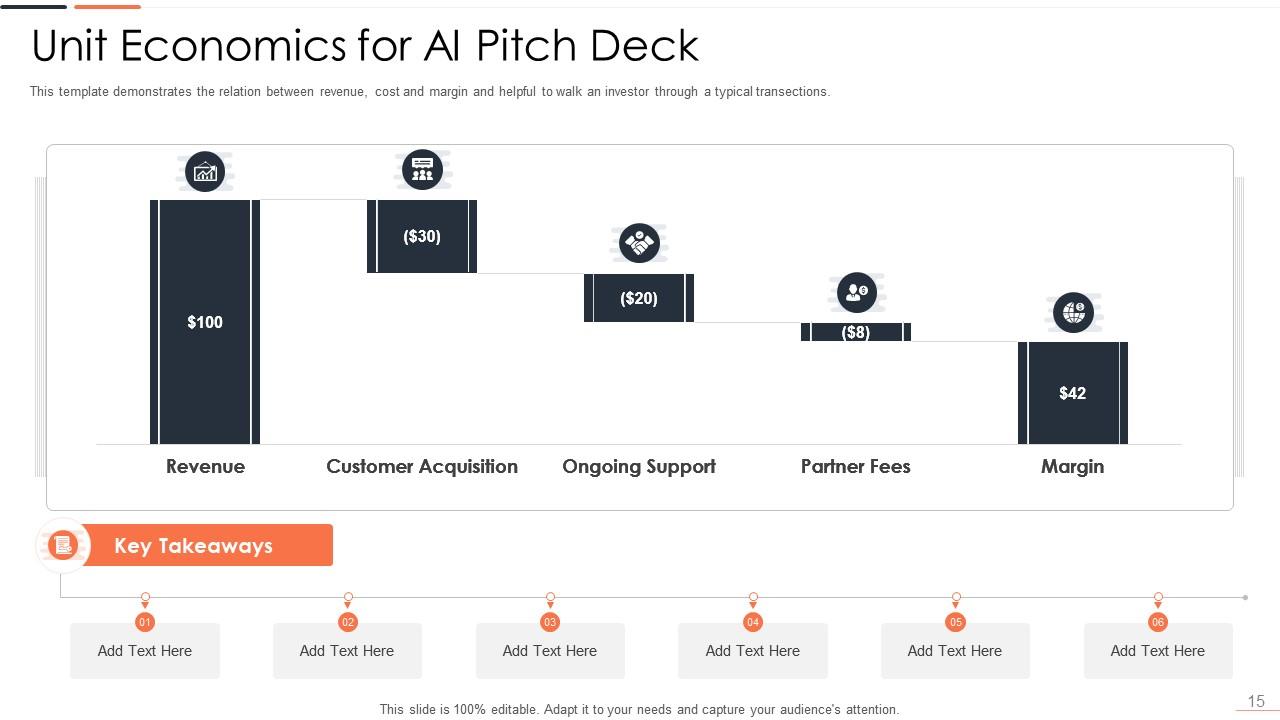
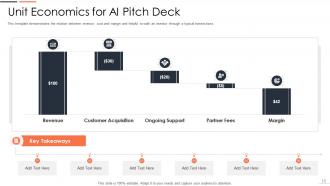
Diapositiva 15 : Esta plantilla demuestra la relación entre los ingresos, el costo y el margen y es útil para guiar a un inversionista a través de transecciones típicas.
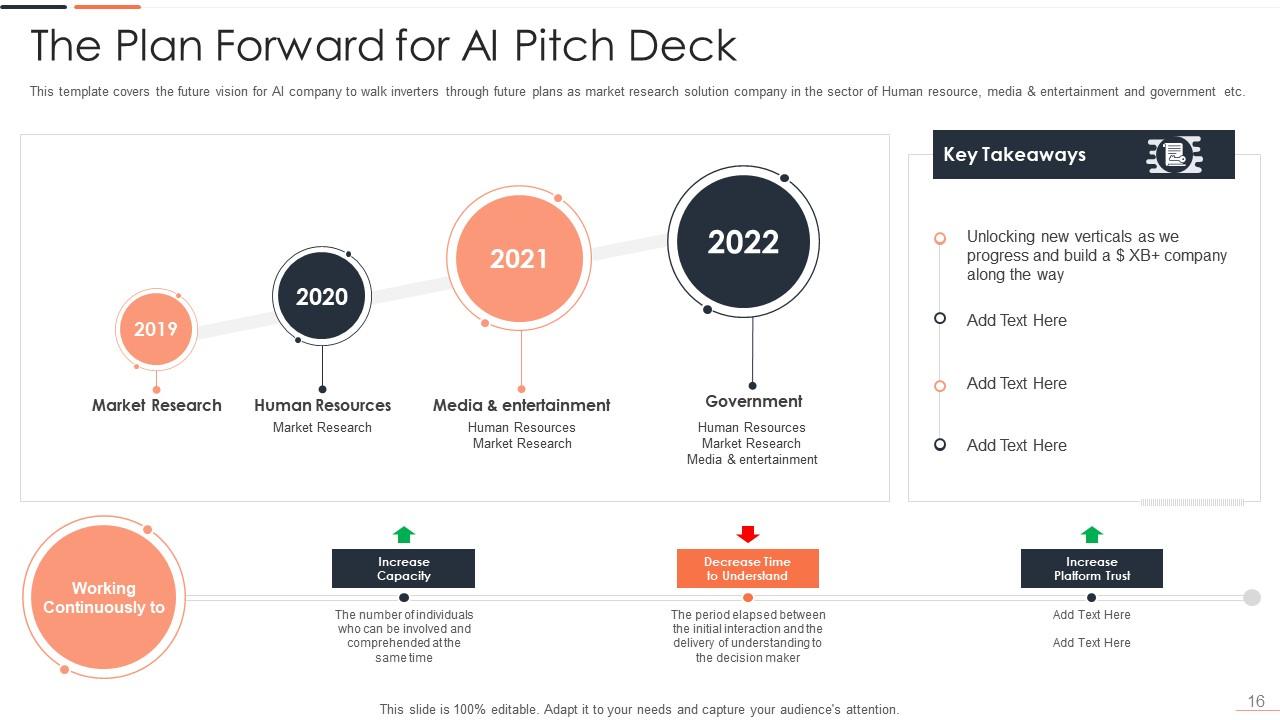
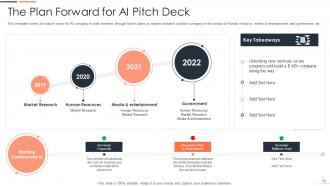
Diapositiva 16 : esta plantilla cubre la visión futura de la empresa de IA para guiar a los inversores a través de planes futuros como empresa de soluciones de investigación de mercado.
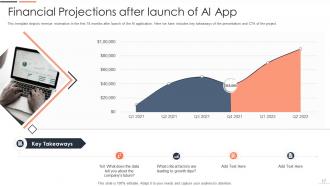
Diapositiva 17 : esta plantilla muestra la estimación de ingresos en los primeros 18 meses después del lanzamiento de la aplicación de IA.
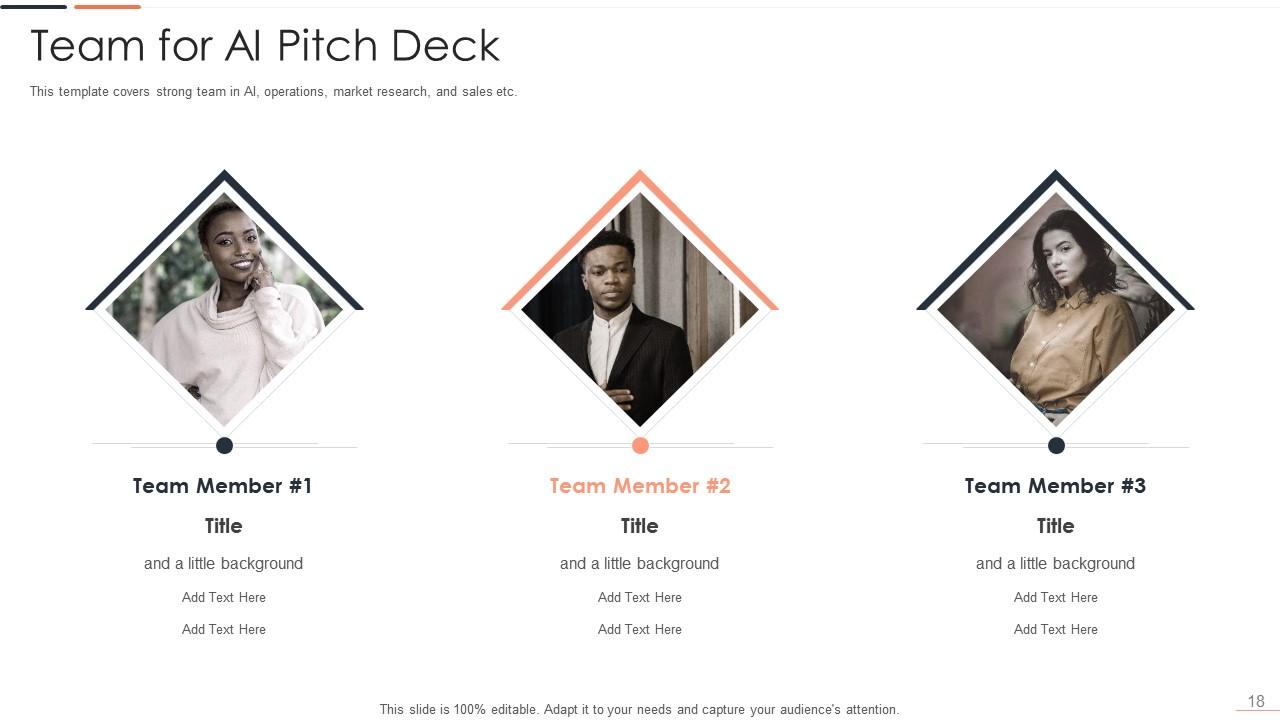
Diapositiva 18 : esta plantilla cubre un equipo sólido en IA, operaciones, investigación de mercado y ventas, etc.
Diapositiva 19 : esta plantilla cubre la página de contacto de la compañía de pitch deck de IA, incluido el nombre, el cargo, el cargo y la compañía, etc.
Diapositiva 20 : esta es la diapositiva de iconos.
Diapositiva 21 : Esta diapositiva presenta el título de las diapositivas adicionales.
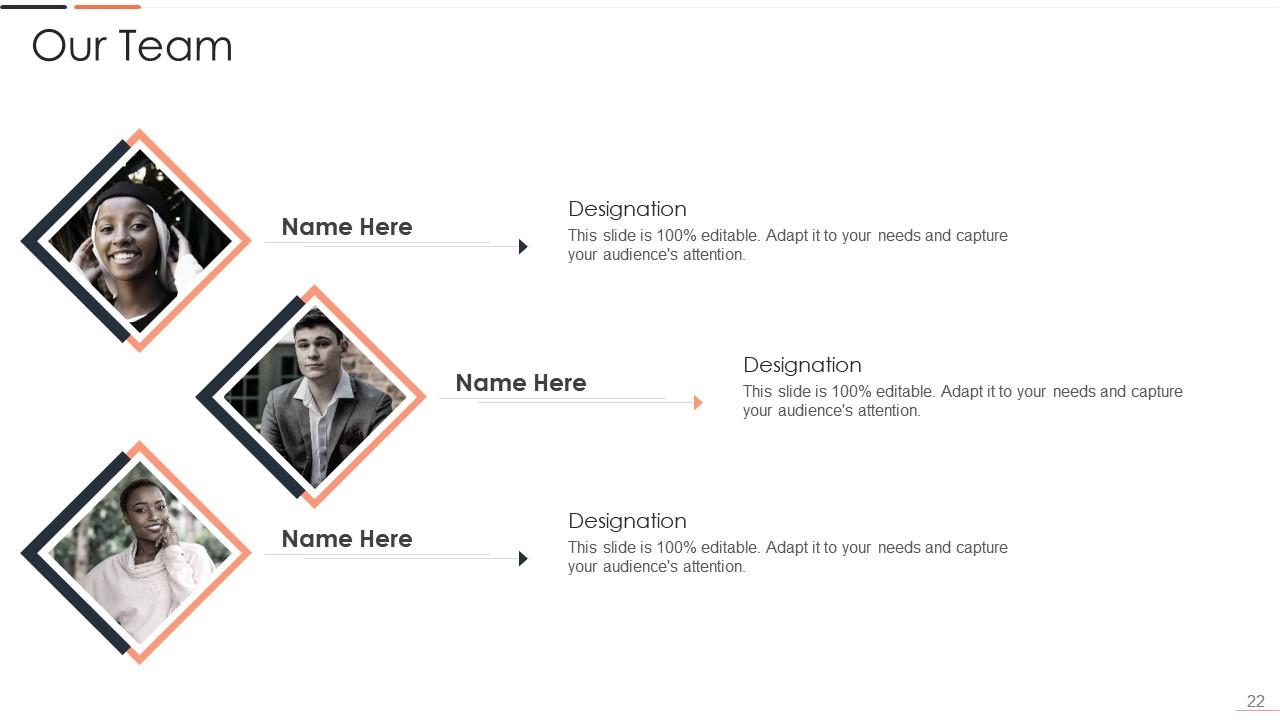
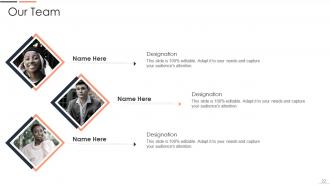
Diapositiva 22 : esta diapositiva muestra detalles de los miembros del equipo, como el nombre, la designación, etc.
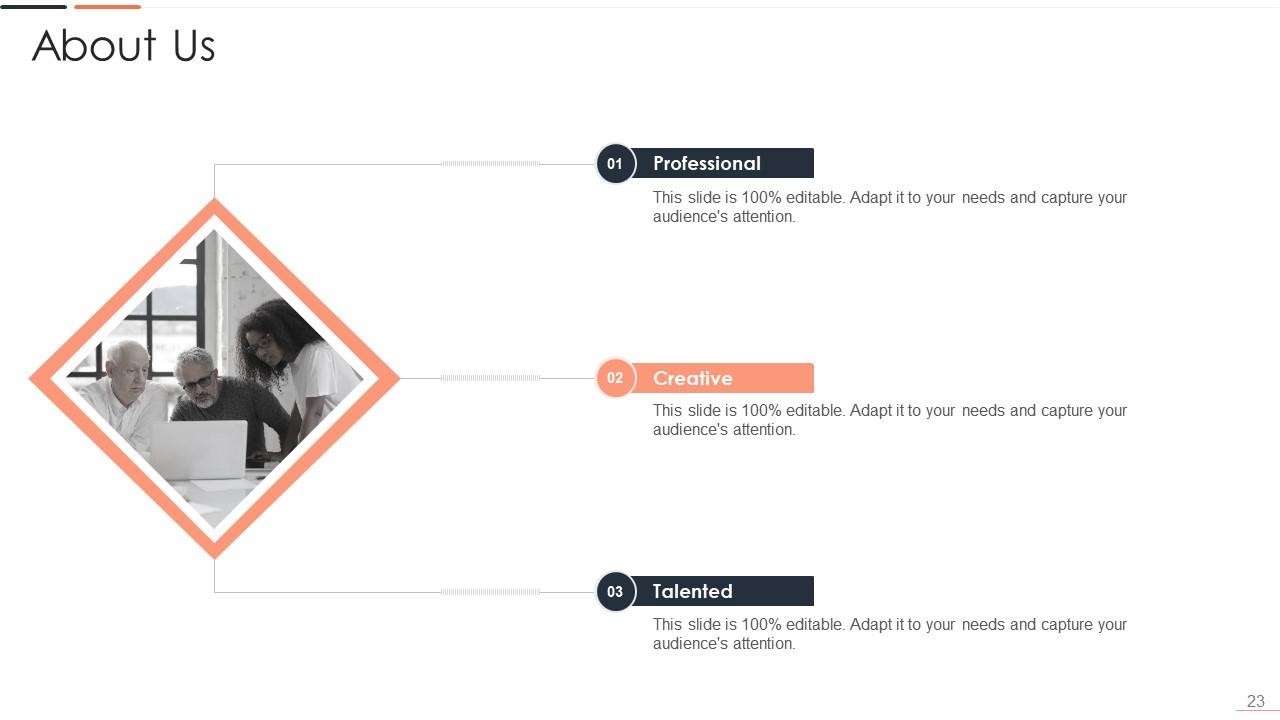
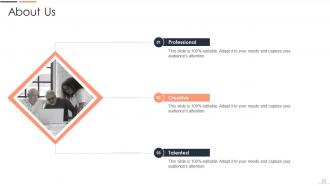
Diapositiva 23 : esta diapositiva muestra información sobre su empresa, el público objetivo y los valores de sus clientes.
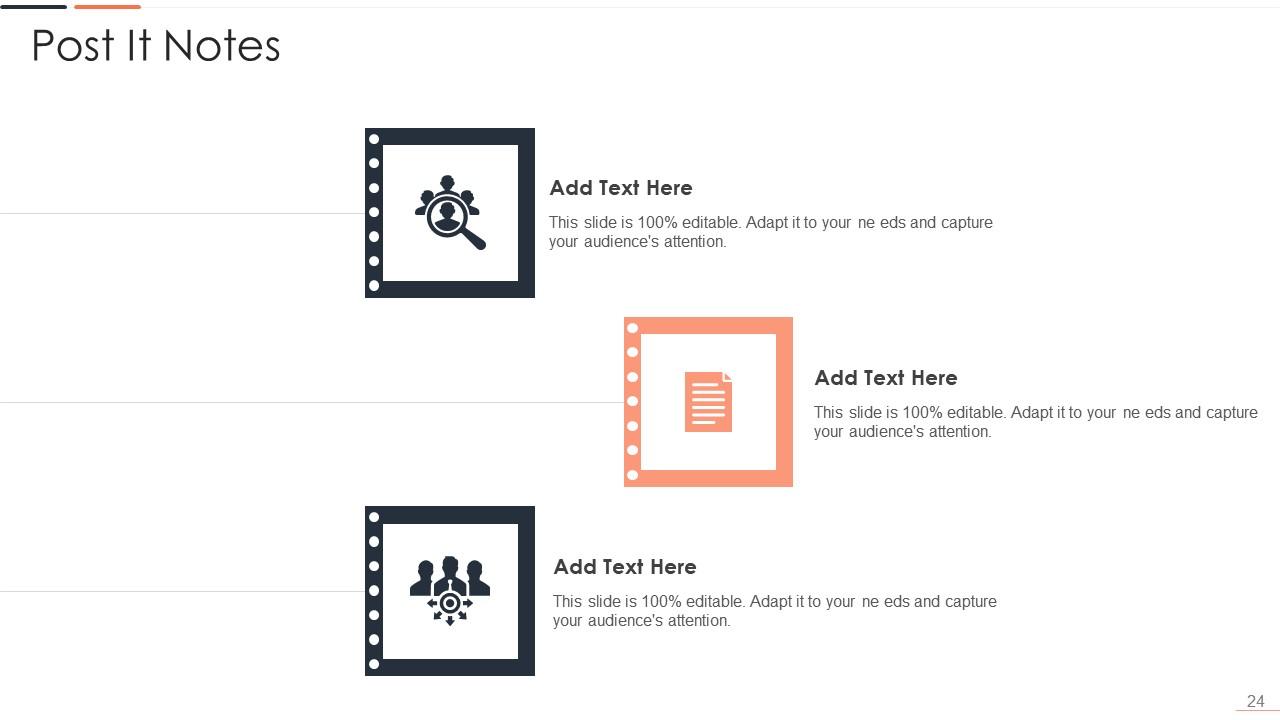
Diapositiva 24 : esta diapositiva muestra publicaciones de experiencias pasadas de clientes.
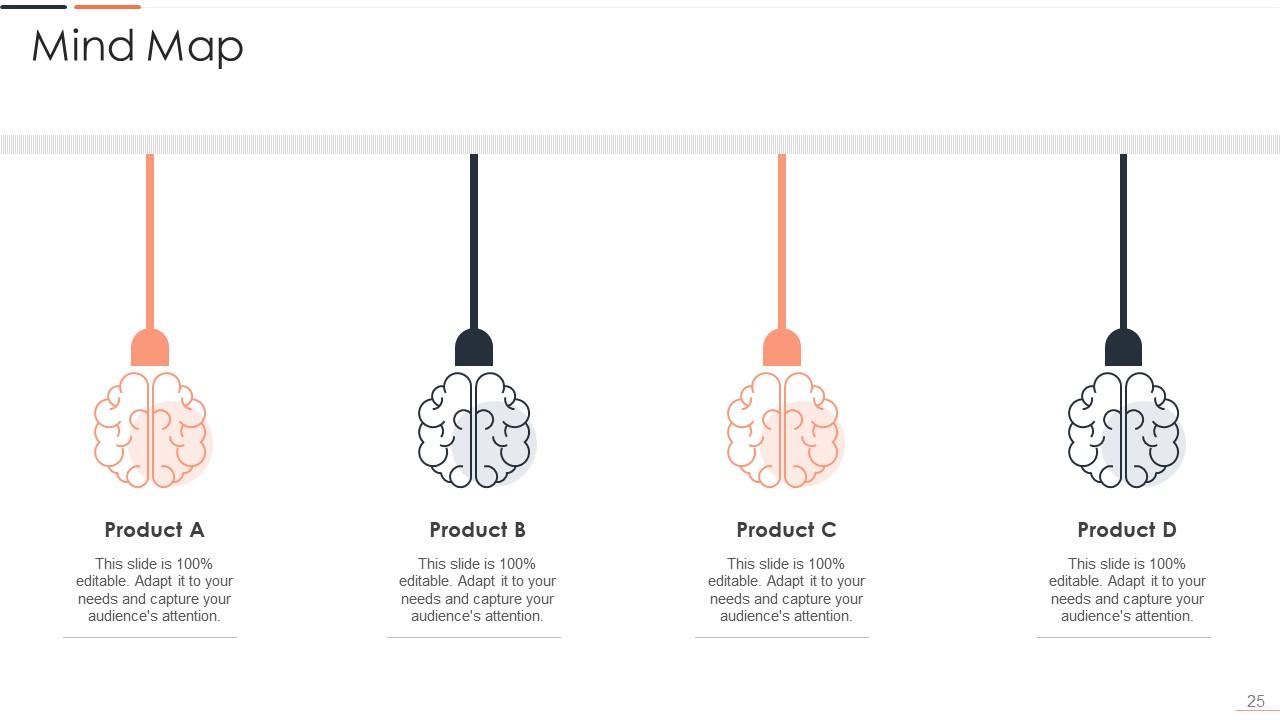
Diapositiva 25 : Esta diapositiva muestra el mapa mental de la empresa.
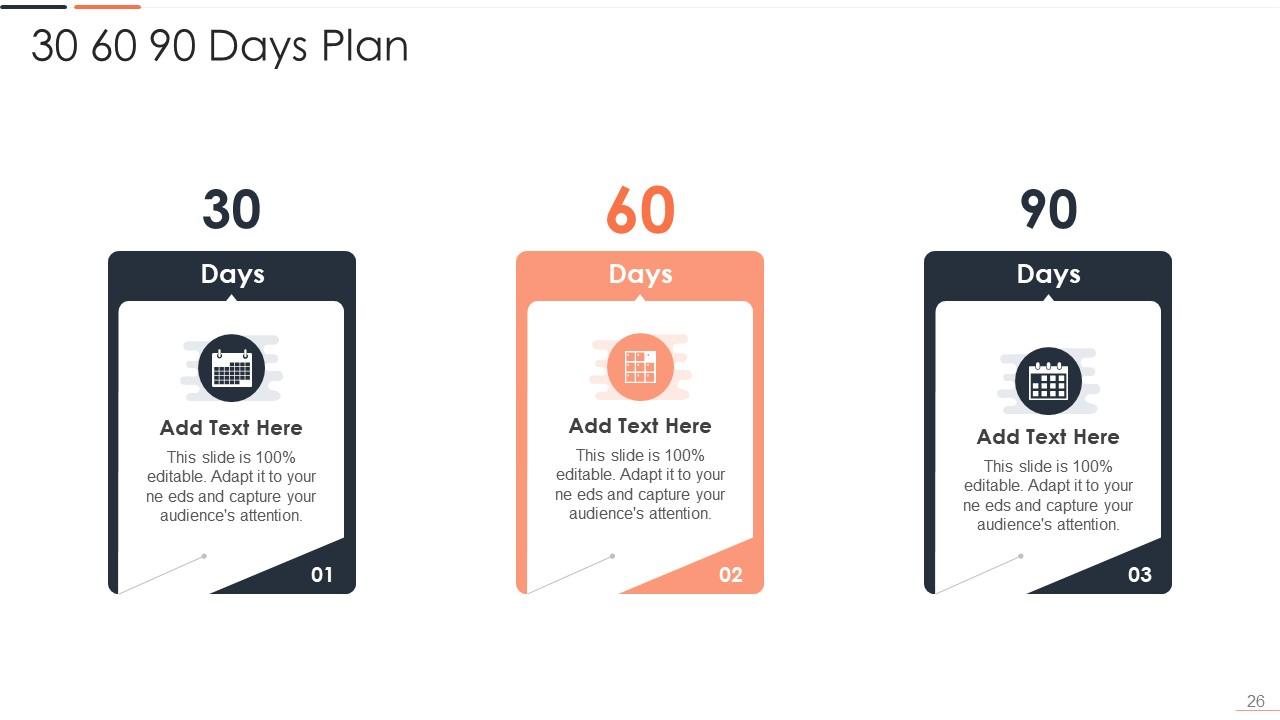
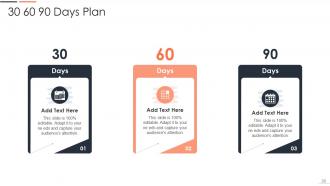
Diapositiva 26 : Esta diapositiva muestra un plan de 30-60-90 días para proyectos.
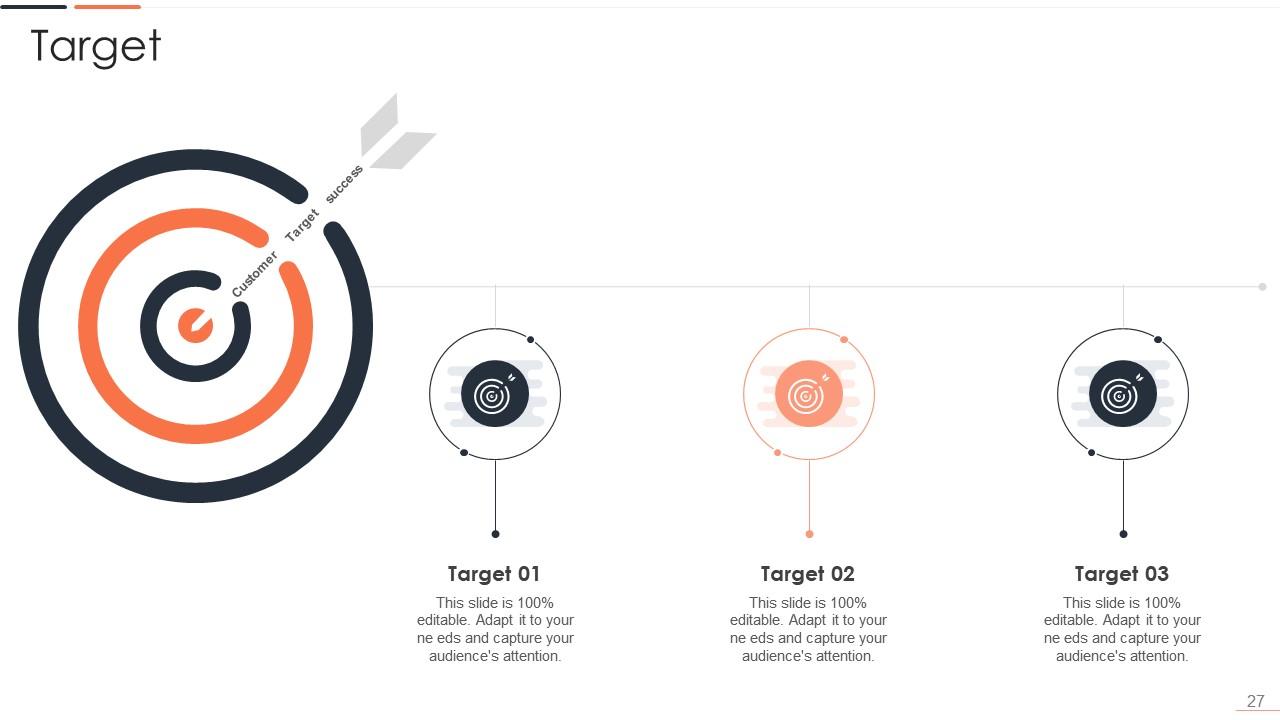
Diapositiva 27 : Esta diapositiva muestra los objetivos de la empresa.
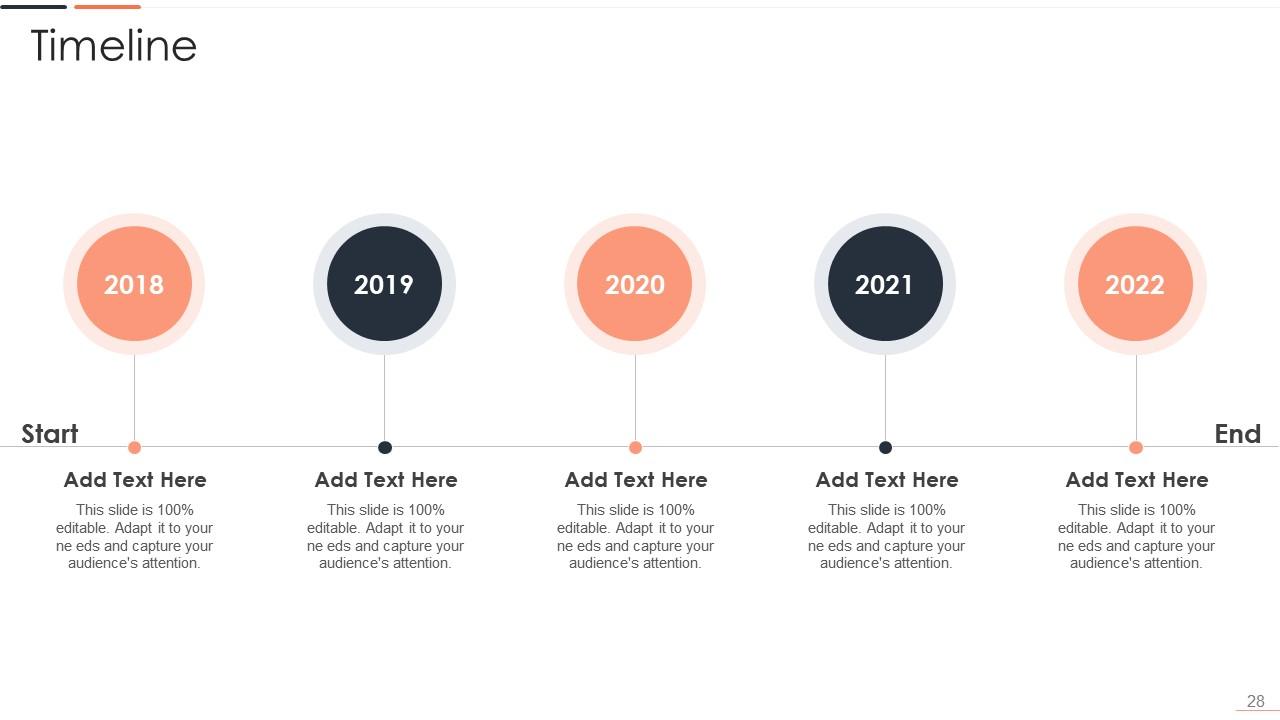
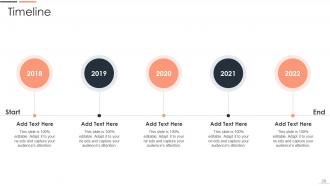
Diapositiva 28 : Esta diapositiva muestra una línea de tiempo anual.
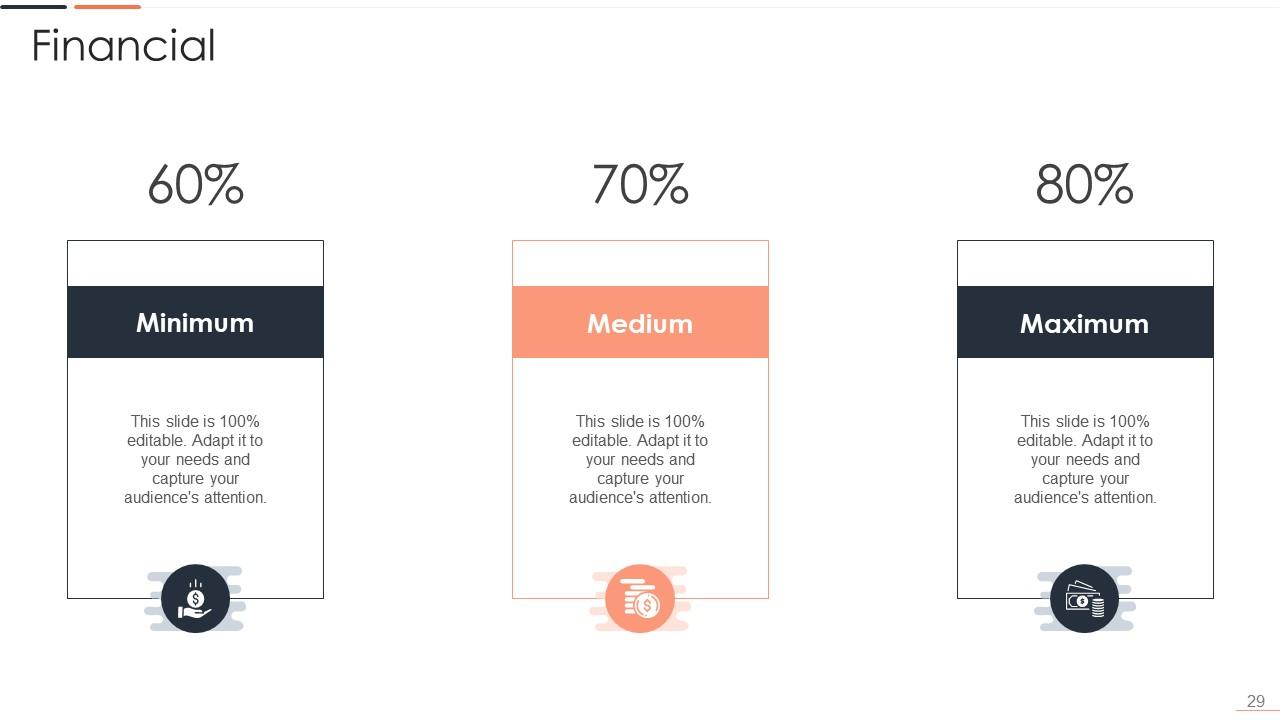
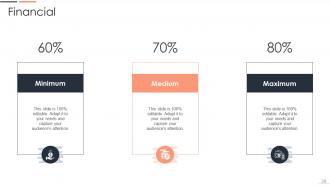
Diapositiva 29 : Esta diapositiva muestra las finanzas.
Diapositiva 30 : esta es una diapositiva de agradecimiento y contiene detalles de contacto de la empresa, como la dirección de la oficina, el número de teléfono, etc.
Tecnología Pitch Deck Ppt Template con las 35 diapositivas:
Utilice nuestra Plantilla Ppt de Pitch Deck de Tecnología para ayudarlo de manera efectiva a ahorrar su valioso tiempo. Están listos para encajar en cualquier estructura de presentación.
FAQs for Technology pitch
Stick to 10-12 slides max. Hit the basics: problem, solution, market size, business model, traction. Competitive analysis matters too, plus your team background - honestly, VCs care as much about who you are as your idea. Financials always stress me out but keep those 3-5 year projections realistic. Be super clear about your ask: exact amount and where the money goes. One key point per slide works best. Visuals beat text walls every time. Practice your story flow beforehand. Oh, and end with a vision that actually gets them pumped about what's coming next.
Honestly, visuals are a game-changer for tech pitches. Nobody wants to hear you drone on about APIs and data processing speeds - show them instead. A clean dashboard or before/after comparison makes investors actually understand what you're building. Charts help walk people through the user journey so your solution feels real, not just some theoretical thing. I always think of visuals as bridges between your main points, you know? They should actually move your story forward, not just look pretty. Oh, and abstract concepts suddenly make sense when people can see them.
Oh man, don't dump all the technical stuff upfront - you'll lose everyone immediately. Start with the actual problem people have, not your fancy features. I see so many founders skip this and wonder why investors look bored. Market size matters too, and please don't just make up numbers because they'll catch that. Save the deep technical breakdown for later meetings when they're already hooked. Practice your timing though - I swear, going over always screams "amateur hour" to VCs. Focus on the pain point first, keep everything else simple.
Look, investors judge you within seconds of opening your deck - it's brutal but true. A messy layout screams "amateur hour" even if your idea's genius. I've watched great concepts die because someone used Comic Sans (okay, maybe not Comic Sans, but you get it). Front-load your best stuff - problem, solution, market size. Hook them fast. Clean design with lots of white space makes you look like you've got your act together. Each slide should flow naturally to the next, building toward your ask. Test it on someone clueless about your business first. They'll catch confusing parts you're blind to.
Look, your market analysis has to prove there's real money here - investors want to see you actually get your market size, growth potential, and who you're competing against. Show clear data with TAM/SAM/SOM numbers, but don't be that founder who says "trillion dollar market" without explaining your actual slice. I swear, half the decks I see do this and it's so annoying. Focus on what you can realistically capture, not the whole industry. Back everything up with solid sources and realistic assumptions about how much market share you'll grab. Visuals help too - makes the numbers way easier to digest.
Here's what I'd do - build your whole pitch around the specific problem you're solving differently. Your "Technology Overview" slide should highlight whatever's actually proprietary about your approach. Could be your algorithm, how you handle data, whatever makes you special. Most founders I know get way too buzzword-heavy here (guilty of this myself tbh). What investors really want? A dead simple comparison chart showing your advantages versus competitors, then real proof - patents, performance numbers, partnerships that matter. Make it obvious why someone can't just copy your tech tomorrow. Save the technical deep-dive for later meetings.
Honestly? Skip the fancy stuff and focus on what actually matters - MRR, user growth, and how much you're spending to get customers. Those three will tell investors everything. Retention rates and lifetime value are clutch too. Oh, and whatever weird metrics are specific to your tech (API calls or whatever). Look, everyone inflates their market size numbers - investors know this. What they really want to see is steady month-over-month growth and unit economics that don't suck. Don't overthink it. Just make sure each metric connects to your overall growth story and you're golden.
Dude, the team slide can make or break you - I've watched solid ideas tank because investors didn't buy the team. Show relevant experience and technical chops that prove you can actually build this thing. Previous exits, industry advisors, key hires with real credentials. Don't puff up junior people though, that's obvious and annoying. Mix of business and tech skills is crucial. Honestly? The whole slide should scream "we're the only ones who can nail this specific problem." Oh and make sure your advisors actually have street cred in your space.
Dude, tell a story instead of just listing features - investors need to feel the pain you're solving. Make your deck work on mobile because VCs scroll through these on their phones constantly (trust me on this one). 10-12 slides max. Lead with your numbers if they're good. Your market size needs to be believable, not some ridiculous "trillion dollar opportunity" BS. Don't forget the competitive landscape slide - shows you actually know what you're doing. Oh, and be super specific about your ask. Like "we're raising $2M for product dev and two key hires" not just "looking for Series A funding."
Dude, get specific with your funding ask right away. Like exact numbers - "$2M total: $800K for engineering, $600K marketing, $400K ops, $200K buffer." Investors absolutely hate vague "we need money for growth" nonsense. Break down every single dollar. Also mention your current runway and when you'll need more cash. Shows you're not just winging it financially, which honestly so many founders do. End with concrete next steps for anyone who's interested. The transparency thing really works - makes you look like you actually know what you're doing with their money.
**Stick to 10-12 slides max.** Seriously, I've watched so many founders bomb with these massive 25-slide monsters that just kill the vibe. You'll want to hit the basics - problem, solution, market size, your team, some traction if you have it, and the money stuff. That's honestly all they care about at first anyway. The whole point is getting them interested enough for a follow-up meeting, not cramming every detail into one presentation. Oh, and definitely prep an appendix with extra slides for when they inevitably ask about your customer acquisition costs or whatever. But for the actual pitch? Keep it tight.
Show investors your tech won't crash when it gets big - that's what they're really worried about, honestly. Start with your architecture and explain how it handles 10x more users without rebuilding everything. Unit economics are huge too - prove your costs go down as you scale up. Market size matters but you probably already know that. Don't forget proof points like current growth numbers or stress test results. Charts showing growth trajectory work great here. Oh, and if you've already scaled something successfully before, definitely include that example. Investors want to see you've actually planned this operationally, not just hoped for the best.
Start with a problem your audience actually deals with, then show how your tech fixes it. The before/after thing is solid - messy current state vs your clean solution. I always go for customer journey stories, but don't drag them out. Skip the fluffy benefits and use real examples instead. Numbers help too - show the problem in data, then prove your impact with metrics. Oh and make sure each slide builds up so your solution feels like the obvious answer. Honestly, concrete user scenarios beat abstract pitches every time.
Yeah, definitely put in a risks slide - just don't make it scary. Hit the obvious stuff like tech challenges, competition, regulatory headaches. But honestly, don't go overboard listing every possible disaster (they already know startups are risky lol). The trick is showing you've actually thought about solutions for each one. Like, what are you doing RIGHT NOW to handle these problems? That's what makes you look prepared, not paranoid. I'd wrap it up by reminding them why the opportunity is still worth it despite the risks.
Dude, you NEED customer feedback on your pitch deck - it's like having a mirror that shows you what's actually happening vs what's in your head. Get 5-10 people to look at it: potential customers, industry folks, maybe even your cousin who knows nothing about tech (seriously, outside perspective is gold). So many founders think their solution is super obvious when it's really not. The feedback will help you nail down if your problem statement makes sense and if people actually get why they should care. Schedule some casual chats and ask specific stuff about what's clear vs confusing.
-
Great quality product.