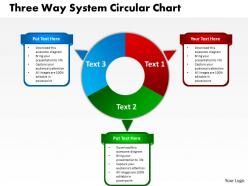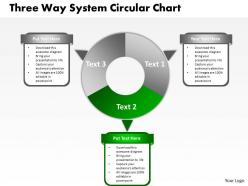
Three way system circular chart powerpoint templates graphics slides 0712

Rating:
80%
Three way system circular chart powerpoint templates graphics slides 0712
Slide 1 of 7
Favourites Favourites

Try Before you Buy Download Free Sample Product

Audience Impress Your
Audience
Editable 100%
Editable
Time Save Hours
of Time
The Biggest Sale is ending soon in
0
0
:
0
0
:
0
0
Rating:
80%
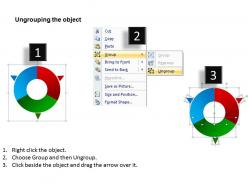
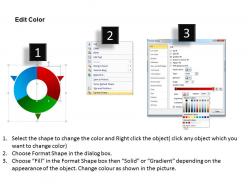
Impress your audience with these professional and pre-designed graphics, showing circles in various segmented shapes.

People who downloaded this PowerPoint presentation also viewed the following :

FAQs for Three way system circular chart powerpoint templates

Key components in a three-way system circular chart typically include three interconnected elements or stakeholders, directional flow arrows showing relationships, central hub or intersection point, labeled segments for each system component, and connecting pathways that demonstrate mutual dependencies. These visual elements work together by clarifying complex triangular relationships, enhancing stakeholder understanding, and streamlining communication processes, with many organizations finding that this format delivers clearer strategic alignment and improved decision-making across departments.

A three-way system circular chart enhances data visualization by displaying interconnected relationships, hierarchical structures, and comparative proportions in a visually intuitive format that audiences can quickly grasp. This approach streamlines complex data interpretation, enables clearer storytelling through visual flow, and ultimately delivers more engaging presentations, with many organizations finding that circular formats significantly improve stakeholder comprehension and decision-making outcomes.

Industries that rely heavily on interconnected processes benefit most from three-way system circular charts, including healthcare, manufacturing, project management, supply chain logistics, and financial services. These sectors find that circular visualization enhances understanding of complex workflows, streamlines decision-making across multiple stakeholders, and ultimately delivers improved operational efficiency and strategic alignment in increasingly collaborative business environments.

Best practices for designing effective three-way system circular charts include using consistent color coding, maintaining clear visual hierarchy, ensuring readable font sizes, balancing element proportions, and incorporating intuitive flow indicators. These design principles enhance data comprehension by minimizing cognitive load, streamlining information processing, and facilitating quick decision-making, with many organizations finding that well-designed circular visualizations significantly improve stakeholder engagement and strategic communication effectiveness.

**INPUT**: How can you ensure that the information in a three-way system circular chart is easy to understand? **OUTPUT**: You can ensure clarity by using distinct colors for each system component, maintaining consistent labeling throughout all sections, and limiting text to essential information while using legible fonts. These design principles streamline comprehension by creating visual hierarchy, reducing cognitive load, and enabling quick pattern recognition, with many organizations finding that simplified circular charts enhance stakeholder engagement and accelerate decision-making processes.

Categorical data with three interconnected variables, comparative metrics across three dimensions, process flows with three sequential stages, and relationship data between three entities work best in three-way system circular charts. These visualizations excel with business data like customer-product-service relationships, budget allocations across three departments, or performance metrics comparing three market segments, ultimately delivering clear insights into complex multi-dimensional relationships.

Color choice significantly impacts three-way system circular charts by enhancing visual hierarchy, improving data distinction, and ensuring accessibility across different audiences. Strategic color combinations enable viewers to quickly identify relationships between segments, distinguish between data categories, and process information more efficiently, with many organizations finding that high-contrast palettes ultimately deliver clearer insights and better stakeholder comprehension.

**INPUT**: What software tools can be used to create three-way system circular charts? **OUTPUT**: Software tools for three-way system circular charts include Microsoft PowerPoint, Canva, Lucidchart, Visio, and specialized presentation platforms like SlideTeam. These applications streamline diagram creation by offering pre-designed templates, drag-and-drop functionality, and professional formatting options, with many organizations finding that dedicated presentation tools ultimately deliver faster development and more polished visual outcomes. *[Word count: 58 words]*

Yes, three-way system circular charts can be adapted for dynamic data representation through real-time data feeds, interactive filtering capabilities, animated transitions, and responsive design elements that automatically update visual segments. These adaptations enable organizations in sectors like financial services, healthcare monitoring, and supply chain management to track evolving relationships between variables continuously, ultimately delivering enhanced decision-making speed and operational responsiveness in increasingly data-driven business environments.

Common mistakes include overcrowding elements with excessive text, using inconsistent sizing that disrupts visual balance, choosing poor color contrast that reduces readability, neglecting clear labeling, and failing to maintain proportional relationships between components. These design flaws undermine comprehension in business presentations, especially when organizations showcase interconnected processes like supply chain management, stakeholder relationships, or strategic frameworks, ultimately reducing audience engagement and decision-making effectiveness.

Interactivity can be incorporated through clickable segments that reveal detailed data, hover effects displaying additional metrics, animated transitions between different data views, and drill-down capabilities for deeper analysis. These interactive elements transform static circular charts into dynamic presentation tools, enabling presenters to engage audiences more effectively while allowing real-time exploration of complex relationships, ultimately delivering more impactful and memorable business communications.

A three-way system circular chart simplifies complex relationships by visually displaying interconnections between three key elements, creating clear pathways for understanding dependencies, feedback loops, and mutual influences within organizational processes. This approach enables teams to quickly identify bottlenecks, optimize workflows, and enhance decision-making across departments like operations, finance, and marketing, ultimately delivering improved strategic alignment and operational efficiency.

Audience demographics significantly influence three-way system circular chart design through color selection, complexity levels, cultural considerations, and accessibility features. Financial services professionals require detailed data layers and conservative palettes, while healthcare audiences need intuitive layouts and high contrast elements, with educational sectors preferring simplified structures, ultimately ensuring maximum comprehension and engagement across diverse user groups.

Three-way system circular charts can present challenges in precise data comparison, limited scalability for complex datasets, potential visual clutter with overlapping elements, and reduced effectiveness for time-series analysis compared to linear formats. While these limitations exist, many organizations find that strategic combination with complementary visualization methods, such as bar charts for detailed comparisons and line graphs for trends, ultimately delivers comprehensive data storytelling and enhanced analytical clarity.

A three-way system circular chart enhances storytelling by visually demonstrating interconnected relationships, cyclical processes, and balanced dependencies between three key narrative elements. This format enables presenters to guide audiences through complex stories with clear visual flow, whether showcasing customer journey stages, strategic planning cycles, or operational frameworks, ultimately creating more engaging and memorable presentations that transform abstract concepts into compelling visual narratives.

Ratings and Reviews

80% of 100
Write a review
Most Relevant Reviews
  1. 80%

    by Dale Tran

    Very unique, user-friendly presentation interface.
  2. 80%

    by Smith Flores

    Great designs, Easily Editable.

2 Item(s)

per page: