


Slides de apresentação em Powerpoint para empresas de caminhões
Nossos slides de apresentação em Powerpoint para empresas de caminhões são projetados topicamente para fornecer um pano de fundo atraente para qualquer assunto. Use-os para se parecer com um profissional de apresentação.
Nossos slides de apresentação em Powerpoint para empresas de caminhões são projetados topicamente para fornecer um pano de ..




-

- Google Slides is a new FREE Presentation software from Google.
- All our content is 100% compatible with Google Slides.
- Just download our designs, and upload them to Google Slides and they will work automatically.
- Amaze your audience with SlideTeam and Google Slides.
-

Want Changes to This PPT Slide? Check out our Presentation Design Services
-

- WideScreen Aspect ratio is becoming a very popular format. When you download this product, the downloaded ZIP will contain this product in both standard and widescreen format.
-

- Some older products that we have may only be in standard format, but they can easily be converted to widescreen.
- To do this, please open the SlideTeam product in Powerpoint, and go to
- Design ( On the top bar) -> Page Setup -> and select "On-screen Show (16:9)” in the drop down for "Slides Sized for".
- The slide or theme will change to widescreen, and all graphics will adjust automatically. You can similarly convert our content to any other desired screen aspect ratio.
Compatible With Google Slides

Get This In WideScreen
You must be logged in to download this presentation.


Do you want to remove this product from your favourites?
Recursos desses slides de apresentação do PowerPoint:
Este deck completo abrange vários tópicos e destaca conceitos importantes. Possui slides PPT que atendem às suas necessidades de negócios. Esta apresentação de deck completa enfatiza os slides de apresentação em Powerpoint da empresa de caminhões e possui modelos com imagens de fundo profissionais e conteúdo relevante. Este deck é composto por um total de quarenta e três slides. Nossos designers criaram modelos personalizáveis, pensando na sua conveniência. Você pode editar a cor, o texto e o tamanho da fonte com facilidade. Não apenas isso, você também pode adicionar ou excluir o conteúdo, se necessário. Tenha acesso a esta apresentação completa totalmente editável clicando no botão de download abaixo.

People who downloaded this PowerPoint presentation also viewed the following :
Conteúdo desta apresentação em PowerPoint
Slide 1 : Este slide apresenta a Trucking Company. Indique o nome da sua empresa e comece.
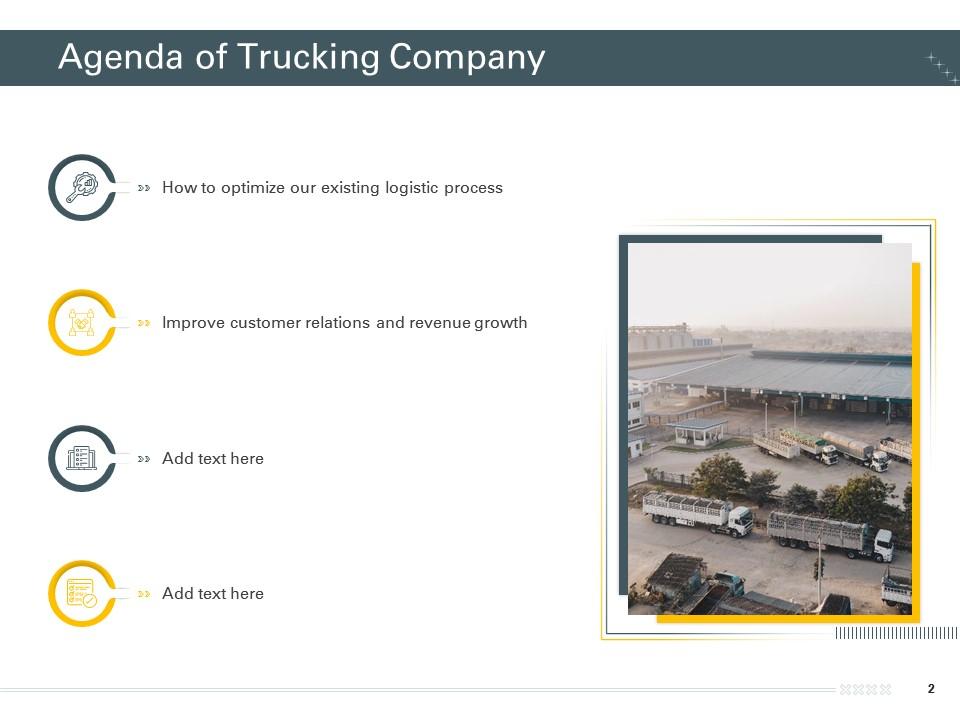
Slide 2 : Este é um slide da Agenda. Declare suas agendas aqui.
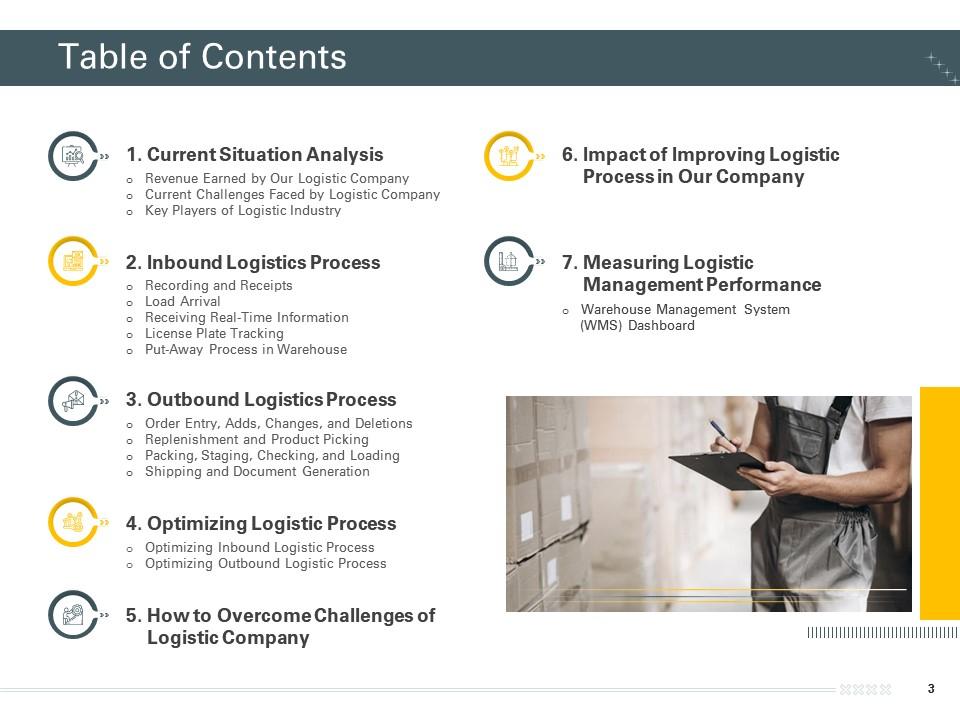
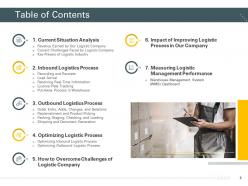
Slide 3 : Este slide mostra o Índice da apresentação.
Slide 4 : Este slide apresenta a Tabela de Conteúdo destacando a Análise da Situação Atual.
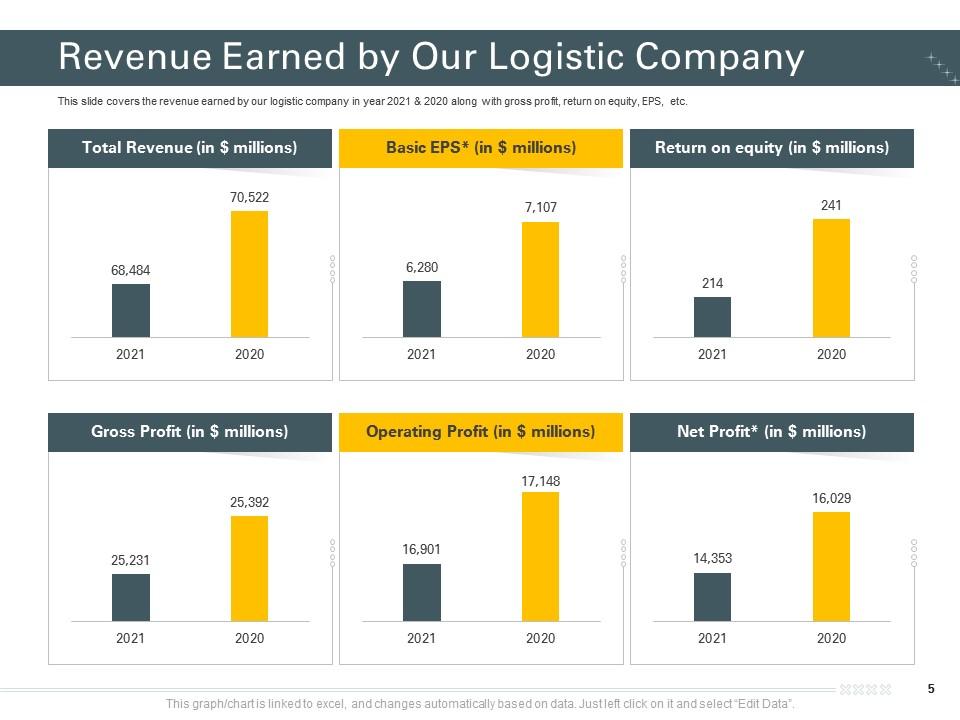
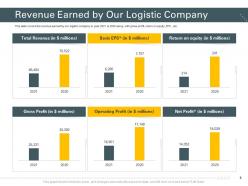
Slide 5 : Este slide abrange a receita obtida por nossa empresa de logística nos anos de 2021 e 2020, juntamente com lucro bruto, retorno sobre o patrimônio líquido, EPS, etc.
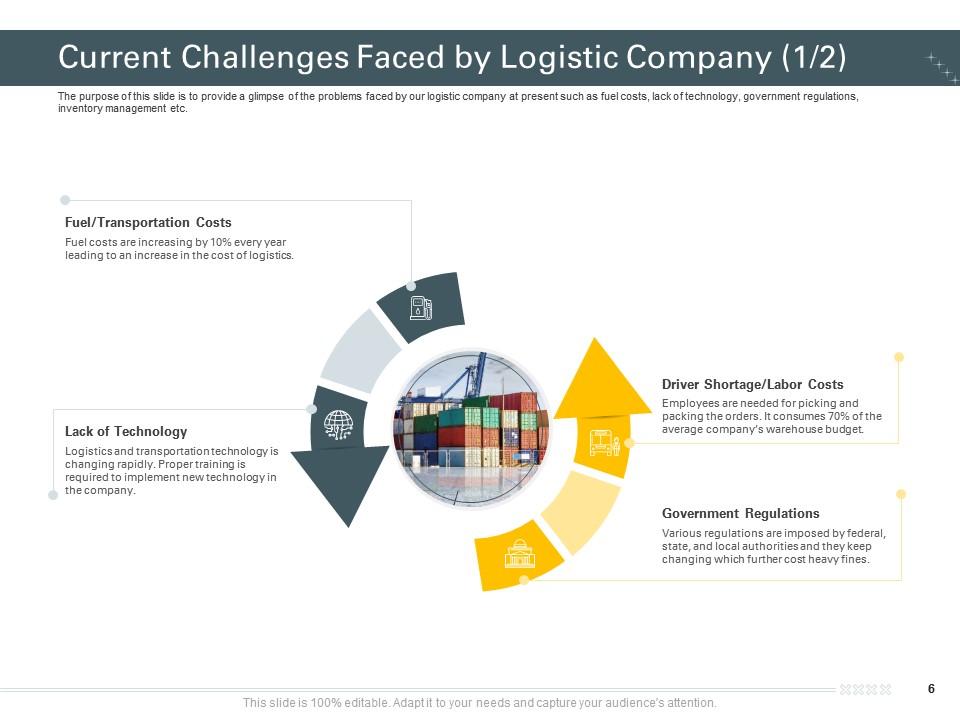
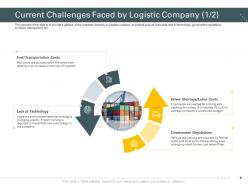
Slide 6 : Este slide mostra os desafios atuais enfrentados pela empresa de logística.
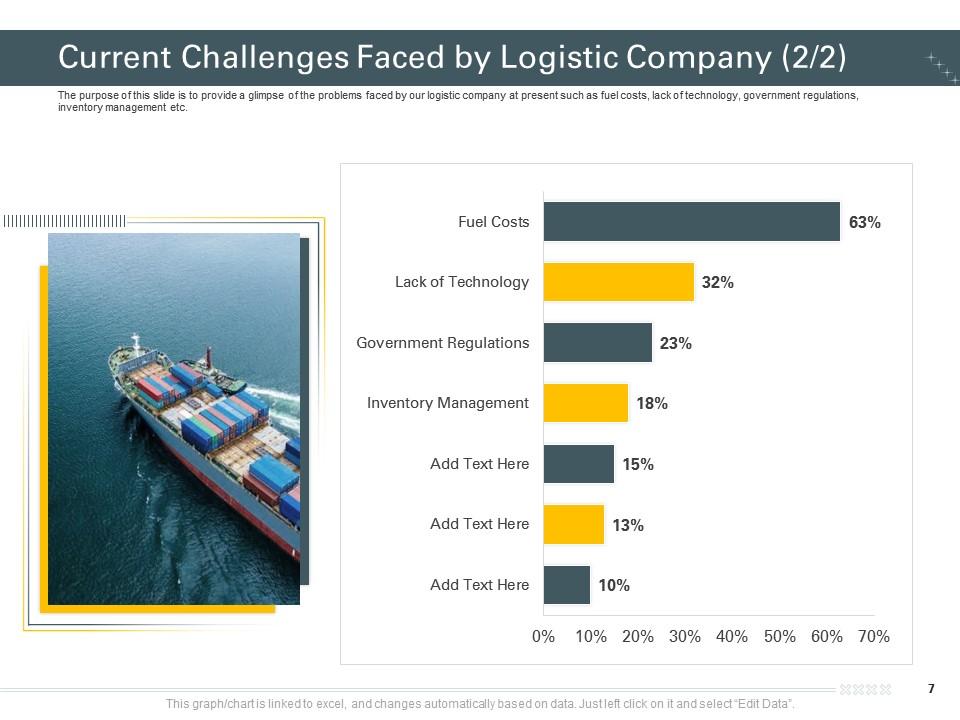
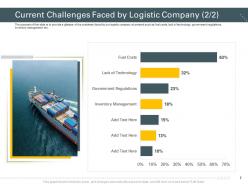
Slide 7 : Este slide representa os problemas enfrentados pela nossa empresa de logística atualmente, como custos de combustível, falta de tecnologia, regulamentações governamentais, gerenciamento de estoque etc.
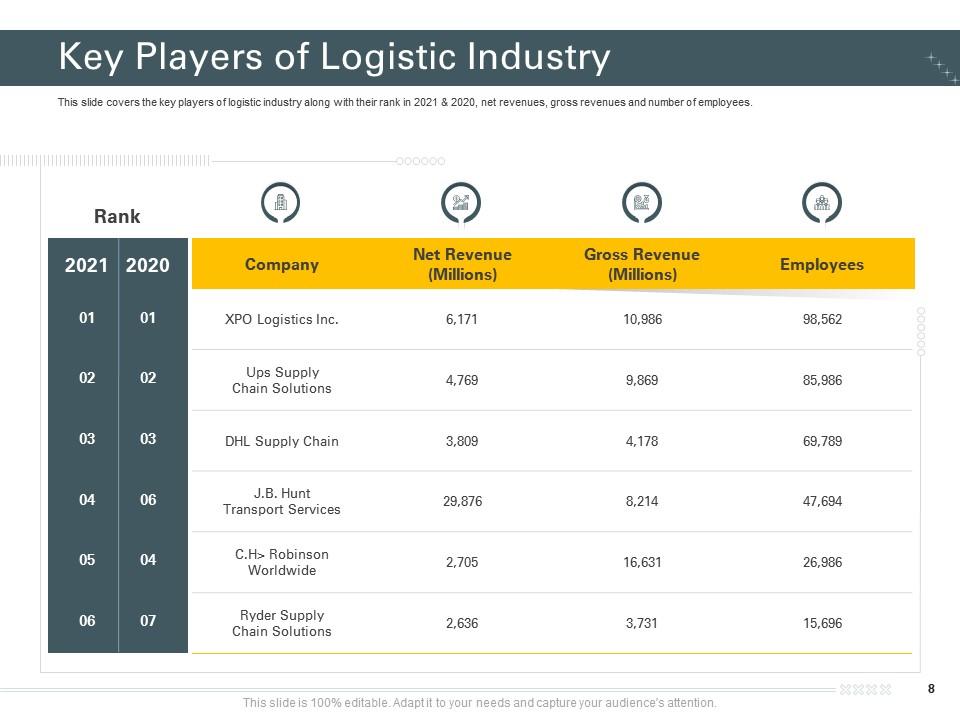
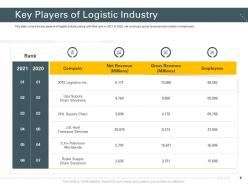
Slide 8 : Este slide cobre os principais players do setor de logística, juntamente com sua classificação em 2021 e 2020, receita líquida, receita bruta e número de funcionários.
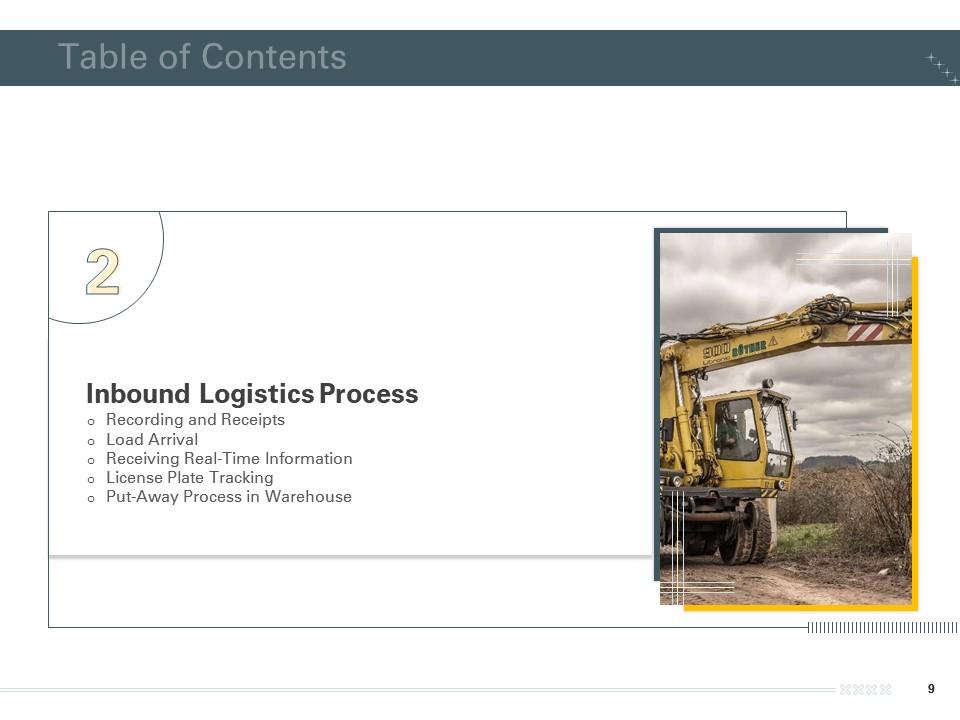
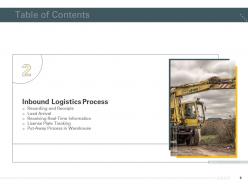
Slide 9 : Este slide apresenta o Índice destacando o Processo de Logística Inbound.
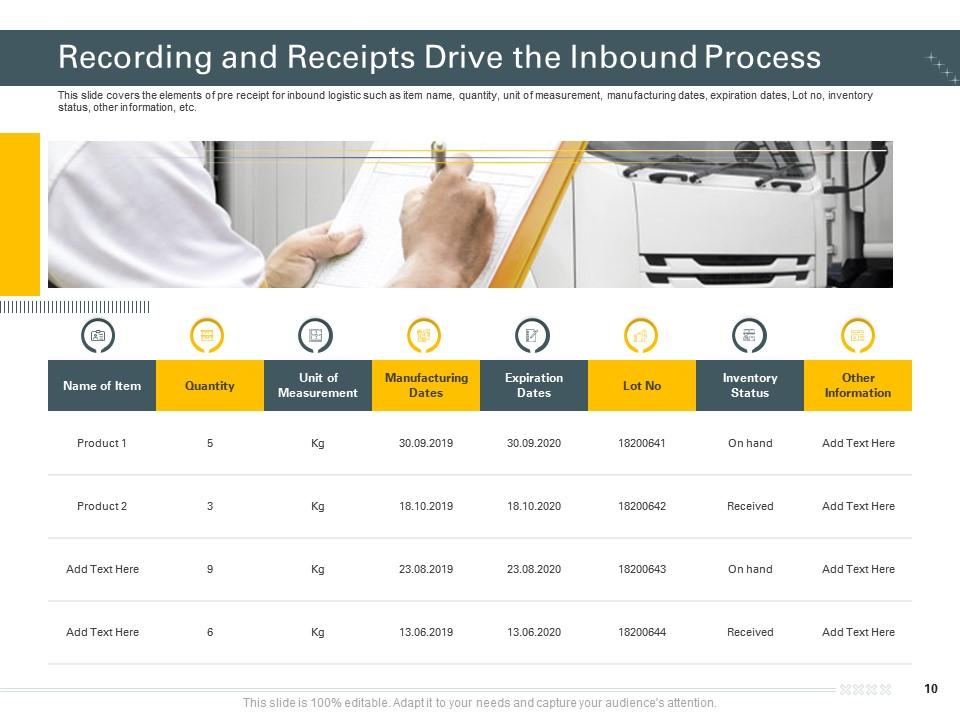
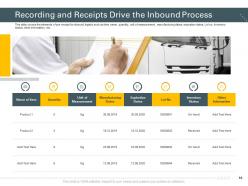
Slide 10 : Este slide mostra Gravação e Recibos Conduzem o Processo de Entrada.
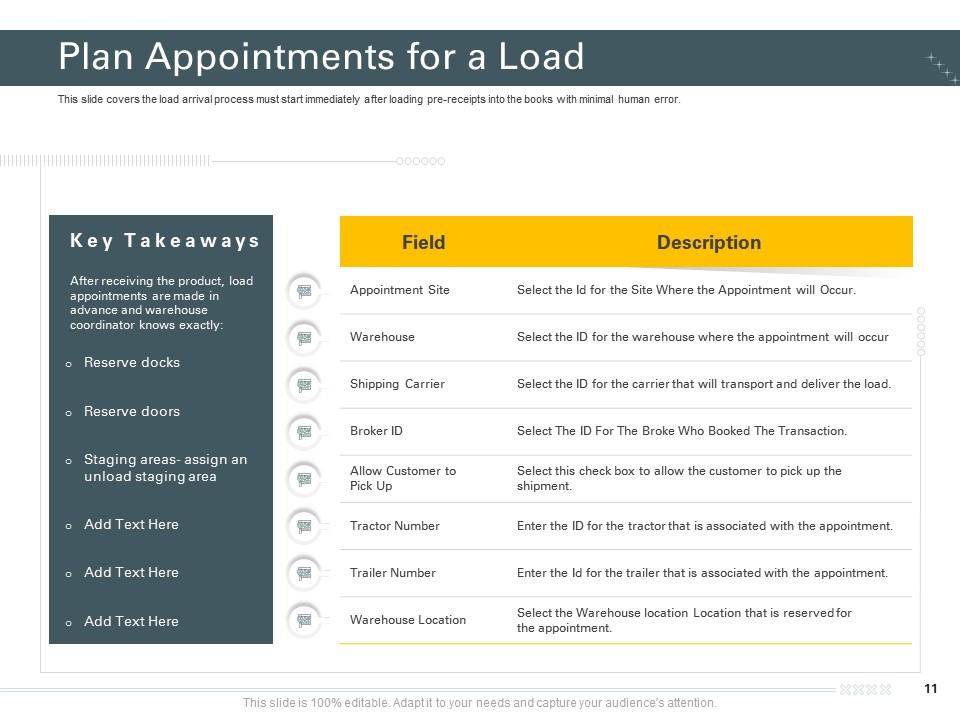
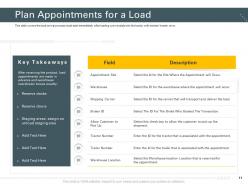
Slide 11 : Este slide mostra que o processo de chegada de carga deve começar imediatamente após o carregamento de pré-recibos nos livros com o mínimo de erro humano.
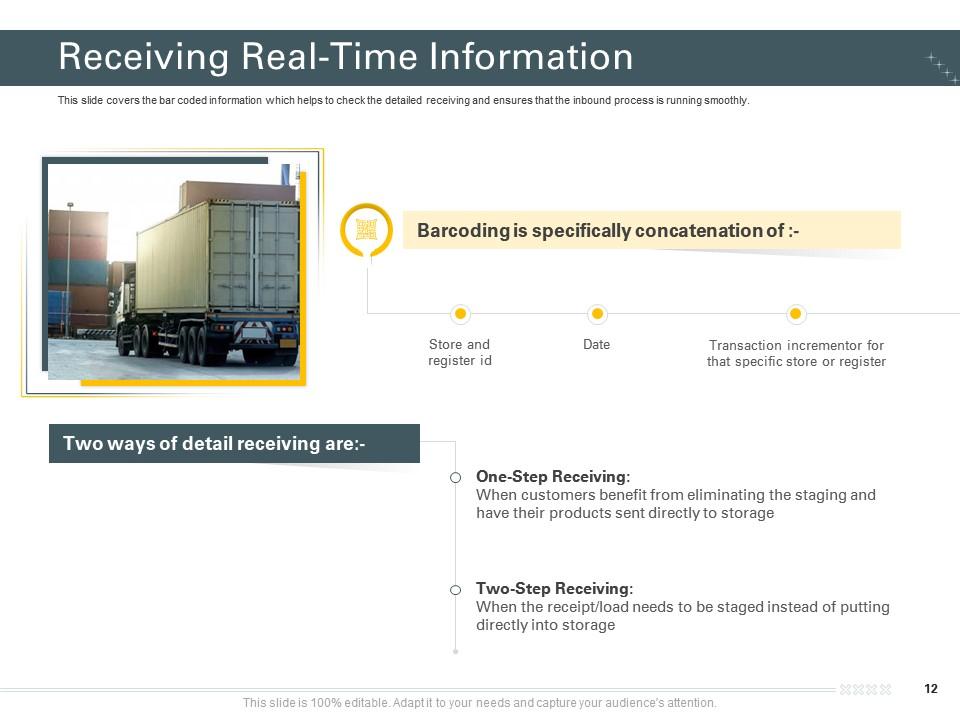
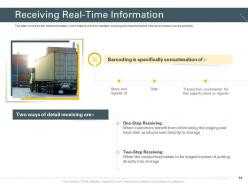
Slide 12 : Este slide representa a informação do código de barras que ajuda a verificar o recebimento detalhado e garante que o processo de entrada esteja funcionando sem problemas.
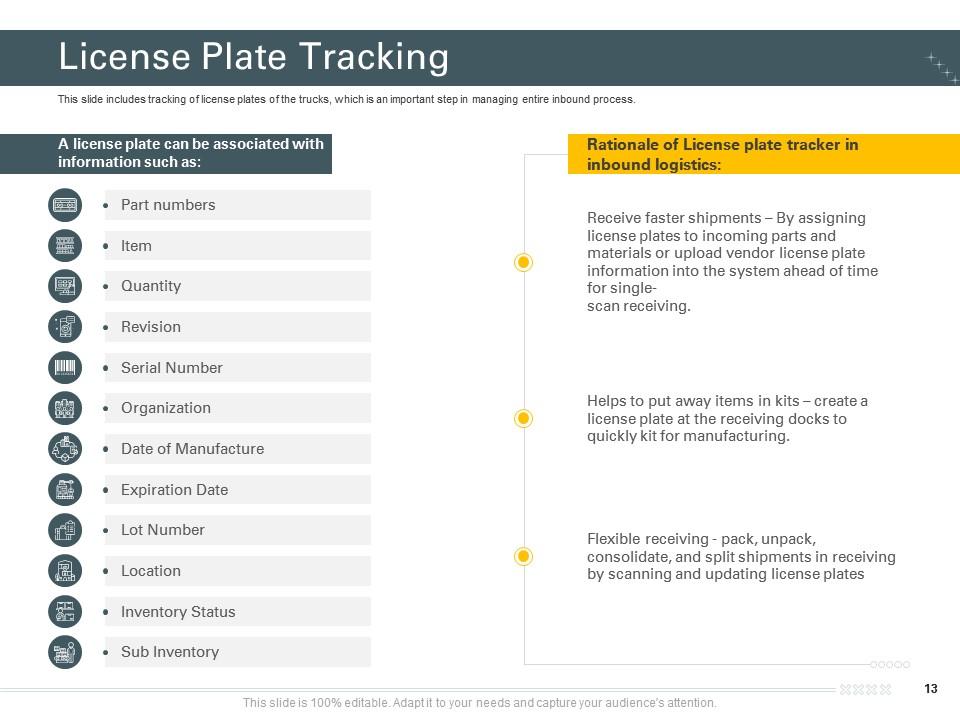
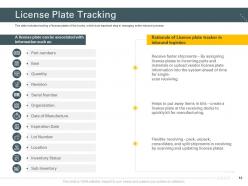
Slide 13 : Este slide inclui o rastreamento das placas dos caminhões, que é uma etapa importante na gestão de todo o processo de entrada.
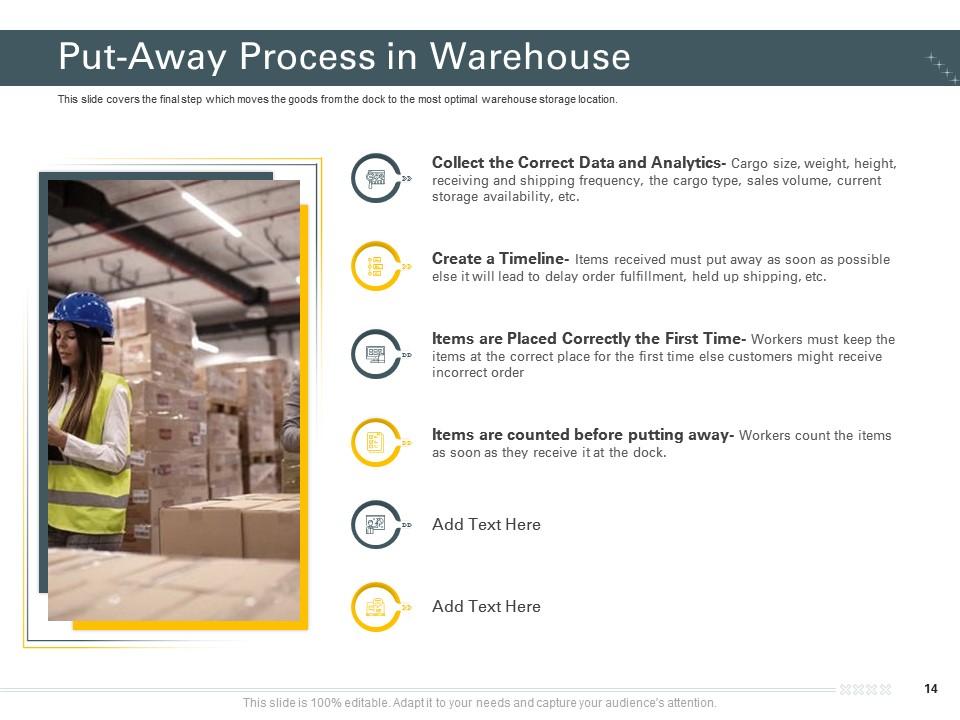
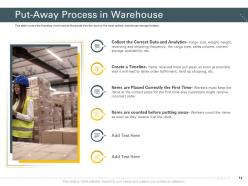
Slide 14 : Este slide apresenta a etapa final que move as mercadorias do cais para o local de armazenamento do armazém ideal.
Slide 15 : Este slide mostra o Índice destacando o Processo de Logística de Saída.
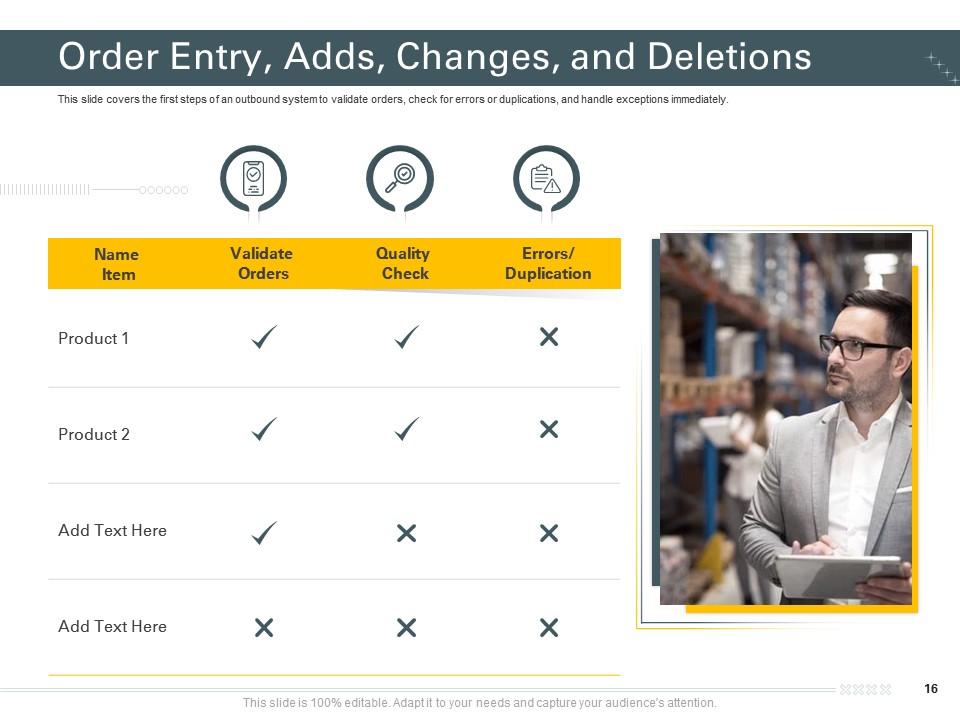
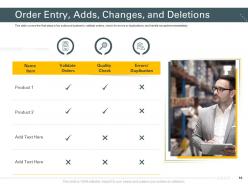
Slide 16 : Este slide mostra os primeiros passos de um sistema de saída para validar pedidos, verificar erros ou duplicações e tratar exceções imediatamente.
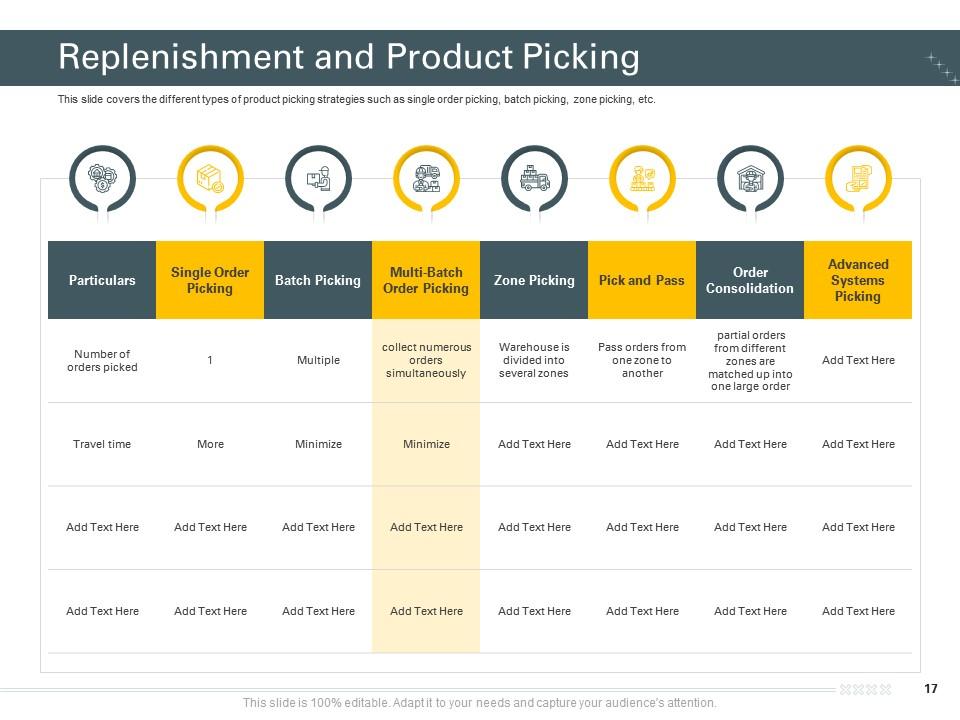
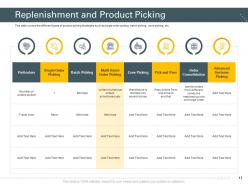
Slide 17 : Este slide representa os diferentes tipos de estratégias de separação de produtos, como separação de pedido único, separação por lote, separação por zona, etc.
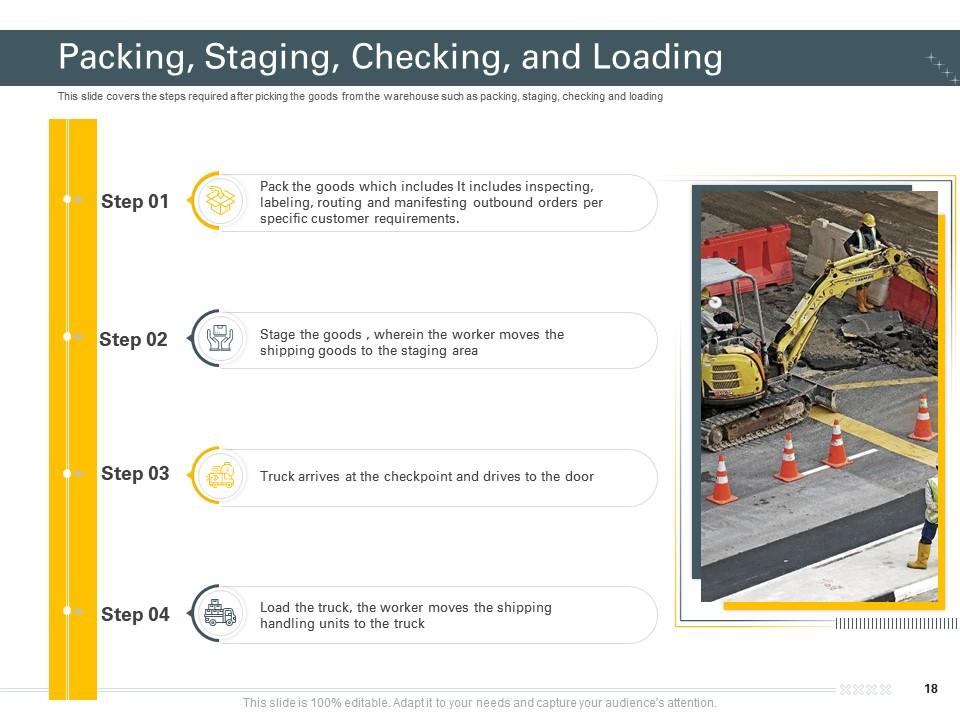
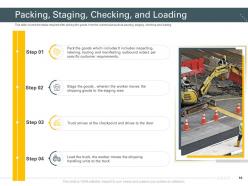
Slide 18 : Este slide cobre as etapas necessárias após a retirada das mercadorias do armazém, como embalagem, preparação, verificação e carregamento
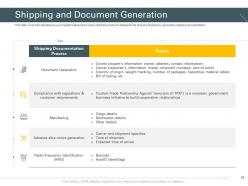
Slide 19 : Este slide apresenta a última etapa de um processo de saída bem-sucedido, onde o produto é enviado ao local de chegada final, gerando a documentação de envio.
Slide 20 : Este slide mostra o Índice destacando a Otimização do Processo Logístico.
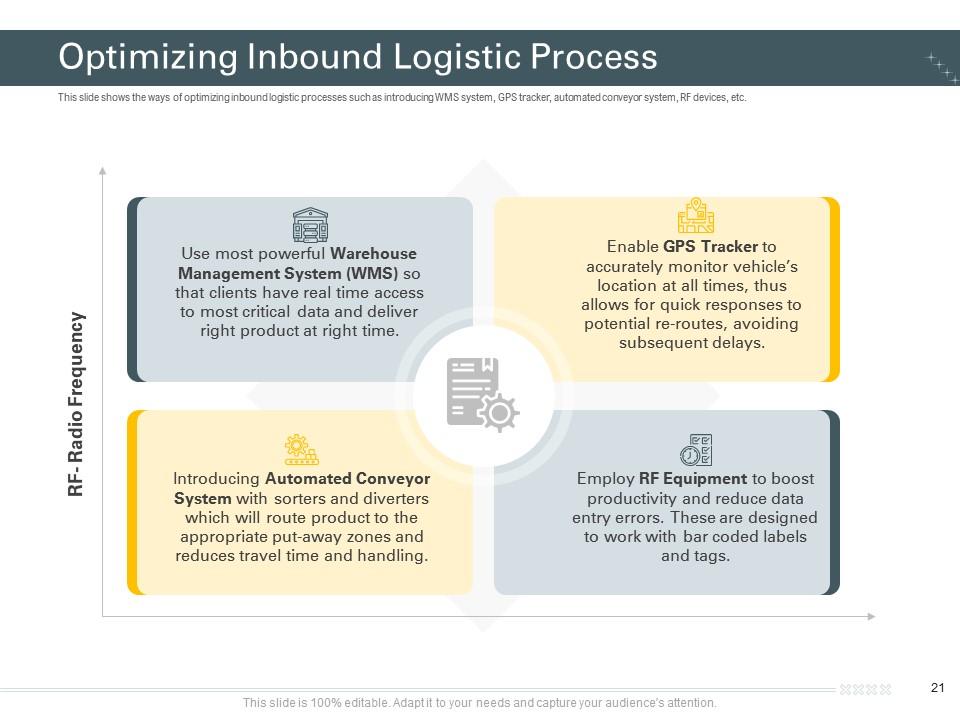
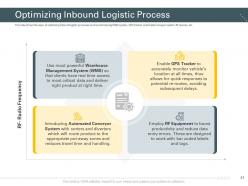
Slide 21 : Este slide mostra as formas de otimizar os processos logísticos de entrada, como a introdução do sistema WMS, rastreador GPS, sistema de transporte automatizado, dispositivos RF, etc.
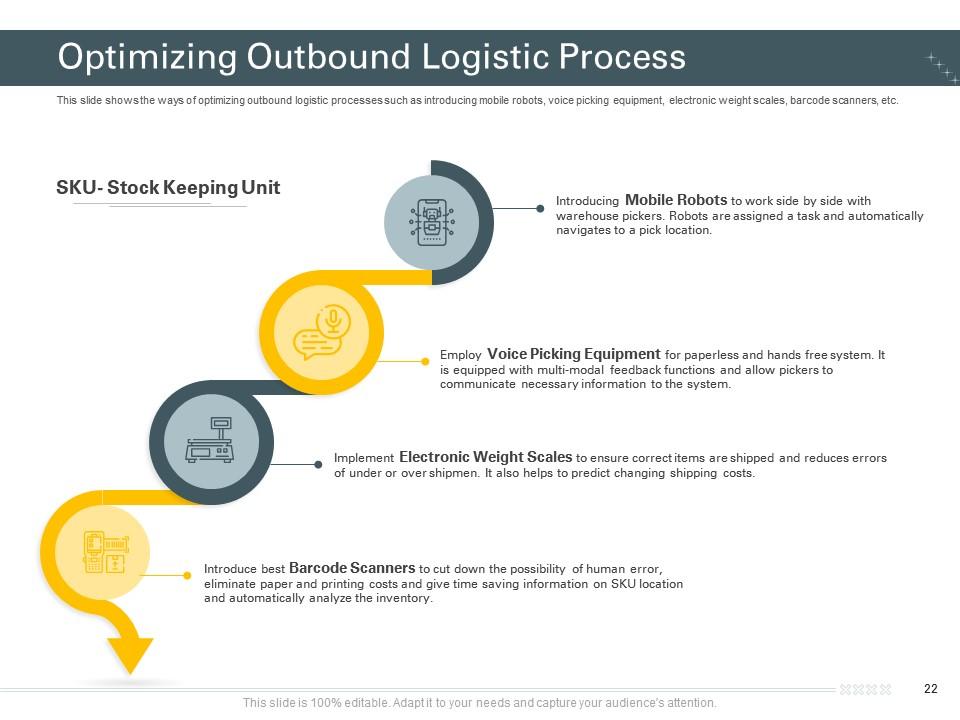
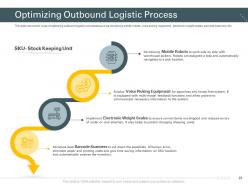
Slide 22 : Este slide representa as formas de otimizar os processos logísticos de saída, como a introdução de robôs móveis, equipamentos de picking por voz, balanças eletrônicas, scanners de código de barras, etc.
Slide 23 : Este slide mostra o Índice destacando Como Superar os Desafios da Empresa Logística.
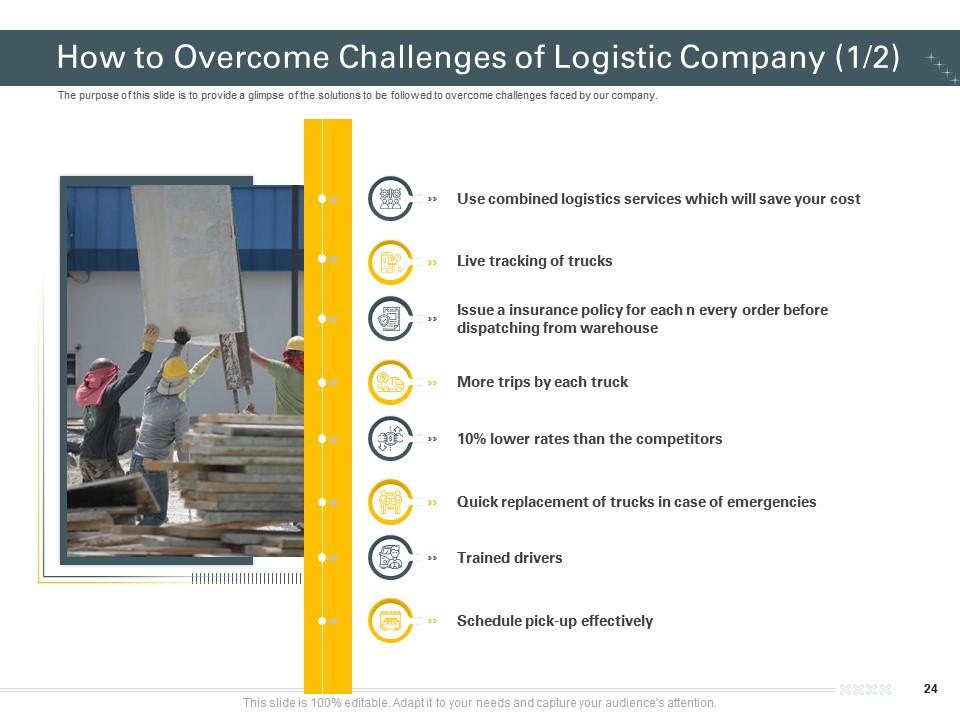
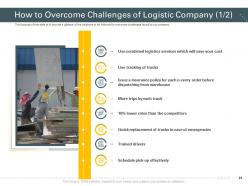
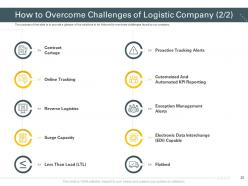
Slide 24 : Este slide apresenta Como Superar os Desafios da Empresa Logística.
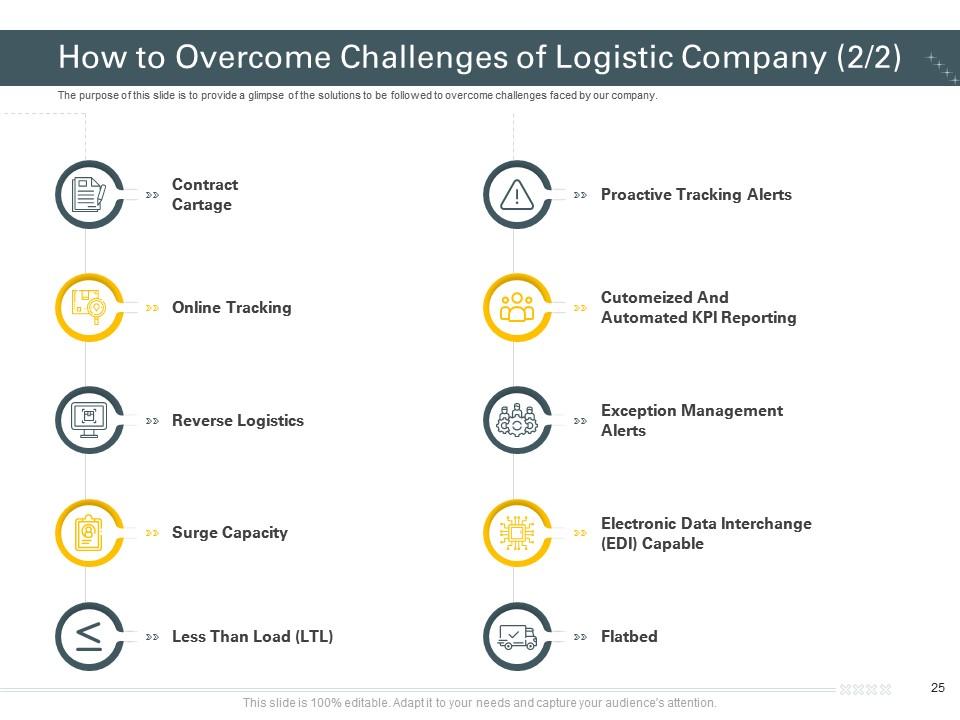
Slide 25 : Este slide mostra as soluções a serem seguidas para superar os desafios enfrentados pela nossa empresa.
Slide 26 : Este slide mostra o Índice destacando o Impacto da Melhoria do Processo Logístico em Nossa Empresa.
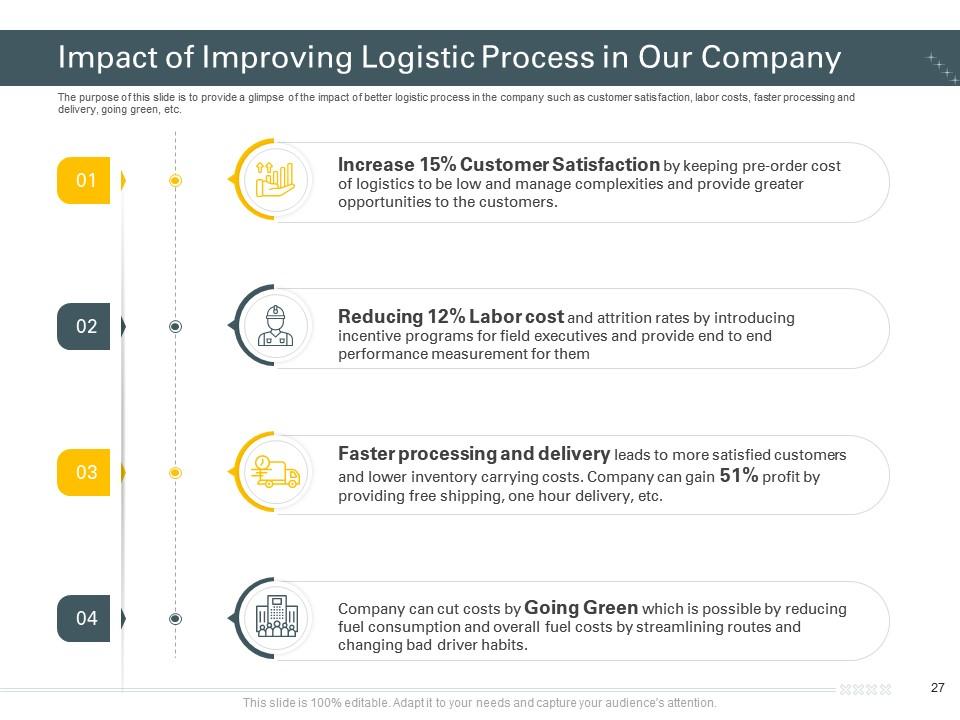
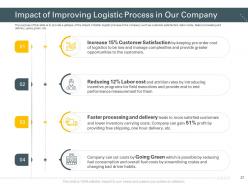
Slide 27 : Este slide representa o impacto de um melhor processo logístico na empresa, como satisfação do cliente, custos trabalhistas, processamento e entrega mais rápidos, tornar-se verde, etc.
Slide 28 : Este slide mostra o Índice destacando o Painel do Warehouse Management System (WMS).
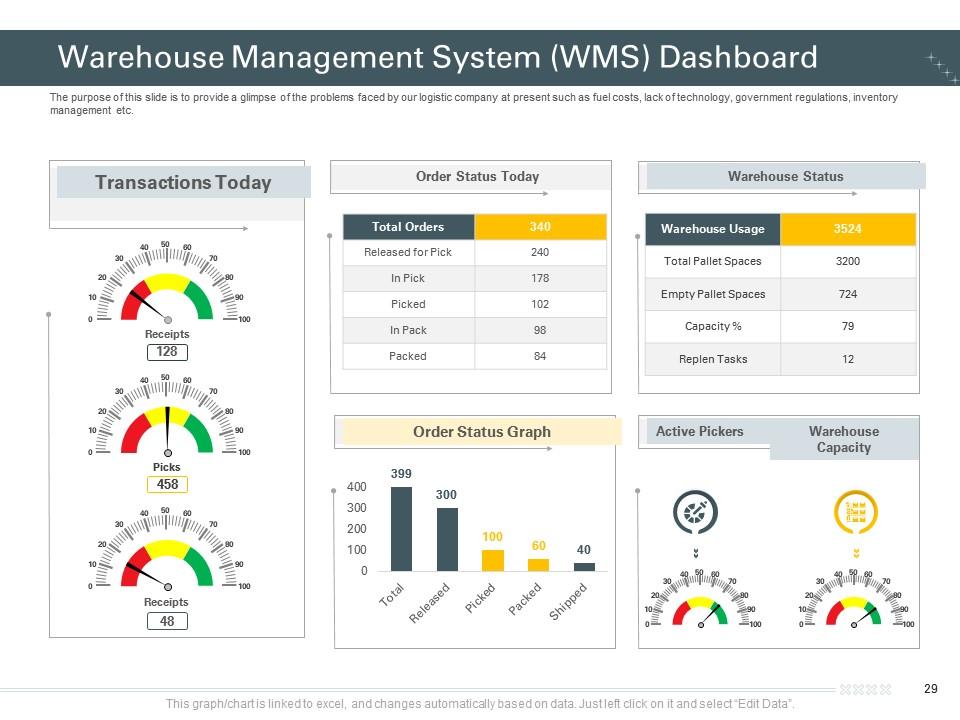
Slide 29 : Este slide apresenta os problemas enfrentados pela nossa empresa de logística atualmente, como custos de combustível, falta de tecnologia, regulamentações governamentais, gerenciamento de estoque etc.
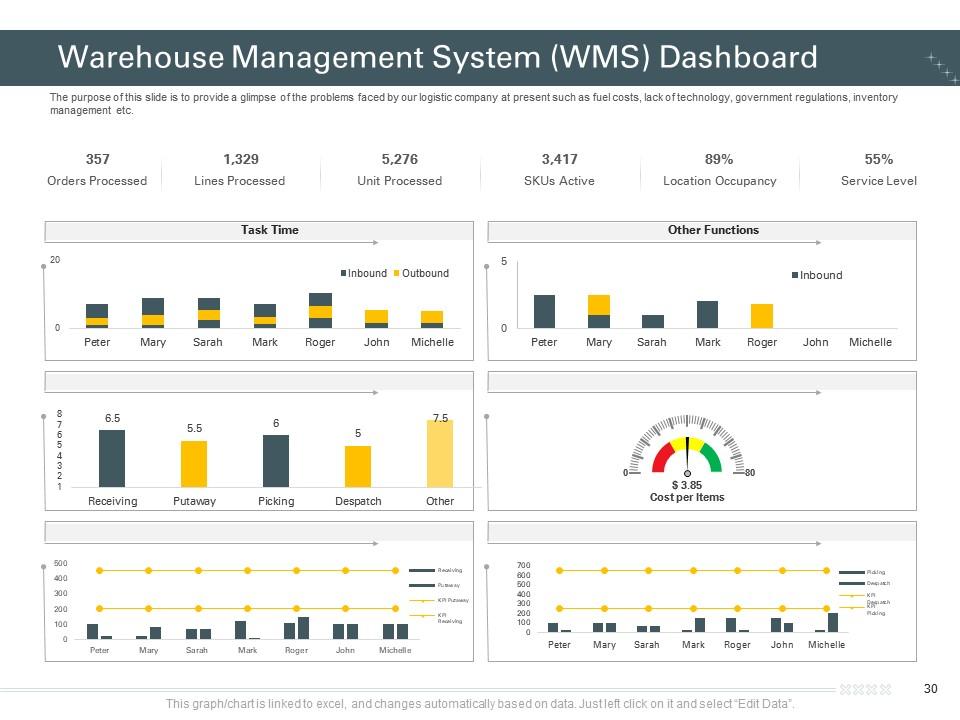
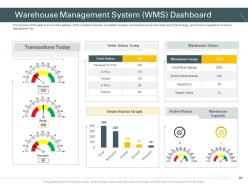
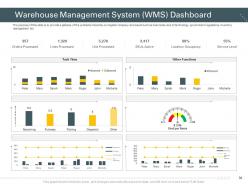
Slide 30 : Este slide mostra o Painel do Warehouse Management System (WMS).
Slide 31 : Este slide exibe os ícones da empresa de transporte rodoviário,
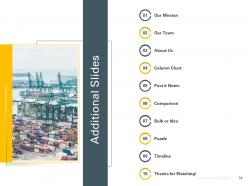
Slide 32 : Este slide é intitulado como Slides Adicionais para avançar.
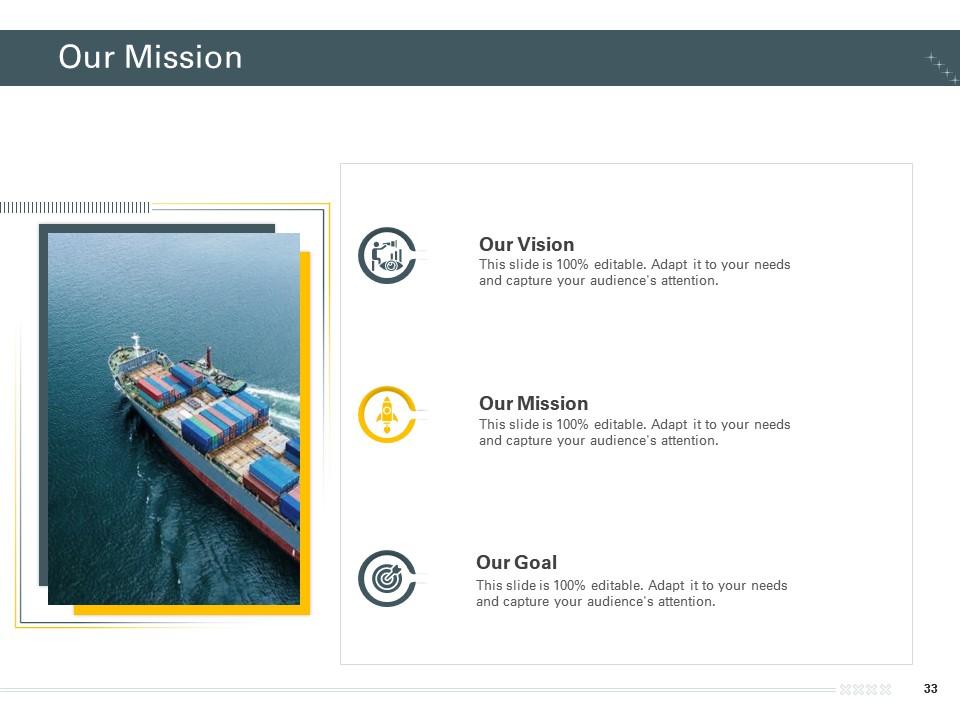
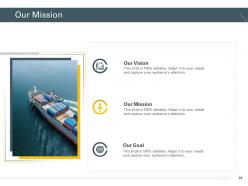
Slide 33 : Este é o slide Nossa Missão com imagens e textos relacionados.
Slide 34 : Este é o slide Nossa Equipe com nomes e designação.
Slide 35 : Este é um slide de Geração de Ideias para apresentar uma nova ideia ou destacar informações, especificações, etc.
Slide 36 : Este slide mostra Post It Notes. Poste suas notas importantes aqui.
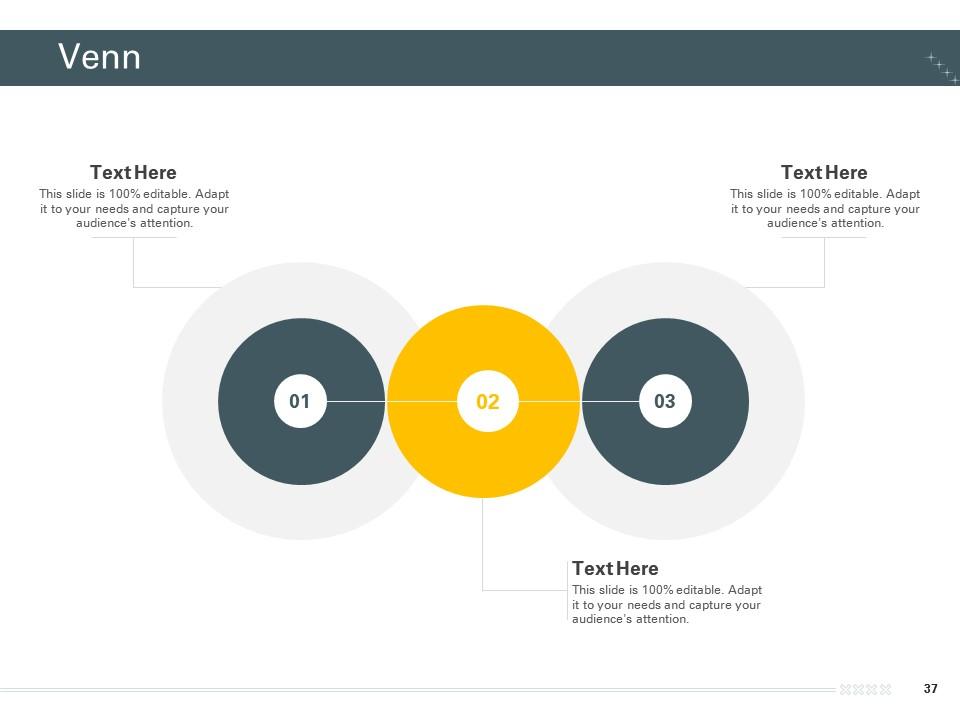
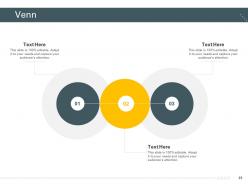
Slide 37 : Este slide mostra o diagrama de Venn com caixas de texto.
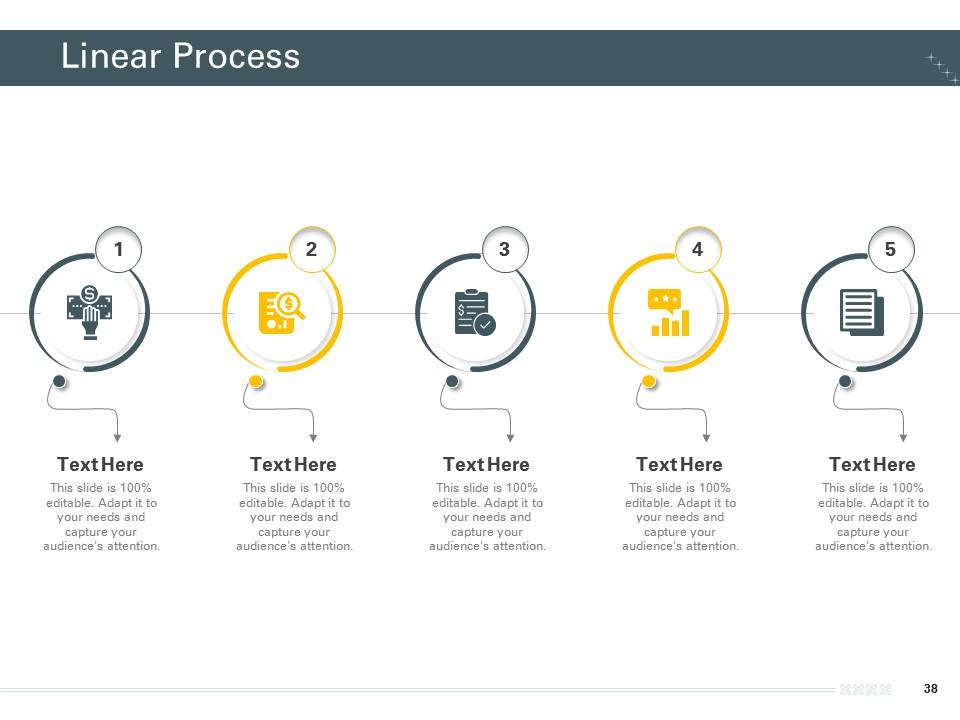
Slide 38 : Este slide mostra o Processo Linear com imagens relacionadas.
Slide 39 : Este é o slide Nossa Meta. Indique seus alvos aqui.
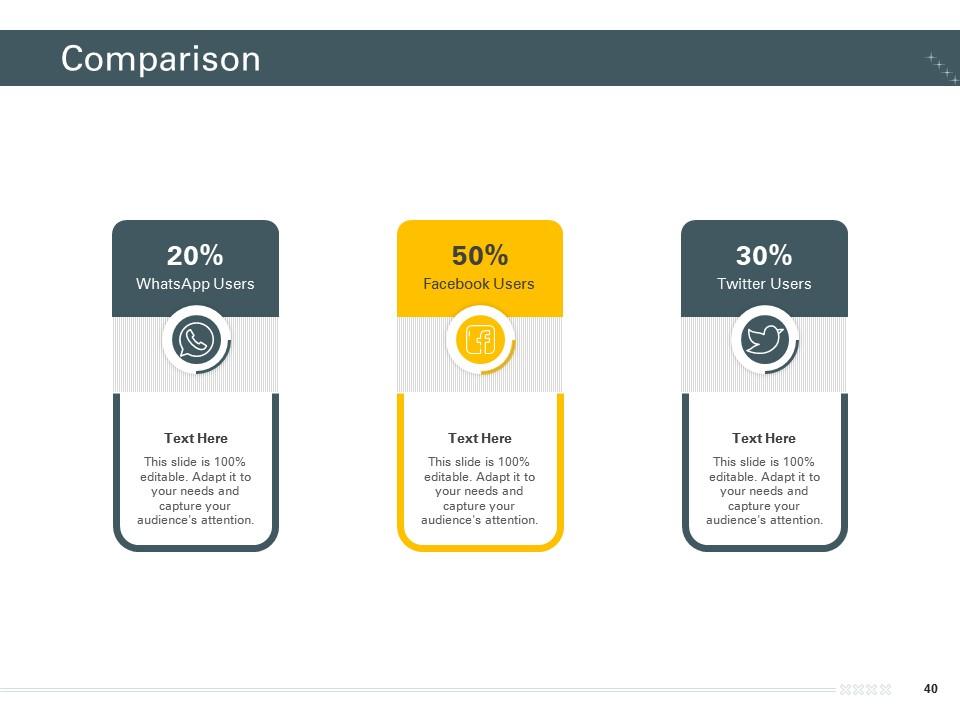
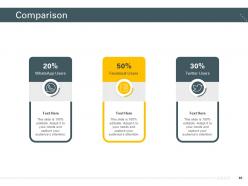
Slide 40 : Este é um slide de comparação para comparação de estados entre commodities, entidades etc.
Slide 41 : Este slide mostra o Quebra-cabeça com ícones e textos relacionados.
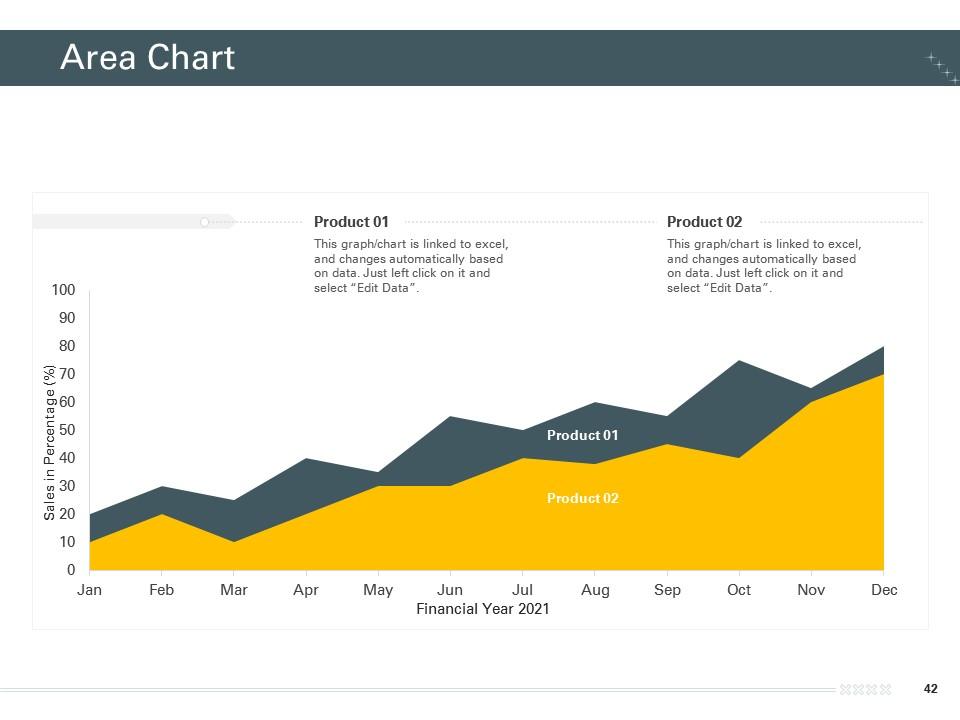
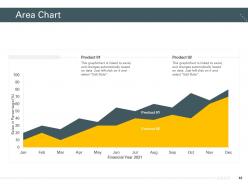
Slide 42 : Este slide mostra o gráfico de área com a comparação de dois produtos.
Slide 43 : Este é um slide de agradecimento com endereço, números de contato e endereço de e-mail.
Slides de apresentação em Powerpoint da empresa de caminhões com todos os 43 slides:
Use nossos slides de apresentação em Powerpoint para empresas de caminhões para ajudá-lo a economizar seu valioso tempo. Eles estão prontos para caber em qualquer estrutura de apresentação.
-
Page:
- You're currently reading page 1
- Page 2
-

-
Thanks for all your great templates they have saved me lots of time and accelerate my presentations. Great product, keep them up!
-
Awesomely designed templates, Easy to understand.
-
Great quality product.
-
Unique design & color.
-
Easily Editable.
-
I discovered this website through a google search, the services matched my needs perfectly and the pricing was very reasonable. I was thrilled with the product and the customer service. I will definitely use their slides again for my presentations and recommend them to other colleagues.
-
Easily Understandable slides.
-
Very unique and reliable designs.
-
Nice and innovative design.
-
Very unique and reliable designs.
-
Page:
- You're currently reading page 1
- Page 2
-
