Uber Pitch Deck Timeline Ppt Powerpoint Presentation Slides Graphics Tutorials

Rating:
87%
Uber pitch deck timeline ppt powerpoint presentation slides graphics tutorials
Slide 1 of 2
Favourites Favourites

Try Before you Buy Download Free Sample Product

Audience Impress Your
Audience
Editable 100%
Editable
Time Save Hours
of Time
The Biggest Sale is ending soon in
0
0
:
0
0
:
0
0
Rating:
87%

Caractéristiques de ces diapositives de présentation PowerPoint :

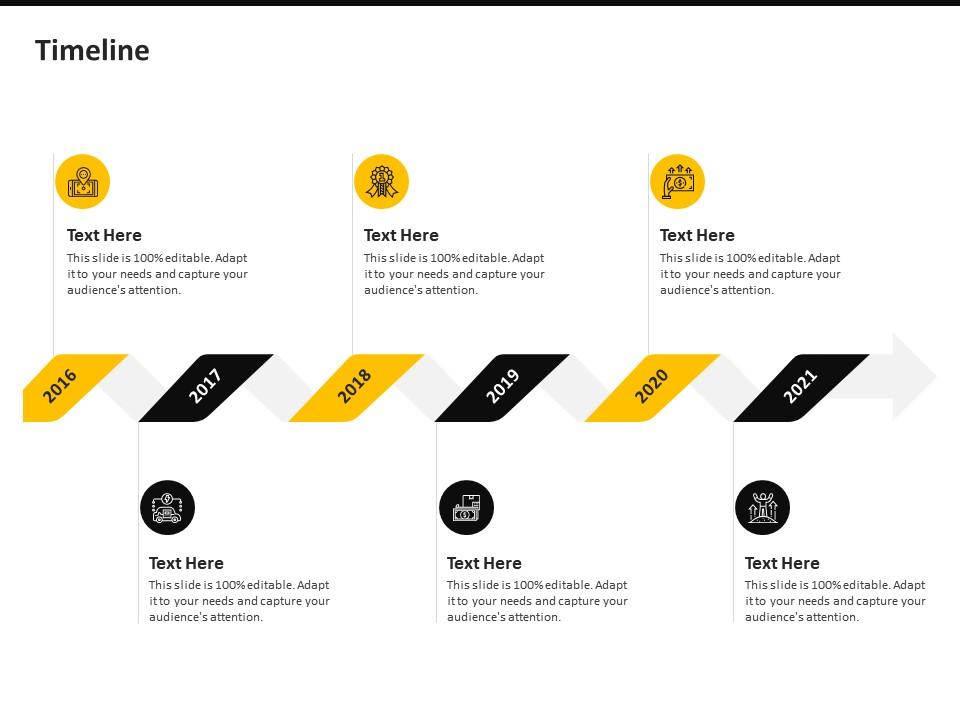
Présentation d'Uber Pitch Deck Timeline Ppt Powerpoint Presentation Slides Graphics Tutorials pour augmenter votre seuil de présentation. Composé de six étapes, ce modèle est une excellente option pour éduquer et attirer votre public. Distribuez les informations sur la chronologie, en utilisant ce modèle. Saisissez-le maintenant pour profiter de tous ses avantages.

People who downloaded this PowerPoint presentation also viewed the following :

FAQs for Uber pitch deck timeline ppt powerpoint presentation

Uber's pitch deck stood out through its clear problem-solution framework, massive market opportunity quantification, compelling unit economics, scalable technology platform, and strategic expansion roadmap. The deck effectively demonstrated how ride-sharing could revolutionize urban transportation while delivering measurable ROI, with investors recognizing the potential for global scalability and market disruption across multiple sectors.

Uber structured its narrative by establishing market pain points upfront, introducing their solution as a transformative technology platform, and demonstrating scalability through compelling metrics and growth projections. The deck strategically moved from problem identification to solution validation, showcasing user adoption rates, driver network expansion, and revenue growth across multiple cities, ultimately positioning Uber as the inevitable future of urban transportation with massive market opportunity.

Market research fundamentally shaped Uber's pitch deck by validating the transportation pain points, quantifying market size at $4.2 billion, and demonstrating consumer demand through early user behavior data. This research enabled Uber to present compelling problem-solution fit evidence, competitive differentiation strategies, and scalable business model projections, ultimately delivering investor confidence through data-driven market validation rather than theoretical assumptions.

Uber's pitch deck highlighted key metrics including massive market size ($4.2 billion taxi market), rapid user growth rates, expanding city presence, and strong unit economics with increasing ride frequency. These data points demonstrated scalable demand and operational efficiency, with investors finding that the combination of market penetration speed, revenue per user growth, and geographic expansion potential justified significant valuation multiples.

Uber addressed competitive analysis by positioning itself as a technology platform rather than a traditional taxi service, emphasizing scalability, convenience, and market disruption potential. The company highlighted its mobile-first approach, dynamic pricing model, and asset-light business structure as key differentiators, ultimately demonstrating how these advantages would enable rapid market expansion and superior customer experiences.

Uber's pitch deck utilized clean, minimalist layouts with bold typography, strategic color contrasts, and simple infographics to communicate complex market data clearly. These design elements enhanced investor comprehension by streamlining information flow, emphasizing key metrics through visual hierarchy, and maintaining professional credibility, ultimately delivering a compelling narrative that supported their funding objectives.

Uber conveyed its business model through strategic simplicity, focusing on core value propositions like seamless ride-hailing, driver-partner economics, and scalable technology platforms. The company emphasized clear revenue streams, market opportunity sizing, and operational efficiency metrics, while demonstrating traction through user growth data and geographic expansion plans, ultimately delivering a compelling narrative that showcased sustainable unit economics and competitive advantages.

Uber's pitch deck identified key challenges including regulatory hurdles, driver acquisition costs, and market penetration in established taxi markets, while addressing these through strategic partnerships, competitive pricing models, and technology-driven efficiency improvements. The company positioned these obstacles as opportunities for market disruption, demonstrating how their platform could streamline urban transportation while delivering cost savings and enhanced customer experiences.

Uber emphasized growth potential through projected market expansion data, user acquisition metrics, geographic scaling plans, and revenue multiplication forecasts across multiple cities. The deck showcased their asset-light business model, network effects strategy, and international expansion roadmap, with detailed financial projections demonstrating how ride-sharing demand would scale exponentially, ultimately positioning Uber as a global transportation platform rather than just a local taxi alternative.

Startups can learn to present realistic yet ambitious financial projections that show clear revenue growth trajectories, multiple revenue streams, and path to profitability timelines. Uber's approach demonstrates balancing optimistic scaling assumptions with market-backed data points, enabling investors to visualize sustainable business models while acknowledging execution risks, ultimately delivering credible growth narratives that secure funding.

Uber strategically adapted its pitch deck by emphasizing market opportunity and founder vision for seed investors, while highlighting traction metrics, financial projections, and scalability for later-stage ventures. Early presentations focused on the revolutionary ride-sharing concept and total addressable market, whereas Series A and beyond showcased user growth, revenue milestones, and expansion strategies, ultimately delivering investor-appropriate narratives that matched risk tolerance and due diligence expectations at each funding stage.

Storytelling transformed Uber's pitch deck by creating an emotional narrative around urban transportation frustration, positioning their solution as inevitable rather than optional. The deck masterfully wove together relatable pain points, aspirational vision, and clear progression from problem to opportunity, with investors finding that this narrative structure made complex market dynamics feel both urgent and solvable, ultimately delivering memorable positioning.

Team experience was absolutely crucial in Uber's pitch deck, as it demonstrated the founders' deep understanding of transportation logistics, technology scaling, and market disruption capabilities. Investors particularly valued Travis Kalanick's previous entrepreneurship experience and the technical expertise of co-founders, with many venture capitalists finding that proven operational experience in complex, regulated industries significantly reduces perceived investment risk while accelerating market entry timelines.

Uber's pitch deck emphasized key traction metrics including user growth rates, ride completion volumes, driver acquisition numbers, geographic expansion speed, and revenue trajectory across multiple cities. These metrics demonstrated scalable market validation by showcasing consistent demand patterns, operational efficiency improvements, and network effects, with early markets showing strong unit economics that validated their expansion strategy and investor confidence.

Uber's pitch deck reflected its long-term vision through ambitious global expansion plans, multi-modal transportation integration, and technology-driven market transformation beyond traditional taxi services. The deck emphasized scalable platform economics, regulatory disruption strategies, and ecosystem development across logistics, food delivery, and autonomous vehicles, ultimately positioning Uber as a comprehensive mobility solution rather than just ride-sharing, with investors recognizing its potential for revolutionary urban transportation.

Ratings and Reviews

87% of 100
Review Form
Write a review
Most Relevant Reviews
  1. 100%

    by Darin Chen

    Commendable slides with attractive designs. Extremely pleased with the fact that they are easy to modify. Great work!
  2. 80%

    by Dana Owens

    Informative presentations that are easily editable.
  3. 80%

    by Clinton Russell

    Excellent Designs.

3 Item(s)

per page: