


Ultimate Guide To Employee Retention Policy Powerpoint Presentation Slides
Retaining top-performing employees has long been a challenge for organizations worldwide as it can significantly impact sales and profits. Grab our Ultimate Guide to Employee Retention policy template. It is professionally curated, featuring a comprehensive employee retention program encompassing the current organizational scenario. Our Employee Retention Program deck helps to reduce employee turnover rates, enhance employee satisfaction, productivity, and customer experience rates, and foster a positive work environment. It outlines effective retention strategies to help companies improve employee job satisfaction and create a more engaging work culture. These include training and development programs, employee health and well-being, work-life balance, and monetary and non-monetary incentives. Additionally, our Staff Turnover Rate PPT provides actionable solutions to overcome the challenges that managers commonly face in retaining staff, coupled with practical tools to enhance employee productivity. It also offers key performance indicators KPI metrics and dashboards to increase employee performance, ultimately allowing for more thoughtful decision-making. Get access to this powerful template now.
Retaining top-performing employees has long been a challenge for organizations worldwide as it can significantly impact sal..




































-

- Google Slides is a new FREE Presentation software from Google.
- All our content is 100% compatible with Google Slides.
- Just download our designs, and upload them to Google Slides and they will work automatically.
- Amaze your audience with SlideTeam and Google Slides.
-

Want Changes to This PPT Slide? Check out our Presentation Design Services
-

- WideScreen Aspect ratio is becoming a very popular format. When you download this product, the downloaded ZIP will contain this product in both standard and widescreen format.
-

- Some older products that we have may only be in standard format, but they can easily be converted to widescreen.
- To do this, please open the SlideTeam product in Powerpoint, and go to
- Design ( On the top bar) -> Page Setup -> and select "On-screen Show (16:9)” in the drop down for "Slides Sized for".
- The slide or theme will change to widescreen, and all graphics will adjust automatically. You can similarly convert our content to any other desired screen aspect ratio.
Compatible With Google Slides

Get This In WideScreen
You must be logged in to download this presentation.


Do you want to remove this product from your favourites?
PowerPoint presentation slides
This complete deck covers various topics and highlights important concepts. It has PPT slides which cater to your business needs. This complete deck presentation emphasizes Ultimate Guide To Employee Retention Policy Powerpoint Presentation Slides and has templates with professional background images and relevant content. This deck consists of total of seventy one slides. Our designers have created customizable templates, keeping your convenience in mind. You can edit the color, text and font size with ease. Not just this, you can also add or delete the content if needed. Get access to this fully editable complete presentation by clicking the download button below.

People who downloaded this PowerPoint presentation also viewed the following :
Content of this Powerpoint Presentation
Slide 1: This slide introduces Ultimate Guide to Employee Retention Policy. Commence by stating Your company Name.
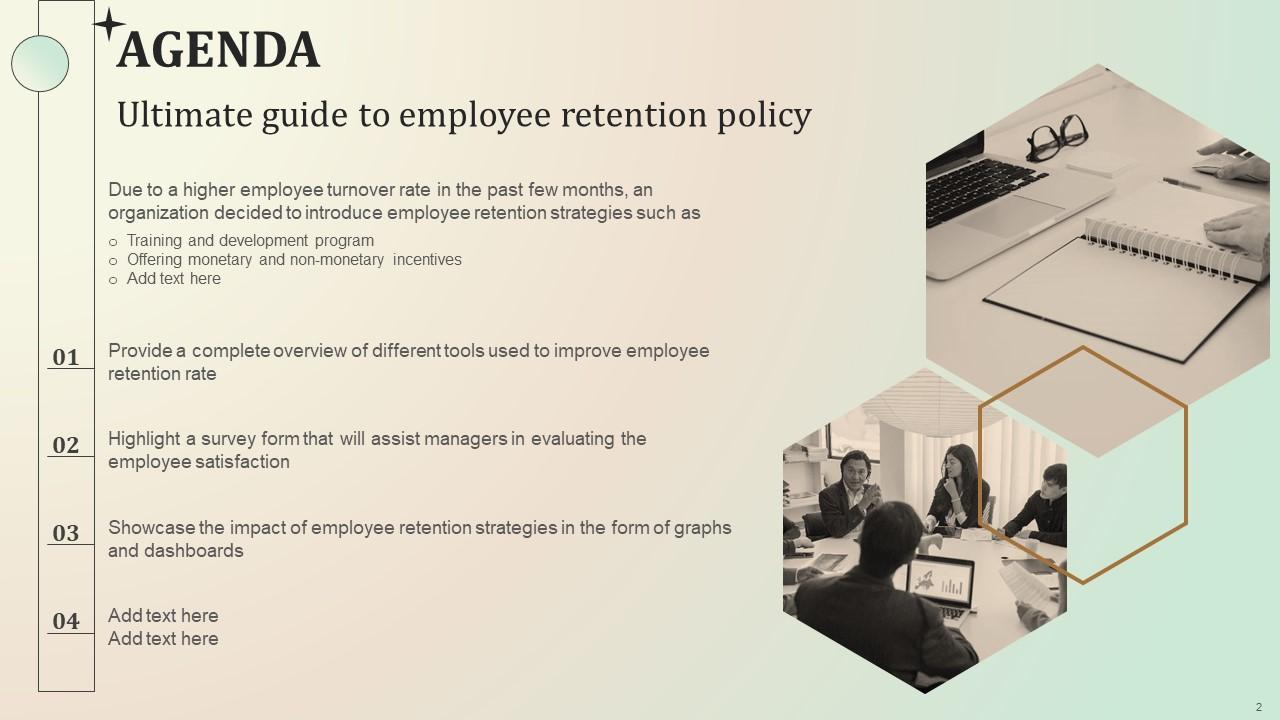
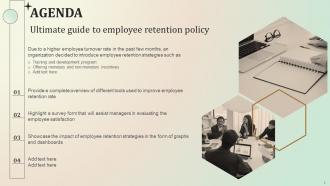
Slide 2: This slide depicts the Agenda of the presentation.
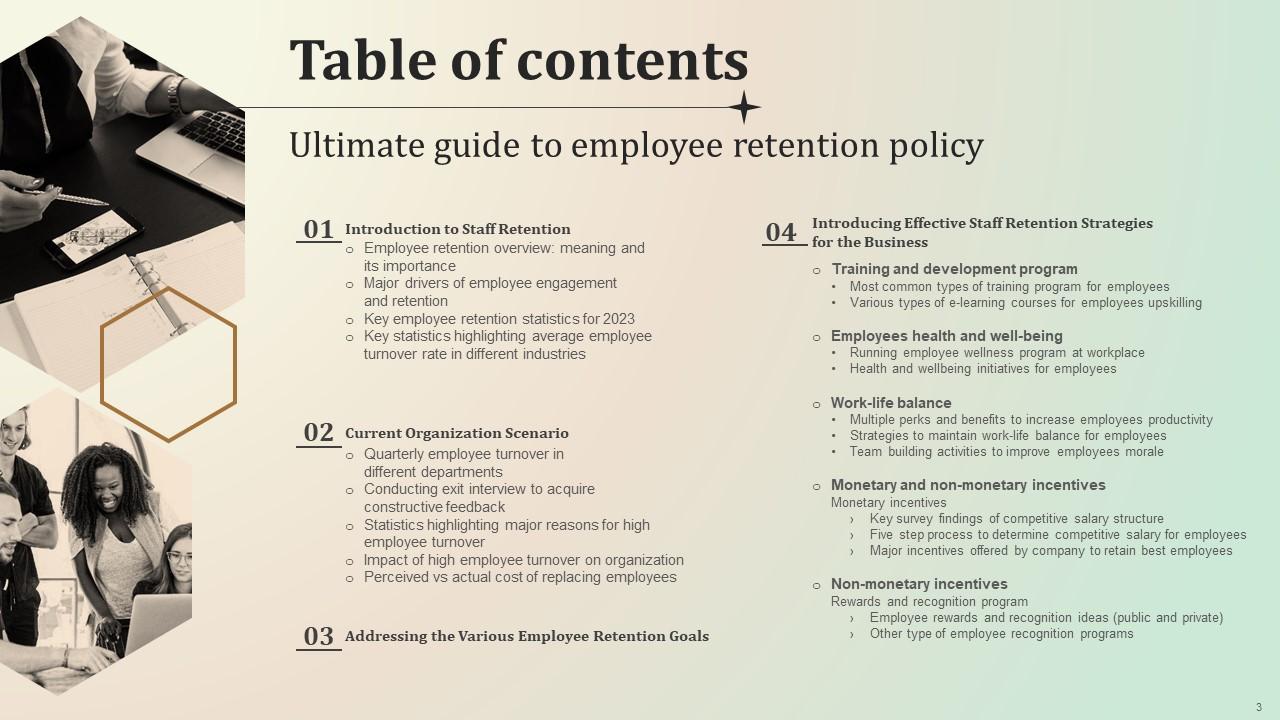
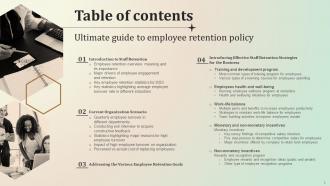
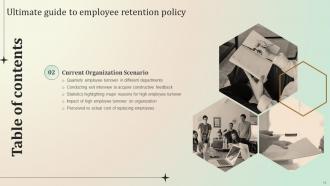
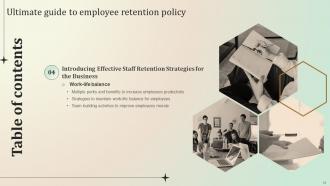
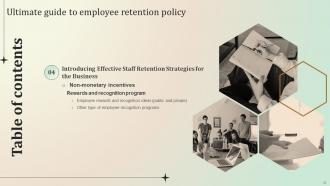
Slide 3: This slide includes the Table of contents.
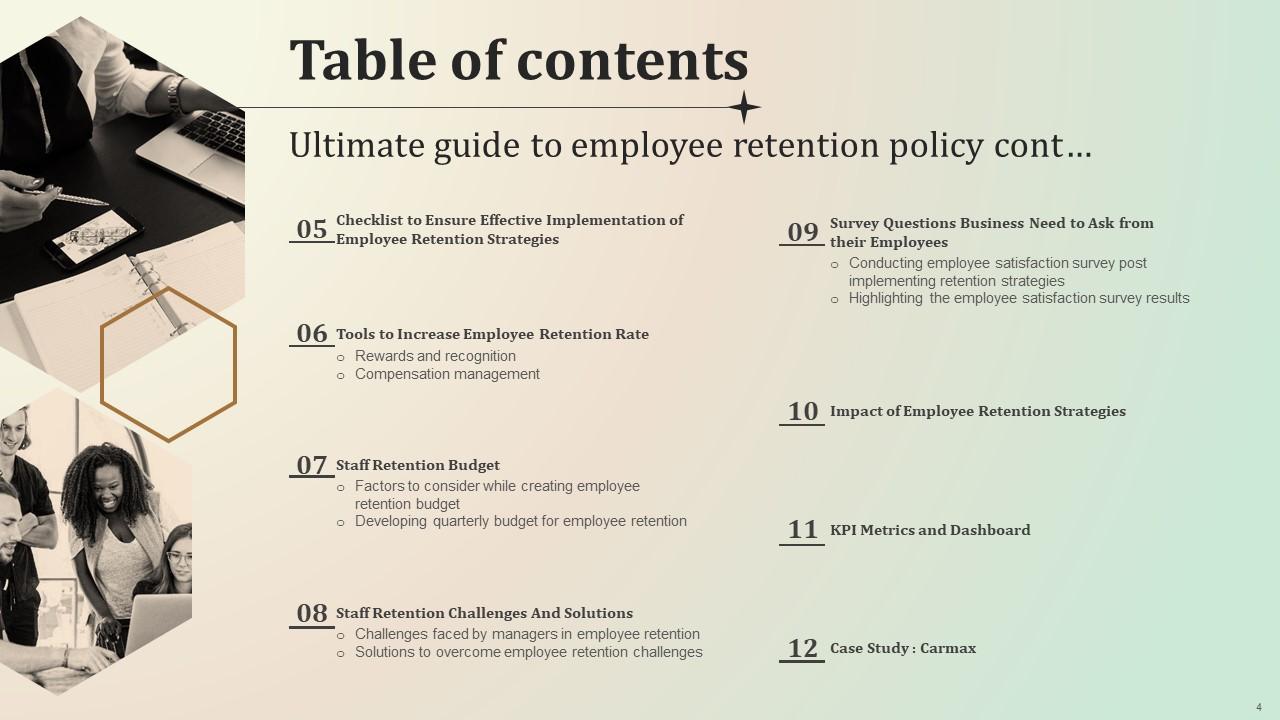
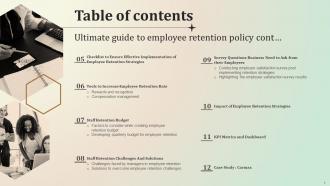
Slide 4: This is yet another slide continuing the Table of contents.
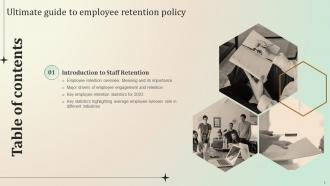
Slide 5: This slide highlights the Title for the Topics to be covered further.
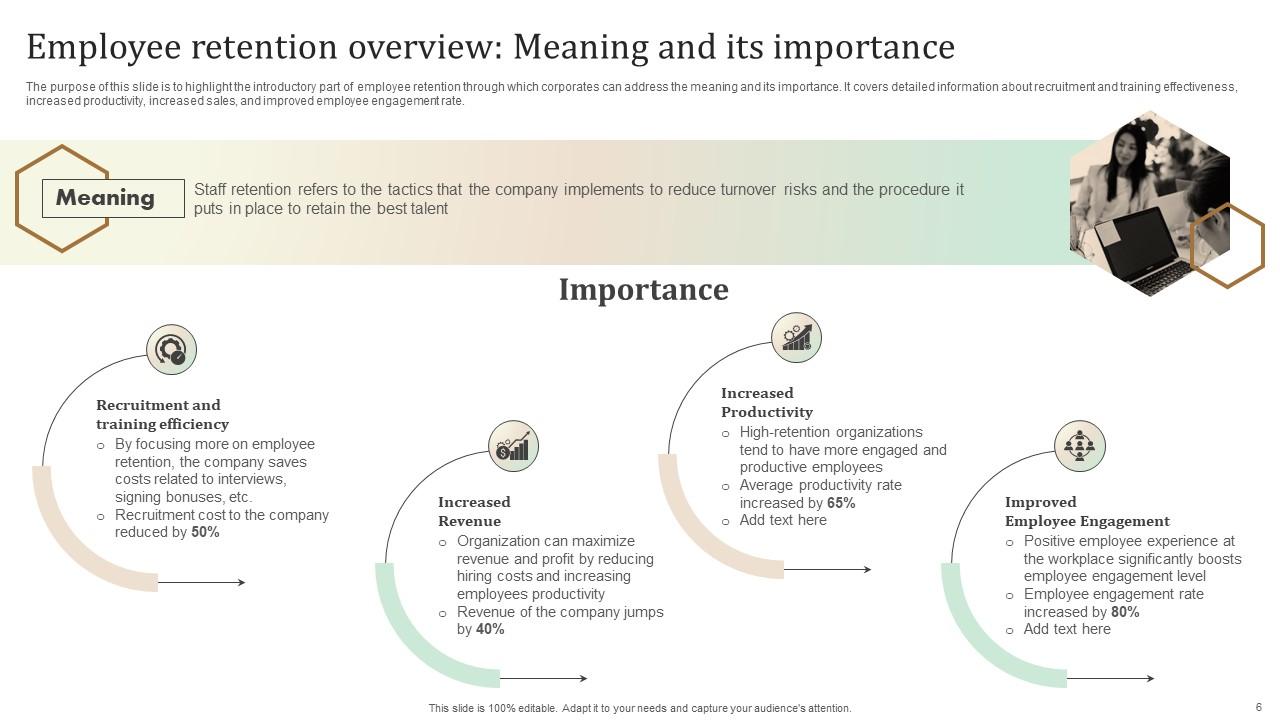
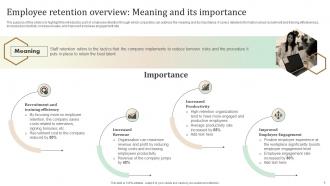
Slide 6: This slide incorporates the Employee retention overview, including the Meaning and its importance.
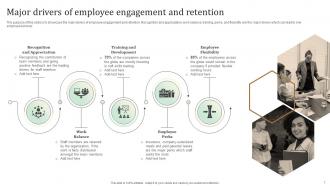
Slide 7: This slide showcases the Major drivers of employee engagement and retention.
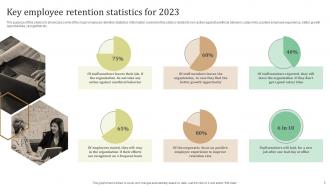
Slide 8: The purpose of this slide is to showcase some of the major employee retention statistics.
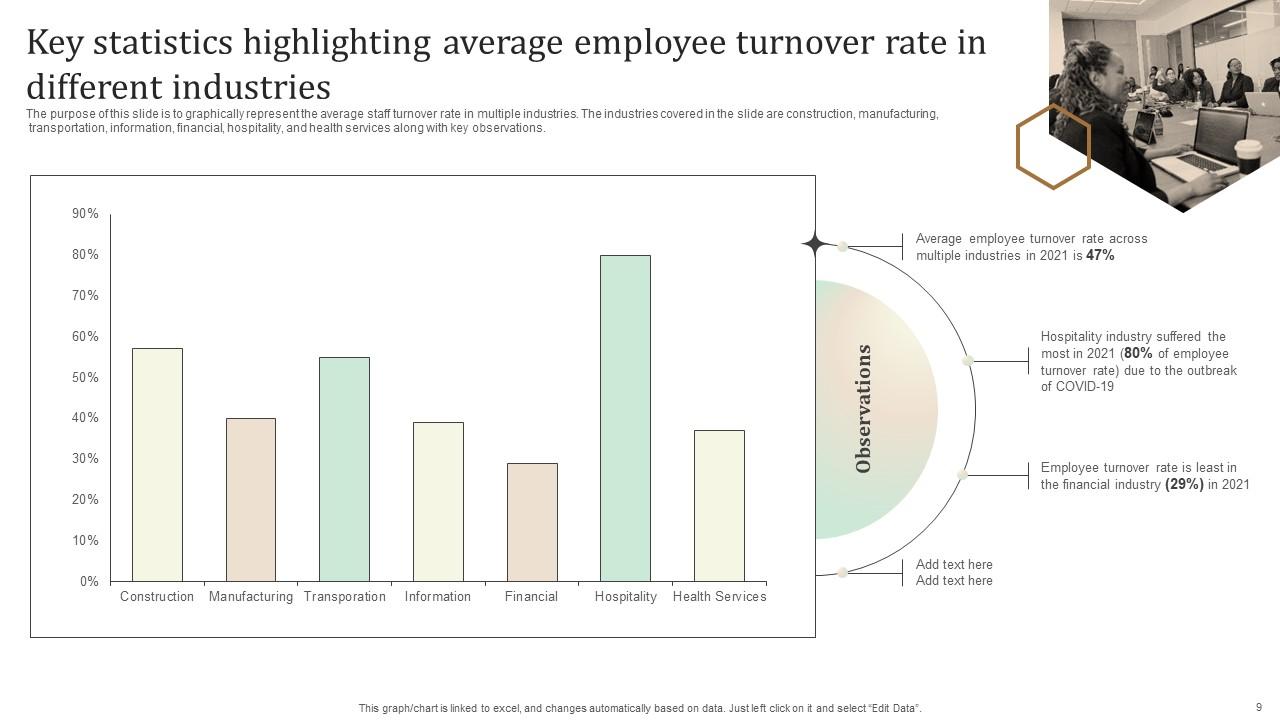
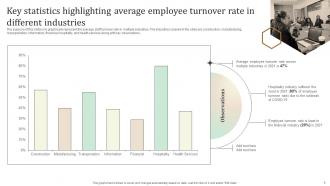
Slide 9: This slide portrays the Key statistics highlighting average employee turnover rate in different industries.
Slide 10: This slide exhibits the Heading for the Contents to be discussed next.
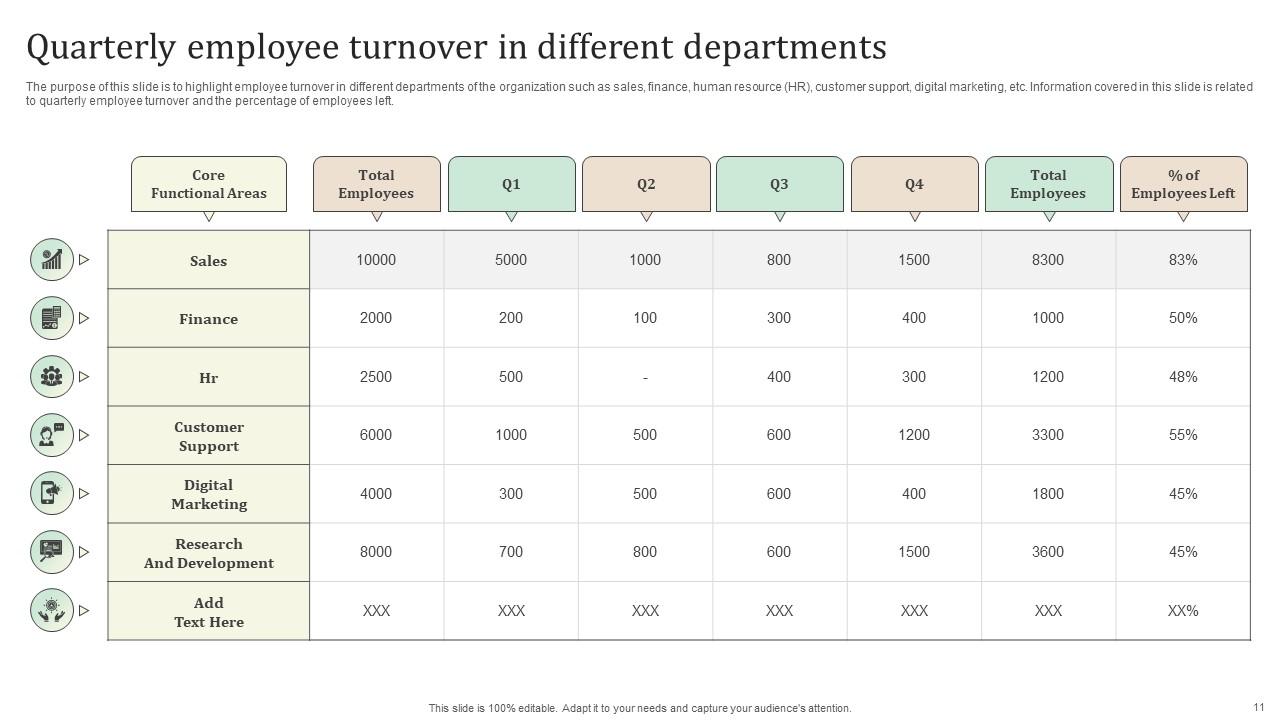
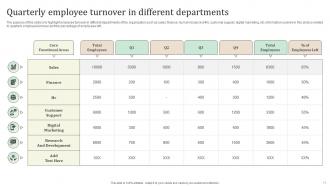
Slide 11: This slide talks about the Quarterly employee turnover in different departments.
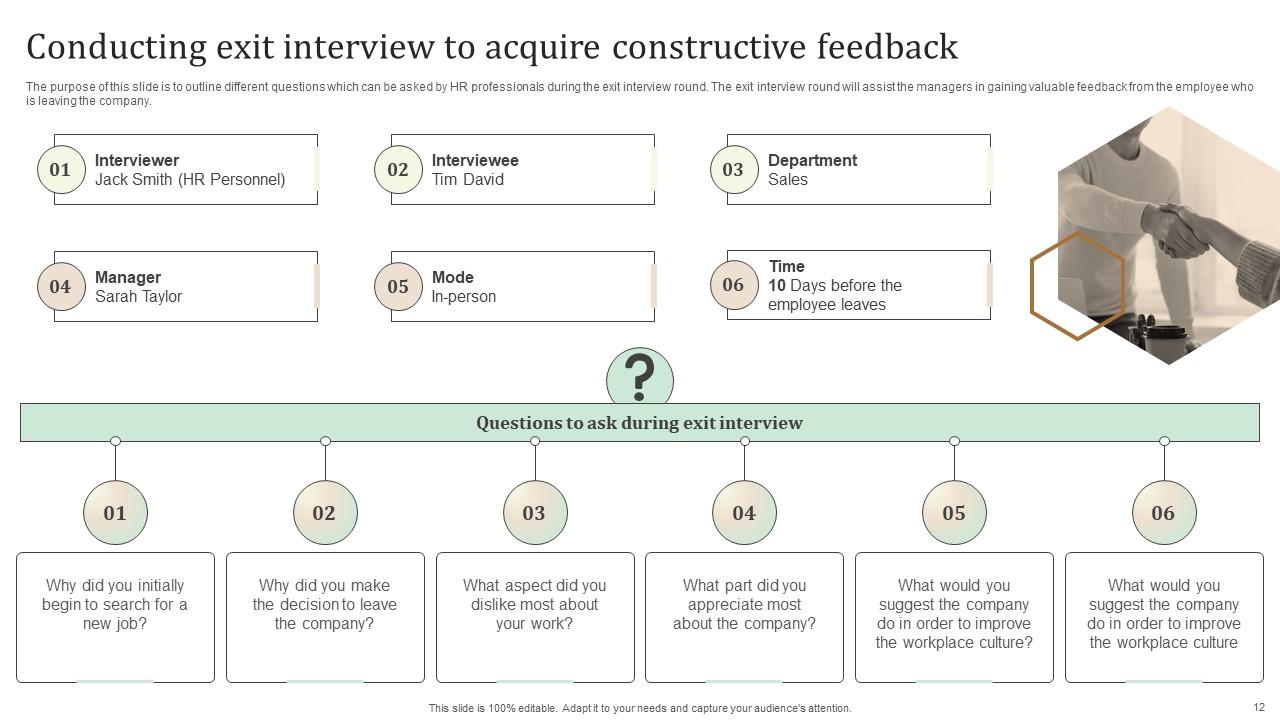
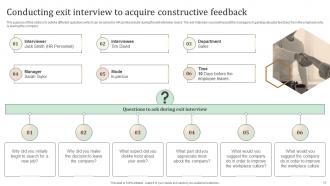
Slide 12: This slide outlines the different questions which can be asked by HR professionals during the exit interview round.
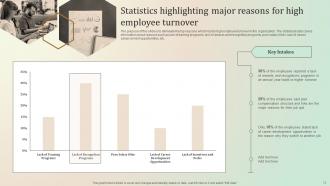
Slide 13: This slide reveals the Statistics highlighting major reasons for high employee turnover.
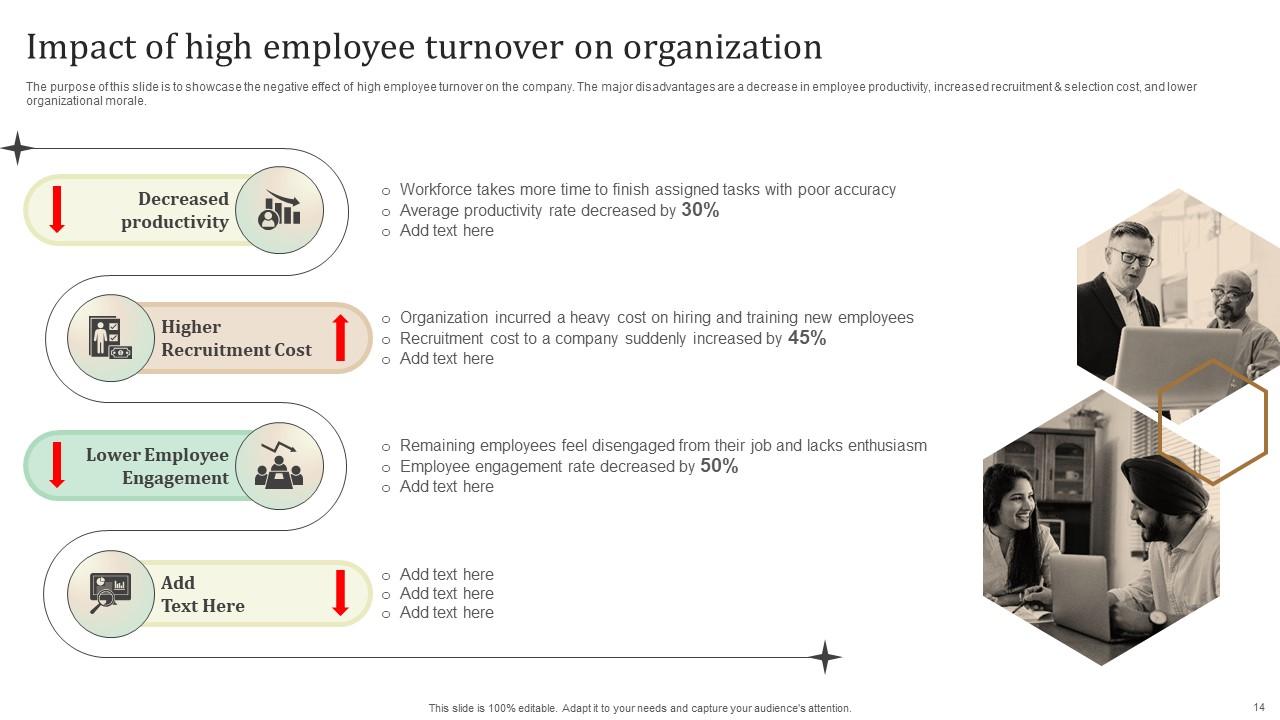
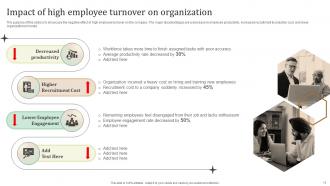
Slide 14: This slide states the Impact of high employee turnover on organization.
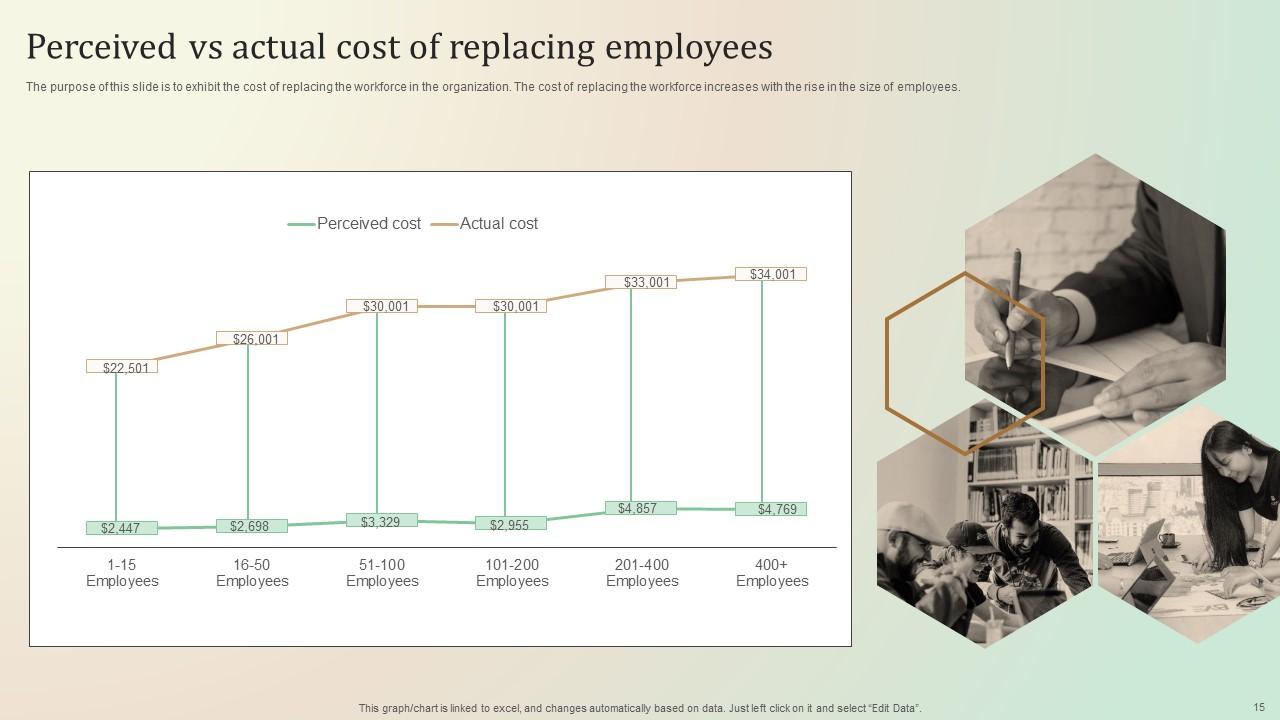
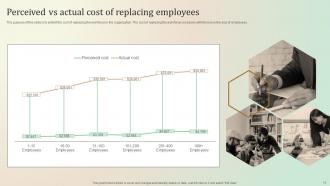
Slide 15: This slide presents the Perceived vs actual cost of replacing employees.
Slide 16: This slide contains the Title for the Ideas to be discussed in the upcoming template.
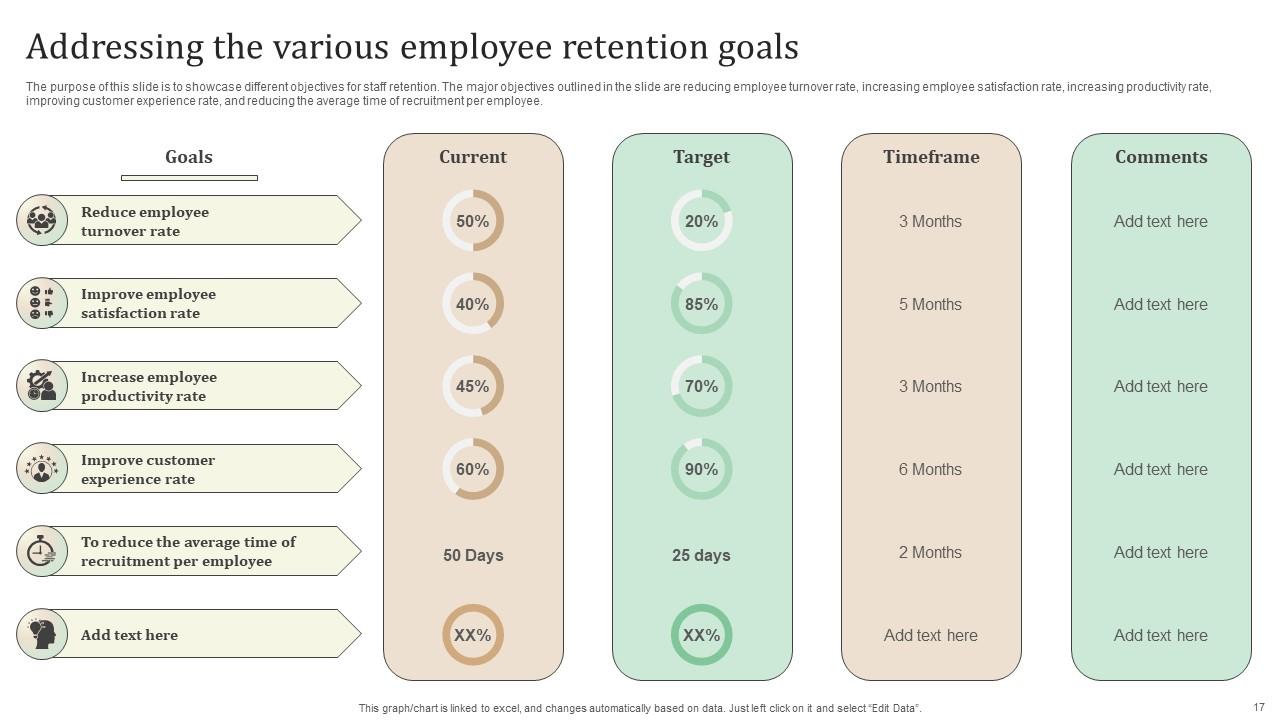
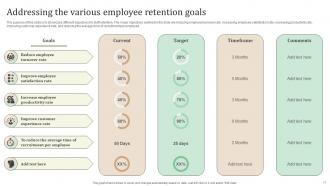
Slide 17: The purpose of this slide is to showcase different objectives for staff retention.
Slide 18: This slide shows teh Heading for the Ideas to be covered next.
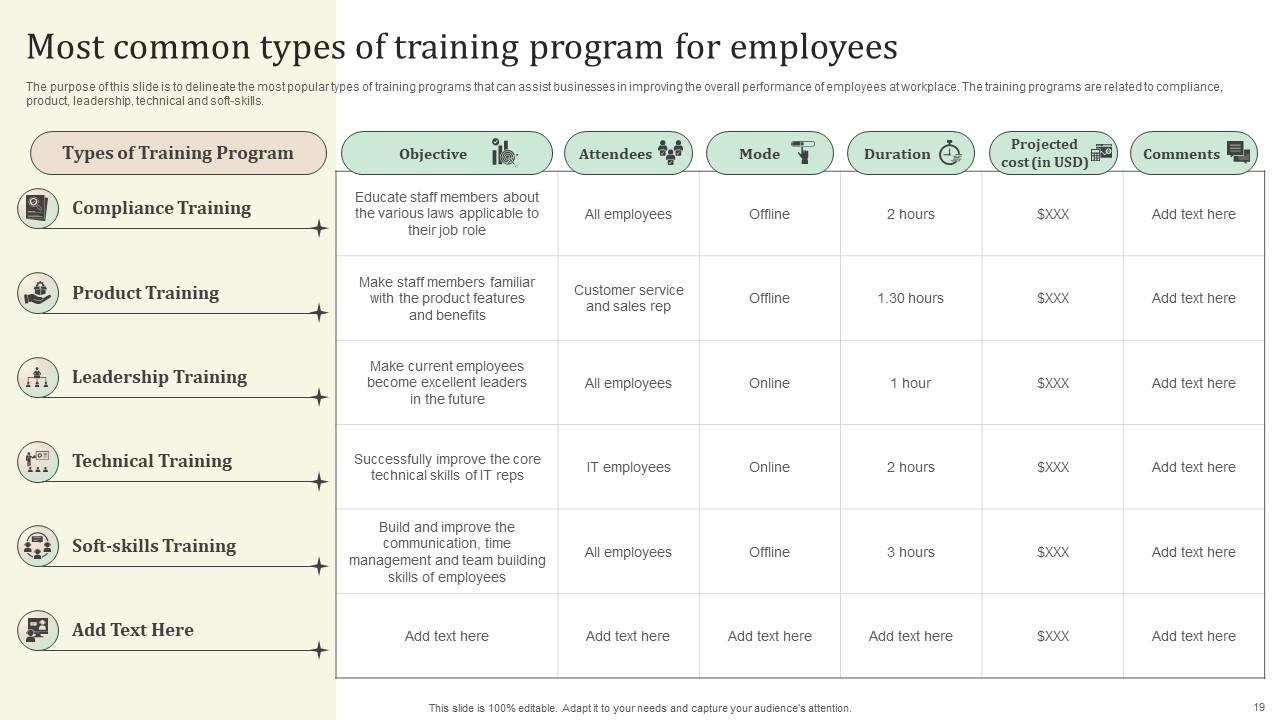
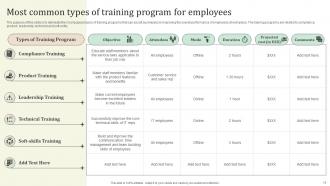
Slide 19: This slide exhibits the Most common types of training program for employees.
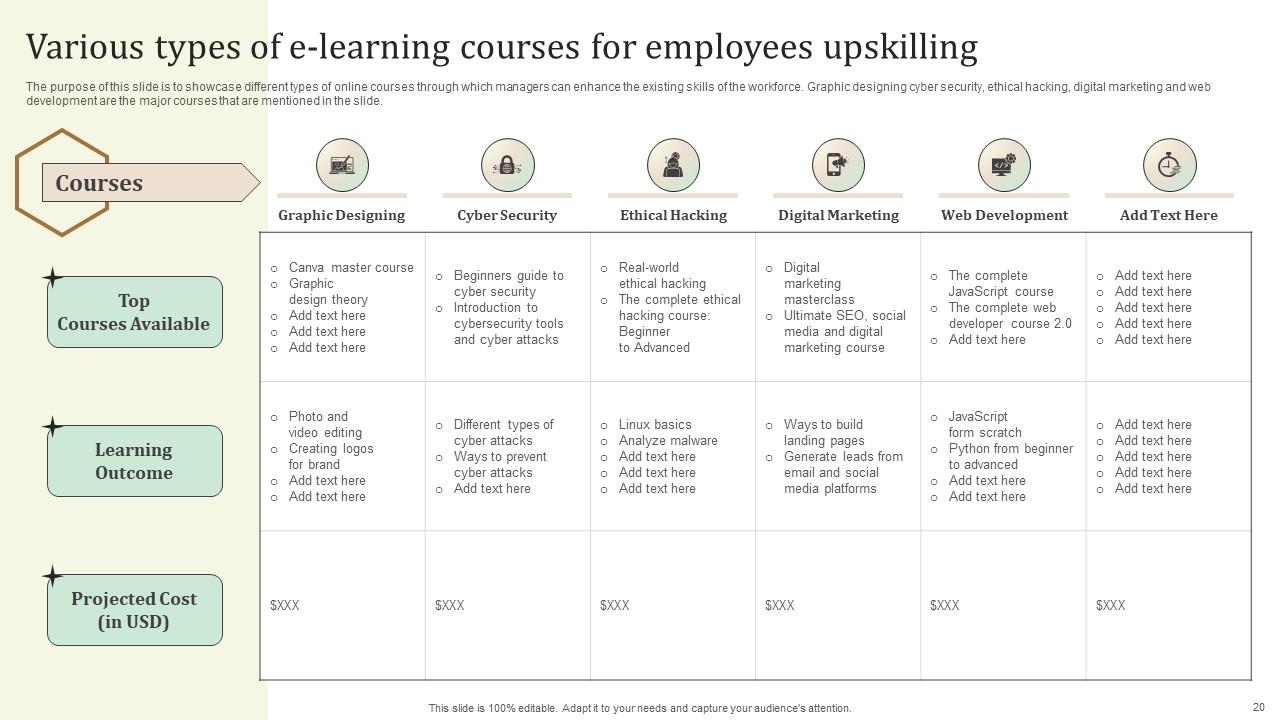
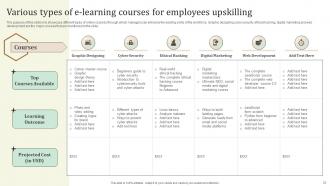
Slide 20: This slide states the Various types of e-learning courses for employees upskilling.
Slide 21: This slide displays the Title for the Contents to be discussed further.
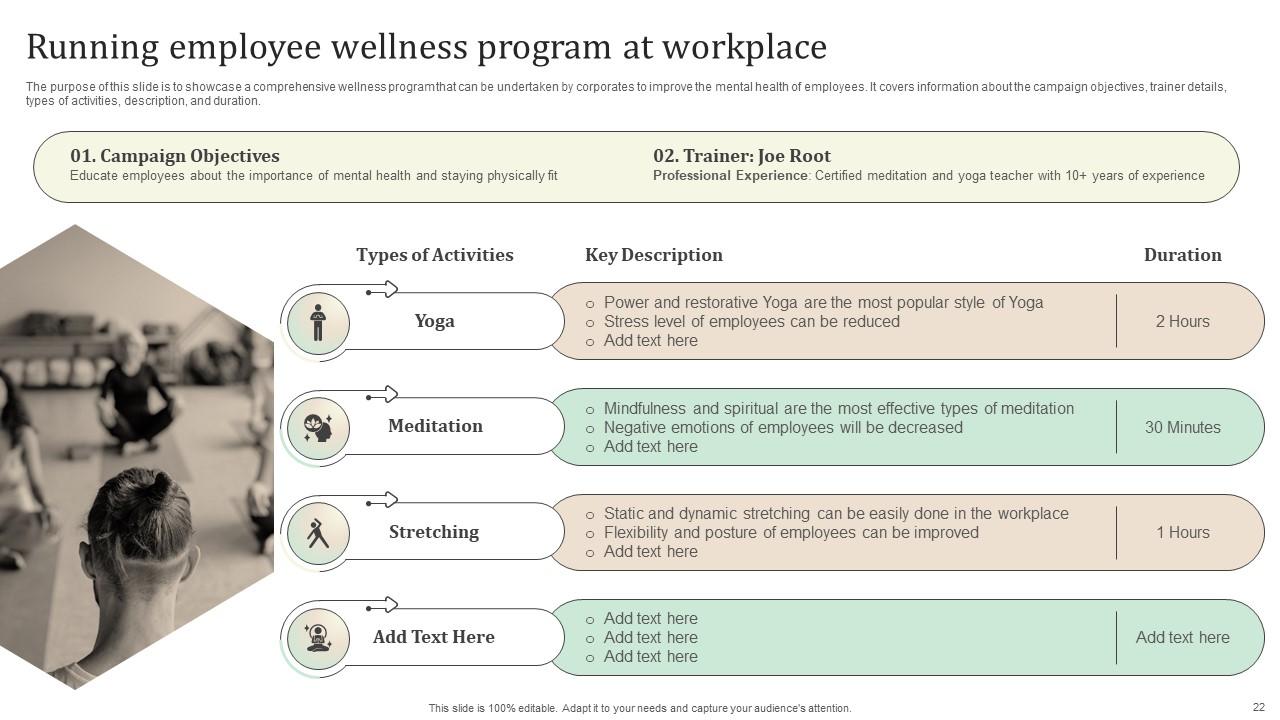
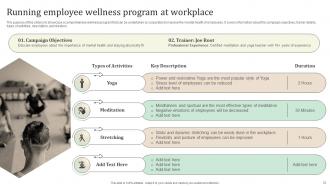
Slide 22: This slide deals with Running employee wellness program at workplace.
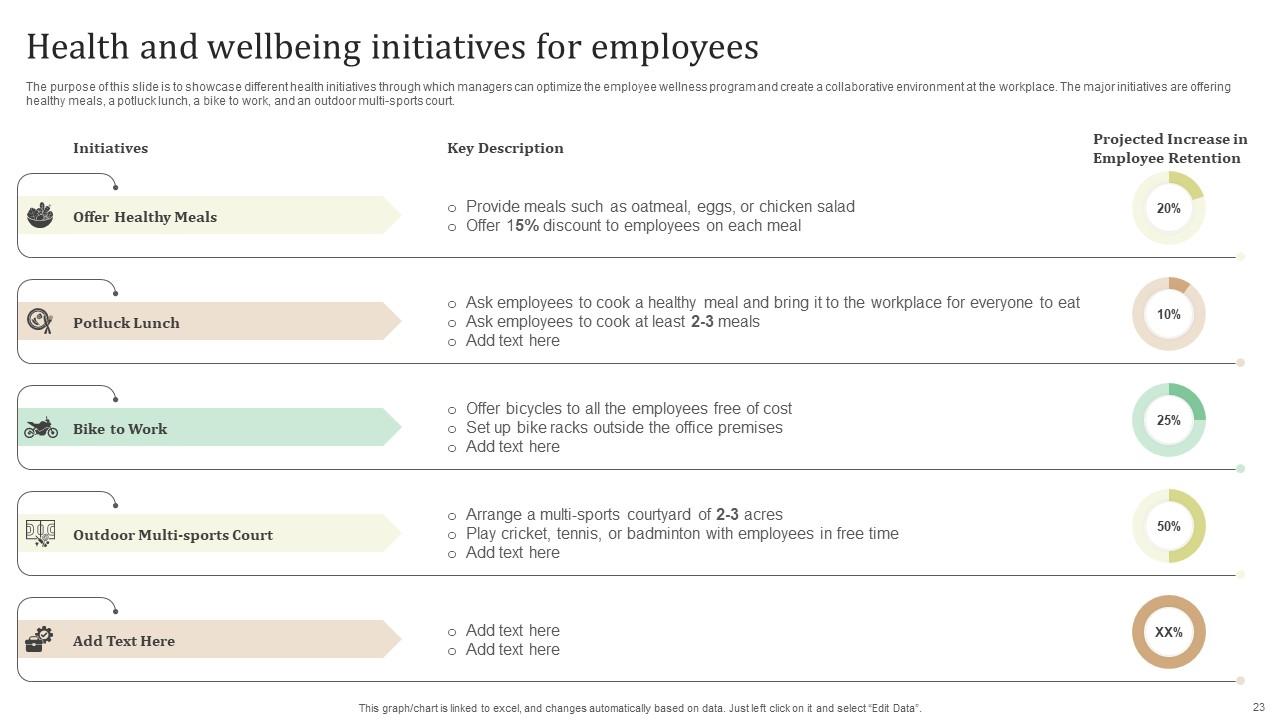
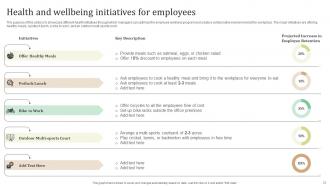
Slide 23: This slide represents the Health and wellbeing initiatives for employees.
Slide 24: This slide depicts the Heading for the Topics to be covered in the following template.
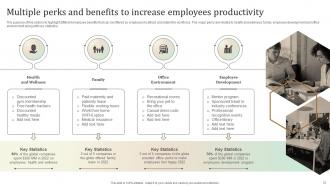
Slide 25: This slide highlights the Multiple perks and benefits to increase employees productivity.
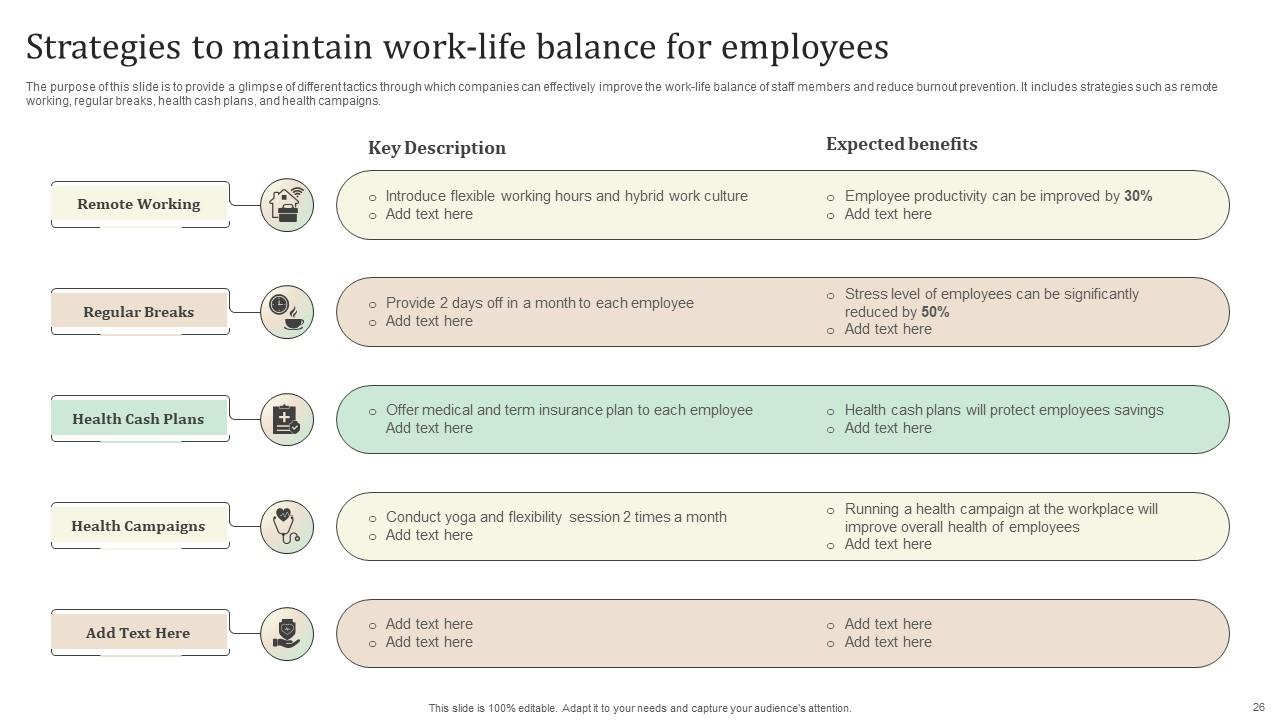
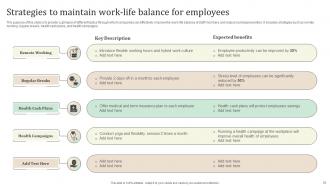
Slide 26: This slide presents the Strategies to maintain work-life balance for employees.
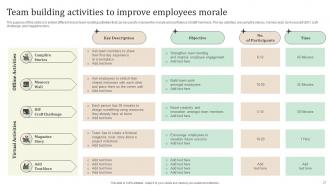
Slide 27: This slide talks about Team building activities to improve employees morale.
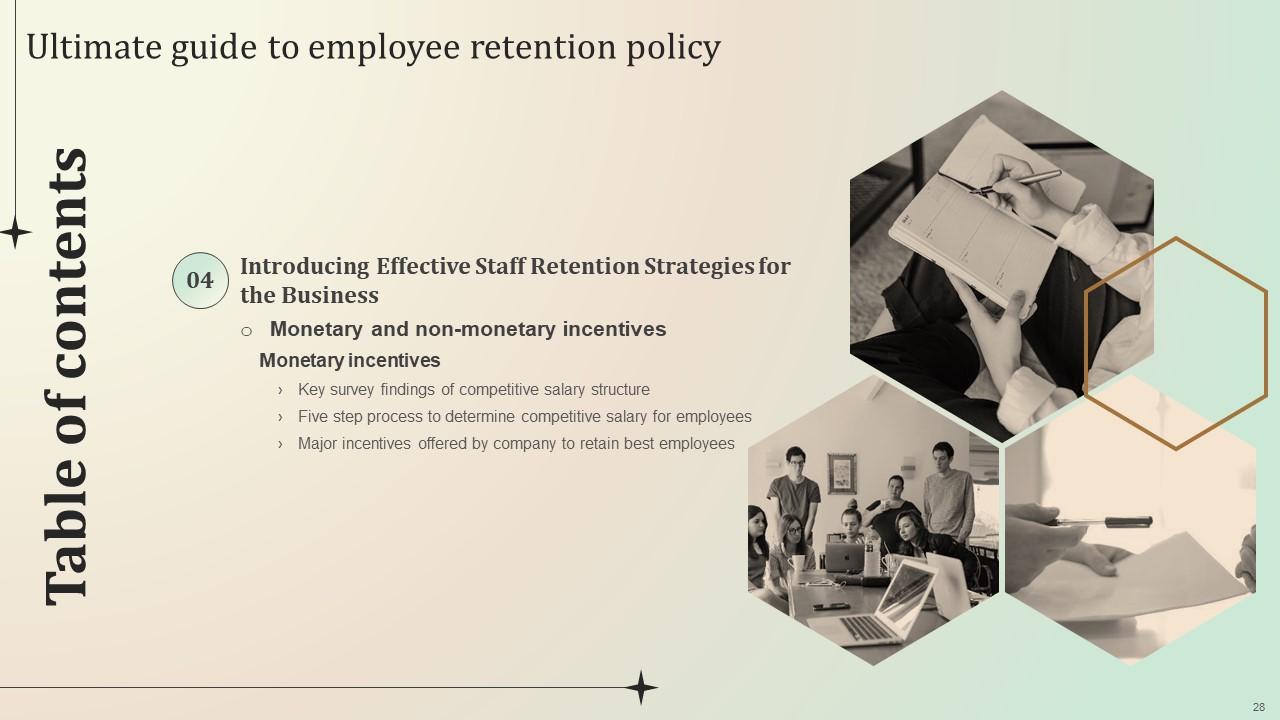
Slide 28: This slide portrays the Title for the Topics to be discussed next.
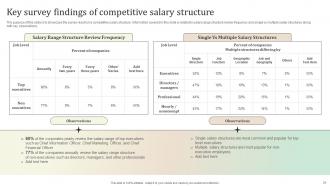
Slide 29: This slide displays the Key survey findings of competitive salary structure.
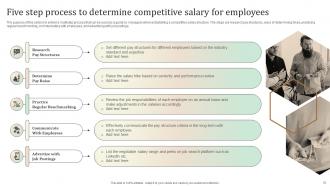
Slide 30: This slide reveals the Five step process to determine competitive salary for employees.
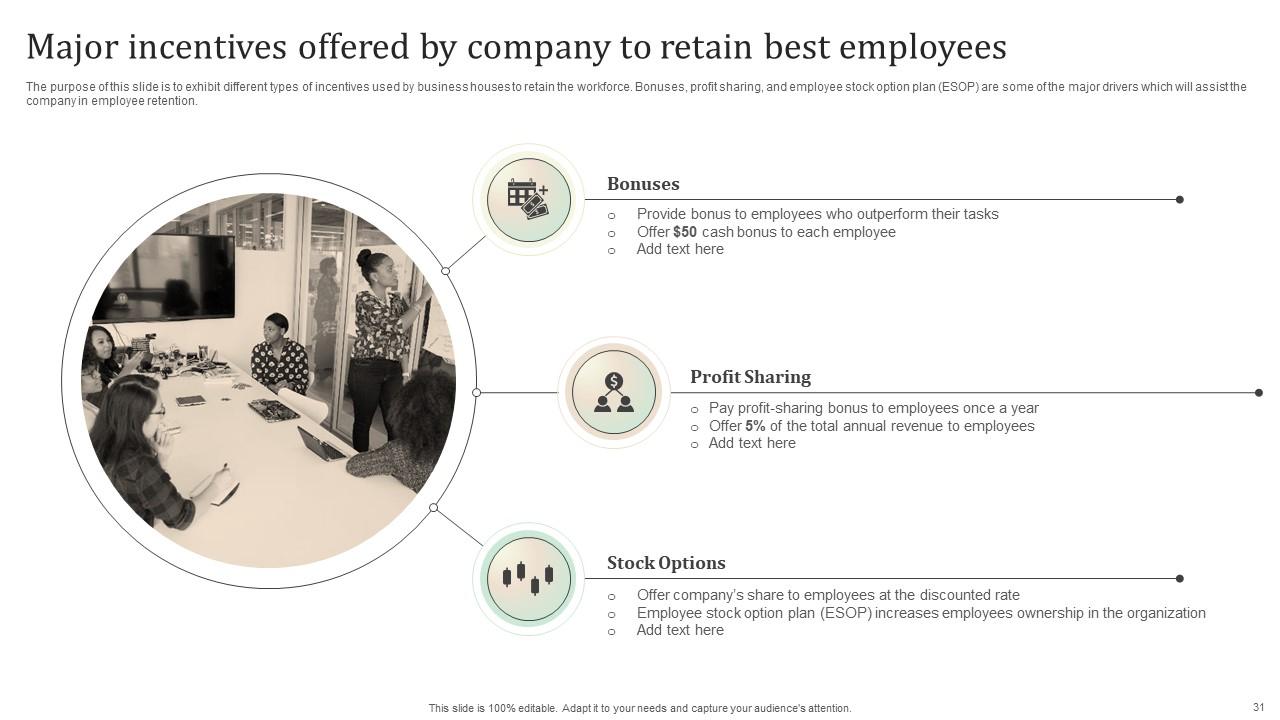
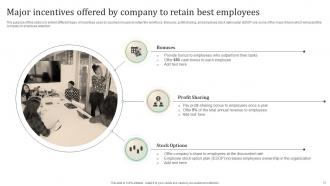
Slide 31: This slide shows the Major incentives offered by company to retain best employees.
Slide 32: This slide includes the Heading for the Contents to be coveerd in the upcoming template.
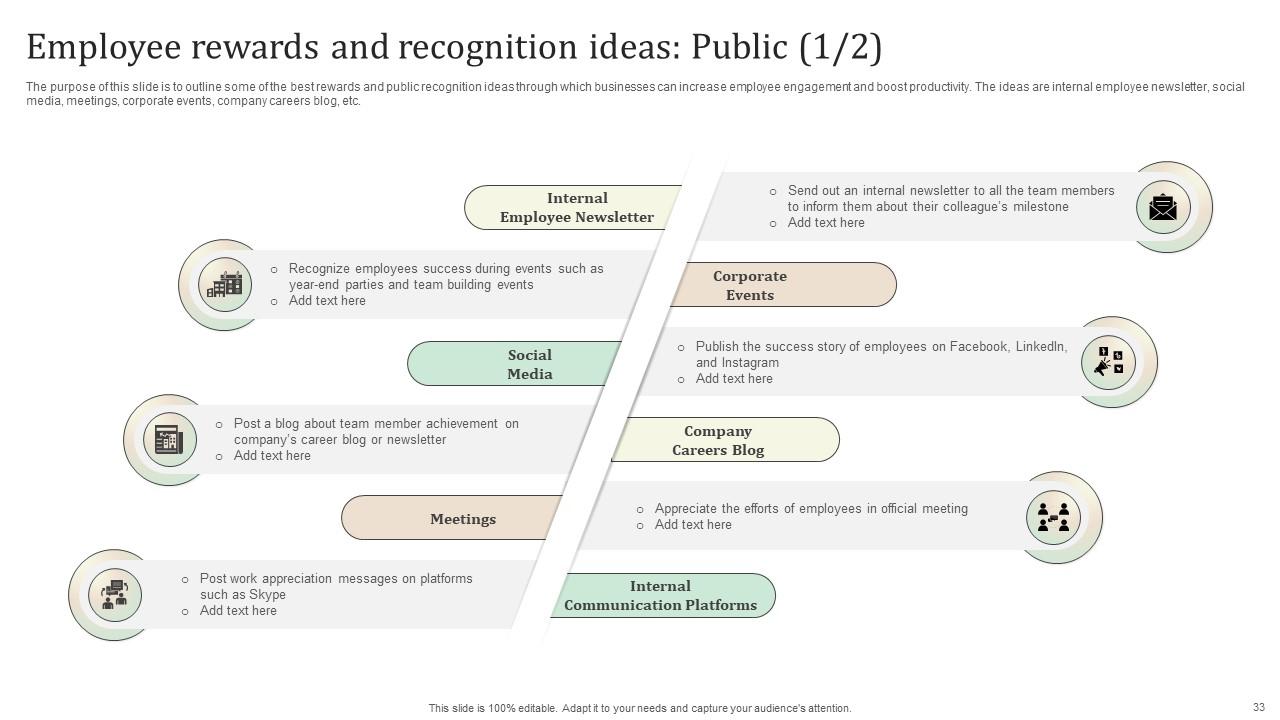
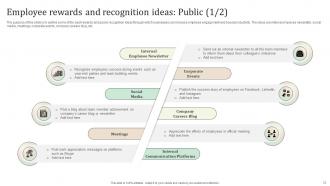
Slide 33: This slide talks about the Employee rewards and recognition ideas.
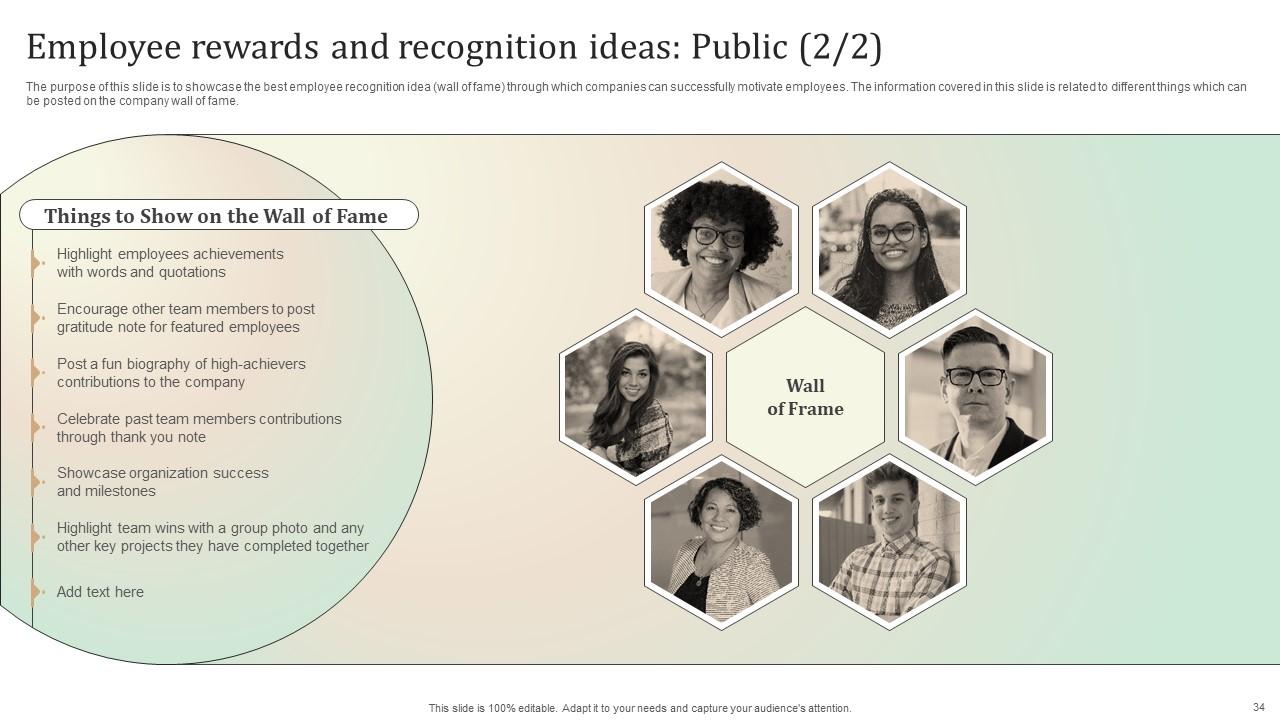
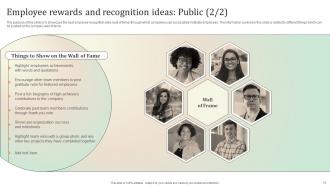
Slide 34: This slide continues the best employee recognition idea (wall of fame) through to motivate employees.
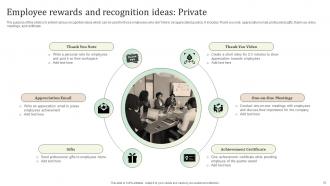
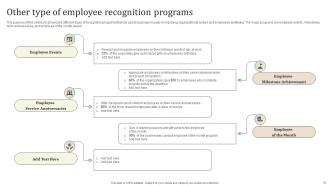
Slide 35: This slide focuses on the Employee rewards and recognition ideas.
Slide 36: This slide continues the Employee rewards and recognition ideas.
Slide 37: This slide exhibits the Heading for the Contents to be covered next.
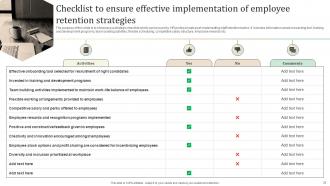
Slide 38: This slide reveals the Checklist to ensure effective implementation of employee retention strategies.
Slide 39: This slide presents the Title for the Ideas to be discussed further.
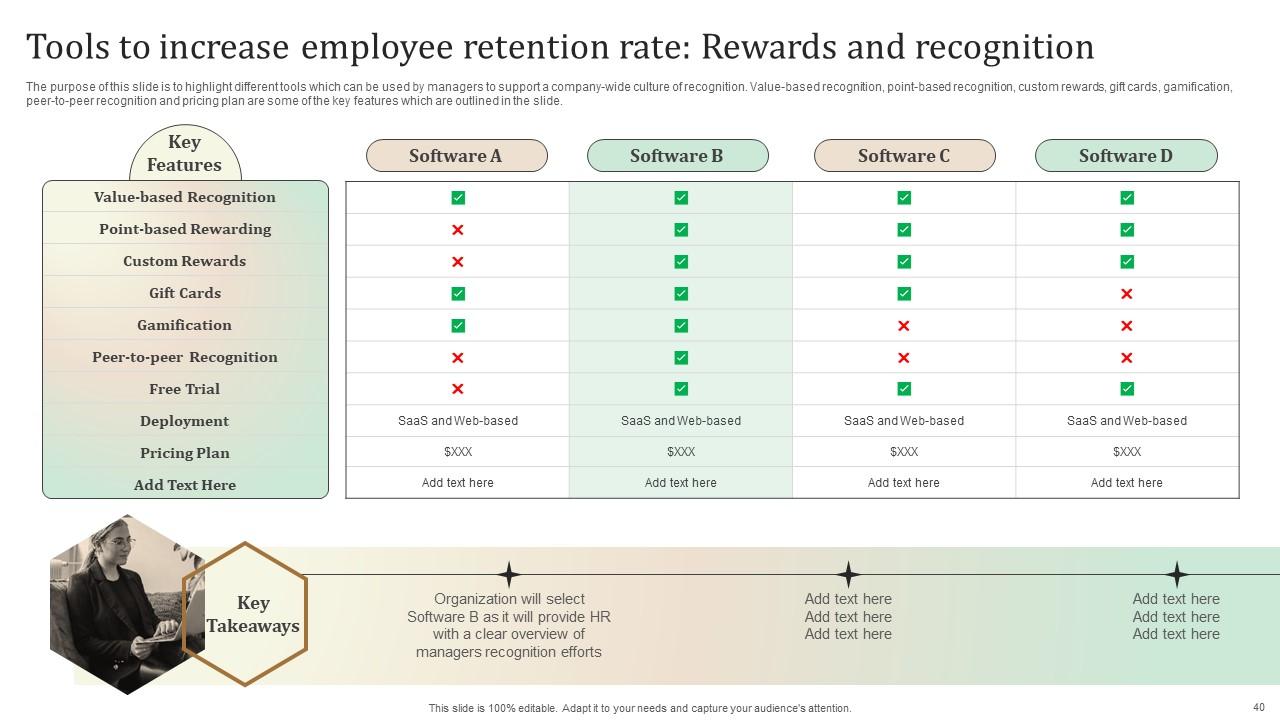
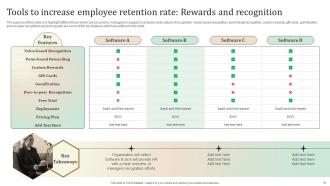
Slide 40: This slide mentions about the Tools to increase employee retention rate.
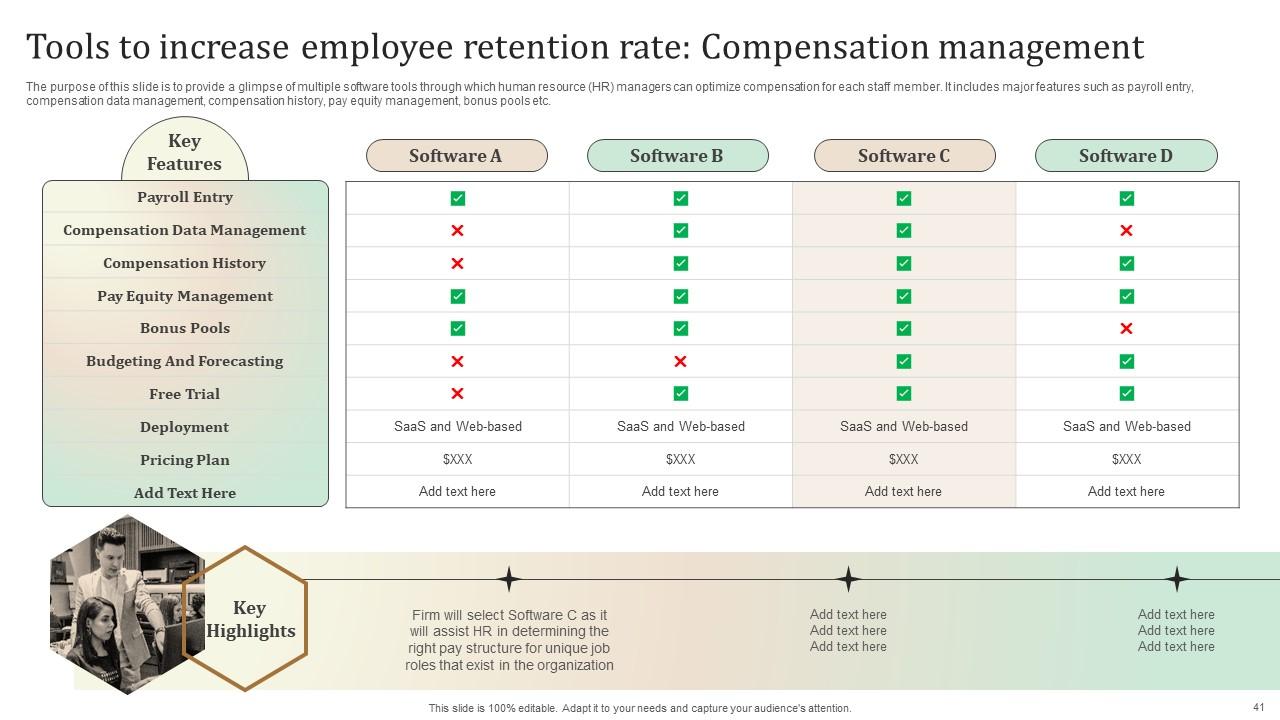
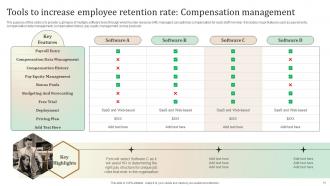
Slide 41: This slide shows multiple software tools through which HR managers can optimize compensation for each staff member.
Slide 42: This sldie incorporates the Heading for the Ideas to be covered in the next template.
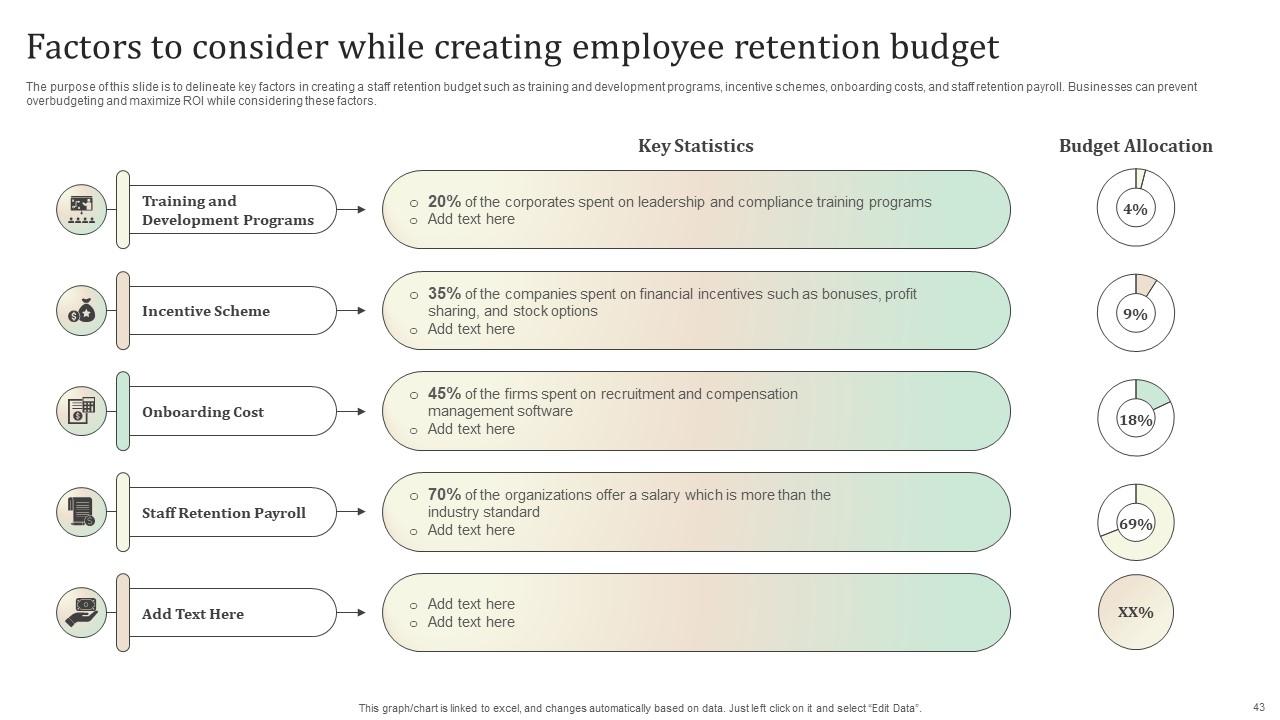
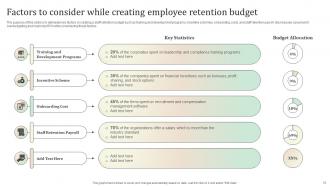
Slide 43: This slide showcases the Factors to consider while creating employee retention budget.
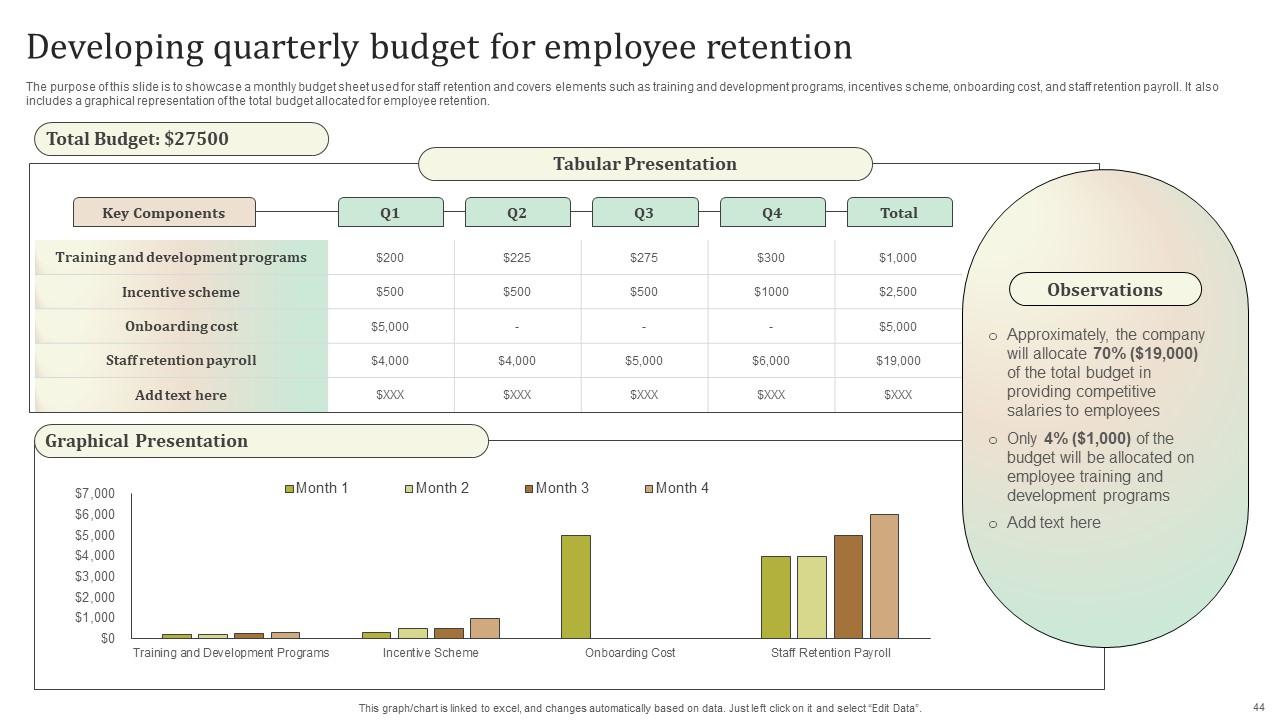
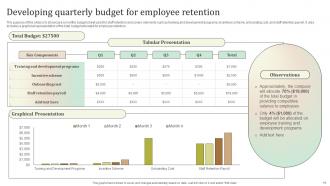
Slide 44: This slide focuses on Developing quarterly budget for employee retention.
Slide 45: This slide displays the Title for the Contents to be discussed next.
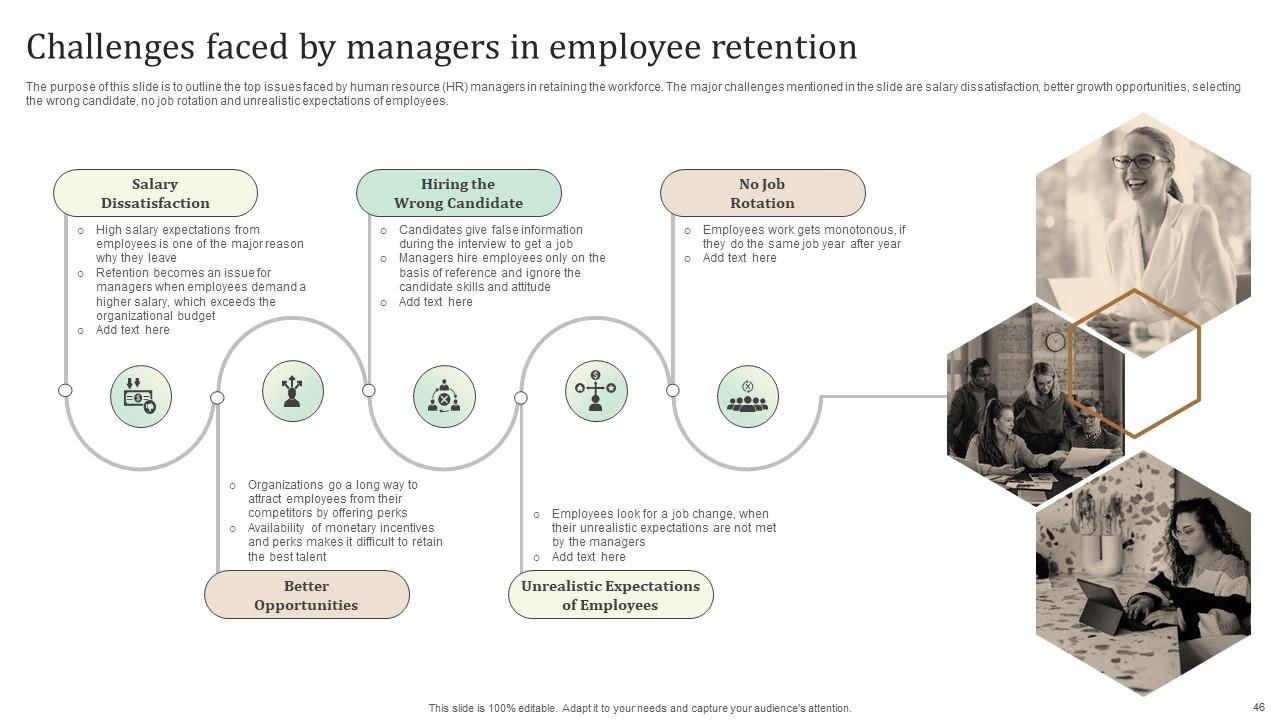
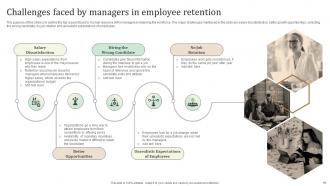
Slide 46: This slide depicts the Challenges faced by managers in employee retention.
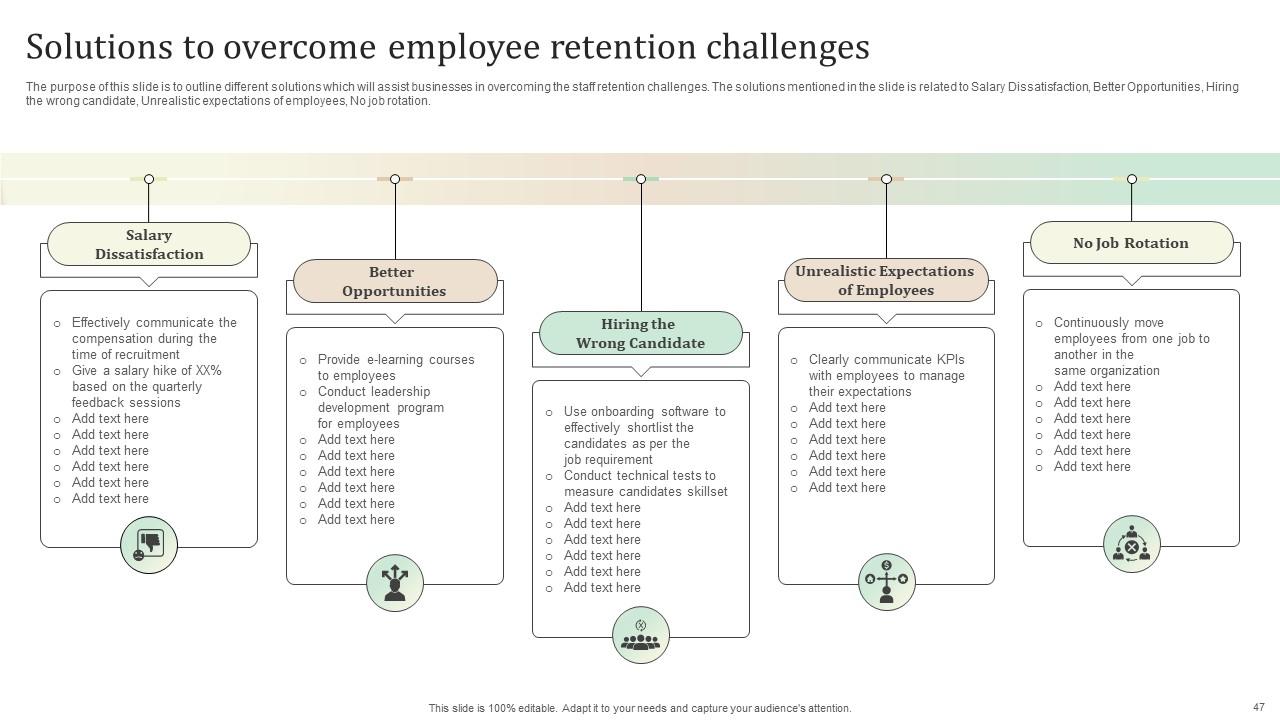
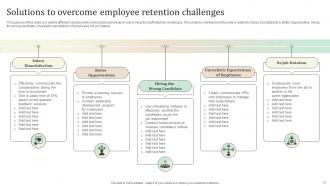
Slide 47: This slide portrays the Solutions to overcome employee retention challenges.
Slide 48: This slide highlights the Heading for the Topics to be covered further.
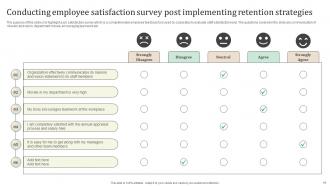
Slide 49: This slide emphasizes on Conducting employee satisfaction survey post implementing retention strategies.
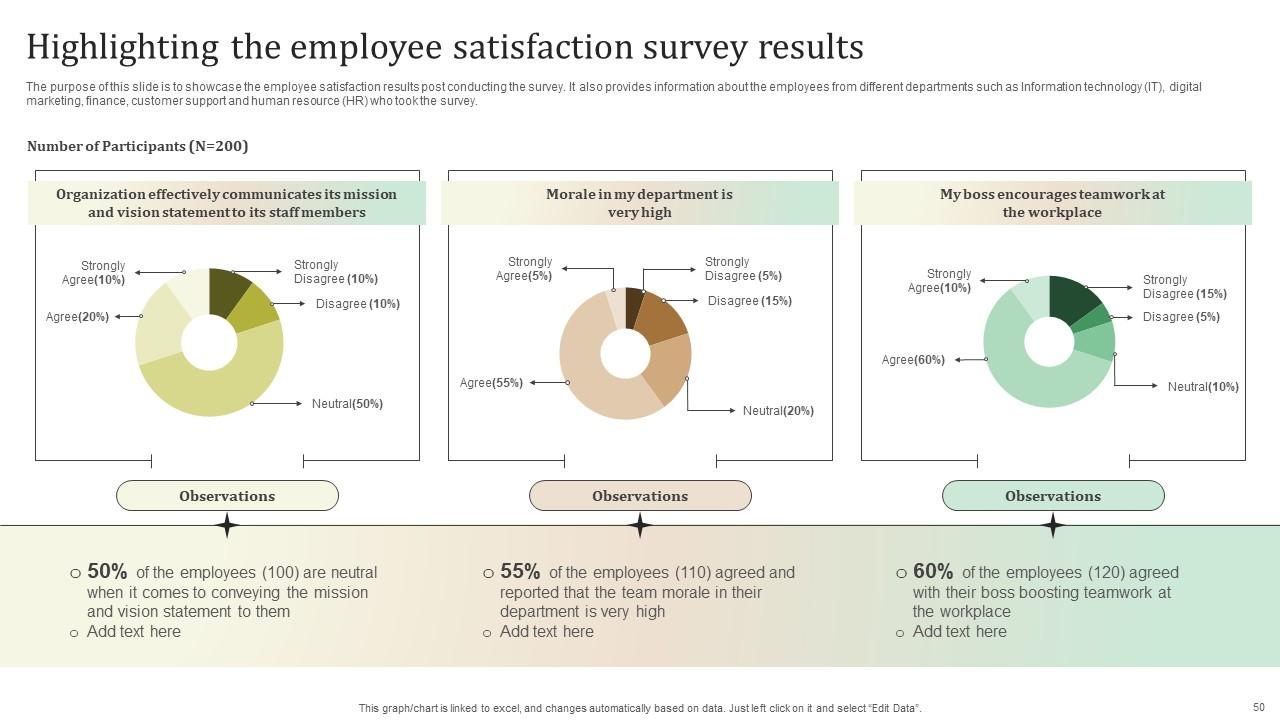
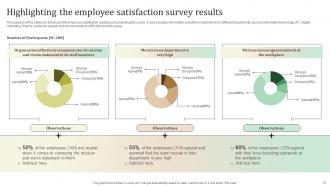
Slide 50: This slide reveals the the employee satisfaction survey results.
Slide 51: The purpose of this slide is to exhibit the staff satisfaction survey results.
Slide 52: This slide oulines the Title for the Topics to be discussed next.
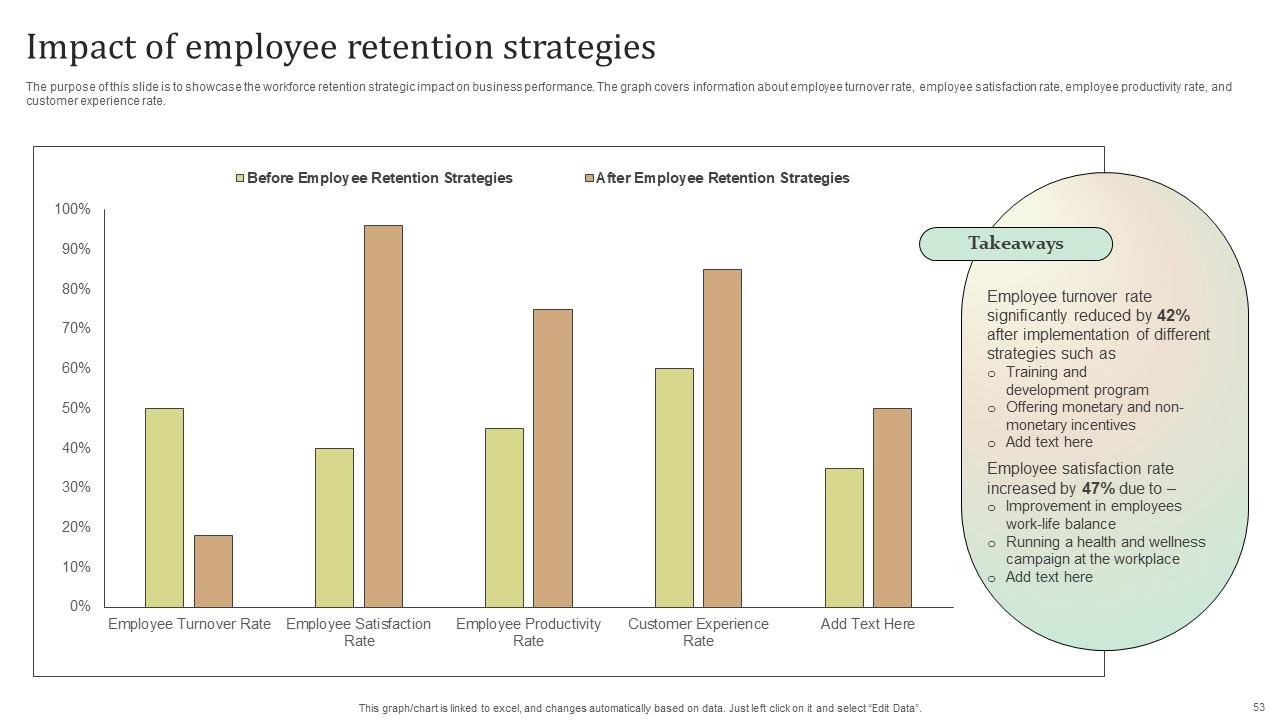
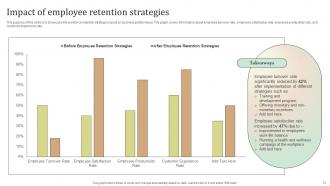
Slide 53: The purpose of this slide is to showcase the workforce retention strategic impact on business performance.
Slide 54: This slide indicates the Heading for the Contents to be covered further.
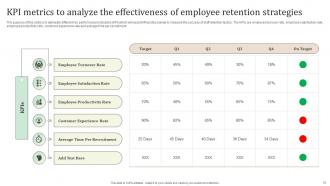
Slide 55: This slide reveals the KPI metrics to analyze the effectiveness of employee retention strategies.
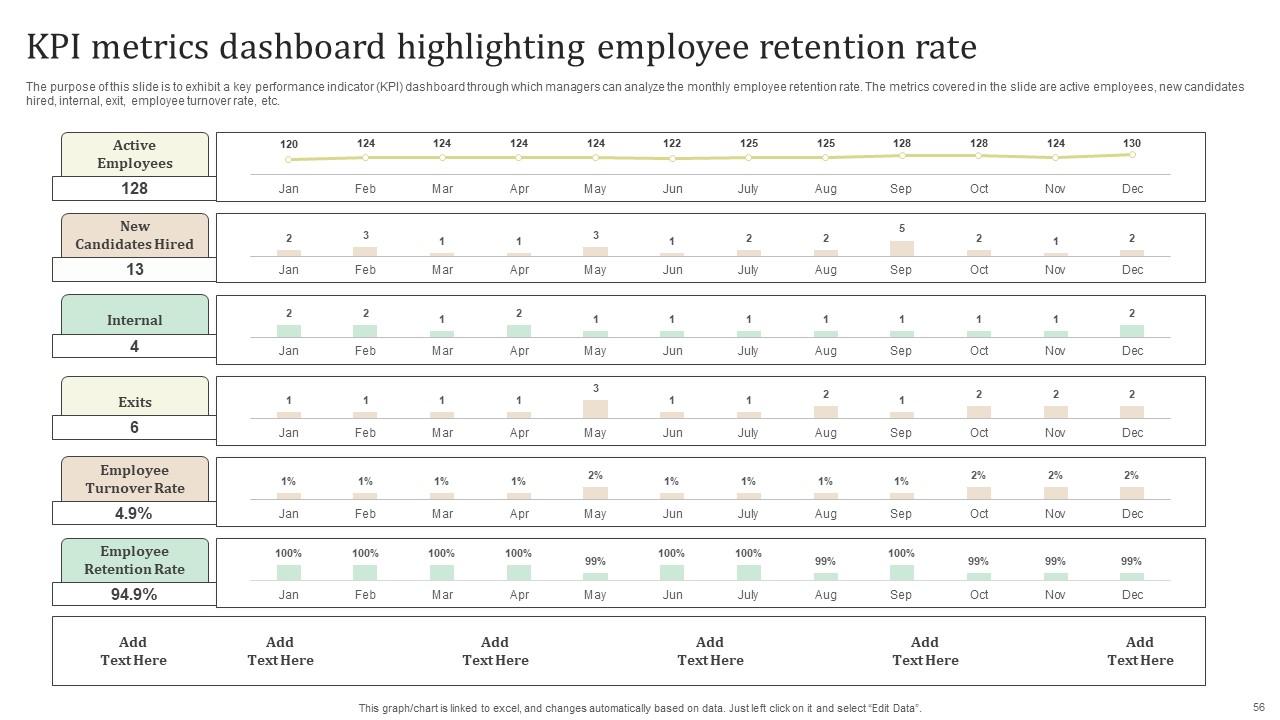
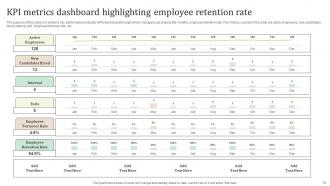
Slide 56: This slide illustrates the KPI metrics dashboard highlighting employee retention rate.
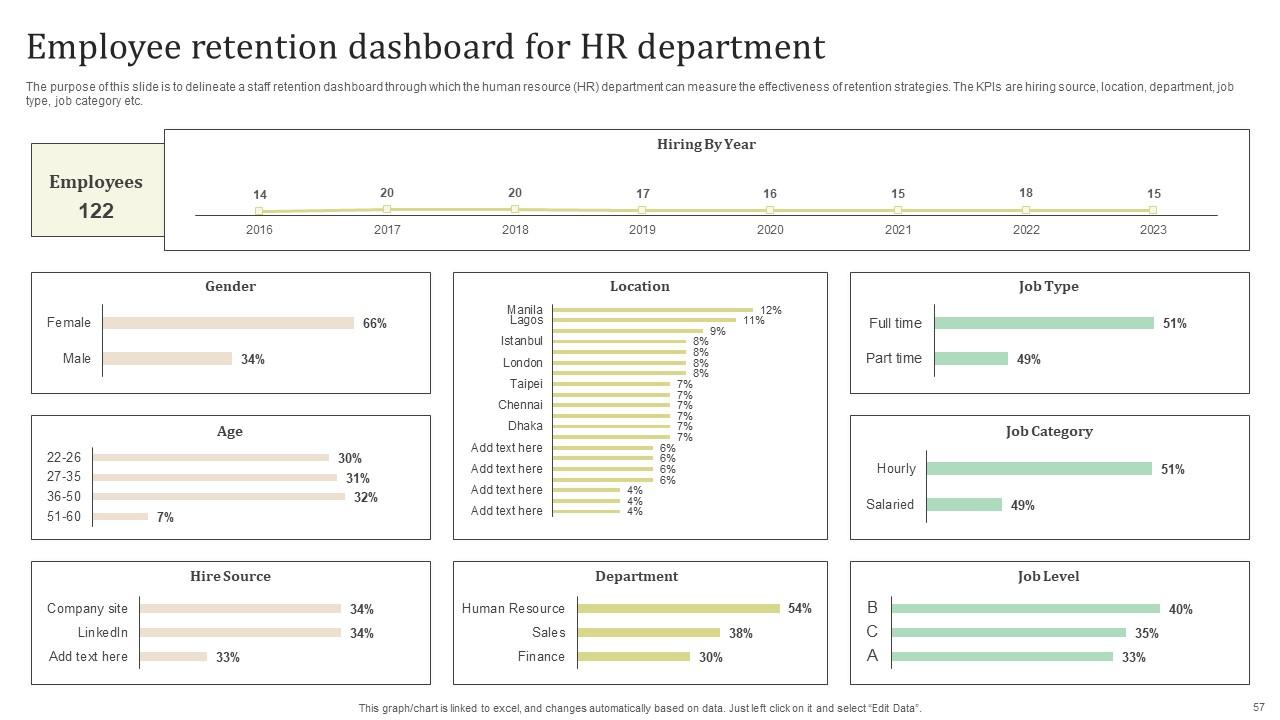
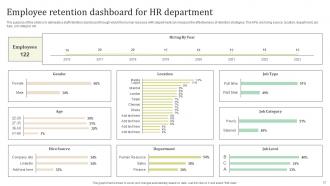
Slide 57: This slide represents the Employee retention dashboard for HR department.
Slide 58: This slide shows the Title for the Ideas to be discussed next.
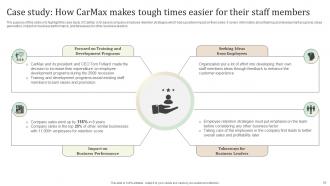
Slide 59: This slide highlights the case study of CarMax (US-based company) employee retention strategies.
Slide 60: This is the Icons slide containing all the Icons used in the plan.
Slide 61: This slide is used for depicting some Additional information.
Slide 62: This is the About us slide stating the company-related information.
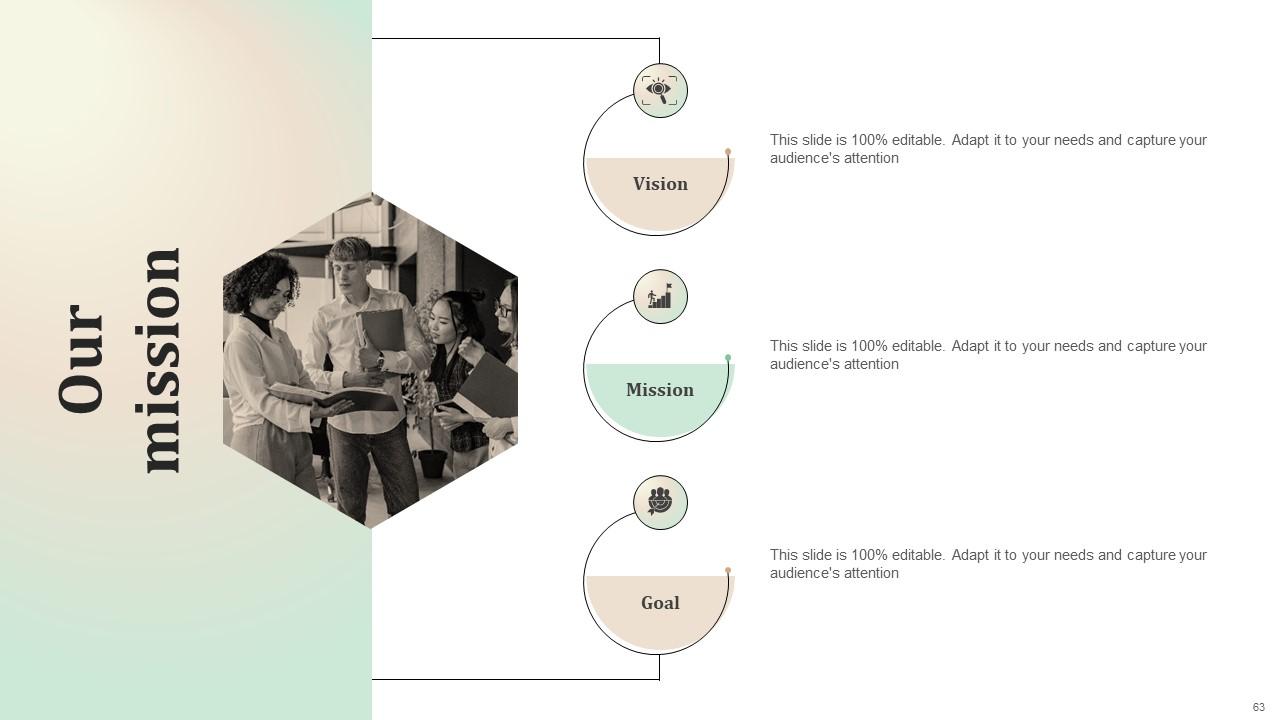
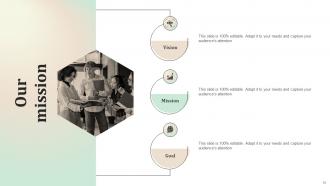
Slide 63: This slide showcases the organization's mission, vision, and goals.
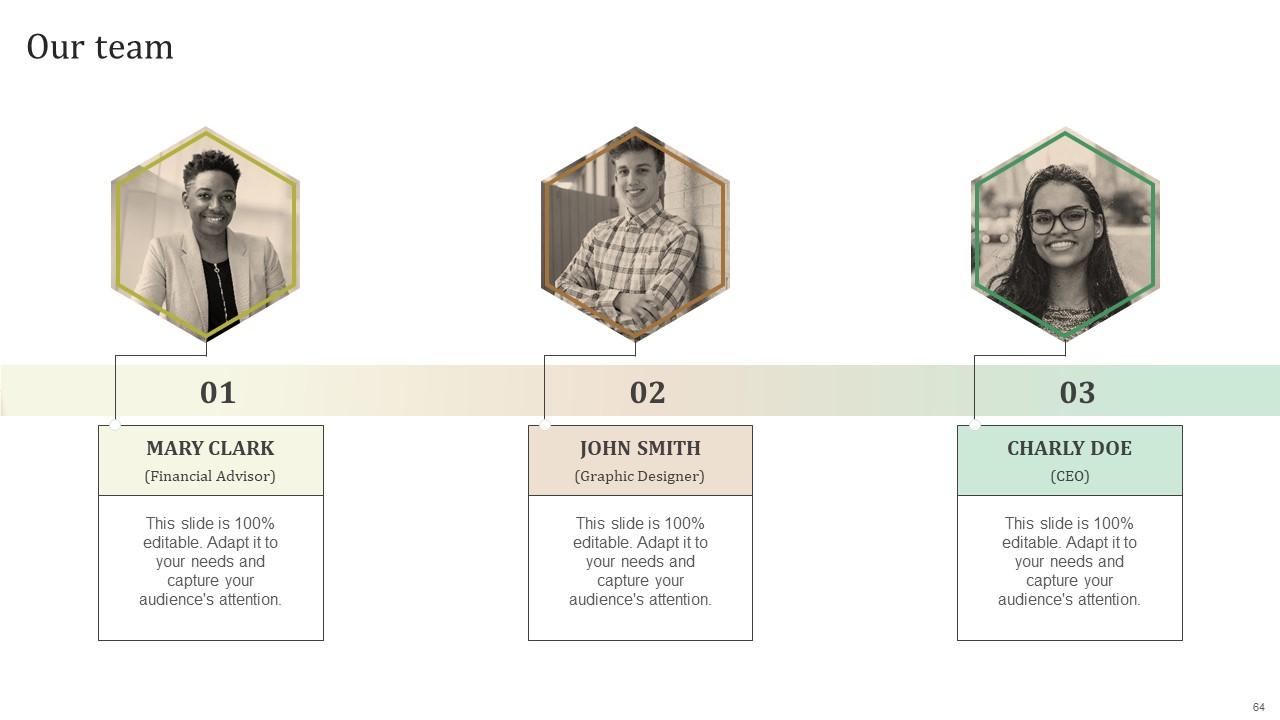
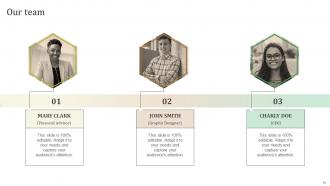
Slide 64: This is Our team slide. State your team-related information here.
Slide 65: This slide exhibits the SWOT Analysis.
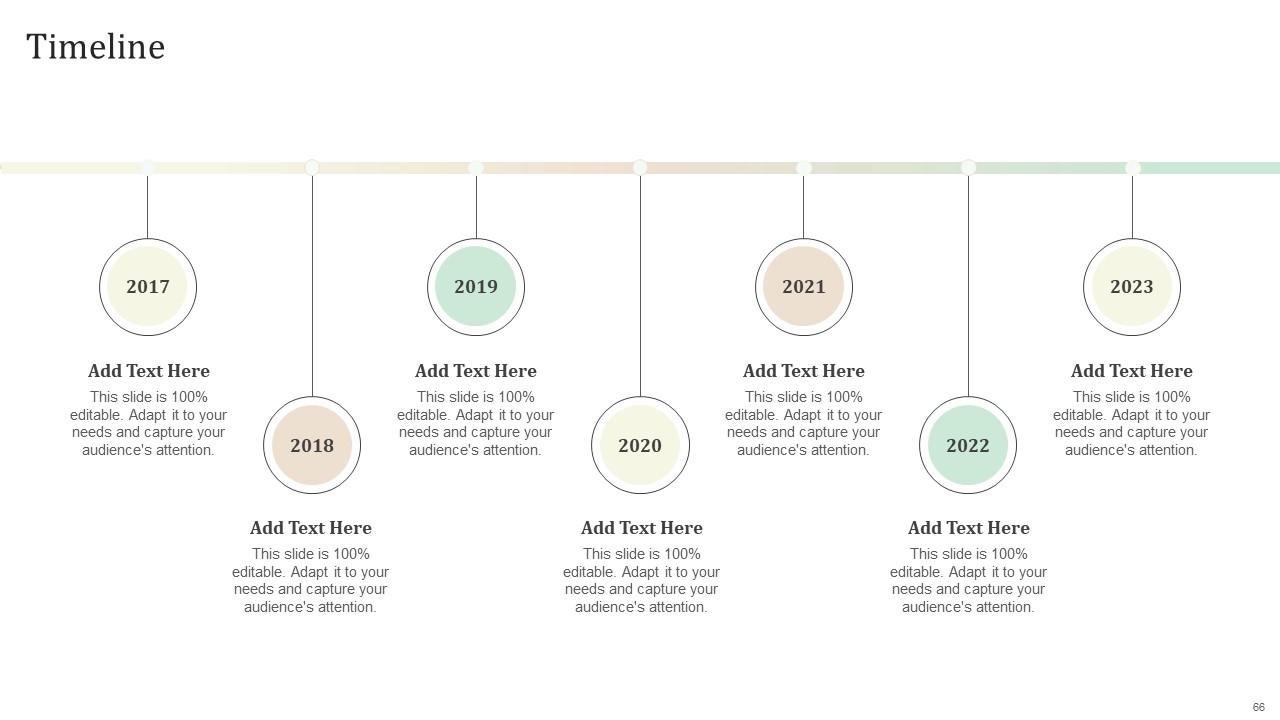
Slide 66: This slide incorporates the company Timeline.
Slide 67: This is the 30 60 90 Days plan slide for effective planning.
Slide 68: This slide contains the Post it notes for reminders and deadlines.
Slide 69: This is the Idea generation slide for encouraging fresh ideas.
Slide 70: This slide presents the Roadmap of the firm.
Slide 71: This is the Thank You slide for acknowledgement.
Ultimate Guide To Employee Retention Policy Powerpoint Presentation Slides with all 76 slides:
Use our Ultimate Guide To Employee Retention Policy Powerpoint Presentation Slides to effectively help you save your valuable time. They are readymade to fit into any presentation structure.
-
“Immediate response, professional support, and effective solutions that were customized and immediately provided. Well done- Thank you!”
-
I can say with full confidence that all your business, academic, or professional work requirements will be sufficed with SlideTeam. Their gallery is as rich as 2Million+!!
