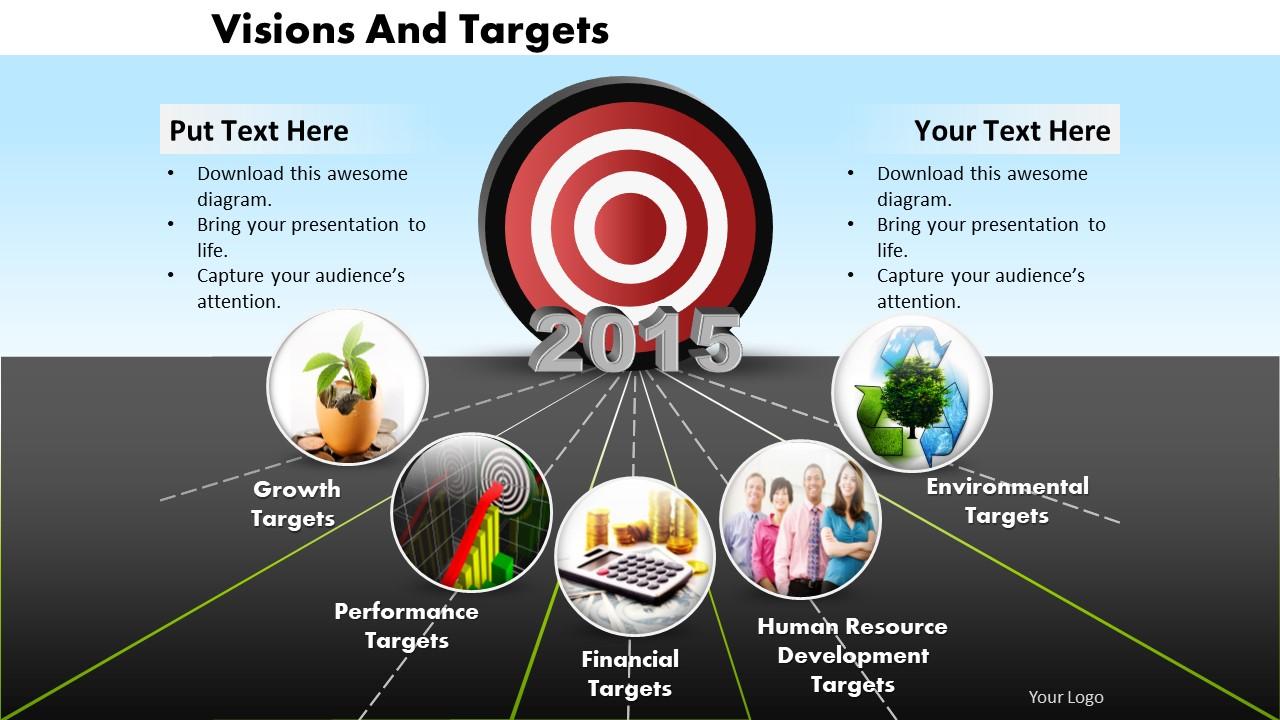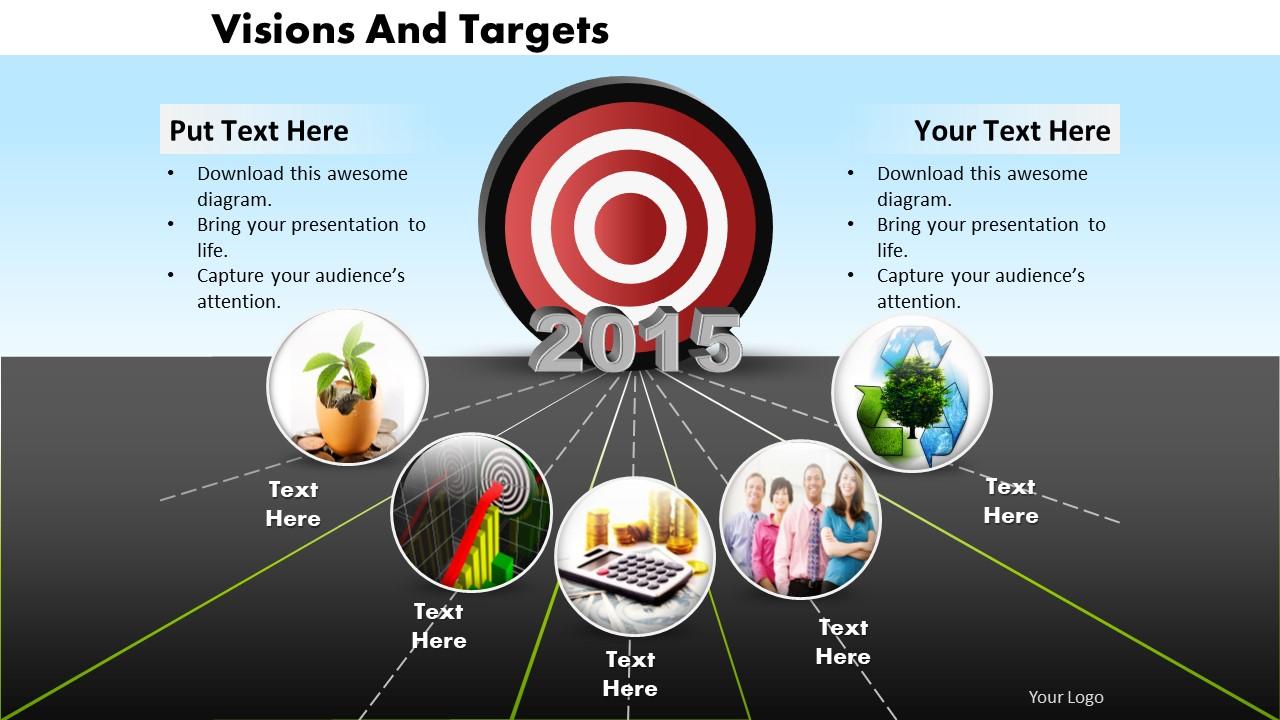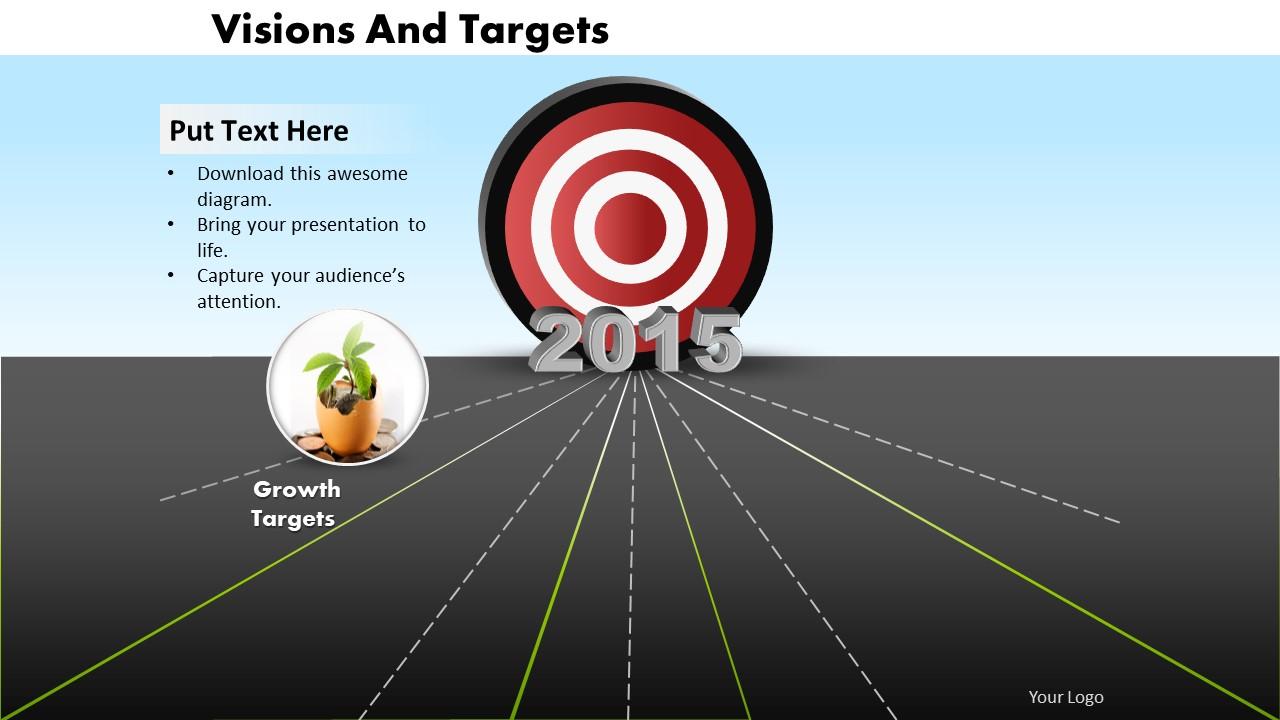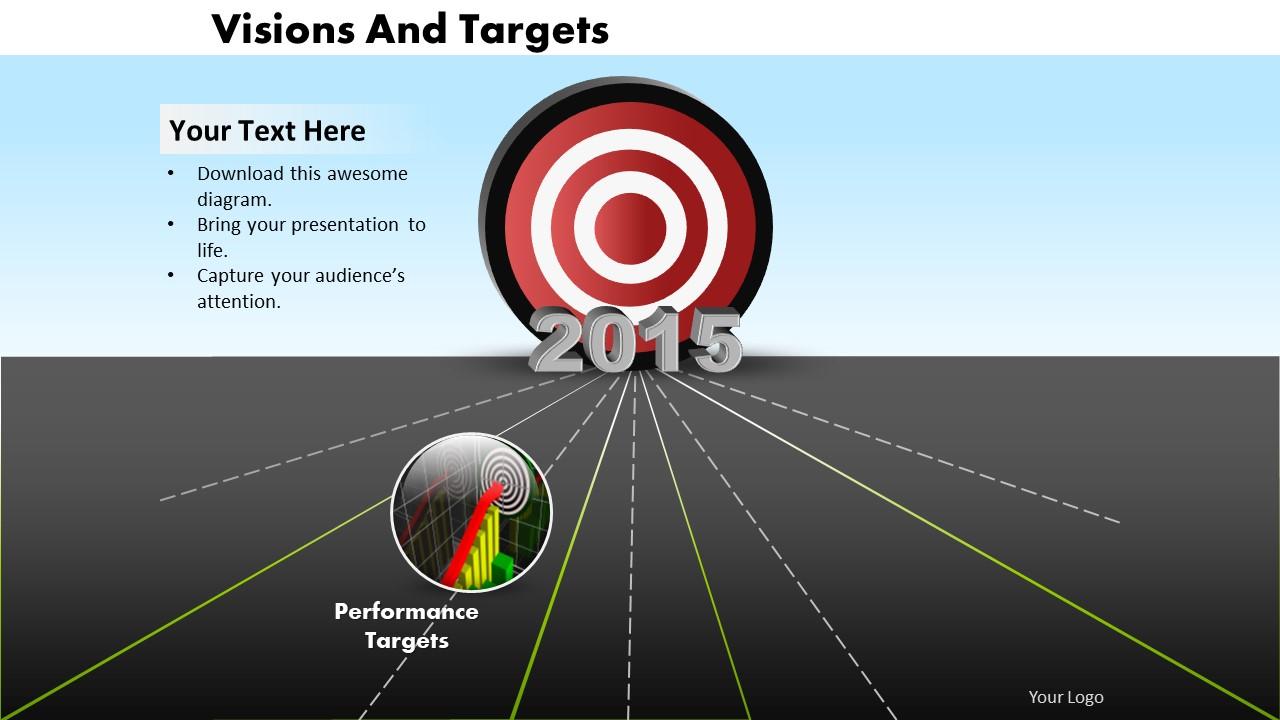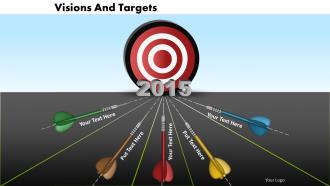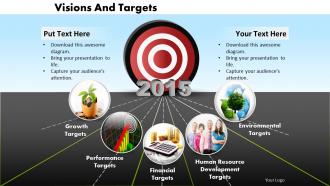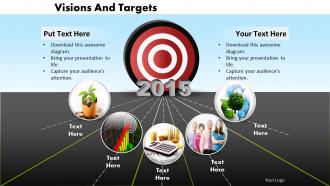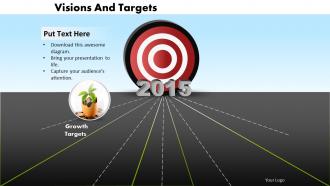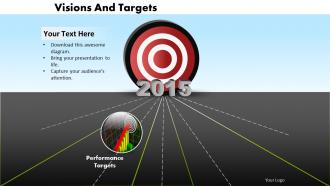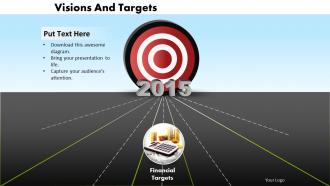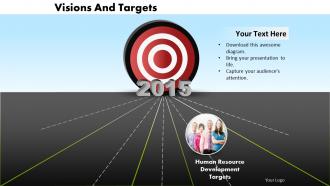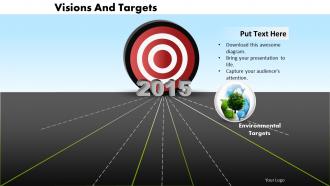
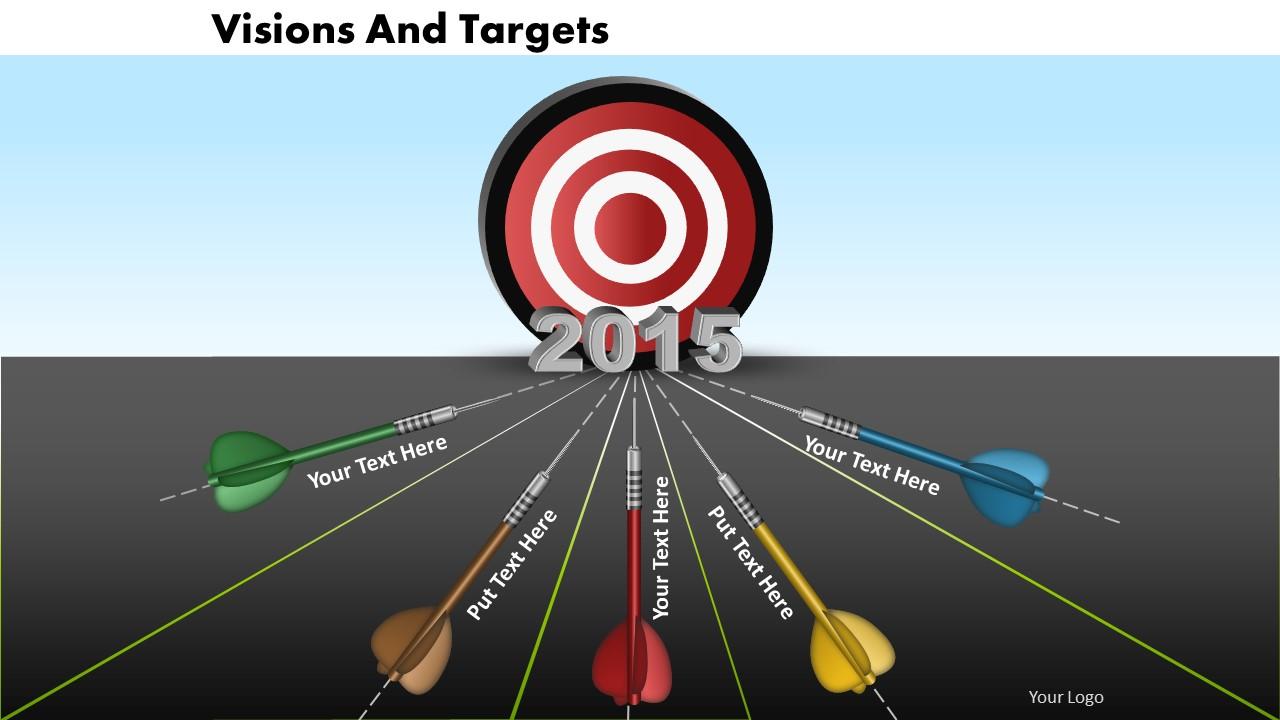
Vision et diagramme cible pour 2015 0214
Try Before you Buy Download Free Sample Product
Audience
Editable
of Time
Découvrez un nouveau monde avec notre vision et diagramme cible pour 2015 0214. Emmenez vos réflexions sur un voyage d'exploration.
Caractéristiques de ces diapositives de présentation PowerPoint :
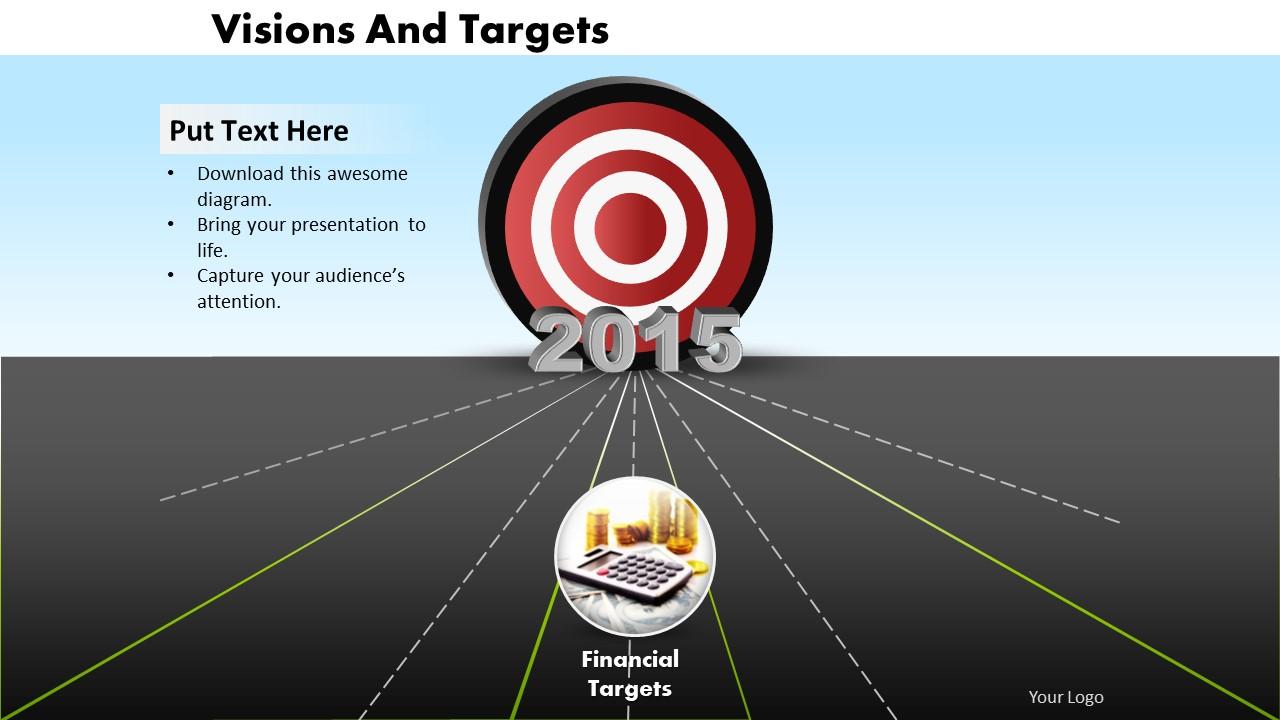
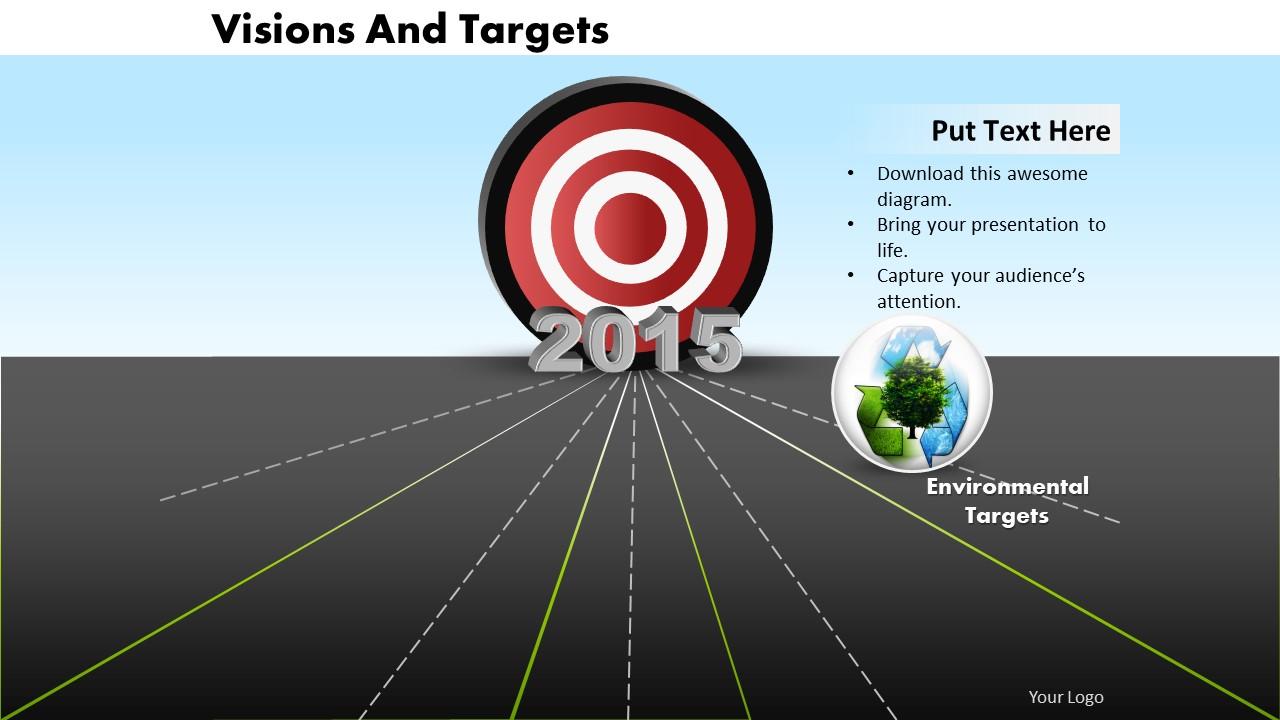
Nous sommes fiers de présenter notre vision et notre diagramme cible pour 2015 0214. Cette diapositive Power Point est spécialement conçue pour montrer la vision et la cible de tout processus commercial pour l'année 2015. Utilisez cette diapositive où vous devez vous concentrer sur la vision et la mission de l'année 2015.
People who downloaded this PowerPoint presentation also viewed the following :
Diagramme de vision et de cible pour 2015 0214 avec les 12 diapositives :
Notre vision et notre diagramme d'objectifs pour 2015 0214 sont conçus pour le plaisir. Ils sont conçus pour fasciner tout le monde.
FAQs for Vision and target diagram
Effective vision and target diagrams include clear strategic objectives, measurable performance indicators, timeline milestones, resource allocation plans, and stakeholder alignment frameworks. These components work together by establishing direction, tracking progress, and maintaining focus, with many organizations finding that well-structured diagrams enhance decision-making speed, improve team coordination, and ultimately deliver stronger competitive positioning in increasingly complex business environments.
A vision and target diagram enhances team communication by creating shared visual understanding, aligning diverse perspectives toward common objectives, and translating abstract goals into concrete, measurable targets. Through clear visual representation, teams streamline decision-making processes, reduce miscommunication, and maintain consistent focus on strategic priorities, with many organizations finding that these diagrams significantly improve collaboration and accountability across departments.
**INPUT**: What visual elements should be prioritized when creating a vision and target diagram? **OUTPUT**: Clear hierarchy, concentric circles or pyramid structures, consistent color coding, readable typography, and directional arrows should be prioritized when creating vision and target diagrams. These visual elements streamline communication by establishing focal points, guiding viewer attention through logical progressions, and ensuring accessibility across diverse audiences, with many organizations finding that well-designed diagrams significantly enhance strategic alignment and stakeholder engagement. [Word count: 58 words]
Aligning vision diagrams with organizational goals requires connecting strategic objectives to visual elements through consistent messaging, measurable outcomes, and stakeholder input. By mapping each diagram component to specific business priorities, departments can streamline communication, enhance strategic clarity, and ensure unified direction, with many organizations finding that visual alignment accelerates goal achievement and organizational focus.
PowerPoint, Visio, Lucidchart, Canva, and specialized presentation platforms like SlideTeam offer comprehensive capabilities for creating professional vision and target diagrams. These tools streamline diagram development through customizable templates, drag-and-drop functionality, and collaborative features, with many organizations finding that integrated presentation software delivers the most efficient workflow for strategic planning and stakeholder communication.
Industries that significantly benefit from vision and target diagrams include healthcare systems, financial services, manufacturing companies, technology firms, and retail organizations. These visual frameworks help streamline strategic planning by clarifying long-term objectives, aligning cross-functional teams, and tracking progress milestones, with many organizations finding that structured visual approaches enhance decision-making speed and operational efficiency.
Common mistakes include overcrowding diagrams with excessive detail, using vague or unmeasurable targets, failing to align vision with organizational capabilities, and creating overly complex hierarchies that confuse rather than clarify. These errors undermine strategic communication by obscuring priorities, reducing stakeholder buy-in, and hindering implementation, with many organizations finding that simpler, measurable frameworks deliver better results.
Creating engaging vision and target diagrams requires clear visual hierarchy, compelling storytelling elements, and audience-relevant content that resonates with stakeholders' priorities and goals. Strategic use of colors, concise messaging, and interactive elements helps maintain attention, while incorporating specific metrics, timelines, and actionable outcomes ensures your diagram delivers meaningful insights that drive decision-making and organizational alignment.
Color psychology significantly enhances vision and target diagram effectiveness by conveying emotional undertones, establishing visual hierarchy, and reinforcing brand identity through strategic palette choices. In corporate presentations, cool blues communicate trust and stability for long-term goals, while energetic reds emphasize urgency and action items, ultimately improving stakeholder engagement and message retention across diverse audiences.
Feedback and iteration enhance vision and target diagrams by identifying gaps in clarity, alignment, and actionability, enabling teams to refine messaging, adjust targets, and strengthen stakeholder buy-in. Through regular review cycles, organizations streamline communication effectiveness, minimize misinterpretation, and ensure strategic objectives remain relevant, with many companies finding that iterative refinement ultimately delivers greater team alignment and accelerated goal achievement.
Vision and target diagrams can be culturally adapted through localized color symbolism, culturally relevant imagery, hierarchical structures that reflect cultural values, and communication styles that resonate with specific audiences. Through thoughtful customization of visual elements, language preferences, and cultural metaphors, organizations can enhance stakeholder engagement across diverse markets, ultimately delivering more effective strategic communication and stronger organizational alignment in increasingly global business environments.
Measuring impact involves tracking key performance indicators like goal achievement rates, timeline adherence, stakeholder alignment scores, and resource allocation efficiency before and after implementation. Organizations typically find that teams using these visual frameworks demonstrate improved project completion rates, reduced scope creep, and enhanced communication clarity, ultimately delivering faster project cycles and better strategic outcomes.
Latest trends in visual storytelling for vision and target diagrams include interactive elements, data-driven narratives, minimalist design aesthetics, personalized customer journey mapping, and augmented reality integration. These approaches enhance stakeholder engagement by creating immersive experiences, streamlining complex information delivery, and enabling real-time collaboration, with many organizations finding that strategic visual communication ultimately drives better alignment and faster decision-making.
Vision and target diagrams facilitate strategic planning sessions by providing visual clarity for goal-setting, aligning stakeholders around shared objectives, and breaking down complex strategies into achievable milestones. These visual tools streamline discussions by enabling teams to map current positions against future targets, identify strategic gaps, and prioritize initiatives, with many organizations finding that visual frameworks significantly enhance participant engagement and strategic consensus-building.
Best practices for presenting vision and target diagrams include clear visual hierarchy, concise messaging, stakeholder-specific customization, interactive elements, and strategic storytelling that connects current state to future goals. These approaches enhance stakeholder engagement by simplifying complex strategies, facilitating meaningful discussions, and ensuring alignment across departments, with many organizations finding that well-designed presentations accelerate decision-making and drive strategic commitment.
-
Design layout is very impressive.
-
Great quality slides in rapid time.