

Warby Parker Investor Funding Elevator Pitch Deck Ppt Template





Try Before you Buy Download Free Sample Product
 Impress Your
 Audience
 100%
100% Editable
 Save Hours
 of Time


Discover our expertly crafted Warby Parker Investor Funding Elevator Pitch Deck pitch deck tailored for an eyewear retail company. This encompassing presentation highlights the challenges in the traditional eyewear industry and presents our companys critical solutions to overcome these hurdles. Additionally, the Investor Pitch Deck includes comprehensive insights into our wide array of products and services, crucial vital facts, a compelling, unique selling point, significant milestones, and testimonials from satisfied clients. We elucidate the robust business model, delineating various revenue streams, and conduct an in-depth competitive analysis. Moreover, the Pitch Deck provides an overview of our financial performance and projections and a clear investment ask for investor funding. Lastly, it also encompasses a strategic exit strategy, introduces the proficient team propelling our company, outlines the organizational structure, and presents the shareholding pattern after securing funding from potential shareholders. Get access to this 100 percentage editable template now.
People who downloaded this PowerPoint presentation also viewed the following :
Content of this Powerpoint Presentation
Slide 1: This slide introduces Warby Parker Investor Funding Elevator Pitch Deck. State your company name and begin.
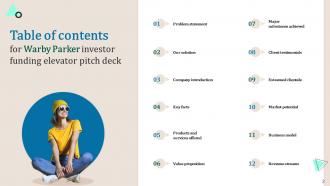
Slide 2: This slide shows Table of Content for the presentation.
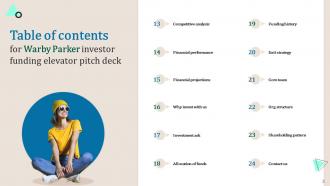
Slide 3: This slide continues showing Table of Content for the presentation.
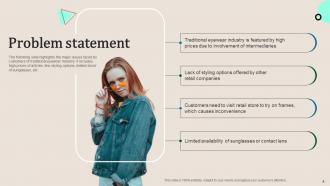
Slide 4: This slide highlights the major issues faced by customers of traditional eyewear industry. It includes high prices of articles, few styling options etc.
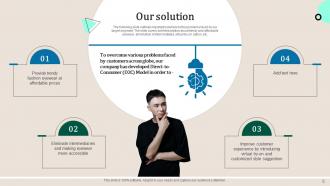
Slide 5: This slide outlines important solutions to the problems faced by our target segment. The slide covers brief description about trendy and affordable eyewear etc.
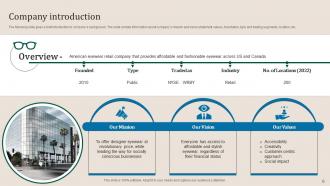
Slide 6: This slide gives a brief introduction to company’s background. The slide contain information about company’s mission and vision statement etc.
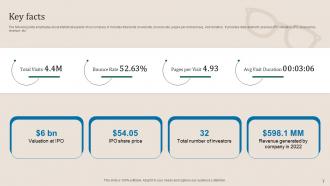
Slide 7: This slide emphasise about statistical aspects of our company. It includes total visits on website, bounce rate, pages per visit and avg. visit duration.
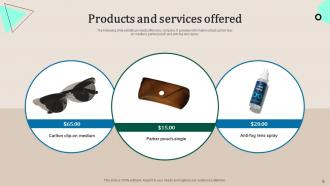
Slide 8: This slide exhibits products offered by company. It provides information about carbon clip-on medium, parker pouch and anti-fog lens spray.
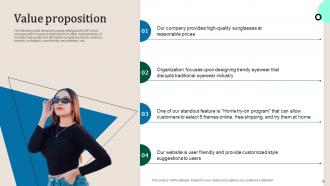
Slide 9: This slide describes unique selling point(USP) of our company which makes it distinctive from other market leaders.
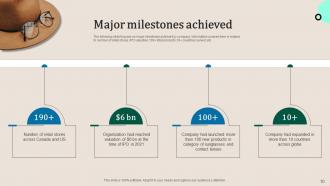
Slide 10: This slide focuses on major milestones achieved by company. Information covered here is related to number of retail stores, IPO valuation etc.
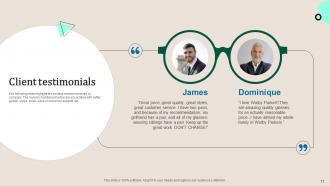
Slide 11: This slide highlight the positive reviews received by company. The reviews mentioned below are associated with better quality, styles etc.
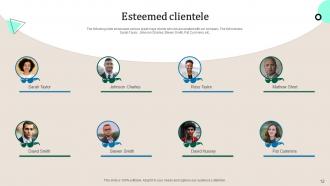
Slide 12: This slide showcases various great major clients who are associated with our company. The list includes Sarah Taylor, Johnson Charles, Steven Smith, Pat Cummins, etc.
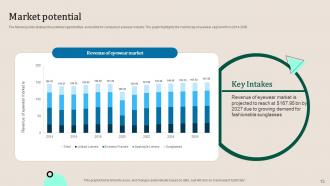
Slide 13: This slide displays the potential opportunities accessible for company in eyewear industry. The graph highlights the market cap of eyewear segment from 2014-2026.
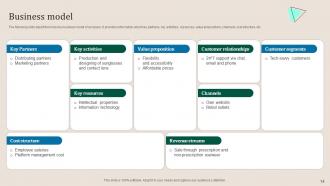
Slide 14: This slide depicts the inclusive business model of company. It provides information about key partners, key activities, resources etc.
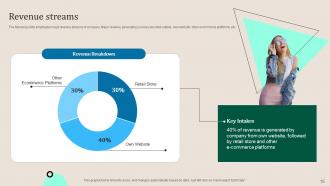
Slide 15: This slide emphasise major revenue streams of company. Major revenue generating sources are retail outlets, own website, other ecommerce platforms, etc.
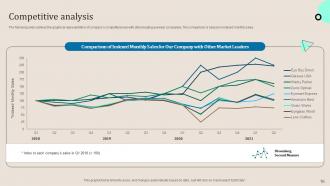
Slide 16: This slide outlines the graphical representation of company’s competitiveness with other leading eyewear companies. The comparison is based on indexed monthly sales.
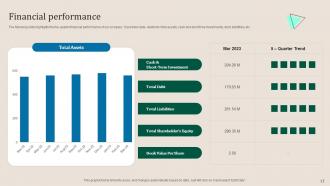
Slide 17: This slide highlights the five quarter financial performance of our company. It provides data related to total assets, cash and short time investments etc.
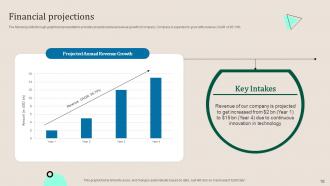
Slide 18: This slide through graphical representation provides projected annual revenue growth of company. Company is expected to grow with revenue CAGR of 95.74%
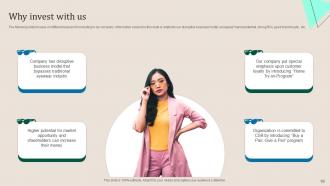
Slide 19: This slide focuses on different reasons for investing in our company. Information covered in this slide is related to our disruptive business model etc.
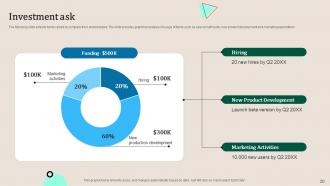
Slide 20: This slide exhibits funds raised by company from shareholders. The slide provides graphical analysis of usage of funds such as new recruitments etc.
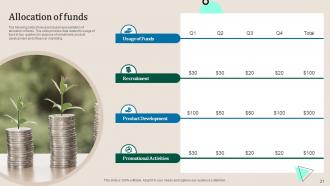
Slide 21: This slide showcase tabular representation of allocation of funds. This slide provides data related to usage of fund in four quarters for purpose of recruitment.
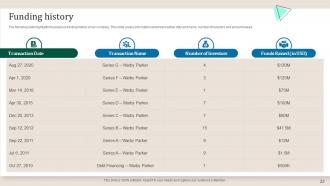
Slide 22: This slide highlights the previous funding history of our company. This slide covers information about transaction date and name, number of investors and amount raised.
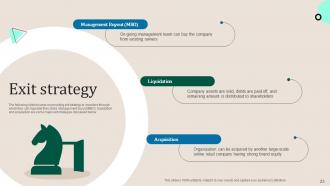
Slide 23: This slide focuses on providing exit strategy to investors through which they can liquidate their stake. Management buyout(MBO) etc.
Slide 24: This slide showcases the core founders of the company. Chief stakeholders mentioned in the slide are David Gilboa and Neil Blumenthal.
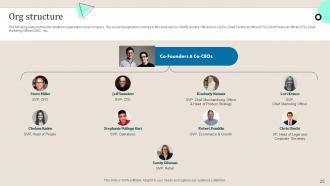
Slide 25: This slide portrays the stratified organisation of our company. The crucial designations covered in this slide are Co-Chief Executive Officers(Co-CEOs) etc.
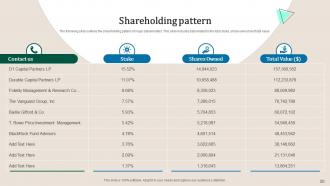
Slide 26: This slide outlines the shareholding pattern of major stakeholders. This slide includes data related to the total stake, share owned and total value.
Slide 27: This is a Thank You slide with address, contact numbers and email address.
Slide 28: This slide shows all the icons included in the presentation.
Slide 29: This slide is titled as Additional Slides for moving forward.
Slide 30: This slide contains Puzzle with related icons and text.
Slide 31: This slide provides 30 60 90 Days Plan with text boxes.
Slide 32: This slide presents Roadmap with additional textboxes.
Slide 33: This is a Timeline slide. Show data related to time intervals here.
Slide 34: This slide shows Post It Notes for reminders and deadlines. Post your important notes here.
Slide 35: This is Our Target slide. State your targets here.
Slide 36: This slide depicts Venn diagram with text boxes.
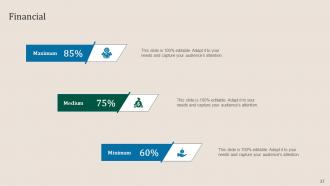
Slide 37: This is a financial slide. Show your finance related stuff here.
Slide 38: This is Our Vision, Mission & Goal slide.
Warby Parker Investor Funding Elevator Pitch Deck Ppt Template with all 46 slides:
Use our Warby Parker Investor Funding Elevator Pitch Deck Ppt Template to effectively help you save your valuable time. They are readymade to fit into any presentation structure.














FAQs for Warby Parker Investor Funding Elevator Pitch
So Warby Parker was basically going up against Luxottica - this massive monopoly that controlled like everything in eyewear. Crazy ambitious, right? They needed tons of cash to build their whole supply chain from scratch, plus fund that try-at-home thing everyone loves now. The money also went toward opening actual stores later and marketing to people who were sick of paying $300+ for frames. Without that funding, they couldn't have scaled fast enough to actually compete. It's wild how they mixed online with physical retail - totally changed the game.
So Warby Parker raised a crazy amount early on - like $290M+ through multiple VC rounds to compete with the big eyewear companies. Smart move honestly. They started with seed money in 2010, then did the usual Series A, B, C thing through the 2010s. Instead of a traditional IPO though, they went public via direct listing in 2021 which was kinda interesting. Their whole strategy was basically burn money on customer acquisition first, worry about profits later. Classic growth playbook. If you're studying their approach, definitely look at how they managed growth spending while keeping their unit economics from going completely sideways.
Honestly, VCs were huge for Warby Parker's success. General Catalyst and Tiger Global threw serious money at them - we're talking millions for inventory, manufacturing, all those trendy stores. Without that cash, they'd still be selling like 10 pairs online from someone's apartment lol. The funding wasn't just about money though. These firms brought connections and strategy advice that helped them expand globally and actually compete with the big players. Wild how much capital it takes to shake up an entire industry. If you're considering VC money, definitely look at how they spent it smart instead of just blowing through rounds.
Yeah so their investors totally influence the big decisions - board approval and all that. VCs want growth, which is why you see them opening more stores and pushing new products. The founders still have control though, so they're not completely at investors' mercy. Those industry connections help too (like that T-Mobile thing). Honestly, I think they've done a decent job balancing profit pressure with their whole "good glasses for everyone" vibe. You can usually tell what investors are pushing for by checking their quarterly updates - it's pretty obvious which priorities they're focusing on that quarter.
Oh man, that funding totally changed their game. They went from scrappy social media posts to those massive influencer deals and pop-ups literally everywhere. The "try before you buy" thing was probably crazy expensive but honestly brilliant for getting people hooked. Suddenly they could throw money at podcasts, TV spots - all that stuff they couldn't touch before. What's wild is how they broke out of just targeting hipsters, you know? More cash meant testing those pricier marketing channels that actually moved the needle. Smart move overall.
Oh Warby Parker's brilliant at this - they basically turned sustainability into their secret weapon with investors. Instead of treating it like some expensive side project, they show how carbon neutral shipping and that "Buy a Pair, Give a Pair" thing actually drives sales. Makes sense when you think about it. ESG investing is everywhere these days, so they're hitting two birds with one stone. The trick is showing actual numbers - like how their green stuff brings in customers and keeps them coming back. Don't just talk about saving the planet (though that's nice too). Lead with the money angle first.
So Warby Parker investors are basically obsessed with customer acquisition costs versus lifetime value - that's the big one. Revenue per customer matters too, obviously. The whole direct-to-consumer thing means they really need to nail their unit economics or investors get nervous. Store expansion numbers are huge since they're doing both online and physical locations now. Digital conversion rates, repeat purchases - all that stuff gets tracked religiously. Honestly, I'd probably start with those CAC-to-LTV ratios if you're digging into their performance. That's where you'll see if they're actually building something sustainable or just burning cash.
So basically Warby Parker uses all that investor cash to keep glasses cheap for us instead of jacking up prices. Smart, right? They pitched investors on disrupting the whole eyewear racket - those prices were honestly insane before. That funding covers their stores, inventory, the whole direct-to-consumer thing without bumping up what you pay. You're still getting glasses for like $95-$145 because venture capital is basically subsidizing your prescription. Pretty sweet deal if you ask me.
So Warby Parker basically used their money to fix the whole "buying glasses online sucks" problem. They created that try-at-home thing where you get 5 frames shipped free - genius honestly. Plus they opened like 200+ stores so you're not gambling on how you'll look. The funding also went into virtual try-on tech and same-day delivery in big cities. Oh, and they nailed the whole online-meets-physical store experience. If you're studying retail businesses, they're pretty much the textbook example of removing friction points. Smart use of capital.
Yeah, Warby Parker's done pretty well considering everything that's happened. The pandemic hit them like everyone else - investors got way more picky, valuations dropped, and people started questioning whether opening physical stores was smart (spoiler: expensive). But honestly? Their business model is solid. People always need glasses, which helped them way more than luxury brands during rough patches. Plus that whole direct-to-consumer thing worked in their favor. I'd keep watching how they handle the growth vs. profit balance though - that's what's really making investors nervous these days. Their stock's been all over the place lately.
Honestly, investors think Warby Parker's in a pretty good spot right now. They've built solid brand recognition that's tough to copy overnight. But yeah, competition's heating up - you've got Luxottica still crushing it in retail, plus newer brands like Zenni undercutting everyone on price. Their physical stores actually help them stand out from the online-only players, which is smart. The real worry seems to be those super cheap competitors putting pressure on margins. I'd watch how they handle pricing wars if you're thinking about the stock.
Honestly, Warby Parker has tons of options for funding their expansion. Venture debt would be cheapest, or they could partner with international retailers. Amazon or Luxottica might even try acquiring them - though that's probably a long shot. Revenue-based financing could work too since their D2C model has pretty steady cash flows. Watch their quarterly calls if you really want to predict their next move. They always drop hints about funding when talking expansion timelines. International growth and opening more physical stores are where they'll need the most cash, so that's your tell.
Warby Parker's whole "Buy a Pair, Give a Pair" thing has VCs throwing money at them because it proves social impact can actually boost profits. Mission-driven startups are having a moment right now - better retention, crazy loyal customers, and honestly the VCs look good backing them. They've pulled in over $500M by showing their giving program drives growth instead of eating into margins. The key thing (and this matters way more than people think) is making sure your mission isn't just feel-good fluff. It needs to be your actual competitive edge and tied directly to how you make money.
Honestly, Warby Parker nailed this. Their funding rounds basically proved their whole underdog story against the big eyewear companies was legit. Smart VCs backing them made everyone take their direct-to-consumer thing seriously. Plus the "buy a pair, give a pair" mission didn't hurt either. All that money let them build those gorgeous stores and create an actually good customer experience - stuff that costs real money. What I love is they didn't lose their scrappy vibe even after getting huge. If you're watching other DTC brands, see how they handle growing without selling out their original identity.
Warby Parker pulled in $290+ million in VC funding, which is wild compared to how traditional eyewear companies did things. LensCrafters and those guys just bootstrapped or got small business loans - totally different game. They grew slowly through franchising and steady cash flow. Warby Parker had to burn investor money building their whole direct-to-consumer thing from nothing. Makes sense though. You can't exactly bootstrap a home try-on program or massive online customer acquisition - that stuff's expensive. Traditional retailers didn't need crazy tech infrastructure either. It's honestly two completely different approaches to the same market.
-
Their designing team is so expert in making tailored templates. They craft the exact thing I have in my mind…..really happy.
-
Wow! The design and quality of templates on SlideTeam are simply the best.