Vorschlagsdokument für Website-Entwicklung Powerpoint-Präsentationsfolien

Rating:
90%
Slide 1 of 35
Favourites Favourites

Try Before you Buy Download Free Sample Product

Audience Impress Your
Audience
Editable 100%
Editable
Time Save Hours
of Time
The Biggest Sale is ending soon in
0
0
:
0
0
:
0
0
Rating:
90%

Merkmale dieser PowerPoint-Präsentationsfolien:

Präsentieren eines Website-Entwicklungsvorschlagsdokuments PowerPoint-Präsentationsfolien. Die Präsentation enthält einen kompletten Satz von 35 hochauflösenden Präsentationsfolien. Kunden haben die Möglichkeit, den PPT-Hintergrund, die Schriftart, den Text usw. zu ändern. Sie können das PPT sowohl im Breitbild- (16:9) als auch im Standard-Seitenverhältnis (4:3) herunterladen. Von Text bis Video, Animation bis Logo alles einfügen. Die PPT-Folien sind mit den Formaten Google Slides, PDF und JPG kompatibel.
Inhalt dieser Powerpoint-Präsentation

Folie 1 : Diese Folie stellt das Vorschlagsdokument für die Website-Entwicklung vor. Geben Sie Ihren Firmennamen an und beginnen Sie.
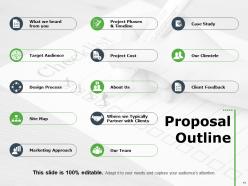
Folie 2 : Diese Folie präsentiert eine Angebotsskizze, bestehend aus: Was wir von Ihnen gehört haben, Zielgruppe, Designprozess, Sitemap, Marketingansatz, Projektphasen und Zeitleiste, Projektkosten, Über uns, Wo wir normalerweise mit Kunden zusammenarbeiten, Unser Team, Fallstudie, Unsere Kundschaft, Kundenfeedback.
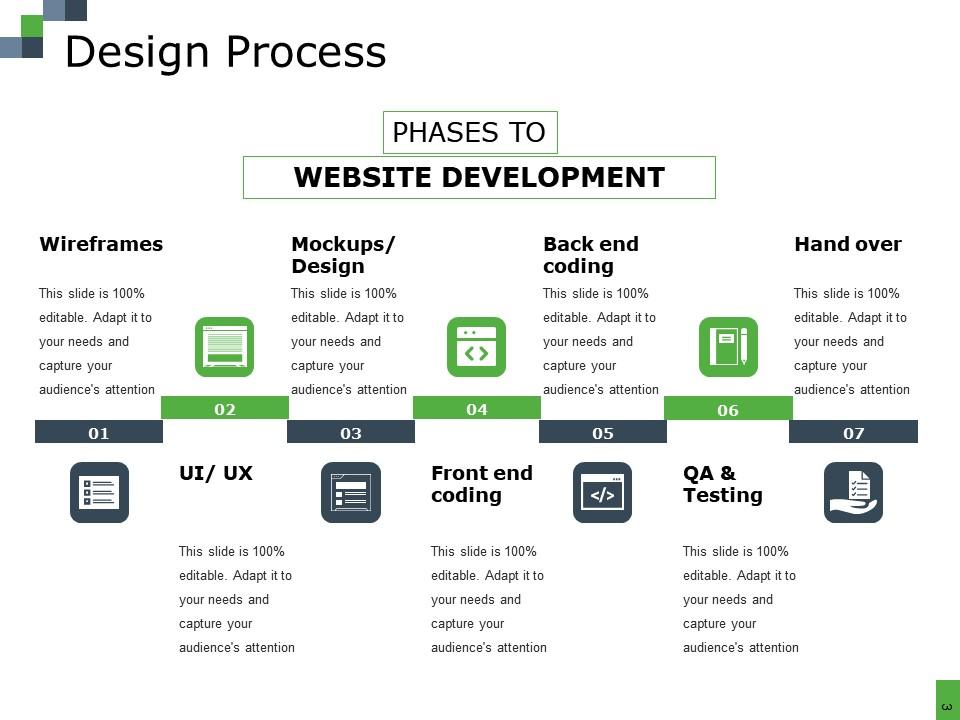
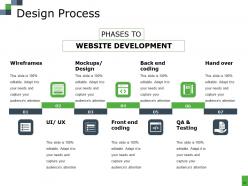
Folie 3 : Dies ist eine Designprozessfolie, die die PHASEN DER WEBSITE-ENTWICKLUNG zeigt. Diese Phasen sind: Wireframes, Front-End-Codierung, Mockups/Design, QA & Testing, Back-End-Codierung, Übergabe, UI/UX.
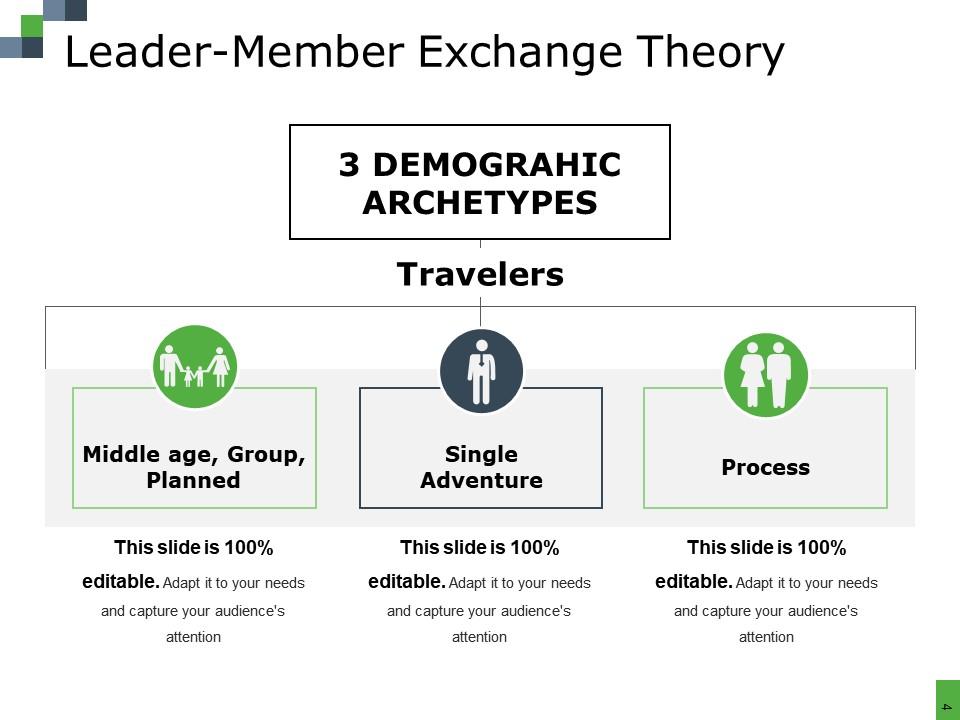
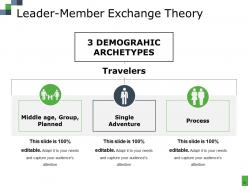
Folie 4 : Dies ist eine Folie zur Theorie des Leader-Member-Austauschs, die 3 DEMOGRAHISCHE ARCHETYPEN zeigt - Mittelalter, Gruppe, Geplant, Einzelabenteuer, Prozess.
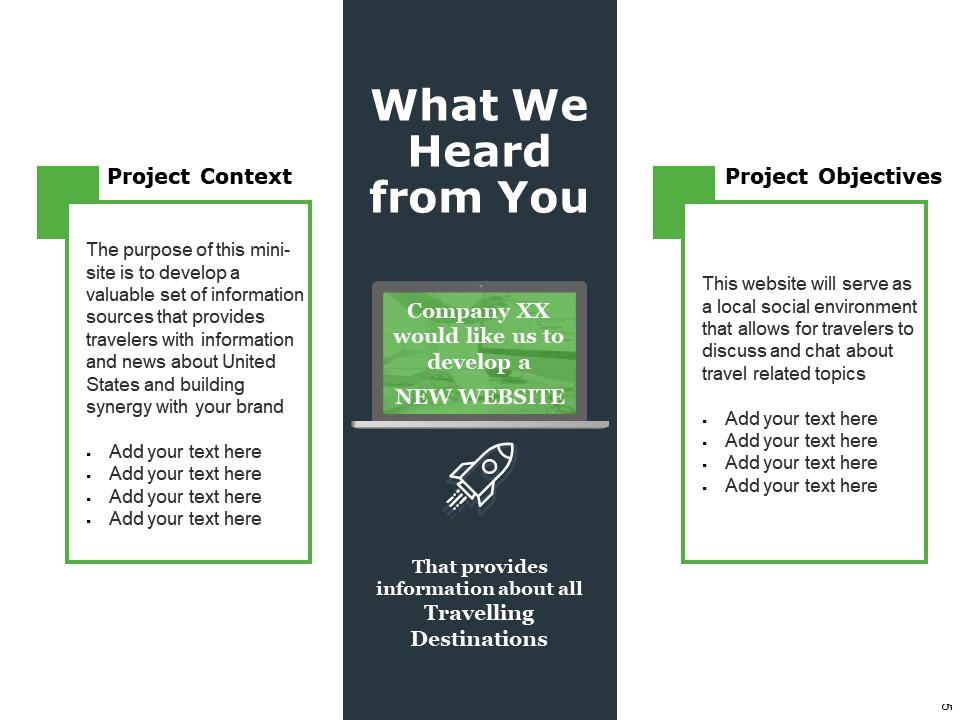
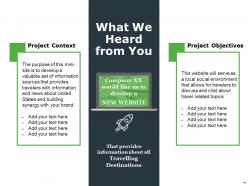
Folie 5 : Dies ist, was wir von Ihrer Folie mit-Projektkontext, Projektziele gehört haben.
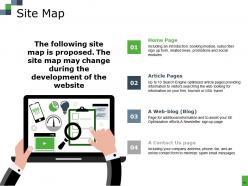
Folie 6 : Diese Folie zeigt eine Site Map bestehend aus – Homepage, Artikelseiten, einem Web-Blog (Blog), einer Kontaktseite.
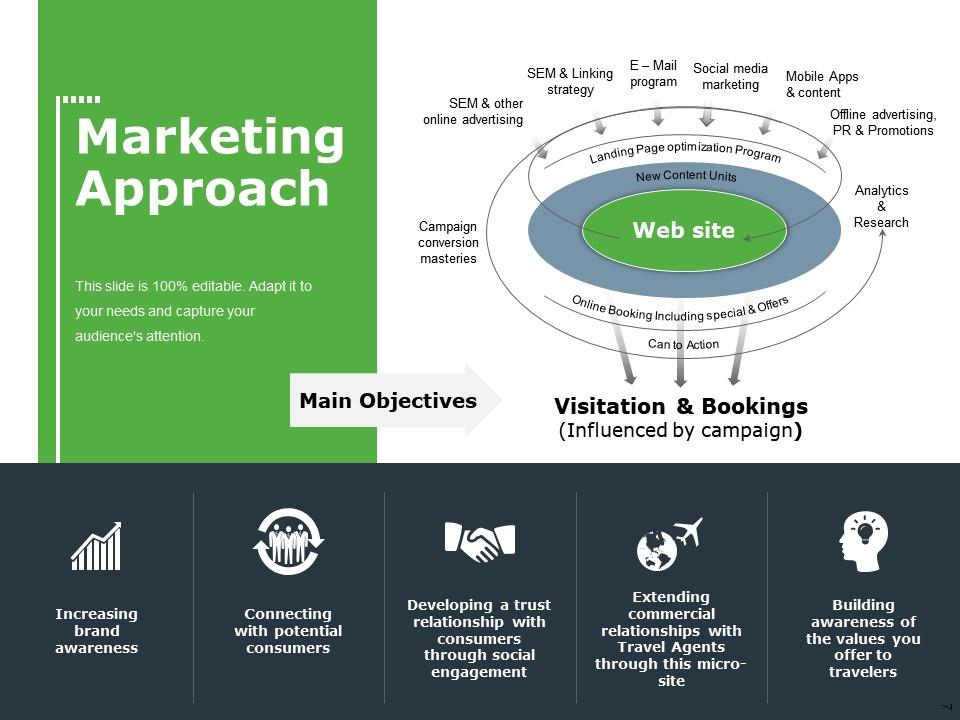
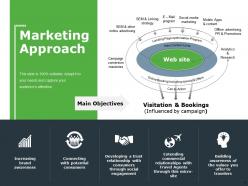
Folie 7 : Diese Folie zeigt den Marketingansatz. Präsentieren Sie hier Ihren eigenen Marketingansatz.
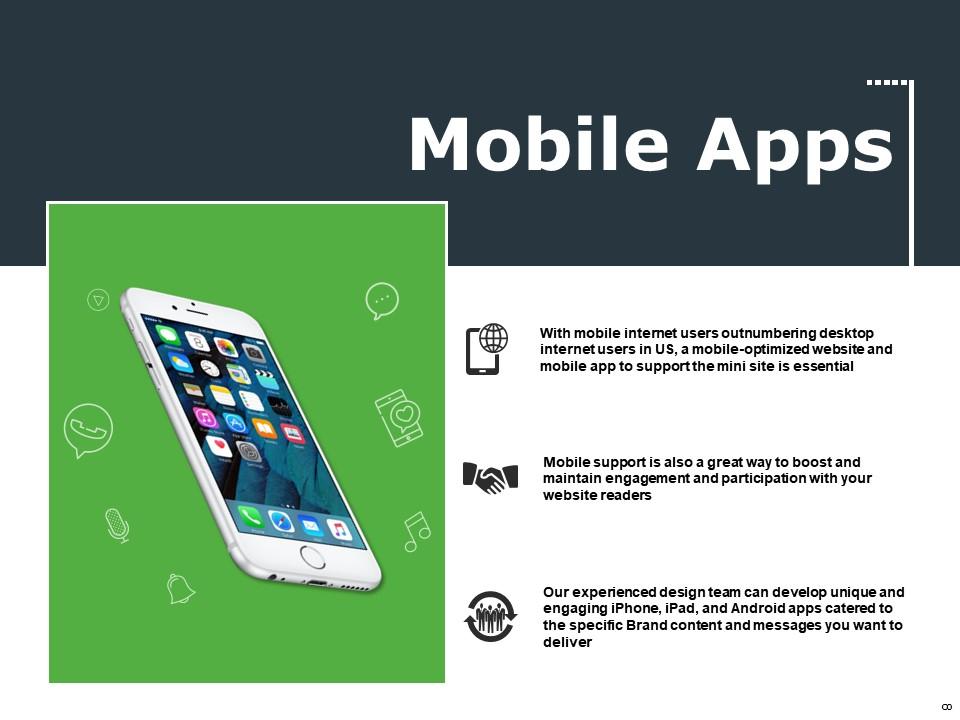
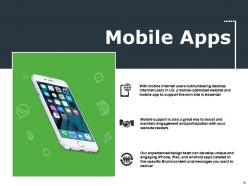
Folie 8 : Dies ist eine Mobile Apps-Folie mit Bildern.
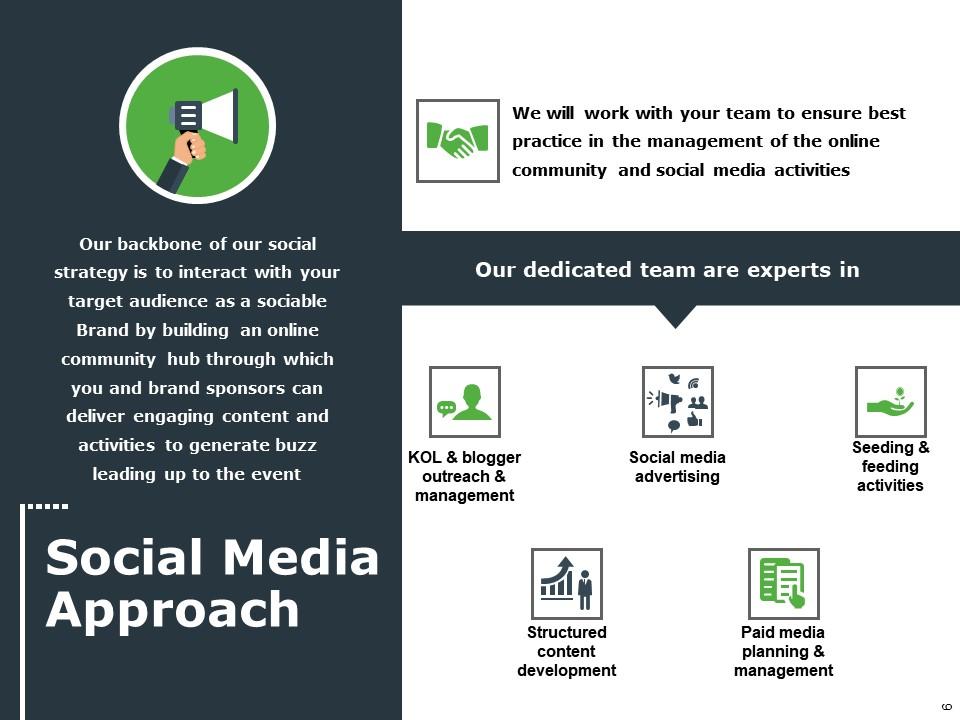
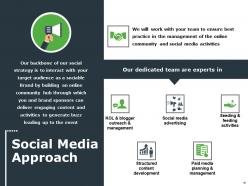
Folie 9 : Diese Folie zeigt den Social Media-Ansatz.
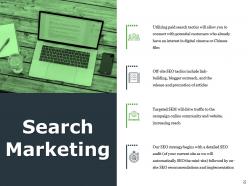
Folie 10 : Dies ist die Suchmarketing-Folie. Verwenden Sie es gemäß Ihren geschäftlichen Anforderungen.
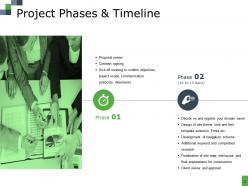
Folie 11 : Diese Folie zeigt Projektphasen und Zeitleiste. Wir haben 2 Phasen erwähnt, Sie können sie nach Ihren Wünschen ändern.
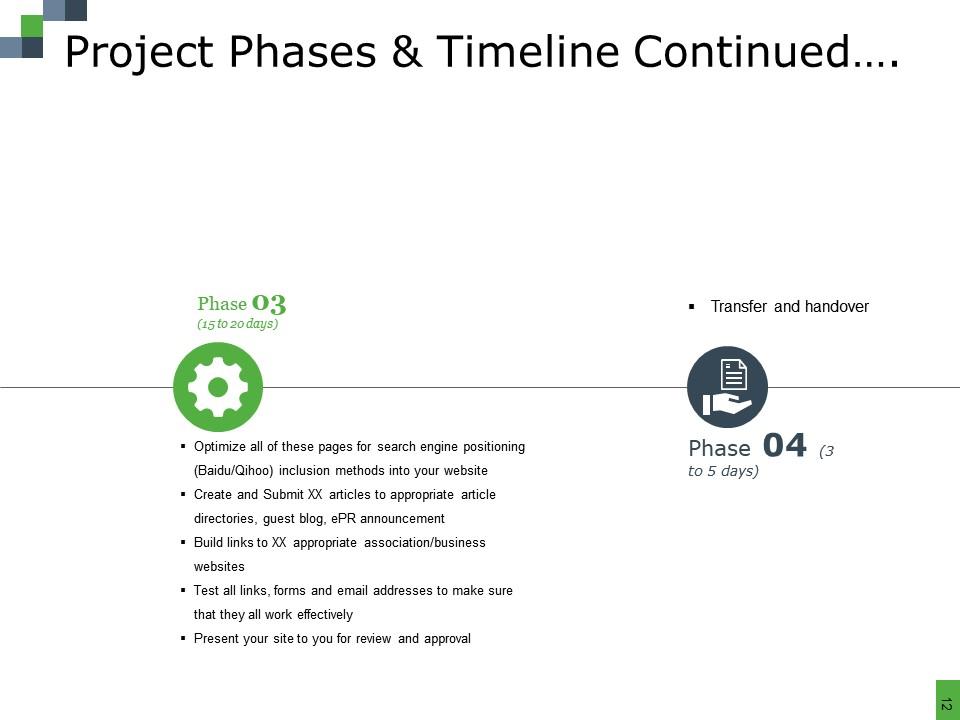
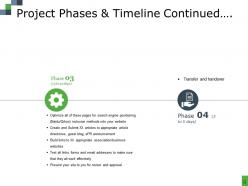
Folie 12 : Diese Folie zeigt auch Projektphasen und Zeitleiste mit Phase 03 (15 bis 20 Tage) und Phase 04 (3 bis 5 Tage).
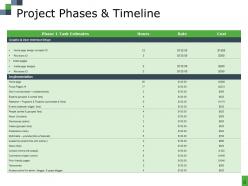
Folie 13 : Dies ist eine weitere Folie, die Projektphasen und Zeitleiste in tabellarischer Form zeigt.
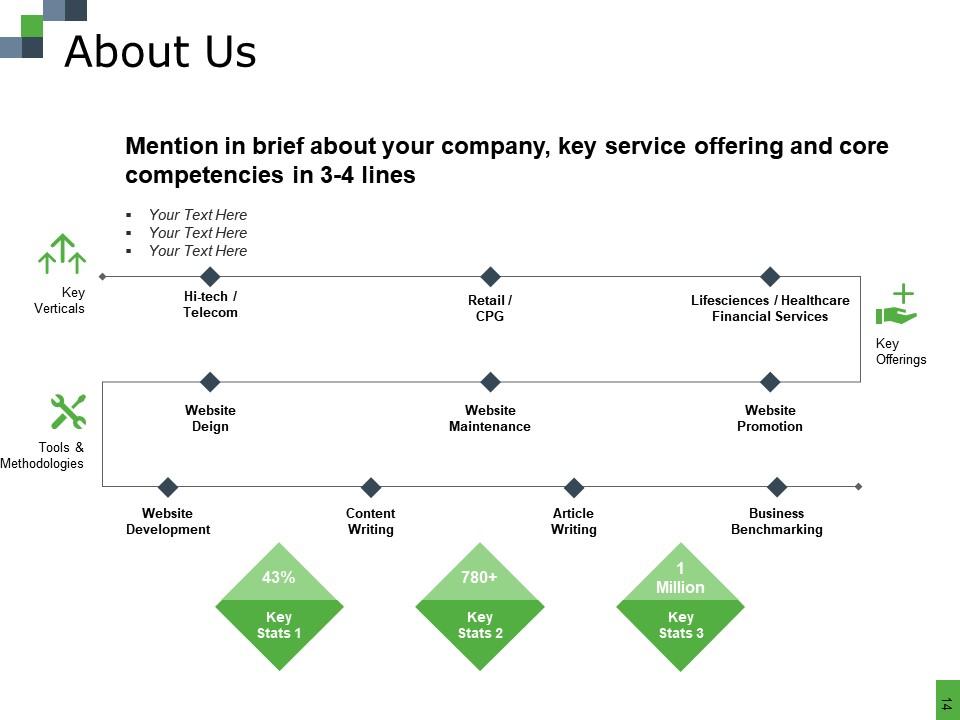
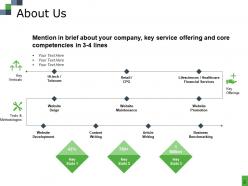
Folie 14 : Dies ist eine Über uns-Folie mit Tools & Methodologien, Key Verticals, Key Offerings.
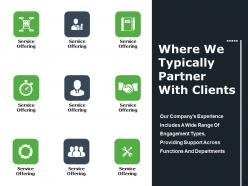
Folie 15 : Diese Folie zeigt, wo wir normalerweise mit Kunden in Bezug auf das Serviceangebot zusammenarbeiten.
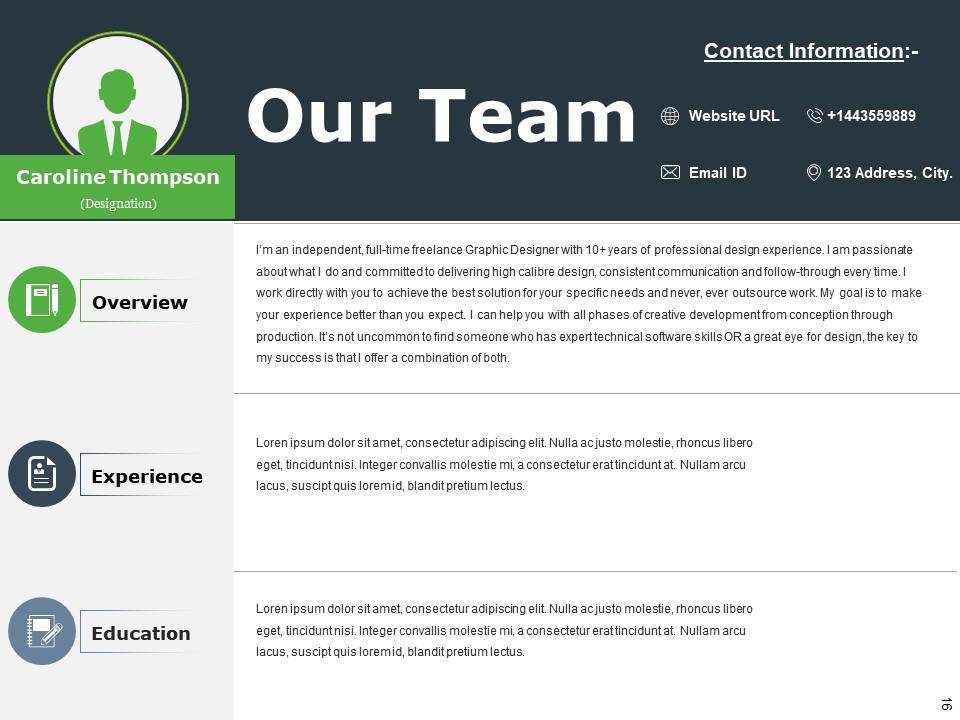
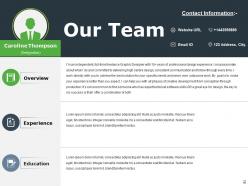
Folie 16 : Dies ist die Folienbeschreibung unseres Teams – Übersicht, Erfahrung, Ausbildung. Es besteht auch aus Kontaktinformationen. Modifizieren/ändern Sie nach Bedarf.
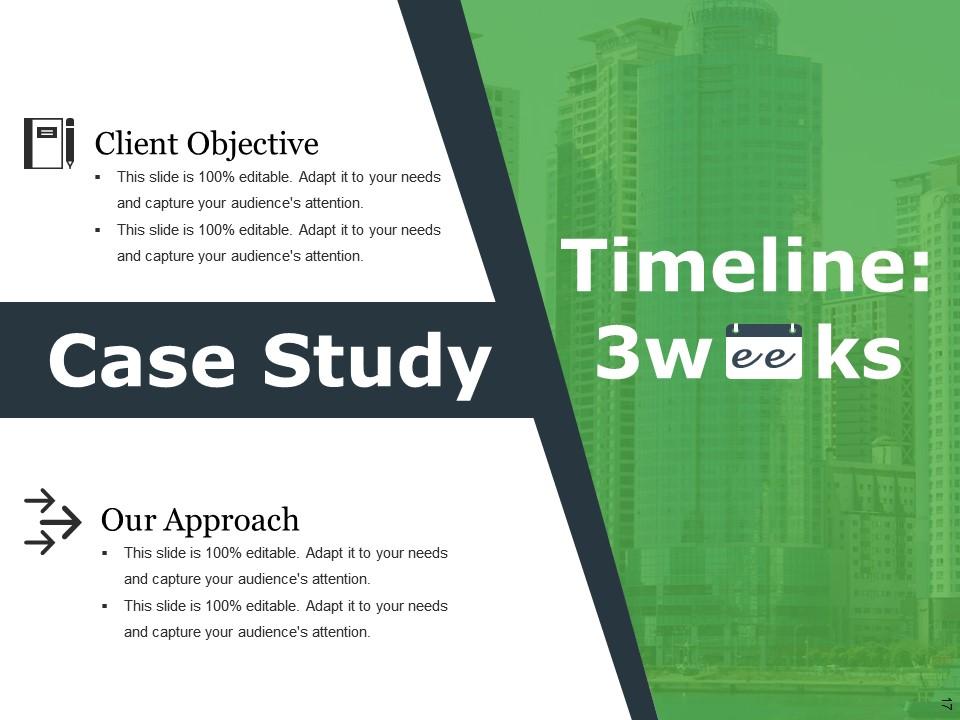
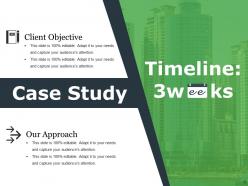
Folie 17 : Dies ist eine Zeitleiste einer Fallstudie, die unseren Ansatz und das Kundenziel zeigt.
Folie 18 : Dies ist unsere Kundenfolie. Präsentieren Sie Ihre Kundschaft hier mit Symbolbildern.
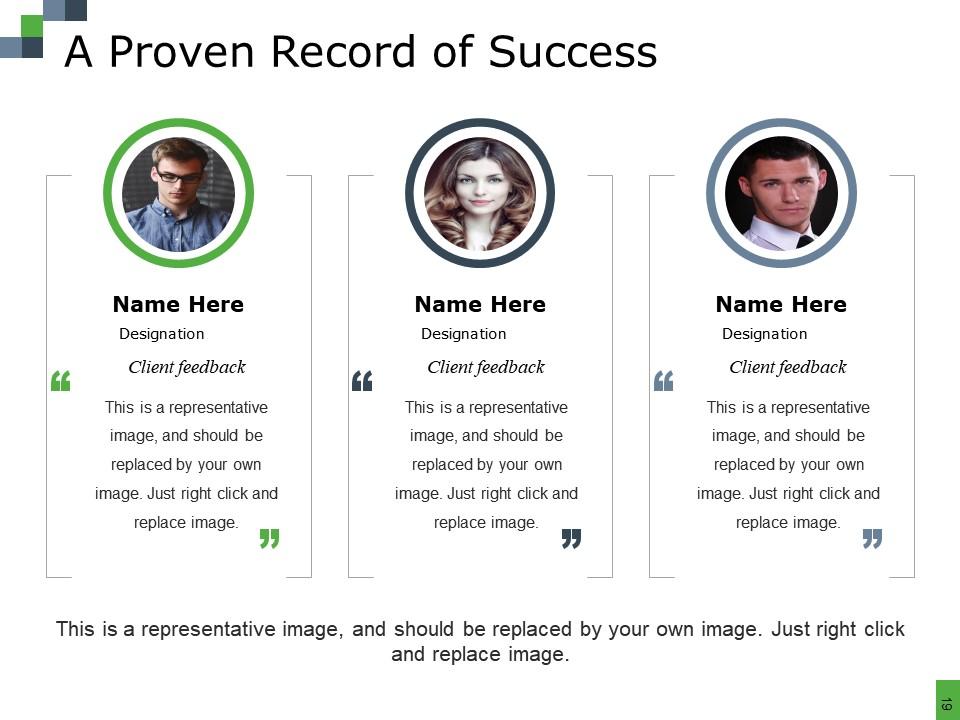
Folie 19 : Diese Folie präsentiert eine nachgewiesene Erfolgsgeschichte mit Namen und Bezeichnung zum Ausfüllen.
Folie 20 : Dies ist eine Kontaktdetailfolie mit 'UNTERNEHMENSLOGO', Kontaktdetails usw.
Folie 21 : Dies ist eine Kaffeepausen-Folie zum Anhalten. Ändern/ändern Sie den Inhalt nach Bedarf.
Folie 22 : Diese Folie trägt den Titel Unsere Grafiken und Diagramme, um fortzufahren.
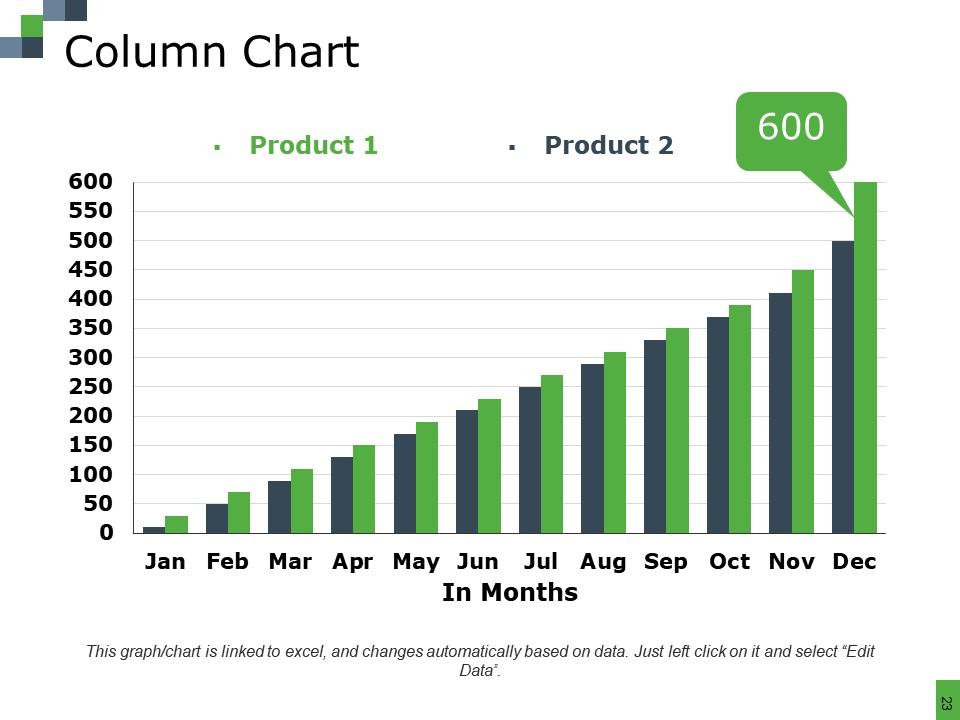
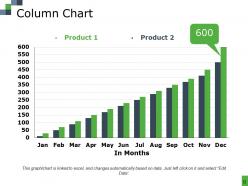
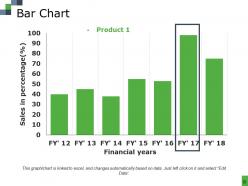
Folie 23 : Dies ist eine Säulendiagrammfolie, die den Vergleich zweier Entitäten zeigt.
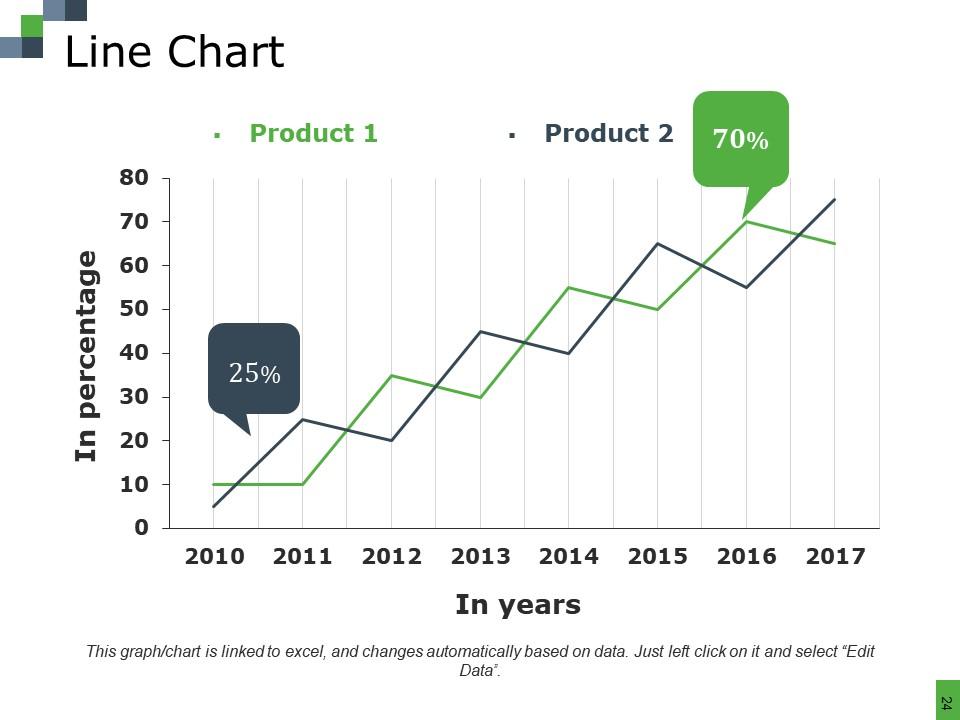
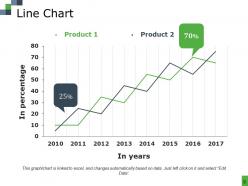
Folie 24 : Dies ist eine Liniendiagrammfolie, die den Vergleich von Entitäten zeigt.
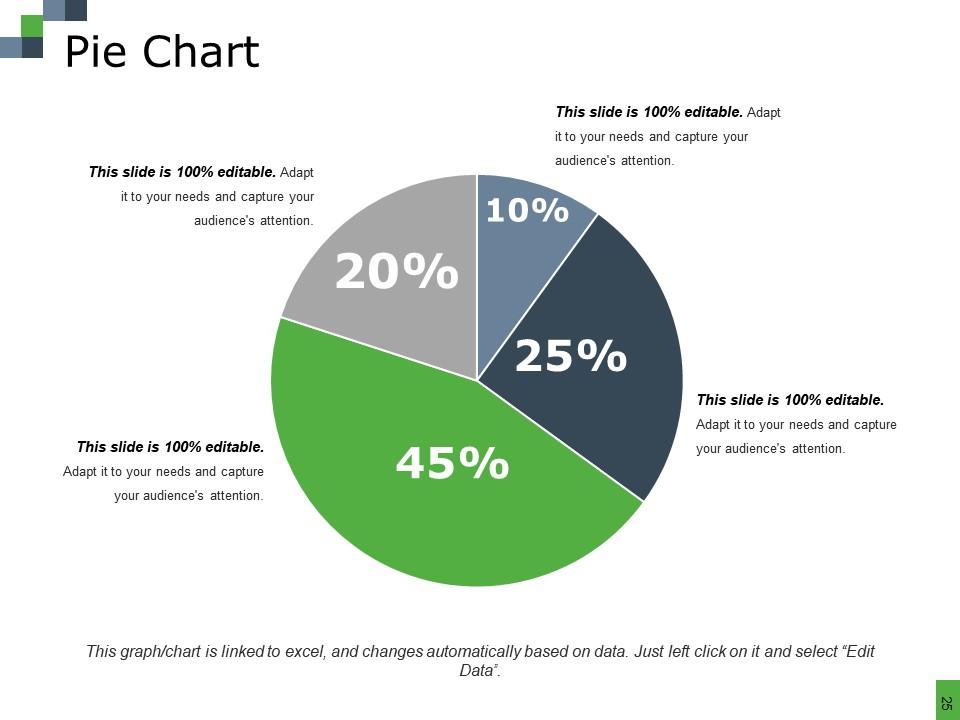
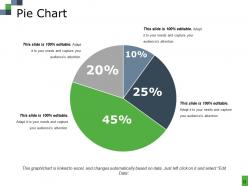
Folie 25 : Dies ist eine Kreisdiagrammfolie, um verschiedene Aspekte zum Vergleich vorzustellen.
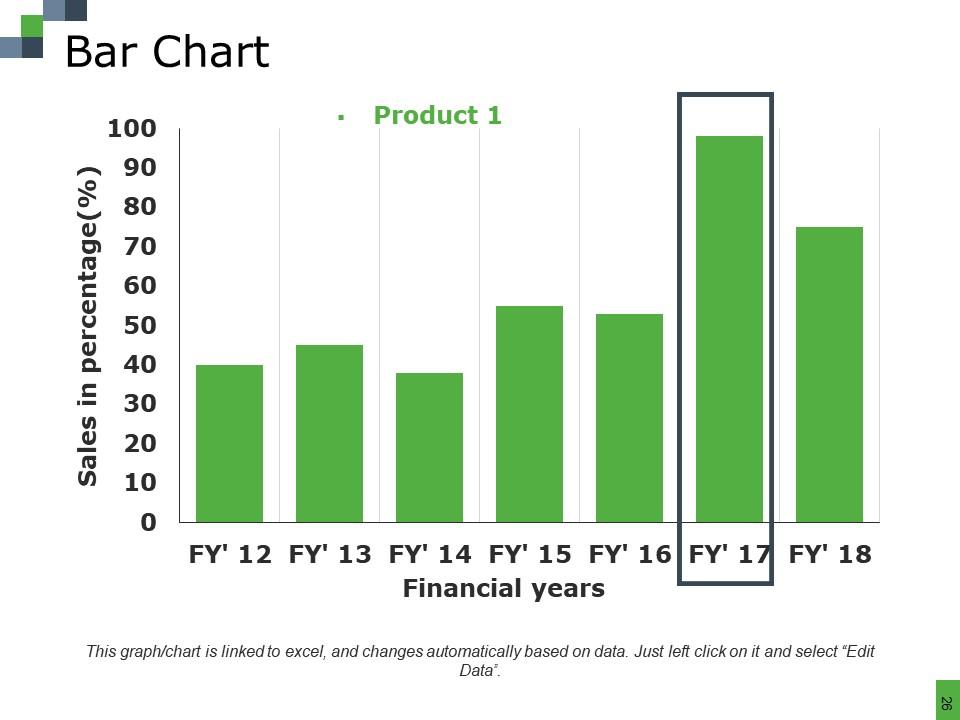
Folie 26 : Dies ist eine Balkendiagrammfolie, um den Vergleich von Produkten/Einheiten, Spezifikationen usw.
Folie 27 : Diese Folie trägt den Titel Zusätzliche Folien. Sie können den Folieninhalt nach Ihren Wünschen ändern.
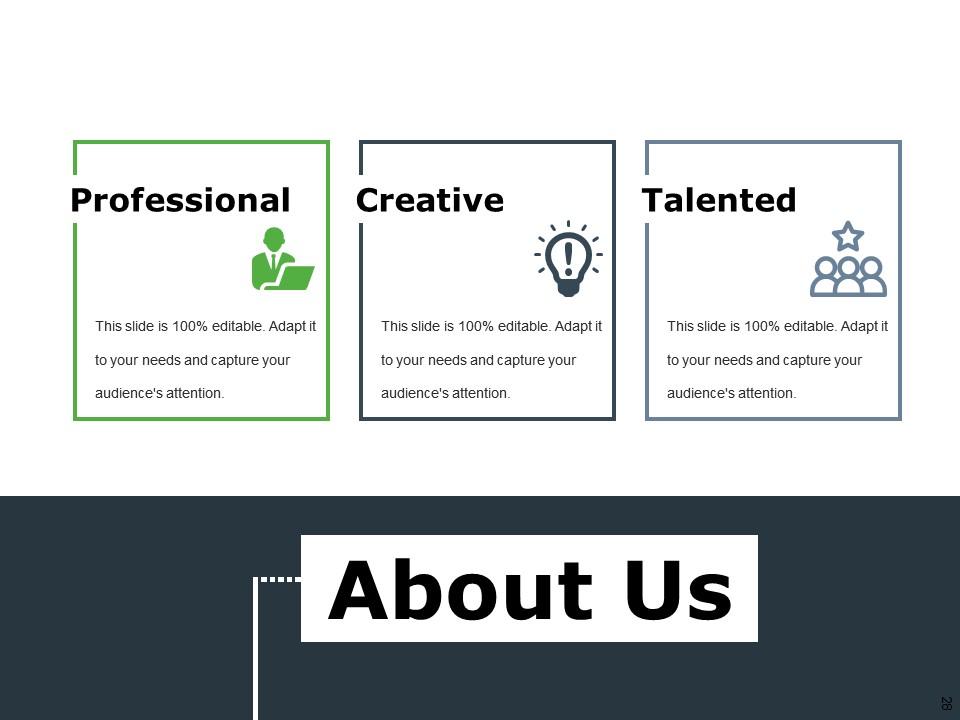
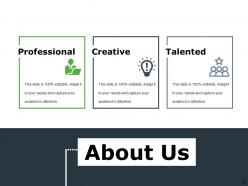
Folie 28 : Dies ist eine Über uns-Folie, die als Beispiele Professional, Creative und Talented zeigt.
Folie 29 : Dies ist die Folie „Meet unser Team“ mit Namen und Bezeichnung.
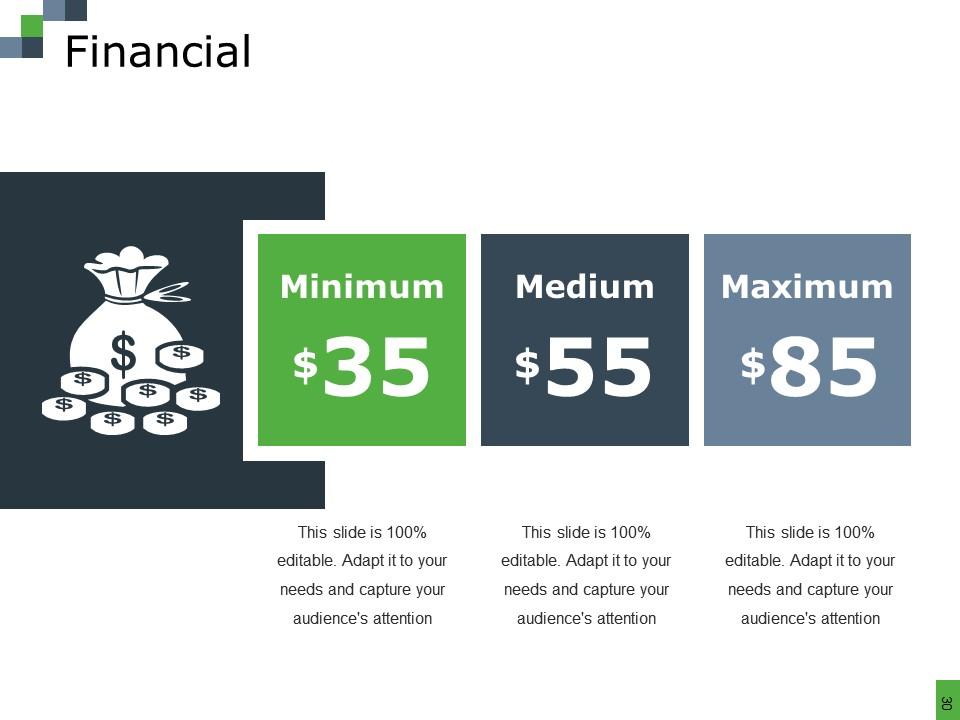
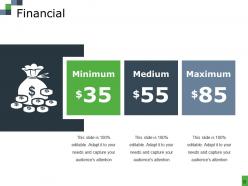
Folie 30 : Dies ist eine Folie zur Finanzbewertung, die hier die finanziellen Aspekte zeigt.
Folie 31 : Dies ist die Folie „Unser Ziel“. Geben Sie hier Ihre Ziele an.
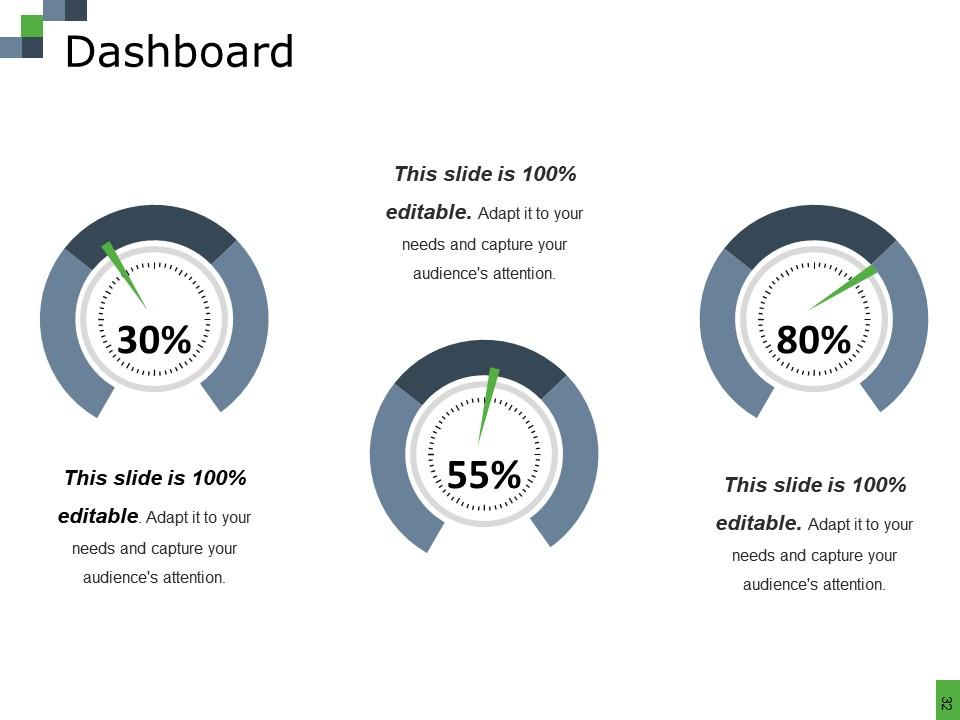
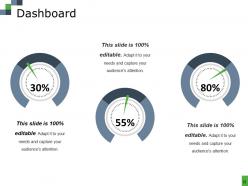
Folie 32 : Dies ist eine Dashboard-Folie zur Angabe von Metriken, KPIs usw.
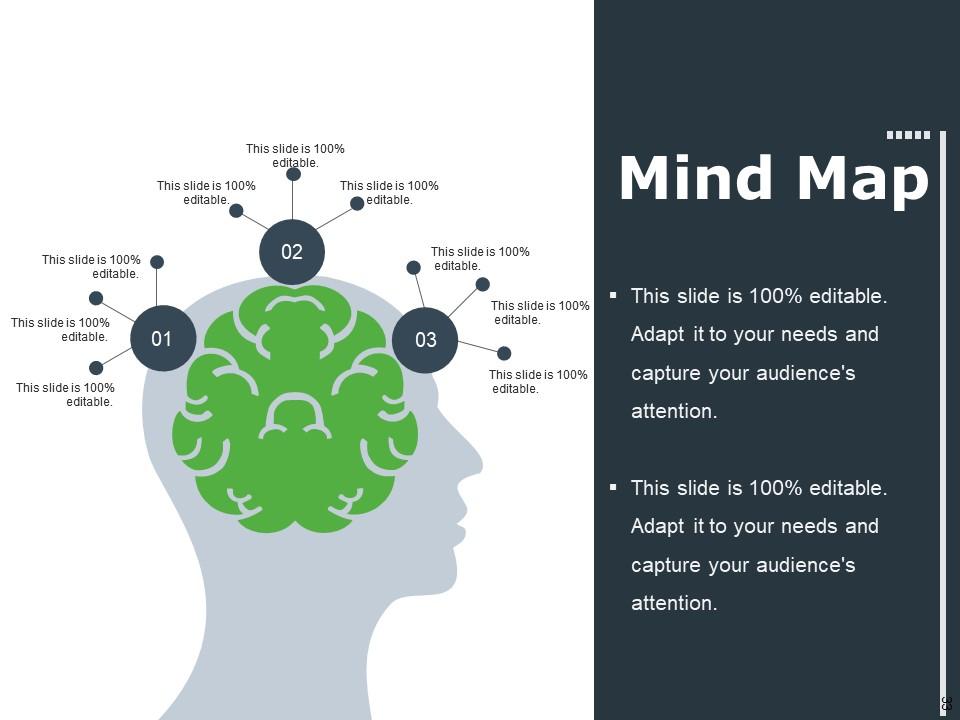
Folie 33 : Dies ist eine Mindmap-Bildfolie zur Anzeige von Informationen, Spezifikationen usw.
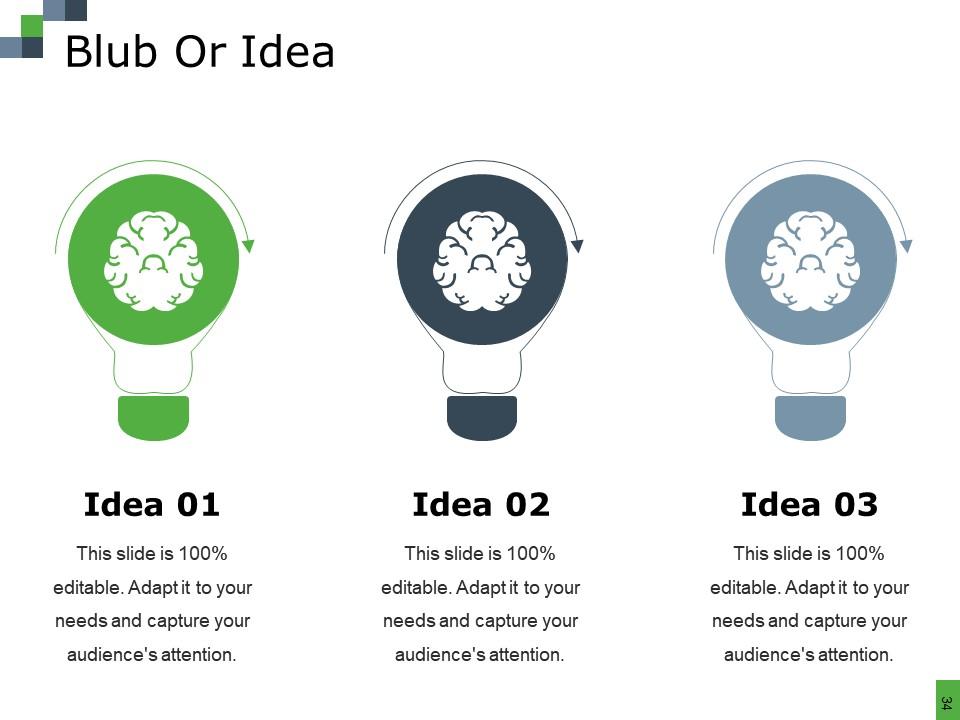
Folie 34 : Dies ist eine Glühbirnen- oder Ideen-Bildfolie, um Ideen, innovative Informationen usw. zu zeigen.
Folie 35 : Dies ist eine Dankeschön-Bildfolie mit Adresse, E-Mail und Kontaktnummer.

FAQs for Website Development Proposal Document

Cover your scope, timeline, and tech approach first - that's the foundation. Pricing should be super detailed with clear payment terms. Show them examples of your past work too. Oh, and definitely spell out hosting, maintenance, and what support looks like after launch. The revision process is huge - like, how many rounds do they get before extra charges kick in? Changes mid-project happen constantly, so address that upfront. Include your team bios and how you'll communicate throughout. Honestly, the clearer you are now, the fewer awkward conversations you'll have later when things get messy.

Look, their goals are literally your roadmap for the whole proposal. Can't just copy-paste some template and call it a day. Say they want 30% more online sales - now you're talking e-commerce features, conversion stuff, analytics. Pretty straightforward. Map what they actually need to the tech solutions that'll get them there. Each feature you suggest should connect back to their goals somehow. Otherwise you just sound like you weren't paying attention, which honestly kills your chances. The whole point is showing them you get what they're trying to accomplish.

You'll want to talk to everyone who actually uses the site day-to-day, not just whoever reached out initially. Ask about their biggest headaches and what winning looks like for them. Their existing analytics are super helpful too - people forget about weird usage patterns they've gotten used to. Get the technical stuff, budget, and timeline nailed down early. Oh, and definitely check out competitor sites to see what's normal in their space. Honestly, half the battle is catching scope creep before it starts. Write up everything in a simple brief and make them sign off on it before you touch the proposal.

Break your project into phases - discovery, design, development, launch. Each needs specific deliverables and deadlines. Always add buffer time though, seriously. Things ALWAYS take longer than you think (trust me on this one). Tie milestones to when clients need to approve stuff or send you content. That way everyone knows what's blocking what. Keep your timeline simple but show which tasks depend on others. The trick is being realistic with dates while giving clients clear checkpoints. They'll want to see progress and give feedback - might as well plan for it upfront.

Definitely mention your frontend framework (React, Vue, whatever), backend stuff like Node.js or Python, database choice, and where you're hosting it. If they need a CMS, throw that in too along with security and mobile approach. Most clients honestly zone out during tech talk, but it proves you're legit. Don't just list every shiny tool though - pick technologies that actually solve their problems. Like, if they're worried about speed, explain how your choices make things load faster. Security concerns? Show how your stack handles that. It's really about connecting the dots between tech and their actual business needs.

Start by breaking everything into phases - design, dev, testing, revisions - and estimate hours for each. Here's the thing though: always tack on 20% extra because clients will 100% ask for changes. They just will. Show them examples of past projects with real timelines and costs so they get it. Oh, and be super clear about what's included vs what'll cost them more (like extra revisions or when they suddenly want a whole new feature). The boundaries thing is huge - spell out your process upfront and get everything in writing. Sounds paranoid but it'll save you headaches later when they're like "wait, I thought that was included."

Dude, definitely make UX a big part of your proposal. Show them user research and wireframes - that's what separates you from developers who just throw code together. Map out the customer journey too. Honestly, I've seen so many gorgeous websites that convert like garbage because nobody thought about how people actually use them. Your proposal needs a dedicated UX section with real methodology. Clients eat this up because it proves you're thinking about their users, not just aesthetics. It shows you get conversion goals and won't build something that looks amazing but performs terribly.

Don't just slap SEO onto the end - clients can smell that from a mile away. Weave it throughout everything. I always start with keyword research and competitor analysis right in discovery. Then get specific about technical stuff in your dev section: site speed, mobile optimization, clean URLs. Meta tags and schema markup might sound boring but clients eat up those details. Content strategy deserves its own section too - show them you get search intent. Oh, and always include measurable goals like "90+ PageSpeed scores" so they know exactly what you'll deliver. Makes the whole thing feel way more legit.

Look, previous work is everything when pitching clients. They don't want to hear what you *might* do - they want proof you've actually done it before. Anyone can say "we build amazing websites" but showing real examples with actual results? That's what separates you from everyone else flooding their inbox. I usually pick 2-3 case studies that match their industry or project type. Screenshots, metrics, specific outcomes - the works. Honestly, it's the difference between looking like just another freelancer and someone who actually knows their stuff. Skip this and you're basically asking them to take a blind leap of faith.

Look, start by spotting the usual suspects early - scope creep, tech hiccups, integration nightmares. Build buffer time right into your timeline and budget from day one. Testing phases? Always add extra time there because something *will* break at the worst moment, trust me. Set up clear communication rules so you're not sitting around waiting for someone to make a decision. Oh, and be upfront about potential problems with your client. Show them exactly how you'll tackle issues when they pop up (not if, when). Honestly makes everything smoother.

Wireframes and mockups are your best bet - they show layout without getting caught up in fancy colors and stuff. Screenshots from similar sites work really well for reference too. Simple flowcharts help explain how users move through things. Honestly, even sketchy drawings can work if they're neat enough (I've seen some terrible ones that somehow still got the point across). Just make sure your visuals actually back up what you're saying instead of being random decoration. Keep files small enough to email, and caption everything so they know what they're looking at.

Dude, you gotta lead with something they literally can't get anywhere else - maybe it's your weird process, some niche expertise, or that one portfolio piece that's perfect for their industry. Here's the thing though: most proposals are boring carbon copies of each other. During those discovery calls, really dig into their specific problems and hit those exact pain points in your proposal instead of just rattling off services. Actually show them stuff - mockups, case studies with real numbers, maybe even a quick video of your approach. You want them thinking "holy shit, these people actually understand what we're trying to do" not "oh great, another developer."

Definitely focus on traffic projections and conversion rates - like monthly visitors and how many turn into leads. Revenue projections are critical too since that's what they really care about. Page load speed and mobile scores matter because slow sites are basically dead in 2024. I'd throw in some competitor benchmarks to back up your numbers. User engagement stuff like bounce rate and time on site helps paint the full picture. Don't go overboard though - pick maybe 3-4 metrics that actually connect to what they're trying to accomplish business-wise.

Definitely swap out your examples and case studies to match their industry - like showing healthcare sites to medical clients instead of retail stuff. For finance folks, push compliance and security hard. Consumer brands? Focus on UX. Honestly, I keep about 3-4 template versions because it saves me tons of time. Research their industry's typical headaches first, then work those pain points into your problem statements. The technical stuff mostly stays the same, but your whole pitch should make them go "finally, someone who gets what we're dealing with." Oh and if you don't have a proposal template library yet, start one now. You'll thank yourself later.

Don't just sit there waiting for them to magically respond. Week one, send a quick check-in. Two weeks? Hit them up again but throw in something useful - maybe a case study or FAQ answers. I do one last attempt at three weeks because honestly, people are swamped and stuff gets buried. Between emails, connect on LinkedIn or like their posts so you're not totally invisible. The whole trick is staying persistent without being that annoying person. Space things out and always include something valuable instead of just "hey, did you get my thing?"

Ratings and Reviews

90% of 100
Review Form
Write a review
Most Relevant Reviews
  1. 80%

    by Del Holmes

    Informative presentations that are easily editable.
  2. 100%

    by Deon Warren

    Excellent Designs.

2 Item(s)

per page: