

Work Intake Procedure Powerpoint PPT Template Bundles




Try Before you Buy Download Free Sample Product
 Impress Your
 Audience
 100%
100% Editable
 Save Hours
 of Time


Our Work Intake Procedure Powerpoint PPT Template Bundles are topically designed to provide an attractive backdrop to any subject. Use them to look like a presentation pro.
People who downloaded this PowerPoint presentation also viewed the following :
Work Intake Procedure Powerpoint PPT Template Bundles with all 25 slides:
Use our Work Intake Procedure Powerpoint PPT Template Bundles to effectively help you save your valuable time. They are readymade to fit into any presentation structure.











FAQs for Work Intake Procedure Powerpoint
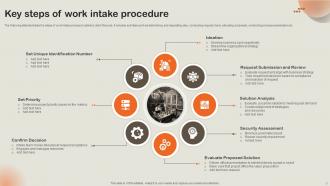
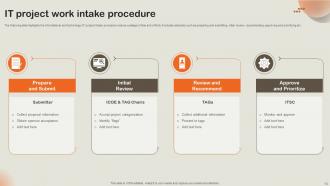
You need one clear way for requests to come in - otherwise people will bug you through email, Slack, random hallway ambushes, you name it. Set up a standard form that grabs all the important stuff upfront: what they want, when they need it, why it matters to the business. Then figure out who's actually making the decisions on what gets done first. Honestly, this is where most systems completely fall apart - nobody knows who has final say. Create some kind of scoring system so you're not just picking favorites. Schedule regular check-ins to review new requests against whatever you're already juggling.
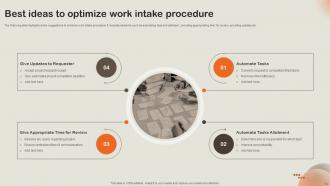
Honestly, start with one submission portal instead of dealing with random emails and those awkward hallway ambushes (though sometimes those turn out to be the fun projects). Standardize your forms and set clear priority levels. Get someone dedicated to triage stuff quickly - saves so much back-and-forth later. Automate the routing so requests don't just sit in someone's inbox for days. Map out your current mess first though. You'll spot the obvious bottlenecks right away, probably like 2-3 things you can fix this week. And definitely set realistic timelines upfront - people actually appreciate knowing what to expect.
So stakeholders are your key people who help decide what work actually matters and gets prioritized. They'll clarify requirements when things get messy and give final approval on what lands on your team's plate. Honestly, they're lifesavers when it comes to pushing back on those "everything is urgent" requests - you know the ones. Find out who your main stakeholders are right away and set up clear ways to reach them. Trust me, you don't want to be hunting people down when you need quick decisions. They're also great for calling out unrealistic timelines before things spiral.
Honestly, digital forms are a game changer - people can submit requests directly instead of catching you in the hallway or sending random emails. Workflow automation routes stuff to the right person automatically, which is pretty sweet. Project management tools help track everything from start to finish. The integration piece is where it gets really good though - connect your intake system to your project tracker and you'll save yourself hours of copying data around. Oh, and don't try to implement everything at once. Pick one tool first, get it working, then add more. Trust me on that one.
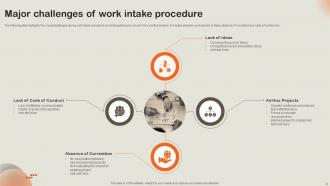
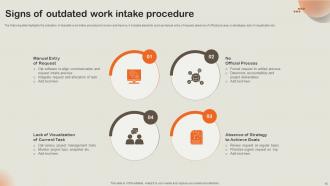
Oh man, the worst mistake is not setting clear boundaries upfront about what requests you'll actually take on. You'll get buried under random stuff that doesn't matter. Also - pick ONE way for people to submit work. Having email AND Slack AND people just walking up to you? That's how things fall through the cracks. Actually track everything in a real system, not random sticky notes (guilty as charged on that one). And definitely have that scoping conversation right away. Vague requests always turn into "wait, you wanted WHAT now?" moments later. Simple intake form saves your sanity.
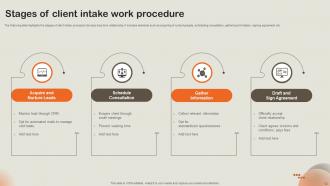
Think of work intake as your project's backbone - you're getting requirements nailed down upfront and making sure everyone's on the same page before diving in. Skip this step and you'll deal with scope creep, missed deadlines, and those awkward "this isn't what we wanted" meetings later (been there, done that). It also helps you figure out what's actually priority and where to put your resources. Honestly? Start by documenting whatever messy process you have now, then tackle the biggest pain points first. Way easier than trying to build something perfect from scratch.
Honestly, start simple with just 2-3 metrics or you'll drive yourself crazy. Cycle time is huge - how long does stuff actually take from request to done? Also watch your rejection rates and how often people have to resubmit because they messed up the form (that's your process being confusing, not them being dumb). I'd definitely track whether requests actually match your strategic goals - you'd be shocked how much random stuff comes through. Oh, and measure how much time your team wastes on paperwork vs. real work. That one hits different when you see the numbers. Stakeholder satisfaction scores help too, but don't overthink it initially.
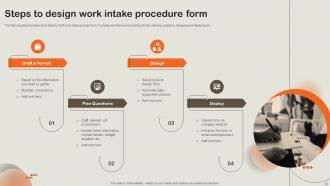
Honestly, just get super clear on everything before you start - like what you're actually building, how you'll know it's done, and when it needs to happen. I swear half the projects I've worked on went off the rails because someone assumed we were all thinking the same thing. Make your stakeholders fill out a proper intake form covering objectives, deliverables, constraints, all that stuff. Who's making the final calls? Write it down. Then do a kickoff meeting to go through it together. Sounds boring but trust me - when scope creep shows up later (and it will), you'll be glad you documented everything upfront.
Honestly, centralized intake is a game changer. No more requests vanishing into thin air or getting done twice by different teams. You can actually prioritize based on what matters instead of whoever screams loudest (you know the type). Everything gets tracked so there's real accountability. Your teams will spot bottlenecks before they blow up and can shift resources around. But here's the real kicker - you'll finally have solid data to show leadership where all this work comes from and how long it actually takes. Makes capacity planning way less of a guessing game. Trust me on this one.
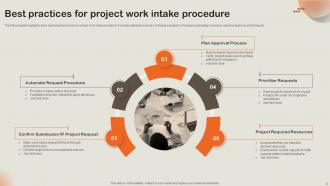
Honestly, you need some kind of scoring system or you'll go crazy. I usually look at three things: how big the impact is, how urgent it actually is (not how urgent people *say* it is), and what resources we'd need. Score everything the same way so it's not just whoever yells loudest gets priority. The trick is getting your stakeholders to understand these criteria upfront. That way they can kinda pre-filter their own requests before dumping everything on you. Yeah, people will still push back when their "emergency" doesn't make the cut, but at least you've got a clear reason why.
So you're gonna want something that handles form submissions and routes work properly - Monday.com, Asana, or Jira Service Management are solid picks. Trust me on this: spreadsheets seem tempting but they turn into a nightmare once more people jump in. What you really need is easy submission for requesters plus clear visibility on status and priorities for you. Oh, and most of these have intake templates already built in, which is nice since you won't be building from zero. I'd definitely test the free versions first - see what clicks with how your team actually works.
So feedback loops are clutch for fixing your intake mess. Get input from people submitting requests - they'll tell you about bottlenecks and confusing forms. Your team can flag workload issues too. Honestly, people just suffer through broken processes without saying anything, which is wild. Quick surveys work great for collecting this stuff regularly. Once you spot patterns, actually do something about it - tweak forms, change timelines, whatever. Don't make it a one-and-done thing though. Keep the feedback coming so you can keep improving.
Honestly, your company culture basically controls how work gets dumped on your team. "Yes to everything" places? You'll get swamped because nobody can turn stuff down. Risk-averse companies love their endless approval chains that kill momentum. I've watched teams get completely derailed when people just Slack each other directly instead of using the actual intake system - total mess. Here's the thing though: don't fight your culture, work with it. Watch how requests actually come in right now, then build something that doesn't feel forced or weird for your team.
So every industry tweaks their intake process differently. Healthcare has tons of paperwork and privacy stuff baked in - which makes sense. Tech companies love their agile sprints and backlog planning (sometimes feels excessive but whatever). Manufacturing focuses hard on safety approvals before anything moves. Finance? They stack approval layers for compliance reasons. My advice? Figure out what matters most in your field first. Then build those checks into your workflow from the start instead of scrambling to add them later. Way easier that way.
So I've been looking into this for my own team actually. Spotify does this three-tier thing - urgent, standard, backlog. Super straightforward. Atlassian went all-in on automation with their intake forms, and apparently cut response times by 60%. Pretty impressive. HubSpot makes everyone fill out impact assessments, which sounds like a pain but actually works well for prioritizing. The thing they all have in common? Standardized formats and clear approval processes. I'd probably start with Spotify's approach since it's not overwhelming to set up.
-
Their designing team is so expert in making tailored templates. They craft the exact thing I have in my mind…..really happy.
-
Definitely a time saver! Predesigned and easy-to-use templates just helped me put together an amazing presentation.