Slides de apresentação em PowerPoint de proposta de workshop

Rating:
90%
Slide 1 of 25
Favourites Favourites

Try Before you Buy Download Free Sample Product

Audience Impress Your
Audience
Editable 100%
Editable
Time Save Hours
of Time
The Biggest Sale is ending soon in
0
0
:
0
0
:
0
0
Rating:
90%

Recursos desses slides de apresentação em PowerPoint:

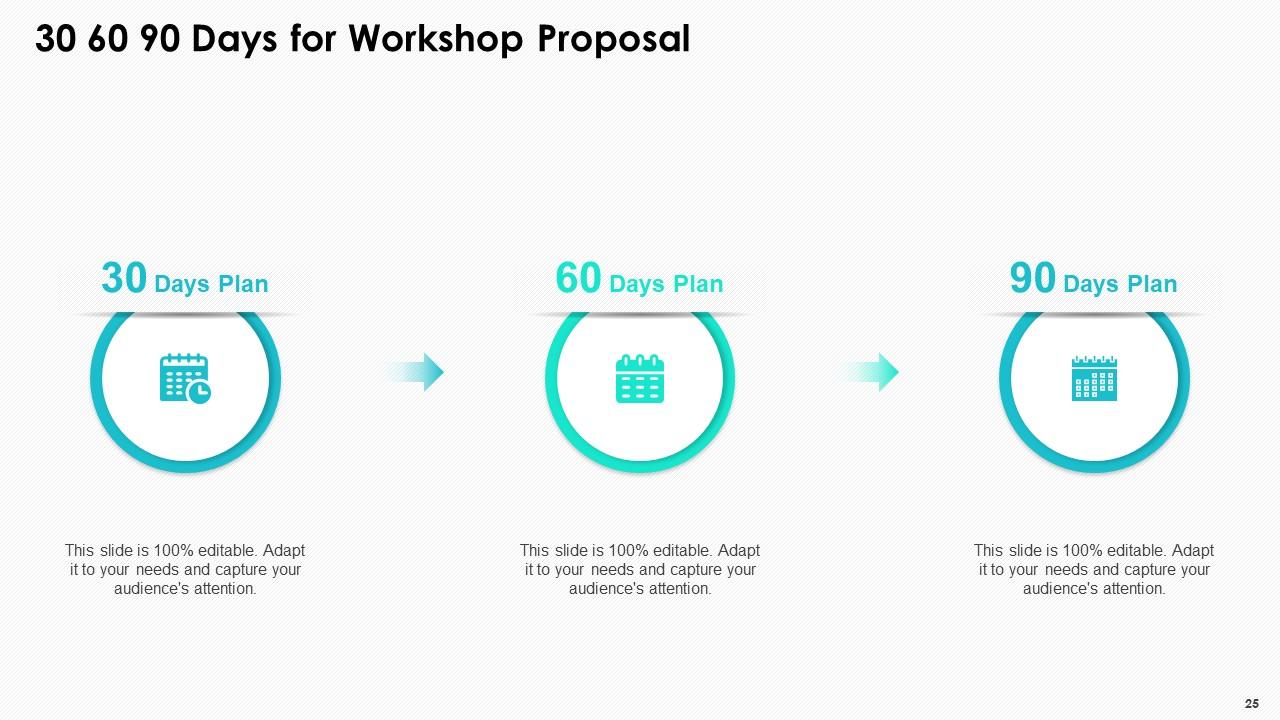
Se sua empresa precisa enviar slides de apresentação em PowerPoint para uma proposta de workshop, não procure mais. Nossos pesquisadores analisaram milhares de propostas neste tópico para eficácia e conversão. Basta fazer o download do nosso template, adicionar os dados da sua empresa e enviar ao seu cliente para uma resposta positiva.

FAQs for Workshop proposal

Start with the problem you're solving and what people will actually learn - be super specific. Like instead of "better communication," say "three conflict resolution techniques they can use right away." Budget section kills most proposals honestly, so don't lowball it. Your target audience, timeline, and what you need resource-wise should be right up front. Past workshop wins help build credibility too. I always think being concrete beats vague every time. End with clear next steps and when they need to decide. Oh, and don't forget your credentials - people want to know you're not just winging it.

Honestly, knowing your audience is like 90% of the battle. Executives? They want ROI numbers and big picture stuff - skip the technical weeds. But if you're talking to people who actually do the work, give them concrete tools they can use tomorrow. I bombed a presentation once because I went way too nerdy on a bunch of managers who just wanted the highlights. Super awkward. Think about their time limits too - some crowds love deep dives, others need quick wins. What industry buzzwords do they use? Start there and work backwards. Don't write anything until you've sketched out who's actually in the room.

Honestly, start with the good stuff - what will people actually walk away with? Like specific skills they'll gain and problems it'll solve for them. If you've got past participant quotes, definitely throw those in because people trust other people's experiences way more than fancy promises. Break down the money side too - show them the time they'll save or how much more productive they'll be afterward. Oh, and mention any extras you're including like follow-up materials or support. The whole thing needs to scream "here's exactly what you get" instead of just listing what you'll talk about. Make sense?

Okay so first thing - write down exactly what people will actually DO after your workshop. Use action words like "create" or "identify," not mushy stuff like "understand better." I always screw this up initially and get way too vague! What will they walk away with? A template they can use? New skills for Monday morning? Work backwards from there. Start with the concrete outcomes, then build your objectives around those. The key is tying everything to problems they're genuinely facing at work. Nobody cares about theoretical knowledge - they want stuff they can immediately apply.

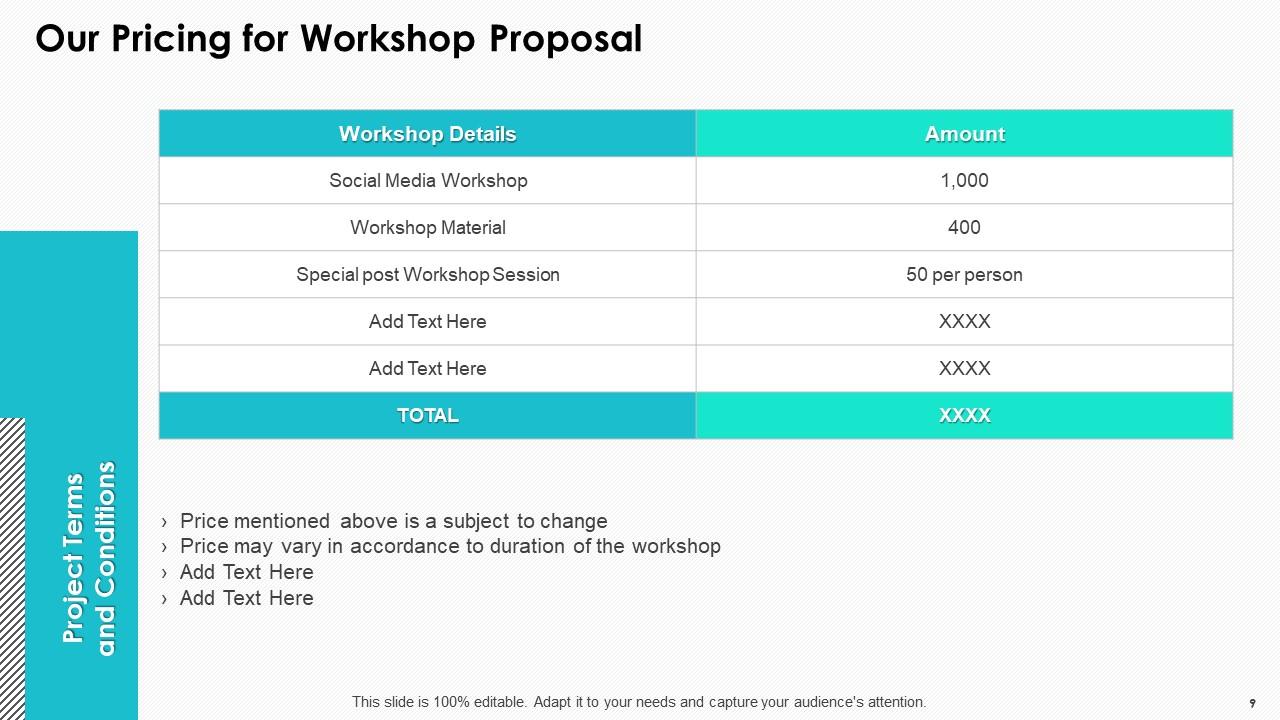
Look, budget estimation matters because it shows you actually get what it takes to pull off your workshop - not just the fun presentation stuff. Funders want to see you understand costs and won't hit them with surprises later. Plus you'll avoid that cringe moment where you propose something that blows their entire quarterly budget. Honestly, a solid budget just makes you look legit and ready to execute. Oh, and always throw in 10-15% extra for random stuff that goes wrong. Trust me, something always does during workshops.

Honestly, I'd start from your workshop date and work backwards - but give yourself way more time than you think you need. Like, seriously generous padding. Map out delivery date first, then content creation, reviews, approvals, all that stuff. I always throw in an extra 20-30% buffer because something will definitely go wrong. Your expert will disappear for a week or you'll end up redoing slides five times instead of two. Break everything into actual tasks with real deadlines. Oh, and don't forget you've got other projects too. Way better to finish early than pull an all-nighter before the workshop.

Mix both real-time feedback during sessions and proper evaluation afterward. Quick pulse checks work great - exit tickets, dot voting, thumbs up/down stuff. After the workshop, send immediate reaction surveys plus follow-up assessments maybe 30-60 days later to see if people actually changed how they work. Most folks totally blow off that follow-up part, which is honestly where you find out if your workshop was worth anything. Specify exactly how you'll collect and analyze everything. Oh, and throw some sample evaluation questions in your appendix so they know you've actually planned this out.

Okay so first thing - figure out what actually makes your workshop different. Like, what's your unique angle or method that others don't have? Maybe you've got amazing case studies or your format is way more interactive than those boring slide-heavy sessions everyone hates. Once you know that, sprinkle those differentiators throughout your whole proposal. The executive summary and benefits sections are key spots. Don't just throw features at them though - spell out the real value participants get. Be specific about outcomes they can expect. Honestly, the goal is making it super obvious why you're the better choice over anyone else.
Biggest mistake? Being way too vague about what people will actually learn. Don't say "understand social media" - say "build a 30-day Instagram calendar." Trust me on this one. Also, everyone tries cramming way too much into one session. Your timeline needs breathing room or you'll crash and burn. Skip the boring intro about why this matters and jump straight into the how-to stuff. Oh, and be super clear about who you're targeting. Honestly, most workshops fail because they promise everything to everyone. Be specific about outcomes and realistic with timing. That's literally it.

Honestly, visuals are a game changer for proposals. Nobody wants to slog through paragraphs when they could look at a clean infographic showing your workshop flow instead. Charts work great for outcomes too. Templates will save your sanity - just make sections for agenda, outcomes, logistics, then add some graphics that don't look like clip art from 2003. Your stakeholders can actually see what you're pitching instead of guessing. Plus everything stays consistent without you obsessing over formatting every single time. Trust me on this one.

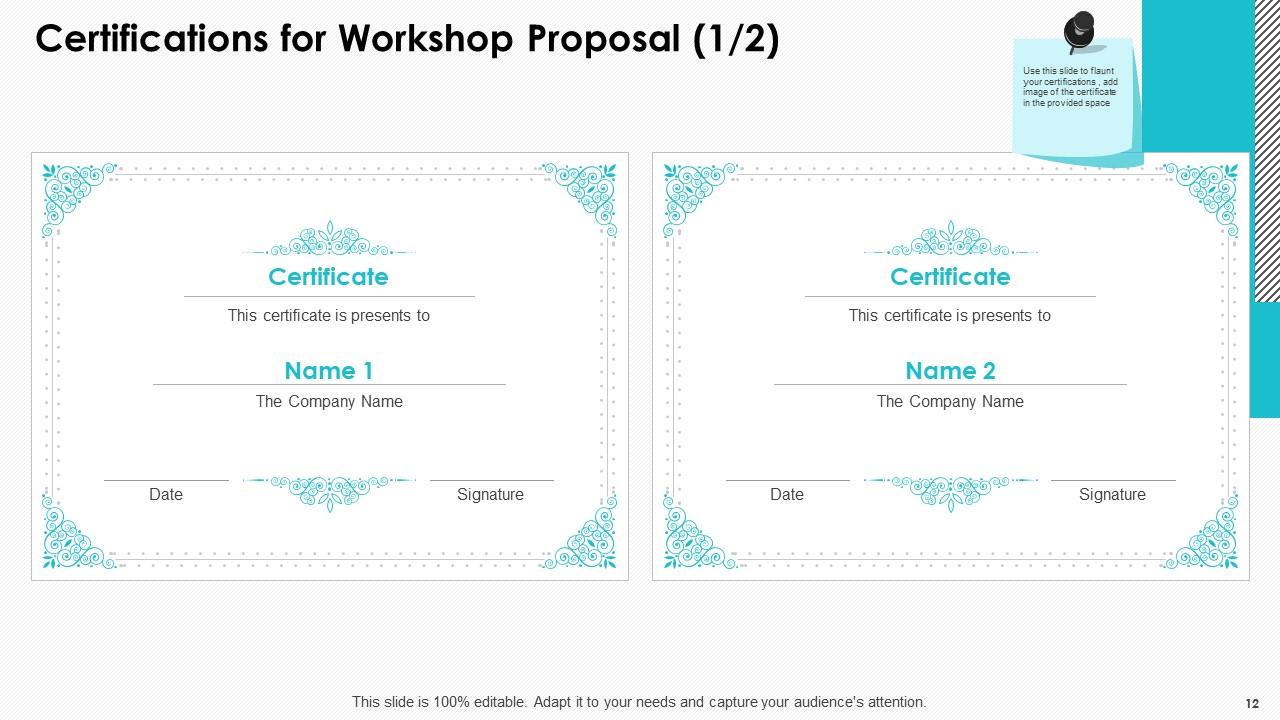
You definitely want to include facilitator bios - reviewers need proof you can actually pull this off. It's basically like a job interview on paper. Highlight the stuff that matters for THIS specific workshop, not every random thing you've done. Certifications are great, but past workshop wins hit different honestly. Each person's background should connect to what they're doing in your session. Don't go overboard though. Pick the experiences that scream "yeah, we've got this topic covered." Makes reviewers feel confident they're backing the right people.

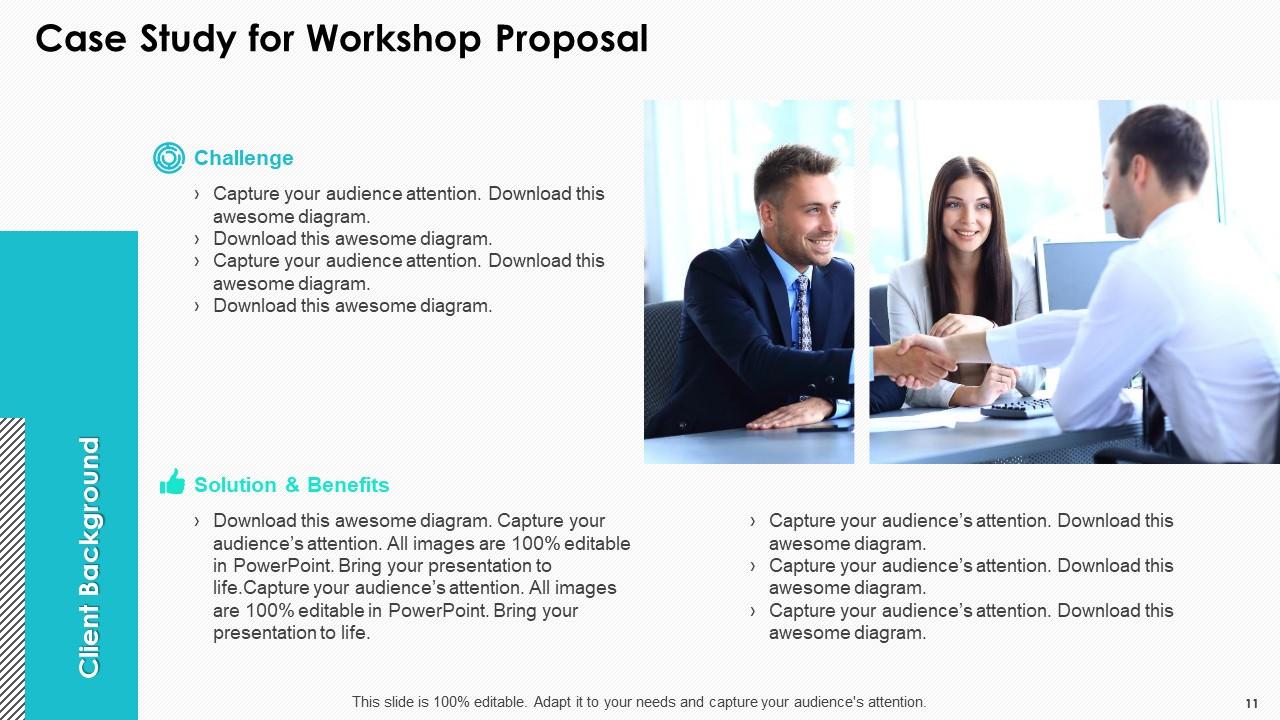
Start with 2-3 killer stats right up front - that hooks people immediately. Then scatter real case studies throughout so attendees think "oh shit, that could totally be me." Numbers showing the actual problem size work best, or success rates from similar programs. Honestly, concrete examples crush vague benefits every single time. Your data needs to connect directly to what they'll walk away knowing how to do. I mean, nobody cares about abstract workshop goals anymore. Make sure each case study snippet feels achievable, not like some unicorn company situation. Keep it real and they'll buy in way faster.

Start by getting ahead of their pushback - budget, time, all that stuff they always worry about. ROI data is your best friend here, way more convincing than fluffy promises about "team building." Honestly, I'd lobby some respected people beforehand so you're not walking into a room of skeptics alone. Do your research on what's worked before (or bombed). Present the full version but have a cheaper backup ready. They love feeling like they're negotiating you down to something "reasonable." Oh, and don't just dismiss their concerns - actually address them head-on with real numbers.

Interactive stuff is seriously key for workshop proposals. Reviewers are drowning in boring pitches all day, so yours has to stand out somehow. You need to show participants will actually *do* things - hands-on activities, breakout sessions, collaborative work, whatever fits. It's not just about avoiding death-by-PowerPoint (though that's part of it). Be specific about what the interactions look like. How do they tie to your learning goals? That's what separates the decent proposals from the ones that just sound like hour-long lectures with fancy titles.

Set up monthly updates and quarterly check-ins - those milestone celebrations really do keep people hooked. For sharing progress, dashboards work but honestly video updates hit different. People actually watch those. Make sure stakeholders can give feedback that changes things, not just passive updates. A dedicated Slack channel helps too, or even just an email list. The whole thing should feel collaborative rather than you just talking at them. Oh, and draft that follow-up calendar now so you can include real dates in your proposal. Makes it way more concrete.
Ratings and Reviews

90% of 100
Review Form
Write a review
Most Relevant Reviews
  1. 100%

    by Darell Vargas

    Appreciate the research and its presentable format.
  2. 80%

    by Edmundo Watkins

    Understandable and informative presentation.

2 Item(s)

per page: