Chronologie technologique basée sur l'année pour la conception PowerPoint à plat d'entreprise

Rating:
90%
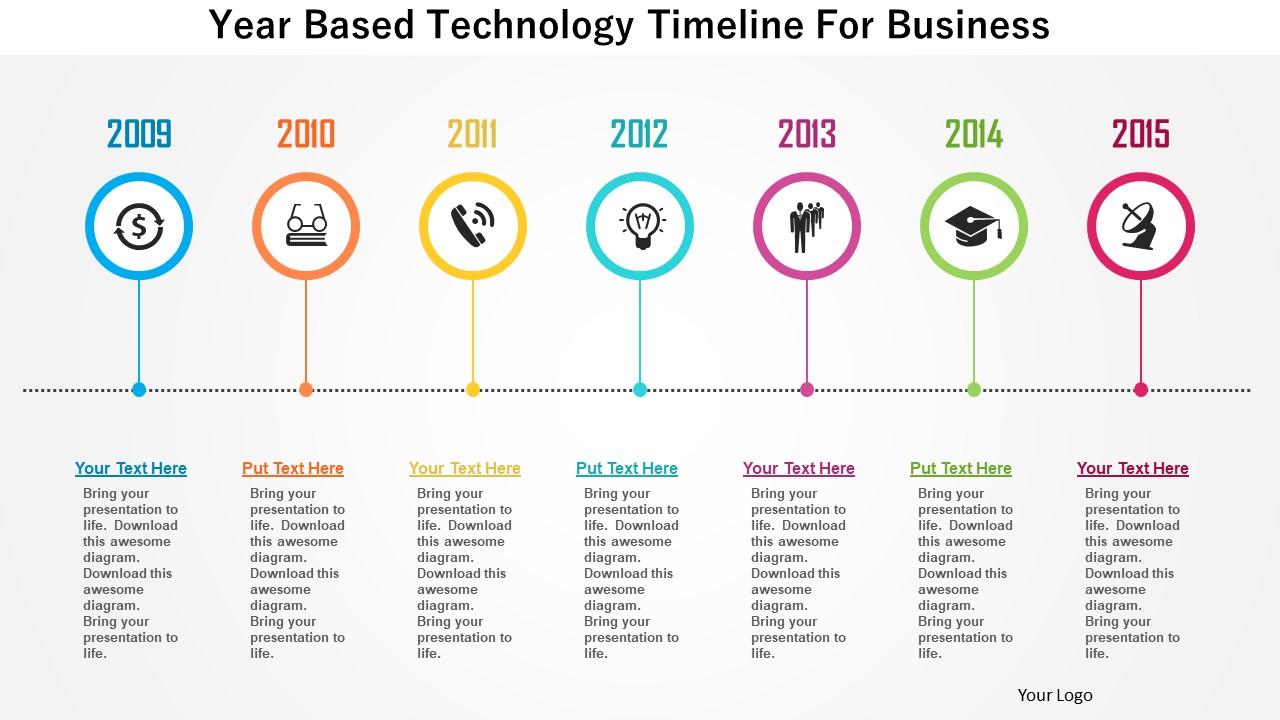
Year based technology timeline for business flat powerpoint design
Slide 1 of 5
Favourites Favourites

Try Before you Buy Download Free Sample Product

Audience Impress Your
Audience
Editable 100%
Editable
Time Save Hours
of Time
The Biggest Sale is ending soon in
0
0
:
0
0
:
0
0
Rating:
90%

Caractéristiques de ces diapositives de présentation PowerPoint :

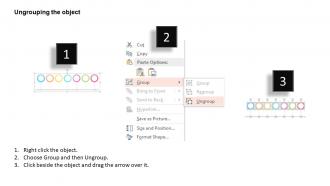
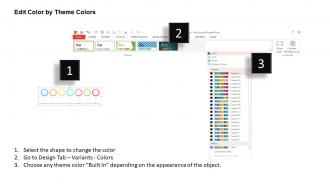
Utilisez cette diapositive PPT pour présenter les réalisations commerciales de votre entreprise via une présentation PowerPoint. Vous pouvez télécharger ce modèle PPT attrayant et profiter de la version complète de cette diapositive qui comprend l'édition du texte, la modification des couleurs à votre guise, la suppression du filigrane, l'insertion du logo de votre entreprise et l'affichage des diapositives en grand écran.

People who downloaded this PowerPoint presentation also viewed the following :

FAQs for Year based technology timeline for business

Major technology trends from the past year include advanced AI integration, quantum computing developments, enhanced cybersecurity frameworks, sustainable tech solutions, and edge computing expansion. These innovations streamline operations by automating complex processes, reducing operational costs, and enhancing customer experiences, with many organizations finding that early adoption delivers significant competitive advantages in increasingly digital markets.

AI and machine learning integration has accelerated significantly over the past year, with businesses implementing automated customer service, predictive analytics, supply chain optimization, and fraud detection systems. Many organizations have moved from pilot programs to full-scale deployment, finding that these technologies streamline operations, reduce costs by up to 30%, and enhance decision-making capabilities, ultimately delivering competitive advantages in an increasingly digital marketplace.

Cybersecurity developments significantly influenced business technology strategies through enhanced zero-trust architectures, AI-powered threat detection, cloud security frameworks, and comprehensive data governance protocols. These advancements enabled organizations to accelerate digital transformation initiatives while maintaining robust security postures, with many enterprises finding that strategic cybersecurity investments ultimately delivered competitive advantages and operational resilience.

Remote work technologies have seen accelerated adoption this year, with businesses increasingly integrating cloud collaboration platforms, virtual meeting solutions, project management tools, and secure remote access systems into their core operations. This strategic shift enables enhanced flexibility, reduced overhead costs, and access to global talent pools, while many organizations are finding that hybrid work models deliver improved employee satisfaction and operational resilience, ultimately positioning them for competitive advantage in an increasingly distributed workforce landscape.

Businesses have increasingly invested in artificial intelligence and machine learning, cloud infrastructure modernization, cybersecurity solutions, automation platforms, and data analytics tools over the past year. These technologies streamline operations, enhance decision-making capabilities, and improve customer experiences, with many organizations finding that strategic technology investments deliver competitive advantages, reduce operational costs, and enable faster adaptation to market changes.

CRM systems have advanced through cloud integration, AI-powered analytics, omnichannel communication capabilities, mobile optimization, and automated workflow management to meet evolving market demands. These enhancements streamline customer interactions, deliver personalized experiences, and provide real-time insights, with many organizations finding that modern CRM solutions significantly improve sales efficiency and customer retention rates.

Major software updates enhanced business productivity through improved automation capabilities, streamlined workflows, enhanced security features, and better integration tools. Organizations across finance, healthcare, and retail experienced faster data processing, reduced manual tasks, and more efficient collaboration, with many companies reporting significant cost savings and accelerated project completion times, ultimately delivering competitive advantages in an increasingly digital marketplace.

Healthcare, financial services, manufacturing, and retail experienced the most transformative technological leaps this year, driven by AI automation, advanced analytics, IoT integration, and enhanced cybersecurity frameworks. These sectors demonstrate how businesses can leverage emerging technologies by streamlining operations, accelerating decision-making processes, and delivering superior customer experiences, ultimately positioning themselves for competitive advantage in an increasingly digital marketplace.

Cloud services adoption has dramatically accelerated digital transformation by enabling remote work scalability, reducing infrastructure costs, and streamlining data accessibility across organizations. Many businesses, especially in retail and financial services, have found that cloud migration delivers enhanced operational flexibility, faster deployment of new applications, and improved disaster recovery capabilities, ultimately providing significant competitive advantages in an increasingly digital marketplace.

Key data privacy trends this year include enhanced AI governance requirements, stricter cross-border data transfer protocols, expanded consumer consent mechanisms, and increased penalties for non-compliance across multiple jurisdictions. These regulatory developments enable organizations to build stronger customer trust, streamline compliance processes, and gain competitive advantage, with many financial services and healthcare institutions finding that proactive privacy frameworks ultimately deliver operational efficiency and enhanced market positioning.

Businesses utilize virtual and augmented reality through immersive product demonstrations, virtual showrooms, interactive training experiences, and personalized shopping environments that allow customers to visualize products before purchase. Retail companies enable virtual try-ons, real estate firms offer virtual property tours, and automotive manufacturers provide interactive configurators, ultimately delivering enhanced customer experiences and significantly higher engagement rates.

Major shifts in e-commerce technology this year include AI-powered personalization engines, enhanced mobile commerce platforms, voice shopping integration, augmented reality try-on features, and automated customer service chatbots. These technologies streamline customer experiences by delivering targeted product recommendations, reducing purchase friction, and enabling seamless multi-channel interactions, ultimately enhancing conversion rates and customer retention for businesses across retail sectors.

Mobile technology has revolutionized business communication through instant messaging, video conferencing, cloud access, and collaborative platforms, while streamlining operations via mobile apps, remote workforce management, and real-time data sharing. These advancements enable organizations to enhance productivity, reduce response times, and maintain seamless connectivity across global teams, ultimately delivering improved customer experiences and competitive operational efficiency.

Key takeaways include enhanced enterprise adoption, improved scalability solutions, regulatory clarity developments, sustainable consensus mechanisms, and integration with AI and IoT systems. These advancements streamline supply chain transparency, financial transactions, and data security across industries like healthcare, finance, and manufacturing, with many organizations finding that blockchain ultimately delivers operational efficiency and competitive advantage.

Microsoft Teams, Slack, Zoom, Asana, and Notion have dominated business collaboration this year, offering integrated messaging, video conferencing, project management, and document sharing capabilities. These platforms streamline workflow efficiency by enabling real-time communication, automated task tracking, and seamless file collaboration, with many organizations finding that strategic integration ultimately delivers enhanced productivity and competitive advantage.

Ratings and Reviews

90% of 100
Review Form
Write a review
Most Relevant Reviews
  1. 100%

    by Cory Reynolds

    Unique research projects to present in meeting.
  2. 80%

    by Harry Williams

    Illustrative design with editable content. Exceptional value for money. Highly pleased with the product.

2 Item(s)

per page: