


0514 skills gap analysis example powerpoint presentation





Try Before you Buy Download Free Sample Product
 Impress Your
 Audience
 100%
100% Editable
 Save Hours
 of Time


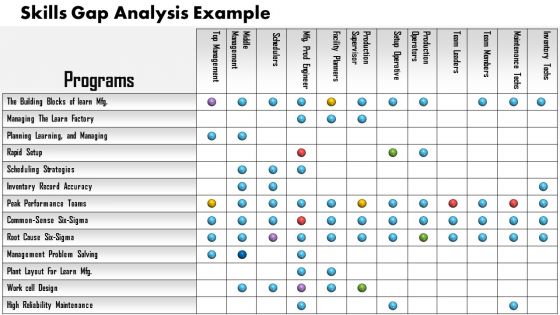
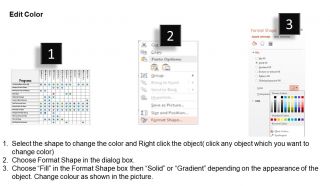
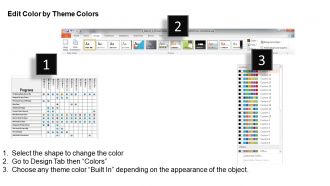
Identifying the gap between the skills required to complete a task and the skills offered by the workforce is a crucial step towards fulfillment of business goals in the short as well as long term- here’s an example of how you can methodically depict skills gap analysis of personnel at various designations with our attractive and systematic PowerPoint presentation. The decision to re-skill employees for an upcoming project or to hire can be taken based on this analysis after which you can go for employee training programs also; but the first step has to be effectively done and this PPT slide design can help you do exactly that. Interpretation of data and consequent recommendations becomes easier when done based on required skill set such as communication, engineering competence, supervisory work, software testing, creativity, risk taking ability, sales, customer service skills and so on- this PowerPoint PPT slide can encompass every skill and its level among various employees. Step on the gas with our 0514 Skills Gap Analysis Example Powerpoint Presentation. They will accelerate your career growth.
People who downloaded this PowerPoint presentation also viewed the following :
0514 skills gap analysis example powerpoint presentation with all 5 slides:
Chill out with our 0514 Skills Gap Analysis Example Powerpoint Presentation. They will help you meet the toughest deadlines.
FAQs for 0514 skills gap analysis
Deadlines keep getting missed? Same people always the bottleneck on everything? That's usually your first clue. High turnover's another big one - nobody sticks around when they're drowning. I've also seen it when customer complaints spike or you're outsourcing stuff your team should totally handle. Sometimes it's just this gut feeling that everyone's busting their ass but nothing's actually getting better, you know? Honestly though, the fastest way to figure it out is just asking your people directly where they feel lost. They'll tell you exactly what's broken - they always know.
Honestly, you've gotta map out what skills you actually need vs what your team can do right now. I'd start with employee assessments - surveys, manager reviews, looking at where people are struggling. Way more eye-opening than you'd expect. Cross-check that against your business goals for the next couple years, plus whatever new tech trends are hitting your industry. The trick is being systematic about it instead of just winging it. I usually throw everything into a basic spreadsheet - track the biggest gaps by department and how urgent they are. Makes it way easier to see patterns and figure out where to focus first.
Honestly, I'd start with competency mapping - just compare what skills people have now versus what they actually need. Surveys work pretty well, though everyone thinks they're better than they really are lol. Performance reviews and 360 feedback give you less biased info. Focus groups with managers are super helpful too since they catch stuff that formal tests miss. You can also do skills testing to double-check what people claim they know. I've found mixing a few methods gives you the clearest picture. Then just tackle the biggest gaps first.
Ugh, tech is moving so fast it's wild. Automation's killing off old jobs while creating these super technical ones that need totally different skills. Most people just can't switch gears that quickly - I mean, who has time to learn coding when you're already working full-time? AI and machine learning keep changing what companies even want from employees. Honestly feels like chasing a moving target sometimes. My advice? Don't try mastering every new thing that pops up. Focus on skills that'll adapt and stay curious about whatever tools come your way.
Honestly, your employees are the gold mine here. They know exactly where they're struggling and what skills they actually use daily. Why wouldn't you tap into that? Surveys work great, but I've found one-on-ones give you the real dirt. People won't open up about their weaknesses unless they trust you though - that's the tricky part. Focus groups can be solid too if your team's comfortable with each other. Just ask specific stuff about what they can do now versus what their job needs. Way better than guessing from the outside.
Honestly, data analytics is a game-changer for figuring out skills gaps. You get real numbers instead of just guessing based on what managers think or what people say about themselves (and we both know how that goes). Look at performance data, training completion rates, productivity stuff - that's where the actual gaps show up. Plus you can spot trends across different teams and even predict what skills you'll need down the road. I'd pull from multiple sources though - performance reviews, learning records, project results. Mix all that together and you'll actually see where your team is versus where they should be. Way better than flying blind.
Dude, ignoring skills gaps is basically corporate suicide in slow motion. Your top people will bail for companies that actually care about development - I've seen this happen so many times. Plus good luck recruiting anyone decent when your reputation tanks. Projects drag on forever, quality goes to hell, and you can't even attempt new stuff because nobody knows how. Oh, and the really frustrating part? You'll be scrambling to fix everything later when it costs way more. Better to tackle those gaps now before your competition leaves you in the dust.
Honestly, just tie everything back to what'll actually hurt your business if you don't fix it. Start with gaps that block major projects or could cost you real money. Think of it like medical triage - what's gonna bleed out first? Some gaps might be massive but you've got months to handle them. Others are smaller but need fixing yesterday because of client deadlines or whatever. I'd make a quick scoring system - business impact vs how urgent it is. Then just work through the highest scores first. Your upcoming projects will basically tell you what to prioritize anyway.
Honestly, I'd start with some targeted training - either bring someone in or send people out for courses that hit exactly what you're missing. Mentoring works great too, especially for the softer stuff that's hard to teach in a classroom. Oh, and don't feel bad about hiring strategically while you're building up your current team. Cross-training is underrated - people surprise you with skills they've been hiding. But here's the thing: pick maybe 2-3 approaches and actually stick with them. Trying to do everything usually means nothing gets done well.
Look, tech and healthcare gaps are totally different beasts. Tech workers burn out trying to keep up with AI and cloud stuff changing every five minutes - it's honestly nuts how fast things move. But you can pick up new frameworks pretty quickly if you're motivated. Healthcare? That's a whole other mess. Not enough nurses, not enough specialists, and boomers aging means demand is through the roof. Plus you can't exactly speed-run becoming a doctor, right? So tech companies need those quick-hit training programs, while healthcare has to think way longer term about getting people into the pipeline and keeping them there.
From what I've seen, training usually costs 20-40% less than hiring new people. Course fees plus some lost productivity beats paying recruiters, higher salaries, and onboarding time. Plus new hires might just leave after six months anyway - so frustrating! Your current team already knows the culture and they'll actually stick around longer if you invest in them. Fresh hires do bring new ideas though, just takes them 3-6 months to really get up to speed. I'd try a small pilot program with your best people first, see how it goes before going all in.
Honestly, your boss needs to actually show up to training too - that's the fastest way to prove it matters. Block out real time for learning, not just "squeeze it in whenever." I'd tie skill development to performance reviews so people know it counts. The biggest thing though? Make sure your team can admit what they don't know without getting judged for it. Some of my best managers were the ones who'd straight up say "I have no idea how to do this either, let's figure it out together." Celebrate wins when someone nails a new skill. Creates way better buy-in than just sending reminder emails about completing modules.
Track your completion rates and before/after assessment scores - that's the obvious stuff. But honestly? The softer metrics tell you way more. Check if people actually feel confident using their new skills, plus retention rates for folks who did the training. Are they getting promoted or switching roles after? That's huge. Manager feedback during performance reviews is super valuable too. Oh, and see if they're actually applying this stuff day-to-day, not just passing tests. I'd pick maybe 3-4 key things to watch monthly. Makes it way easier to catch problems early before they become disasters.
Honestly, external platforms are perfect when your internal team just can't cover everything - especially weird niche stuff that maybe only 3 people need to know. Why waste time building a whole course for that? You'll get way better instructors and production quality than most companies can pull off internally. Plus people can actually learn at their own speed, which is huge. Coursera and Pluralsight are solid options. I'd start by figuring out what skills you're missing internally, then test run one platform with a small group first. Much easier than trying to become experts at everything in-house.
Honestly, skills gap analysis is like having a cheat sheet for succession planning. Map out what your future leaders actually need, then compare that to what they've got right now. You'll spot who's almost ready for promotion and figure out exactly what training they need to get there. Way smarter than just winging it and hoping someone works out. Plus you can see if you need to hire from outside or if your internal people just need some development. I'd start with your most critical roles - that's where you really can't afford to mess up the transition.
-
Excellent template with unique design.
-
Excellent design and quick turnaround.