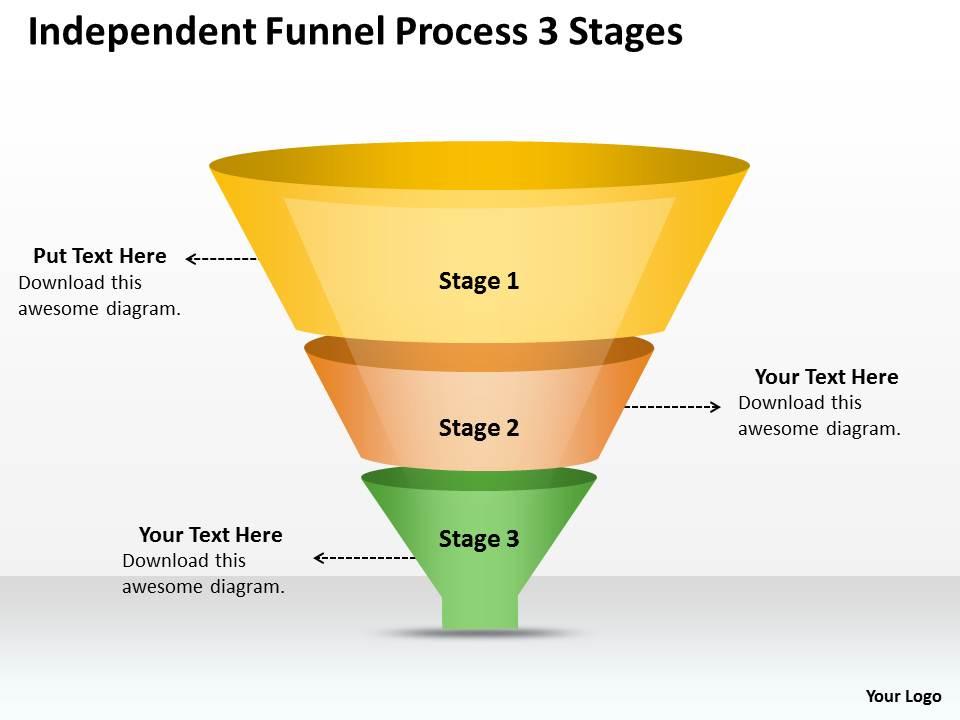
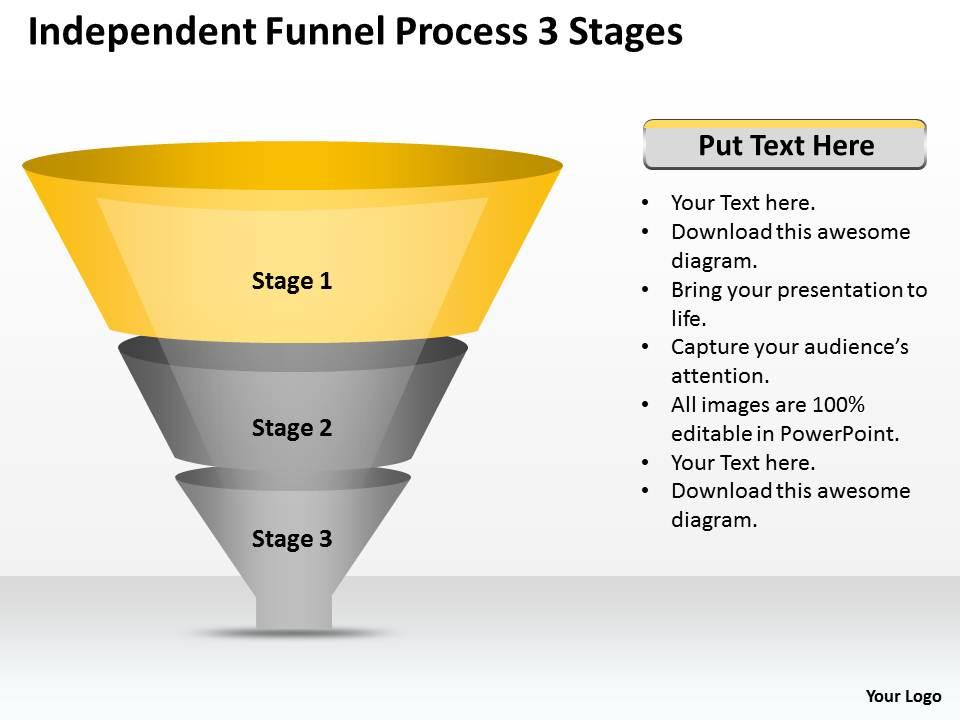
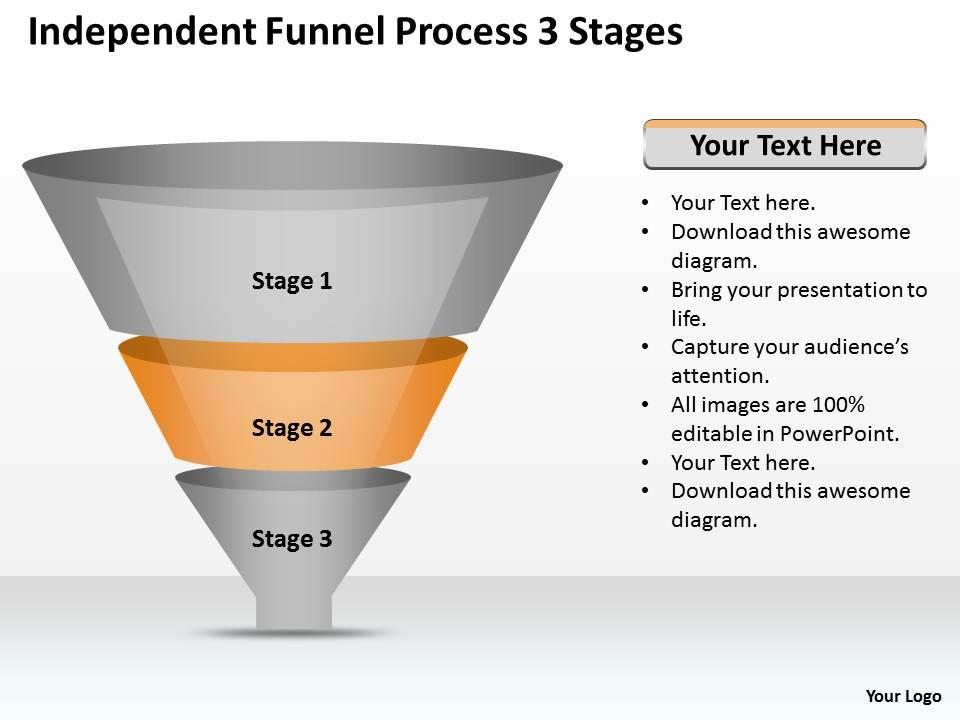
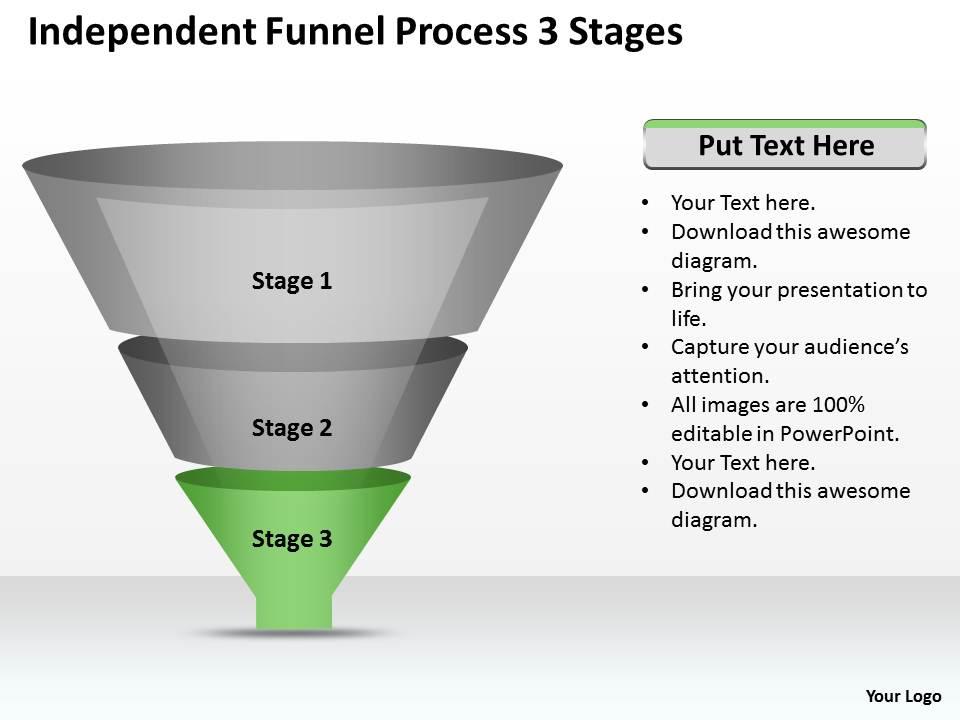
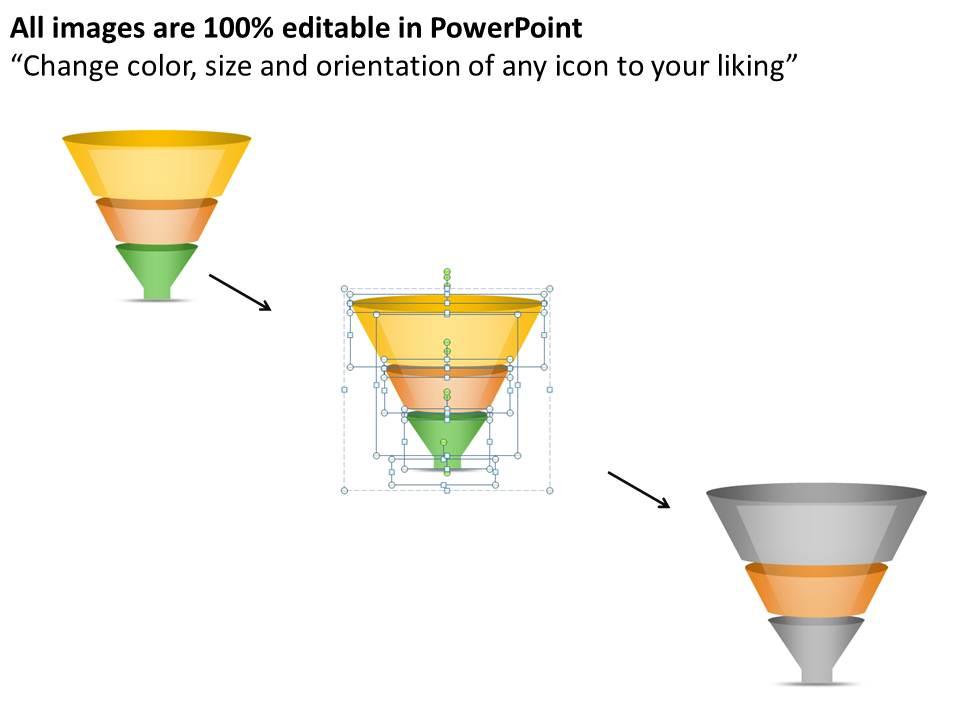
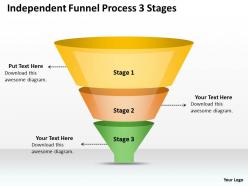
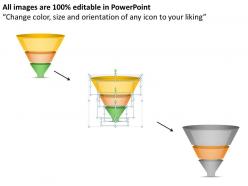
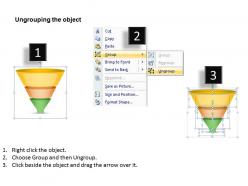
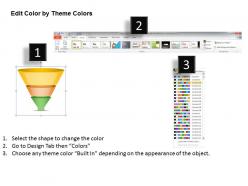
0620 project management consultant independent funnel process 3 stages powerpoint templates
Try Before you Buy Download Free Sample Product
Audience
Editable
of Time
Discharge your responsibility with our 0620 Project Management Consultant Independent Funnel Process 3 Stages Powerpoint Templates. Match up to the expectations of you.
People who downloaded this PowerPoint presentation also viewed the following :
0620 project management consultant independent funnel process 3 stages powerpoint templates with all 8 slides:
You have some issues to resolve. Deal with them through our 0620 Project Management Consultant Independent Funnel Process 3 Stages Powerpoint Templates.
FAQs for 0620 project management consultant independent funnel process 3
The project management consultant funnel process includes lead generation, initial consultation, needs assessment, proposal development, contract negotiation, and project execution phases. These stages streamline client acquisition by qualifying prospects early, establishing clear scope boundaries, and setting realistic expectations, with many consulting firms finding that structured funnels reduce project misalignment while accelerating contract closure rates.
Consultants can effectively qualify leads by assessing budget alignment, project scope complexity, decision-making authority, timeline requirements, and organizational readiness for change. Through structured discovery calls and qualification frameworks, consulting firms streamline their sales process, focus resources on high-potential opportunities, and enhance conversion rates, ultimately delivering more targeted proposals and stronger client relationships.
Project management consultant funnel tools include CRM platforms like HubSpot and Salesforce, proposal software such as PandaDoc and Proposify, scheduling applications like Calendly, communication platforms including Slack and Microsoft Teams, and analytics tools like Google Analytics. These technologies streamline client acquisition by automating lead nurturing, standardizing proposal creation, and tracking conversion metrics, with many consulting firms finding that integrated toolsets reduce administrative overhead while accelerating prospect-to-client conversion rates.
Client engagement varies significantly across funnel stages, from broad educational content and thought leadership in awareness phases to highly personalized proposals, detailed discovery sessions, and strategic consultations during decision stages. Early engagement focuses on demonstrating expertise through valuable insights, while later stages involve intensive collaboration, customized solutions development, and building deep trust relationships, with many consulting firms finding that sustained engagement quality directly correlates with conversion success rates.
Consultants should track lead conversion rates, proposal-to-contract ratios, average deal size, sales cycle length, and client acquisition costs throughout their funnel stages. These metrics enable strategic optimization by identifying bottlenecks, measuring ROI on marketing efforts, and forecasting revenue, with many consulting firms finding that consistent tracking ultimately delivers improved client targeting and enhanced profitability.
Consultants can tailor communication by focusing on educational content during awareness, demonstrating expertise through case studies in consideration, and presenting customized proposals with clear ROI metrics during decision stages. Effective strategies include industry-specific newsletters for prospects, detailed methodology presentations for qualified leads, and personalized implementation timelines for final evaluations, ultimately building trust while showcasing measurable business outcomes.
Content marketing serves as the primary driver for attracting prospects, establishing expertise, and nurturing relationships throughout the project management consultant funnel by delivering valuable insights, case studies, and strategic frameworks. Through blogs, whitepapers, and webinars, consultants demonstrate their methodology and results, with many finding that consistent, educational content significantly accelerates trust-building and converts prospects into long-term clients.
Consultants can identify bottlenecks by analyzing conversion rates at each funnel stage, tracking client response times, monitoring proposal-to-closing ratios, and gathering feedback from prospects who didn't convert. Through systematic measurement and client interviews, consulting firms streamline lead qualification processes, enhance proposal presentation methods, and optimize follow-up sequences, ultimately delivering faster client acquisition and improved conversion rates.
Common funnel mistakes include poor lead qualification, inconsistent follow-up, inadequate proposal customization, unrealistic timeline estimates, and weak client communication throughout the sales process. These oversights often result in longer sales cycles, reduced conversion rates, and misaligned client expectations, with many consultants finding that systematic funnel management and clear milestone tracking ultimately delivers higher-quality engagements and improved profitability.
Market trends significantly influence project management consultant funnel processes by shifting client priorities, creating new service demands, and altering decision-making timelines. As organizations increasingly embrace digital transformation, remote collaboration, and agile methodologies, consultants must adapt their funnel strategies to address these evolving needs, ultimately positioning themselves to capture emerging opportunities and deliver relevant solutions.
Lead nurturing strategies include personalized email sequences, educational webinars, case study sharing, consultation calls, and targeted content delivery based on project complexity and industry needs. These approaches enhance engagement by demonstrating expertise, addressing specific pain points, and building trust through relevant examples, with many consulting firms finding that consistent value-driven communication significantly increases conversion rates and shortens sales cycles.
Testimonials and case studies can be strategically placed throughout the funnel by featuring client success stories on landing pages, embedding video testimonials in email sequences, showcasing measurable project outcomes in proposals, and highlighting industry-specific case studies during consultations. These credibility builders work particularly well for consulting firms targeting healthcare, technology, and financial services sectors, with many organizations finding that detailed case studies demonstrating cost savings and timeline improvements ultimately accelerate prospect decision-making and increase conversion rates.
Effective follow-up techniques include personalized email sequences addressing specific pain points, value-driven content sharing like relevant case studies, strategic social media engagement, scheduled check-in calls, and multi-channel touchpoints combining phone and digital outreach. These approaches help consultants maintain momentum by demonstrating ongoing value, building trust through consistent communication, and positioning expertise strategically, with many finding that systematic follow-up processes significantly increase conversion rates and strengthen client relationships.
Project management methodologies can refine funnel processes through structured planning, milestone tracking, resource allocation, and continuous improvement frameworks like Agile or Lean Six Sigma. These approaches enable organizations to optimize lead progression, identify bottlenecks systematically, and enhance conversion rates, with many consulting firms finding that applying sprint methodologies and performance metrics ultimately delivers more predictable client acquisition outcomes.
A successful project management consultant funnel emphasizes expertise demonstration, relationship building, and trust establishment through case studies, methodology showcases, and educational content, while generic sales funnels focus primarily on product features and immediate conversions. This strategic approach enables consultants to attract qualified prospects seeking complex project solutions, build credibility through proven frameworks, and ultimately secure higher-value, long-term engagements with organizations requiring specialized expertise.
-
Design layout is very impressive.
-
Design layout is very impressive.