0914 geo distribution diagram storage networking with databases geographically ppt slide

Rating:
80%
0914 geo distribution diagram storage networking with databases geographically ppt slide
Slide 1 of 5
Favourites Favourites

Try Before you Buy Download Free Sample Product

Audience Impress Your
Audience
Editable 100%
Editable
Time Save Hours
of Time
The Biggest Sale is ending soon in
0
0
:
0
0
:
0
0
Rating:
80%
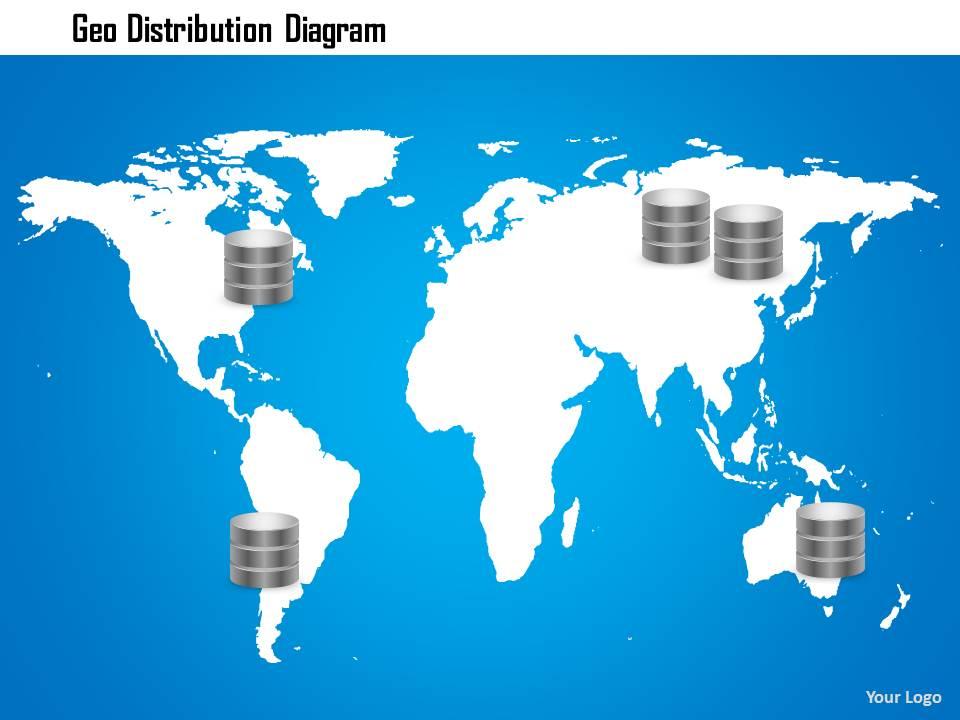
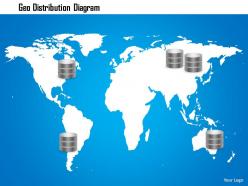
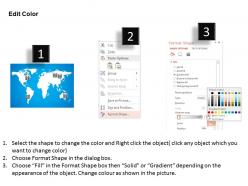
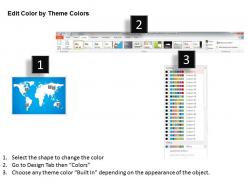
We are proud to present our 0914 geo distribution diagram storage networking with databases geographically ppt slide. This image slide displays geo distribution diagram. This image slide has been designed with graphic of world map with databases. Use this image slide, in your presentation to express views on networking, communication, storage and technology. This image slide will enhance the quality of your presentations.

People who downloaded this PowerPoint presentation also viewed the following :

FAQs for 0914 geo distribution diagram storage networking with databases

Effective geo distribution diagrams include clear geographical boundaries, proportional data visualization, intuitive color coding, accurate scale representation, and comprehensive legends. These elements work together by ensuring data accessibility, enhancing pattern recognition, and facilitating quick decision-making, with many organizations finding that well-designed geographical visualizations significantly improve strategic planning and resource allocation across multiple locations.

Geo distribution diagrams enhance data visualization by transforming complex geographic datasets into intuitive visual narratives, enabling immediate pattern recognition, regional comparison capabilities, and spatial trend identification. These visualizations streamline audience comprehension across sectors like retail expansion planning, healthcare resource allocation, and supply chain optimization, ultimately delivering more persuasive presentations and faster strategic decision-making.

**INPUT**: What software tools are best for creating geo distribution diagrams? **OUTPUT**: Leading software tools for geo distribution diagrams include Lucidchart, Microsoft Visio, Draw.io, ArcGIS, and Creately, each offering specialized mapping and network visualization capabilities. These platforms streamline infrastructure planning by enabling real-time collaboration, automated network mapping, and scalable documentation, with many organizations finding that integrated diagramming tools significantly enhance operational efficiency and strategic decision-making across distributed systems.

Geo distribution diagrams visualize data spatially across geographic regions using maps, heat maps, and location-based overlays, while bar and pie charts display numerical relationships without spatial context. These geographic visualizations enable organizations to identify regional patterns, optimize resource allocation across territories, and make location-specific strategic decisions, with many retail and logistics companies finding that spatial data reveals market opportunities invisible in traditional chart formats.

Geo distribution diagrams commonly represent demographic data, sales performance metrics, resource allocation, infrastructure locations, and market penetration statistics. These visualizations enable organizations across retail, logistics, and telecommunications sectors to identify regional patterns, optimize distribution strategies, and enhance operational efficiency, with many companies finding that geographic data analysis delivers significant competitive advantages in strategic planning.

**INPUT**: How can one ensure accuracy in the data represented in a geo distribution diagram? **OUTPUT**: Ensuring accuracy requires rigorous data validation, consistent geographic boundaries, regular source verification, standardized measurement units, and cross-referencing multiple datasets. Organizations across retail, logistics, and healthcare increasingly implement automated validation systems, real-time data feeds, and periodic audits, ultimately delivering reliable insights for strategic decision-making and enhanced operational efficiency. [Word count: 52 words]

Color best practices for geo distribution diagrams include using high contrast combinations, limiting palettes to 5-7 distinct colors, employing colorblind-friendly schemes, maintaining consistent coding across related visualizations, and selecting intuitive associations like red for high intensity or blue for water-related data. These strategic color choices enhance data comprehension by improving accessibility, reducing cognitive load, and enabling faster pattern recognition, with many organizations finding that thoughtful color selection significantly increases stakeholder engagement and decision-making speed across geographic presentations.

Geo distribution diagrams identify market trends by visualizing regional sales patterns, demographic shifts, customer concentrations, demand fluctuations, and competitive landscapes across different territories. Through strategic mapping and data analysis, organizations can spot emerging opportunities, optimize resource allocation, and adjust market strategies, with many retail and financial services companies finding these insights ultimately deliver competitive advantage and enhanced market positioning.

Scale determines the level of geographic detail and data granularity visible in geo distribution diagrams, affecting whether viewers analyze global trends, regional patterns, or local distributions. Different scales reveal different insights, with organizations like retail chains using national scales for market expansion while urban planners leverage local scales for infrastructure development, ultimately enabling more targeted strategic decisions and resource allocation.

Geo distribution diagrams contribute to strategic decision-making by visualizing market penetration, resource allocation patterns, and geographic performance metrics across regions. These visual tools enable businesses to identify expansion opportunities, optimize supply chain networks, and allocate marketing budgets more effectively, with many organizations finding that geographic insights streamline location-based strategies and enhance competitive positioning.

Geo distribution diagrams can be customized through color coding, data granularity levels, interactive features, labeling complexity, and visual styling to match audience expertise and needs. While technical teams benefit from detailed data layers and precise metrics, executive audiences prefer simplified visualizations with high-level insights, ultimately enabling organizations to communicate geographic strategies effectively across departments and stakeholder groups.

Common mistakes include overcrowding the map with excessive data points, using inconsistent scaling or color schemes, neglecting to provide clear legends, and failing to consider cultural sensitivities in regional representations. These errors significantly reduce diagram effectiveness by creating confusion, misinterpretation of geographic patterns, and poor stakeholder engagement, with many organizations finding that simplified, well-labeled visualizations deliver clearer insights and better decision-making outcomes.

Geo distribution diagrams enhance storytelling by visualizing data patterns across regions, creating emotional connections through spatial context, and supporting narrative flow with clear geographical transitions. These visual tools enable presenters to guide audiences through location-based insights seamlessly, with many organizations finding that combining regional data with compelling narratives delivers stronger stakeholder engagement and more persuasive business cases.

Ethical considerations include ensuring data accuracy, protecting individual privacy through aggregation, avoiding misleading visual scales, representing marginalized communities fairly, and providing proper context for interpretation. These principles help organizations maintain transparency and trust while presenting geographic insights, with many institutions finding that ethical data visualization ultimately delivers stronger stakeholder relationships and more credible analytical outcomes.

Interactive geo distribution diagrams engage audiences by allowing real-time data exploration, customizable filtering, and clickable elements that reveal detailed insights, while static versions present fixed information without user control. Through interactive features like zoom capabilities, layer toggles, and dynamic animations, organizations enhance audience comprehension, encourage deeper analysis, and deliver more memorable presentations that ultimately drive better decision-making and stakeholder engagement.

Ratings and Reviews

80% of 100
Write a review
Most Relevant Reviews
  1. 80%

    by Charles Nguyen

    Attractive design and informative presentation.
  2. 80%

    by Wilson Campbell

    Awesome use of colors and designs in product templates.

2 Item(s)

per page: