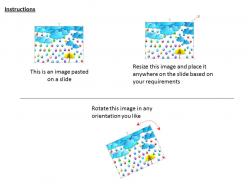
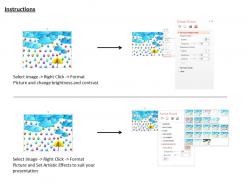
1114 rain drops coming from cloud image graphics for powerpoint

Rating:
90%
1114 rain drops coming from cloud image graphics for powerpoint
Slide 1 of 3
Favourites Favourites

Try Before you Buy Download Free Sample Product

Audience Impress Your
Audience
Editable 100%
Editable
Time Save Hours
of Time
The Biggest Sale is ending soon in
0
0
:
0
0
:
0
0
Rating:
90%
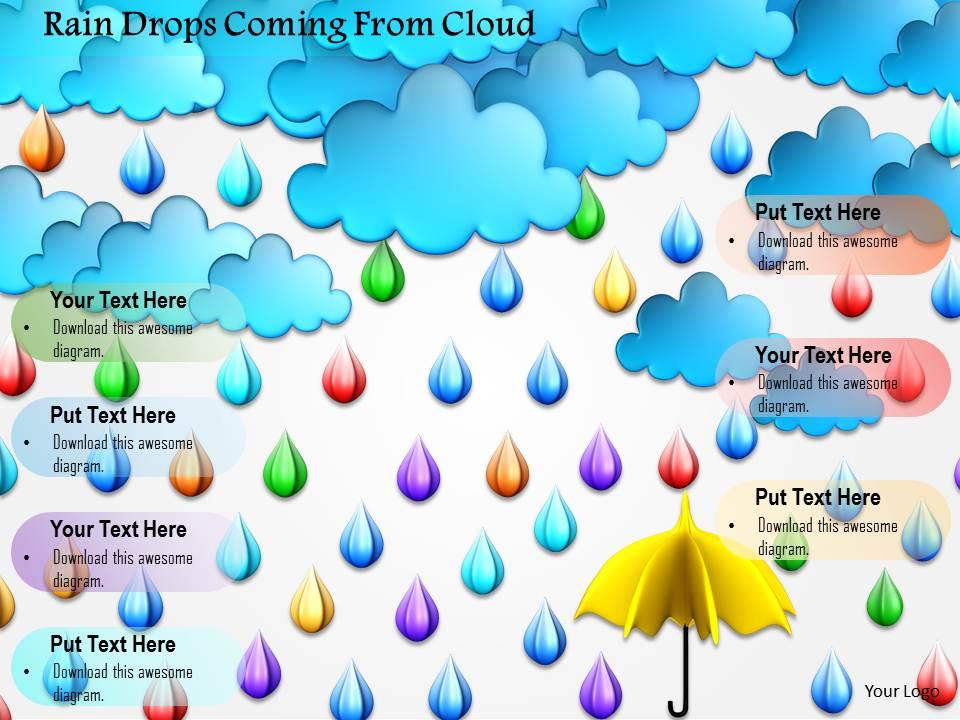
We are proud to present our 1114 rain drops coming from cloud image graphics for powerpoint. This Power point template has been designed with graphic of rain drops and cloud. This PPT contains the concept of rain and environment. Use this PPT for your nature and weather related presentations.

People who downloaded this PowerPoint presentation also viewed the following :

Content of this Powerpoint Presentation

Description:

The image shows a colorful PowerPoint slide titled "Rain Drops Coming From Cloud." It features an artistic depiction of clouds and multicolored raindrops with a single yellow umbrella at the bottom right. Around the graphic are placeholders with the prompt "Put Text Here," followed by "Download this awesome diagram." These are instructions for the presenter to customize the slide with their specific content.

Use Cases:

This whimsical slide can be employed across various industries:

1. Environmental Services:

Use: Discussing precipitation patterns and water cycle.

Presenter: Environmental Scientist

Audience: Students, environmentalists

2. Agriculture:

Use: Explaining the importance of rainfall for crops.

Presenter: Agronomist

Audience: Farmers, agricultural students

3. Water Management:

Use: Highlighting rainwater harvesting methods.

Presenter: Water Resource Manager

Audience: Community planners, local governments

4. Education:

Use: Teaching about weather and climate.

Presenter: Science Teacher

Audience: Schoolchildren, educators

5. Meteorology:

Use: Presenting weather forecasts and reports.

Presenter: Meteorologist

Audience: General public, media

6. Marketing:

Use: Promoting weather-related products, like umbrellas or raincoats.

Presenter: Marketing Manager

Audience: Customers, retail partners

7. Event Planning:

Use: Preparing for outdoor events and possible weather conditions.

Presenter: Event Coordinator

Audience: Clients, event staff

FAQs for 1114 rain drops coming from cloud image

Precipitation forms include rain, snow, sleet, hail, and freezing rain, with raindrops classified by size from drizzle (0.2-0.5mm) to heavy rain (over 5mm diameter). These classifications help meteorologists, agricultural specialists, and water management agencies enhance weather forecasting accuracy, optimize irrigation systems, and improve flood prediction models, ultimately delivering better resource planning and risk management across communities.

Atmospheric conditions influence raindrop characteristics through air pressure, temperature, humidity, and wind patterns, with higher altitudes creating smaller droplets while surface tension shapes them into spheres. These environmental factors determine precipitation efficiency, with meteorologists finding that temperature gradients and pressure variations ultimately control whether drops coalesce into larger formations or fragment during descent, affecting regional weather patterns.

Raindrops serve as the primary delivery mechanism for precipitation in the water cycle, replenishing groundwater, surface water, and soil moisture while enabling photosynthesis and nutrient distribution. Through precipitation patterns, ecosystems maintain biodiversity, agricultural systems sustain crop production, and watersheds deliver fresh water resources, ultimately supporting both natural habitats and human communities worldwide.

Scientific models simulate raindrop formation through computational fluid dynamics, microphysical parameterization, atmospheric thermodynamics, and collision-coalescence algorithms that track water vapor condensation and droplet interactions. These sophisticated simulations enable meteorologists, agricultural researchers, and urban planners to predict precipitation patterns, optimize irrigation systems, and enhance flood management strategies, ultimately delivering more accurate weather forecasts and improved resource planning.

Raindrops significantly impact soil erosion by dislodging soil particles through splash erosion, creating surface crusting, and accelerating water runoff velocity. Heavy rainfall events can remove topsoil, reduce agricultural productivity, and overwhelm drainage systems, with many regions finding that implementing erosion control measures like terracing and vegetation cover ultimately delivers soil conservation and improved water management outcomes.

Raindrops act as natural prisms, refracting and reflecting sunlight to create rainbows, halos, and corona effects through light dispersion and interference patterns. These optical phenomena occur when sunlight enters water droplets at specific angles, separating white light into component colors, with atmospheric conditions like droplet size and sun position determining visibility and intensity of these spectacular displays.

Urban areas significantly alter rainfall patterns through heat island effects, increased surface runoff, enhanced convection from concrete and asphalt, aerosol emissions, and modified wind patterns. These urban influences create localized precipitation changes, with many metropolitan regions finding that strategic water management systems, green infrastructure implementations, and sustainable drainage solutions help optimize water resource distribution while minimizing flood risks and enhancing overall urban resilience.

Advanced radar systems, satellite imagery, machine learning algorithms, lidar technology, and computational fluid dynamics are revolutionizing raindrop pattern analysis and weather prediction capabilities. These technologies streamline meteorological forecasting by enhancing precipitation modeling, improving storm tracking accuracy, and enabling real-time atmospheric monitoring, with weather services and agricultural sectors finding significantly better crop management and disaster preparedness outcomes.

Different surfaces significantly alter raindrop impact through varying absorption rates, texture, and hardness, with porous materials like grass absorbing water while hard surfaces like asphalt create splash and runoff. These surface interactions determine water distribution patterns, erosion potential, and drainage efficiency, with many urban planners finding that strategic surface combinations enhance stormwater management and minimize flooding risks.

Larger raindrops typically indicate higher rainfall intensity, as stronger updrafts in intense storms can support bigger drops before they fall. Small drops characterize light drizzle, while heavy downpours feature larger drops that break apart upon impact, with meteorologists finding that drop size distribution helps predict storm severity and duration for weather forecasting applications.

Climate change alters raindrop characteristics through increased atmospheric moisture, higher temperatures, and shifting pressure systems, creating larger droplets, more intense precipitation events, and altered seasonal patterns. These changes impact agricultural planning, urban infrastructure capacity, and water resource management, with many regions finding that traditional rainfall models require updating to address increasingly variable precipitation patterns and infrastructure demands.

Raindrops inspire diverse cultural interpretations across literature and visual arts, symbolizing renewal, melancholy, transformation, cleansing, and emotional release through poetry, paintings, and musical compositions. From impressionist watercolors capturing light refraction to haikus celebrating nature's cycles, these artistic expressions deliver universal themes of hope and reflection, ultimately connecting audiences with shared human experiences across cultures.

Businesses can leverage raindrop themes through water-cycle metaphors for growth processes, cascading visual elements showing data flow, and renewal messaging for rebranding campaigns. These design approaches enhance presentations by creating emotional connections with audiences, while companies like insurance providers and environmental firms find raindrop imagery effectively communicates themes of protection, sustainability, and natural progression, ultimately delivering memorable brand experiences.

Common misconceptions about rainfall include believing all raindrops are teardrop-shaped, when they're actually spherical or flattened, and assuming larger drops fall faster in all conditions. These physics principles impact meteorological forecasting, agricultural planning, and water management systems, with industries like precision farming and weather services finding that accurate rainfall modeling enhances crop yields and operational efficiency.

Raindrops influence air quality by capturing pollutants, dust particles, and aerosols during their descent, effectively cleansing the atmosphere through wet deposition processes. Upon impact, this natural filtration system removes nitrogen compounds, sulfur dioxide, and particulate matter from urban environments, with cities like Los Angeles and Beijing finding significantly improved air quality following precipitation events, ultimately delivering cleaner atmospheric conditions.

Ratings and Reviews

90% of 100
Write a review
Most Relevant Reviews
  1. 80%

    by Danilo Woods

    Topic best represented with attractive design.
  2. 100%

    by Michael Clark

    The Designed Graphic are very professional and classic.

2 Item(s)

per page: