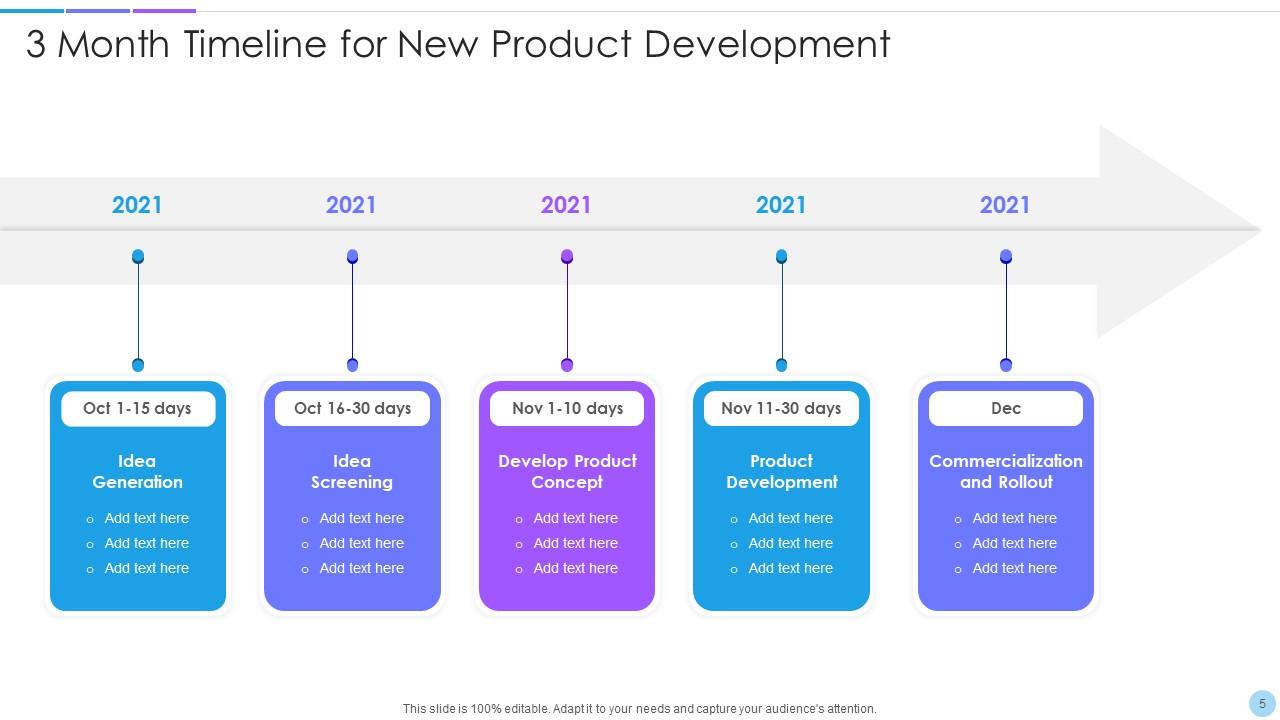
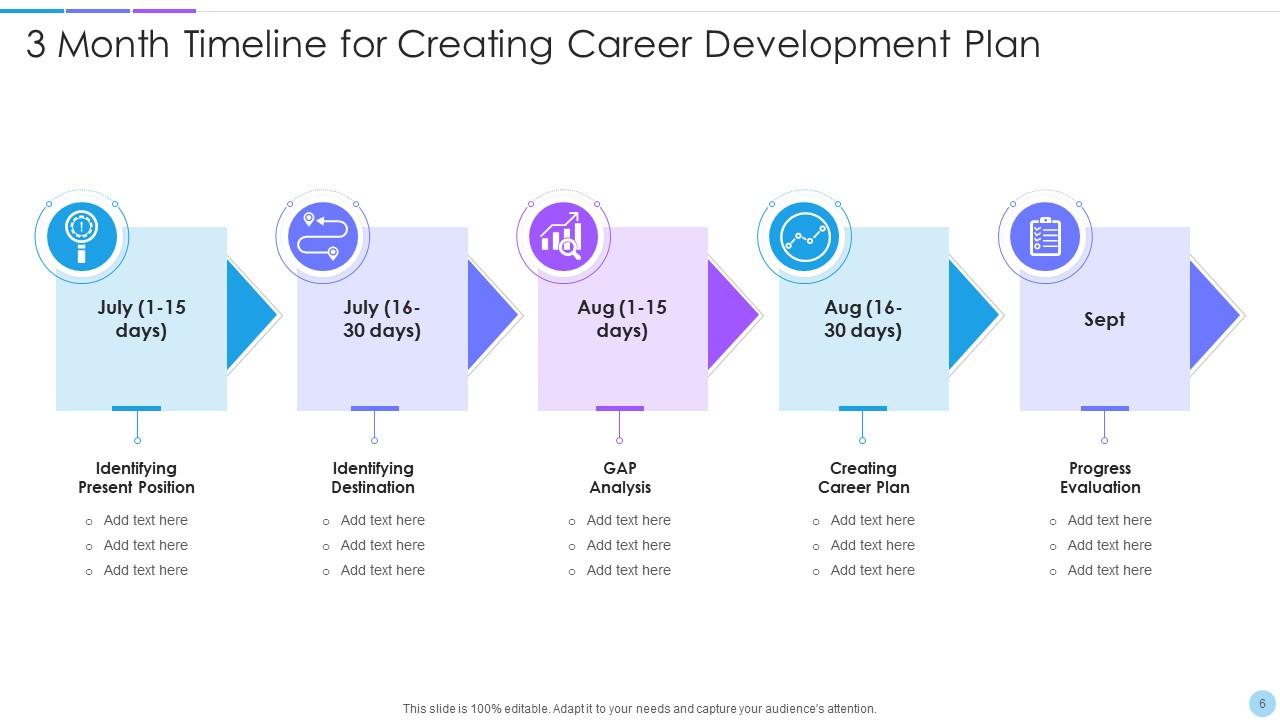
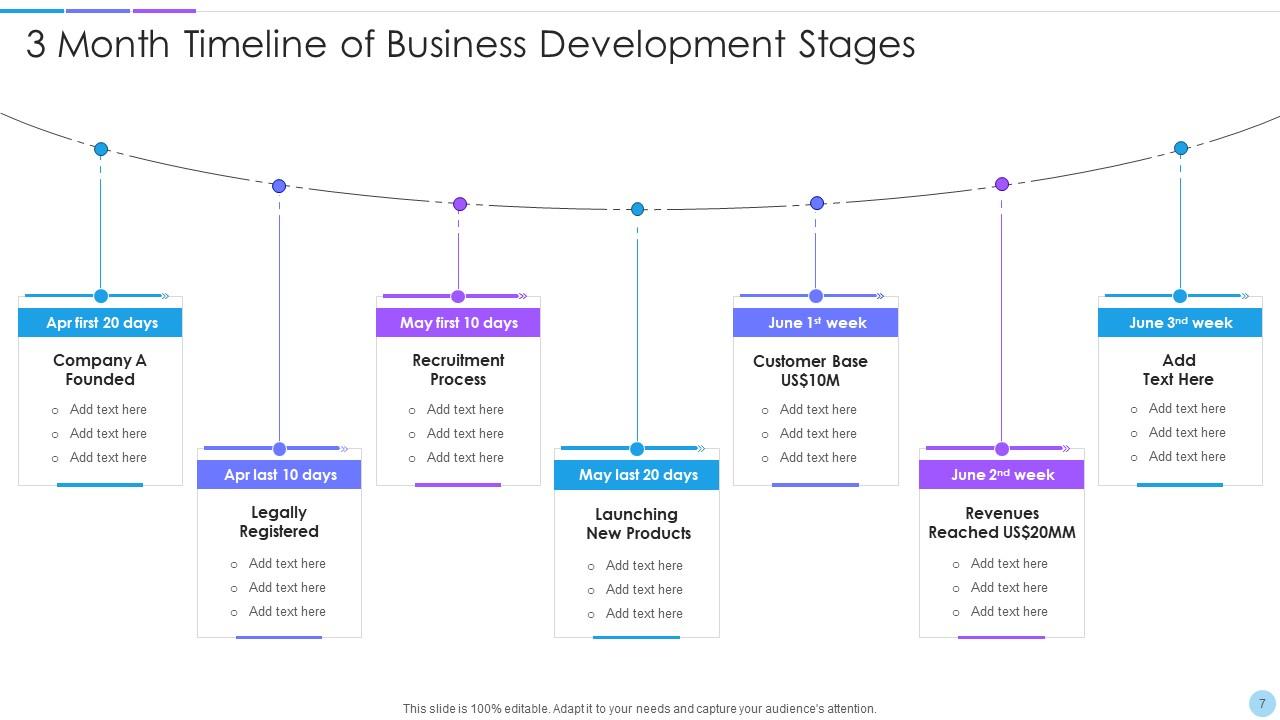
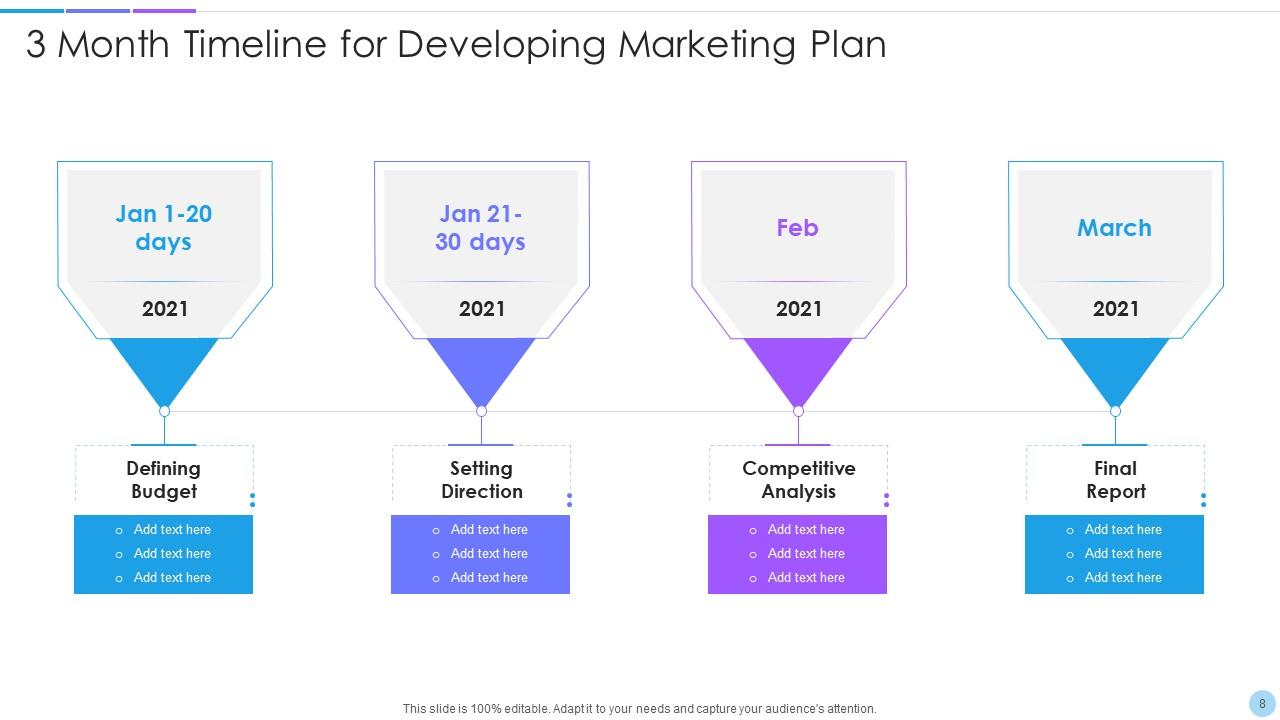
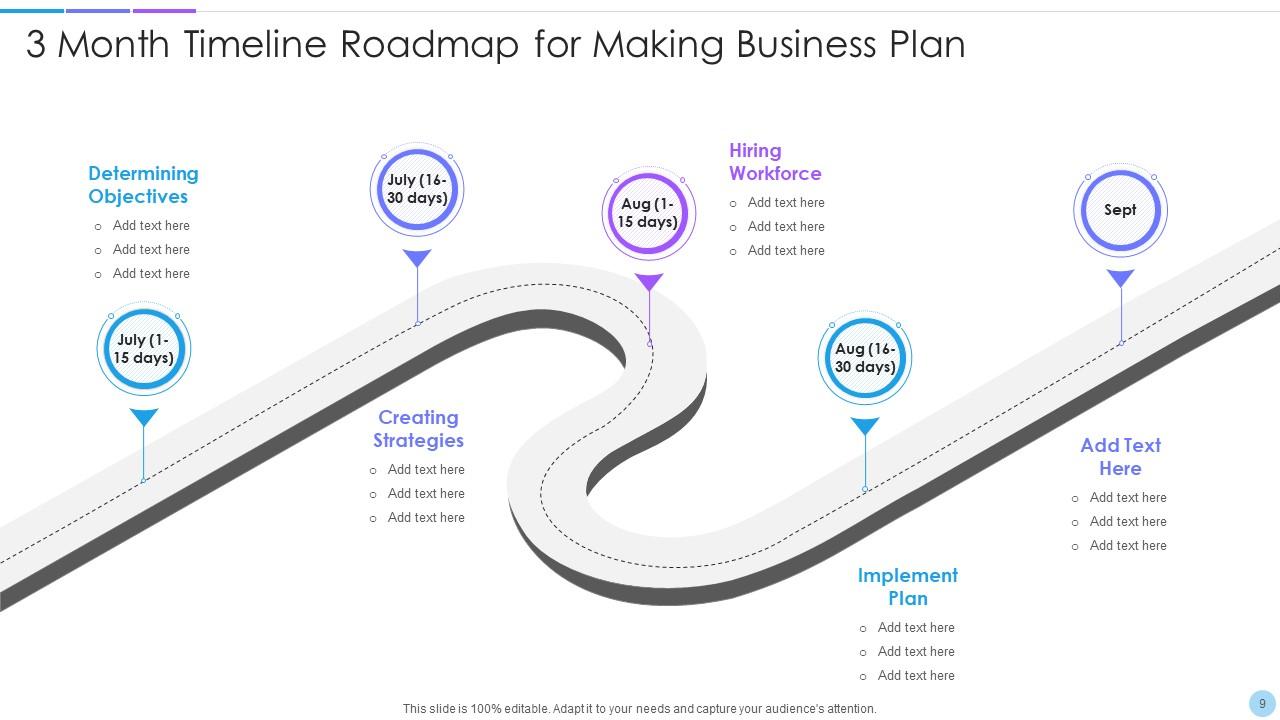
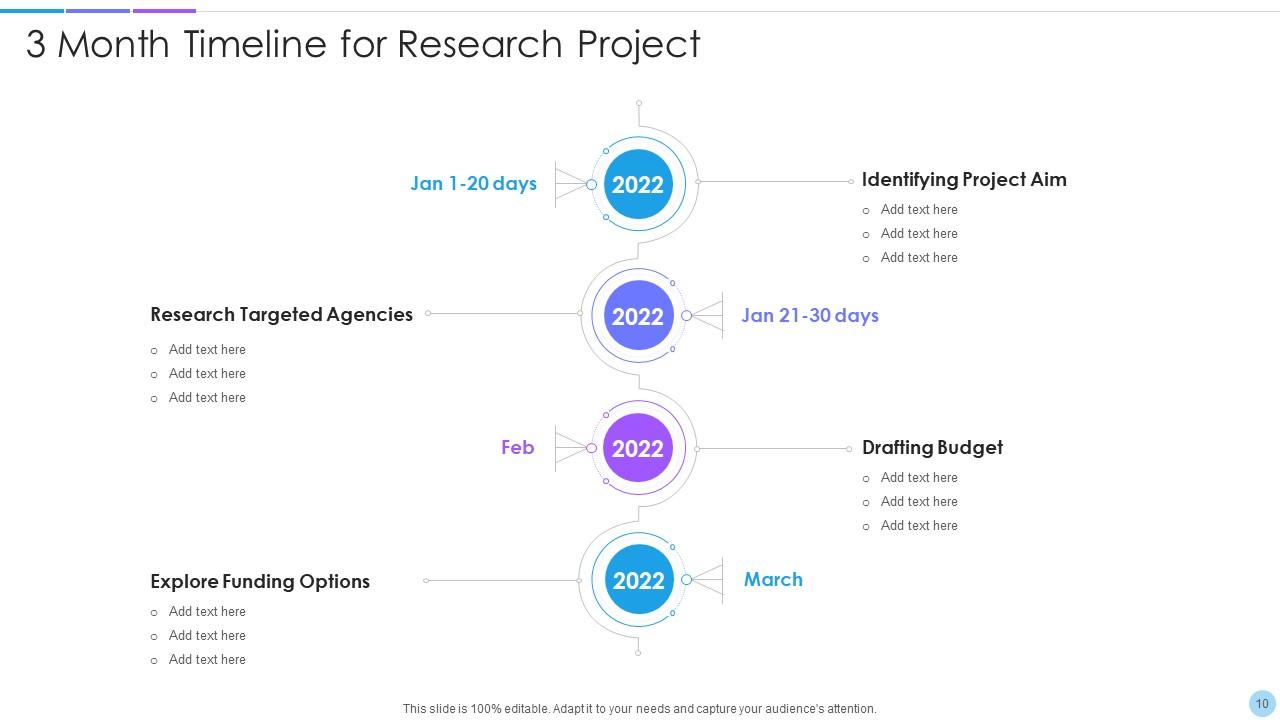
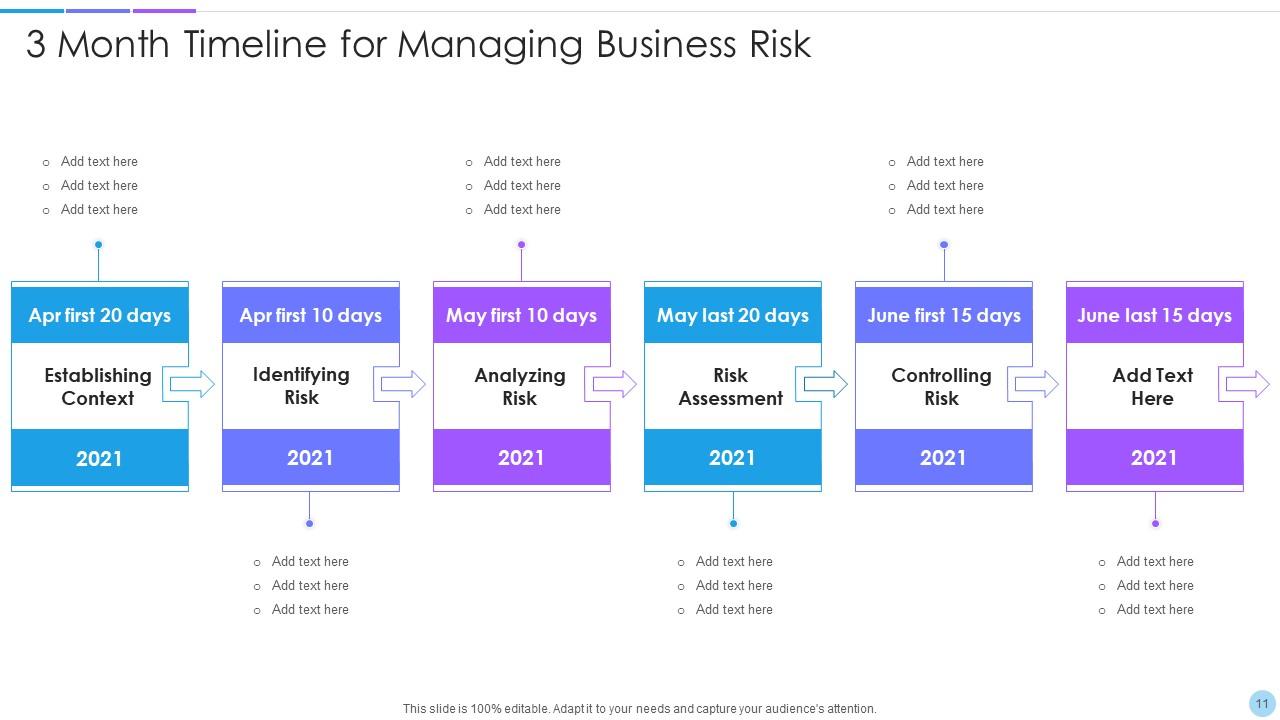
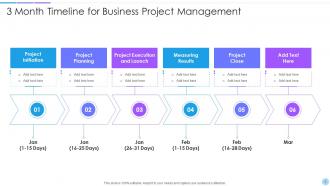
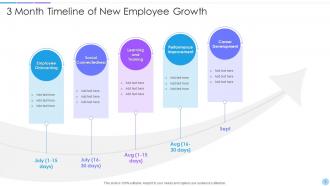
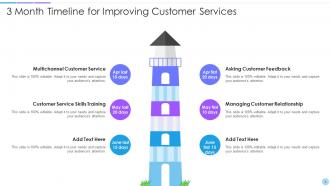
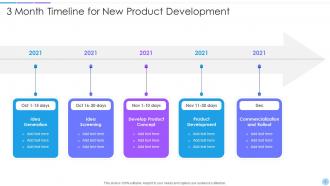
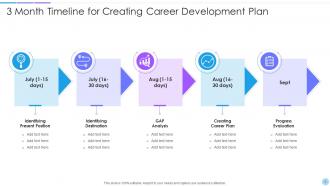
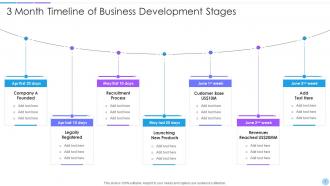
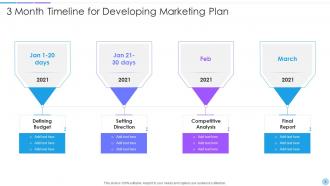
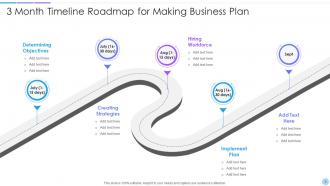
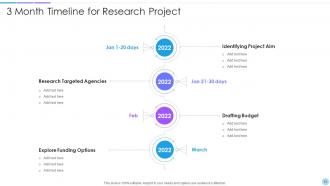
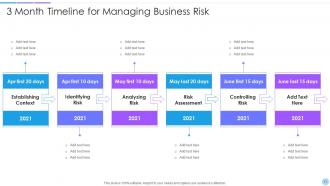
3 Month Timeline Roadmap Powerpoint Ppt Template Bundles

Rating:
90%
3 Month Timeline Roadmap Powerpoint Ppt Template Bundles
Slide 1 of 17
Favourites Favourites

Try Before you Buy Download Free Sample Product

Audience Impress Your
Audience
Editable 100%
Editable
Time Save Hours
of Time
The Biggest Sale is ending soon in
0
0
:
0
0
:
0
0
Rating:
90%
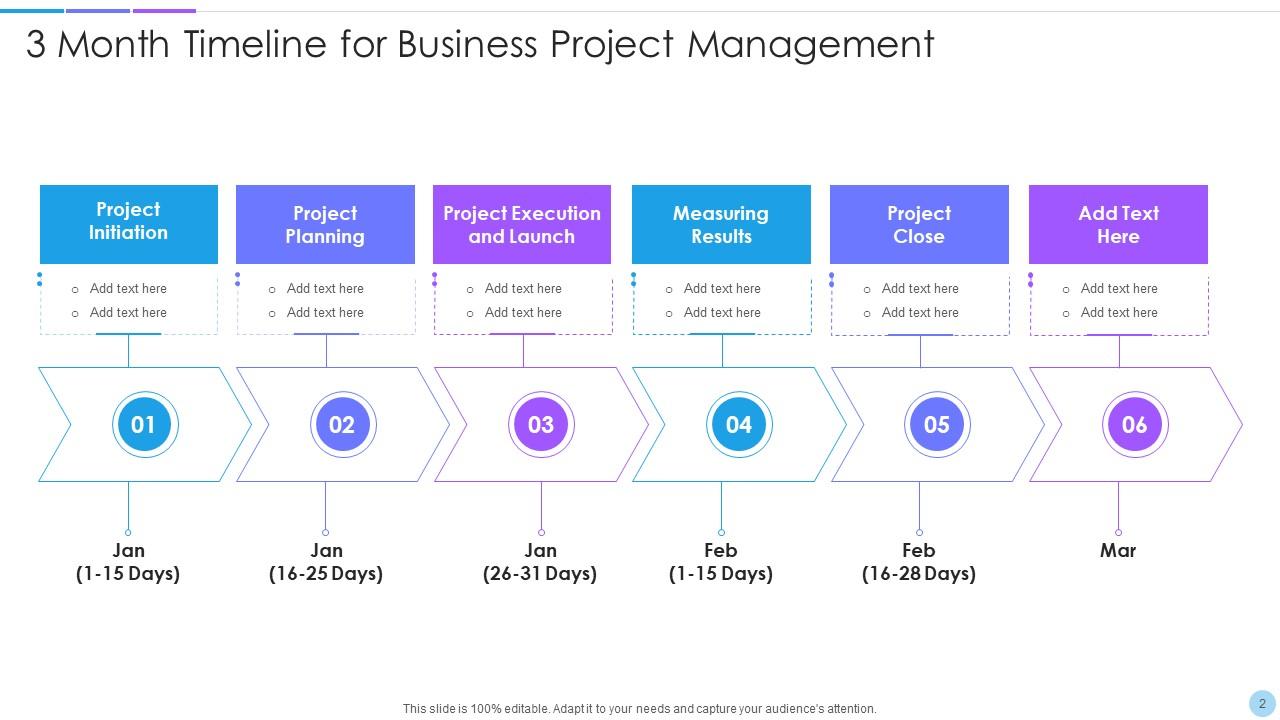
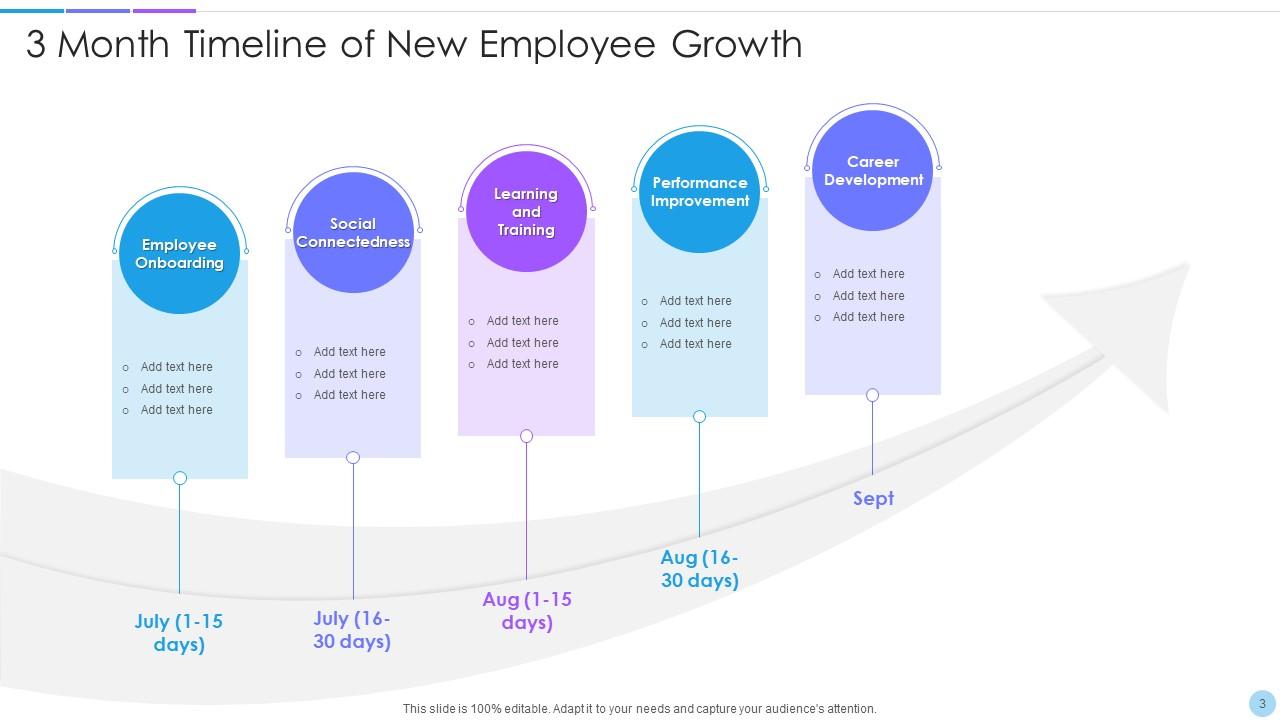
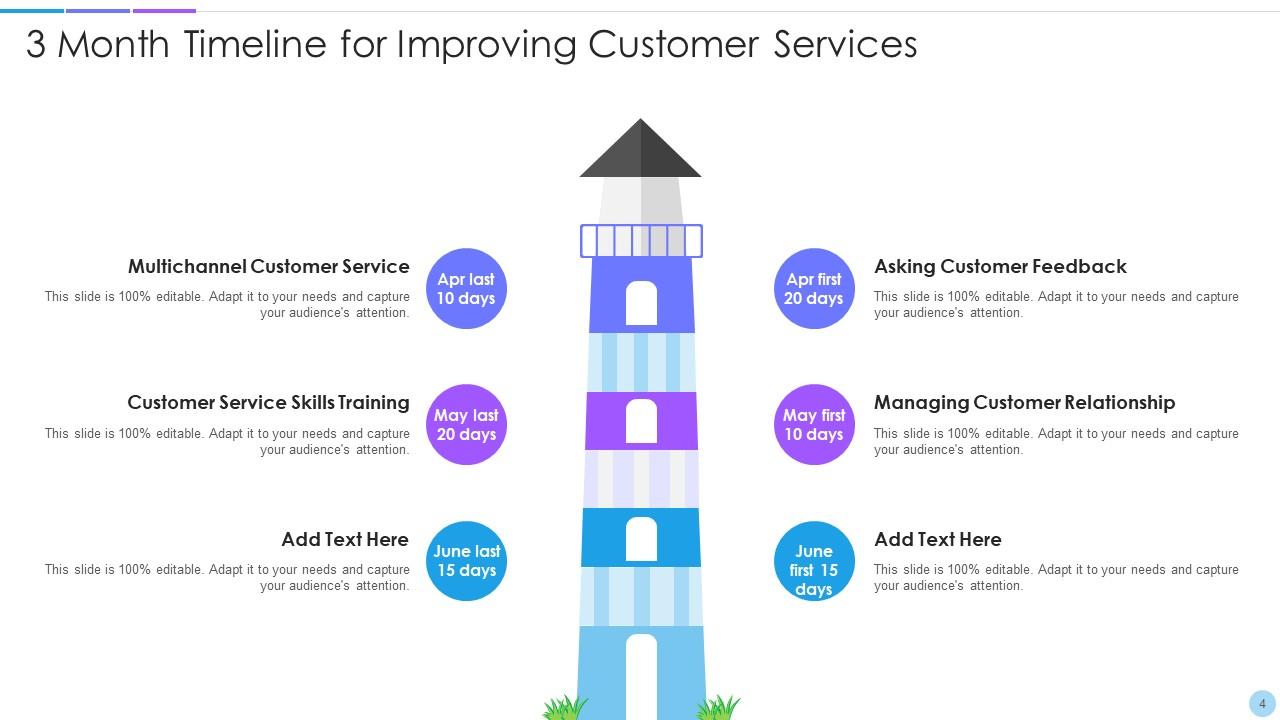
If you require a professional template with great design, then this 3 Month Timeline Roadmap Powerpoint Ppt Template Bundles is an ideal fit for you. Deploy it to enthrall your audience and increase your presentation threshold with the right graphics, images, and structure. Portray your ideas and vision using twelve slides included in this complete deck. This template is suitable for expert discussion meetings presenting your views on the topic. With a variety of slides having the same thematic representation, this template can be regarded as a complete package. It employs some of the best design practices, so everything is well structured. Not only this, it responds to all your needs and requirements by quickly adapting itself to the changes you make. This PPT slideshow is available for immediate download in PNG, JPG, and PDF formats, further enhancing its usability. Grab it by clicking the download button.

FAQs for 3 Month Timeline Roadmap Powerpoint

Effective timeline roadmap templates include clear milestones, defined phases, resource allocation markers, dependency indicators, and progress tracking mechanisms. These components work together by providing visual clarity, enabling stakeholder alignment, and facilitating proactive planning, with many organizations finding that well-structured templates streamline project coordination and ultimately deliver faster execution and improved accountability.

A timeline roadmap enhances project management by providing visual clarity on milestones, dependencies, and resource allocation, while establishing clear accountability and progress tracking mechanisms. Through strategic visualization, teams streamline communication, minimize scheduling conflicts, and accelerate decision-making processes, with many organizations finding that shared timeline roadmaps ultimately deliver improved coordination and measurable project success rates.

Timeline roadmap design requires clear milestone definitions, realistic timeframe allocations, stakeholder alignment checkpoints, visual hierarchy for priorities, and built-in flexibility for adjustments. These practices streamline project execution by enhancing communication transparency, enabling proactive risk management, and maintaining team accountability, with many organizations finding that well-structured roadmaps ultimately deliver faster project completion and improved resource allocation across departments.

Color in timeline roadmaps significantly enhances audience engagement by improving visual hierarchy, enabling quick pattern recognition, and creating emotional connections to different project phases or priorities. Strategic color choices help viewers instantly distinguish between milestones, departments, or risk levels, while consistent color coding reduces cognitive load and increases comprehension speed, ultimately delivering clearer communication and more productive stakeholder discussions.

Timeline roadmaps are most beneficial for decision-making in complex projects requiring stakeholder alignment, resource coordination, and milestone tracking, such as product launches, merger integrations, or digital transformations. These visual tools enable organizations to identify dependencies, anticipate bottlenecks, and optimize resource allocation across departments, ultimately delivering clearer communication and faster strategic execution in dynamic business environments.

**INPUT**: What software tools are commonly used to create timeline roadmap templates? **OUTPUT**: Common software tools for creating timeline roadmap templates include Microsoft Project, Visio, PowerPoint, Smartsheet, Asana, and specialized platforms like ProductPlan. These tools streamline project visualization by enabling drag-and-drop functionality, real-time collaboration, and automated updates, with many organizations finding that integrated platforms ultimately deliver enhanced team alignment and faster project delivery. *[Word count: 53]*

Stakeholders can effectively interpret timeline roadmaps by focusing on key milestones, dependencies between phases, resource allocation patterns, and critical path elements that impact delivery dates. These visual tools streamline communication by presenting complex project sequences chronologically, with many organizations finding that color-coding priorities and highlighting risk factors ultimately enhances decision-making and strategic alignment across teams.

A comprehensive timeline roadmap should include clear milestones, specific deliverables, resource allocation requirements, key stakeholder responsibilities, and defined success metrics for each phase. These elements work together by providing strategic visibility, enabling proactive risk management, and facilitating cross-functional alignment, with many organizations finding that this structured approach ultimately delivers faster project completion and enhanced team accountability.

Timeline roadmaps aid in visualizing long-term strategic goals by breaking complex initiatives into sequential phases, mapping dependencies between projects, and establishing clear milestone markers across extended timeframes. Through visual progression tracking, organizations can communicate multi-year visions more effectively, align cross-functional teams around shared objectives, and maintain strategic focus while adapting to market changes, ultimately delivering enhanced stakeholder alignment.

Common mistakes include unrealistic timeframes, insufficient stakeholder input, overly rigid structures, poor resource allocation, and lack of regular updates. These pitfalls undermine project success by creating confusion, missed deadlines, and scope creep, with many organizations finding that flexible, well-researched roadmaps with built-in review cycles deliver better outcomes and stronger stakeholder alignment.

Timelines in agile project management are adapted through sprint-based iterations, flexible milestone adjustments, and continuous feedback loops that accommodate changing requirements. These adaptive frameworks enable teams to maintain project visibility while embracing iterative development cycles, with many software development organizations finding that visual timeline roadmaps enhance stakeholder communication and deliver improved project predictability.

Feedback serves as a critical calibration tool, enabling teams to identify bottlenecks, validate assumptions, and adjust milestones based on real-world performance and stakeholder insights. Through regular feedback cycles, organizations can refine resource allocation, timeline accuracy, and project priorities, with many finding that iterative improvements ultimately deliver more realistic roadmaps and enhanced project success rates.

Timeline roadmaps focus on high-level strategic milestones and outcomes rather than detailed task dependencies, while Gantt charts emphasize granular project scheduling with specific timelines and resource allocations. Through simplified visual storytelling, timeline roadmaps enable stakeholders to grasp strategic direction and key deliverables quickly, ultimately enhancing communication across organizations and facilitating better strategic alignment than complex dependency-heavy alternatives.

Timeline roadmaps are highly customizable across industries through adjustable milestones, regulatory requirements, compliance checkpoints, and sector-specific deliverables. Financial services firms incorporate risk assessments and regulatory approvals, while manufacturing companies emphasize production phases and quality controls, with healthcare organizations finding that patient safety protocols and FDA requirements create unique timeline structures, ultimately delivering industry-relevant project management and strategic alignment.

Strategies include regular milestone reviews, automated progress tracking, stakeholder feedback loops, flexible buffer integration, and quarterly roadmap assessments. These approaches streamline roadmap accuracy by enabling real-time adjustments, anticipating scope changes, and maintaining stakeholder alignment, with many project teams finding that proactive timeline management ultimately delivers improved project outcomes and enhanced operational efficiency.

Ratings and Reviews

90% of 100
Review Form
Write a review
Most Relevant Reviews
  1. 80%

    by Collin Gonzales

    SlideTeam has helped me take my presentation to the next level. Everyone at the office is impressed! I’ll be using their designs for a long-long time.
  2. 100%

    by Darrin Porter

    Editable, diversified, compatible with MS PPT and Google Slides, and on top of that finest graphics!! I mean in the words of the famous Ross Geller, “What more do you want!”

2 Item(s)

per page: