3 stage process of supply chain management

3 stage process of supply chain management
Slide 1 of 2

or

Favourites Favourites

Try Before you Buy Download Free Sample Product

Audience Impress Your
Audience
Editable 100%
Editable
Time Save Hours
of Time
The Biggest Sale is ending soon in
0
0
:
0
0
:
0
0
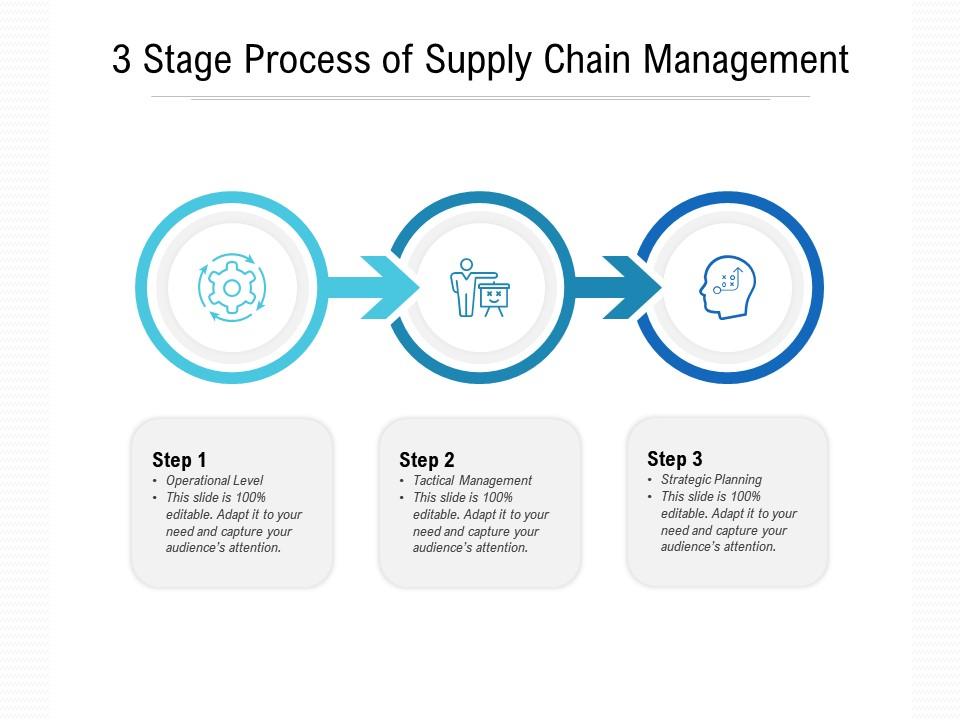
Presenting this set of slides with name 3 Stage Process Of Supply Chain Management. This is a three stage process. The stages in this process are 3 Stage, Process, Supply Chain Management. This is a completely editable PowerPoint presentation and is available for immediate download. Download now and impress your audience.

FAQs for 3 stage process of

Honestly, start by mapping out your whole supply chain - that's where most people mess up right from the gate. You'll need solid demand forecasting and good relationships with suppliers. Inventory optimization is crucial too, but don't obsess over perfection there. Risk management became way more important after COVID hit everyone hard. The real trick? Getting decent visibility into your data across everything. Without that, you're basically guessing. Oh, and logistics coordination obviously. I'd focus on your biggest headaches first rather than trying to fix everything at once.

Dude, so IoT sensors basically track everything in real-time - temps, location, how much inventory you've got. Then AI crunches all that data to predict demand and optimize delivery routes. It'll even warn you about problems before they actually happen, which is honestly pretty cool. You can set up automatic reordering and catch quality issues way earlier. Equipment failures? Yeah, it predicts those too. Don't try to do everything at once though - maybe start with just inventory tracking or demand forecasting first and see how it goes.

Honestly, demand forecasting is like having a crystal ball for your supply chain. You're trying to predict what customers actually want so you don't end up with too much inventory sitting around or - worse - running out of popular stuff. Historical sales data is your best friend here, plus looking at seasonal patterns. Short bursts work better than marathon planning sessions, at least in my experience. Good forecasts help you time your orders right and keep storage costs down. It sounds super boring but it literally makes or breaks your profit margins. Way better than just winging it and hoping for the best.

Honestly, start with your suppliers - that's where you'll make the biggest impact. Look at who you're working with and check their labor practices, carbon footprint, waste management, all that stuff. Transportation's another big one - consolidate shipments and optimize routes to cut emissions. Find partners who actually care about sustainability too, not just the ones who greenwash everything. Oh, and set up some metrics so you can track if you're actually making progress or just spinning your wheels. First move though? Do a quick audit of your current suppliers and go after the easy wins like reducing packaging waste or switching to renewable energy.

Honestly, the worst parts are when your suppliers randomly can't deliver and you're scrambling to forecast demand that makes zero sense. Currency rates will screw you over literally overnight - I've seen it happen so many times. Quality control becomes this nightmare when you're dealing with like 5 different suppliers who all have their own standards. Then there's the regulatory stuff varying by country, plus trying to coordinate with teams in completely different time zones (and cultures, which is actually harder than the time thing). Communication gaps kill you. Build backup suppliers into everything and get some decent tracking tools so you can catch issues early.

Dude, supply chain issues will mess you up BAD. Like, everything falls apart at once - late deliveries, pissed off customers, costs going through the roof. Your revenue drops because you can't ship stuff on time. Meanwhile you're bleeding money on rush orders and scrambling for backup suppliers. Customers start bailing when they can't get what they ordered. It's brutal how fast things spiral. The smart move? Don't wait for disaster to strike. Line up multiple suppliers now and have backup plans ready. Way easier than trying to fix everything when you're already drowning.

What metrics are most important? Depends on what you're trying to fix, but I'd start with on-time delivery rate and inventory turnover. Total cost of ownership matters too. Order fulfillment cycle time is probably the biggest one though - tracks how long orders take start to finish. Cash-to-cash cycle time is solid if you want to see how fast you're turning inventory back into actual money. But honestly? Don't go crazy tracking every single thing. You'll just get overwhelmed with spreadsheets and charts everywhere. Pick maybe 3-4 that match your worst headaches right now, nail those down, then add more later.

Honestly, data analytics is a game changer for supply chain stuff. Machine learning can crunch way more variables than you ever could - weather patterns, seasonal trends, how reliable your suppliers actually are. It'll predict demand spikes and catch bottlenecks before they screw you over. Real-time alerts about disruptions are pretty sweet too. Don't go crazy though, start with something specific like preventing stockouts. Most companies already have the data just sitting there unused anyway. Way better than guessing based on experience alone.

Look, solid vendor relationships are honestly game-changers for your supply chain costs and quality. Instead of just placing orders and hoping for the best, actually partner with these people. You'll get better deals, first dibs when things get scarce, and heads-up calls about problems before they hit you. Regular check-ins matter here - kind of like maintaining any relationship that actually works. I've seen too many people skip this part then scramble when they need flexibility. Trust me, putting in that upfront effort pays off big when crunch time hits and you need someone in your corner.

Look, inventory is honestly what makes or breaks your whole supply chain. Get it right and you dodge those annoying stockouts that piss off customers. You also won't tie up cash in dead stock sitting around forever. Better forecasting comes naturally when you track things properly - which saves everyone headaches later. Your suppliers will actually like working with you more since you can plan orders that make sense. I'd say start by checking your turnover rates first. The trick is hitting that balance where you've got enough stock but aren't going overboard with your budget.

Honestly, don't put all your eggs in one basket - that's like asking for disaster when stuff goes sideways. Get multiple suppliers spread across different regions, maybe some closer to home so you're not relying on overseas drama. Buffer stock for your critical items is smart too. I'd start by figuring out which supplier relationships could really screw you over if they fail, then work on backups there. Better tracking tools help you see problems coming. Yeah, it costs more than just going with the cheapest option, but redundancy beats efficiency when everything's falling apart. Trust me on this one.

Think of logistics as your money-saving hub for the whole supply chain. Transportation, warehousing, inventory - it all connects. Better route planning cuts costs. So does smarter inventory placement and reduced storage expenses. Companies I've worked with? They've dropped their supply chain costs by 15-20% just fixing logistics alone. Transportation hits hardest - consolidate shipments, pick better carriers. Also store stuff closer to where people actually buy it. Honestly, start with auditing transportation spend first. That's where you'll find the easiest wins without getting overwhelmed by everything else.

Risk mapping is your starting point - figure out where all your suppliers are and what could go wrong (natural disasters, political mess, whatever). Then rate how likely each scenario is and how badly it'd hurt you. Not gonna lie, this feels like a total slog at first. Diversify your supplier base so you're not screwed if one goes down. Keep extra inventory of the stuff you absolutely can't run without. Set up solid communication with your key suppliers too. Oh, and have backup plans ready *before* everything hits the fan - scrambling during a crisis sucks.

First, figure out what your company actually cares about - customer happiness, going green, whatever. Then make sure your supply chain metrics match those goals instead of just tracking random stuff. Here's the annoying part: getting everyone aligned is like herding cats, but those cross-functional meetings really do help (even when they're boring). Map out how each supply chain choice affects your bigger picture. I'd build a simple scorecard that tracks both the day-to-day operations and strategic wins. Review it monthly with leadership so you're not just spinning your wheels.

Honestly, it's like magic when you actually start working together with your suppliers and customers. Share your forecasting data with them and suddenly you can predict demand way better. No more surprise stockouts or sitting on tons of inventory you don't need. Your suppliers love it because they get predictable orders, customers are happy because stuff arrives faster and cheaper. Everyone wins, right? Start small though - just pick one major partner first and share basic forecast info. I learned this the hard way, but once you see how much smoother everything runs, you'll want to expand it everywhere.

Ratings and Reviews

0% of 100
Review Form
Write a review
Most Relevant Reviews

No Reviews