

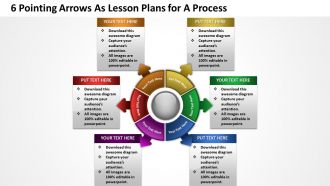
6 pointing arrows as lesson plans for a process powerpoint templates ppt presentation slides 812





Try Before you Buy Download Free Sample Product
 Impress Your
Audience
 100%
Editable
 Save Hours
of Time


Establish your credentials with our 6 Pointing Arrows As Lesson Plans for A Process Powerpoint Templates ppt presentation slides 812. They will certify your capability.
People who downloaded this PowerPoint presentation also viewed the following :
6 pointing arrows as lesson plans for a process powerpoint templates ppt presentation slides 812 with all 11 slides:
Capture the attention your presentation deserves. Our dynamic 6 Pointing Arrows As Lesson Plans for A Process Powerpoint Templates ppt presentation slides 812 design engage with your audience.


FAQs for 6 pointing arrows as lesson plans for a process powerpoint templates ppt
Start with your main goal - what do you actually want kids to learn? Then work backwards from there. You need a solid hook upfront, activities that build on each other, and some way to check they're getting it. Oh, and timing is crucial - I swear everything takes twice as long as you plan for. Mix in different approaches for various learning styles too. Honestly, the biggest mistake is cramming too much in. Better to nail one concept well than rush through three poorly. Just make sure everything ties back to that original objective you started with.
Honestly, just pick one interactive tool per lesson and see what happens. Kids go crazy for Kahoot quizzes - way more than I expected when I first tried it. Virtual simulations work great too, or those collaborative boards where everyone can contribute at once. Even simple polling apps help you figure out if they're actually getting it. The trick is making sure whatever tech you use actually fits what you're teaching, not just throwing it in randomly. I've watched teachers have students make digital presentations instead of boring essays and the engagement is night and day. Start small though - don't overwhelm yourself trying five new apps at once.
So there are basically three ways to tackle this: content, process, and product. Mix up your materials - different reading levels, let kids pick topics they're actually into. Process stuff is like flexible grouping or changing the pace. Some kids are total visual learners, others need to move around, whatever. Then for products, ditch the standard test format sometimes. Let them do presentations, write something, make a poster - you know? Honestly though, start by figuring out where your kids are at first. Don't try everything at once or you'll lose your mind. Pick one lesson, try one thing, see how it goes.
So assessment is basically what drives your whole planning process - shows you where kids actually are vs where you think they are. I used to just wing it (big mistake lol). Start with pre-assessment to see what they know. Then build activities around those gaps. Quick formative checks during class help you pivot if needed - even something simple like thumbs up/down can totally change your next day's plan. Post-assessments show what worked and what bombed, which feeds into your next lesson. Honestly, the adjustment part is where the magic happens. Start small though - you don't need anything fancy.
Honestly, learning objectives are like having a map before a road trip - saves you from wandering around aimlessly. I always write 2-3 specific ones first, then plan everything else around them. Makes it so much easier to cut out those activities that look cool but don't actually help kids learn anything (we've all been there). Plus you'll know right away if your lesson worked or totally flopped. Everything connects back to those goals - your discussions, activities, even how you assess them. It's probably the best planning habit I picked up, way better than just winging it.
Skip the memorization stuff and go for activities where they actually have to think. Open-ended questions work best - like "what if this happened instead?" Case studies are gold because students can't just regurgitate facts, they have to defend their reasoning. I love throwing in some devil's advocate moments too, keeps things spicy! Get them working in groups where they justify their thinking to each other. Honestly, the messier the discussion gets, the better. Plan backwards from whatever skills you want them to practice. Make the thinking process count as much as getting the "right" answer.
Honestly, exit tickets are a game changer - just ask what made sense and what totally didn't. Anonymous feedback forms work way better too since kids actually tell the truth when their name isn't attached. Quick pulse checks mid-lesson help catch confusion early. Watch their faces during activities; you'll know immediately if they're lost. After each unit, straight up ask what teaching methods they loved and what sucked. Oh, and actually USE their feedback - even tiny changes like slowing down or mixing up groups shows you're listening. It's wild how much that matters to them.
Honestly, hybrid teaching is kind of a nightmare because you're basically performing for two different audiences. Break everything into bite-sized pieces – like way smaller than you think. Short videos work better than long lectures, and throw in polls or breakout rooms to keep people engaged. Your remote students will totally zone out if they're just watching, so give them actual jobs to do. I'd figure out what parts really need everyone there at the same time versus stuff they can do later. Oh, and have backup ways to share the same info – some people learn better reading than listening anyway.
Oh man, biggest mistake? Cramming way too much into one class - guilty as charged on that one! Also don't skip explaining why they should care about what you're teaching. Some kids will blaze through activities in 10 minutes while others need forever, so plan for that. Tech will break at the worst possible moment, so have backup plans ready. Prep everything the night before because Monday mornings are brutal enough already. Oh and buffer time - seriously, discussions either die after 2 minutes or go on forever.
Honestly, pick 2-3 subjects that actually connect naturally - don't force weird links just because you can. Map out your main lesson first, then see where other subjects genuinely fit in. Math and science are obvious partners, but I've seen some cool history + art combos that worked really well. The biggest mistake? Getting too ambitious and losing focus. Pick one subject as your anchor, let the others support it. Oh, and build these connections into your actual objectives from the start - otherwise it just feels like an afterthought. Start small with one cross-curricular piece per lesson. You can always add more once you get the hang of it.
Oh man, lesson planning used to be such a pain until I found some decent tools! Planbook and Common Curriculum are pretty solid for templates and interactive stuff. Google Classroom keeps everything organized - honestly can't imagine teaching without it now. Pinterest is weirdly amazing for this too, like teachers just dump all their creative ideas there for free. Khan Academy saves my life for math content, and ReadWriteThink has good English resources. Scholastic's got tons of free materials if you dig around. I'd pick one main platform first, then just browse the free sites when you need extra content.
Honestly, I just keep my standards doc bookmarked and write the codes right on my lesson plans. Sounds boring but you get used to it fast! I always start with the end goal - what do kids need to know by Friday? Then work backwards from there. Your curriculum guide breaks everything down by unit too, which helps a ton. Oh and make yourself a simple checklist of key standards for your grade level. I tick them off weekly - kinda satisfying actually. Cross-referencing gets way easier once you've done it a few times, trust me.
Look for those lightbulb moments vs blank stares - honestly that's your best real-time feedback right there. Quick quizzes or assignments show if kids actually got your objectives. After class, jot down what worked while it's still fresh. Did you run over time? Which activities flopped? Student feedback helps too - ask about pacing and if stuff made sense. I always forget this part but reflecting on your own experience matters. Smooth transitions? Good energy? Those notes become gold for tweaking next time.
Okay so collaborative planning is honestly a game-changer. You get different perspectives on how to teach stuff, better differentiation ideas, and someone else to spot the holes in your lessons. It's so much less stressful than doing everything yourself! Split up the research, share what you've already made, and have someone to vent to when you're totally stuck. I'd say start with just one other teacher - maybe plan out a single unit together first? Oh and you'll probably end up with way better activities than you'd think of alone. Much better than staring at a blank lesson plan at 10pm.
Mix up your content sources - don't just stick with the same old white dudes everyone uses. Throw in scientists, authors, and historical figures from different backgrounds. Even changing names in math problems helps more than you'd think! Let students show what they know in different ways since some kids freeze up on tests but shine in presentations. Think about learning styles and cultural differences when you're planning activities. Oh, and accessibility stuff too. I honestly review my materials every semester asking myself whose voices I'm actually including. It's kinda eye-opening.
-
Easily Editable.
-
I discovered this website through a google search, the services matched my needs perfectly and the pricing was very reasonable. I was thrilled with the product and the customer service. I will definitely use their slides again for my presentations and recommend them to other colleagues.