7 bullet points around circle with business icons

Rating:
90%
7 bullet points around circle with business icons
Slide 1 of 5
Favourites Favourites

Try Before you Buy Download Free Sample Product

Audience Impress Your
Audience
Editable 100%
Editable
Time Save Hours
of Time
The Biggest Sale is ending soon in
0
0
:
0
0
:
0
0
Rating:
90%
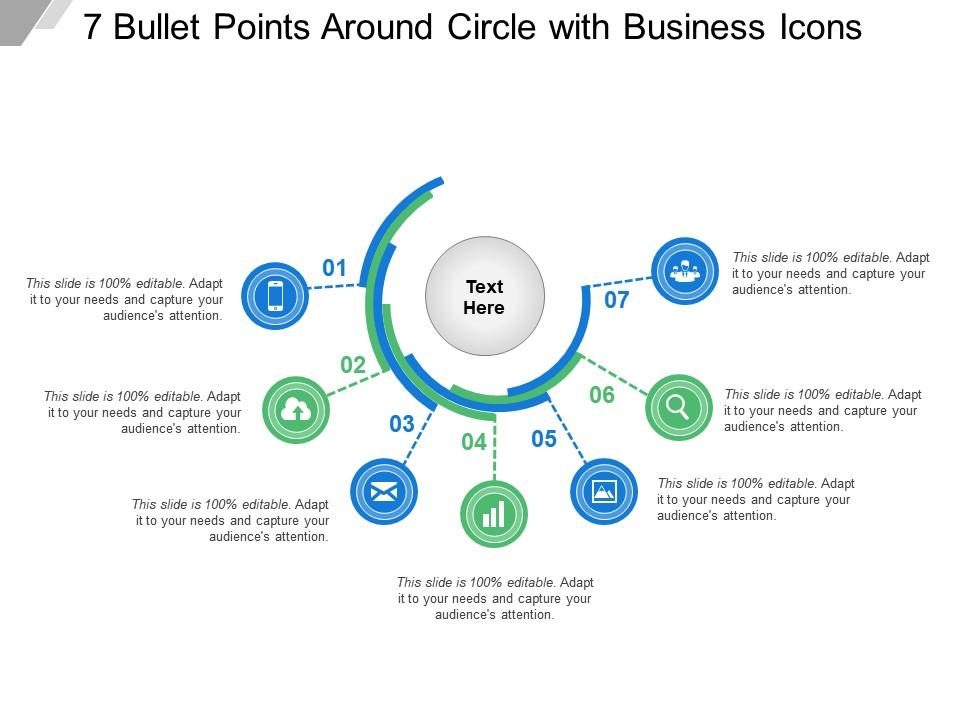
Presenting this set of slides with name - 7 Bullet Points Around Circle With Business Icons. This is a seven stage process. The stages in this process are 5 Bullet Points, 5 Bullet Checklist, 5 Bullet Signs.

FAQs for 7 bullet points around circle

Look, business strategy isn't rocket science - just nail four things. First, actually know your customers (not what you assume they want, because holy shit do companies mess this up constantly). Figure out what makes you different - could be price, tech, service, whatever. Set goals that push you but won't kill your team trying. Oh and here's the thing everyone forgets - can you actually do this stuff? Like, with your current people and budget? I've watched brilliant strategies die because nobody thought about execution. Start by honestly looking at where you stand in these areas. Your strategy's only as good as your ability to pull it off.

Pull together your team and get brutally honest about what you're actually good at versus what sucks. Don't just collect the usual corporate fluff. Hit up different departments - finance, sales, whoever - because leadership always has blinders on. Research your market and competitors hard, plus dig into real customer feedback. Here's the thing: be specific with examples instead of throwing around empty phrases like "great service." Nobody learns anything from that. Once you've got your SWOT down, look for spots where your strengths can grab opportunities or where you're vulnerable to threats. That's where you'll find your actual priorities.

Look, market research is what stops you from building your whole strategy on wishful thinking. You've got to know what customers actually want, not what you assume they want. Plus you can see what competitors are doing and catch opportunities early. Without decent research, you're basically throwing darts blindfolded - which I've seen way too many companies do, honestly. Get both the hard numbers AND talk to real people. Then actually use what you learn to make decisions. Otherwise you're just wasting time checking boxes nobody cares about.

Honestly, the key is figuring out which quick wins actually connect to your bigger picture - don't chase every shiny thing that comes up. I've watched so many teams get completely sidetracked by stuff that seemed urgent but wasn't really moving the needle. Set aside specific time and people for your long-term projects, otherwise daily fires will eat everything. Quarterly planning helps me balance both. Also, explain the "why" when you're saying no to immediate money for future growth - your team needs to get it or they'll think you're crazy.

Look for the cracks big companies can't squeeze into. Move fast on stuff they're too slow or risk-averse to touch. Niche markets are your best friend - honestly, half the time these giants are so busy protecting their turf they completely miss new trends. Your superpower? You can actually talk to customers instead of making them navigate some awful phone tree. Plus you can pivot in like a week while they need six months of meetings just to change their logo. Start small though - own one tiny segment really well, then build out from there. Speed beats size most of the time.

Honestly, tech integration changes everything about how you run your business now. You're not just getting shiny new tools (though those are cool). Your whole approach shifts - how you find customers, run daily operations, make decisions based on actual data instead of gut feelings. Personalizing customer stuff becomes way easier at scale. Boring tasks get automated. When something changes in your market, you can actually respond fast because you have real-time info. The businesses killing it right now? They see tech as strategy, not just some IT cost center. Pick one process you could digitize this quarter and see what happens.

Honestly, most companies screw up because their teams have no clue what's actually happening. Poor communication kills everything - doesn't matter how brilliant your plan is if nobody gets it. Also, people try cramming way too much into unrealistic deadlines. Bad idea. Another thing I've noticed? Nobody tracks progress properly, so they just... drift. Then suddenly they're miles off track wondering what happened. You gotta check in regularly with real metrics, not just feel-good meetings. And actually listen when people tell you something isn't working - they're usually right.

Track your revenue growth, profit margins, customer acquisition costs - the usual financial stuff. But here's the thing: those numbers don't tell you everything. Customer satisfaction matters just as much, maybe more. Same with employee engagement and whether you're actually hitting those big goals you set. Start measuring everything when you launch, then check in every few months. I'd say quarterly works well. Oh, and don't be one of those people who just collects data for the sake of it - actually use what you learn to fix things that aren't working.

Dude, this is actually massive - way more than most people realize. Your strategy can look perfect on paper, but if your team's culture isn't backing it up? Good luck. I've watched so many companies create these gorgeous strategic plans that go absolutely nowhere because everyone's still operating the old way. It's honestly frustrating to see. When culture and strategy click though, magic happens - people naturally make the right calls without you hovering over them. Figure out where your culture fights against what you're trying to do, then tackle those spots first.

Oh man, definitely build risk stuff right into your planning from day one instead of tacking it on later. When you're setting goals, think about what could go wrong and plan around it. We got totally caught off guard by a competitor once - still kinda salty about that tbh. Keep updating your risk list as things change. The best move? Create backup plans for your worst-case scenarios upfront. Those "what if" brainstorming sessions are actually pretty helpful for spotting weak spots before they bite you.

Start with solid market research - you need to know what locals actually want and who you're up against. Partnerships are huge here. Find distributors or smaller companies already doing well in that market. Maybe even buy one if it makes sense. Too many businesses think they can just copy-paste their model everywhere. Spoiler alert: doesn't work. Test things out first with a small launch or pilot program. Digital stuff is usually safer for dipping your toes in. The key thing? Actually understand the culture and tweak your product before you dump a ton of money in.

Honestly, forget your five-year plan for now - nobody knows what's happening next quarter. You've gotta stress-test which revenue streams can handle a downturn and which ones will tank. Cash flow is everything right now, so squeeze that working capital tight and stretch your runway however you can. Build in way more flexibility than you think you need. Diversify customers, maybe products too. Here's the thing though - while your competitors are panicking and doing nothing, that's when you can actually steal market share. I'd be reviewing strategy every few months instead of once a year. The companies winning right now are the ones moving fast.

Look, customer feedback is basically your roadmap for not screwing up. It shows you exactly where you're missing what people actually want vs what you think they want. You'll spot trends early, figure out which features matter, and catch problems before they tank you. Think of it as your reality check – sometimes brutal but always useful. The trick is being systematic about collecting it and actually using the data when you're planning quarterly stuff. Oh and do it before your competitors figure this out too.

Ugh, digital transformation is such a pain but you really can't avoid it anymore. Customers want everything to work perfectly online, and if you don't deliver, someone else will. I learned this the hard way! Don't just slap technology onto your old broken processes - that never works. Instead, flip your whole approach from selling products to creating amazing experiences. Speed matters now. So does using actual data to make decisions instead of gut feelings. Oh, and forget those old 5-year plans - you'll need to iterate constantly. Pick one customer journey that's totally messed up and fix that first.

Honestly, partnerships are a game-changer when you're all fighting over the same customers. You get to share costs and grab resources you'd never have otherwise. New distribution channels, combined tech, whatever you need but can't build yourself. Netflix partnering with device makers is brilliant - they needed the hardware reach, manufacturers needed content to make their devices worth buying. Just make sure you pick companies that fill your gaps without stepping on your main business. Oh, and find ones that hit your target market differently than you do. Way smarter than trying to do everything solo.

Ratings and Reviews

90% of 100
Review Form
Write a review
Most Relevant Reviews
  1. 80%

    by Christopher Wood

    Great experience, I would definitely use your services further.

  2. 100%

    by Demetrius Boyd

    Great experience, I would definitely use your services further.

2 Item(s)

per page: