


7 qc tools powerpoint presentation slides




Try Before you Buy Download Free Sample Product
 Impress Your
 Audience
 100%
100% Editable
 Save Hours
 of Time


Control harsh feelings with our 7 Qc Tools Powerpoint Presentation Slides. Help folks behave in a gentle fashion.
People who downloaded this PowerPoint presentation also viewed the following :
Content of this Powerpoint Presentation
Have you ever wondered why Apple Inc. is at the topmost in selling iPhones to the public? The reason is simple! The company performs robust quality control checks before launching a product in the market.
Quality control is important in business operations. But why? It can help in product improvement and customer satisfaction. Therefore, every company should adhere to stringent quality standards, which can fetch them better results. You can show your quality control standards to your stakeholders by using SlideTeam's Quality Control PowerPoint Templates.
Display the benefits of quantum computing with our PowerPoint layout.
Defining the Role of PowerPoint
Our PowerPoint presentations serve multiple purposes, such as educating teams, outlining quality standards, and updating stakeholders on compliance and issues. That's why you should use our PowerPoint layouts to define your quality control measures.
Show the complete evolution of quality control at one place with our PowerPoint framework.
Advantages of Using Our Templates
Our PowerPoint frameworks offer numerous benefits. They help in proper consistent branding and messaging, which enhances the professional appearance of your presentations. Furthermore, these templates are customizable, which means you can use them as per your requirements. It will save time and efforts, which you can use in other business activities.
Get the best quality assurance and quality control PowerPoint templates from our basket.
Who Benefits from Quality Control Templates?
Anyone can use our PowerPoint presets because industry experts design them. However, quality assurance managers, production supervisors, and training coordinators should use this product for their day-to-day responsibilities.
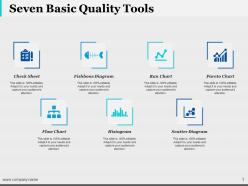
Template 1: Seven Basic Quality Tools
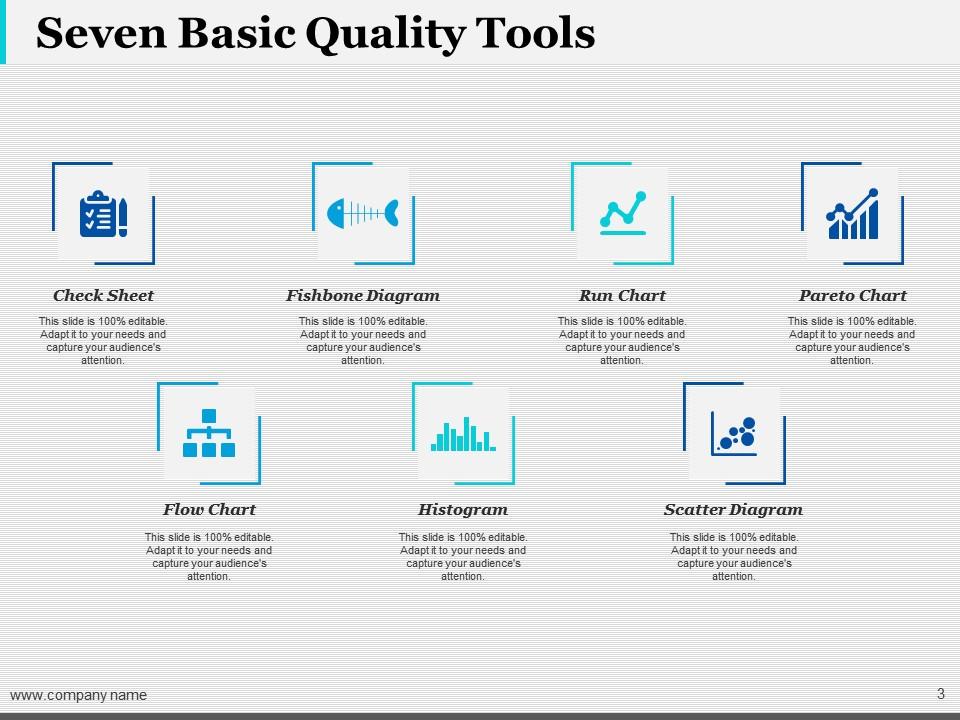
Conveying quality improvement strategies to your team is the best practice a company can follow to improve its products and services. Explore our PowerPoint Template to show complex quality data in an easy format.
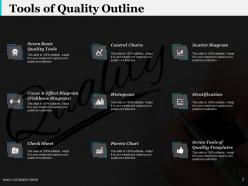
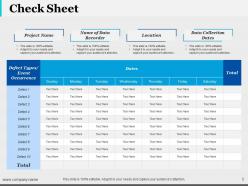
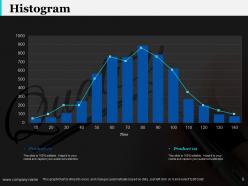
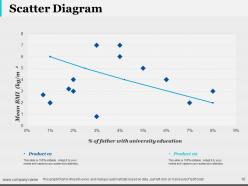
You can display essential tools such as check sheets, fishbone diagrams, run charts, Pareto charts, flowcharts, histograms, and scatter diagrams.
You can aim to have continuous improvement and exceed quality targets using our PowerPoint Framework.
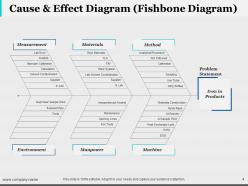
Template 2: Cause and Effect Diagram (Fishbone Diagram)
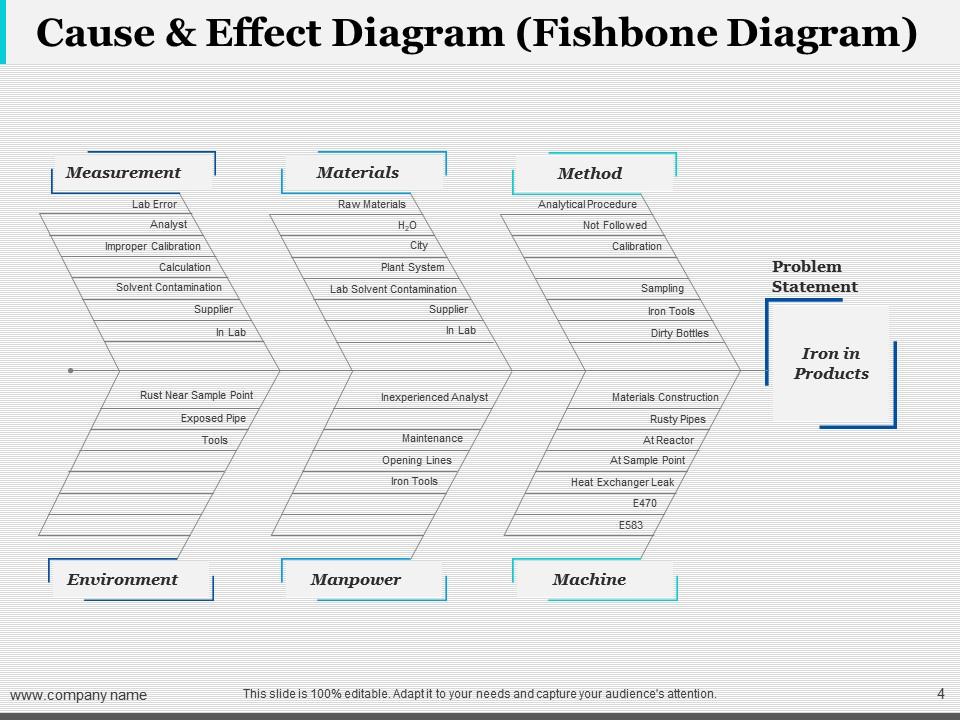
Show and work on the root causes of problems within your projects or business operations with our PowerPoint Layout.
This template can display various challenges in identifying causes and their effects. Furthermore, it also provides a proper framework for analysis. It shows various sections related to measurement, materials, method, environment, manpower, and machine.
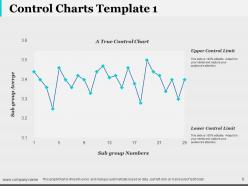
Template 3: Control Charts
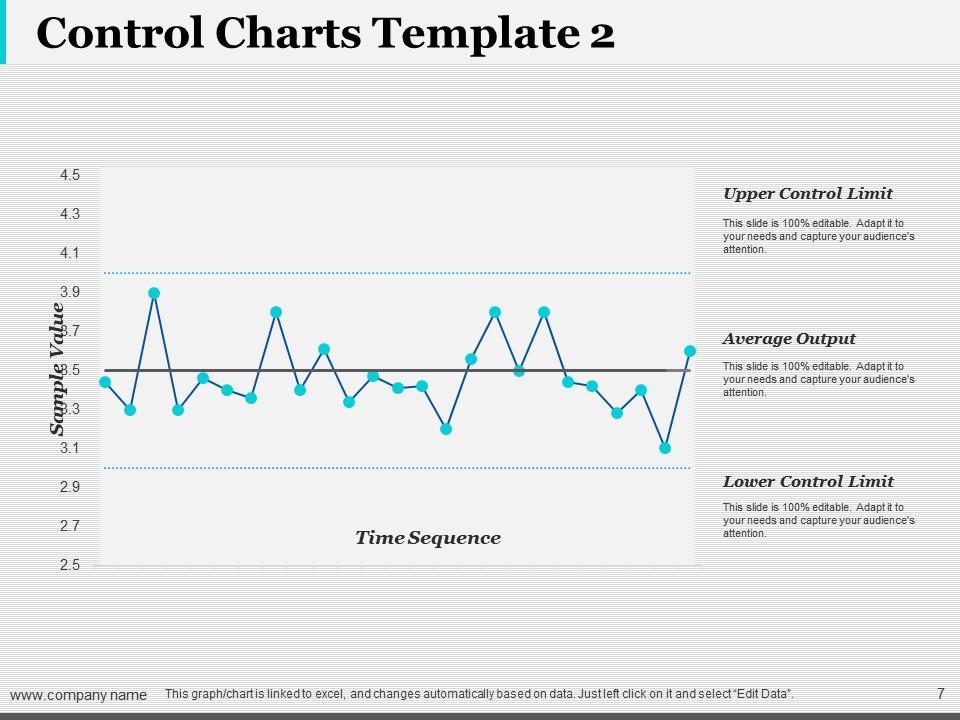
Maintain robust quality control and keep production processes in check with our PowerPoint Template.
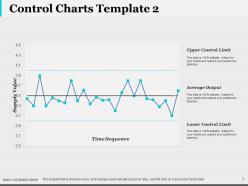
It shows a graph displaying sample values against time sequences, with upper and lower control limits and average output markers.
There won't be any quality fluctuations as you can view precision, efficiency, and profitability. Although the presentation seems simple, it can help you solve quality issues.
Template 4: Pareto Chart
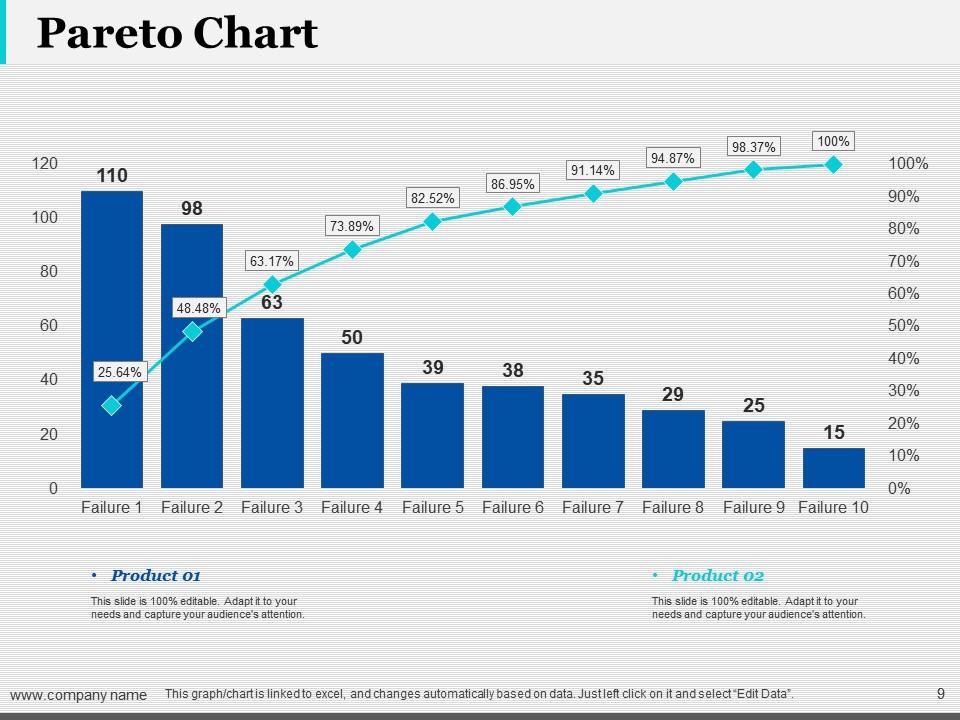
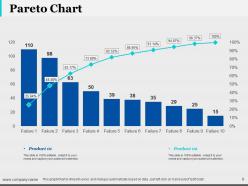
This PowerPoint template presents a Pareto Chart through which you can analyze product failures. You can display ten different failure types for two products. Through this, you can quickly identify the most significant issues affecting quality. The chart combines a bar graph showing the number of occurrences for each failure type with a line graph overlay depicting the cumulative percentage of total failures. You can extract information about the product improvements for the products, that are failing in this chart.
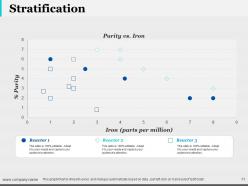
Template 5: Stratification
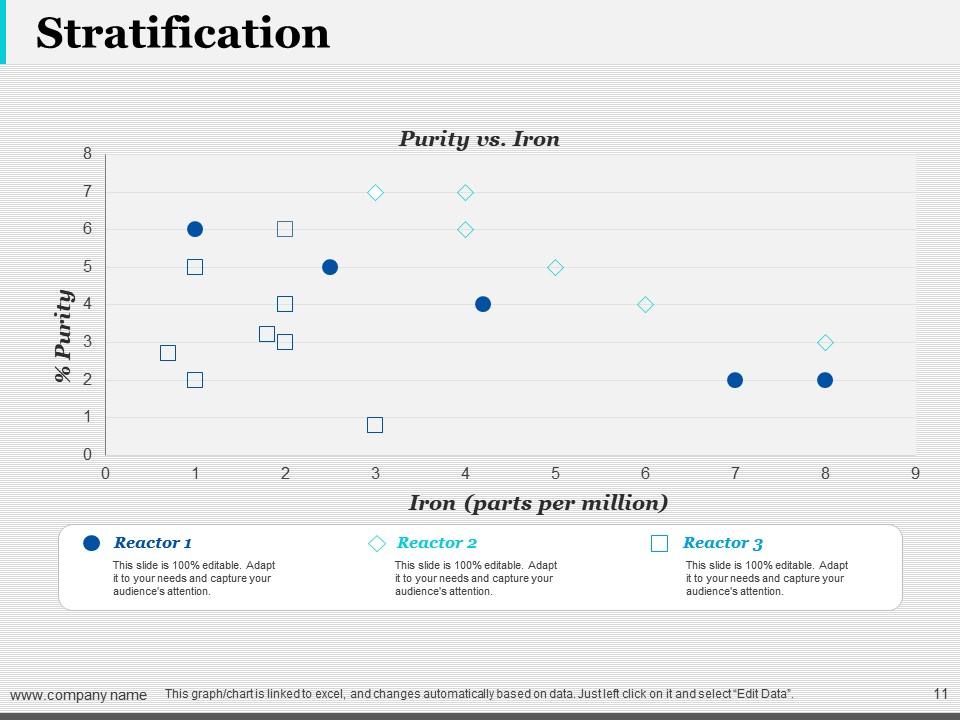
Our PowerPoint Framework is to present challenging data in a simple format. It shows proper stratification in data by a scatter plot comparing purity and iron content across multiple reactors. Furthermore, it is the best PowerPoint presentation for scientific, engineering, or quality control professionals. Each data series is distinctly color-coded for easy differentiation.
Build Perfect Products Using Our Template
In conclusion, our PowerPoint Templates are essential tools that streamline the quality control processes. Organizations can easily adopt different quality control measures for consistency and efficiency in their quality control regimes. These frameworks are important for those employed in a company's quality control department.
7 qc tools powerpoint presentation slides with all 23 slides:
Be the handyman with our 7 Qc Tools Powerpoint Presentation Slides. Folks will enjoy having you around.



FAQs for 7 qc tools
Start with solid quality standards - you gotta know what "good" looks like. Set up regular check-ins at crucial points, not just at the end when it's too late to fix stuff. Document everything because people forget and things get messy without paper trails. Training is huge though - I've seen great processes totally crash because nobody actually knew how to do their part right. Someone needs to own this whole thing, whether it's a dedicated QC person or you rotate it around the team. The biggest thing? Actually fix problems when you spot them instead of just noting them down.
So basically, SPC lets you watch your processes happen in real-time using control charts. It's like a health monitor for your production line. The cool part? Data points that fall outside control limits warn you before things actually break. Way smarter than waiting to inspect finished products, honestly. You'll spot problems early and cut down on waste - plus quality stays more consistent. Oh, and don't overthink the setup. Just pick your most important process parameters first, then track them daily with simple charts. Makes a huge difference.
Honestly, good training is your best bet for catching problems early. When people actually know what they're doing and understand why quality matters, they spot issues before they snowball. Regular sessions work way better than just doing it once during onboarding - like, actually practicing with the tools and going through real examples from your own workplace. Confident employees are just easier to work with too. Oh, and definitely track if it's actually working by testing knowledge and watching error rates afterward. Otherwise you're kinda flying blind.
Honestly, automation can be a game changer for catching defects way faster than doing it all by hand. AI-powered systems and visual inspection tech will spot problems instantly instead of waiting around for someone to review everything. People get tired and miss stuff - machines don't. The data you get is pretty comprehensive too, so you can actually see patterns and prevent issues before they happen. I'd probably start small though, maybe look at whatever QC tasks you're doing over and over again. Those are usually the best candidates for automation. You'll be surprised how much time it saves.
Honestly, most companies bite off way more than they can chew right from the start. They roll out these crazy complex systems that everyone just ignores. Your team will push back hard if they feel like you're just adding more hoops to jump through - and who can blame them? Training gets skipped because everyone's in a rush, then they're shocked when nothing works consistently. Here's what actually works: pick one process that really matters. Get your people involved in building it so they don't hate it. Make sure they get WHY you're doing this before you dump a bunch of new steps on them. Oh, and documentation's fine but don't let it become the whole point.
Honestly, most companies are terrible at this - they'll ask for feedback then completely ignore it. Start with basic surveys and track complaints, but here's what actually matters: get that info straight to your QC people. Don't let it sit in some database collecting dust. When customers complain about something specific, update your inspection lists right away. Maybe do a monthly sit-down where you look at what's bugging people most and adjust your testing accordingly. The metrics that sound impressive in meetings? Forget those. Focus on what customers actually care about.
So every industry handles QC totally differently, right? Manufacturing's all about statistical process control and Six Sigma. Tech companies live by continuous integration with automated testing. Healthcare has these crazy strict validation protocols - I mean, makes sense when lives are on the line. Food and pharma companies obsess over traceability. But here's what's interesting - everyone's copying each other now. Software teams are using manufacturing's defect tracking, while old-school industries are trying agile testing. Honestly? You should look outside your field for ideas. That whole "fail fast" startup thing might actually help your quality processes too.
Track defect rates, first-pass yield, and customer satisfaction - those three will tell you everything. Cycle time for rework is another good one that most people sleep on. You want to see both what you're catching internally and what's actually hitting customers. Don't get caught up in single data points though, focus on trends over time. Start small with maybe 3-4 metrics max - I've seen teams drown in data they never actually look at. Oh and make sure whatever you're measuring actually pushes your team toward the right behaviors, otherwise you're just creating busy work.
Honestly, once you start looking for ways to improve stuff, it becomes kind of addictive. You'll catch problems way earlier instead of dealing with them later. Your team gets more excited too since everyone's throwing in ideas. Rather than just going "well, that's how we do things," you're actually questioning if there's something better. Quality gets built right into your systems instead of trying to fix things after. I mean, even small changes add up fast. Pick one tiny process this week and just ask yourself how you could make it 5% better - that's literally all it takes to start.
Honestly, quality control is like insurance for your reputation. Customers notice when you're consistent - they trust you more and actually tell their friends about you. But here's what sucks: one crappy batch can destroy years of good work. People hold onto bad experiences forever, I swear. Poor QC means dealing with returns, angry complaints, and those nasty online reviews that haunt you. The smart move? Invest in solid quality processes from day one. Way cheaper than trying to fix your reputation later. Don't treat QC like some boring checkbox - it's actually crucial.
Honestly, root cause analysis is like playing detective with your production issues - way more interesting than it sounds. When something goes wrong, don't just slap a quick fix on it. Trace backward through your whole process instead. Keep asking "why" until you find the real culprit hiding underneath all the obvious stuff. I've seen too many teams waste time treating symptoms while the actual problem keeps creating new headaches. Map out exactly how the failure happened step by step. That way you'll actually prevent it from coming back rather than crossing your fingers and hoping for the best.
Start with your scope and checklists - trust me, you'll forget something important otherwise. Hit the high-risk stuff first, then talk to people at different levels to get the real story. Document everything as you go! I made that mistake once and spent hours trying to remember what happened where. Focus on actual evidence, not just what people think should be happening. Here's the thing though - don't make it feel like you're hunting for problems. Frame everything as ways to improve. Your report needs specific actions with deadlines that actually make sense, not some pie-in-the-sky timeline nobody can meet.
Honestly, you've gotta hit people from multiple angles or it just won't stick. Create standards that are actually readable - nobody's touching a 50-page manual, trust me. Weekly meetings help, plus those visual dashboards everyone can glance at. Different levels need different things though: executives want numbers, managers need the how-to stuff, and your frontline people just want simple daily checklists they can actually follow. Oh, and don't do the whole "announce once and move on" thing. Build it into your regular routine - monthly reviews, weekly check-ins, whatever rhythm actually works for your team.
So QA is about preventing problems before they happen - you're setting up processes and standards upfront. QC is the opposite. You're checking stuff after it's already made to spot issues. Picture QA like putting up guardrails so your team won't screw things up. QC is more your safety net catching problems before customers see them. Honestly, I'd focus way more energy on nailing your QA processes first. QC happens at specific points, but QA runs through everything. Trust me, getting that foundation right will save you so much pain later.
Build flexibility into your QC from day one - don't lock yourself into rigid procedures. Modular systems work way better because they pivot fast when markets shift. I've watched companies crash and burn sticking to outdated standards while customers moved on. Real-time feedback beats lengthy approval processes every time. Train your QC team to adapt metrics based on what's happening now, not just old data. Oh, and figure out which quality stuff is absolutely non-negotiable versus what can bend with trends. That distinction matters more than people think.
No Reviews