Agile software development agile scrum framework

Rating:
90%
Agile software development agile scrum framework
Slide 1 of 6
Favourites Favourites

Try Before you Buy Download Free Sample Product

Audience Impress Your
Audience
Editable 100%
Editable
Time Save Hours
of Time
The Biggest Sale is ending soon in
0
0
:
0
0
:
0
0
Rating:
90%
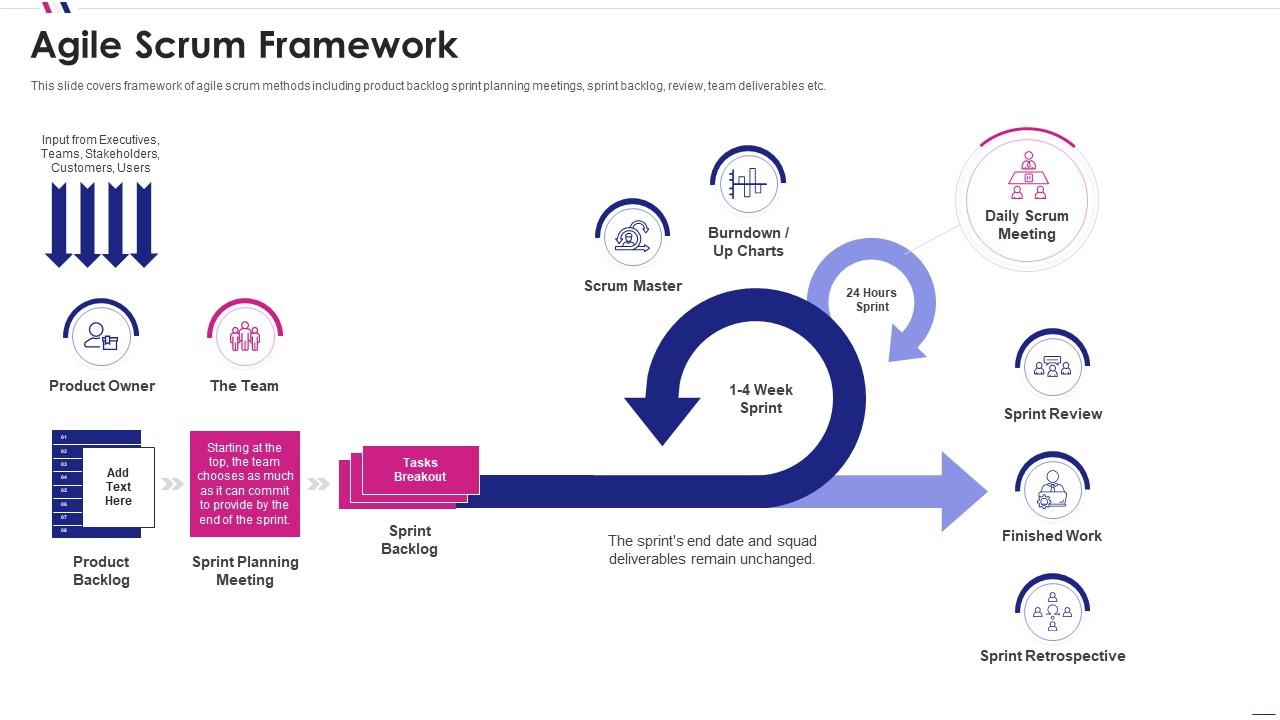
This slide covers framework of agile scrum methods including product backlog sprint planning meetings, sprint backlog, review, team deliverables etc. Deliver an outstanding presentation on the topic using this Agile Software Development Agile Scrum Framework. Dispense information and present a thorough explanation of Agile Scrum Framework using the slides given. This template can be altered and personalized to fit your needs. It is also available for immediate download. So grab it now.

People who downloaded this PowerPoint presentation also viewed the following :

FAQs for Agile software development

So basically you've got three key roles. Product Owner decides what gets built and ranks stuff by business value. Scrum Master runs the meetings and clears roadblocks - they're more like a coach than your boss, which is actually pretty nice. Then there's the Development Team who does the actual building and figures out how to deliver working code each sprint. The real trick is getting everyone talking constantly instead of just staying in their corners. Oh and definitely nail down who does what from the start or you'll have people stepping on each other's toes later.

Honestly, Scrum's whole thing is those regular check-ins that keep everyone on the same page. Daily standups mean no more "wait, who's doing what?" confusion. Sprint planning gets the team aligned on priorities upfront. The retrospectives are where you actually fix what's not working - though sometimes they drag on longer than they should. Everything's visible on your board too, so there's no mystery about progress. I'll admit it feels super structured at first, but those ceremonies really do prevent duplicate work and missed handoffs. Just make sure your standups stay conversational instead of becoming boring status updates.

So there's five main ceremonies you'll deal with. Sprint Planning is where everyone figures out what to work on next. Daily standups are those quick 15-minute syncs - they're great when people stick to the point, but ugh, some folks love to ramble. Then you've got Sprint Review for showing off finished work to stakeholders. Retrospectives happen after each sprint so the team can hash out what worked and what didn't. Oh, and Backlog Refinement breaks down future tasks. Honestly, once you start going to these regularly, you'll see how they keep everything from turning into chaos.

Think of DoD like your team's quality checklist - nobody ships crap when everyone knows what "done" actually means upfront. Code reviewed, tested, documented, deployed. Whatever you decide. Sprint reviews become way less painful when stakeholders can't nitpick because you've already hit all the checkboxes. Quality happens throughout development instead of that usual last-minute panic. Fewer bugs, less debt, happier team. Honestly, I've seen teams waste hours arguing about whether something's "finished enough" - total productivity killer. Get your whole team to define it together and stick it somewhere visible. You'll notice the difference pretty quickly.

So you've got a few good options. MoSCoW prioritization is probably the easiest - just bucket everything into Must have, Should have, Could have, Won't have. Value vs effort matrices are solid too, they help you find those quick wins. Kano modeling gets a bit nerdy but it's actually helpful for figuring out what customers really want versus what they just expect to work. Story mapping shows the whole user journey visually. Oh, and there's RICE scoring too if you want something more number-heavy. Honestly, I'd start with MoSCoW to get the big picture, then do value/effort scoring within each bucket.

Sprint reviews are basically mini user testing sessions every couple weeks, which beats the hell out of waiting months to discover your feature sucks. You get direct feedback from actual stakeholders on what you built. Don't just demo stuff - ask pointed questions about usability and whether it's actually useful. The trick is pushing for honest reactions, not just polite head-nodding (we've all been there). Then you gotta actually use that feedback when you're planning the next sprint. It's way more valuable than most teams realize.

Honestly, the biggest pain points are usually people fighting change and everyone being confused about who does what. Your team will probably suck at story points initially - I've never seen a team nail it right away. Daily standups turn into rambling sessions, and people cling to their old waterfall ways. Train everyone upfront so they actually understand their roles. Run your ceremonies consistently, even retrospectives when everything seems fine. Here's the thing though - don't panic and start tweaking everything after one sprint goes sideways. Give your team at least 3-4 sprints to figure it out together before you make big changes.

Basically, traditional PM makes you plan everything upfront - scope, budget, timeline, all locked in. Scrum ditches that whole approach. You work in 2-4 week sprints instead and adapt as you go. Way more flexibility when requirements change (which happens constantly, let's be real). Teams become self-organizing rather than having some PM micromanage everything. Product Owners handle priorities. Honestly, just try one sprint and you'll instantly notice how different the pace feels compared to waterfall. The rhythm is completely different once you get into it.

Honestly, just focus on velocity (story points per sprint), burndown charts, and cycle time. Those three will tell you everything you need to know. Sprint goal achievement rate is good too - like, are you actually hitting what you set out to do? Oh, and team happiness scores. Sounds cheesy but burnt out developers write terrible code, so it matters. Velocity helps you plan future sprints. Burndowns show if you're screwed halfway through. Cycle time spots where work gets stuck. Don't go metric-crazy though - I've seen teams track like 15 different things and it becomes useless noise.

So there are these frameworks - SAFe, LeSS, and Nexus - that are built exactly for this problem. Basically you're coordinating multiple Scrum teams working on the same big thing. SAFe is super comprehensive but honestly can feel pretty bureaucratic. LeSS stays closer to regular Scrum, which I kind of prefer. First thing is figuring out how to slice your massive project into pieces that individual teams can actually handle. Then you need to sort out how they'll sync up their sprints and deal with dependencies. It's like herding cats sometimes, but these frameworks give you the structure to make it work.

Oh totally! Scrum works great outside tech. Marketing teams do sprints for campaigns, construction breaks projects into phases with reviews, HR even uses it for hiring cycles - it's pretty much everywhere now. Daily standups become quick progress check-ins. Sprint reviews turn into stakeholder presentations or milestone demos. The trick is making the language fit your industry instead of using all the tech jargon. Figure out what your "deliverables" look like first, then build sprints around getting those done regularly. Way better than traditional project management, honestly.

Look, the Scrum Master is basically your team's obstacle-buster and culture shifter. They coach people on agile stuff and shut down those old waterfall habits that always sneak back in (ugh, so annoying). What really matters though? Creating that safe space where your team can mess up, learn fast, and actually improve. Retrospectives are where the magic happens - they facilitate those. But here's the thing: they're not there to boss people around or give answers. Good Scrum Masters empower teams to figure things out themselves. Find someone who knows how to coach, not micromanage. Trust me on this one.

Honestly, just stick to 15 minutes max or people will hate you. Everyone goes through the usual three things - what they did yesterday, today's plan, and whatever's blocking them. Standing up actually helps keep it moving (remote folks obviously can't do this part). The key thing is making sure people talk to each other, not just report up to you like robots. When someone brings up something complex, just say "let's chat after" and move on. Oh and pick the same time every day - consistency is everything with this stuff. Trust me, once it becomes routine your team will actually start finding it useful instead of annoying.

Don't just loop stakeholders in at the end - that's a recipe for disaster. Get them into your sprint reviews so they can actually see the working software and react to it. Way more useful than those boring status updates nobody reads. Your product owner needs to be reachable too, not disappearing when you need quick decisions. Sprint planning sessions are perfect for getting key stakeholders involved - they'll finally understand why you're prioritizing certain features. Oh, and retrospectives can be surprisingly helpful if stakeholders join occasionally. Start by figuring out who your most important people are, then plan touchpoints for each sprint.

Dude, you'll save yourself so much pain by getting user feedback during sprints instead of after. Catch those "wait, nobody actually wants this" moments early. I learned this the hard way on a project last year - we built this whole feature thinking it was brilliant, then users were like "uh, why would I ever use this?" Quick user interviews or even just showing prototypes gets you real insights. You can pivot fast when something's not working. Way better than crossing your fingers at launch. Even one conversation per sprint makes a huge difference - keeps you building stuff people actually need instead of guessing.

Ratings and Reviews

90% of 100
Write a review
Most Relevant Reviews
  1. 100%

    by William Martinez

    Unique research projects to present in meeting.
  2. 80%

    by Danny Kennedy

    Very well designed and informative templates.

2 Item(s)

per page: