Ah blue cross for medical symbol powerpoint template slide

Rating:
90%
Ah blue cross for medical symbol powerpoint template slide
Slide 1 of 4
Favourites Favourites

Try Before you Buy Download Free Sample Product

Audience Impress Your
Audience
Editable 100%
Editable
Time Save Hours
of Time
The Biggest Sale is ending soon in
0
0
:
0
0
:
0
0
Rating:
90%
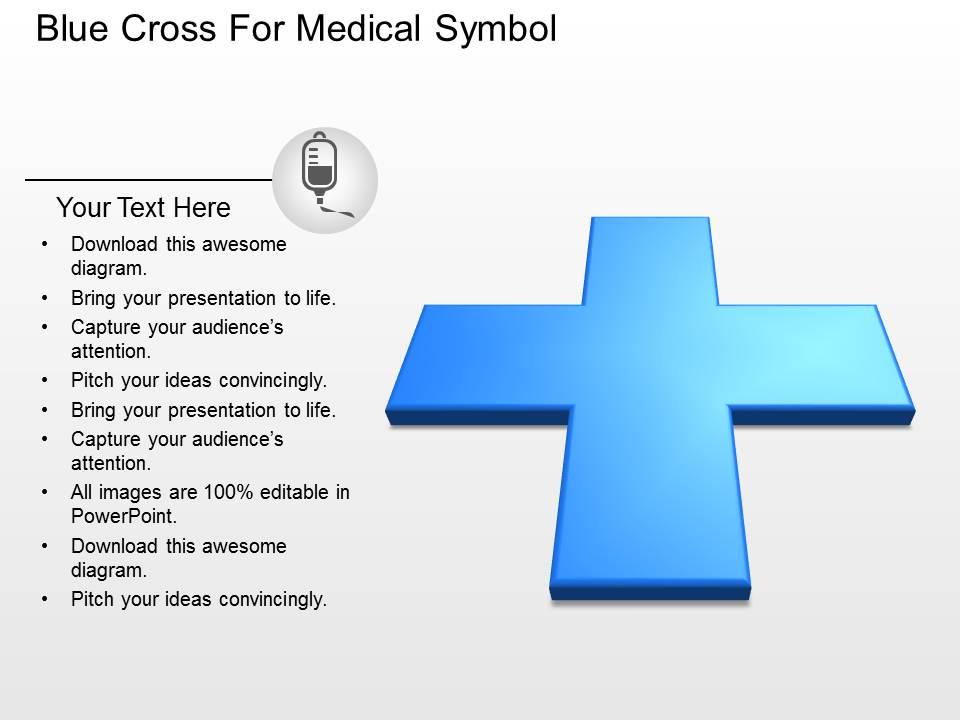
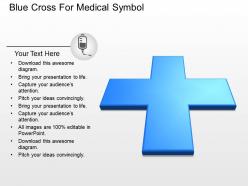
We are proud to present our blue cross for medical applications powerpoint template slide . This power point template diagram has been crafted with graphic of blue cross. This PPT diagram contains the concept of medical information and application. Use this PPT diagram for business and medical related presentations.

People who downloaded this PowerPoint presentation also viewed the following :

FAQs for Ah blue cross for medical symbol

Effective medical symbol templates include clear iconography, universal recognition elements, appropriate color schemes, scalable vector formats, and consistent typography. These design components enhance professional credibility by ensuring immediate identification, maintaining brand consistency across healthcare materials, and delivering seamless integration into presentations, with many medical organizations finding that standardized symbols significantly improve patient communication and operational efficiency.

Color psychology enhances medical symbol templates by leveraging blue for trust and professionalism, green for healing and wellness, red for urgency and alerts, white for cleanliness and sterility, and purple for innovation. These strategic color choices streamline patient communication, reduce anxiety in healthcare environments, and ultimately deliver more effective visual messaging, with many hospitals and clinics finding that thoughtful color application significantly improves patient experiences and operational clarity.

Medical symbol templates should prioritize high contrast ratios, simplified iconography, consistent sizing, standardized color coding, and scalable vector formats to ensure universal recognition. These design principles enhance communication across healthcare settings by minimizing visual noise, maintaining legibility at various sizes, and supporting accessibility standards, ultimately delivering clearer patient information systems and reducing medical errors.

Cultural perceptions of medical symbols vary significantly, with some cultures viewing certain colors, shapes, or religious imagery differently than Western medical traditions. Templates can accommodate these differences by offering customizable color palettes, culturally neutral iconography, and flexible design elements that respect local healthcare practices, ultimately enabling healthcare organizations to communicate effectively while honoring cultural sensitivities and building stronger patient trust.

Common medical symbols include the caduceus, Rod of Asclepius, red cross, stethoscope, DNA helix, heartbeat line, and pharmaceutical mortar and pestle. These symbols can be represented in templates through vector graphics, iconography, and infographic elements, enabling healthcare organizations, medical practices, and pharmaceutical companies to create professional presentations that enhance credibility and communication.

Medical symbol templates enhance patient education materials by creating visual consistency, improving comprehension through universally recognized icons, and reducing language barriers across diverse populations. These templates streamline the development of brochures, digital resources, and instructional guides, with healthcare organizations finding that standardized medical symbols significantly increase patient understanding and engagement while reducing miscommunication risks.

Typography in medical symbol templates enhances readability, professionalism, and brand consistency by ensuring clear communication, appropriate font selection, and scalable text elements. Healthcare organizations find that strategic typography choices improve patient comprehension, strengthen institutional credibility, and create cohesive visual identities across presentations, ultimately delivering better communication outcomes and enhanced professional presentation standards.

Interactivity can be integrated through clickable icons that reveal detailed information, hover effects displaying tooltips with medical definitions, animated sequences showing physiological processes, and interactive flowcharts guiding diagnostic pathways. These digital enhancements enable healthcare professionals to create more engaging patient education materials, streamline clinical training programs, and deliver comprehensive medical presentations that ultimately improve patient understanding and treatment outcomes.

Medical symbol templates can be adapted for specific health professions by incorporating profession-specific iconography, color schemes, and terminology that resonate with each field's unique identity and scope of practice. For nursing, templates might emphasize care symbols and patient-focused imagery, while pharmacy templates could feature medication-related icons and pharmaceutical branding, with healthcare organizations finding that specialized designs enhance professional credibility and audience connection.

Using medical symbols in templates requires careful attention to trademark laws, regulatory compliance, and professional licensing requirements, particularly regarding protected symbols like the Red Cross or caduceus. While generic medical icons are generally permissible for educational or informational purposes, healthcare organizations must ensure accuracy and avoid misleading representations, with many finding that consulting legal counsel helps navigate sector-specific regulations and maintain professional credibility.

Medical symbol templates can incorporate accessibility through high contrast colors, scalable vector formats, alternative text descriptions, color-blind friendly palettes, and multilingual labeling options. These design elements enhance usability across diverse populations, with healthcare systems, pharmaceutical companies, and medical device manufacturers finding that inclusive templates improve patient comprehension, reduce communication barriers, and ultimately deliver better health outcomes while ensuring regulatory compliance.

Adobe Illustrator, CorelDRAW, Inkscape, Canva Pro, and Figma excel at creating custom medical symbol templates. These design platforms streamline healthcare communication by enabling precise vector graphics, standardized iconography, and scalable formats, with many medical institutions finding that custom symbols enhance patient understanding, reduce documentation errors, and deliver more effective clinical workflows.

Medical symbol templates streamline healthcare communication by providing standardized visual elements for patient records, treatment protocols, emergency procedures, and interdisciplinary coordination. These templates enable hospitals, clinics, and medical practices to reduce documentation errors, accelerate information processing, and enhance patient safety protocols, ultimately delivering faster care delivery and improved clinical outcomes across diverse healthcare teams.

Future trends in medical symbol templates for digital presentations include minimalist designs, interactive elements, animated icons, accessibility-compliant visuals, and customizable color schemes for different medical specialties. These evolving design approaches enhance patient communication, streamline healthcare presentations, and improve comprehension across diverse audiences, with many medical institutions finding that modernized visual templates ultimately deliver more engaging educational experiences and clearer clinical communications.

Feedback from healthcare professionals improves medical symbol templates by identifying usability issues, clarifying confusing visual elements, and ensuring clinical accuracy across different medical contexts. Through direct input from doctors, nurses, and medical staff, template designers can enhance symbol recognition, streamline communication workflows, and reduce interpretation errors, ultimately delivering more intuitive visual tools that improve patient care efficiency.

Ratings and Reviews

90% of 100
Write a review
Most Relevant Reviews
  1. 80%

    by Williams Nelson

    Designs have enough space to add content.
  2. 100%

    by Clifford Powell

    Commendable slides with attractive designs. Extremely pleased with the fact that they are easy to modify. Great work!

2 Item(s)

per page: