


Allianz group company profile overview financials and statistics from 2014-2018





Try Before you Buy Download Free Sample Product
 Impress Your
 Audience
 100%
100% Editable
 Save Hours
 of Time


This report is an extensively researched profile on company Allianz Group Company Profile Overview Financials And Statistics From 2014 to 2018 in industry Consumer Goods And FMCG and Retail and Trade and E-Commerce and has been prepared by SlideTeam industry experts after extensively researching through hundreds of data sources.
People who downloaded this PowerPoint presentation also viewed the following :
Allianz group company profile overview financials and statistics from 2014-2018 with all 68 slides:
Use the power of visualization to create powerful stories that hit the mark. This you can only achieve with our Allianz Group Company Profile Overview Financials And Statistics From 2014-2018.

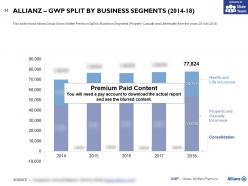
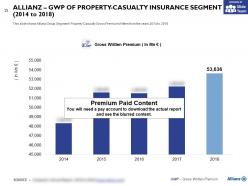
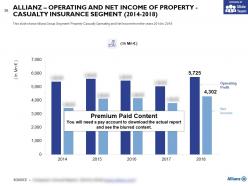
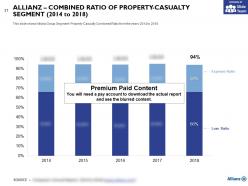
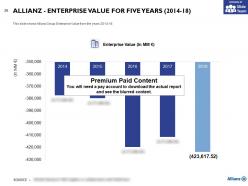
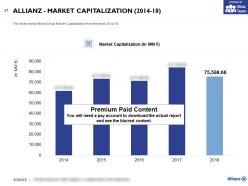
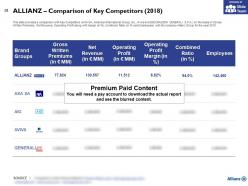
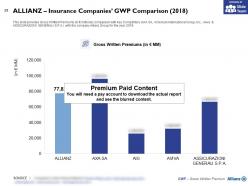
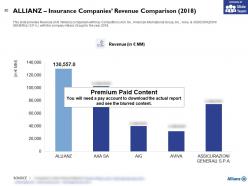
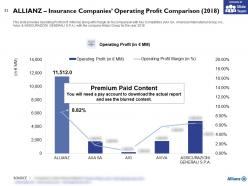
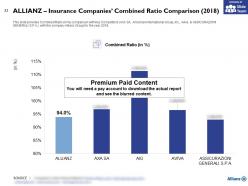
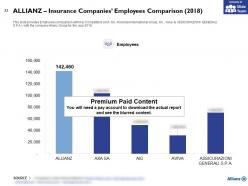
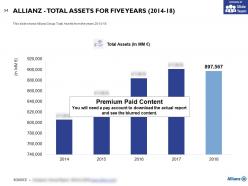
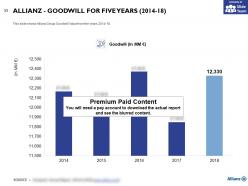
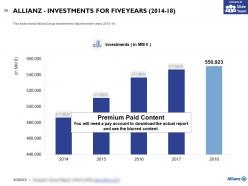
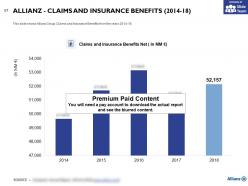
FAQs for Allianz group company profile overview financials and
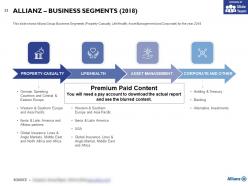
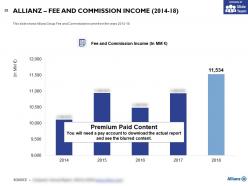
So Allianz makes money three ways. Insurance premiums are the big one - property, casualty, life, health stuff globally. They also run asset management through PIMCO and AllianzGI, collecting fees on investments. Oh and there's some German banking thrown in for interest income. Way more diversified than most insurers, which I actually like. When you're looking at their numbers, premium growth and fee margins are what really matter - that's where they make their cash. Should be pretty straightforward to track.
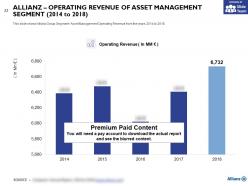
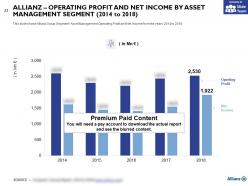
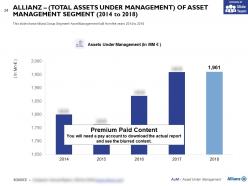
Yeah, Allianz has been doing some pretty smart moves lately. They're not just sticking to regular insurance anymore - PIMCO and their other asset management stuff is bringing in serious money now. Plus they're throwing cash at insurtech startups, which honestly makes sense since everyone's going digital. The geographic expansion thing is interesting too - they've been getting into Asia and Latin America markets. Insurance is so up and down, so spreading out like this seems like the right call. Oh, and if you're checking their numbers, definitely look at the asset management growth. That's where you'll see what I'm talking about.
Tech is huge for Allianz right now - they're pouring money into AI for risk assessment and claims processing. Digital customer platforms are another big focus because honestly, who has time for endless paperwork these days? They want to cut costs while making everything faster and more accurate. Predictive analytics helps them optimize investment portfolios too. If you're tracking their performance, keep an eye on their tech spending in the financials. That'll show you where they think the industry's heading. Pretty smart move considering how fast insurance is changing.
So Allianz basically spreads their investments across tons of different markets and asset classes - classic diversification move. They've got these strict limits on how much they'll put in each category, kinda like built-in safety nets. Pretty conservative approach, which honestly makes total sense for an insurance company since they can't afford big losses. They also hedge against currency swings and interest rate changes. Oh, and they have these risk committees constantly reviewing everything (must be fun meetings, lol). If you're studying their strategy, definitely focus on how they diversify - that's where they really nail it.
Allianz has been doing pretty well with premium growth - usually hitting 3-7% yearly over the last five years. Their property-casualty stuff has been killing it, but life/health is more of a mixed bag. Europe's been rough for them on that front, honestly. Asia-Pacific expansion is where they're really pushing hard, plus they've made some smart acquisitions. Currency swings mess with the numbers sometimes though. Oh, and if you need the exact quarterly breakdowns, definitely grab their latest annual report - way more detail than I can remember off the top of my head.
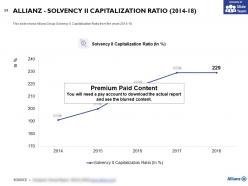
Allianz is pretty solid honestly - they run a solvency ratio around 200-220% while most EU insurers sit at 180-200%. Their debt-to-equity stays conservative at like 25-30%. Been consistent with this for years, even when markets got weird. What I like is they keep that buffer without any major stress, even as regulations get tighter. Though I guess that's what you'd expect from a big German insurer, right? If you're doing comparisons, I'd definitely put them in the "boring but reliable" category rather than some high-growth play.
Geopolitical stuff messes with Allianz in a bunch of ways. Their investment returns get hammered when tensions flare up - like that whole Russia-Ukraine situation really hurt their equity portfolios. Currency swings are another headache. Plus their insurance business deals with more claims from political violence and cyber attacks during messy times. Honestly, being so spread out globally means these risks just cascade everywhere. Oh, and if you want to track how bad it gets, their quarterly risk reports actually break down all the geographic exposure stuff pretty well.
So Allianz has actually gotten really good at staying ahead of regulatory stuff. Their capital buffers are way above what Solvency II requires, plus they've dumped tons of money into compliance tech. Smart move honestly, since insurance regs are getting insane these days. They've also restructured some units to match local rules - especially in Asia and Europe, which makes sense. Oh, and the digital transformation thing? That's been huge for their reporting requirements. The whole strategy basically comes down to balancing growth with compliance, and it's honestly helping them land more institutional clients. Pretty solid approach if you ask me.
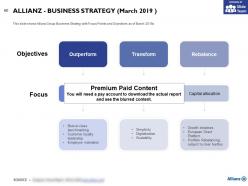
Yeah, Allianz has been doing some cool stuff with their "Simply Smarter" program - basically digitizing claims and policy management. Their AI chatbots actually work pretty well, and the mobile apps let you handle most things without calling (seriously, such a lifesaver). They're using data analytics to personalize insurance products better too. Oh, and they simplified their whole product lineup which was honestly overdue. Quick heads up though - not all regions have access to the digital tools yet, so check what's available in your area first. Could save you tons of time on the boring insurance stuff.
So Allianz weaves ESG into pretty much everything - investment calls, underwriting, the works. They're targeting carbon neutral by 2050 and honestly their climate risk assessment game is pretty solid. Over €100 billion in green investments too, which is wild when you think about it. What's smart is how they use their clout as this massive insurer to basically nudge clients toward better practices. Their annual sustainability report has all the nitty-gritty details if you want specifics on targets and where they actually stand.
So Allianz is going all-in on emerging markets right now - Asia and Latin America mainly. The middle class is exploding there so they're chasing that growth. Smart thing is they're not building from scratch, just partnering locally and going digital-first. Makes sense since everyone's on their phones anyway. They're pushing property insurance and life products but tweaking them for local income levels. Oh and their Asia-Pacific numbers are worth watching if you care about this stuff - that's where they think the real money will be over the next ten years.
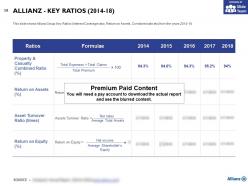
So basically, Allianz makes more money when they handle claims efficiently. Quick processing cuts admin costs and catches fraud before it bleeds them dry. Happy customers don't jump ship either - that's honestly huge in insurance since retention is everything. They're constantly balancing speed with accuracy to keep their loss ratios looking good. The combined ratio is what you want to check if you're digging into their financials. Shows how well they're managing that whole dance between paying out legitimate claims fast while not getting scammed.
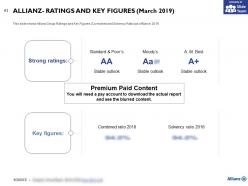
Look at their combined ratio first - needs to be under 100% or they're losing money on underwriting. Operating profit and ROE are solid indicators too. Solvency ratio matters big time since insurers need fat capital cushions, and Allianz usually sits way above the minimums which I like. Book value per share tracks their intrinsic worth nicely. Don't ignore the asset management side either - those fees have become a real money maker for them lately. Their quarterly presentations actually break everything down with benchmarks, makes it way easier than digging through the full reports.
So Allianz basically has to match their payouts with safe investments - they're stuck with tons of bonds since they can't risk losing people's insurance money. Makes sense, right? Real estate and infrastructure help bump up returns without going crazy. They throw some equity in there too, but honestly their whole thing is playing it safe while still trying to grow. It's all about paying claims 20+ years from now while keeping shareholders happy. Pretty boring strategy but it works for them.
So Allianz basically dominates because they're massive globally AND they do both insurance and asset management - that combo makes them super stable. They've been around since like 1890, so everyone knows the brand (especially in Europe). Their digital game is really strong too - they use data analytics to price risks way better than most competitors. Oh, and their financial ratings are incredible, which obviously makes customers trust them more. The cool thing is they can cross-sell between their insurance and investment sides. Honestly, that dual model is pretty genius for keeping revenue flowing from multiple streams.
No Reviews