Annual performance plan ppt powerpoint presentation slides background images cpb

Annual performance plan ppt powerpoint presentation slides background images cpb
Slide 1 of 5
Favourites Favourites

Try Before you Buy Download Free Sample Product

Audience Impress Your
Audience
Editable 100%
Editable
Time Save Hours
of Time
The Biggest Sale is ending soon in
0
0
:
0
0
:
0
0
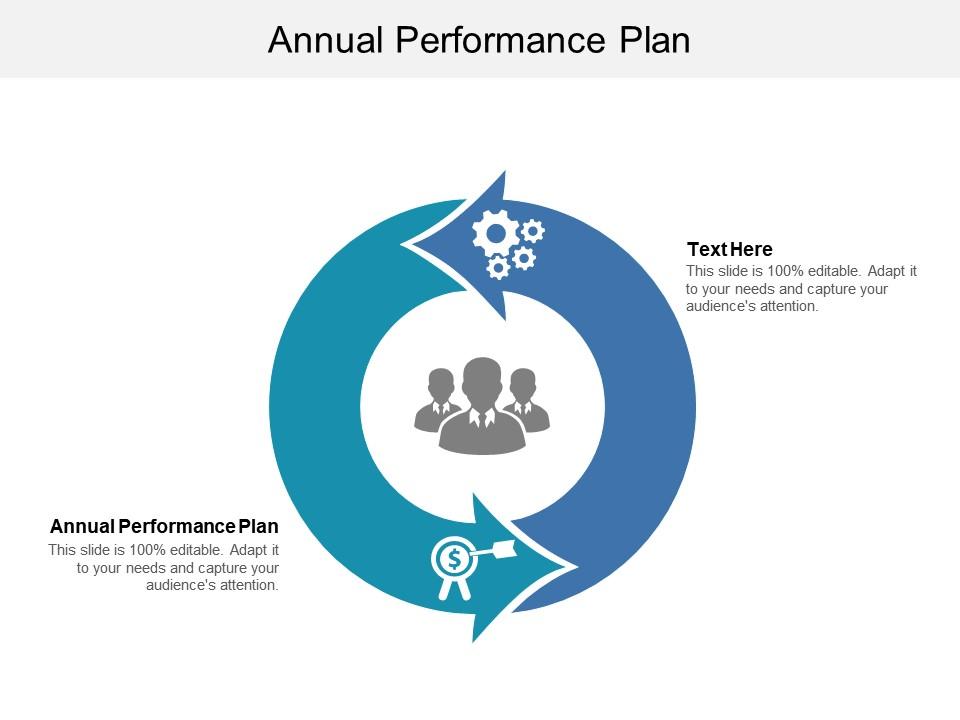
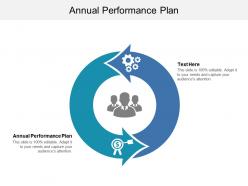
Presenting this set of slides with name Annual Performance Plan Ppt Powerpoint Presentation Slides Background Images Cpb. This is an editable Powerpoint two stages graphic that deals with topics like Annual Performance Plan to help convey your message better graphically. This product is a premium product available for immediate download and is 100 percent editable in Powerpoint. Download this now and use it in your presentations to impress your audience.

People who downloaded this PowerPoint presentation also viewed the following :

FAQs for Annual performance plan ppt powerpoint presentation slides

Look, you need five things for your performance plan to not suck: measurable goals that actually connect to what the company cares about, deadlines with real metrics, areas where you want to grow skill-wise, and regular check-ins (because waiting until December is career suicide). Oh, and make sure you know what resources you have available. Most people write these things way too vague then forget about them completely. Your goals should push you without being impossible. Track what you're accomplishing AND how you're developing - both matter. Set up quarterly meetings with your boss to course-correct when needed.

Honestly, most teams just recycle last year's goals without thinking - total waste of time. Work backwards instead. Figure out which big strategic stuff needs to move forward this year, then break it down into actual measurable goals. Each department should connect to at least one main strategic thing you're doing. I always tell people to literally map it out - draw lines from daily work to long-term vision. If you can't connect an annual goal back to strategy, maybe it doesn't belong there? Sounds simple but you'd be surprised how often this gets skipped.

Oh definitely speak up during your performance planning! Don't just sit there nodding while your manager talks. Share what you actually want to work on - your career goals, wins they probably forgot about, stuff you're struggling with. I've watched people end up with these weird plans that have nothing to do with what they care about, which is pointless. Tell them about skills you want to build and projects that sound interesting. Also be real about timelines - don't agree to something crazy just to look ambitious. It's your career too, so make sure the plan actually reflects what you need.

First thing - pick metrics that actually matter to your company, not just random stuff that's easy to count. Mix hard numbers (sales, project deadlines) with softer feedback like what your boss or teammates think. I swear everyone makes this way too complicated though. Stick to maybe 3-5 things tops or you'll go crazy trying to track it all. Each one needs a starting point, goal, and deadline. Oh, and don't wait until your annual review to check progress - that's basically useless. Set up monthly or quarterly check-ins so you can course-correct if needed.

Honestly, the biggest mistake is presenting people with a done deal. Get them involved from day one - ask what winning looks like to them and build that into your actual goals. I'd do regular check-ins too because nobody wants to be hit with surprise changes later (learned that the hard way). When you're showing results, ditch the internal buzzwords and speak their language instead. Connect everything back to what they actually care about in their department. Oh, and be upfront about what things will cost and what you'll need to sacrifice. Trust me, transparency beats awkward conversations later.

Don't wait for the annual review - that's way too long. I'd do quarterly check-ins instead because honestly, most plans fall apart within months anyway. Get the actual workers involved when you're making changes since they see problems you'll never notice sitting in meetings all day. Look at which metrics are making people do weird stuff just to hit numbers, then fix those first. Also update any goals that became pointless because the market shifted or whatever. Oh, and here's a good trick - start each review by asking "if we launched this thing today, what would we do completely different?" Works every time.

Honestly, most people mess up by being way too vague - like saying "get better at work" instead of "hit 15% more sales." Super unhelpful. Also, don't dump everything into January just because you're pumped about New Year's (guilty as charged lol). Spread stuff out and give yourself breathing room for when life happens. Actually check your progress each month too - I used to write goals then completely forget about them until December. Keep things doable and review quarterly so you can pivot when needed.

Performance management software is honestly a game changer for annual planning - you can set SMART goals and track everything automatically instead of drowning in spreadsheets. Real-time dashboards show your progress without manually hunting through emails (which I still do sometimes, bad habit). The AI analytics are pretty neat too, they'll spot trends you might miss. My biggest tip? Pick something that plays nice with whatever project management tools you're already using. Having live data feeds means no more guessing where you actually stand. Start with one platform that integrates well with your current setup.

Definitely set up regular check-ins - quarterly works, though monthly's even better if you can swing it. When major stuff happens (budget cuts, market changes, new priorities), that should automatically trigger a plan update. Don't be one of those teams that sticks to goals from January when it's October and everything's different lol. Track the early warning signs, not just the final results so you can actually do something about trends. Oh and schedule those review sessions now before you get swamped later. Your plan should evolve with reality, not fight it.

So here's the thing - your company's culture and values? That's literally what should drive your whole performance plan. Don't just copy some template you found online (trust me, I've watched that blow up before). If you're all about teamwork, then measure teamwork stuff, not just individual wins. Innovation-focused? Your metrics better reflect that. I learned this the hard way at my last job - we kept talking about collaboration but only rewarded solo achievements. Total mess. Make sure what you're actually measuring matches what you say you care about, or you'll confuse everyone.

Honestly, don't just blast out an email and call it done - nobody reads those anyway. Kick things off with an all-hands where leadership breaks down the main goals and shows how each team fits in. Then send written follow-ups that actually make sense, not corporate jargon nobody understands. Your managers need solid talking points for their meetings so the message doesn't get totally mangled as it goes down the chain. Oh, and repetition is your friend here. Connect everything back to what people actually do day-to-day, otherwise it's just noise from the C-suite.

Honestly, getting departments to work together during planning is a game-changer. It stops all that weird competition between teams where everyone's working toward different goals. You'll catch resource gaps way earlier too – I swear, the amount of duplicate work that happens is ridiculous. The trick is actually getting department heads in a room together from the start, not just CC'ing them on emails later. Look for 2-3 goals that naturally need multiple teams. Way better than everyone planning in their own bubble then wondering why nothing lines up.

Honestly, your leadership style will totally make or break your performance plan. I've watched great plans fall apart because managers either disappear completely or breathe down everyone's neck. Neither works. You want to check in regularly and actually help remove obstacles, but don't become a helicopter boss - that kills motivation fast. Celebrate the wins when they happen. Hold people accountable too though. Here's the thing: your team picks up on your vibe about this stuff. If you're just going through the motions, they'll do the same. Treat it like real development conversations instead.

Honestly, dig into your existing data first - you probably have way more useful stuff than you think just sitting there. Historical performance numbers, employee metrics, customer feedback, all that good stuff will show you actual patterns instead of just guessing what went wrong last year. Predictive analytics sounds fancy but it's basically just spotting potential problems before they hit. The best part? You can finally set targets based on what your team can actually do, not some pie-in-the-sky nonsense. Takes all the guesswork out of planning.

Definitely start with project management and change management training - that's your foundation. The goal-setting stuff trips everyone up though, plus those tracking dashboards are honestly a nightmare if people don't know what they're doing. I'd throw in some data analysis workshops too. Your team leads especially need communication training since they're the ones explaining everything to their people. Oh, and performance metrics interpretation - can't forget that one. Before you spend any money though, figure out what skills they already have. Focus your budget on whatever gaps are actually hurting you most.

Ratings and Reviews

0% of 100
Write a review
Most Relevant Reviews

No Reviews