


Audit And Assurance Services Powerpoint Presentation Slides
Deliver a consistent and cost-effective service to the customers by employing Audit And Assurance Services PowerPoint Presentation Slides. Our content-ready audit and assurance service PPT presentation contains various templates describing company overview, challenges and solutions, services offered by our company, features, and benefits, cost structure for accounting advisory services, accounting advisory monthly planning, accounting advisory impact, and reasons for choosing the company. Utilize our inspection and review services PPT visuals, and discuss the financial services offered by the company such as CFO support, statutory audit, accounting advisory, tax audit, an assistant with legal entity formation, etc. Our examination services PPT slideshow will help the organization to improve the processes, and achieve timely and accurate financial planning. Showcase the action plan provided by the company to bridge the gap for better growth and performance. Describe the features and benefits of accounting advisory services such as payment tracking, accuracy level, accounts forecasting, time. Download our ready-to-use audit and assurance service PowerPoint templates and help the clients to reach compliance with new accounting standards.
Deliver a consistent and cost-effective service to the customers by employing Audit And Assurance Services PowerPoint Prese..













-

- Google Slides is a new FREE Presentation software from Google.
- All our content is 100% compatible with Google Slides.
- Just download our designs, and upload them to Google Slides and they will work automatically.
- Amaze your audience with SlideTeam and Google Slides.
-

Want Changes to This PPT Slide? Check out our Presentation Design Services
-

- WideScreen Aspect ratio is becoming a very popular format. When you download this product, the downloaded ZIP will contain this product in both standard and widescreen format.
-

- Some older products that we have may only be in standard format, but they can easily be converted to widescreen.
- To do this, please open the SlideTeam product in Powerpoint, and go to
- Design ( On the top bar) -> Page Setup -> and select "On-screen Show (16:9)” in the drop down for "Slides Sized for".
- The slide or theme will change to widescreen, and all graphics will adjust automatically. You can similarly convert our content to any other desired screen aspect ratio.
Compatible With Google Slides

Get This In WideScreen
You must be logged in to download this presentation.


Do you want to remove this product from your favourites?
PowerPoint presentation slides
Presenting Audit And Assurance Services Powerpoint Presentation Slides. It can be saved in various document formats such as JPEG, PNG, or PDF. The slideshow is compatible with Google Slides which makes it accessible at once. The PPT is completely editable. Moreover, both standard screen(4:3) and widescreen(16:9) aspect ratios are supported. High-quality graphics ensure that distortion does not occur.

People who downloaded this PowerPoint presentation also viewed the following :
Content of this Powerpoint Presentation
Slide 1: This slide introduces Audit and Assurance Services. State your Company name and begin.
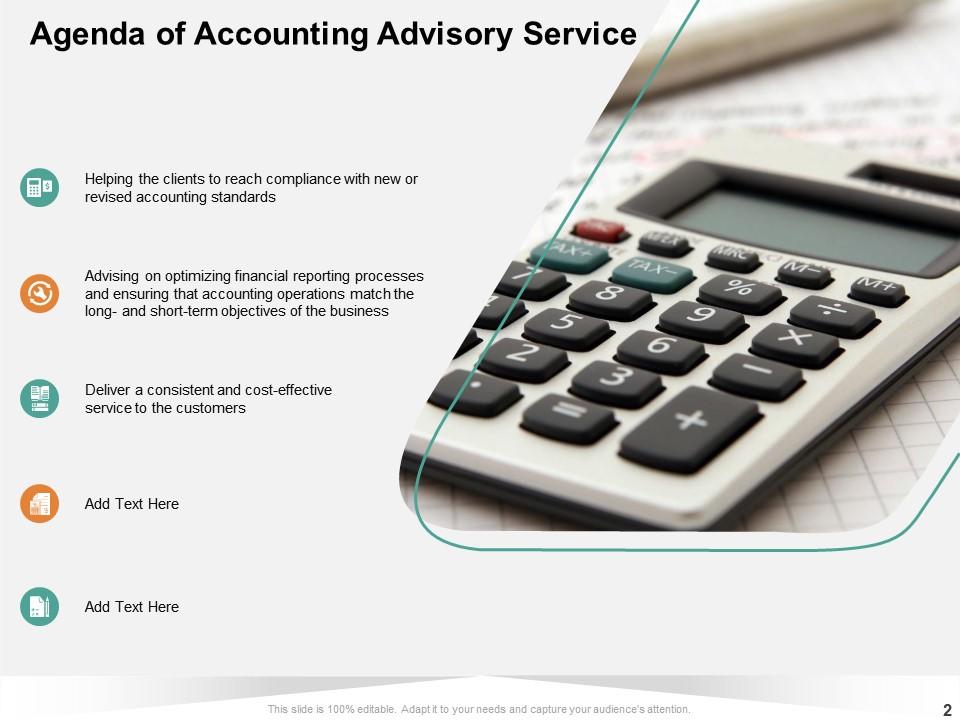
Slide 2: This slide showcases Agenda of Accounting Advisory Service
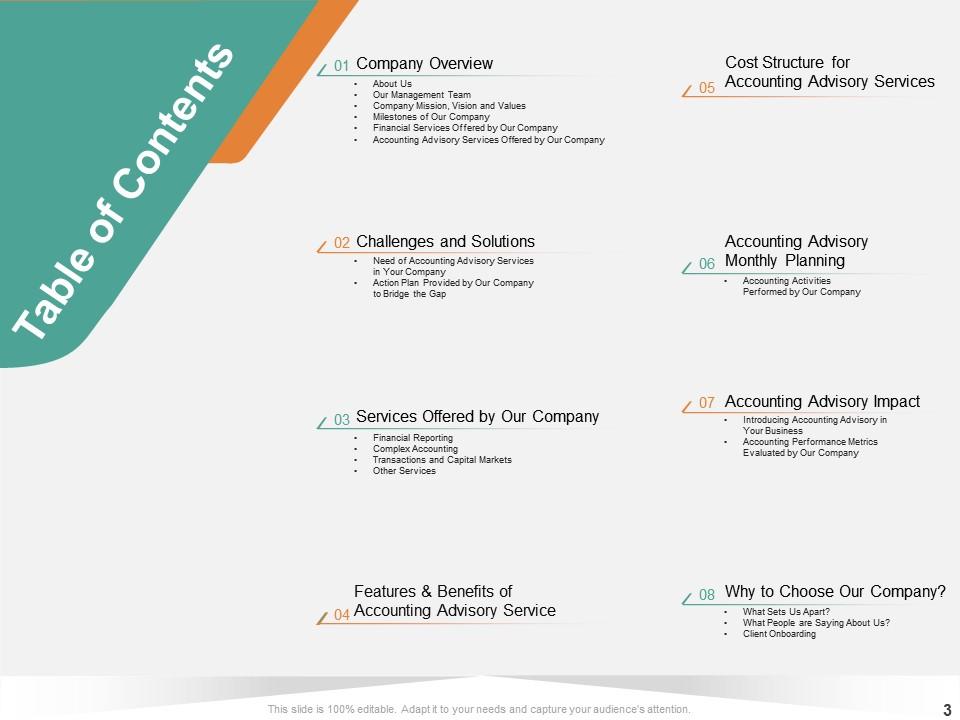
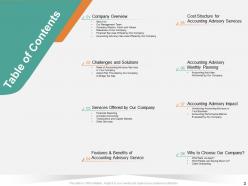
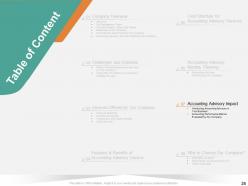
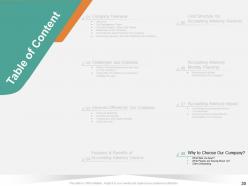
Slide 3: This slide displays Table of Contents.
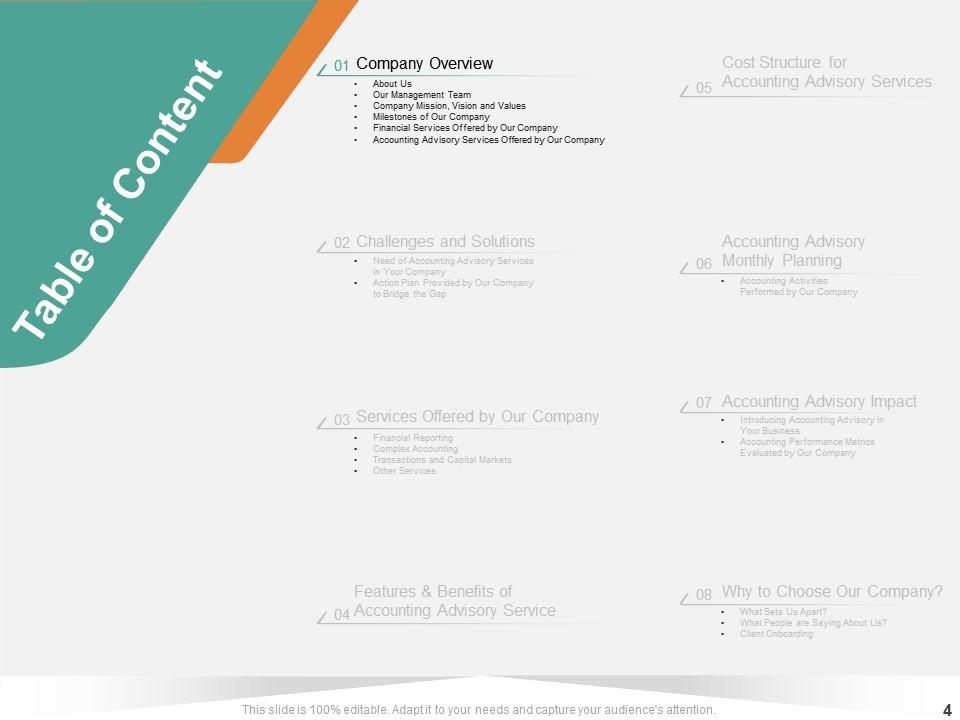
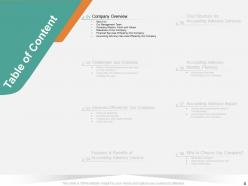
Slide 4: This slide displays Table of Content
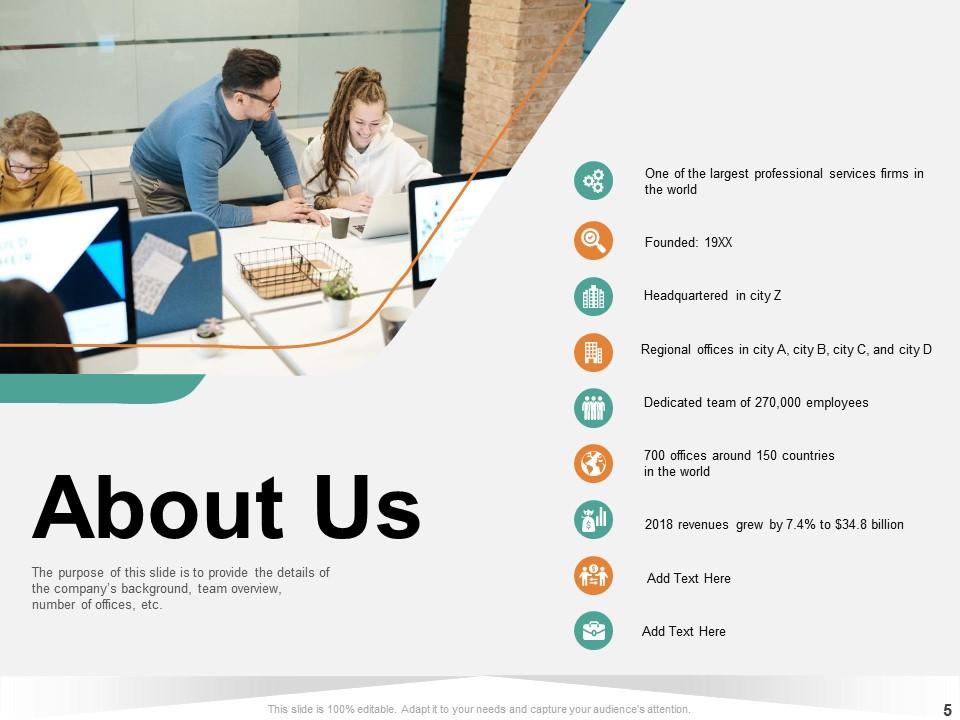
Slide 5: The purpose of this slide is to provide the details of the company’s background, team overview, number of offices, etc.
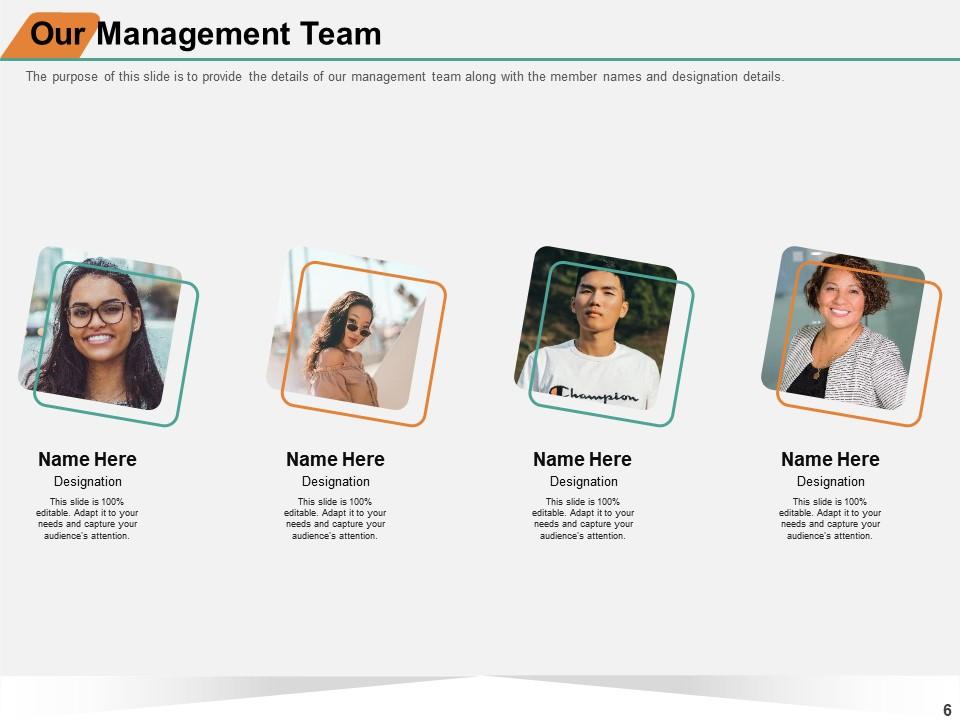
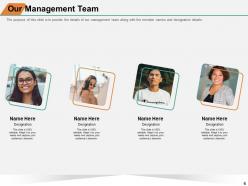
Slide 6: The purpose of this slide is to provide the details of our management team along with the member names and designation details.
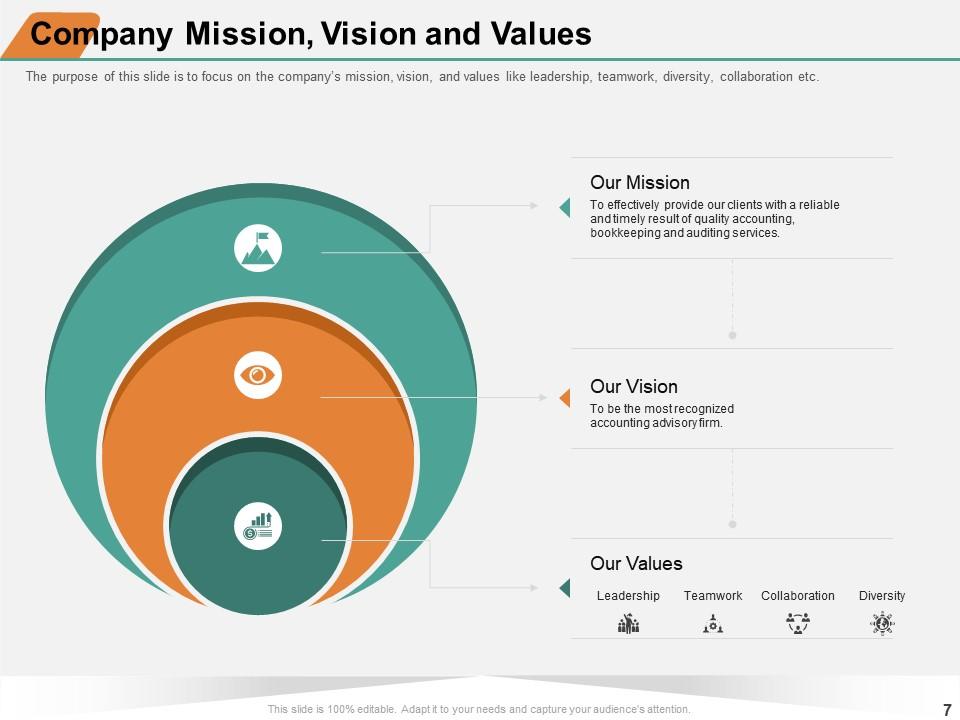
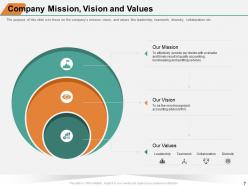
Slide 7: The purpose of this slide is to focus on the company’s mission, vision, and values like leadership, teamwork, diversity, collaboration etc.
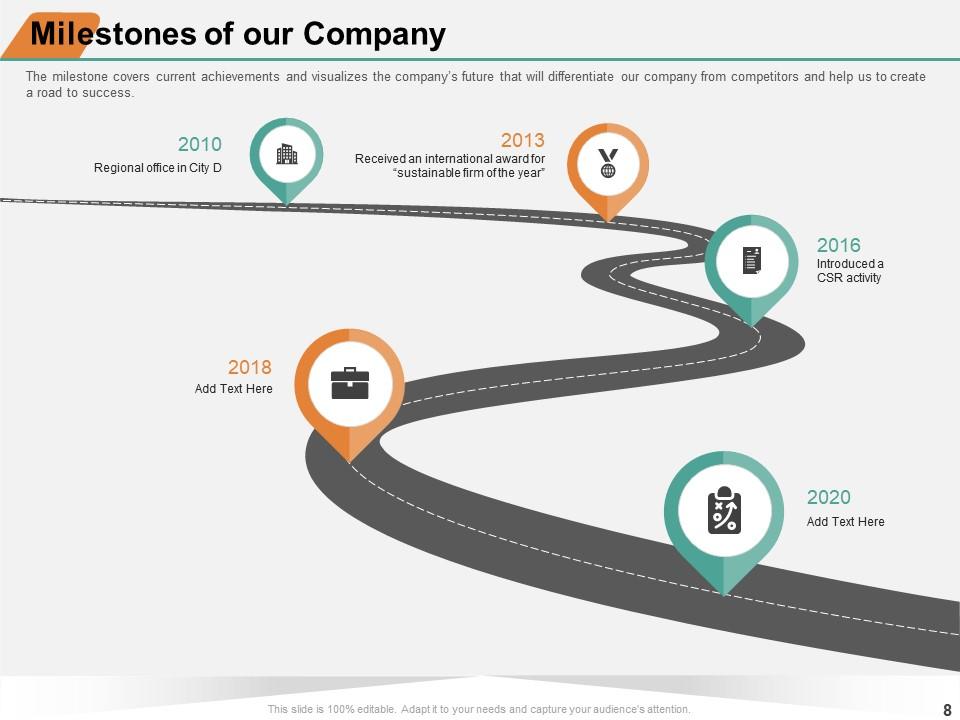
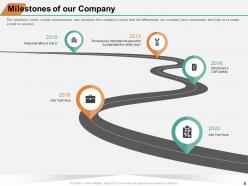
Slide 8: This slide shows milestone covers current achievements and visualizes the company’s future that will differentiate our company from competitors and help us to create a road to success.
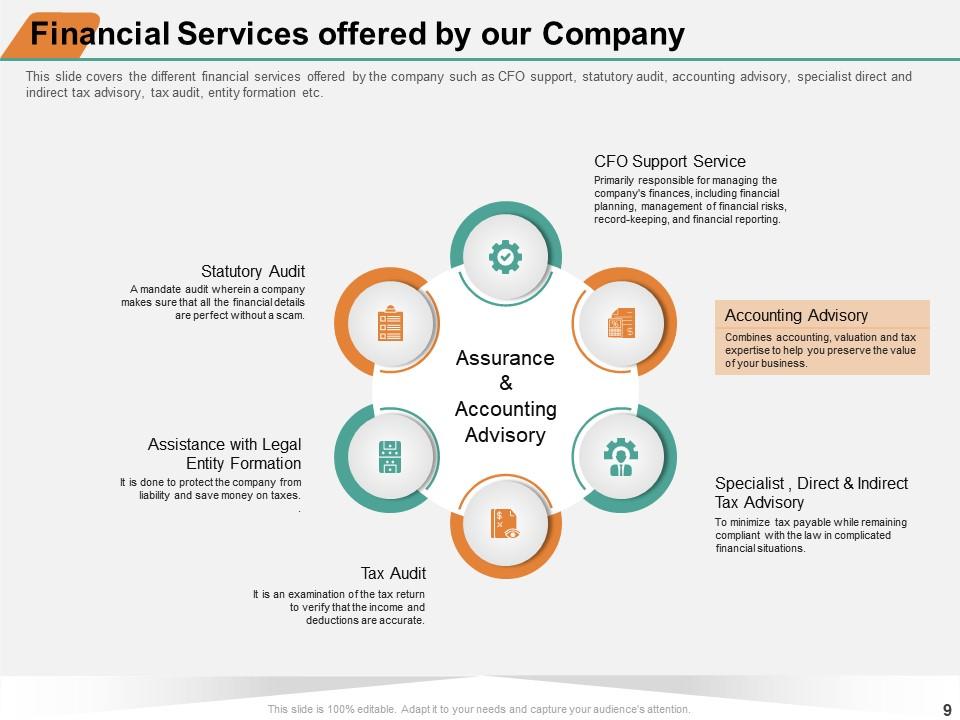
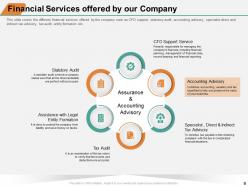
Slide 9: This slide covers the different financial services offered by the company such as CFO support, statutory audit, accounting advisory, specialist direct and indirect tax advisory, tax audit, entity formation etc.
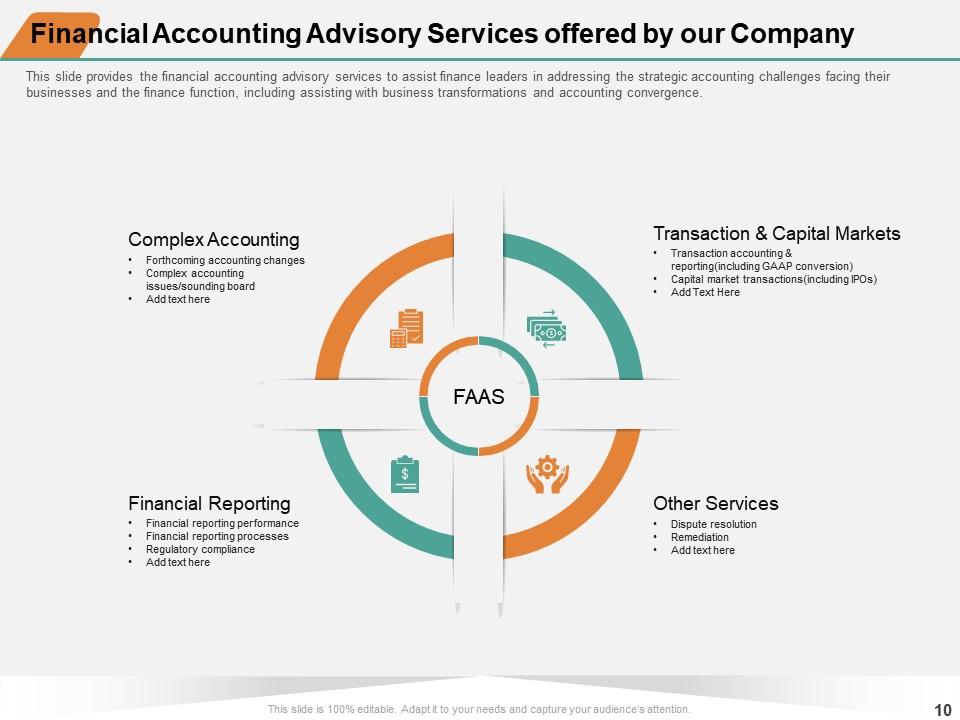
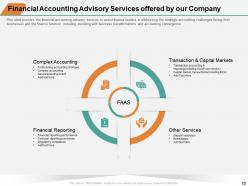
Slide 10: This slide provides the financial accounting advisory services to assist finance leaders in addressing the strategic accounting challenges facing their businesses and the finance function, including assisting with business transformations and accounting convergence.
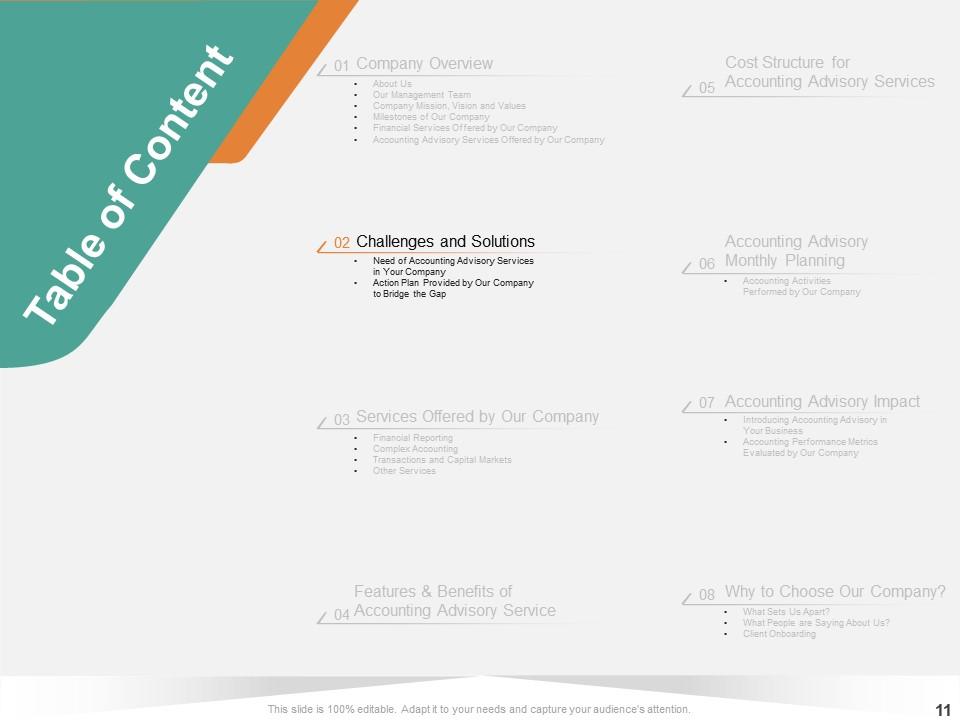
Slide 11: This slide showcases Table of Content
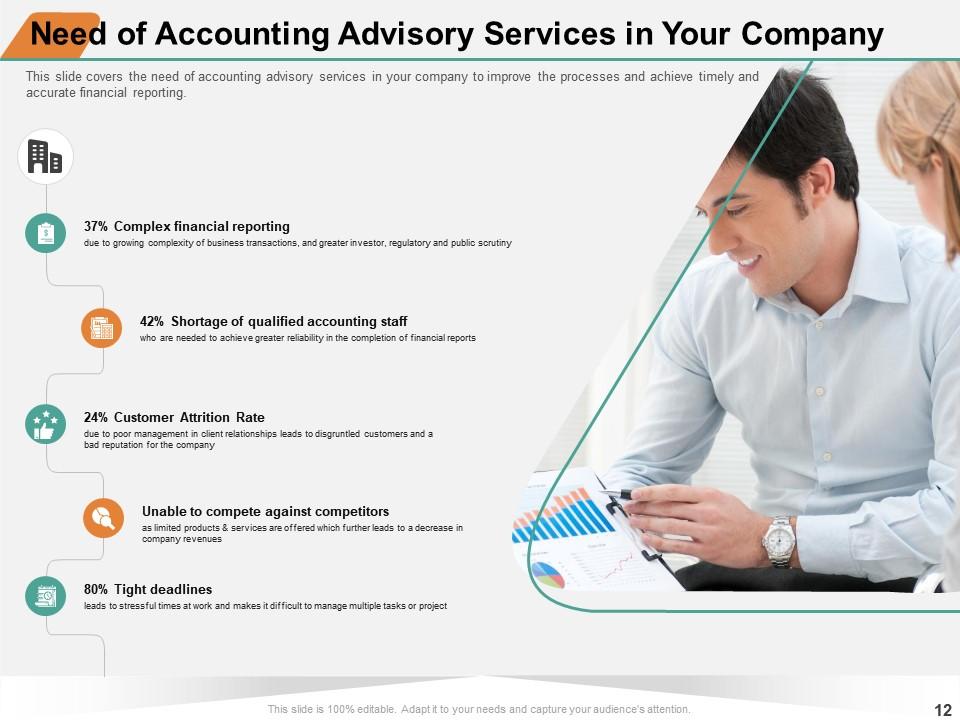
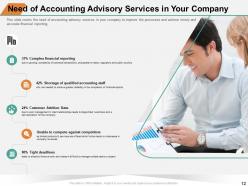
Slide 12: This slide covers the need of accounting advisory services in your company to improve the processes and achieve timely and accurate financial reporting.
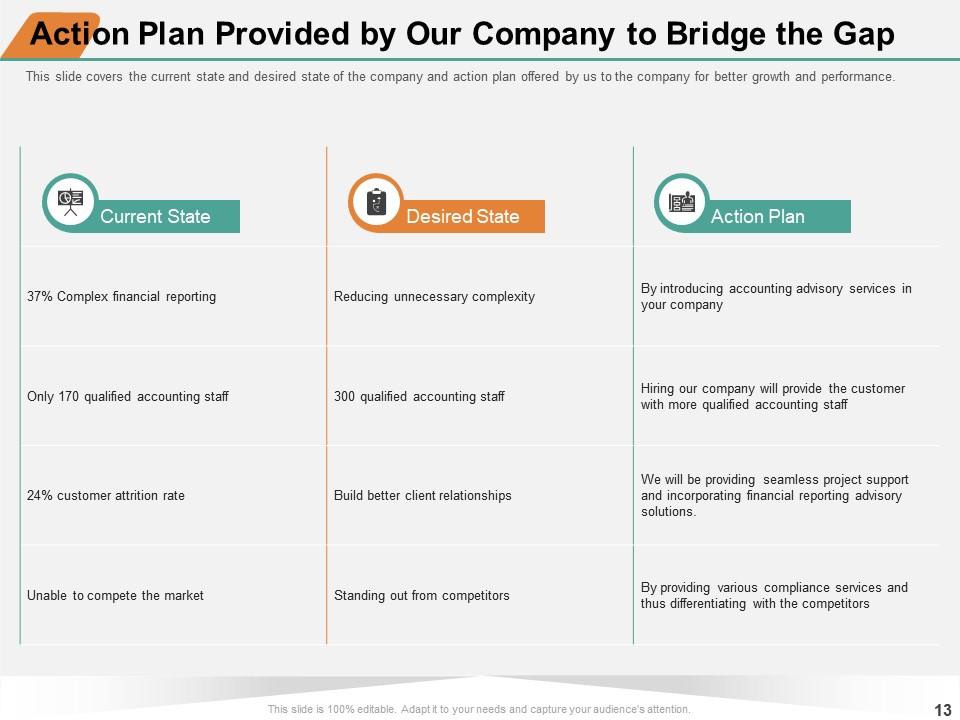
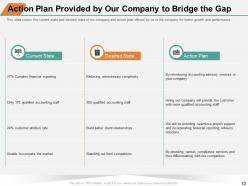
Slide 13: This slide covers the current state and desired state of the company and action plan offered by us to the company for better growth and performance.
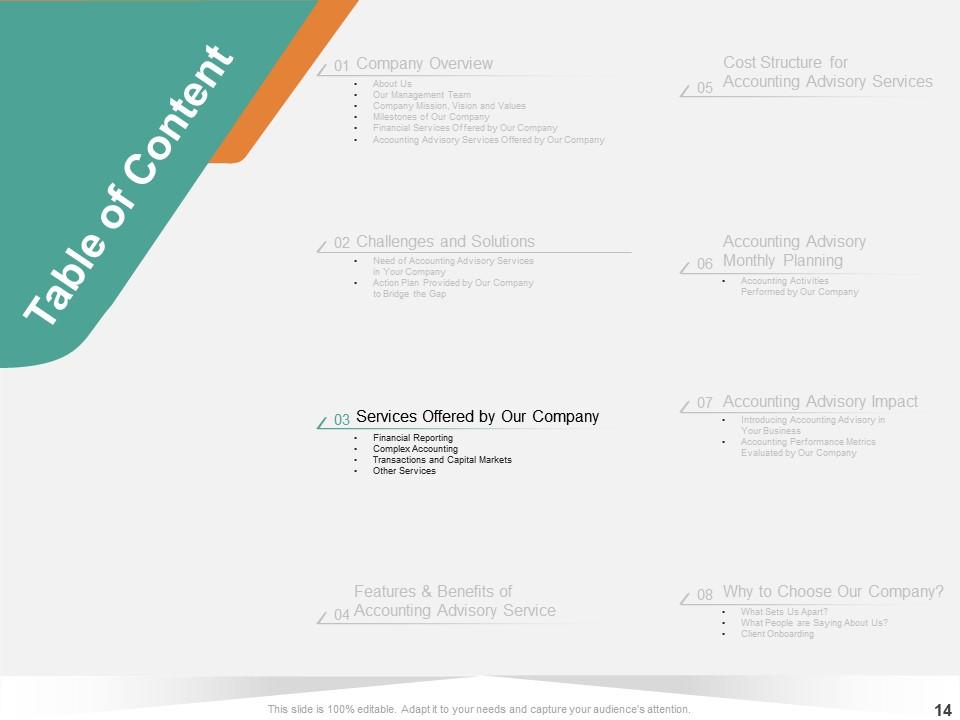
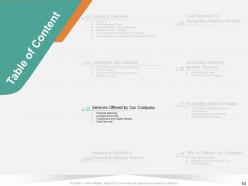
Slide 14: This slide displays Table of Content.
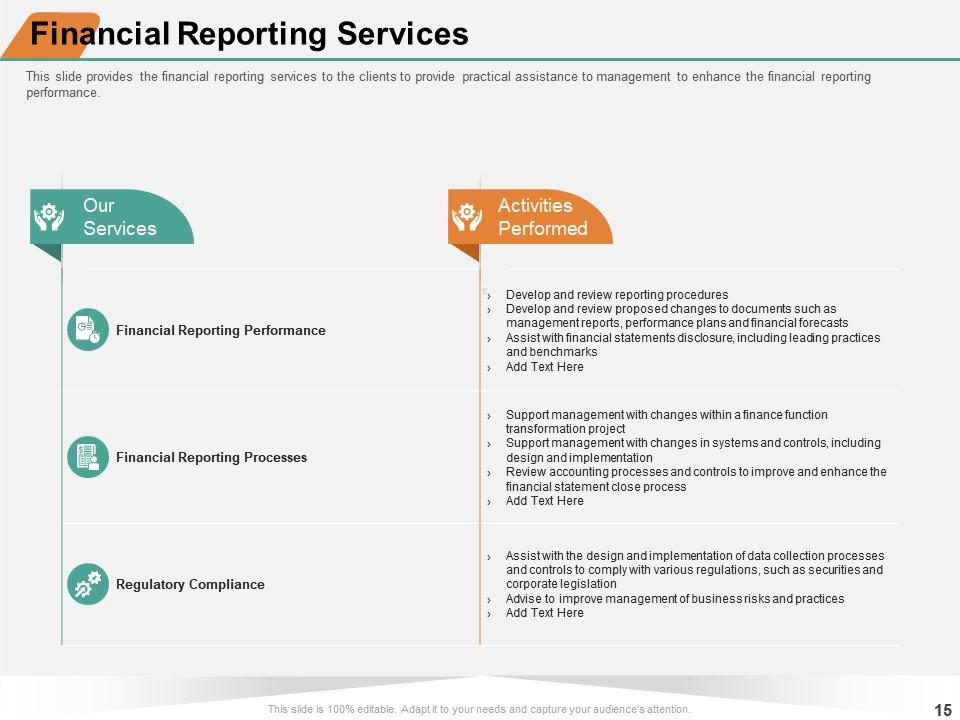
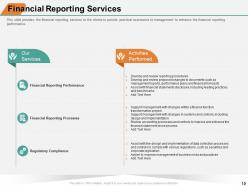
Slide 15: This slide provides the financial reporting services to the clients to provide practical assistance to management to enhance the financial reporting performance.
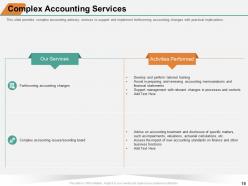
Slide 16: This slide provides complex accounting advisory services to support and implement forthcoming accounting changes with practical implications.
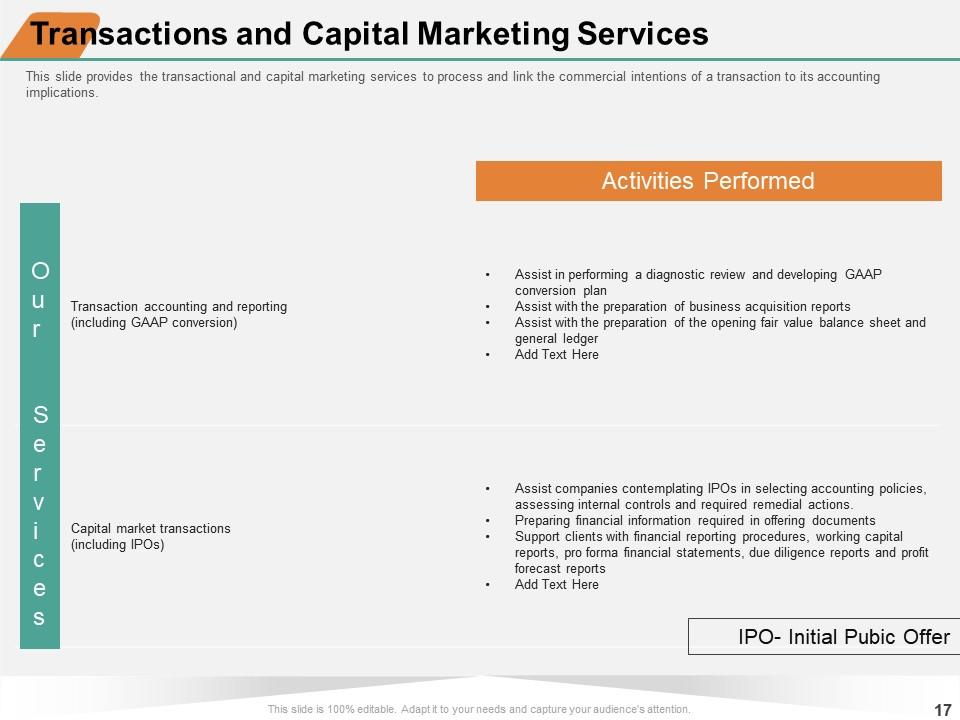
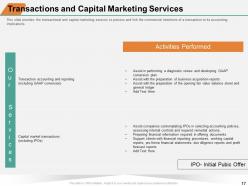
Slide 17: This slide provides the transactional and capital marketing services to process and link the commercial intentions of a transaction to its accounting implications.
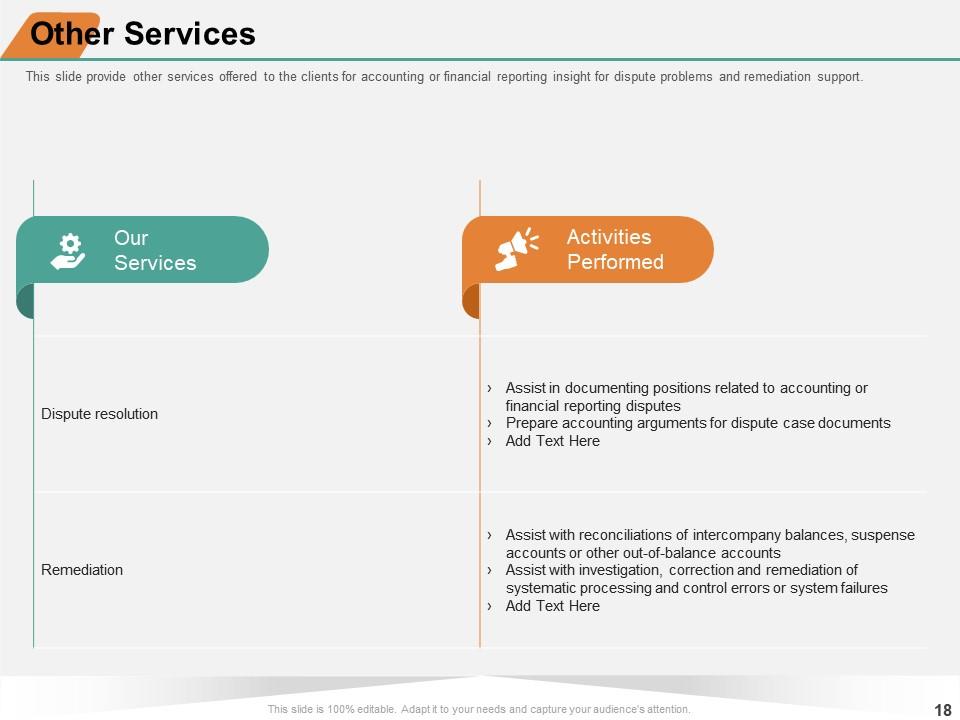
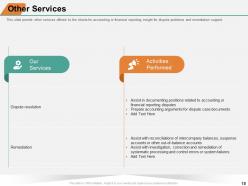
Slide 18: This slide provide other services offered to the clients for accounting or financial reporting insight for dispute problems and remediation support.
Slide 19: This slide showcases Table of Content.
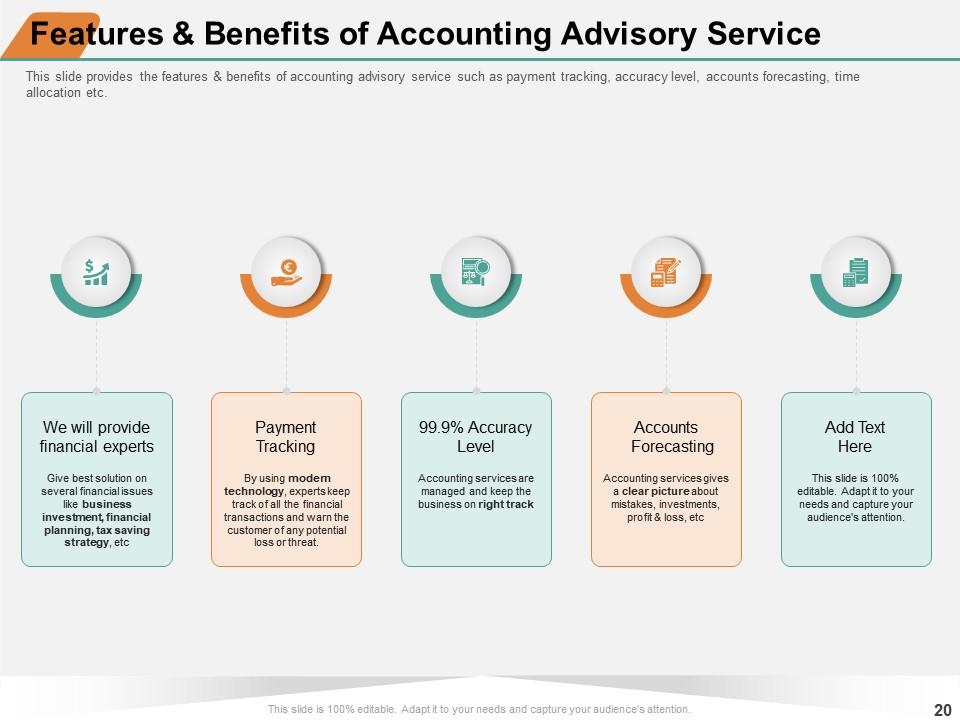
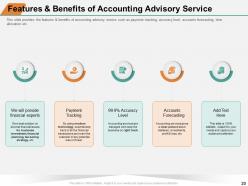
Slide 20: This slide provides the features & benefits of accounting advisory service such as payment tracking, accuracy level, accounts forecasting, time allocation etc.
Slide 21: This slide showcases Table of Content
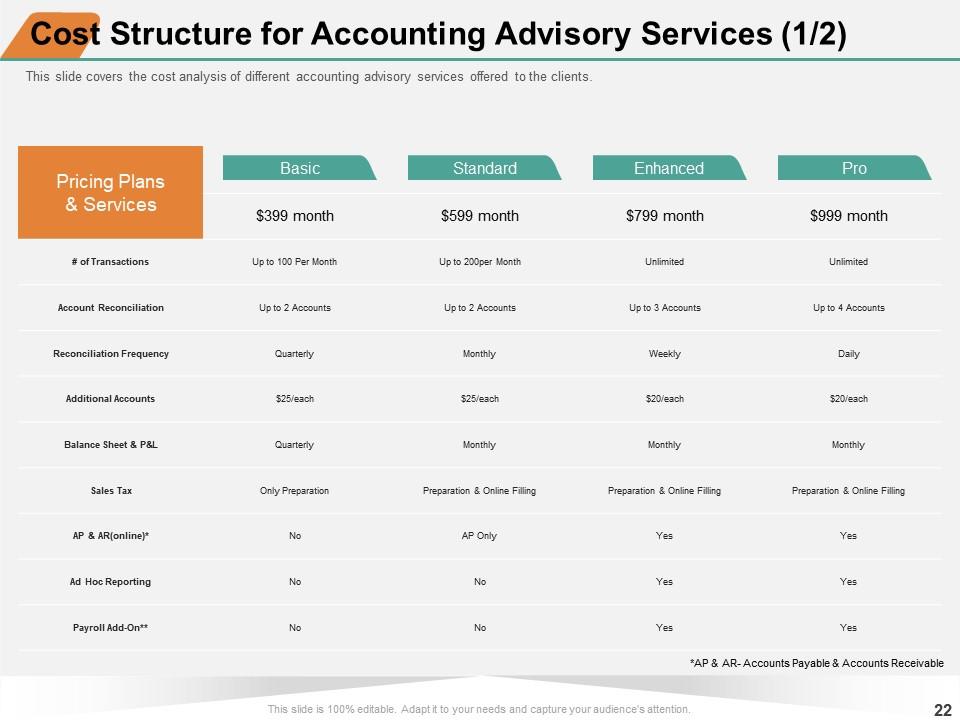
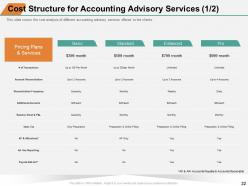
Slide 22: This slide covers the cost analysis of different accounting advisory services offered to the clients.
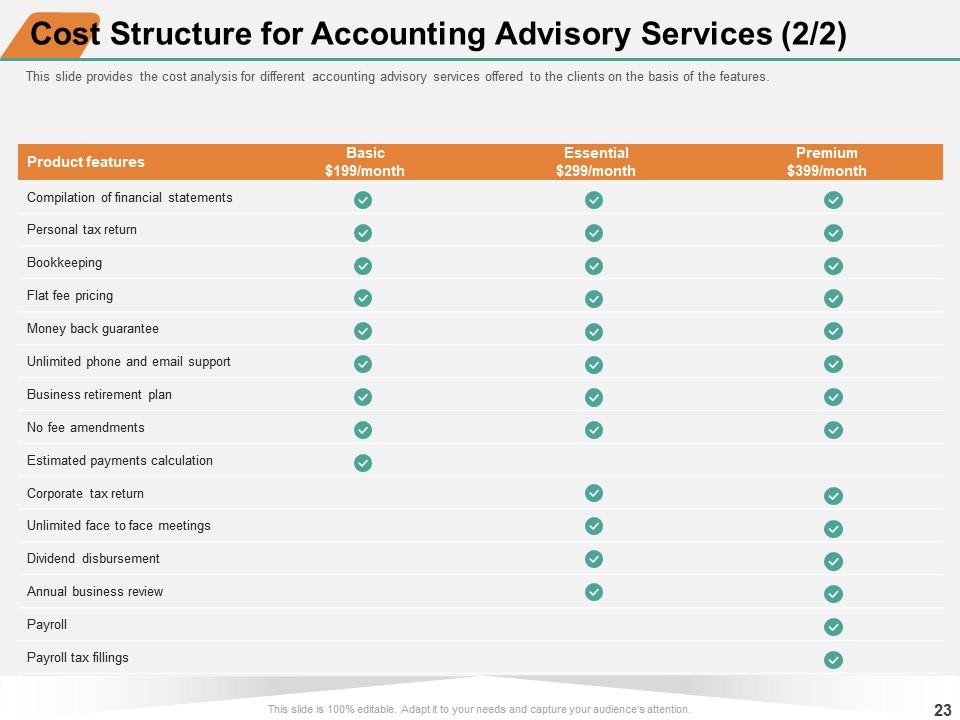
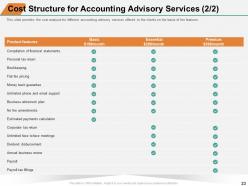
Slide 23: This slide provides the cost analysis for different accounting advisory services offered to the clients on the basis of the features.
Slide 24: This slide shows Table of Content.
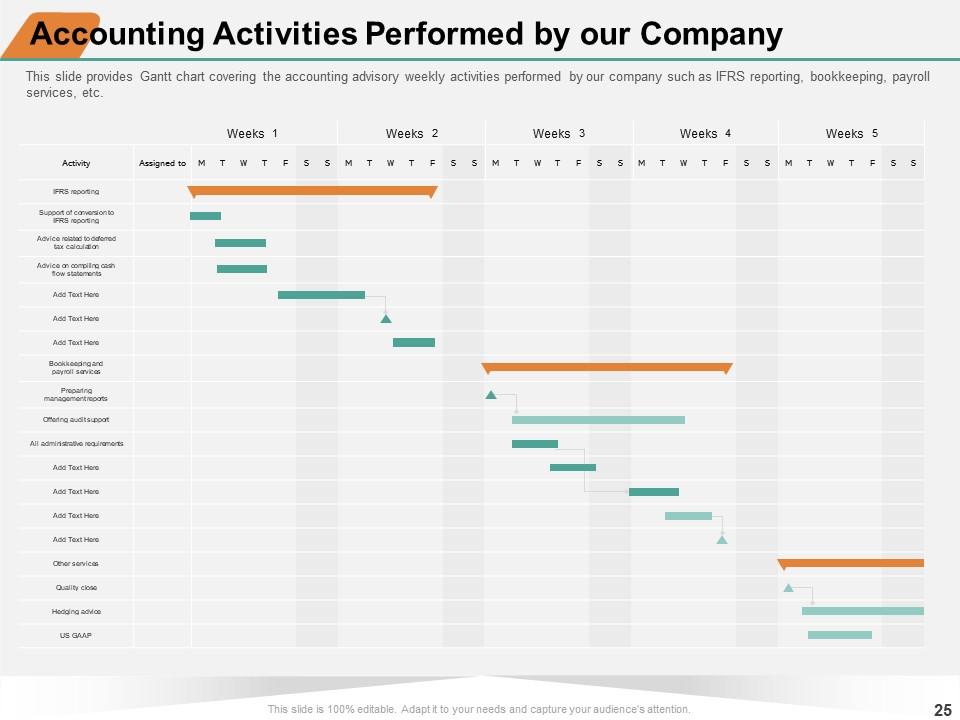
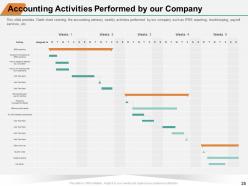
Slide 25: This slide provides Gantt chart covering the accounting advisory weekly activities performed by our company such as IFRS reporting, bookkeeping, payroll services, etc.
Slide 26: This slide displays Table of Content.
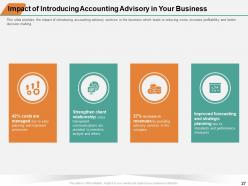
Slide 27: This slide provides the impact of introducing accounting advisory services in the business which leads to reducing costs, increase profitability and better decision making.
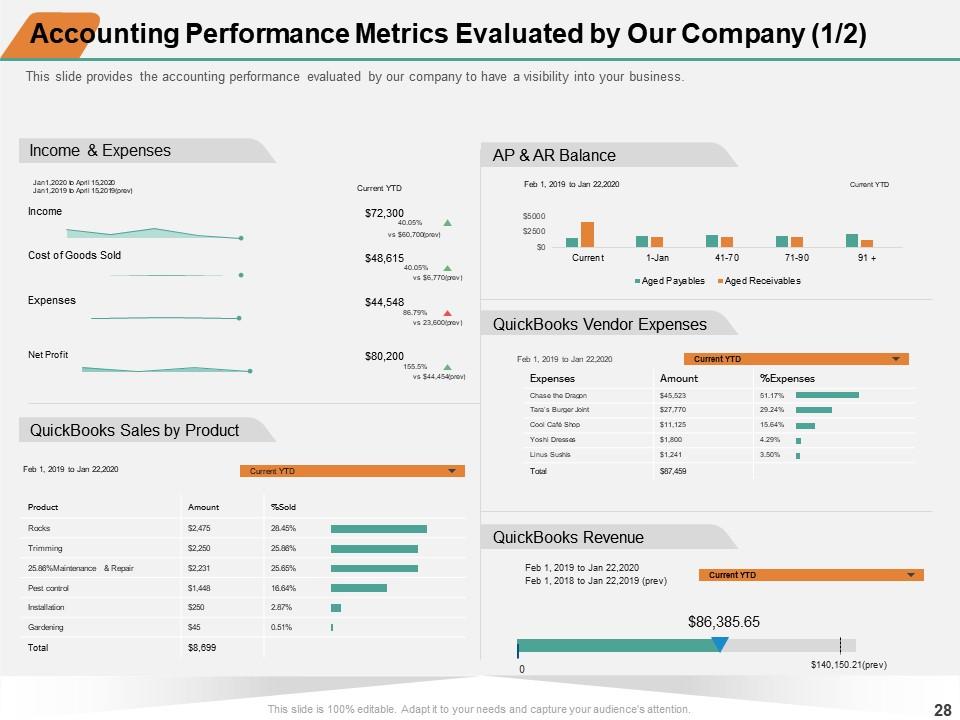
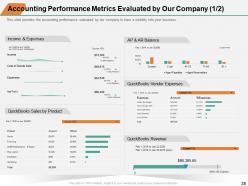
Slide 28: This slide provides the accounting performance evaluated by our company to have a visibility into your business.
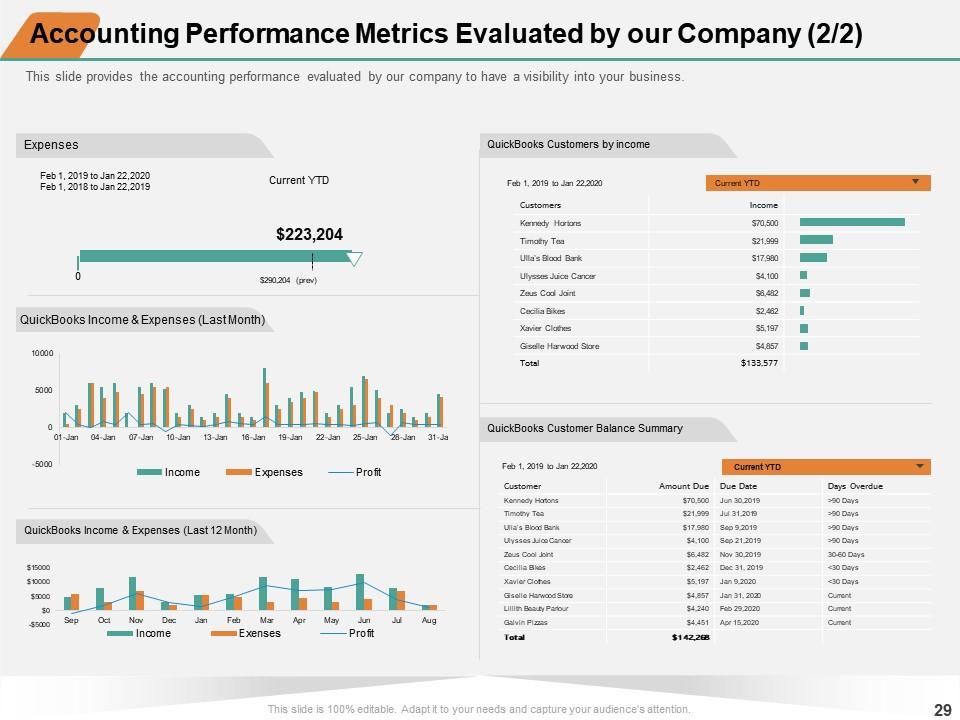
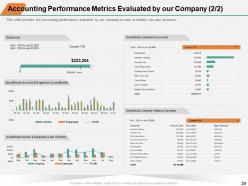
Slide 29: This slide provides the accounting performance evaluated by our company to have a visibility into your business.
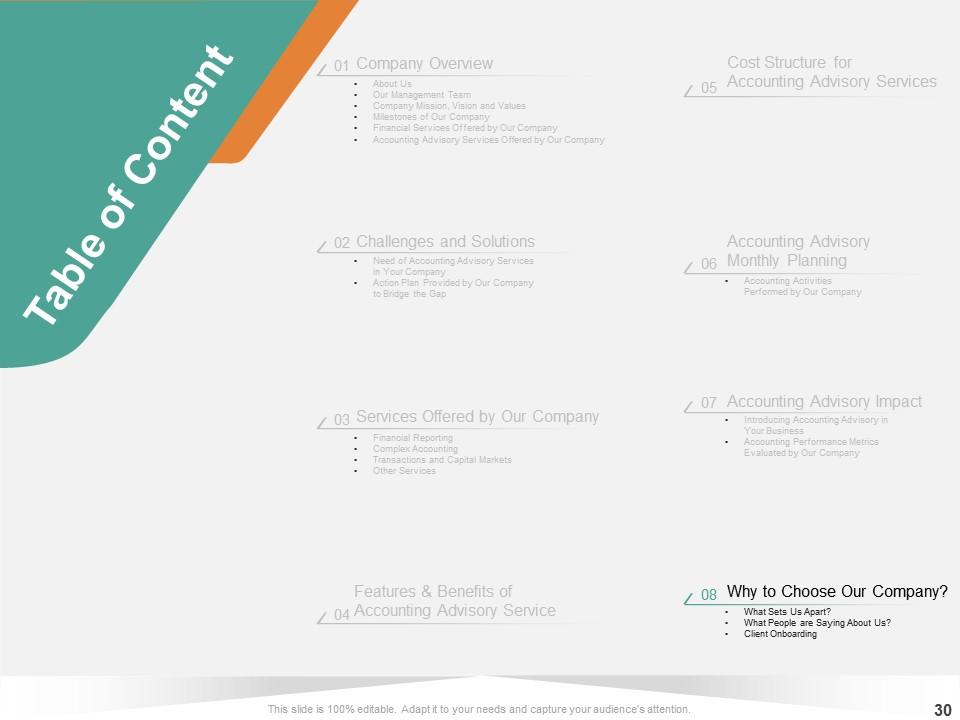
Slide 30: This slide displays Table of Content.
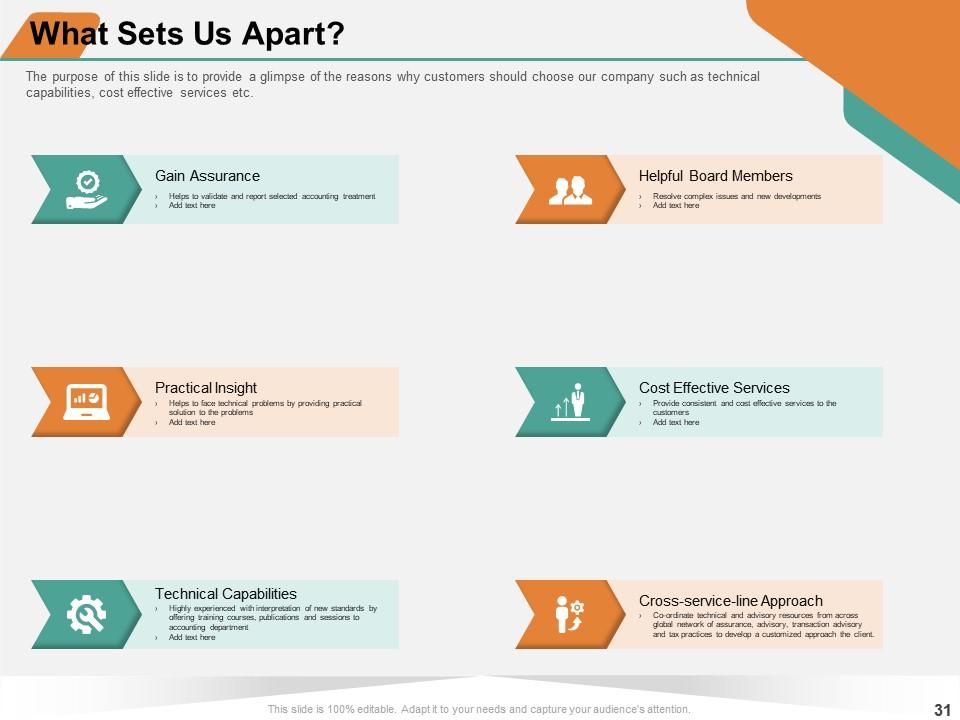
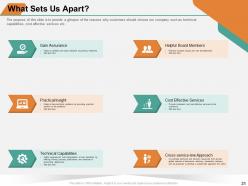
Slide 31: The purpose of this slide is to provide a glimpse of the reasons why customers should choose our company such as technical capabilities, cost effective services etc.
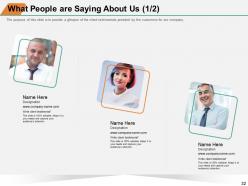
Slide 32: The purpose of this slide is to provide a glimpse of the client testimonials provided by the customers for our company.
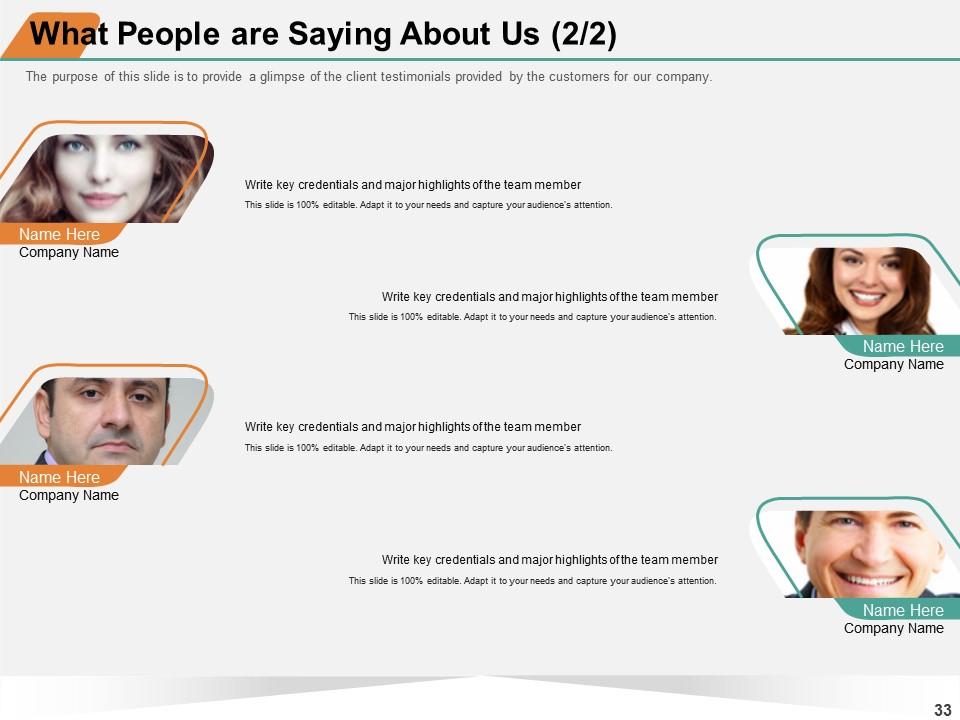
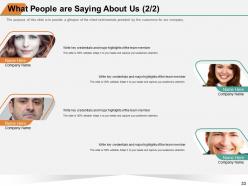
Slide 33: The purpose of this slide is to provide a glimpse of the client testimonials provided by the customers for our company.
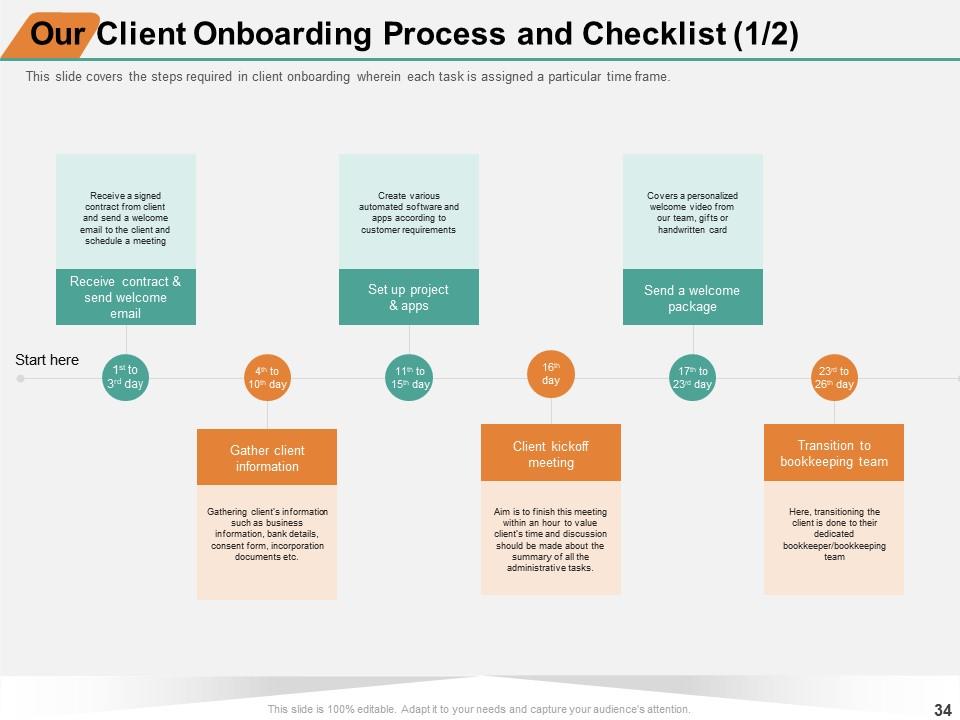
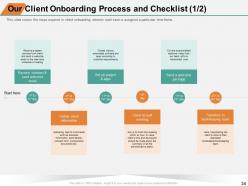
Slide 34: This slide covers the steps required in client onboarding wherein each task is assigned a particular time frame.
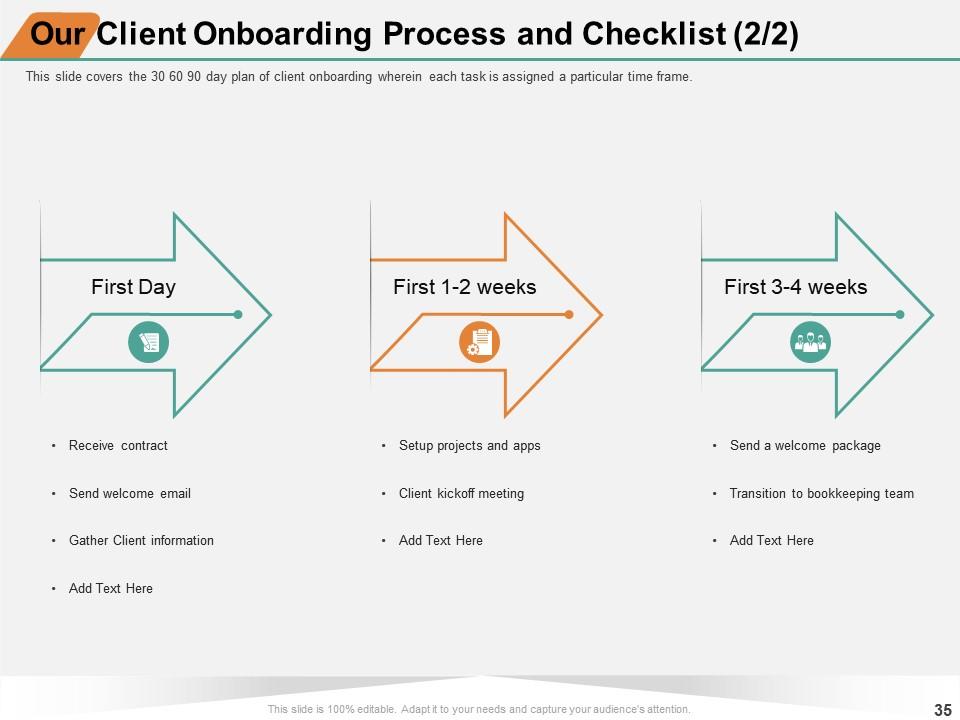
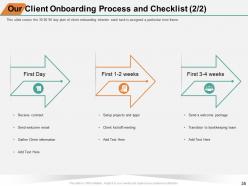
Slide 35: This slide covers the 30 60 90 day plan of client onboarding wherein each task is assigned a particular time frame.
Slide 36: This slide is titled as Additional Slides for moving forward.
Slide 37: This is Icons Slide for Audit and Assurance Services.
Slide 38: This slide displays Mission, Vision and Goals.
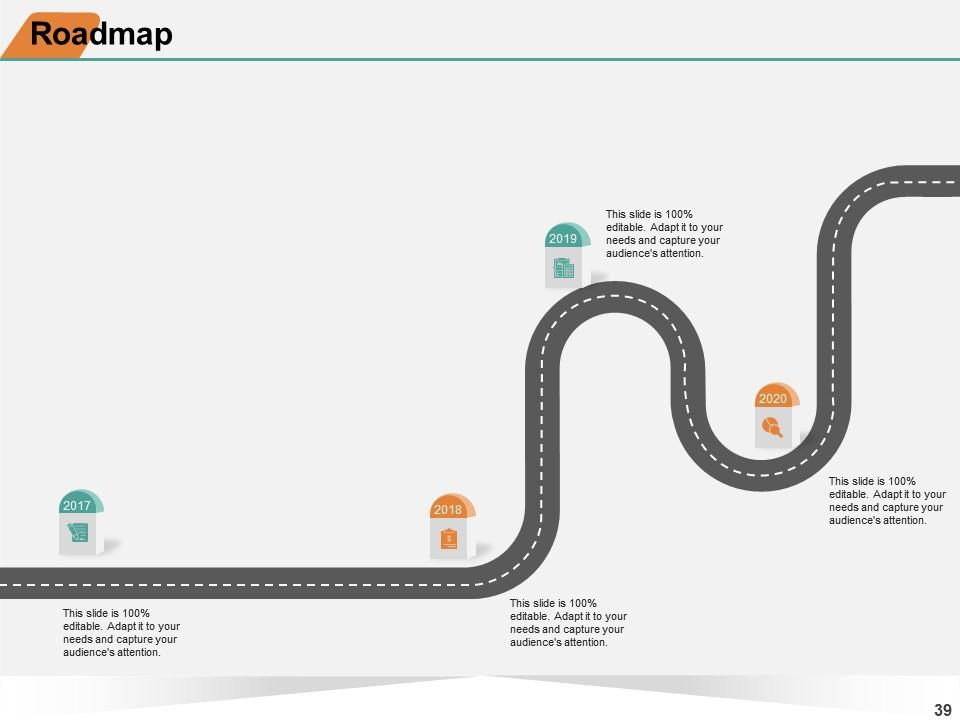
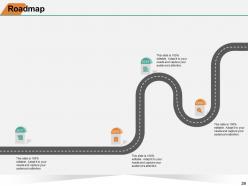
Slide 39: This slide depicts Roadmap process.
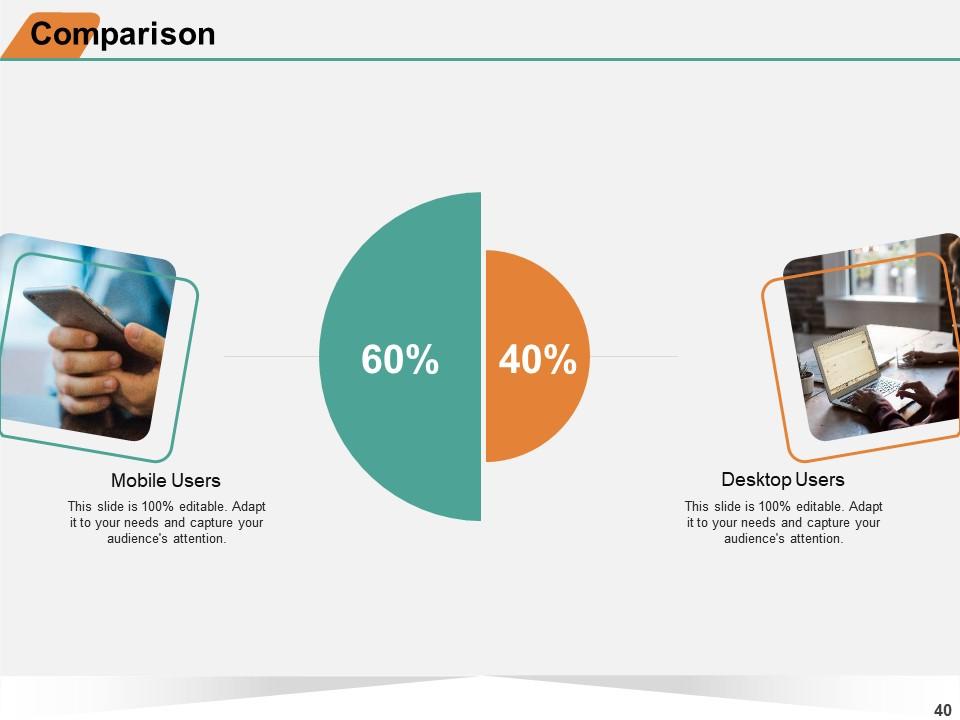
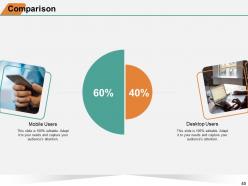
Slide 40: This slide displays Comparison between Mobile users and Desktop users.
Slide 41: This slide displays Goals.
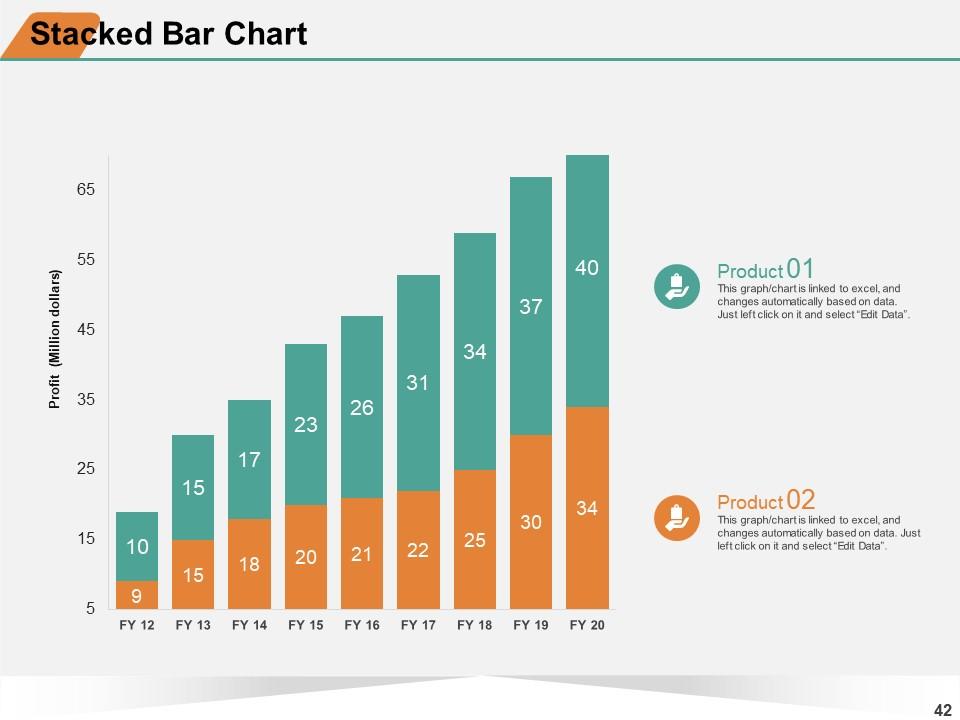
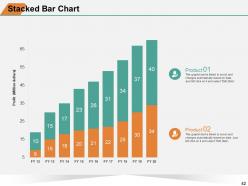
Slide 42: This slide displays Stacked bar chart for comparison of products.
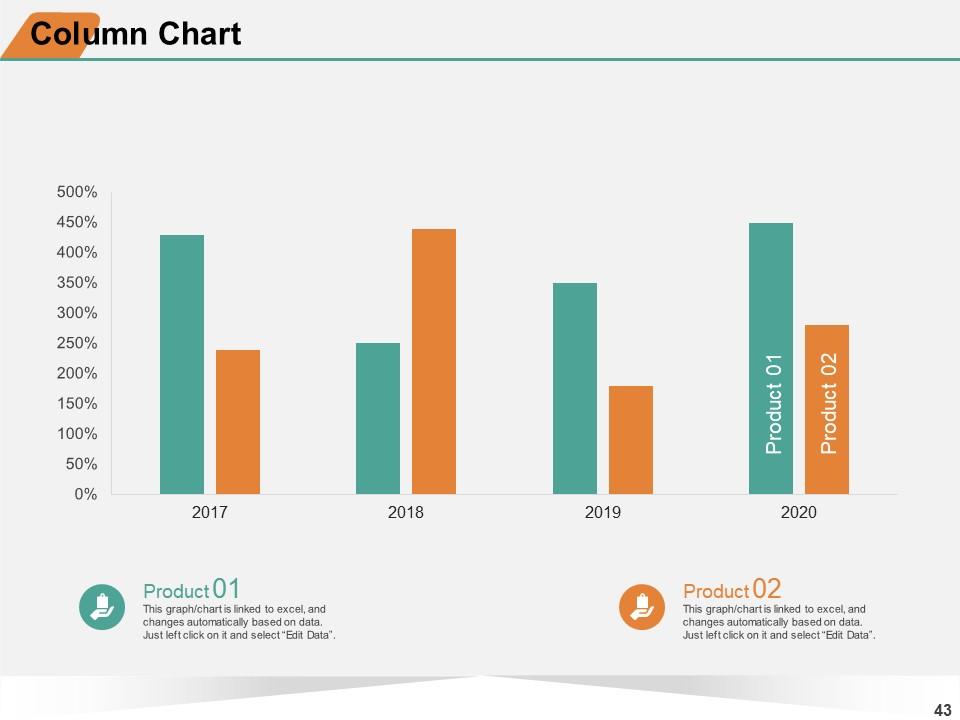
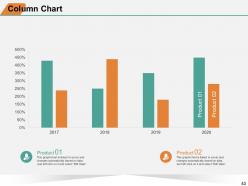
Slide 43: This slide displays Column Chart with product comparison.
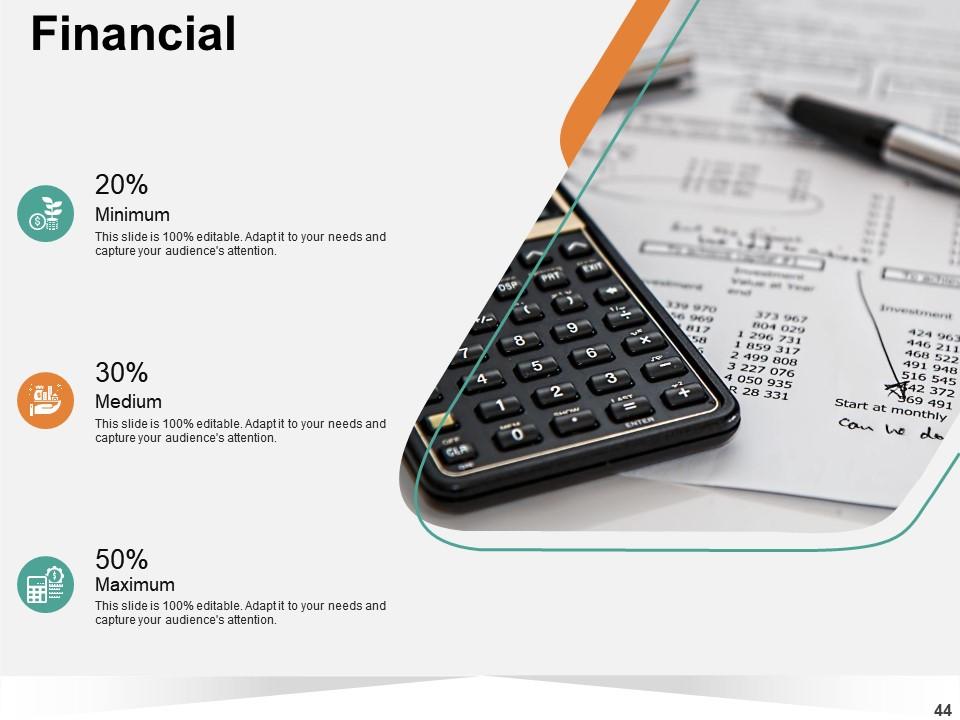
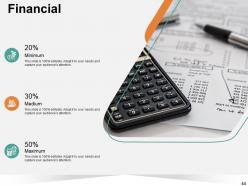
Slide 44: This is Financial slide with Minimum, Medium, and Maximum.
Slide 45: This is Thank you slide with Contact details.
Audit And Assurance Services Powerpoint Presentation Slides with all 45 slides:
Use our Audit And Assurance Services Powerpoint Presentation Slides to effectively help you save your valuable time. They are readymade to fit into any presentation structure.
-
Great quality product.
-
It saves your time and decrease your efforts in half.
-
Best Representation of topics, really appreciable.
-
Best way of representation of the topic.
-
Use of icon with content is very relateable, informative and appealing.
