


Brand Architecture And Archetype Associated With Apple Ppt Template Bundles Branding MD





Try Before you Buy Download Free Sample Product
 Impress Your
 Audience
 100%
100% Editable
 Save Hours
 of Time


Our Brand Architecture And Archetype Associated With Apple Ppt Template Bundles Branding MD are topically designed to provide an attractive backdrop to any subject. Use them to look like a presentation pro.
People who downloaded this PowerPoint presentation also viewed the following :
Content of this Powerpoint Presentation
Slide 1: This slide introduces Brand Architecture and Archetype Associated with Apple. State your company name and begin.
Slide 2: This slide shows Table of Content for the presentation.
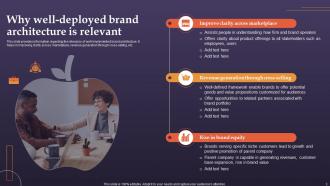
Slide 3: This slide presents Why well-deployed brand architecture is relevant.
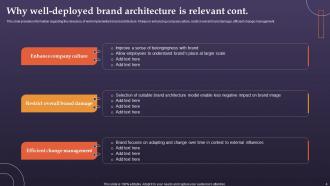
Slide 4: This slide provides information regarding the relevancy of well-implemented brand architecture.
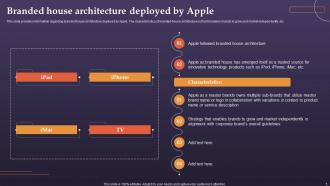
Slide 5: This slide displays Branded house architecture deployed by Apple.
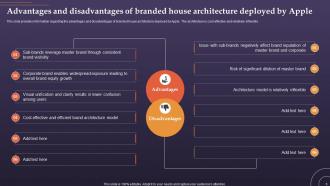
Slide 6: This slide represents Advantages and disadvantages of branded house architecture deployed by Apple.
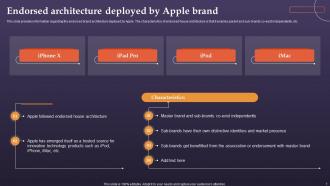
Slide 7: This slide showcases Endorsed architecture deployed by Apple brand.
Slide 8: This slide shows Advantages and disadvantages of endorsed architecture deployed by Apple.
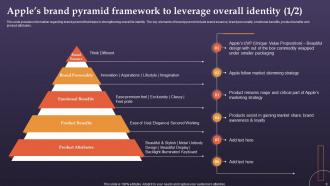
Slide 9: This slide presents Apple’s brand pyramid framework to leverage overall identity.
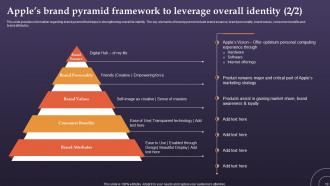
Slide 10: This is another slide continuing Apple’s brand pyramid framework to leverage overall identity.
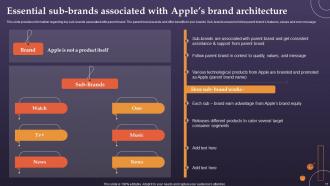
Slide 11: This slide displays Essential sub-brands associated with Apple’s brand architecture.
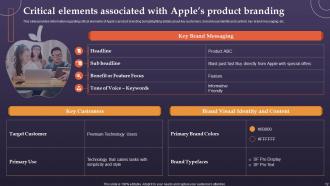
Slide 12: This slide represents Critical elements associated with Apple’s product branding.
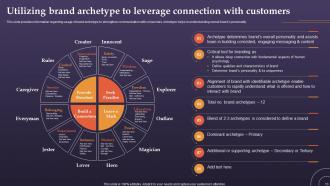
Slide 13: This slide showcases Utilizing brand archetype to leverage connection with customers.
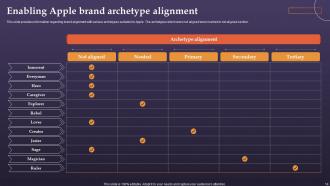
Slide 14: This slide shows Enabling Apple brand archetype alignment.
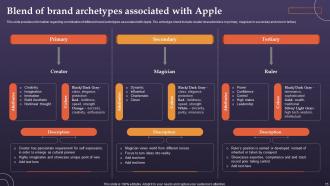
Slide 15: This slide presents Blend of brand archetypes associated with Apple.
Slide 16: This is a Thank You slide with address, contact numbers and email address.
Brand Architecture And Archetype Associated With Apple Ppt Template Bundles Branding MD with all 21 slides:
Use our Brand Architecture And Archetype Associated With Apple Ppt Template Bundles Branding MD to effectively help you save your valuable time. They are readymade to fit into any presentation structure.









FAQs for Brand Architecture And Archetype Associated With Apple Ppt Template
So there are three big things you gotta nail down. First is your brand hierarchy - basically mapping out how all your brands connect to each other. Most companies totally botch this part, honestly. Then you need naming conventions that actually make sense to regular people (not just your marketing team). Each brand should have its own specific job and target audience too. I'd start by just writing down everything you have right now. Then look for where brands are overlapping or competing against each other - happens way more than you'd think. Fill in the gaps after that.
Look, when customers can actually figure out how your brands connect, they're way more likely to buy from you. Think about it - nobody wants to play detective just to understand what you sell. You'll see people get frustrated and bounce if your product lineup feels like a messy garage sale. Good brand architecture lets customers move between your products naturally because they get how everything fits together. Honestly, most companies organize this stuff for internal reasons instead of thinking about their customers first. Map out your brands from your customer's viewpoint, not your own - that's where you'll find the real gaps.
Most brands start super simple - just one main brand, right? But then things get complicated when you expand into new product lines or buy other companies. Sometimes you'll create totally separate brands for different markets. Honestly, I've seen this go sideways so many times when people don't think it through! Each time you add something new, decide if it fits under your main brand or needs its own thing. Oh and definitely write this stuff down somewhere - sounds boring but trust me, it saves headaches later when your team's confused about where things belong.
Basically it's about how visible the parent brand is. Google slaps their name on everything - Gmail, Google Drive, you know the drill. Endorsed brands keep the parent name but add something else, like Marriott Courtyard. Then there's freestanding where nobody even realizes the connection - I honestly had no clue Unilever owned both Dove and Axe until recently. Your choice depends on whether your main brand's reputation helps or hurts the new product. Different audiences? Maybe go separate. I'd look at what you've already got going and see which way you're naturally heading.
Honestly, first thing I'd do is figure out what customers *actually* think about your brands - might surprise you. Check if they're targeting similar audiences or price ranges. Tons of overlap? Maybe go the branded house route. But if they serve completely different markets or would confuse people, keep them separate. P&G does this really well IMO. Don't just guess though - test your assumptions with real research. I'd map out a couple scenarios and pilot whichever creates less confusion while still letting you benefit from having multiple brands.
Think of brand architecture like organizing your closet - you want everything to make sense together. Map out what you've got first. Then decide if you're doing one big umbrella brand, separate brands, or mixing both. I've watched companies completely confuse customers with too many random brands that don't connect. When you launch something new, you'll know whether it fits under an existing brand or needs its own thing. Honestly, most people skip this step and regret it later. Your customers shouldn't have to guess how your products relate to each other.
Dude, visuals are a game-changer for brand stuff. Like, nobody wants to read paragraphs about how Brand A connects to Brand B - just show them with boxes and arrows or whatever. Color coding works amazing too, makes it super obvious which brands are in the same family. I always start simple then add more detail as I go. Org charts, flowcharts, even basic diagrams beat walls of text every time. Oh and pro tip - visual hierarchy helps people understand the structure at different levels. Trust me, your audience will actually pay attention instead of zoning out during your presentation.
Honestly, the worst part is dealing with people who don't want change. Teams get super attached to their existing brand names and processes - good luck with that pushback. Marketing, sales, and product will all interpret your new setup differently, which creates total chaos. Implementation costs can blow up fast too, especially with trademark stuff and all the redesign work. Oh, and communication breakdowns happen constantly. You really need leadership on your side from day one. Create guidelines that are so clear there's no wiggle room for teams to do their own thing.
Dude, culture totally changes how you should set up your brand structure. Japan and other collectivist places? They love when the parent brand endorses everything - that trust factor is huge there. But Western markets don't give a shit about that connection, they're cool with sub-brands that seem completely unrelated. Honestly, I learned this the hard way on a project last year. Some cultures want clear brand hierarchies while others think it's pretentious. My take: figure out your target markets' values first, then decide if you're going house of brands or branded house. Don't just copy what works in the US.
Track the money stuff first - revenue attribution, market share, how much you're spending on marketing. Then dig into whether people actually get what your brands do and how they connect. Brand awareness and consideration surveys are your friend here. Customer journey analytics will show you where things get messy. Oh, and don't forget to quiz your own employees - if they're scratching their heads about the brand structure, customers are too. Honestly, that internal confusion is usually a dead giveaway. Get your baseline numbers before you change anything, then check quarterly to see if you're actually making progress.
So basically, having a clear brand architecture is like creating a family tree for all your brands - it shows how everything connects. Makes campaign planning way less of a nightmare tbh. You'll know instantly which brands can team up for promotions or share resources instead of starting from scratch each time. Your main brand can help lift up the smaller ones too, which is pretty sweet. Everything feels more connected rather than all over the place. I'd start by just mapping out what you have now and see where you're doing the same work twice for no reason.
Honestly, you don't need anything fancy. PowerPoint works fine for basic hierarchy stuff, or Lucidchart if you want something cleaner. I'm weirdly addicted to Miro though - those sticky notes are perfect when you're brainstorming with your team. Start by just auditing what brands you actually have (sounds boring but trust me). Then figure out if you're more of a "house of brands" or "branded house" situation. Sometimes I swear a whiteboard session beats any software - there's something about physically moving stuff around that clicks better. Just pick whatever helps everyone see how things connect.
Dude, this is honestly make-or-break stuff. Your teams need to actually get how the brands connect, otherwise you'll have marketing pushing one thing while sales is talking up something completely different - I've watched this train wreck happen so many times. Customer-facing people especially need super clear rules about when to lead with the main brand vs. the sub-brands. Don't even finalize your architecture until you've done stakeholder workshops first. Get everyone on the same page or it all crumbles fast, no matter how genius your strategy looks on paper.
Look at P&G - they went from 300+ brands down to just 65 core ones. Ditched stuff like Pringles and Duracell to focus on the real winners like Tide and Pampers. Smart move. Google did something similar with the whole Alphabet thing, separating their crazy moonshot projects from the search business that actually makes money. Way easier for investors to understand what's going on. Unilever cleaned house too by getting rid of overlapping products and organizing their brands better. Here's the thing though - if you're thinking about this for your own company, start by figuring out what you actually have versus what customers think you have. That gap will show you where the real opportunities are hiding.
So here's the thing - brand architecture is like your GPS for M&As. Map out both companies' brands first (seriously, don't skip this step). Then you'll see which ones to keep, which to merge, and which need to go. Otherwise you end up with weird overlaps or confusing gaps that'll mess with customers. It's basically decluttering but with way higher stakes. The framework shows whether you should smash everything under one umbrella brand or keep them separate. Sometimes a hybrid works too. Point is, you get actual reasons for your decisions instead of just... hoping for the best.
-
Informative presentations that are easily editable.
-
The designs by SlideTeam are honestly the best I have seen so far. Will be definitely coming back for more.