


Brand Development Strategy Of Food And Beverage Company Powerpoint Presentation Slides
Brand development is the process of differentiating the organizations image and products from other successful competitors. Grab our Brand Development Strategy of Food and Beverage Company template. It assists marketers in improving brand recognition and brand equity. Our Brand Development Marketing deck presents an overview section covering the latest branding trends, statistics, and emerging drivers. It can help managers determine the most successful brand in the industry. The marketing strategies section will assist the organization in successfully positioning the brand in the target audiences mind and setting it apart from other top industry leaders. Our Brand Strategy module can aid marketers in analyzing the impact of brand development strategies on company performance through the KPI dashboard. Lastly, it caters to a guide section through which a company can successfully develop a new brand and increase customer loyalty, engagement, and total market share. Download this 100 percent editable presentation and get access to our highly researched and skillfully designed product.
Brand development is the process of differentiating the organizations image and products from other successful competitors...
























-

- Google Slides is a new FREE Presentation software from Google.
- All our content is 100% compatible with Google Slides.
- Just download our designs, and upload them to Google Slides and they will work automatically.
- Amaze your audience with SlideTeam and Google Slides.
-

Want Changes to This PPT Slide? Check out our Presentation Design Services
-

- WideScreen Aspect ratio is becoming a very popular format. When you download this product, the downloaded ZIP will contain this product in both standard and widescreen format.
-

- Some older products that we have may only be in standard format, but they can easily be converted to widescreen.
- To do this, please open the SlideTeam product in Powerpoint, and go to
- Design ( On the top bar) -> Page Setup -> and select "On-screen Show (16:9)” in the drop down for "Slides Sized for".
- The slide or theme will change to widescreen, and all graphics will adjust automatically. You can similarly convert our content to any other desired screen aspect ratio.
Compatible With Google Slides

Get This In WideScreen
You must be logged in to download this presentation.


Do you want to remove this product from your favourites?
PowerPoint presentation slides
Enthrall your audience with this Brand Development Strategy Of Food And Beverage Company Powerpoint Presentation Slides. Increase your presentation threshold by deploying this well-crafted template. It acts as a great communication tool due to its well-researched content. It also contains stylized icons, graphics, visuals etc, which make it an immediate attention-grabber. Comprising sixty one slides, this complete deck is all you need to get noticed. All the slides and their content can be altered to suit your unique business setting. Not only that, other components and graphics can also be modified to add personal touches to this prefabricated set.

People who downloaded this PowerPoint presentation also viewed the following :
Content of this Powerpoint Presentation
Slide 1: This slide displays the title Brand Development Strategy of FOOD and BEVERAGE Company.
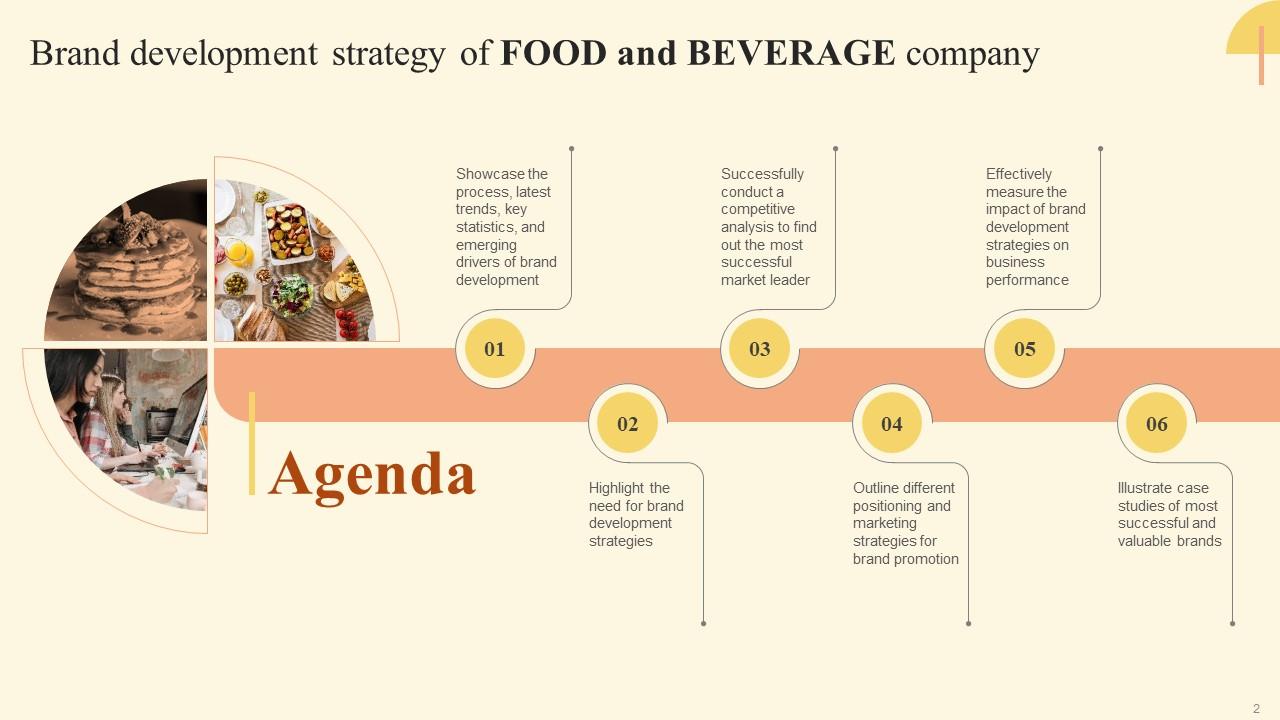
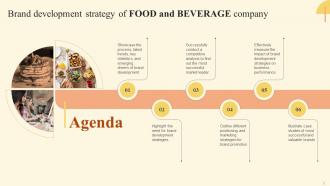
Slide 2: This slide displays the title Agenda.
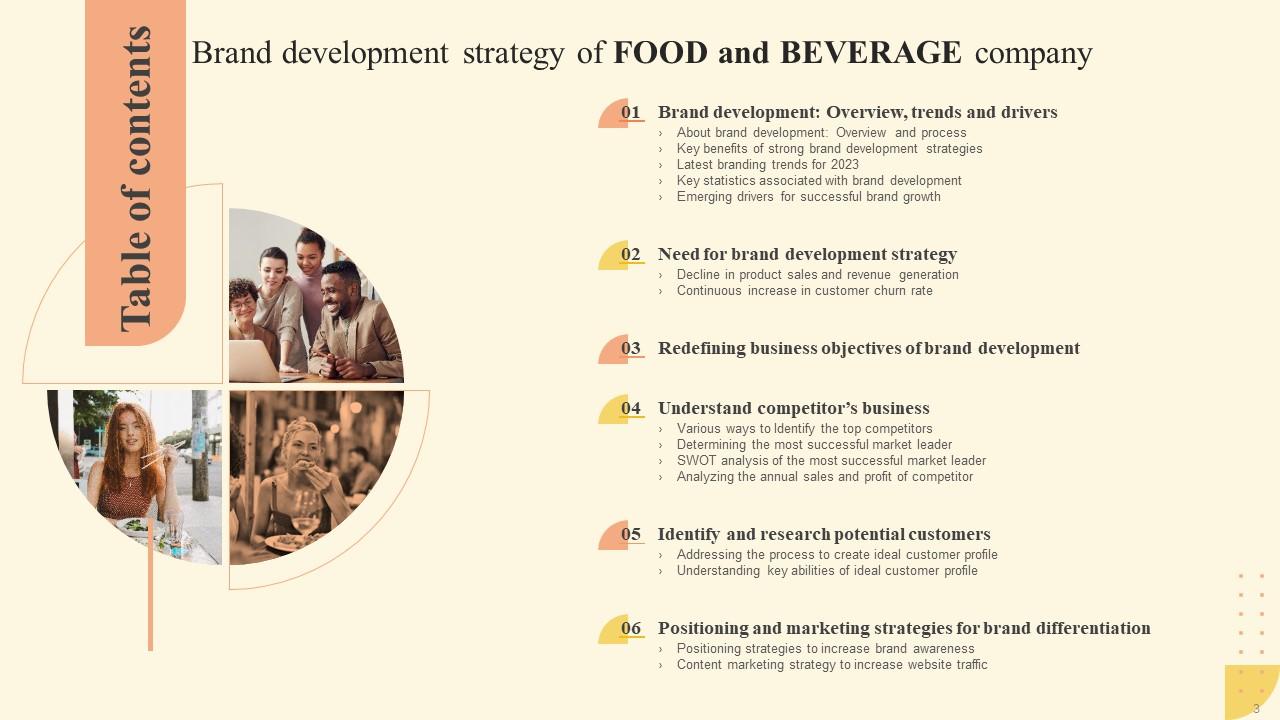
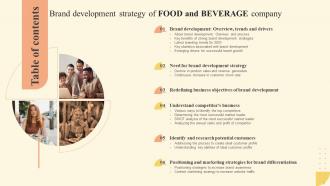
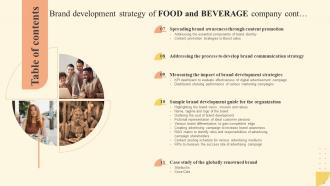
Slide 3: This slide exhibit table of content.
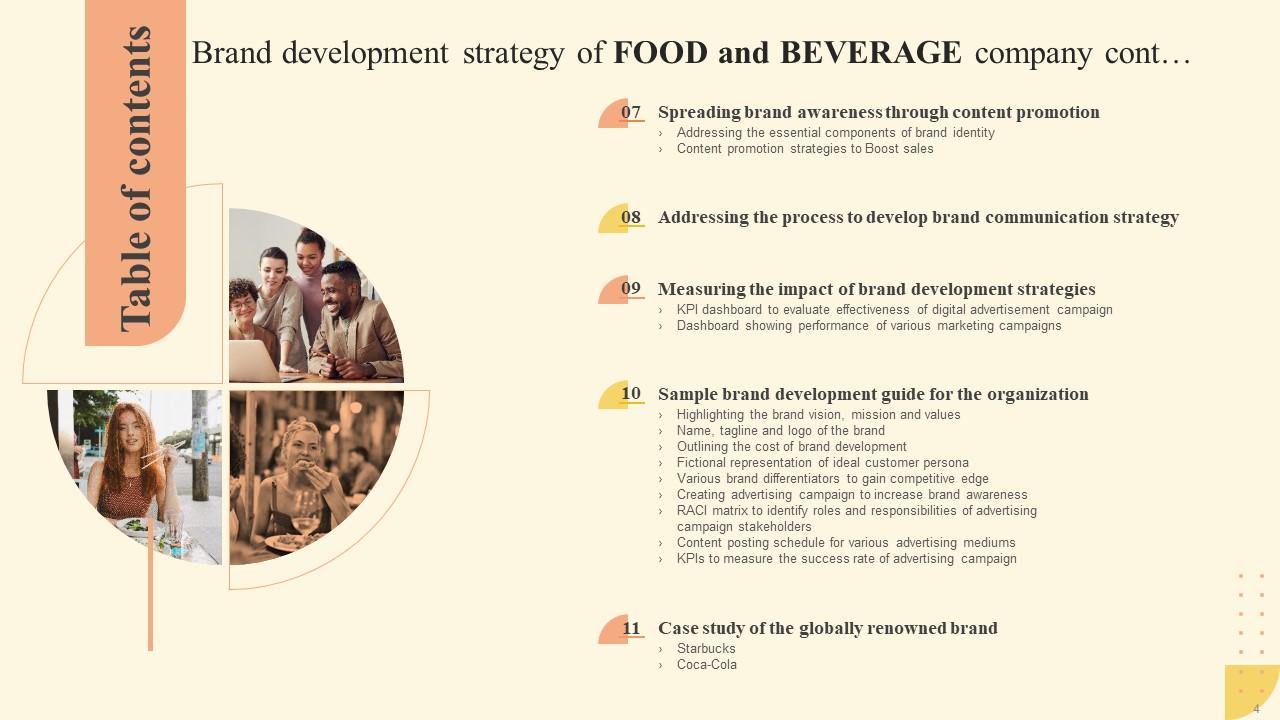
Slide 4: This slide exhibit table of content.
Slide 5: This slide exhibit table of content that is to be discuss further.
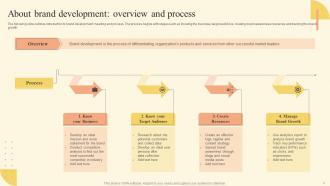
Slide 6: The following slide outlines introduction to brand development meaning and process.
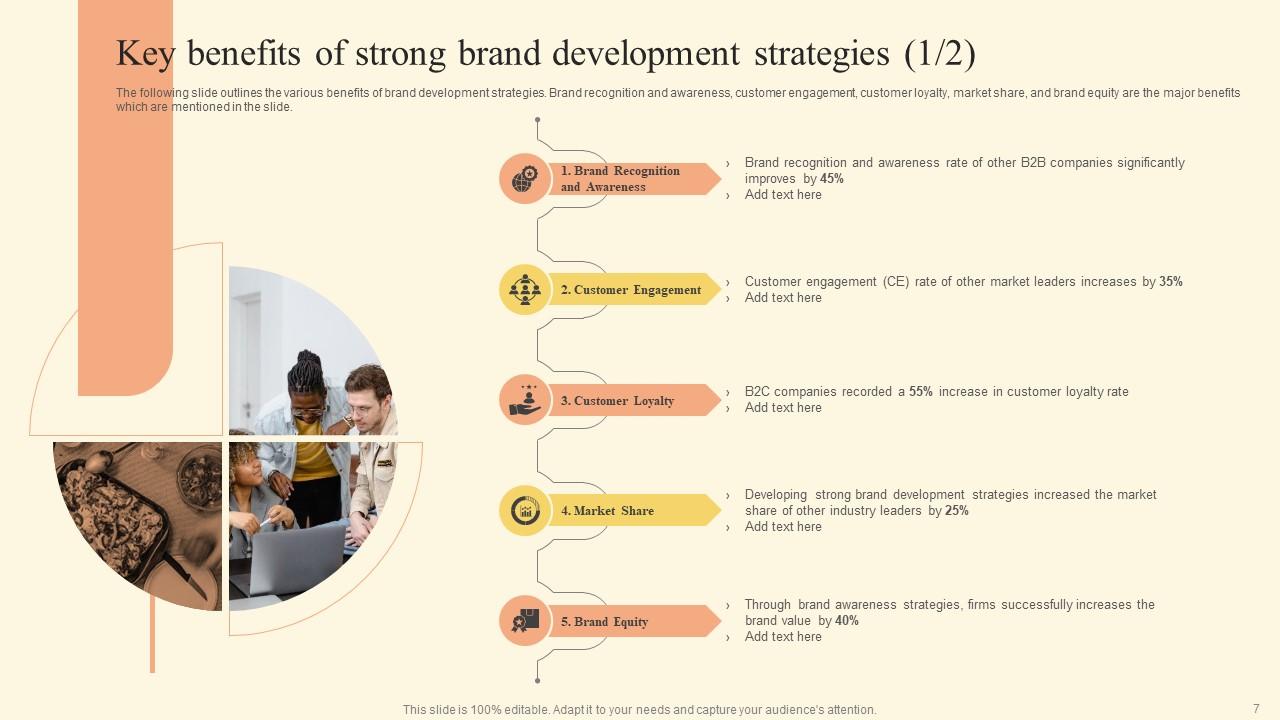
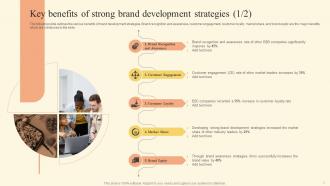
Slide 7: The following slide outlines the various benefits of brand development strategies.
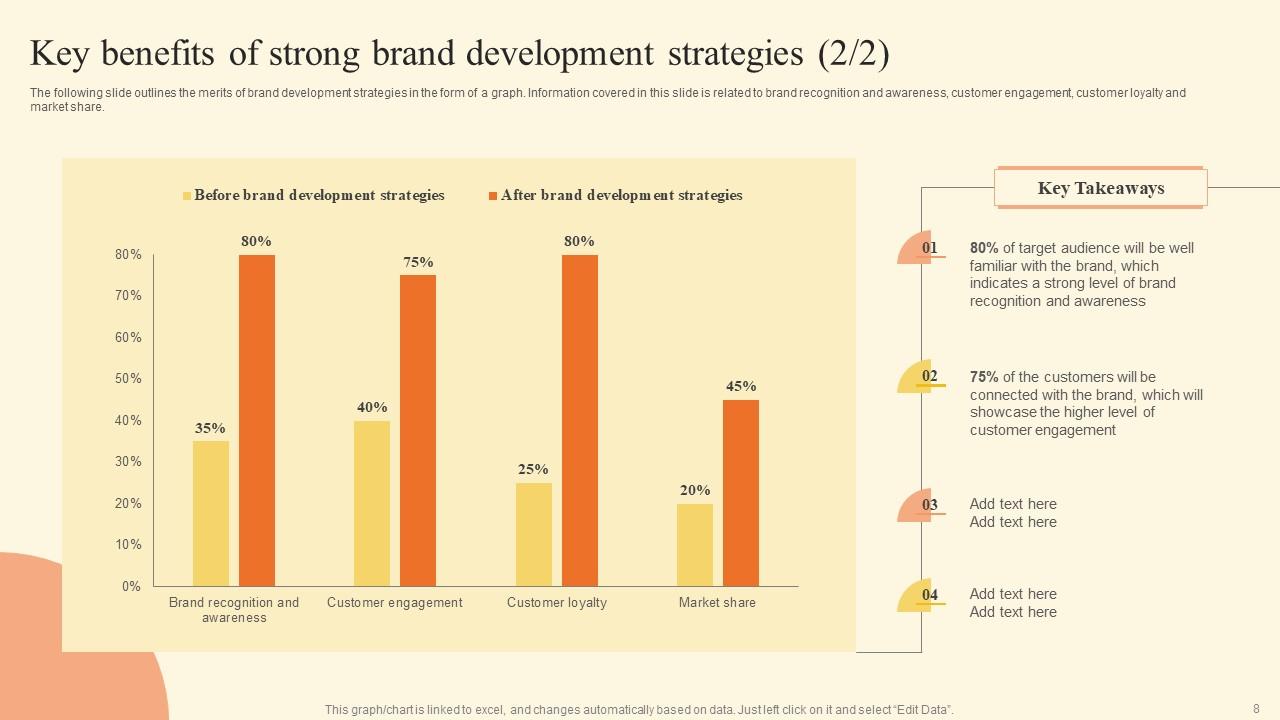
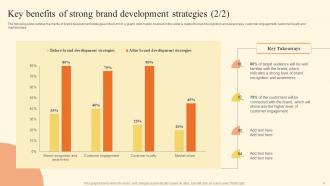
Slide 8: The following slide outlines the merits of brand development strategies in the form of a graph.
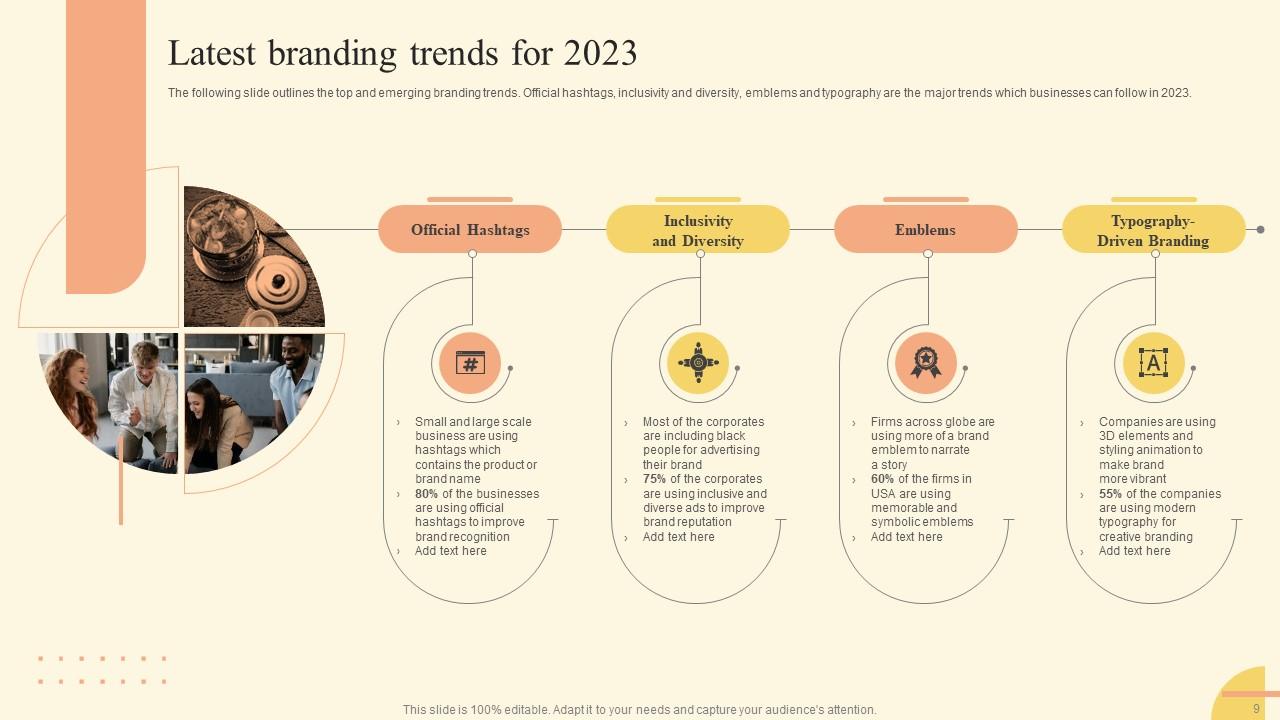
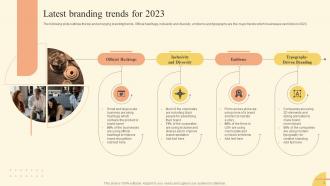
Slide 9: The following slide outlines the top and emerging branding trends.
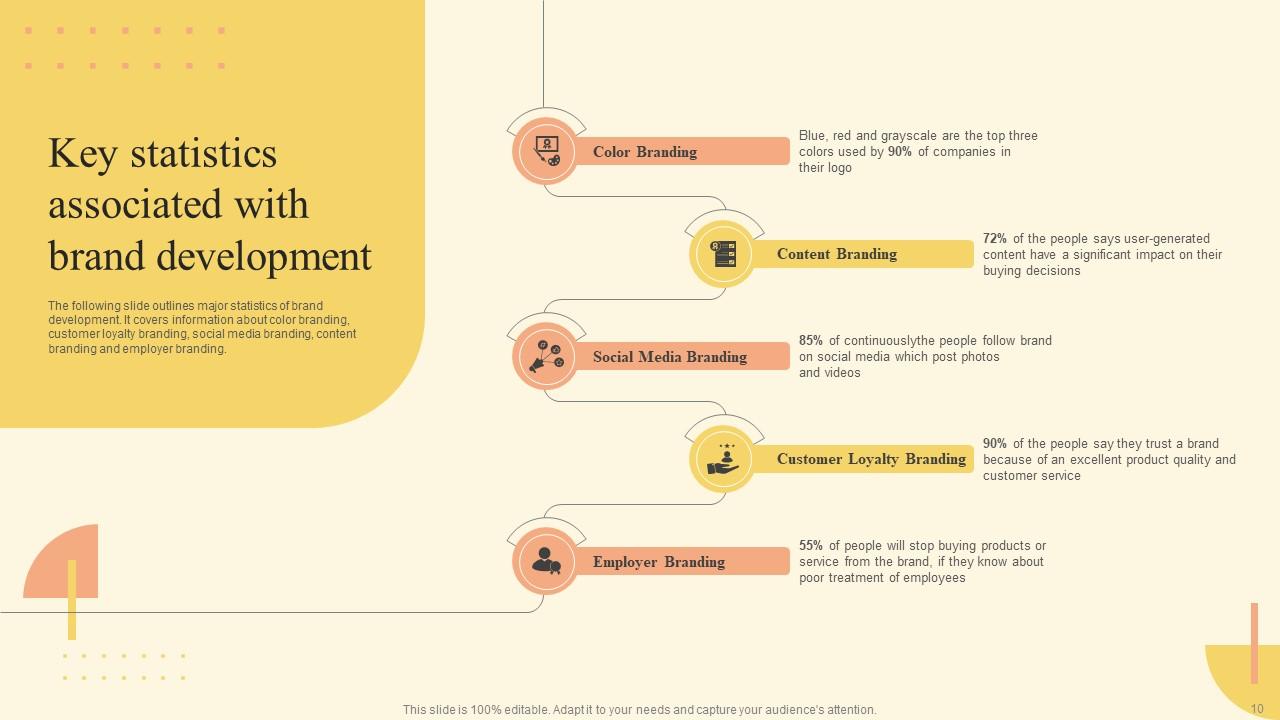
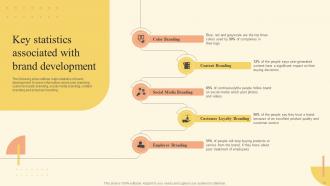
Slide 10: This slide outlines major statistics of brand development.
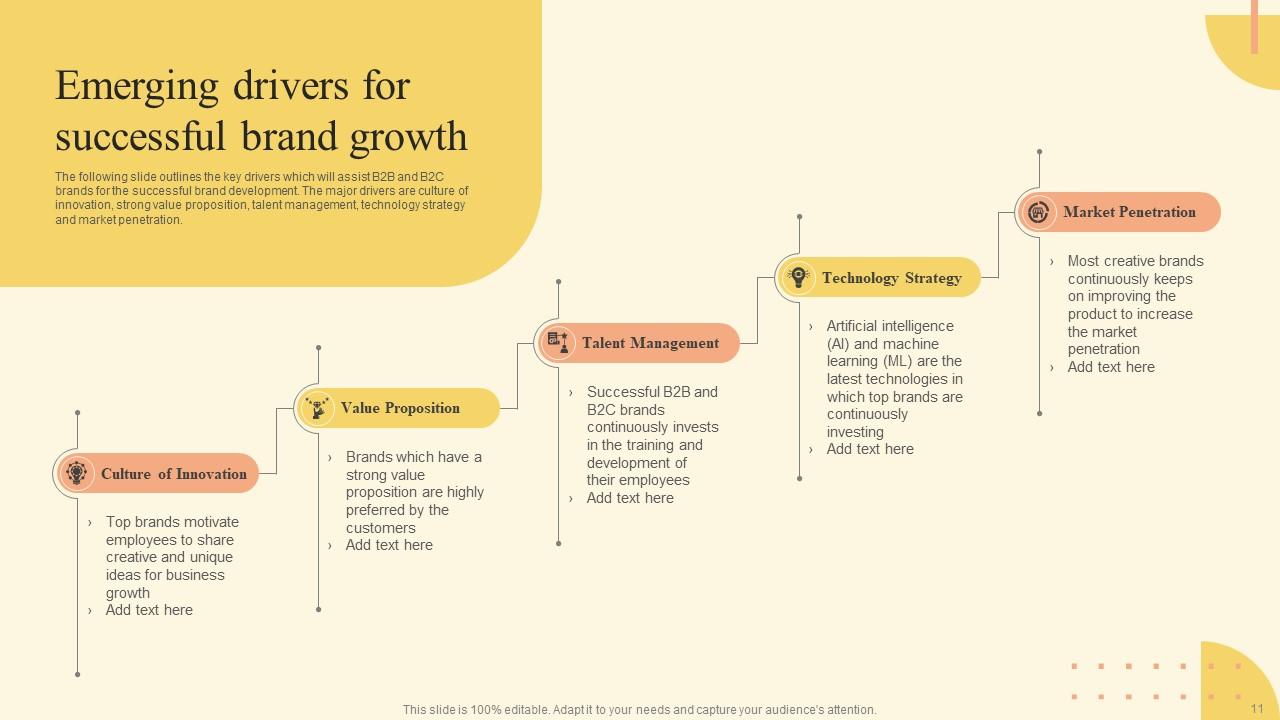
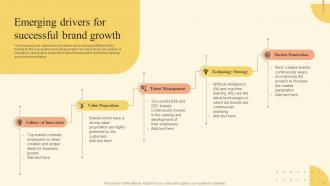
Slide 11: This slide outlines the key drivers which will assist B2B and B2C brands for the successful brand development.
Slide 12: This slide exhibit table of content that is to be discuss further.
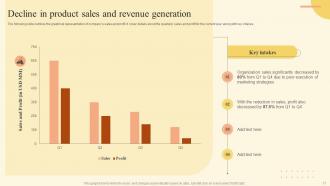
Slide 13: This slide outlines the graphical representation of company’s sales and profit.
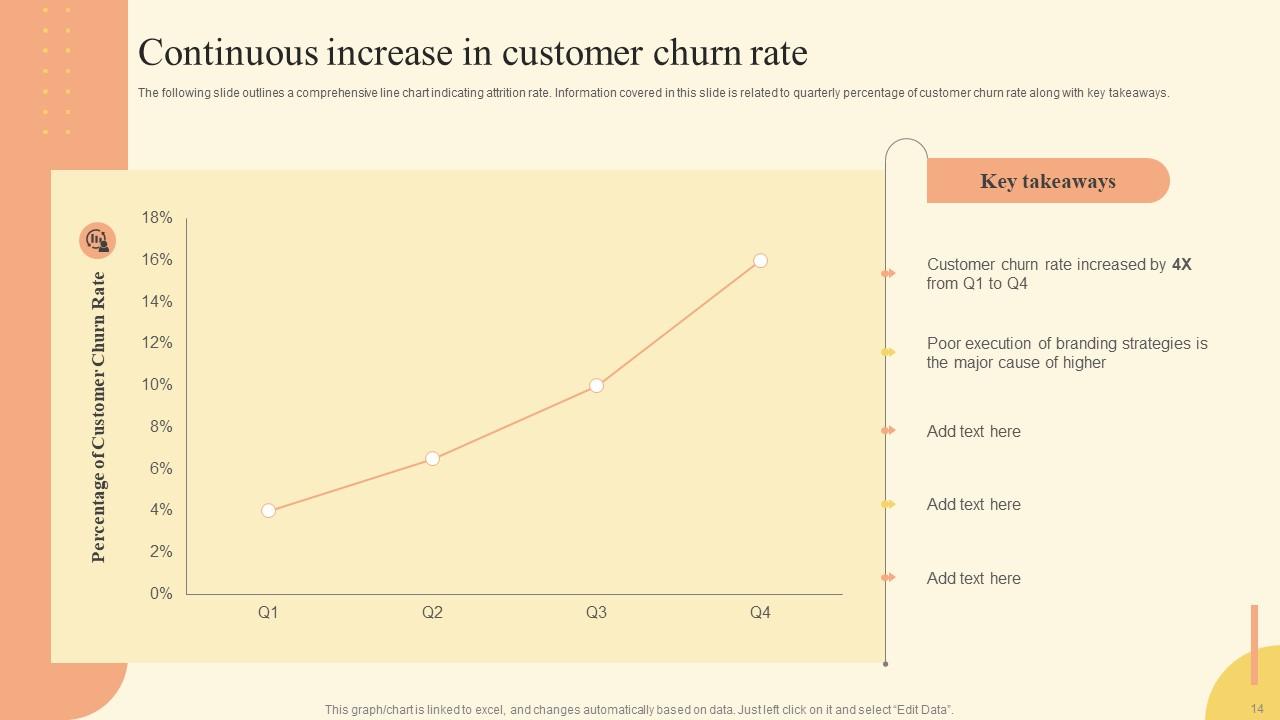
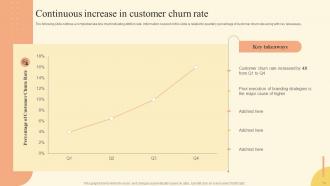
Slide 14: The following slide outlines a comprehensive line chart indicating attrition rate.
Slide 15: This slide exhibit table of content that is to be discuss further.
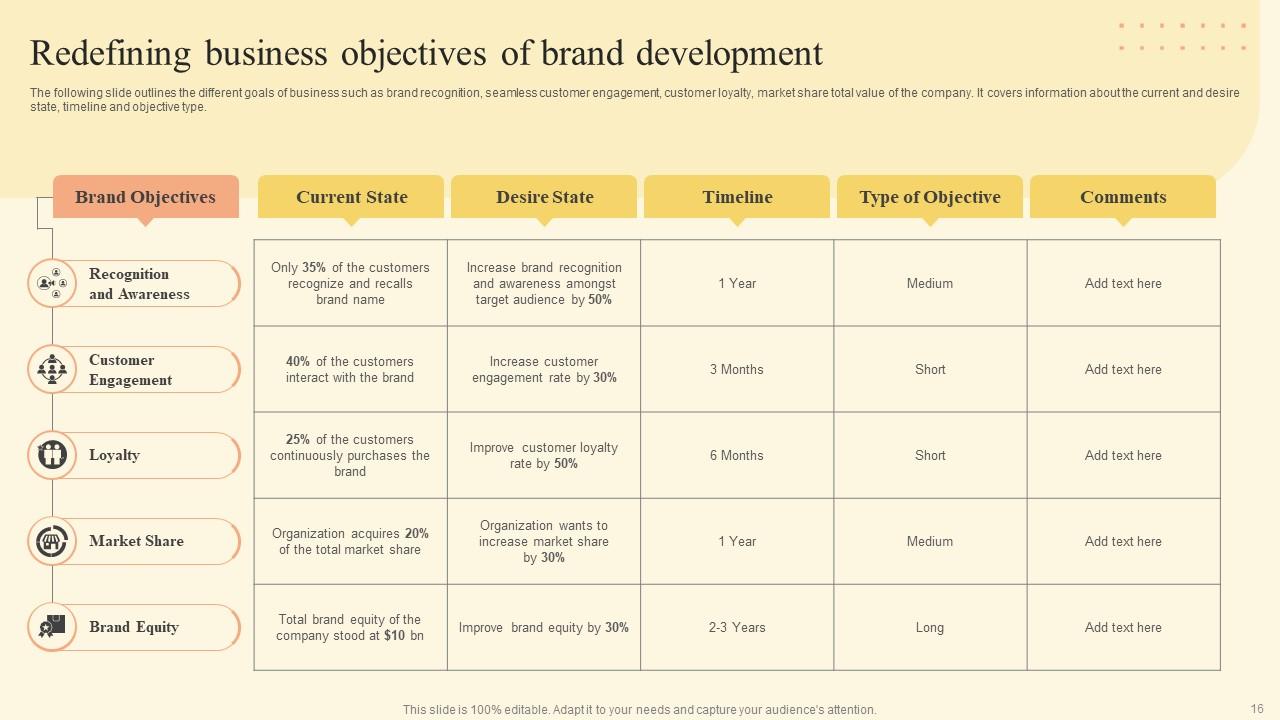
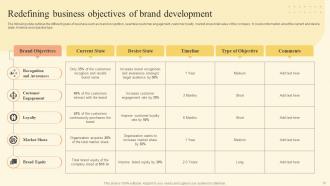
Slide 16: This slide outlines the different goals of business such as brand recognition, seamless customer engagement, customer loyalty, market share total value of the company.
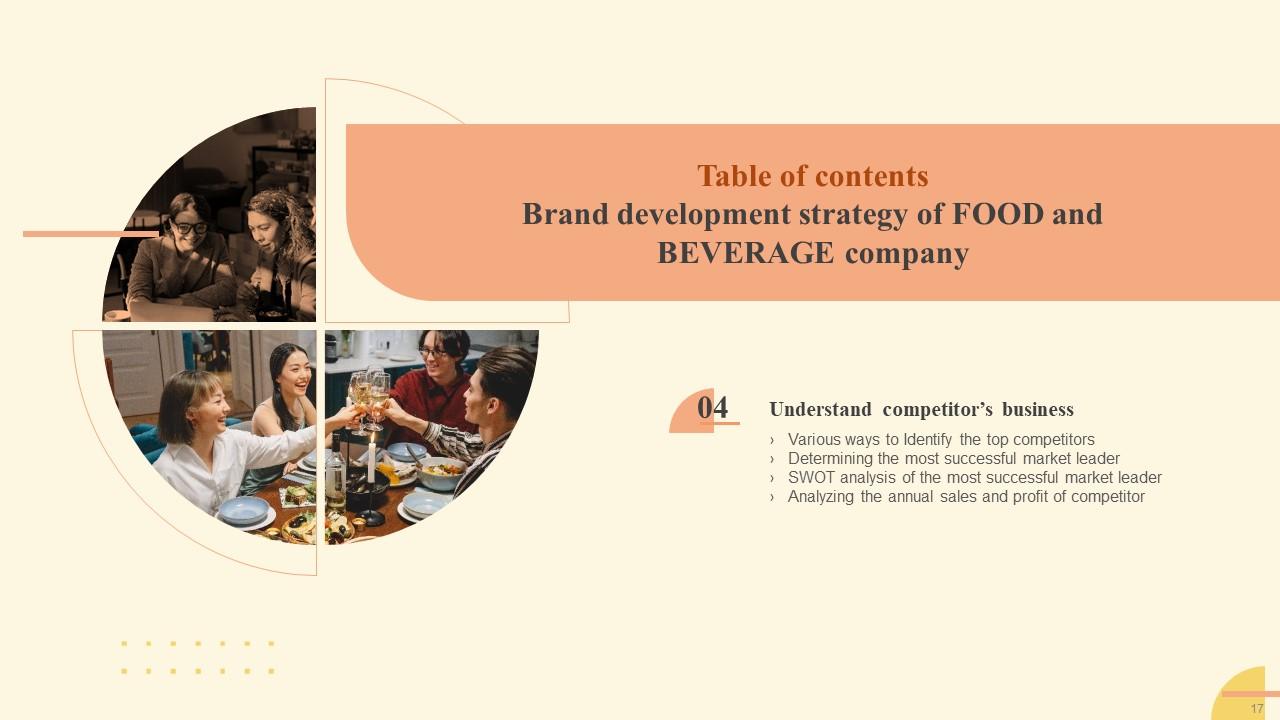
Slide 17: This slide exhibit table of content that is to be discuss further.
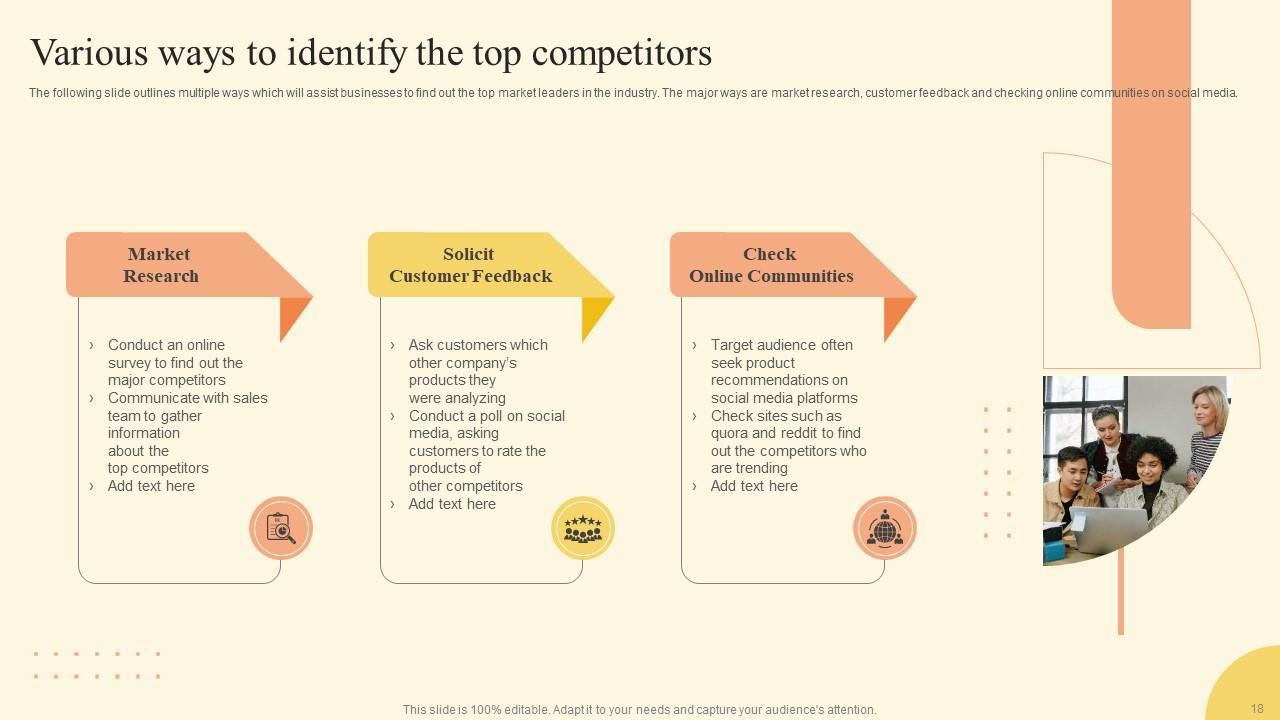
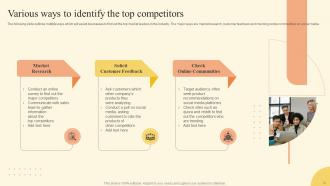
Slide 18: The following slide outlines multiple ways which will assist businesses to find out the top market leaders in the industry.
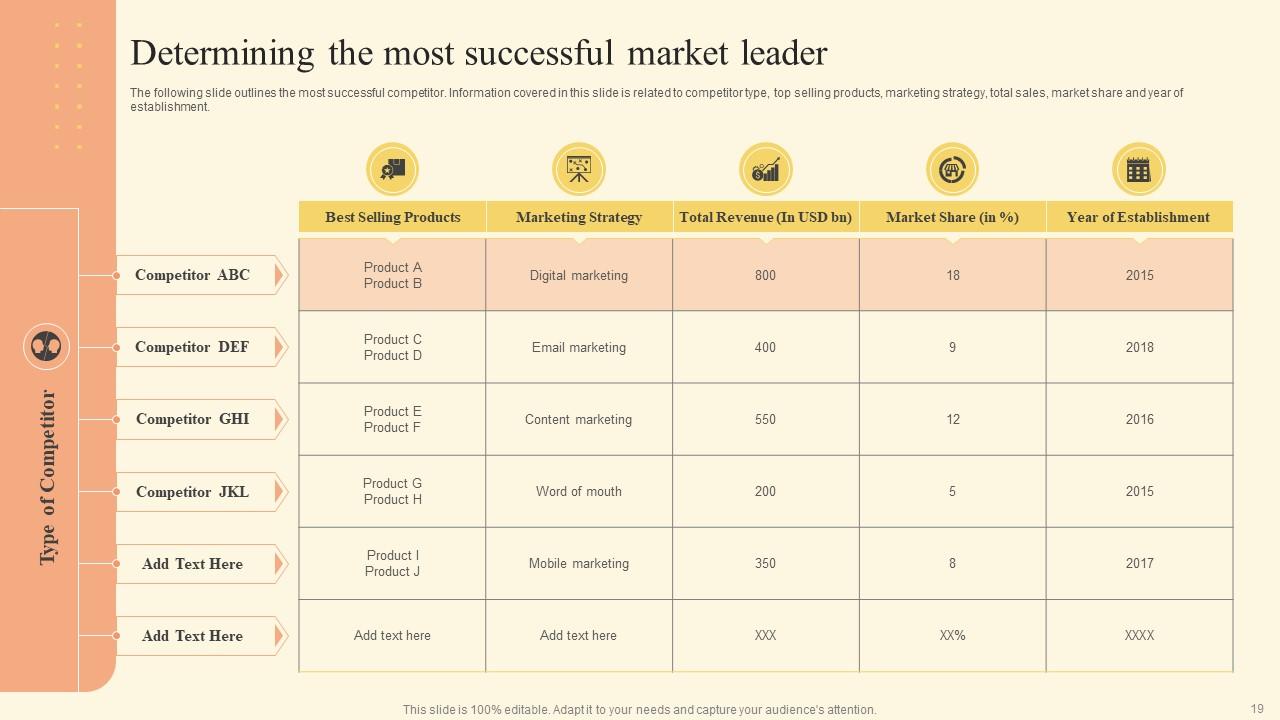
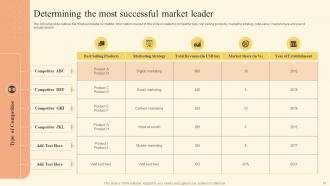
Slide 19: This slide outlines the most successful competitor.
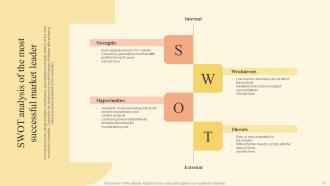
Slide 20: This slide outlines strengths, weaknesses, opportunities and threats (SWOT) of the most successful competitor.
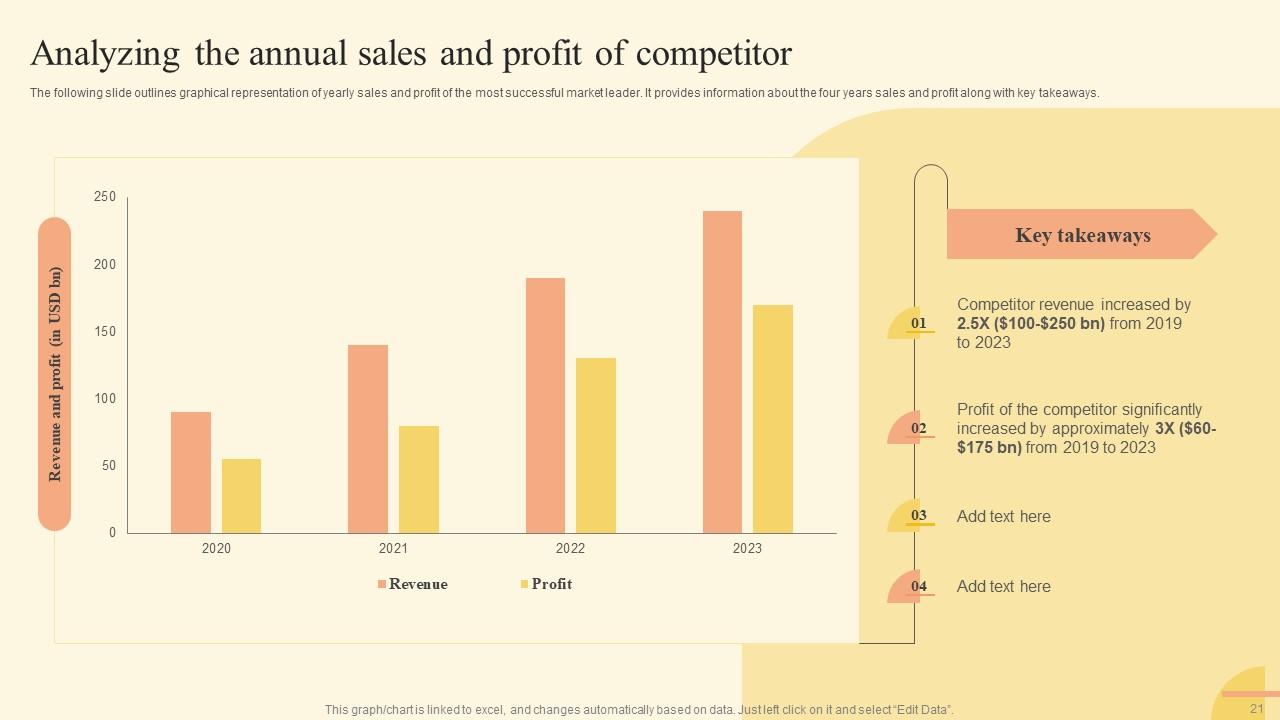
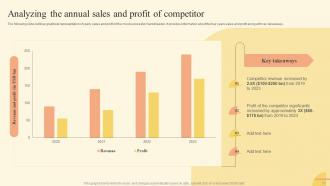
Slide 21: The following slide outlines graphical representation of yearly sales and profit of the most successful market leader.
Slide 22: This slide exhibit table of content that is to be discuss further.
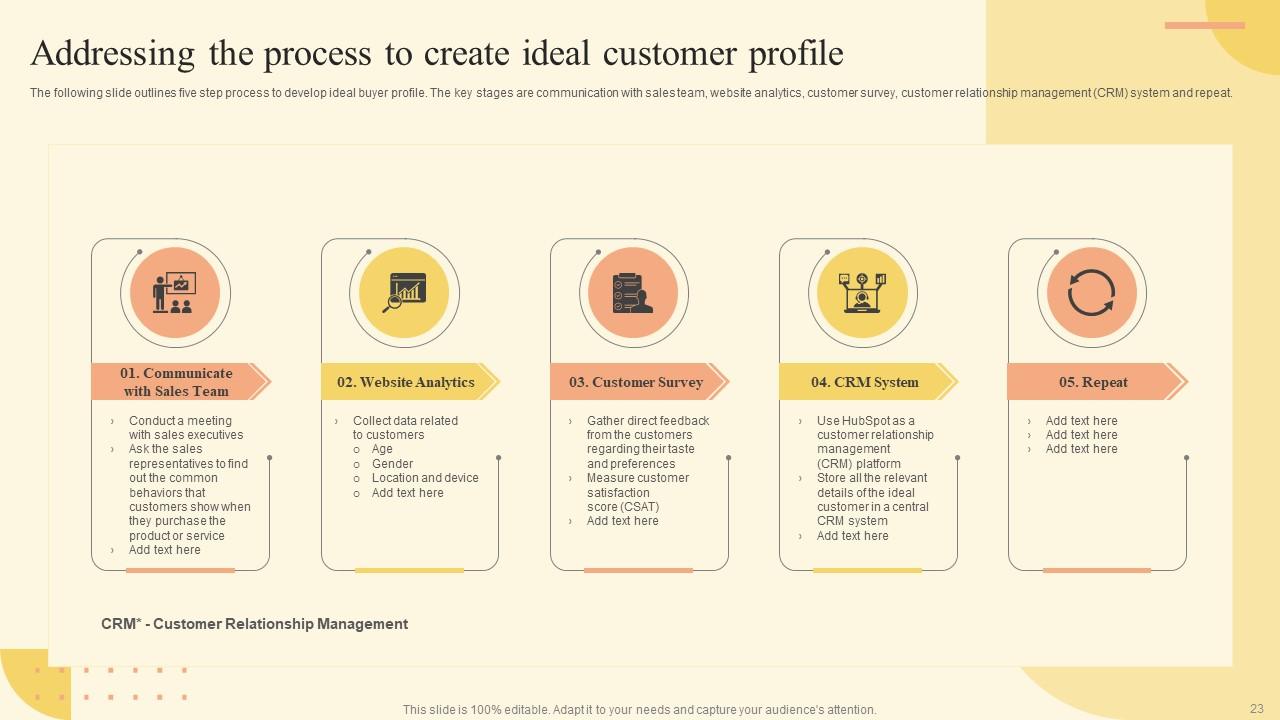
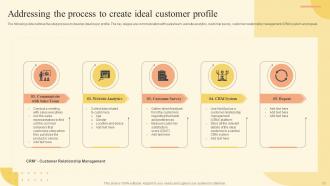
Slide 23: This slide outlines five step process to develop ideal buyer profile.
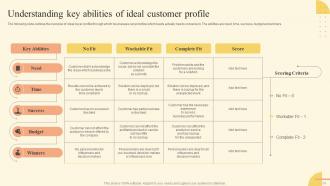
Slide 24: This slide outlines the overview of ideal buyer profile through which businesses can prioritize which leads actually needs conversion.
Slide 25: This slide exhibit table of content that is to be discuss further.
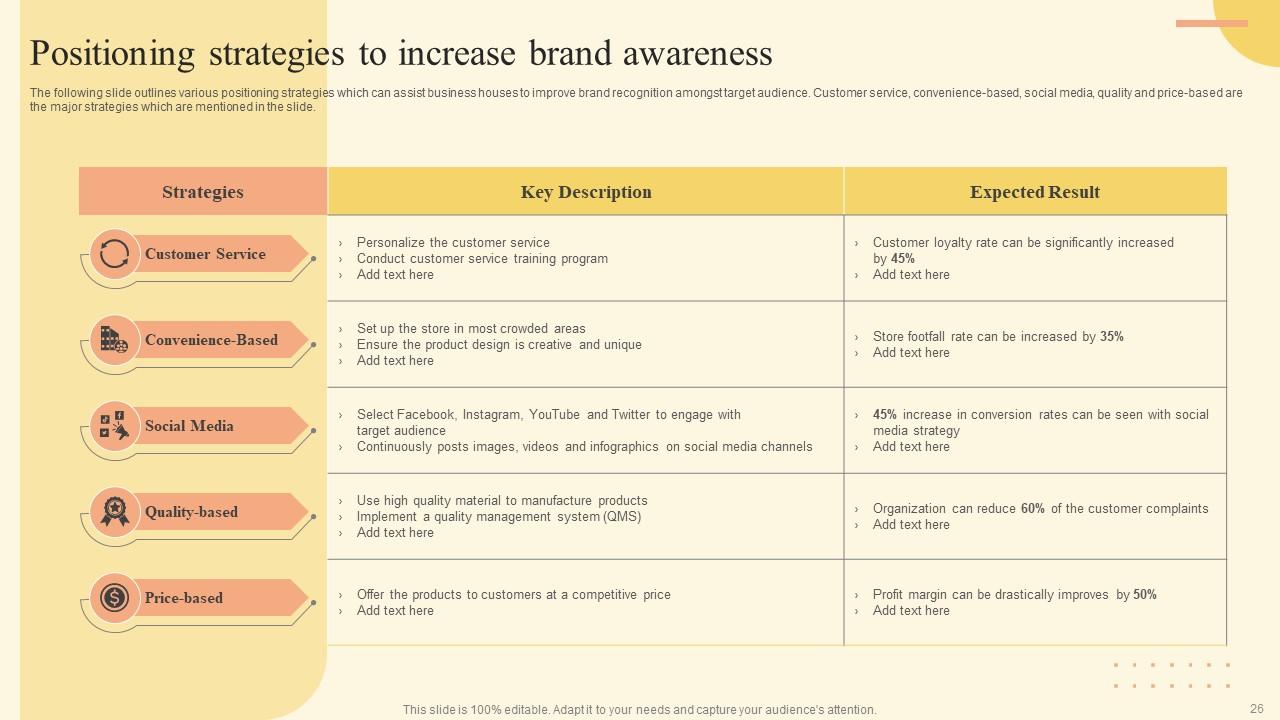
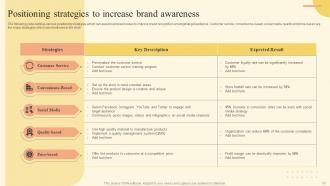
Slide 26: This slide outlines various positioning strategies which can assist business houses to improve brand recognition amongst target audience.
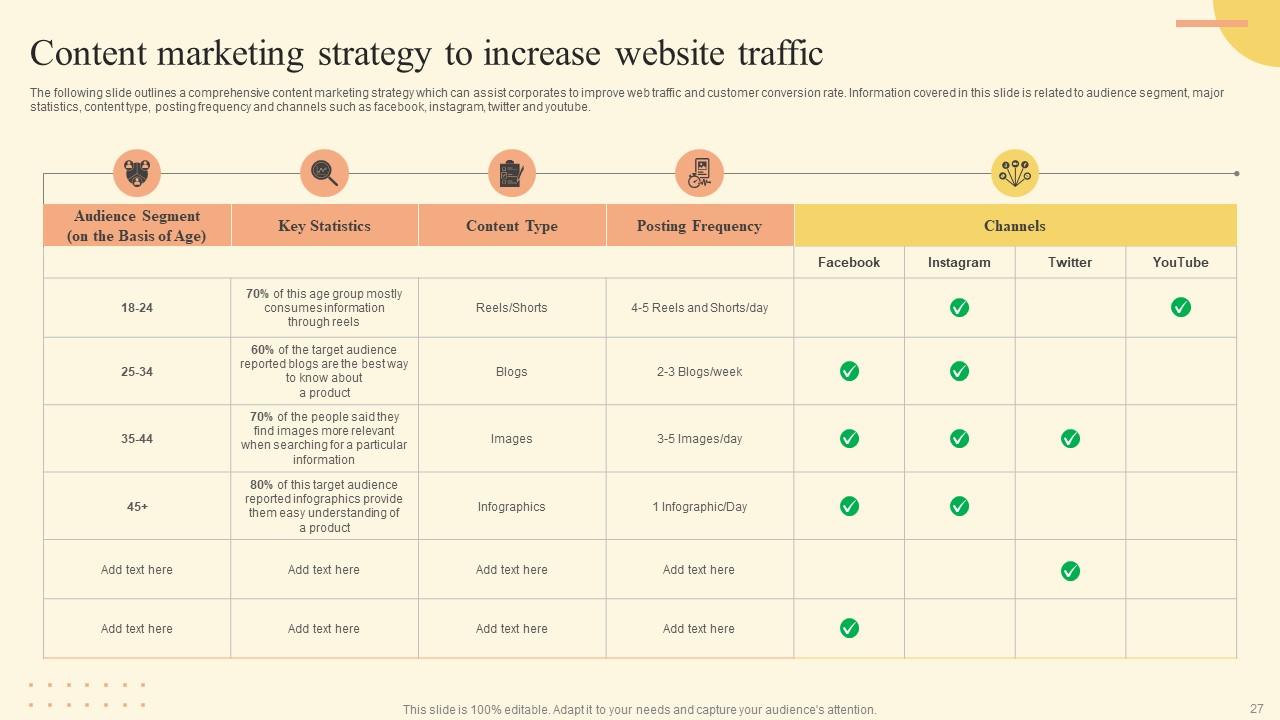
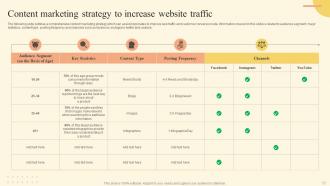
Slide 27: This slide outlines a comprehensive content marketing strategy which can assist corporates to improve web traffic and customer conversion rate.
Slide 28: This slide exhibit table of content that is to be discuss further.
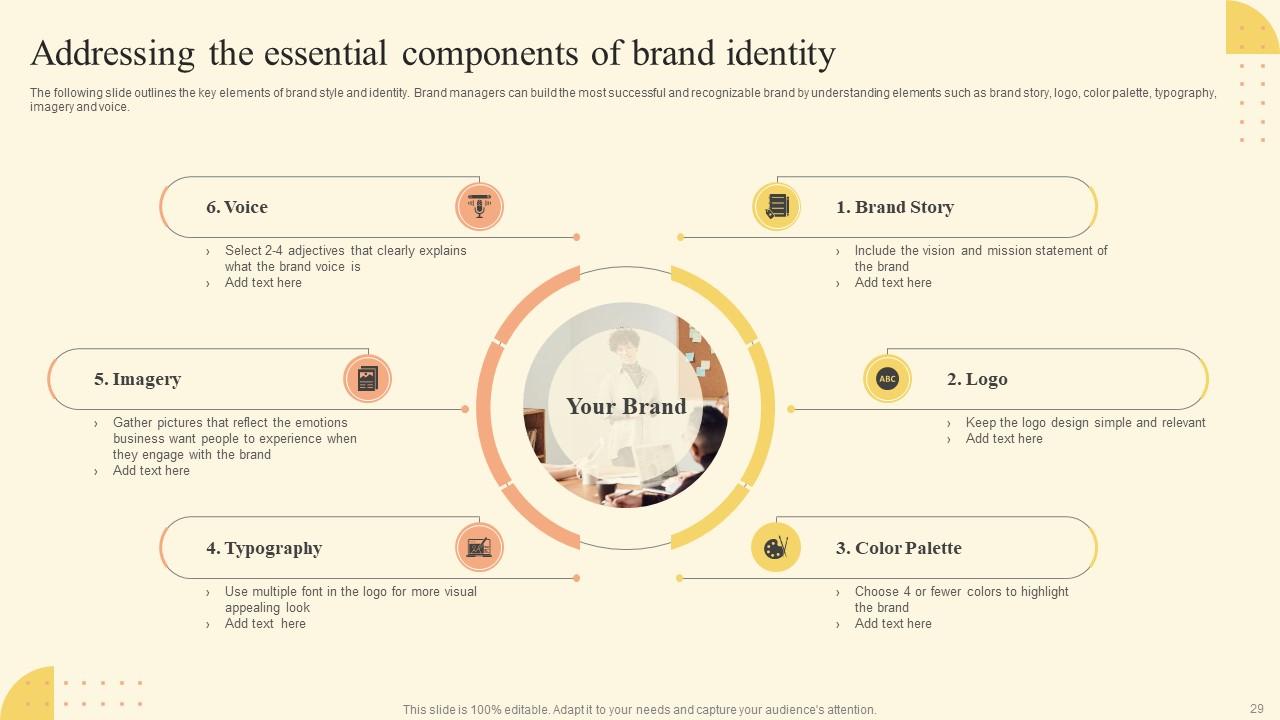
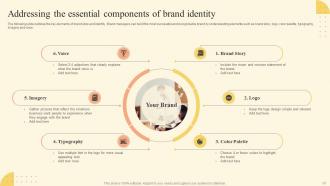
Slide 29: This slide outlines the key elements of brand style and identity.
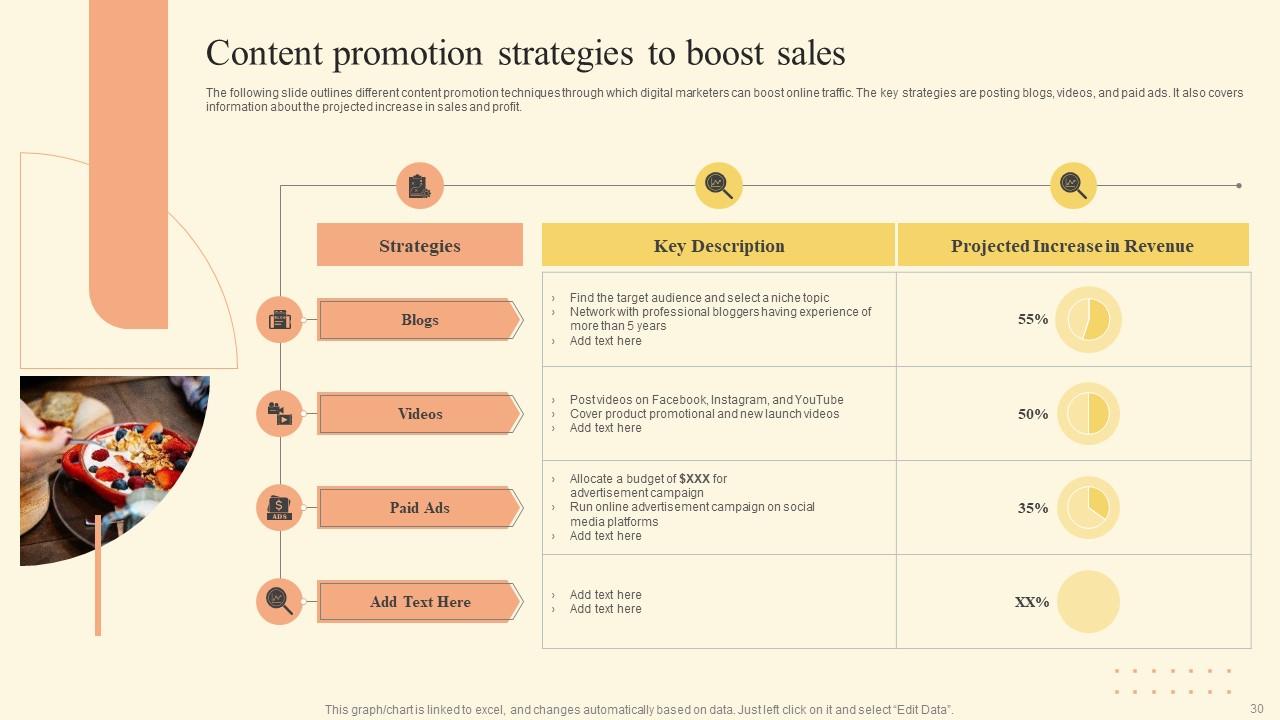
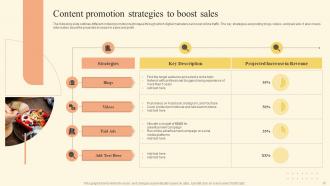
Slide 30: This slide outlines different content promotion techniques through which digital marketers can boost online traffic.
Slide 31: This slide exhibit table of content that is to be discuss further.
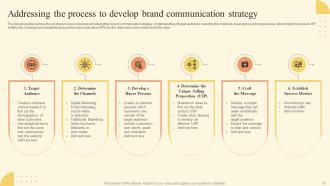
Slide 32: This slide outlines the six step process to develop and strengthen brand communication strategy.
Slide 33: This slide exhibit table of content that is to be discuss further.
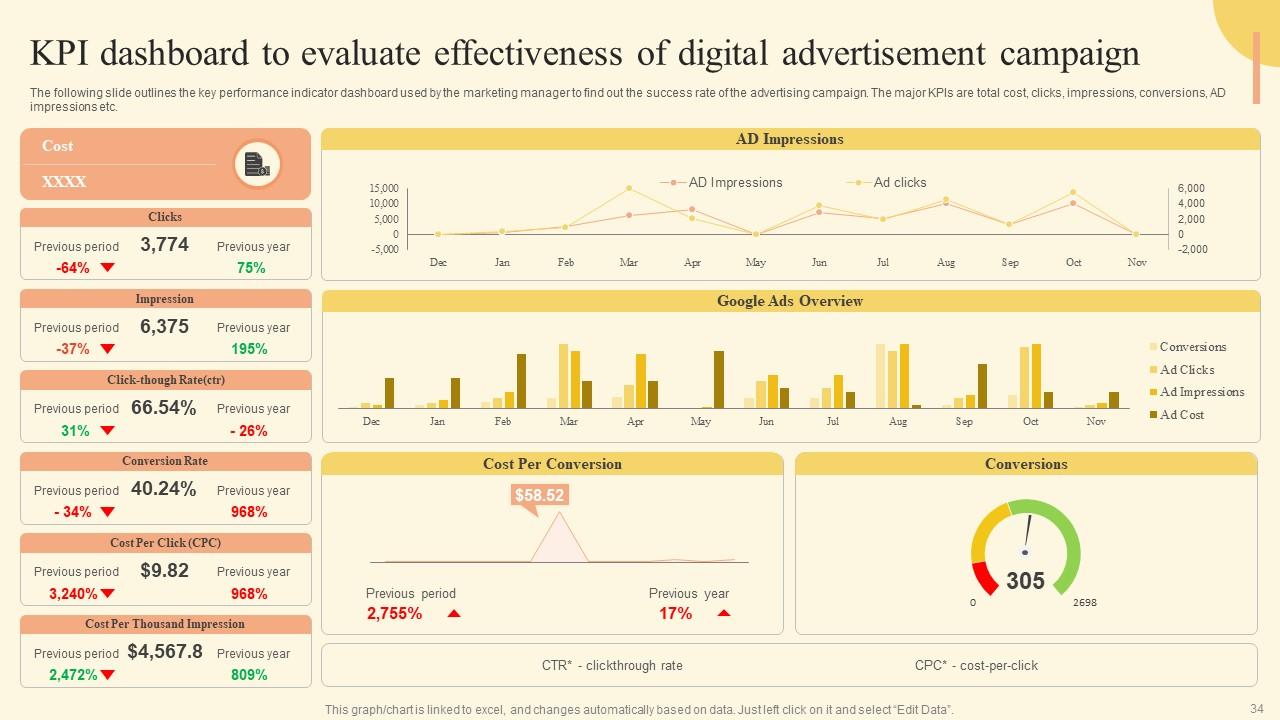
Slide 34: This slide outlines the key performance indicator dashboard used by the marketing manager to find out the success rate of the advertising campaign.
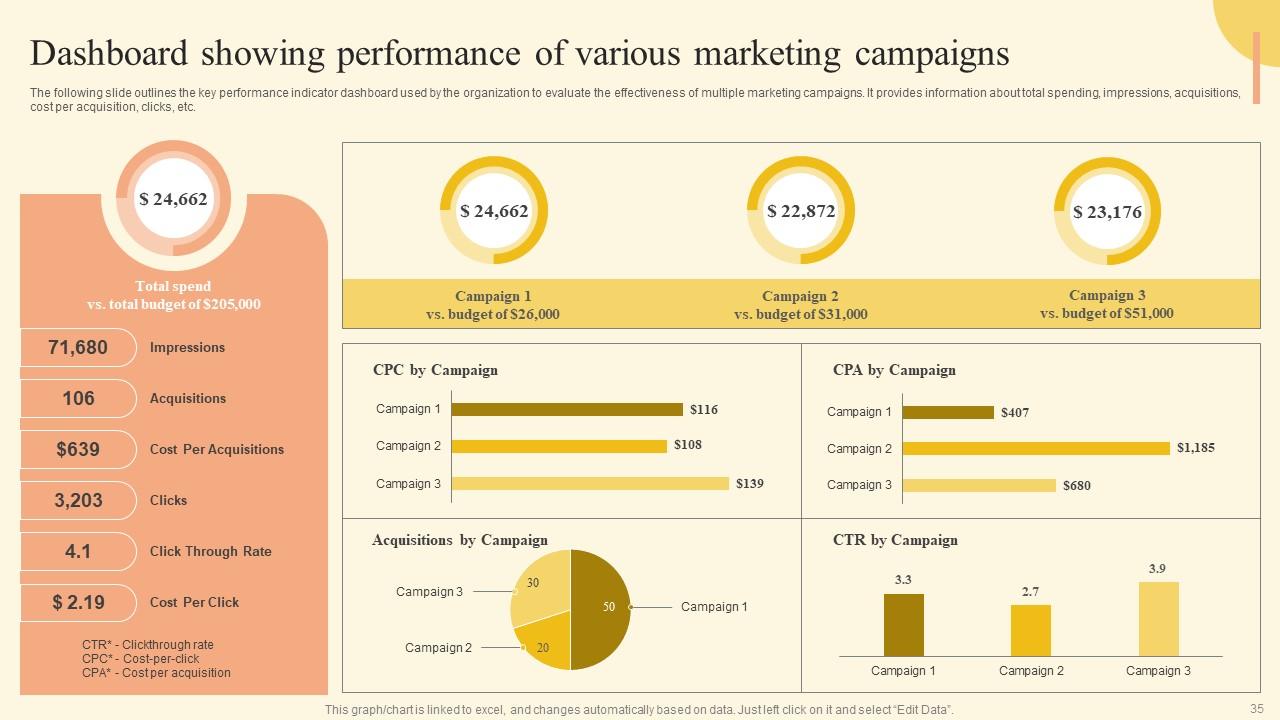
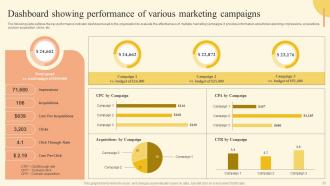
Slide 35: This slide outlines the key performance indicator dashboard used by the organization to evaluate the effectiveness of multiple marketing campaigns.
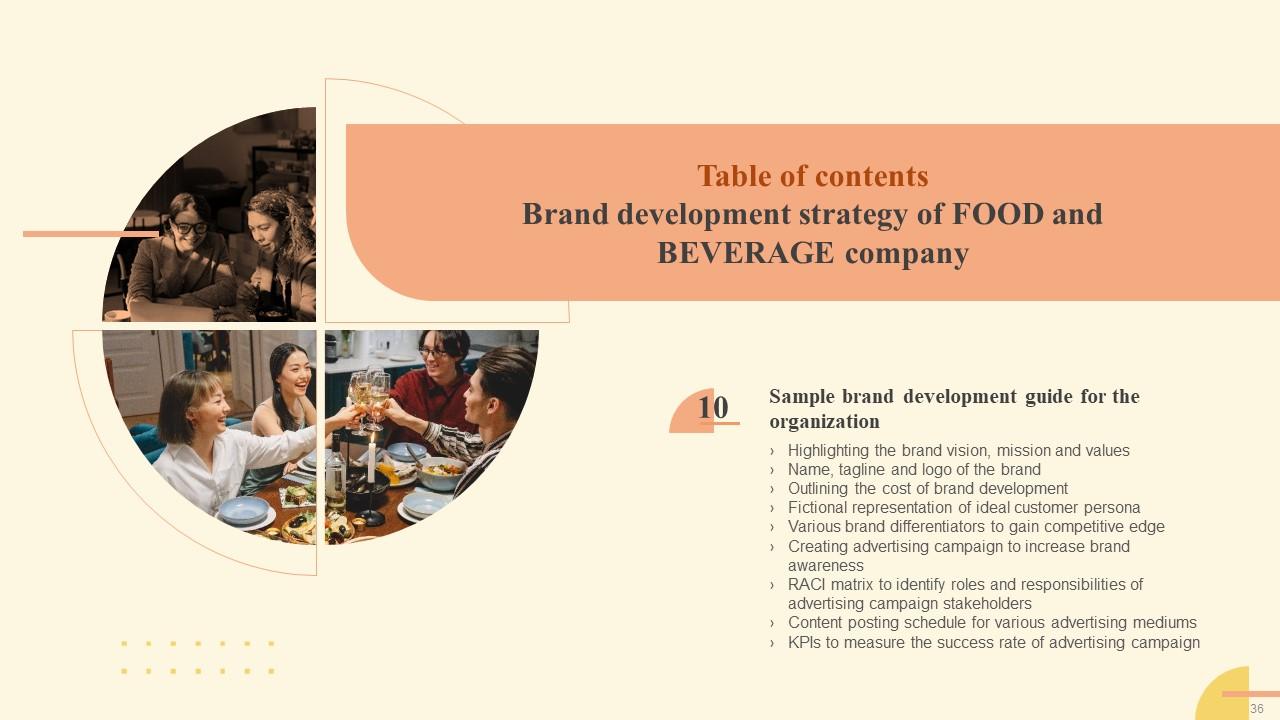
Slide 36: This slide exhibit table of content that is to be discuss further.
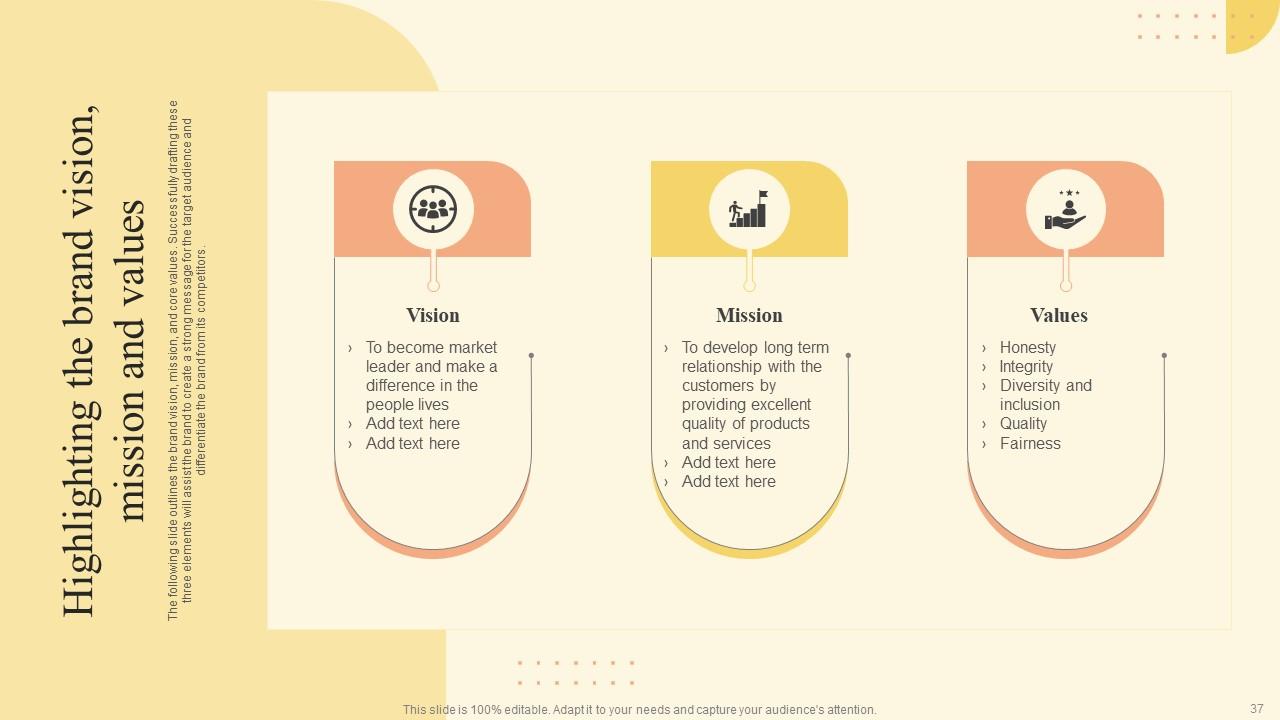
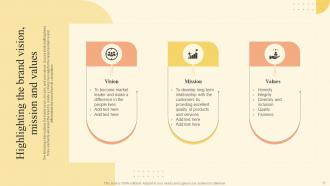
Slide 37: This slide outlines the brand vision, mission, and core values.
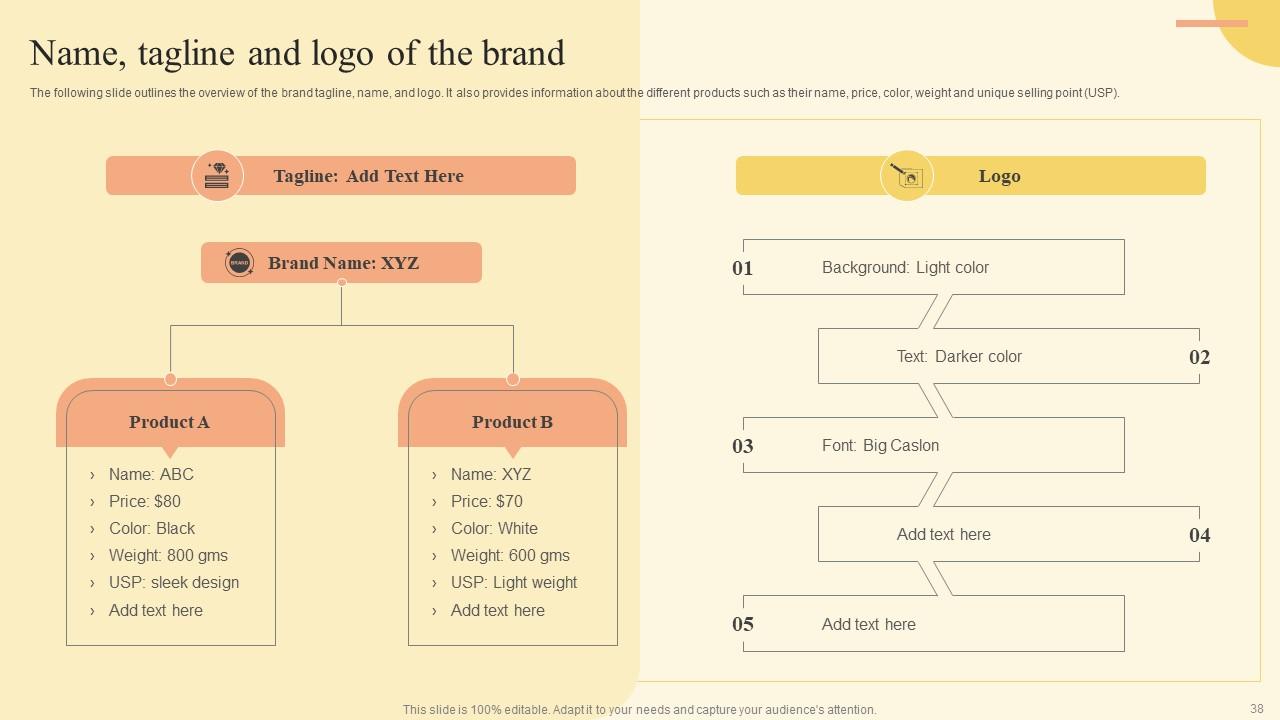
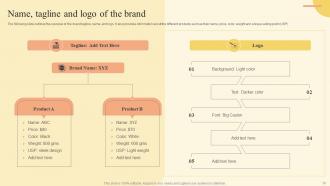
Slide 38: This slide outlines the overview of the brand tagline, name, and logo.
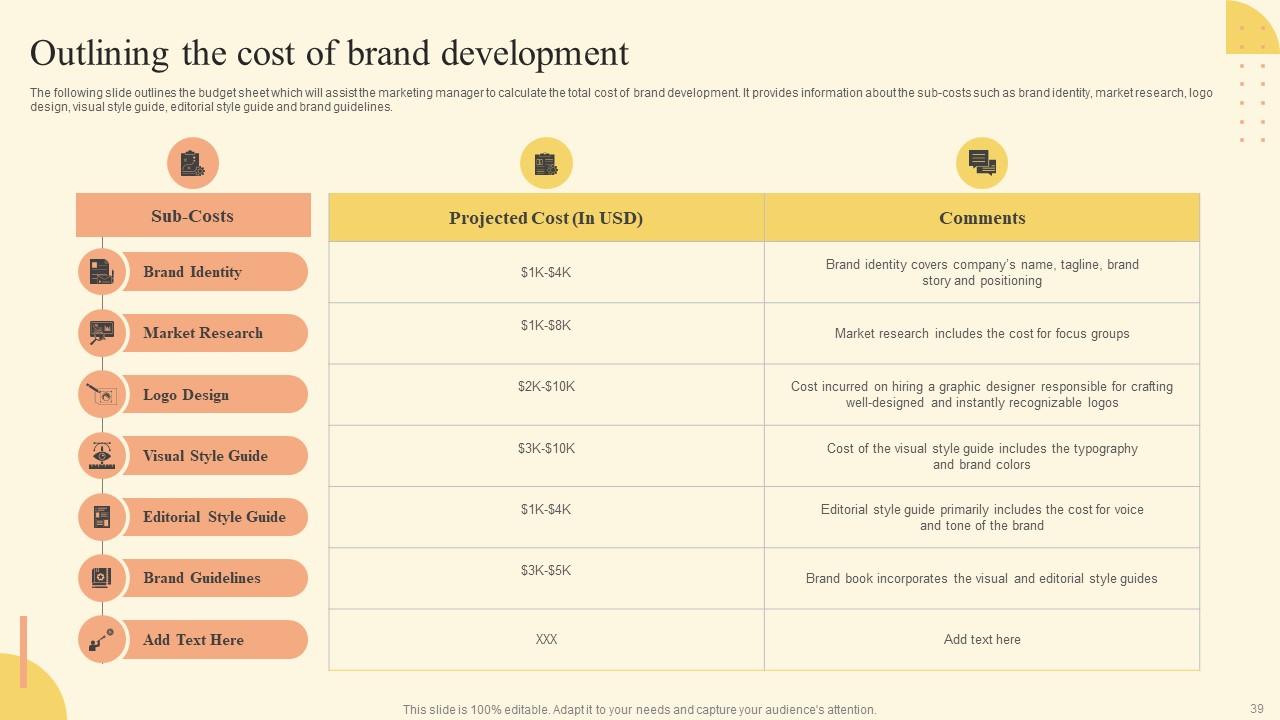
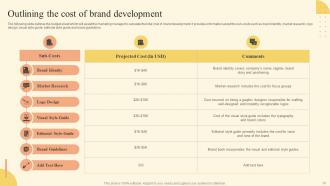
Slide 39: The following slide outlines the budget sheet which will assist the marketing manager to calculate the total cost of brand development.
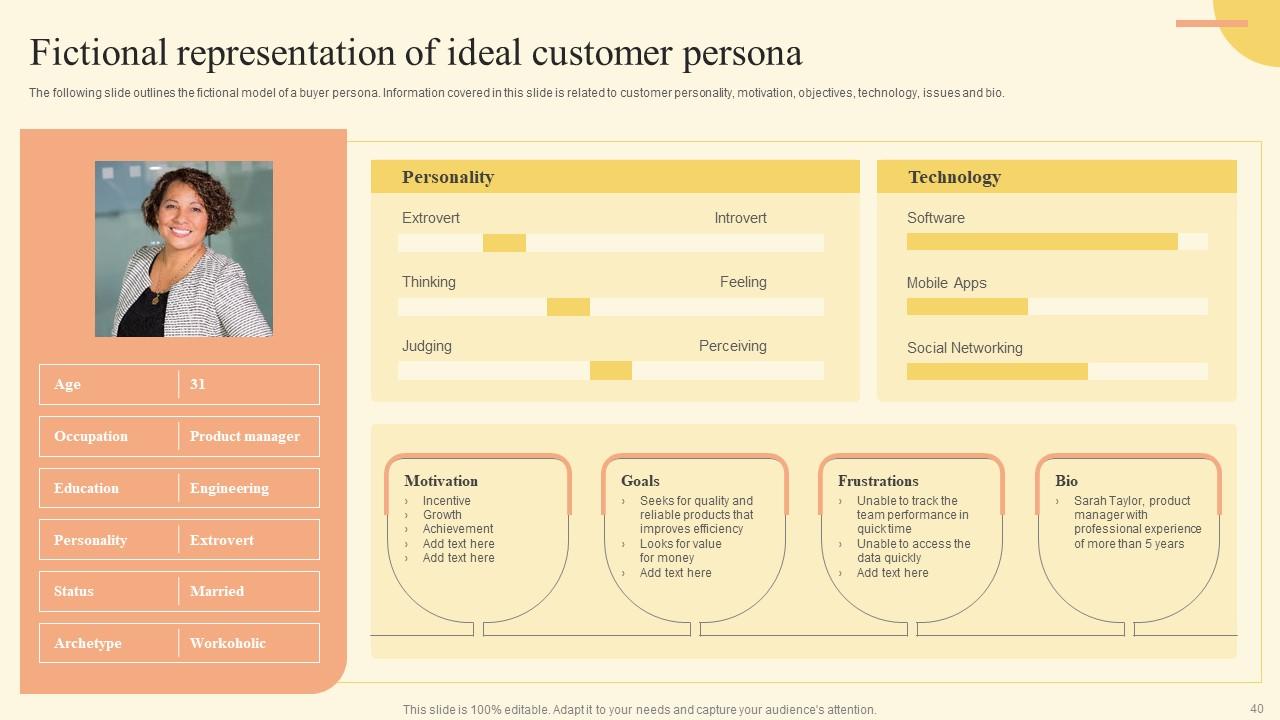
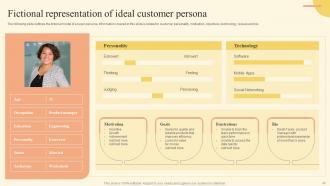
Slide 40: The following slide outlines the fictional model of a buyer persona.
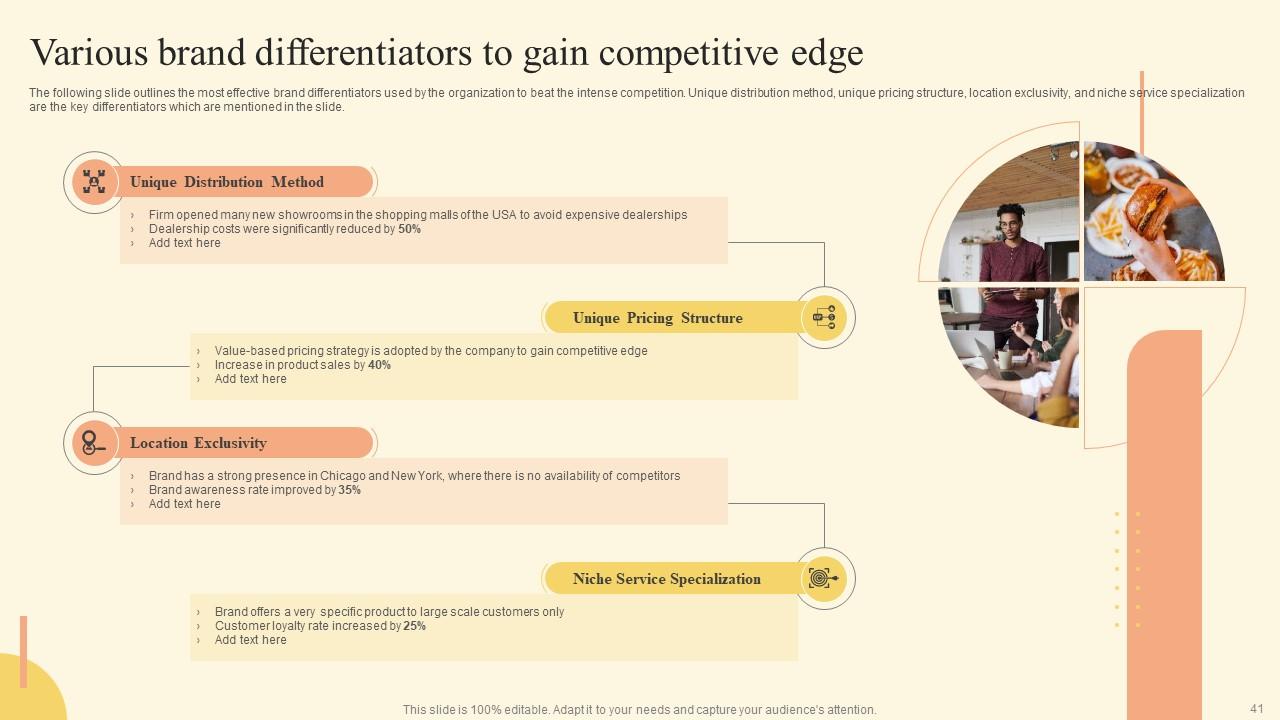
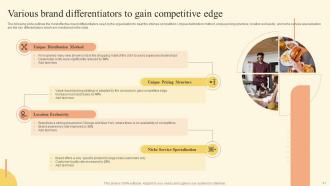
Slide 41: This slide outlines the most effective brand differentiators used by the organization to beat the intense competition.
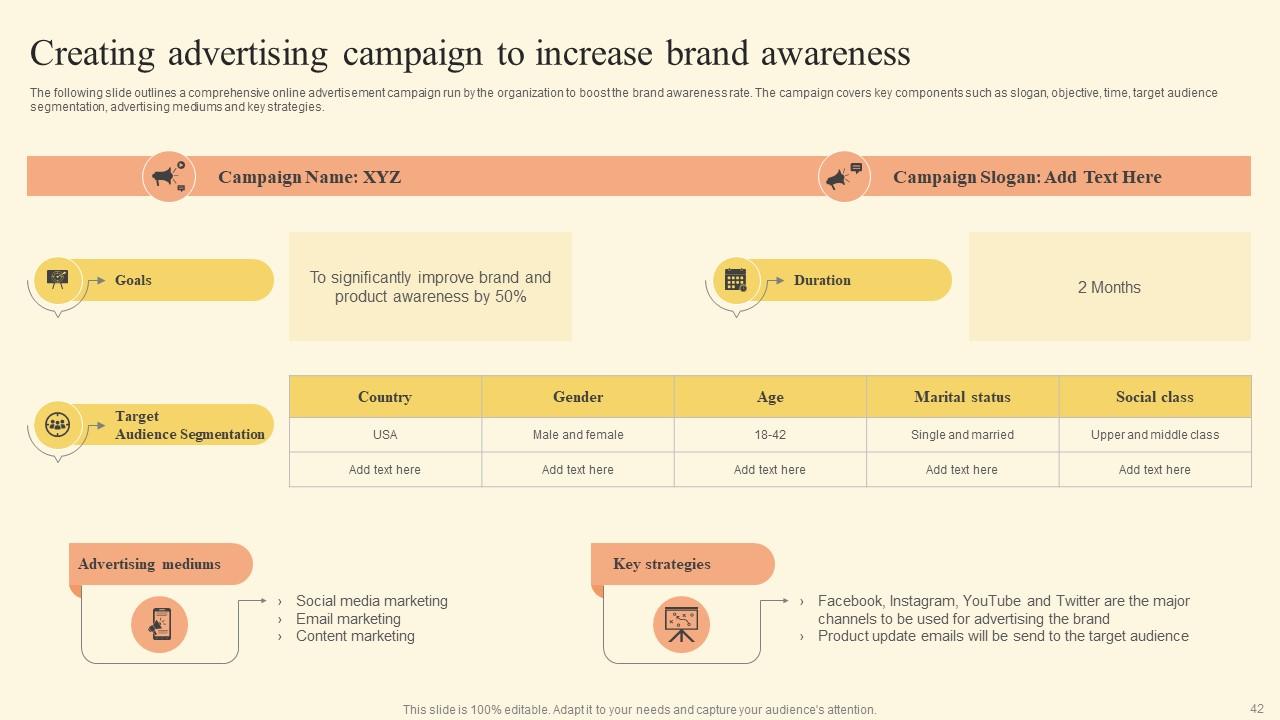
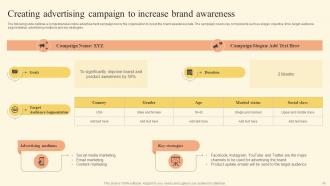
Slide 42: This slide outlines a comprehensive online advertisement campaign run by the organization to boost the brand awareness rate.
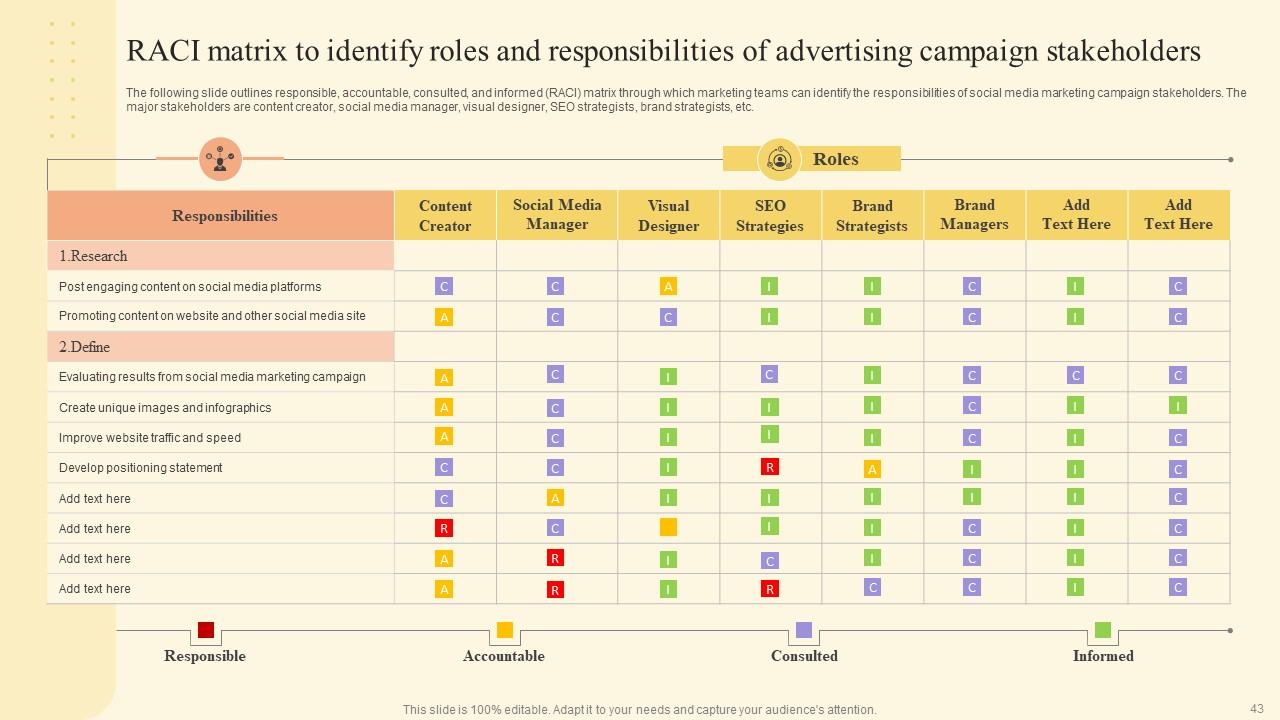
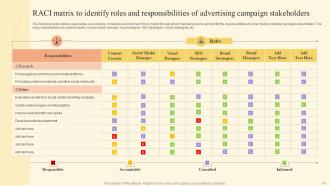
Slide 43: This slide outlines responsible, accountable, consulted, and informed (RACI) matrix through which marketing teams can identify the responsibilities of social media.
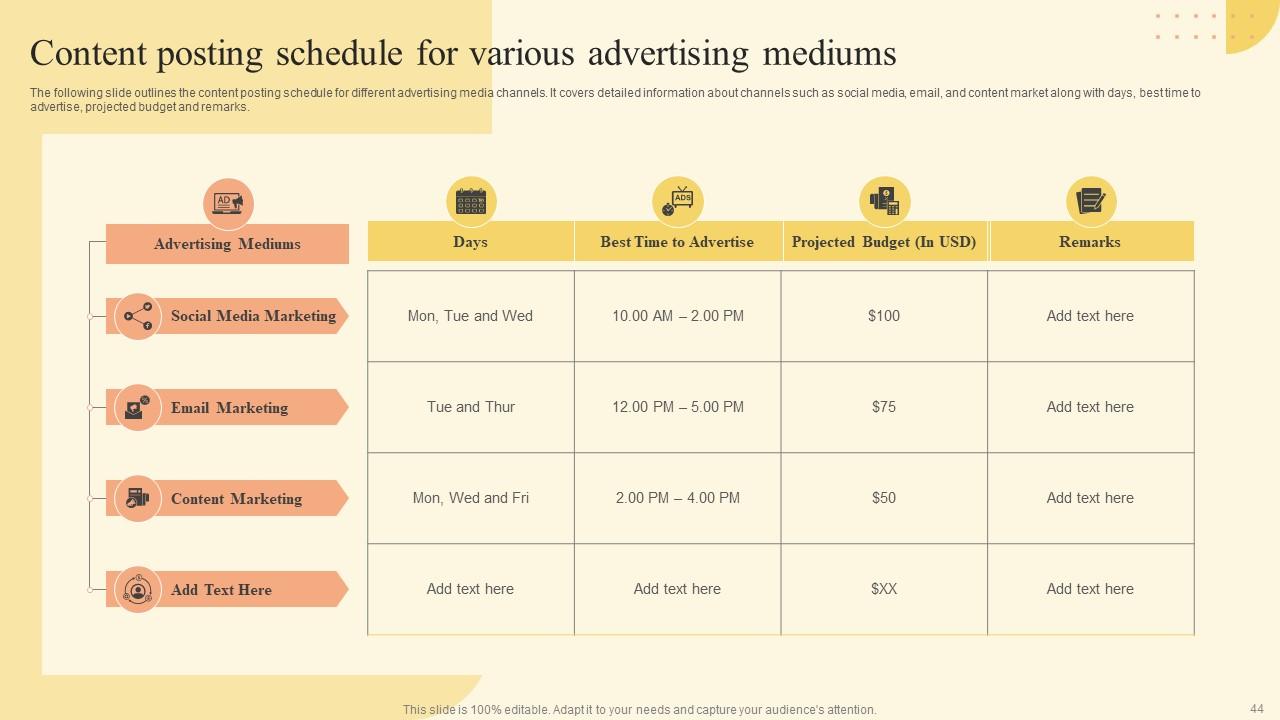
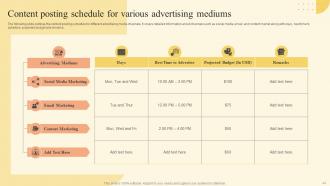
Slide 44: The following slide outlines the content posting schedule for different advertising media channels.
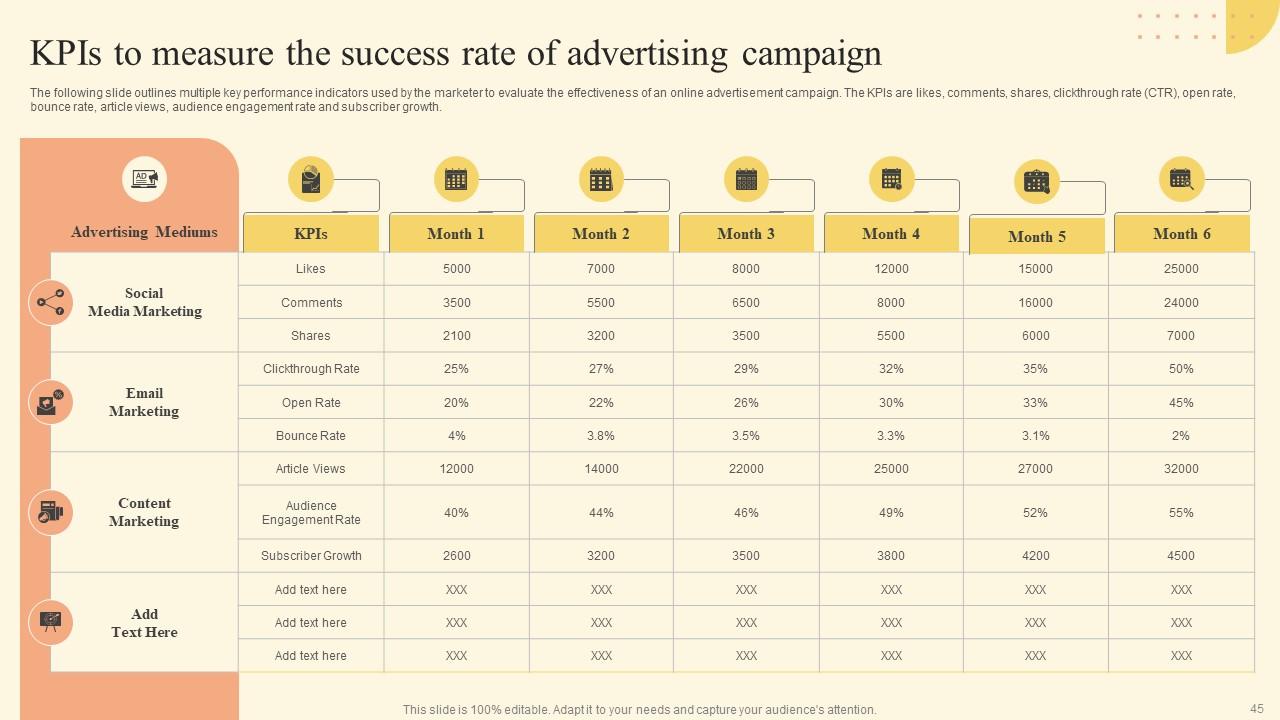
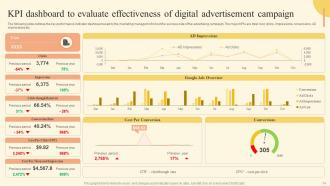
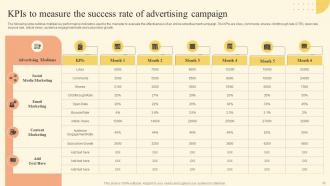
Slide 45: This slide outlines multiple key performance indicators used by the marketer to evaluate the effectiveness of an online advertisement campaign.
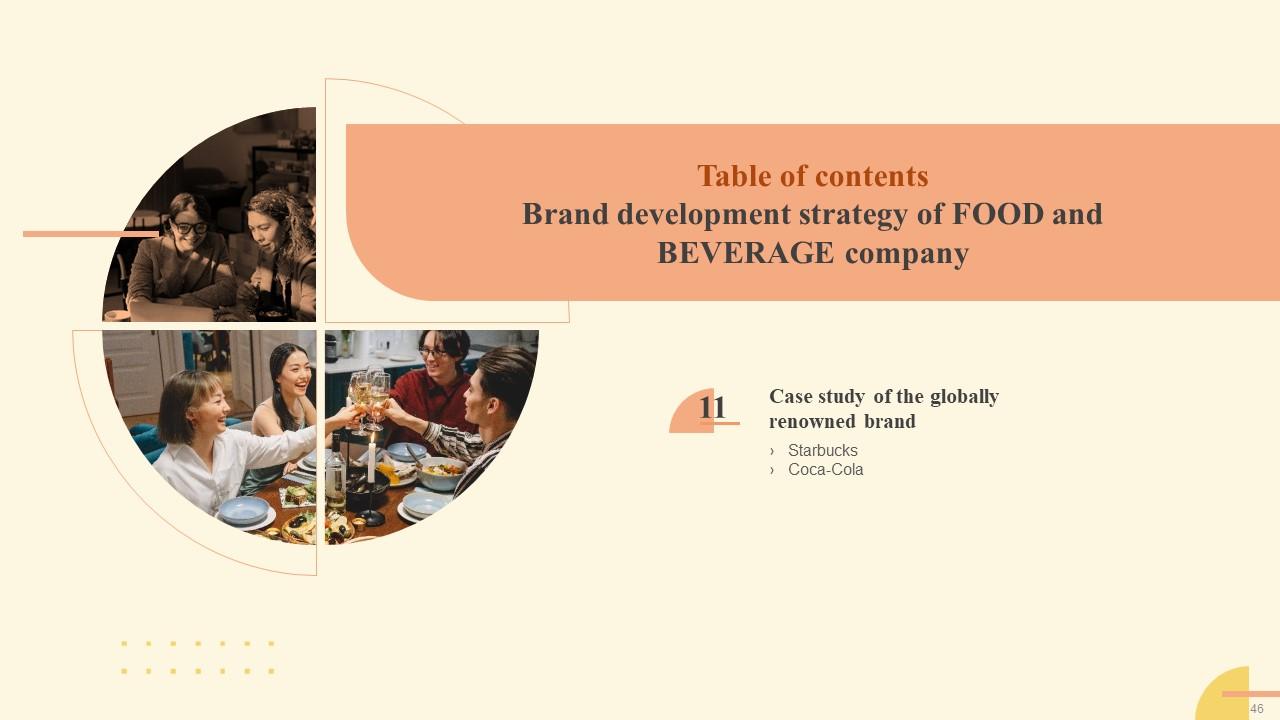
Slide 46: This slide exhibit table of content that is to be discuss further.
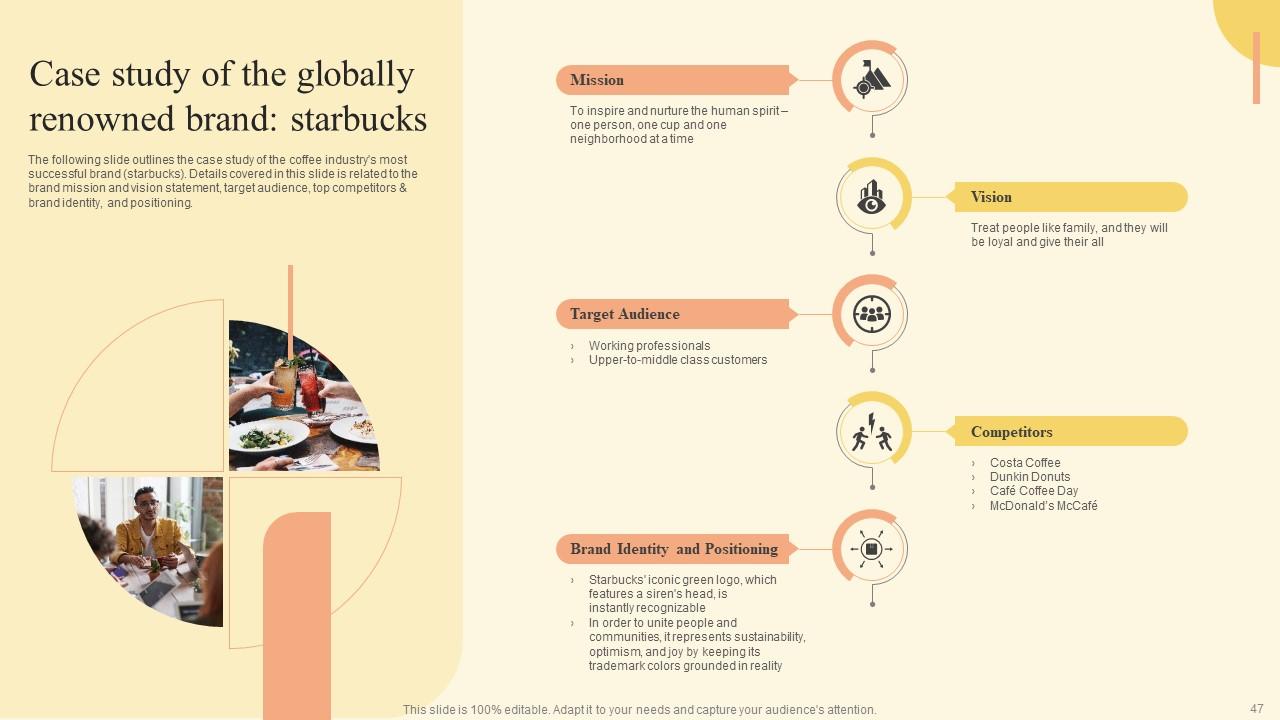
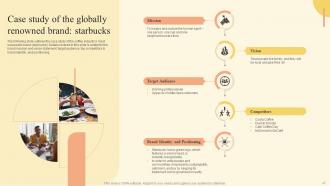
Slide 47: This slide outlines the case study of the coffee industry's most successful brand (starbucks).
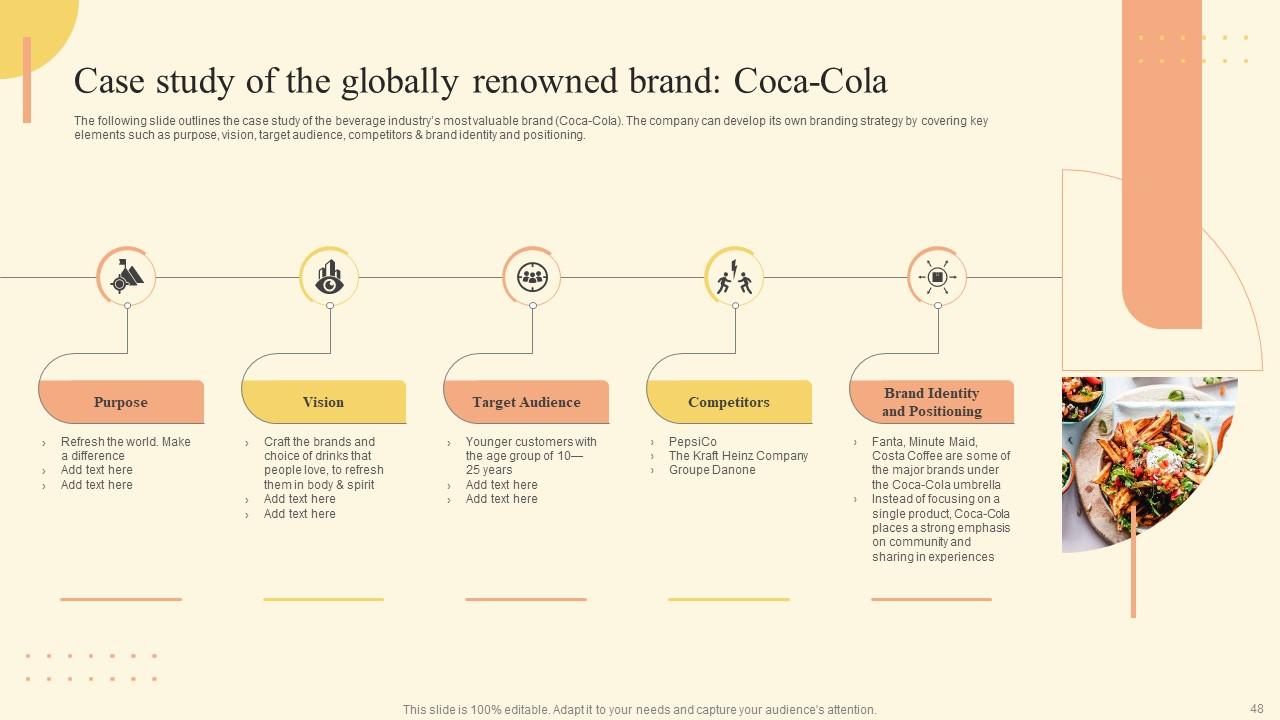
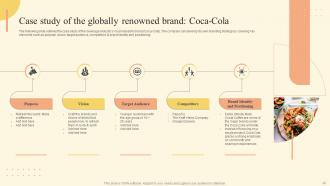
Slide 48: This slide outlines the case study of the beverage industry’s most valuable brand (Coca-Cola).
Slide 49: This is the icons slide.
Slide 50: This slide presents title for additional slides.
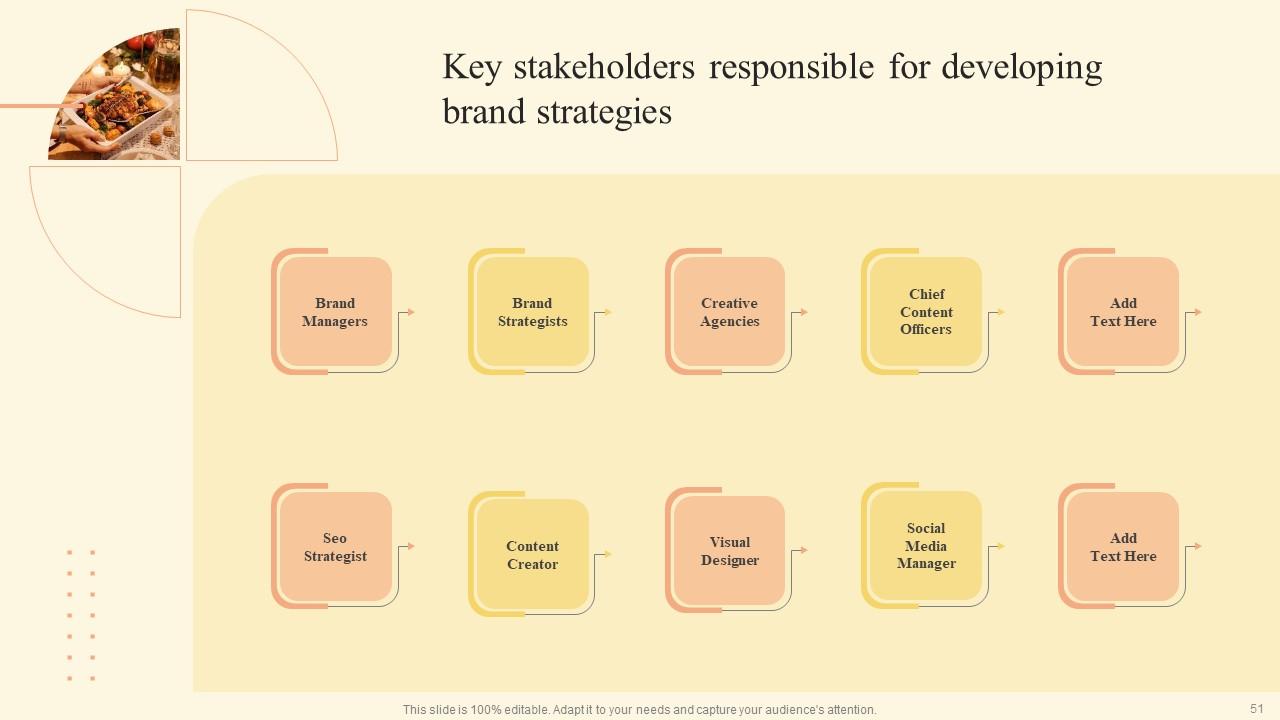
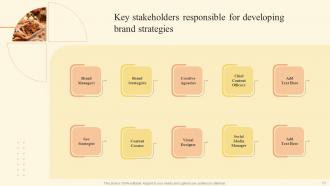
Slide 51: This slide showcase Key stakeholders responsible for developing brand strategies.
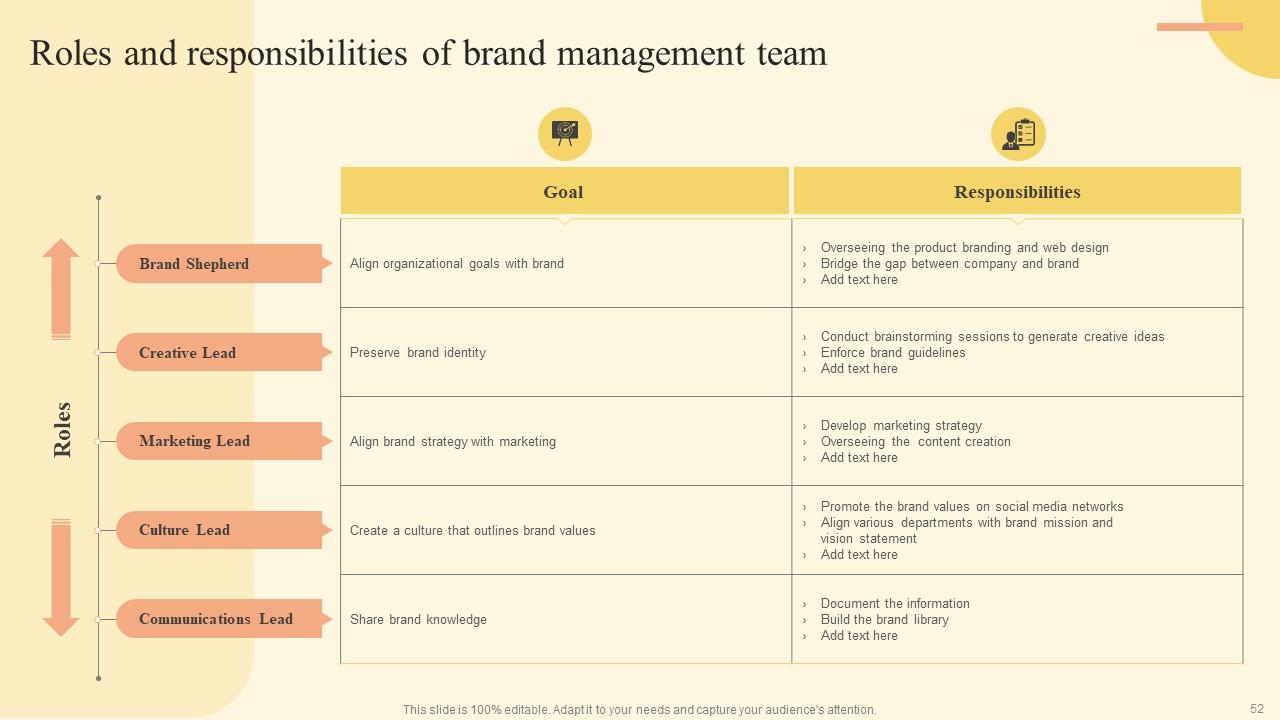
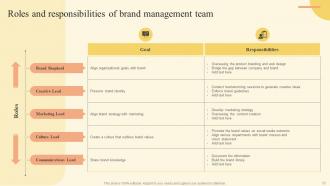
Slide 52: This slide showcase Roles and responsibilities of brand management team.
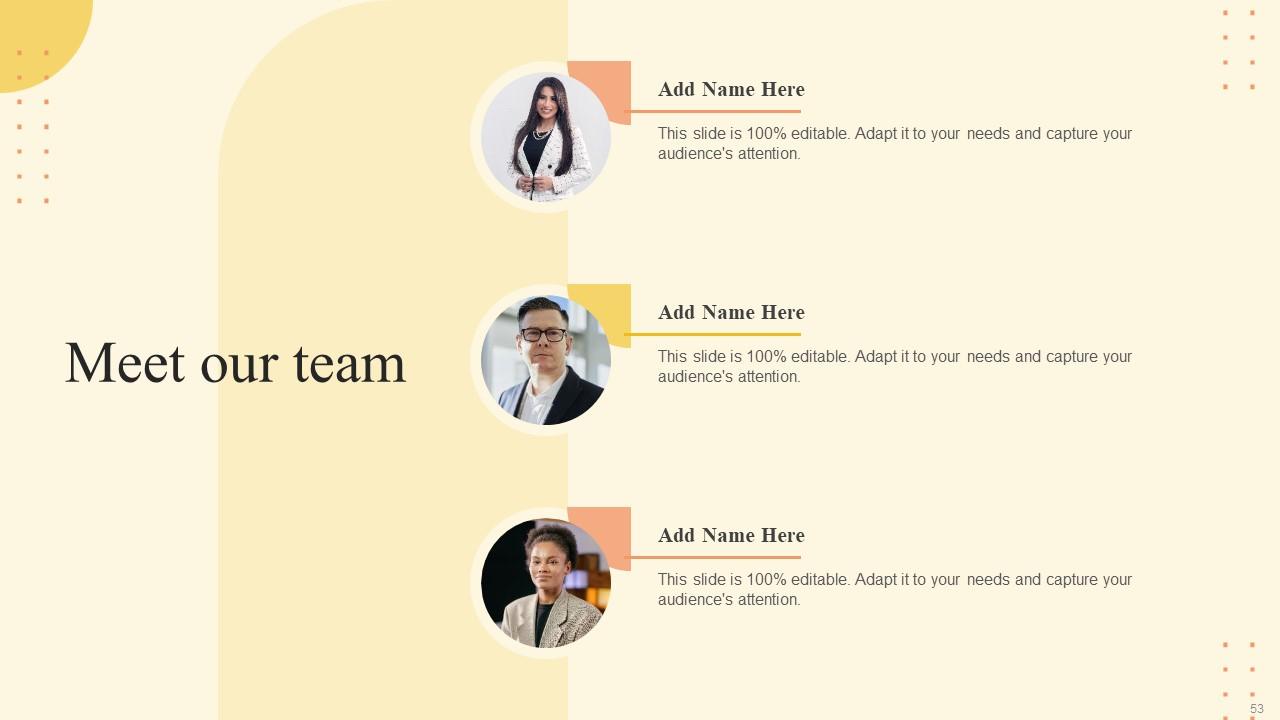
Slide 53: This slide showcase about Meet our team
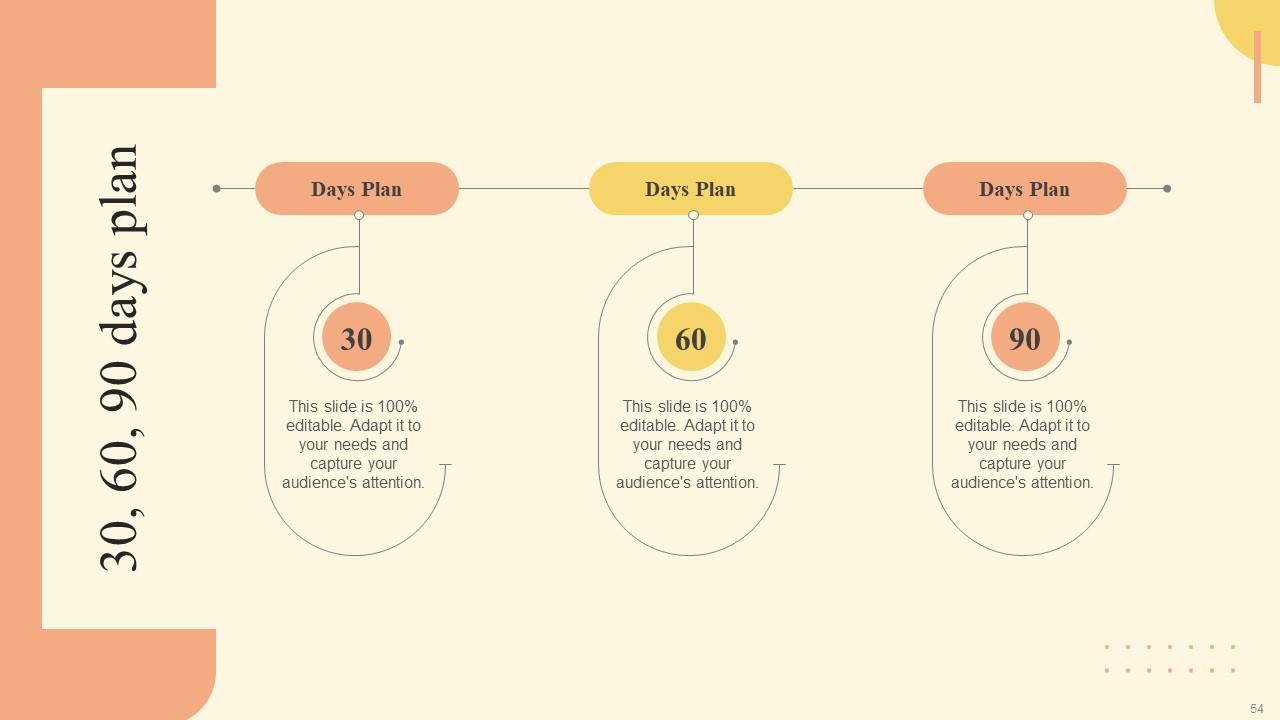
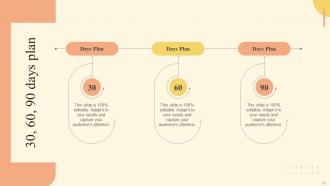
Slide 54: This slide depicts 30-60-90 days plan for projects.
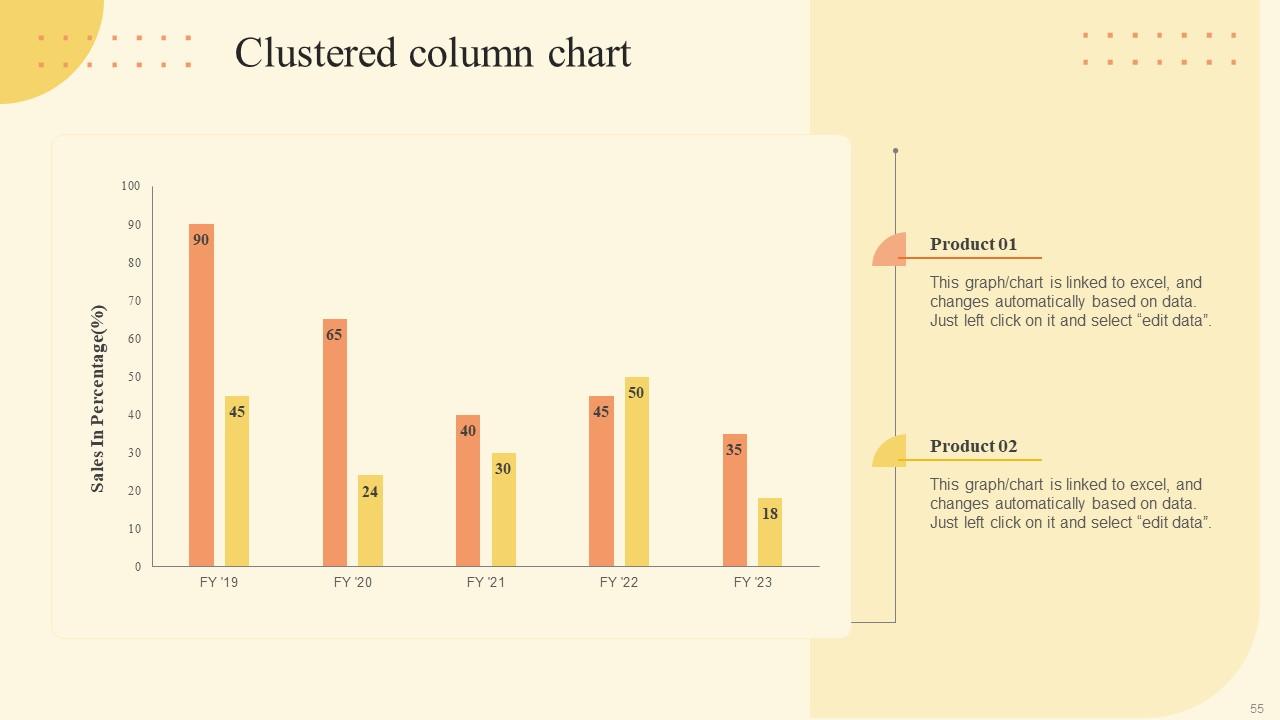
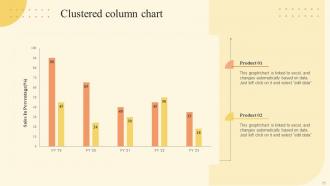
Slide 55: This slide display Clustered column chart for different products.
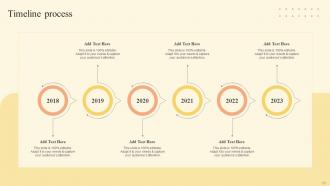
Slide 56: This slide display Timeline process.
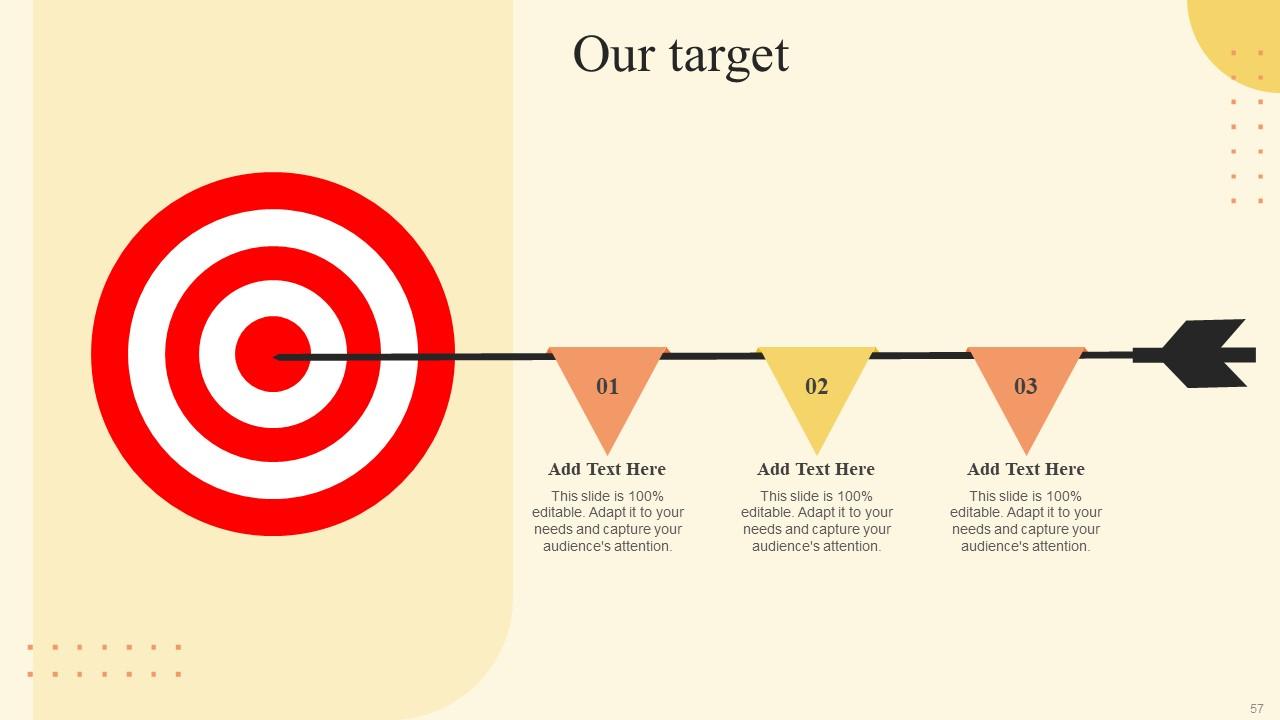
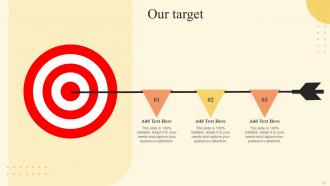
Slide 57: This slide showcase about Our target
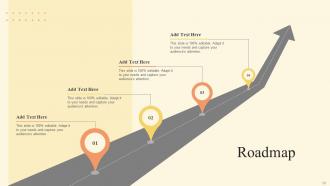
Slide 58: This side display Roadmap.
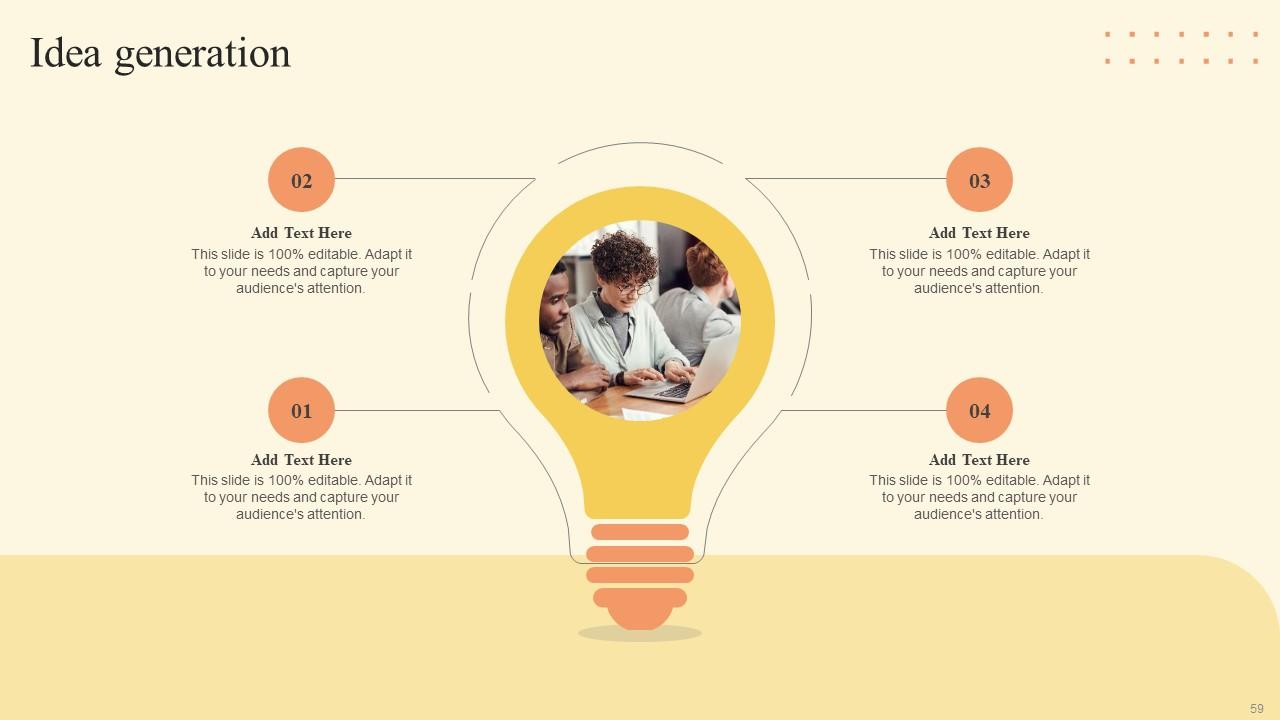
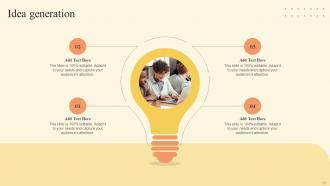
Slide 59: This slide exhibits ideas generated.
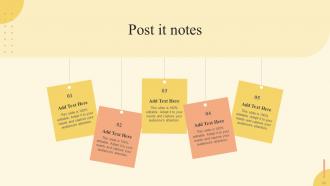
Slide 60: This slide depicts posts for past experiences of clients.
Slide 61: This is thank you slide & contains contact details of company like office address, phone no., etc.
Brand Development Strategy Of Food And Beverage Company Powerpoint Presentation Slides with all 66 slides:
Use our Brand Development Strategy Of Food And Beverage Company Powerpoint Presentation Slides to effectively help you save your valuable time. They are readymade to fit into any presentation structure.
-
Eye-catching PPT designs, outstanding team, and best customer service. I’m a super satisfied customer here!
-
“You have the structure in place that are easy to explore new opportunities.I will be recommending your services to other people.”
