


Business campaigning powerpoint presentation slides
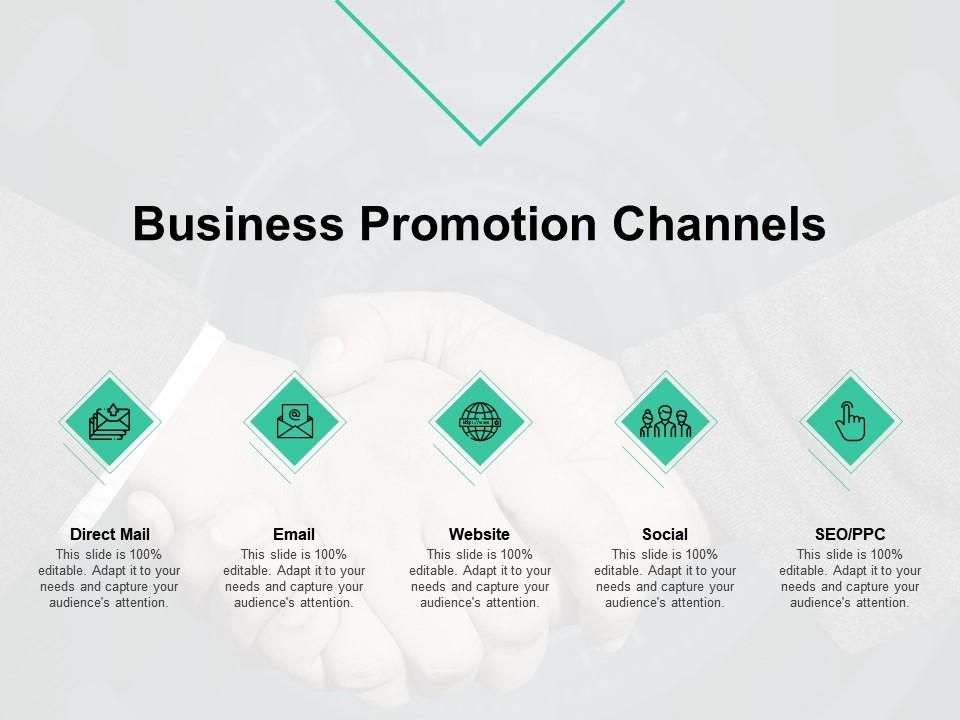
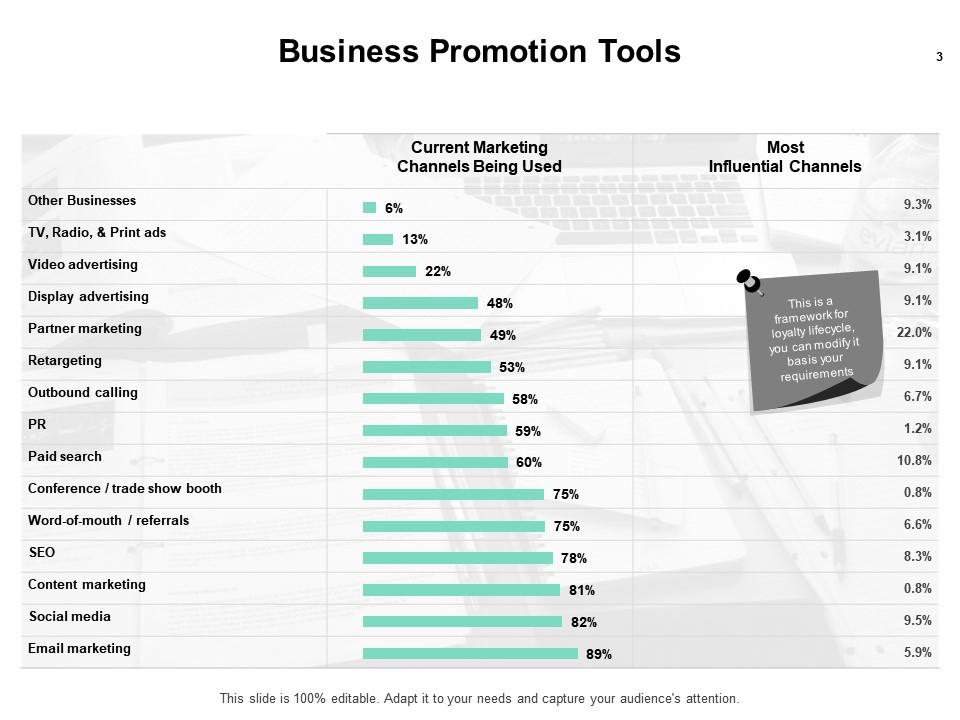
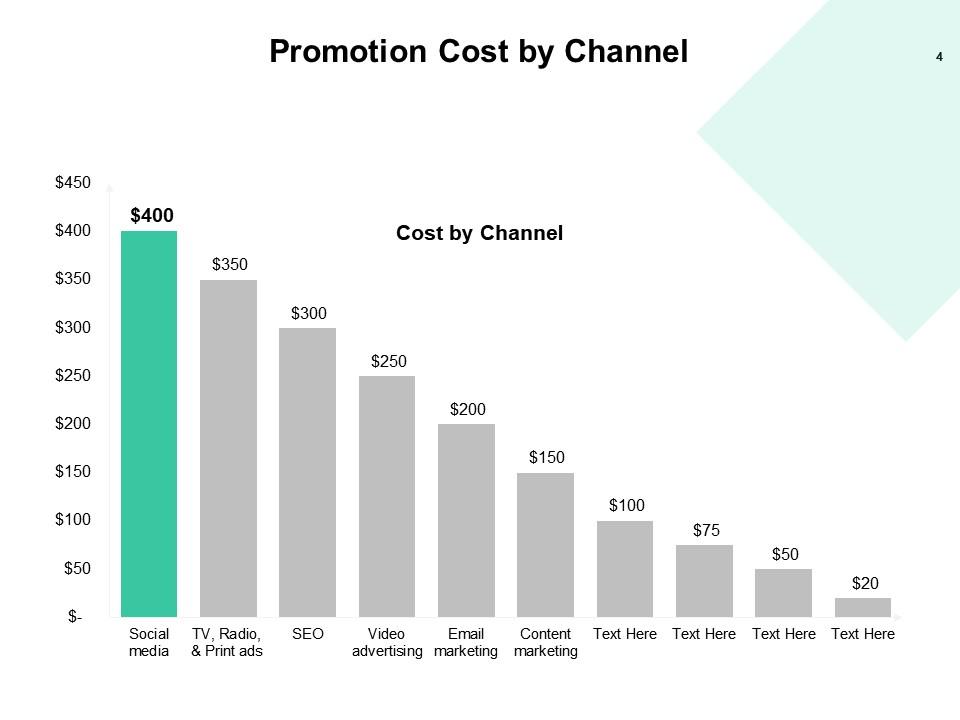
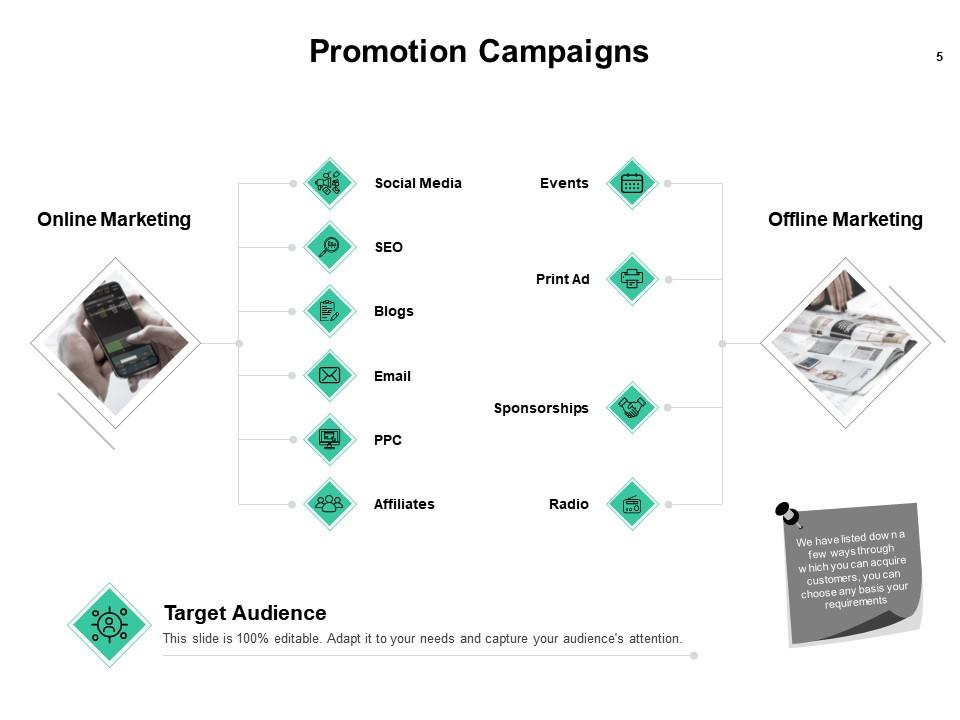
Employ this Business Campaigning PowerPoint Presentation Slides for the promotion of your brand. Business promotion channels like direct mail, e-mail, website, social and SEO/PPC can be illustrated with this company campaigning PPT layout. The enterprise publicity PowerPoint theme can be utilized to showcase tools such as video advertising, content marketing, SEO, social media, e-mail marketing, partner marketing, etc. You can also illustrate the promotion cost by channel in the form of a bar graph to easily interpret the data by incorporating this organization publicity PowerPoint layout. Sales techniques to boost the business in the online and offline market can be formulated by taking the assistance of this advertising PPT complete deck. The promotional road map proposal for grabbing customer’s attention can also be illustrated with our professionally designed business promotion PowerPoint template. Download this social media and word of mouth metrics and marketing growth strategies PPT theme for successful brand promotion.
Employ this Business Campaigning PowerPoint Presentation Slides for the promotion of your brand. Business promotion channel..







-

- Google Slides is a new FREE Presentation software from Google.
- All our content is 100% compatible with Google Slides.
- Just download our designs, and upload them to Google Slides and they will work automatically.
- Amaze your audience with SlideTeam and Google Slides.
-

Want Changes to This PPT Slide? Check out our Presentation Design Services
-

- WideScreen Aspect ratio is becoming a very popular format. When you download this product, the downloaded ZIP will contain this product in both standard and widescreen format.
-

- Some older products that we have may only be in standard format, but they can easily be converted to widescreen.
- To do this, please open the SlideTeam product in Powerpoint, and go to
- Design ( On the top bar) -> Page Setup -> and select "On-screen Show (16:9)” in the drop down for "Slides Sized for".
- The slide or theme will change to widescreen, and all graphics will adjust automatically. You can similarly convert our content to any other desired screen aspect ratio.
Compatible With Google Slides

Get This In WideScreen
You must be logged in to download this presentation.


Do you want to remove this product from your favourites?
PowerPoint presentation slides
Enhance your audiences knowledge with this well researched complete deck. Showcase all the important features of the deck with perfect visuals. This deck comprises of total of thirty two slides with each slide explained in detail. Each template comprises of professional diagrams and layouts. Our professional PowerPoint experts have also included icons, graphs and charts for your convenience. All you have to do is DOWNLOAD the deck. Make changes as per the requirement. Yes, these PPT slides are completely customizable. Edit the colour, text and font size. Add or delete the content from the slide. And leave your audience awestruck with the professionally designed Business Campaigning Powerpoint Presentation Slides complete deck. It is Google Slides compatible.

People who downloaded this PowerPoint presentation also viewed the following :
Content of this Powerpoint Presentation
Slide 1: This slide introduces Business Campaigning. State Your Company Name and begin.
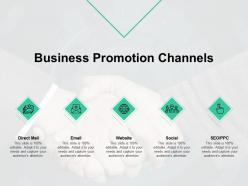
Slide 2: This slide shows Business Promotion Channels as- Direct Mail, Email, Website, Social, SEO/ PPC.
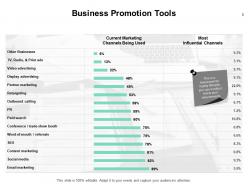
Slide 3: This slide shows Business Promotion Tools which includes- video advertising, display advertising, partner marketing, retargeting etc.
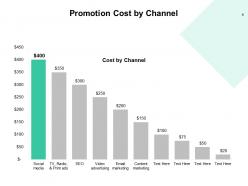
Slide 4: This slide presents Promotion Cost by Channel which includes- social media, Tv, radio & print ads, SEO, video advertising, content marketing etc.
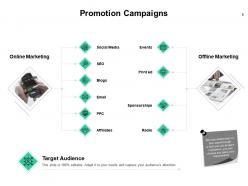
Slide 5: This slide displays Promotion Campaigns of both online and offline marketing.
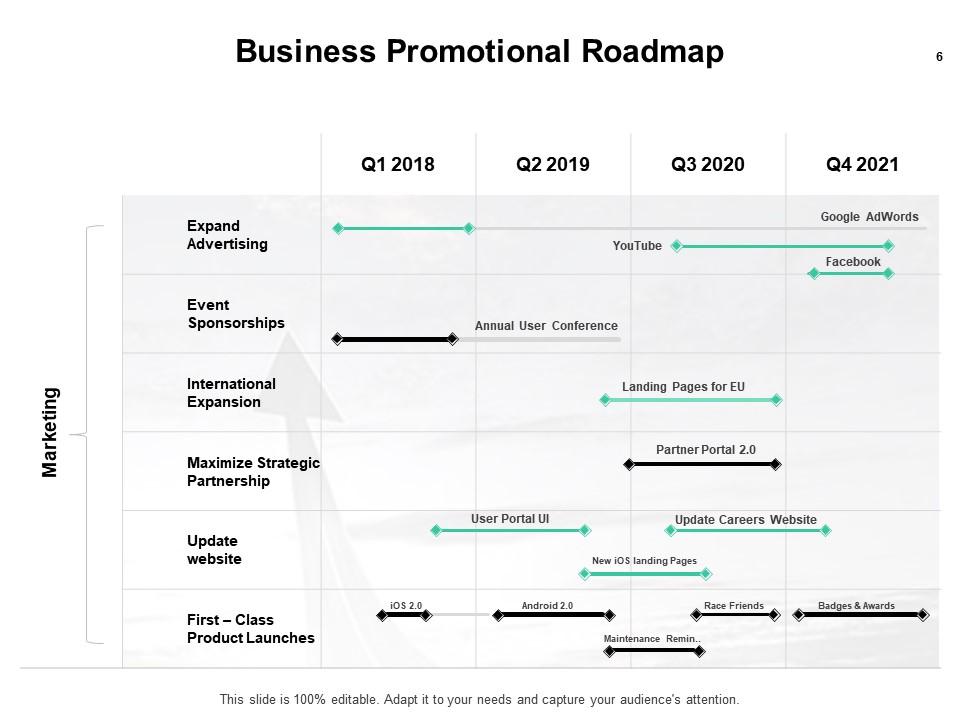
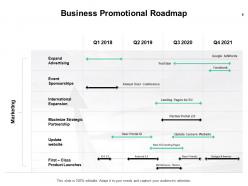
Slide 6: This slide represents Business Promotional Roadmap describing- first class product launches, Update website, maximize Strategic partner, International expansion, event sponsorships and expand advertising.
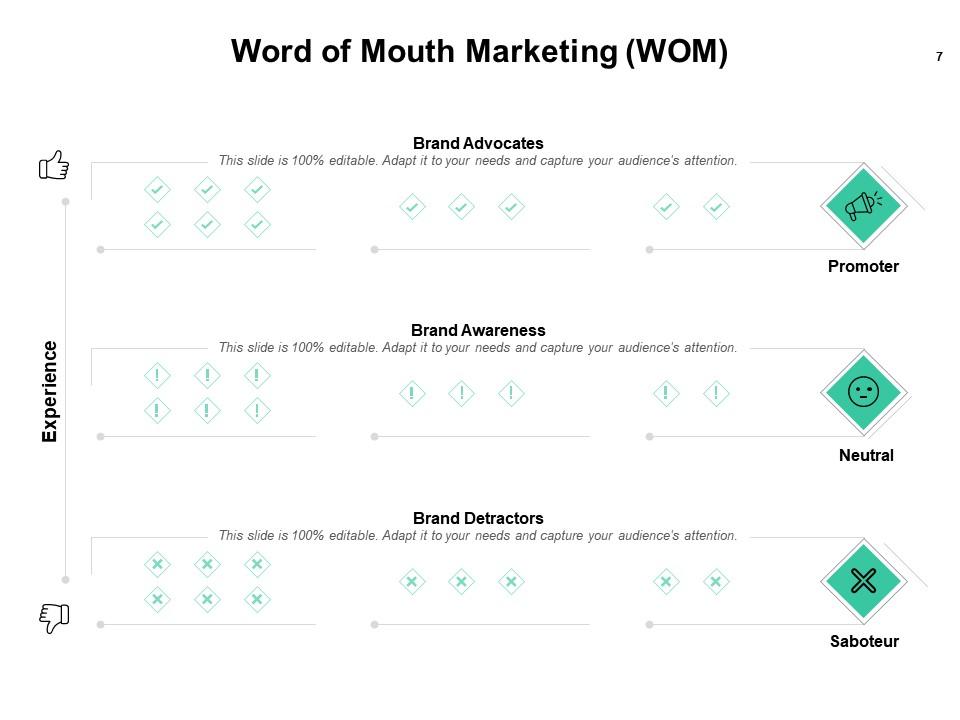
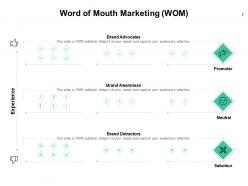
Slide 7: This slide showcases Word of Mouth Marketing describing- Promoter, Neutral, Saboteur.
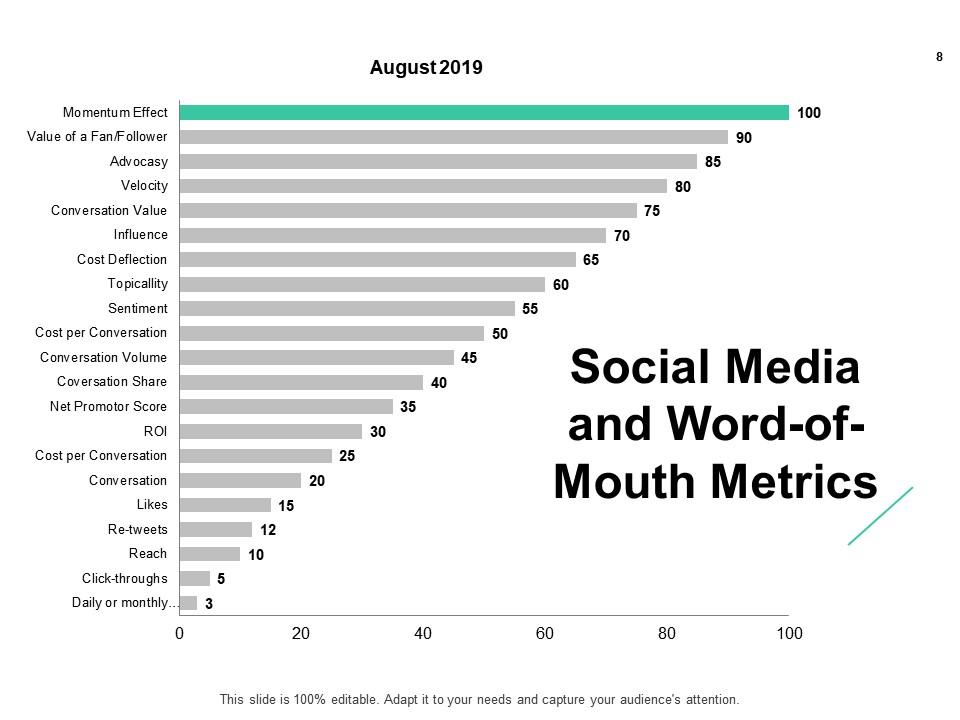
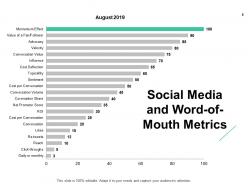
Slide 8: This slide shows Social Media and Word-of-Mouth Metrics in a graph form describing- Momentum effect, advocasy, velocity, cost deflection, etc.
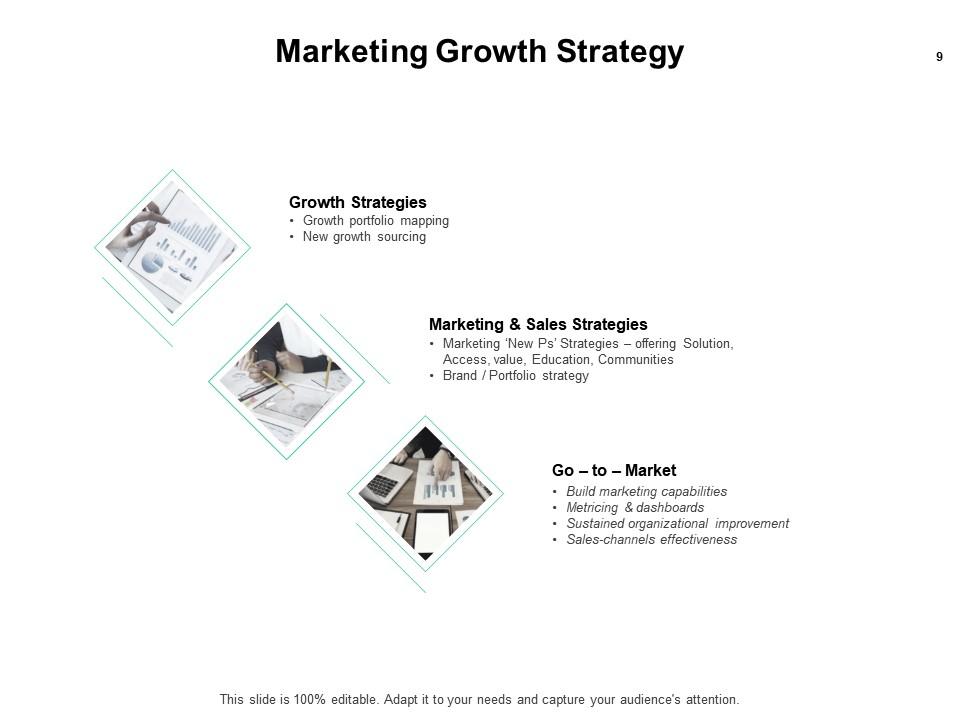
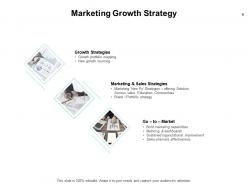
Slide 9: This slide presents Marketing Growth Strategy describing- Growth Strategies, Marketing & Sales Strategies, Go–to–Market.
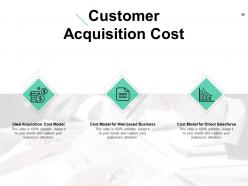
Slide 10: This slide displays Customer Acquisition Cost describing- Ideal Acquisition Cost Model, Cost Model for Direct Salesforce, Cost Model for Web Based Business.
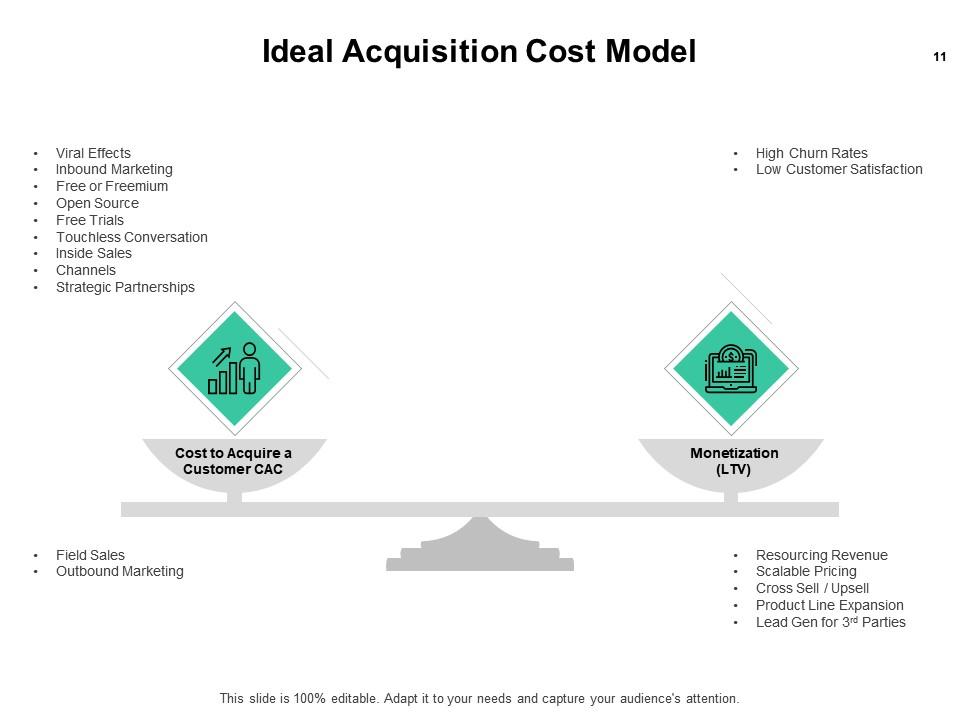
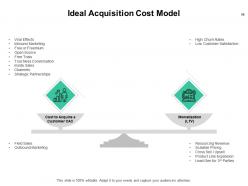
Slide 11: This slide represents Ideal Acquisition Cost Model with related imagery and text.
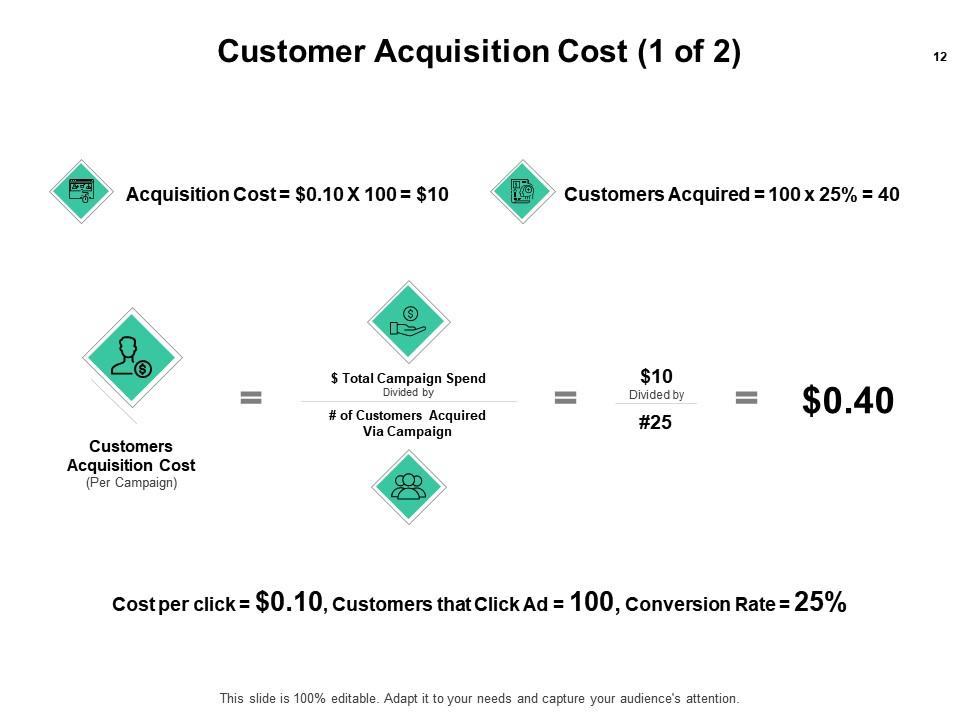
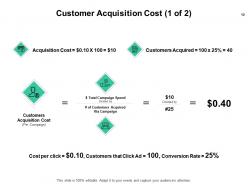
Slide 12: This slide showcases Customer Acquisition Cost which is calculated by total cost spent on campaign divided by number of customers acquired via campaign.
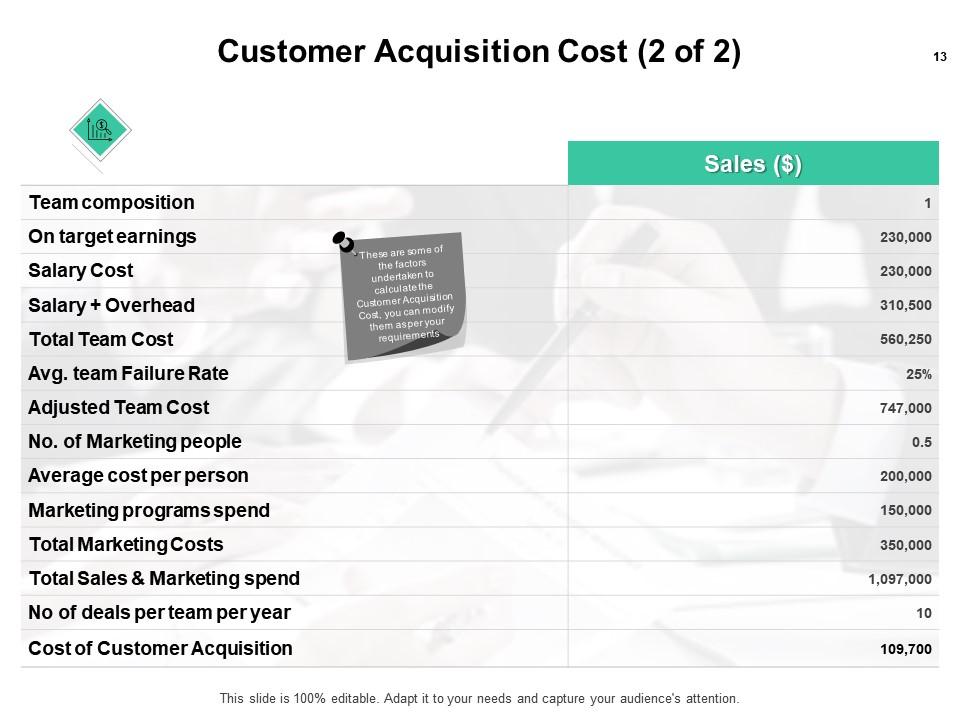
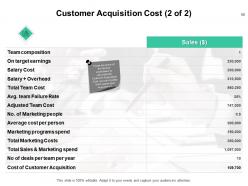
Slide 13: This slide shows Customer Acquisition Cost which includes on target earnings, salary cost, adjusted team cost, average cost per person etc.
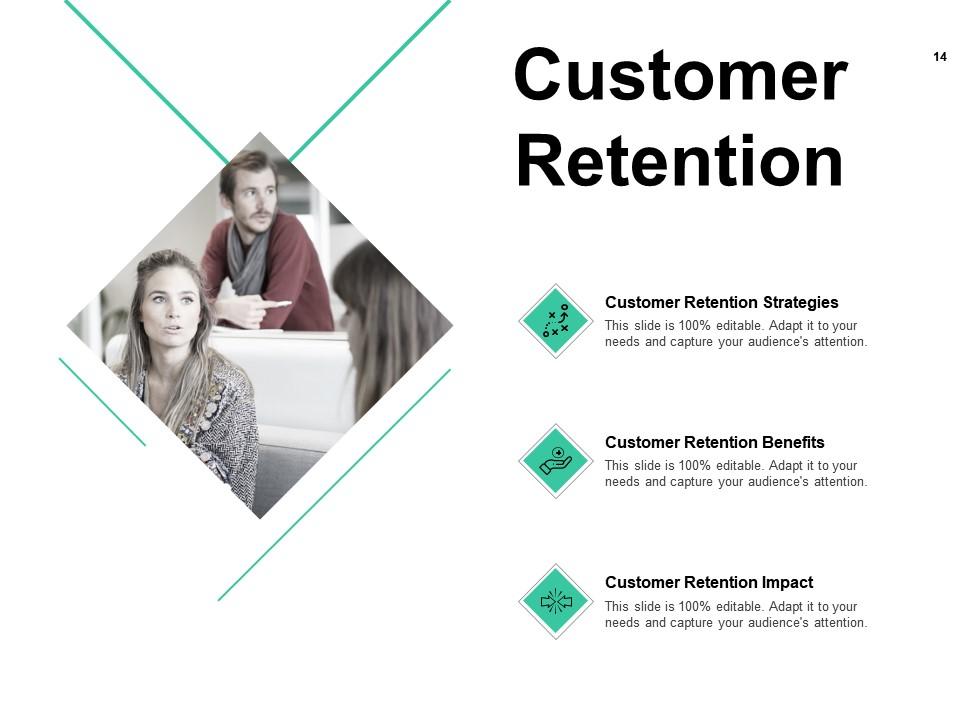
Slide 14: This slide presents Customer Retention describing- Customer Retention Strategies, Customer Retention Impact, Customer Retention Benefits.
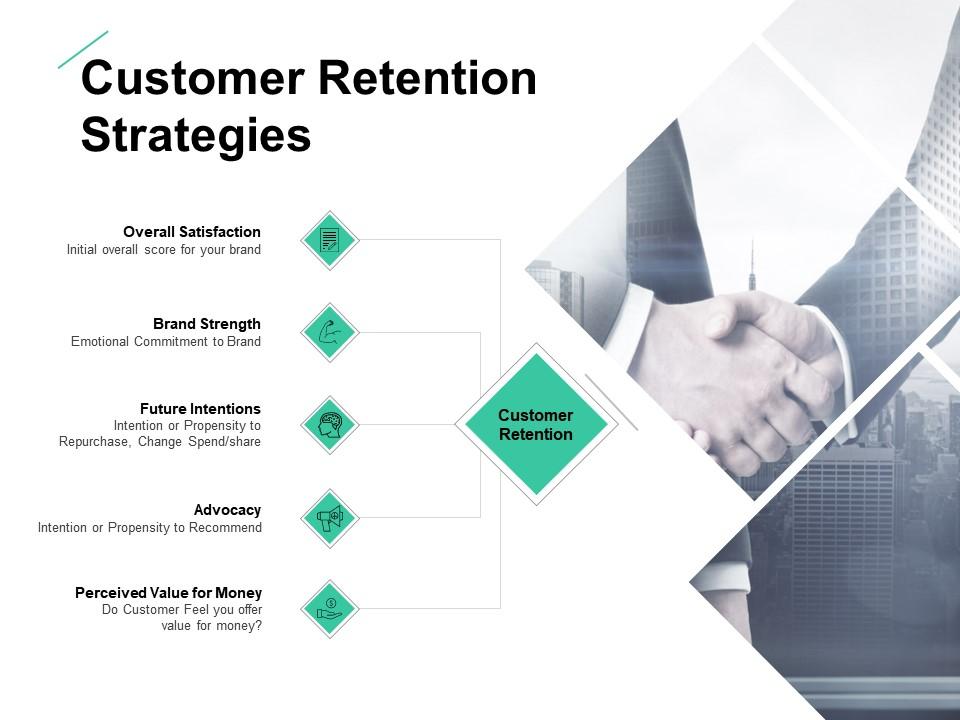
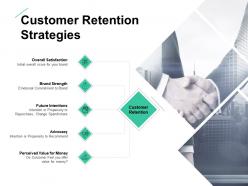
Slide 15: This slide displays Customer Retention Strategies describing- Overall Satisfaction, Brand Strength, Future Intentions, Advocacy, Perceived Value for Money.
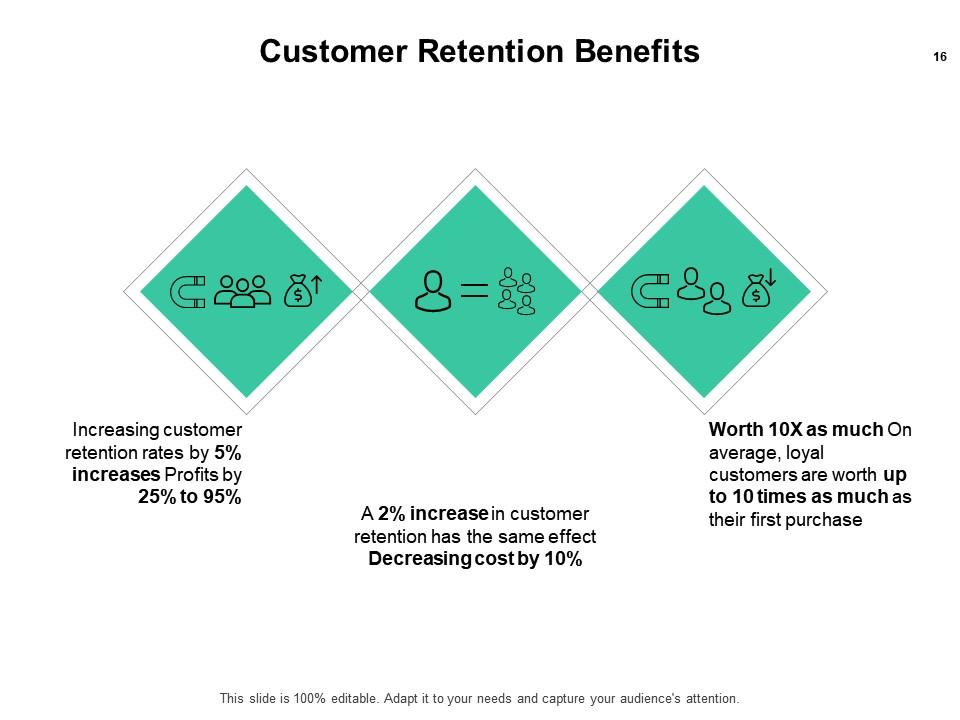
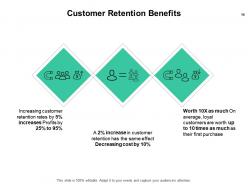
Slide 16: This slide represents Customer Retention Benefits with related imagery and text.
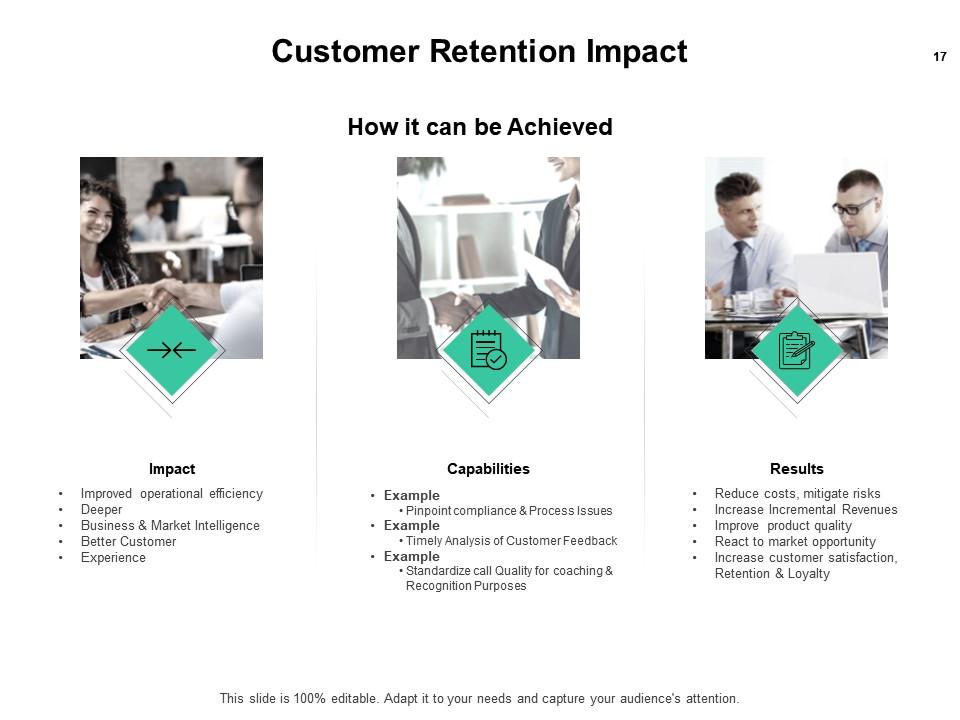
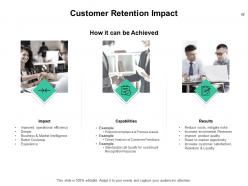
Slide 17: This slide showcases Customer Retention Impact describing- Impact, Results and Capabilities.
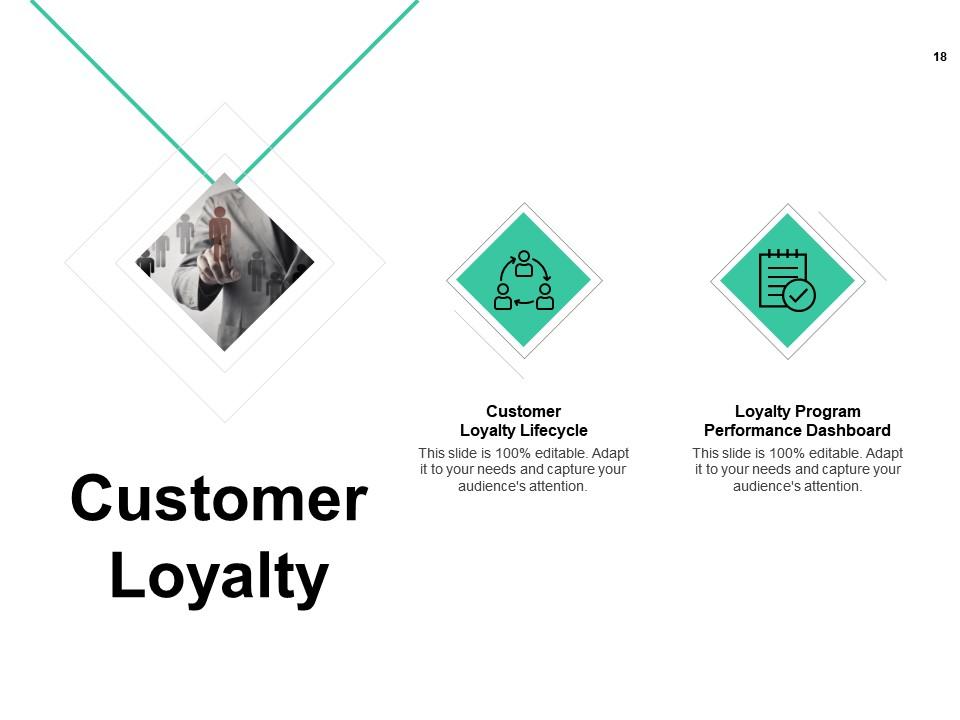
Slide 18: This slide shows Customer Loyalty including customer loyality lifeycle and loyality program performance dashboard with related imagery and text.
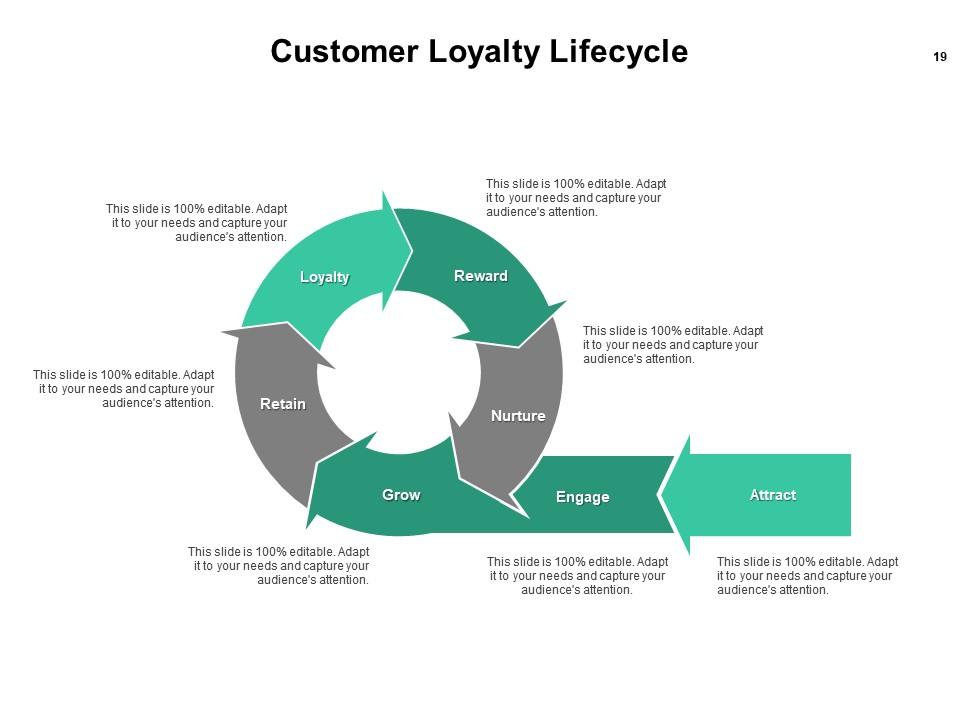
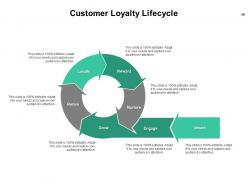
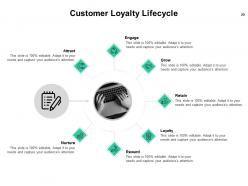
Slide 19: This slide presents Customer Loyalty Lifecycle describing- Attract, Engage, Grow, Retain, Loyalty, Reward, Nurture.
Slide 20: This is an optional slide for Customer Loyalty Lifecycle.
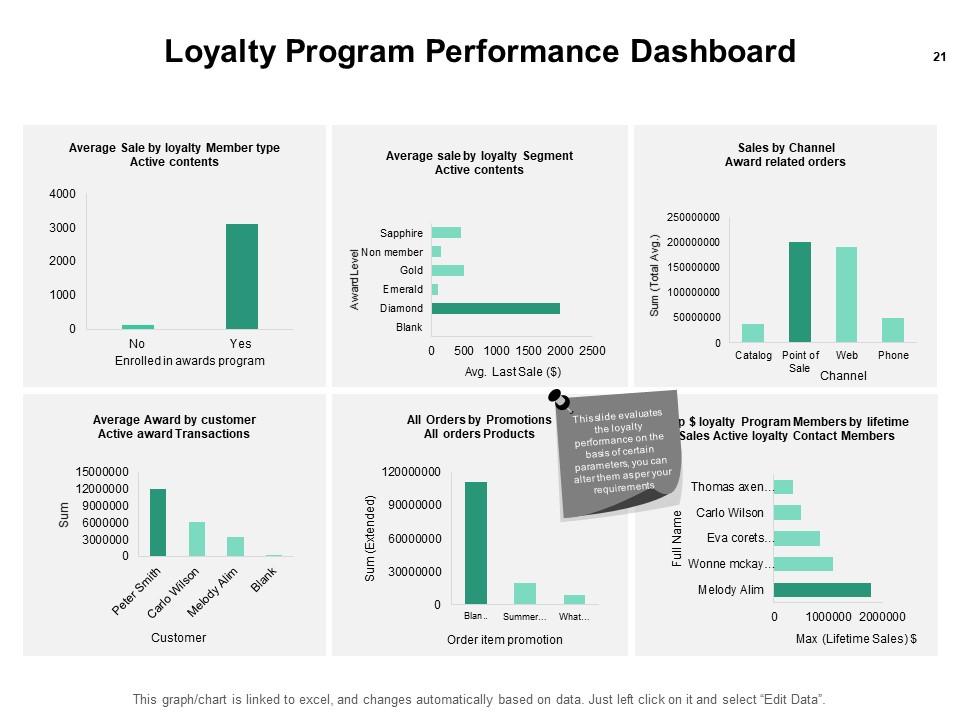
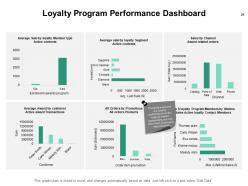
Slide 21: This slide displays Loyalty Program Performance Dashboard with help of graphs.
Slide 22: This slide shows Business Campaigning Icons.
Slide 23: This slide reminds about 15 minutes coffee break.
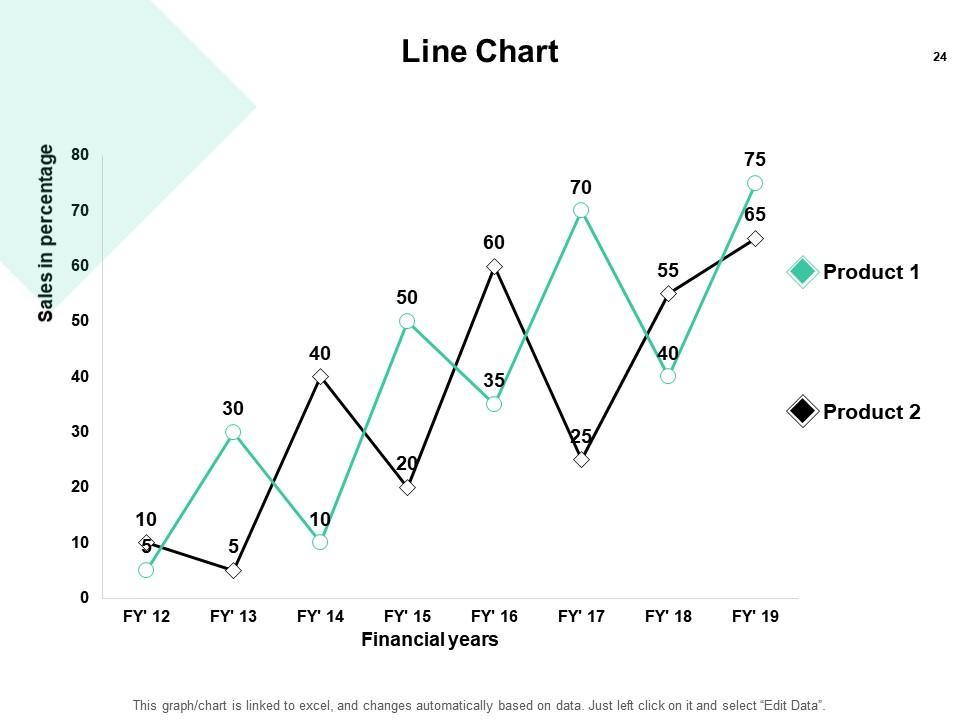
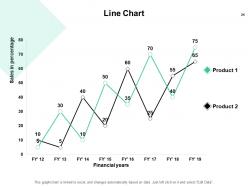
Slide 24: This slide presents Line Chart with two products comparison.
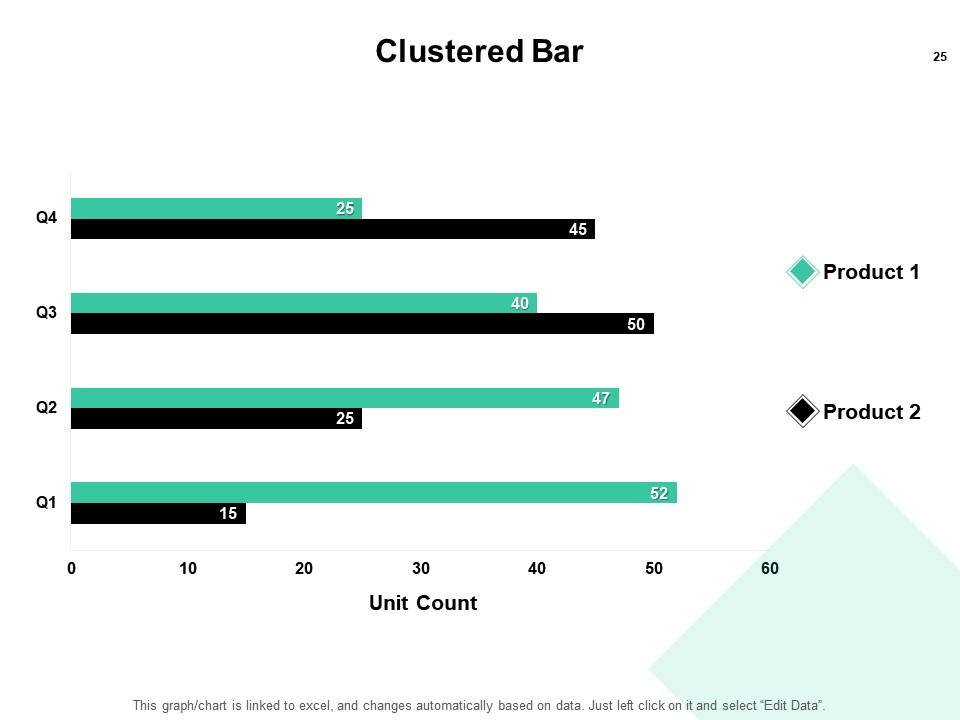
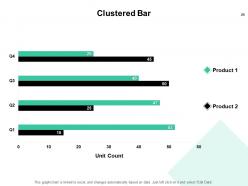
Slide 25: This slide displays Clustered Bar Chart with two products comparison.
Slide 26: This slide is titled as Additional Slides for moving forward.
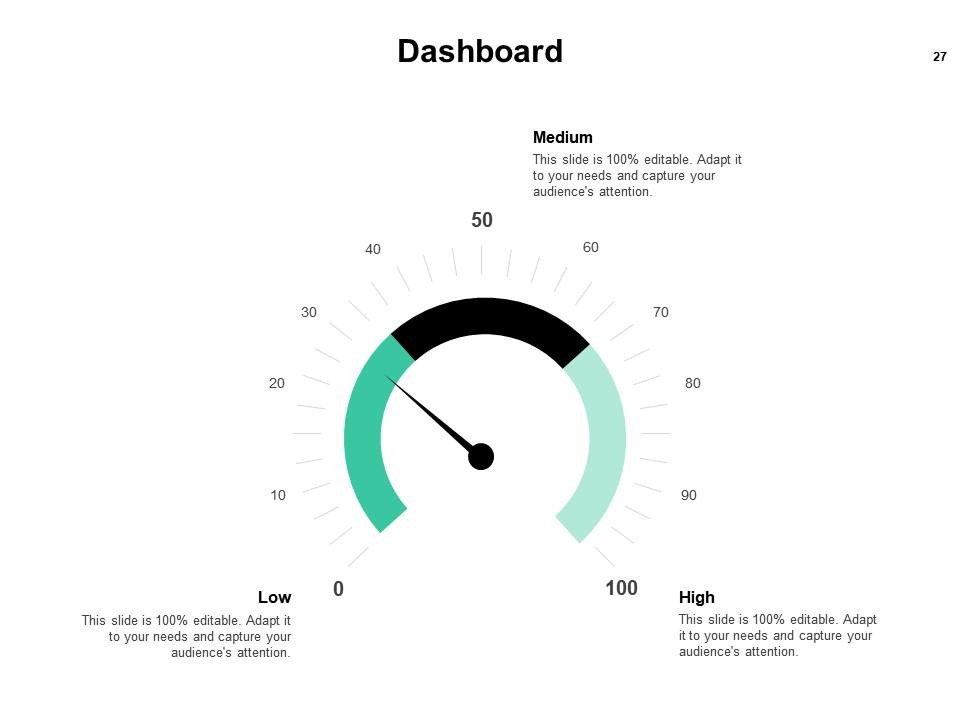
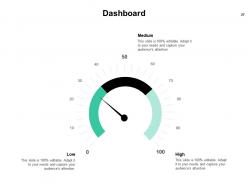
Slide 27: This slide shows Dashboard with additional text boxes.
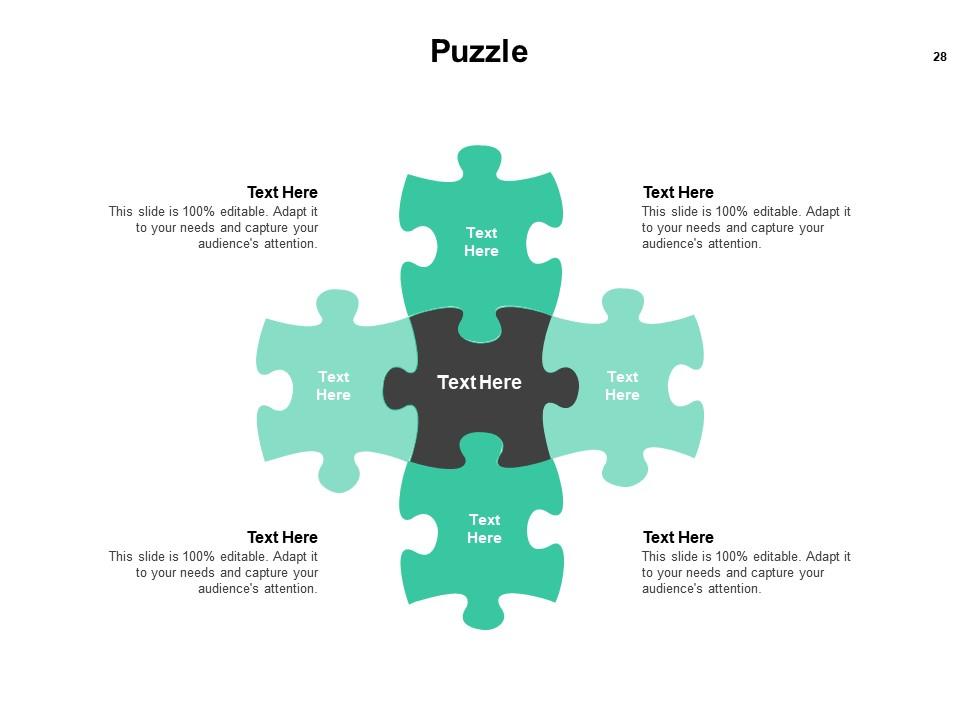
Slide 28: This is a Puzzle slide with text boxes to show information.
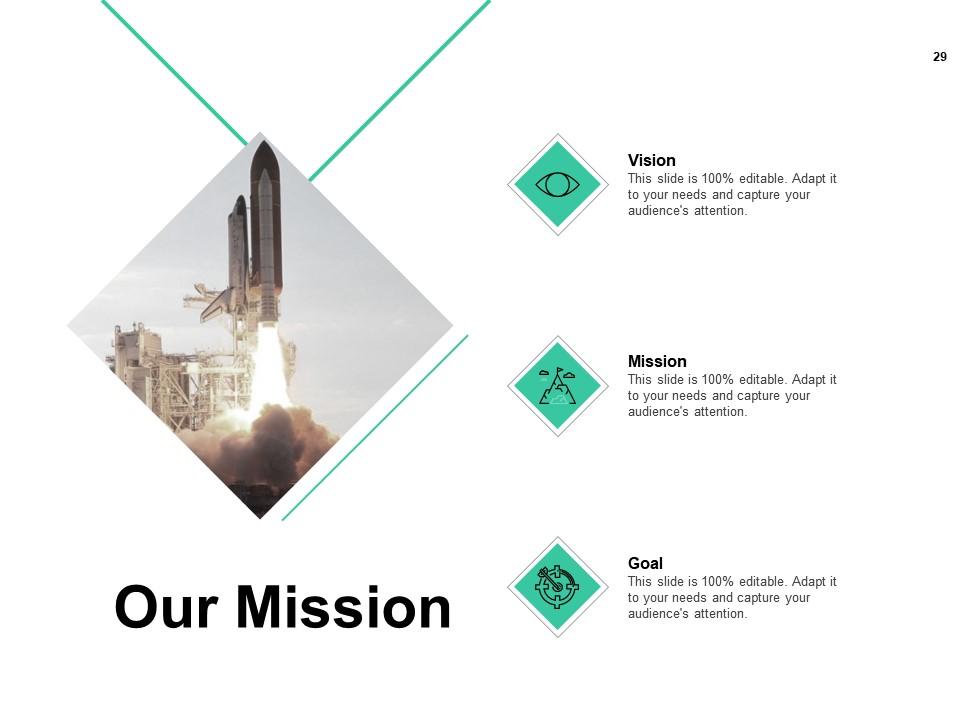
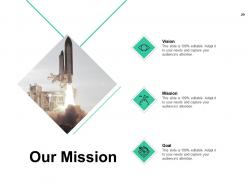
Slide 29: This is Our Mission slide with related imagery and text.
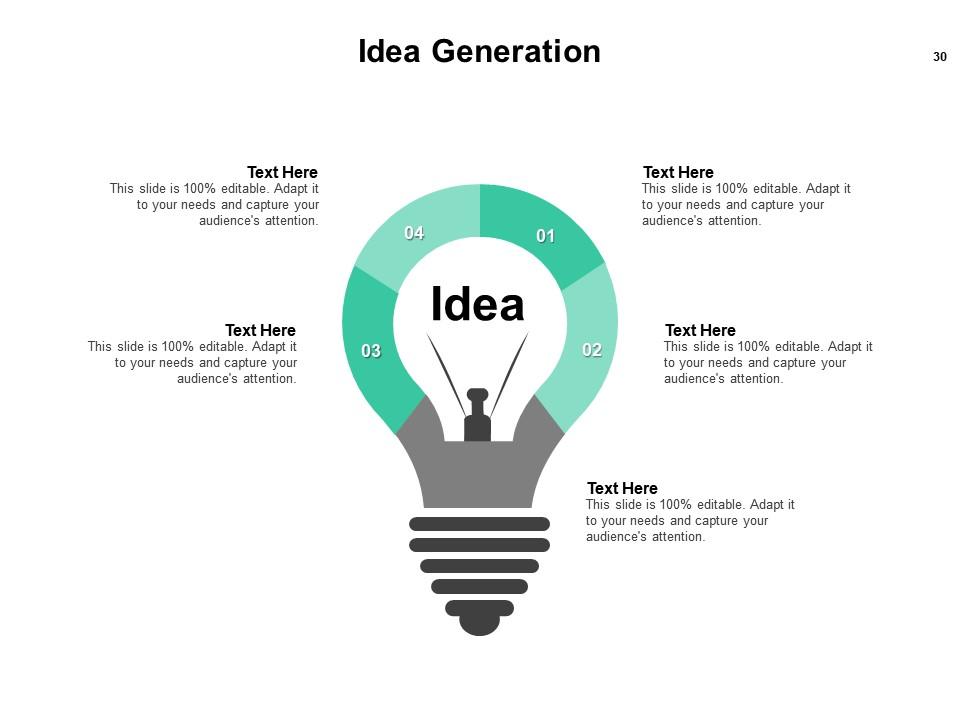
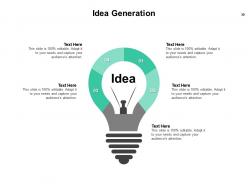
Slide 30: This is an Idea Generation slide to state a new idea or highlight information, specifications etc.
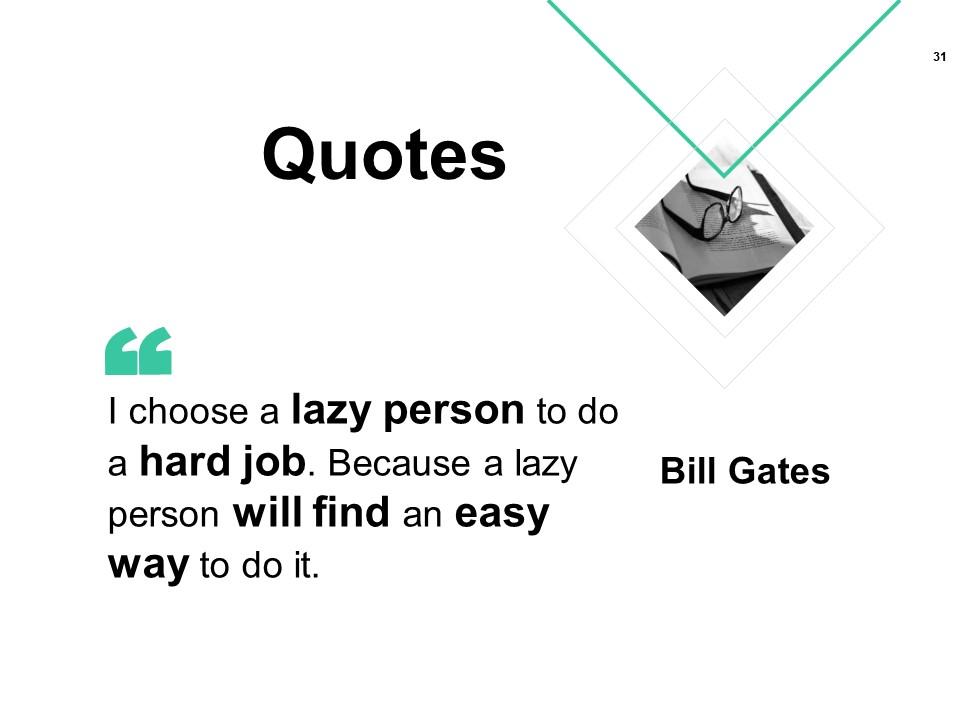
Slide 31: This is a Quotes slide to convey message, beliefs etc.
Slide 32: This is a Thank You slide with address, contact numbers and email address.
Business campaigning powerpoint presentation slides with all 32 slides:
Use our Business Campaigning Powerpoint Presentation Slides to effectively help you save your valuable time. They are readymade to fit into any presentation structure.
-
Use of different colors is good. It's simple and attractive.
-
Excellent Designs.
-
Enough space for editing and adding your own content.
