


Business proposal for venture capital powerpoint presentation slides
Obtaining venture capital is substantially differ from raising a debt or loan. Are you stressed how to make business plan for raising venture capital? Our content-ready business proposal for venture capital PowerPoint presentation will help you out. This venture capital funding PPT graphics have appropriate slides like marketing gap opportunity template, value proposition product benefits, underlying magic, business model, go to market plan, go to market strategy roadmap, market segmentation, channel strategy, competitive analysis, scatter chart, comparison table, portative analysis bubble chart, matrix chart, management team template, financial projections and key metrics, conversion rate, current status of product, accomplishments to date, road map for future, use of funds and many more. The Private equity proposal PPT slides are designed to demonstrate subjects such as initial public offering, seed funding options for a new venture, angel investing, equity crowd funding, financing stages, seed money, debt offering, economic development and entrepreneurial venture. Business proposal for venture capital PowerPoint backgrounds can make your presentation informative and interesting.Our Business Proposal For Venture Capital Powerpoint Presentation Slides are extremely courteous. Your gallantry will come to the fore.






















You must be logged in to download this presentation.


Do you want to remove this product from your favourites?
 Impress your
 audience
 100%
100% Editable
 Save Hours
 of Time
PowerPoint presentation slides
PowerPoint presentation includes 60 slides. PPT templates are useful for business owners, potential stakeholders and investors. Templates connect and designs are 100 % editable. PPT slides are available in both widescreen and standard format. All PowerPoint templates are compatible with Google Slides. We offer premium customer support. The stages in this process are business pitch, business proposals, business planning, sales pitch, sales presentation.

People who downloaded this PowerPoint presentation also viewed the following :
Content of this Powerpoint Presentation
Slide 1: This slide introduces Business Proposal for Venture Capital with image. State company name here and begin.
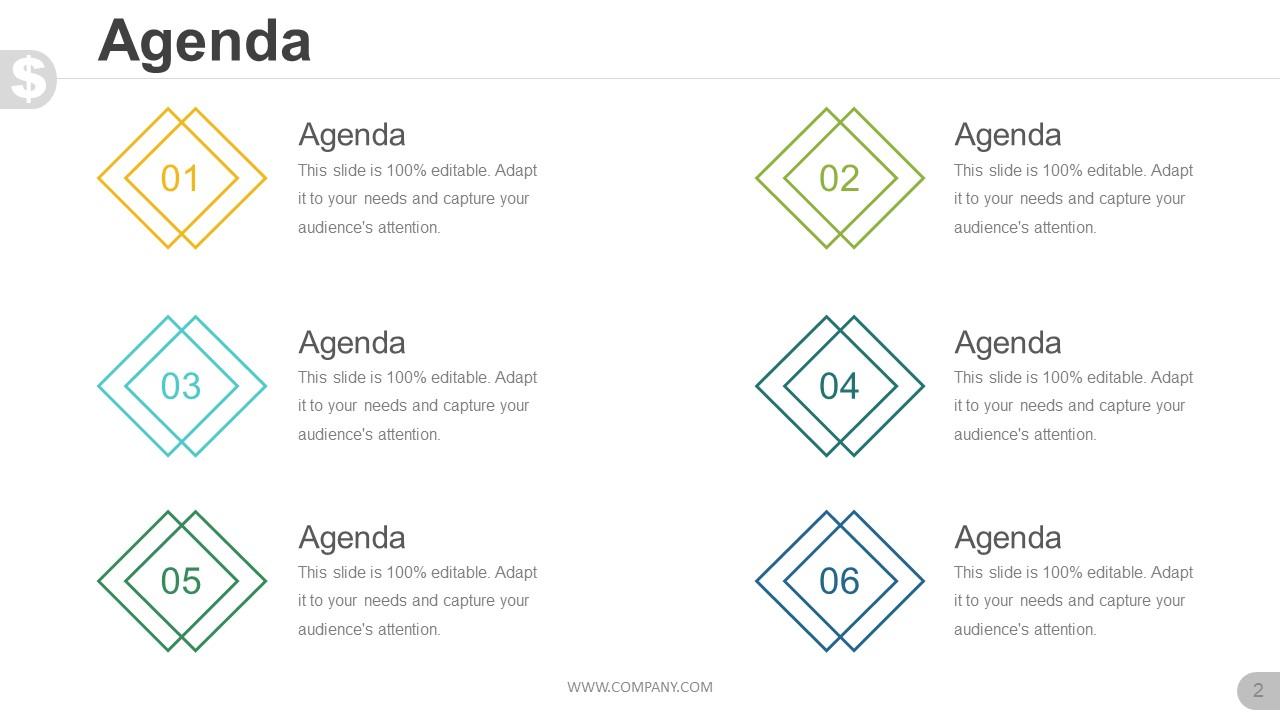
Slide 2: This is an Agenda slide. State your company agendas here.
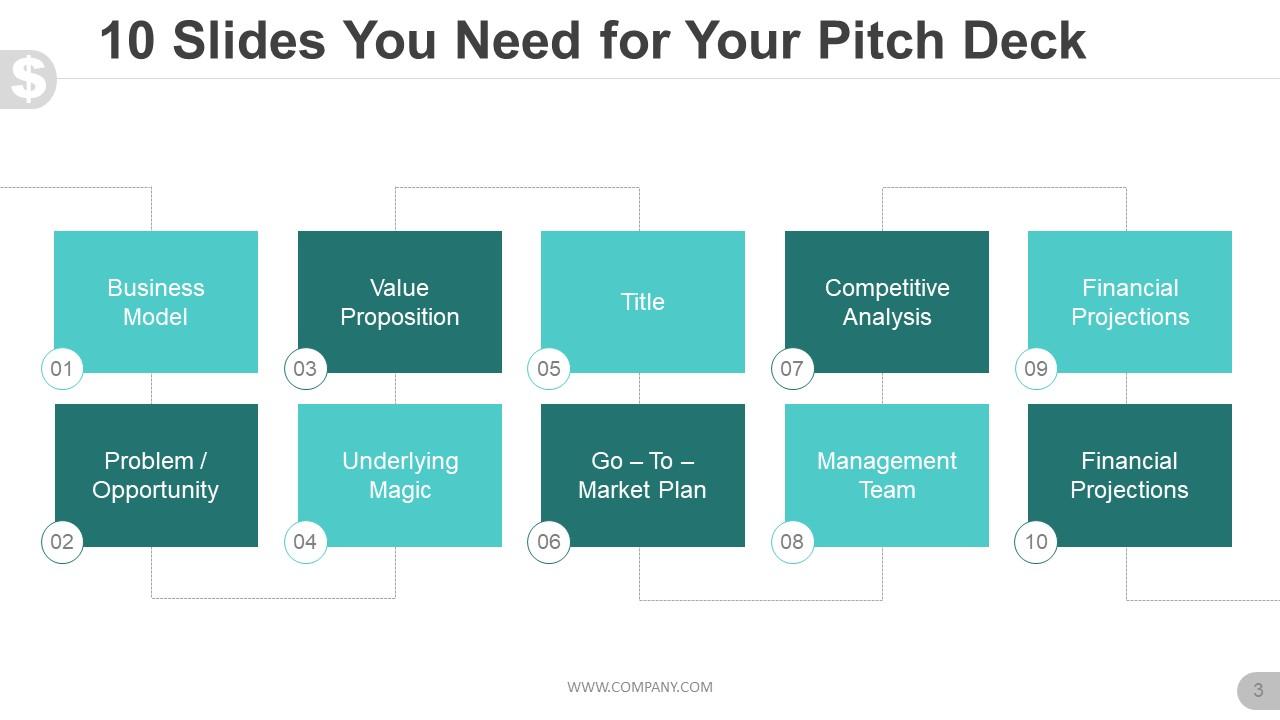
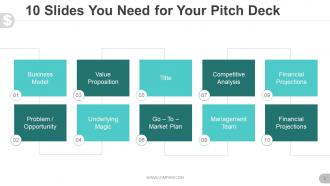
Slide 3: This slide states the 10 Slides You Need for Your Pitch Deck which are- Business Model, Problem / Opportunity, Value Proposition, Underlying Magic, Go – To – Market Plan, Title, Competitive Analysis, Management Team, Financial Projections, Financial Projections.
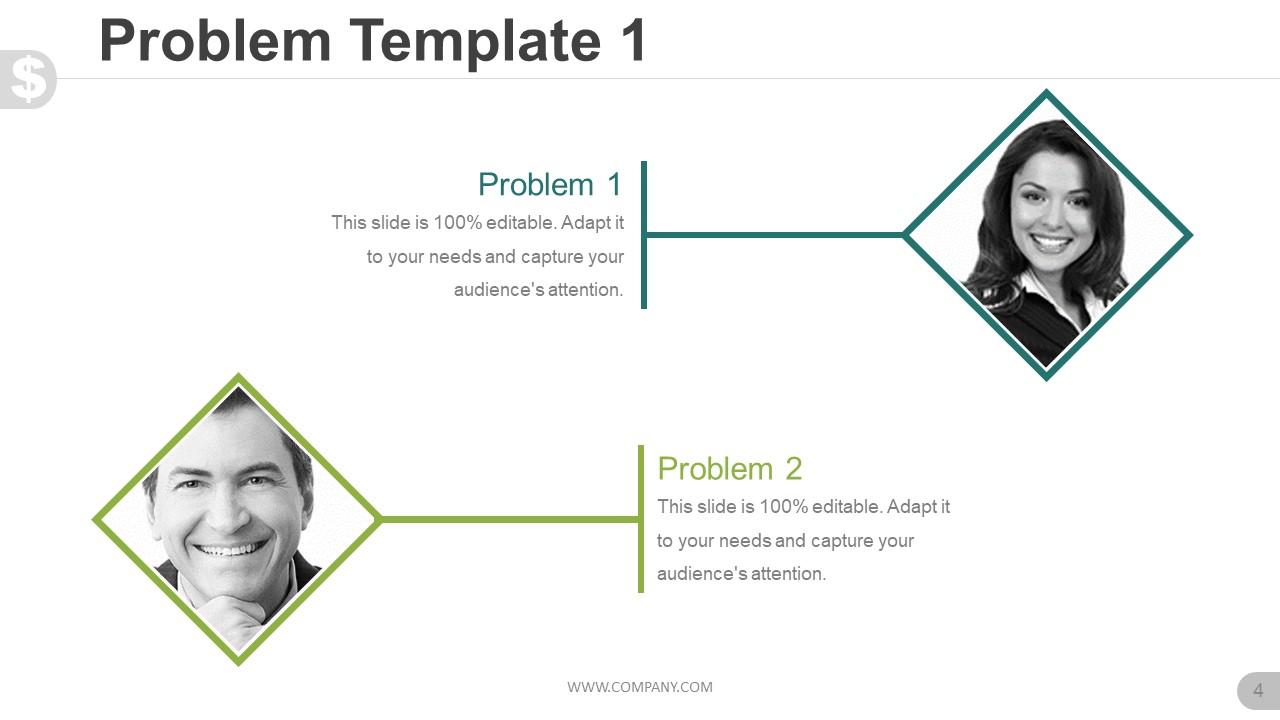
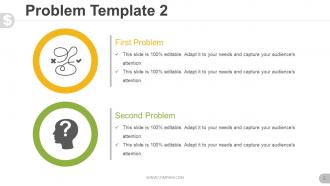
Slide 4: This is a Problem Template slide. State company problems etc. here.
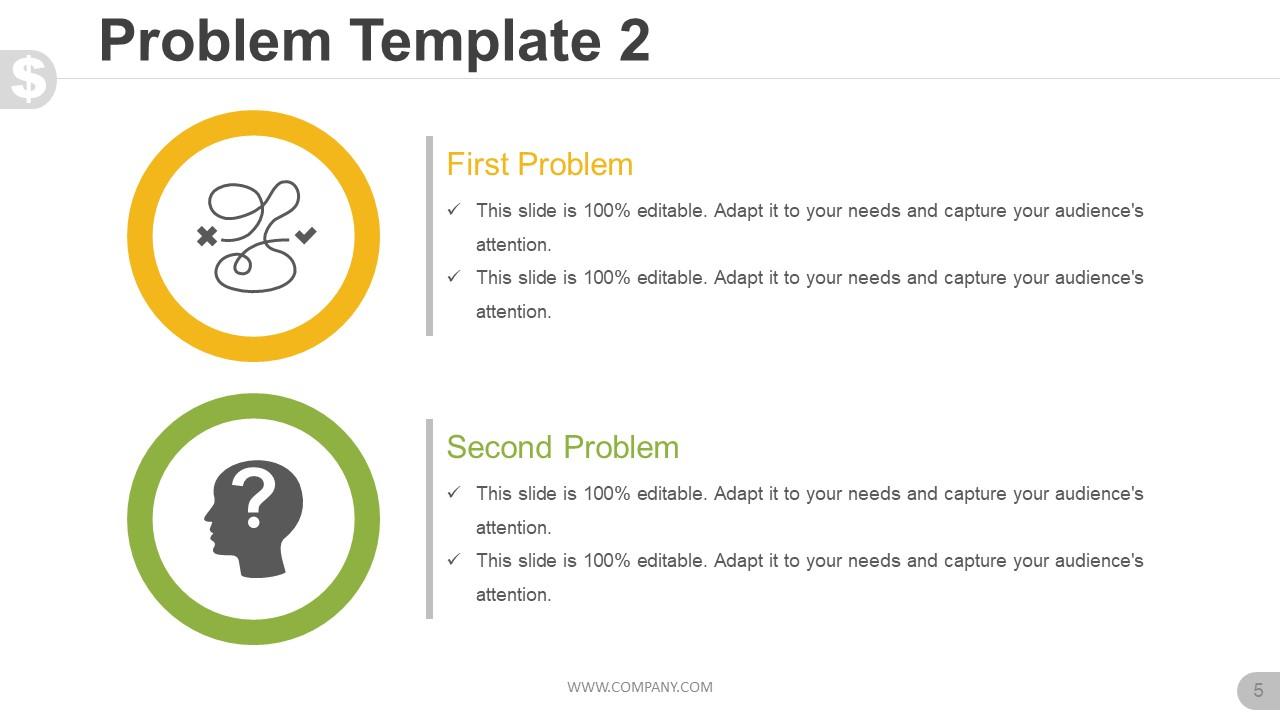
Slide 5: This slide also presents Problem Template to state your problem.
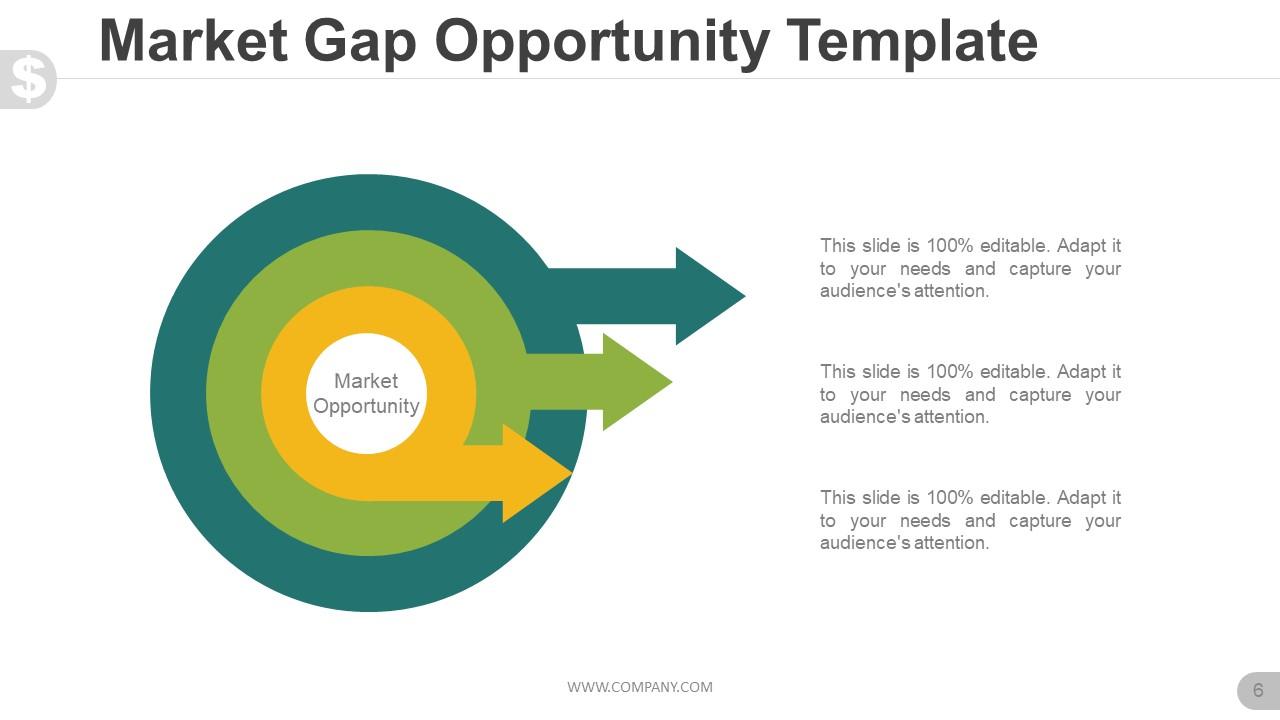
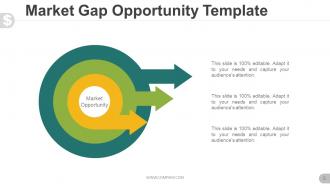
Slide 6: This slide displays Market Gap Opportunity Template with arrows and circular image.
Slide 7: This slide also showcases Market Gap Opportunity Template with creative imagery.
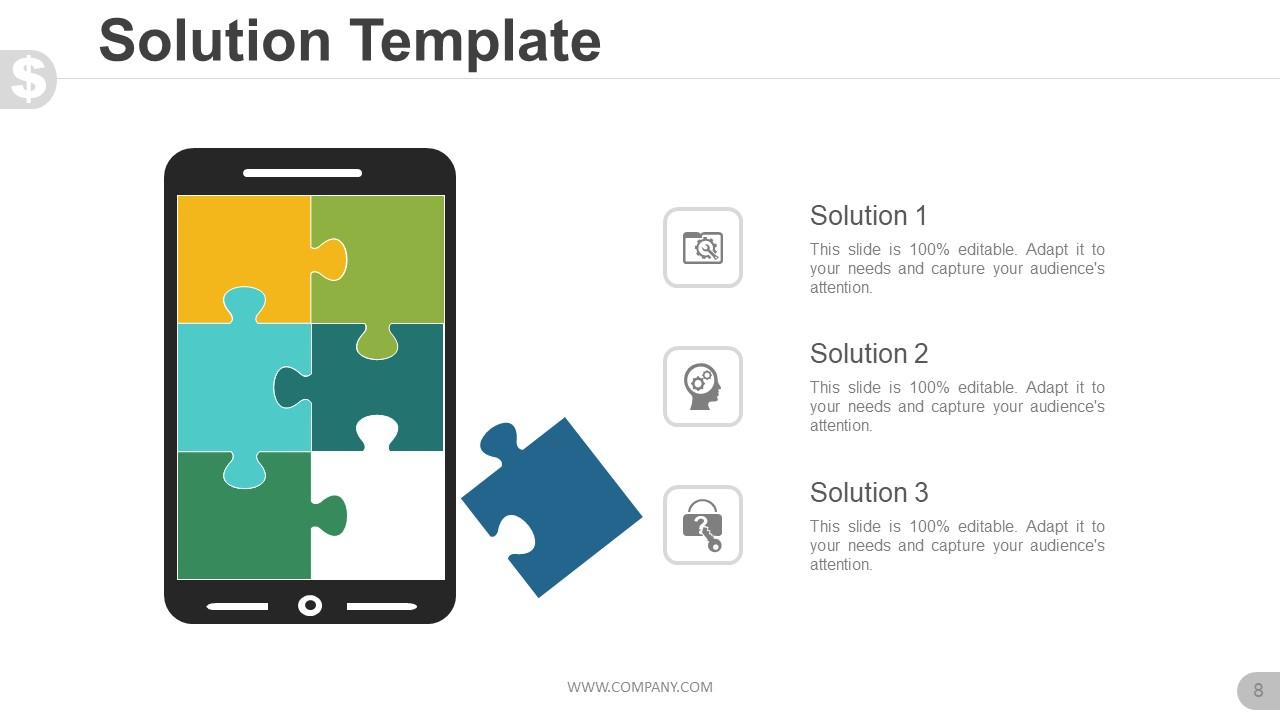
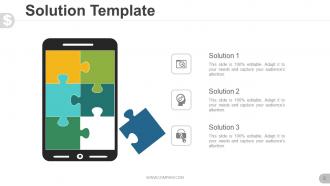
Slide 8: This slide showcases Solution Template with puzzle imagery. State company solutions here.
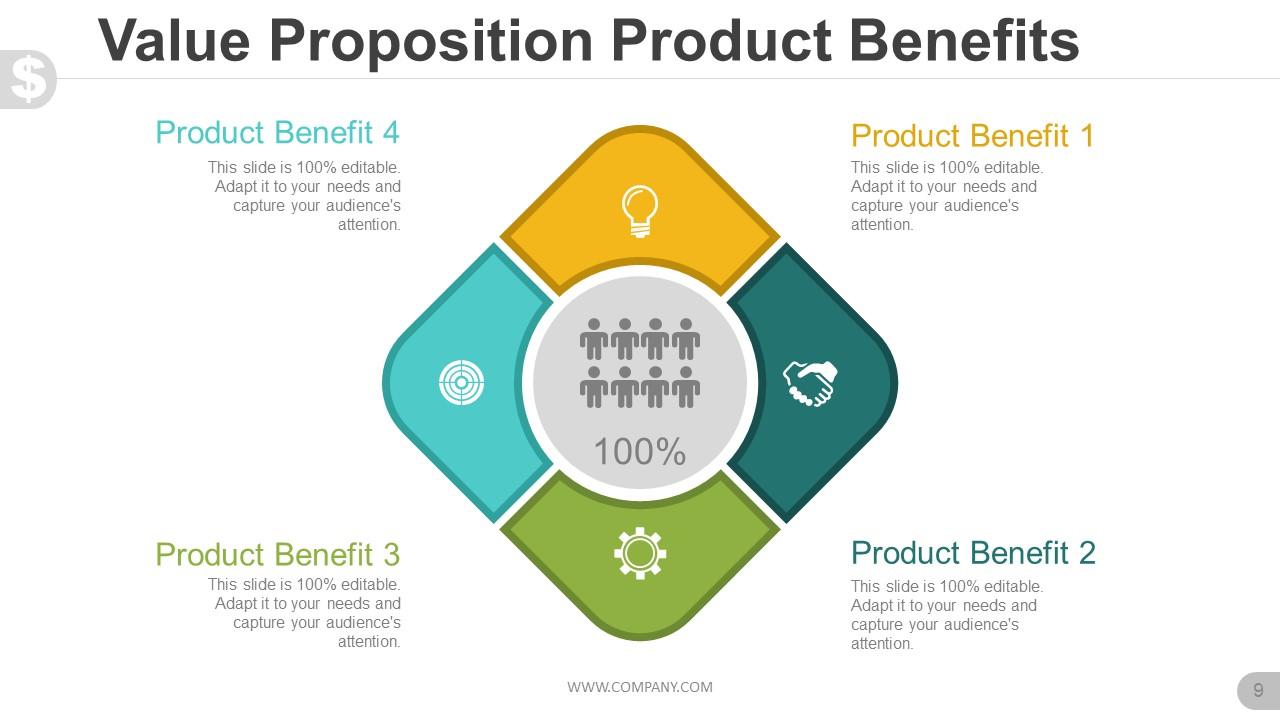
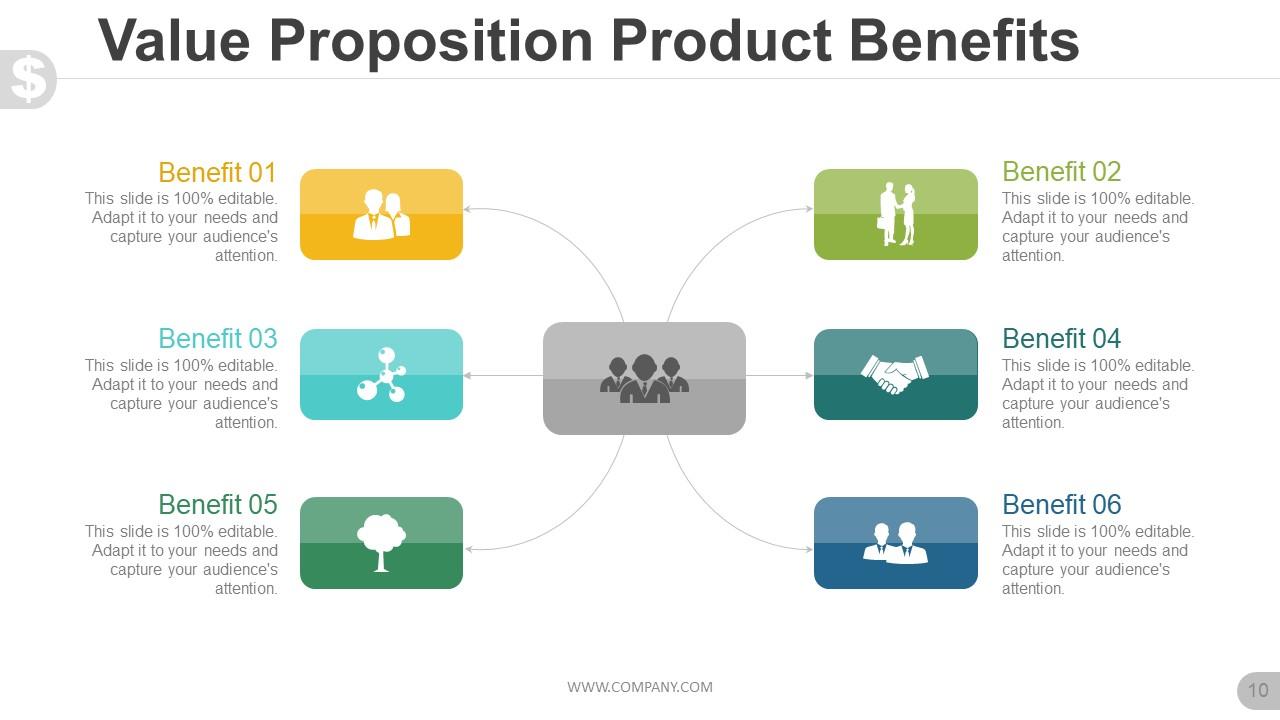
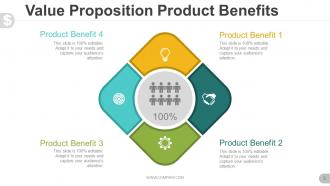
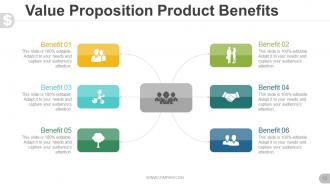
Slide 9: This slide presents Value Proposition Product Benefits with icons and text boxes. Mention product benefits in these text boxes.
Slide 10: This slide also displays a framework of Value Proposition Product Benefits.
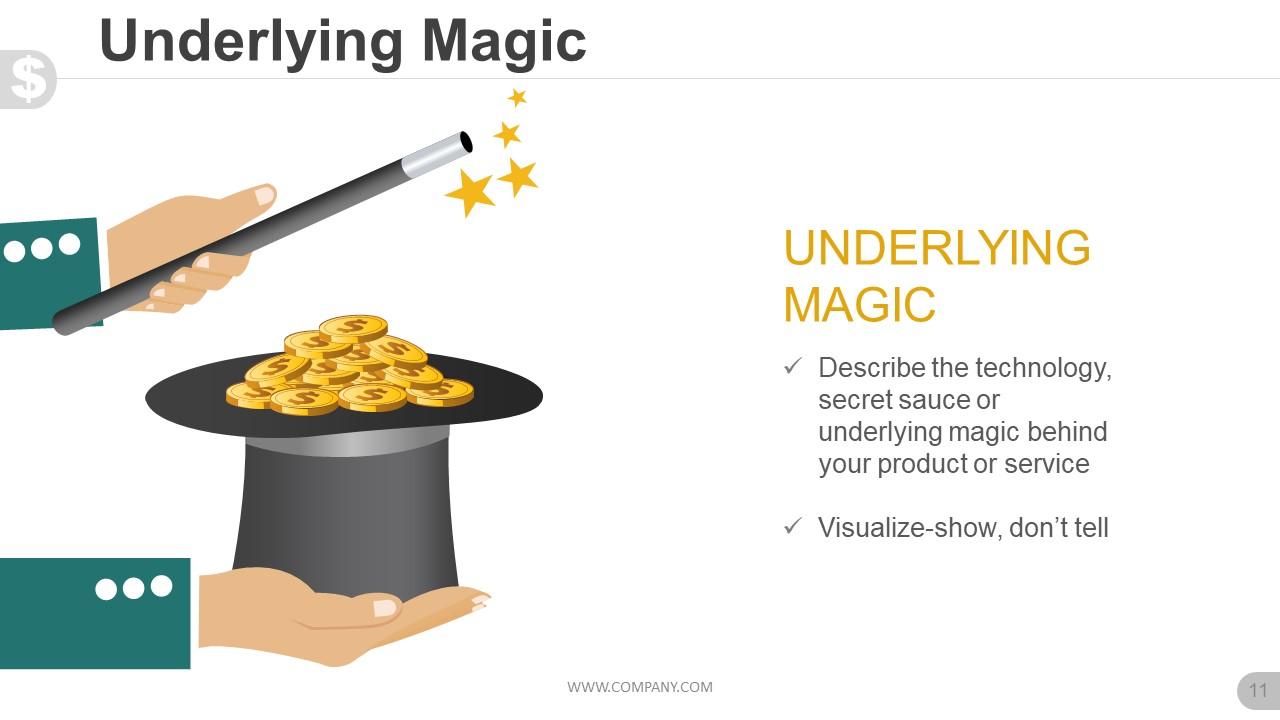
Slide 11: This is Underlying Magic slide with creative imagery.
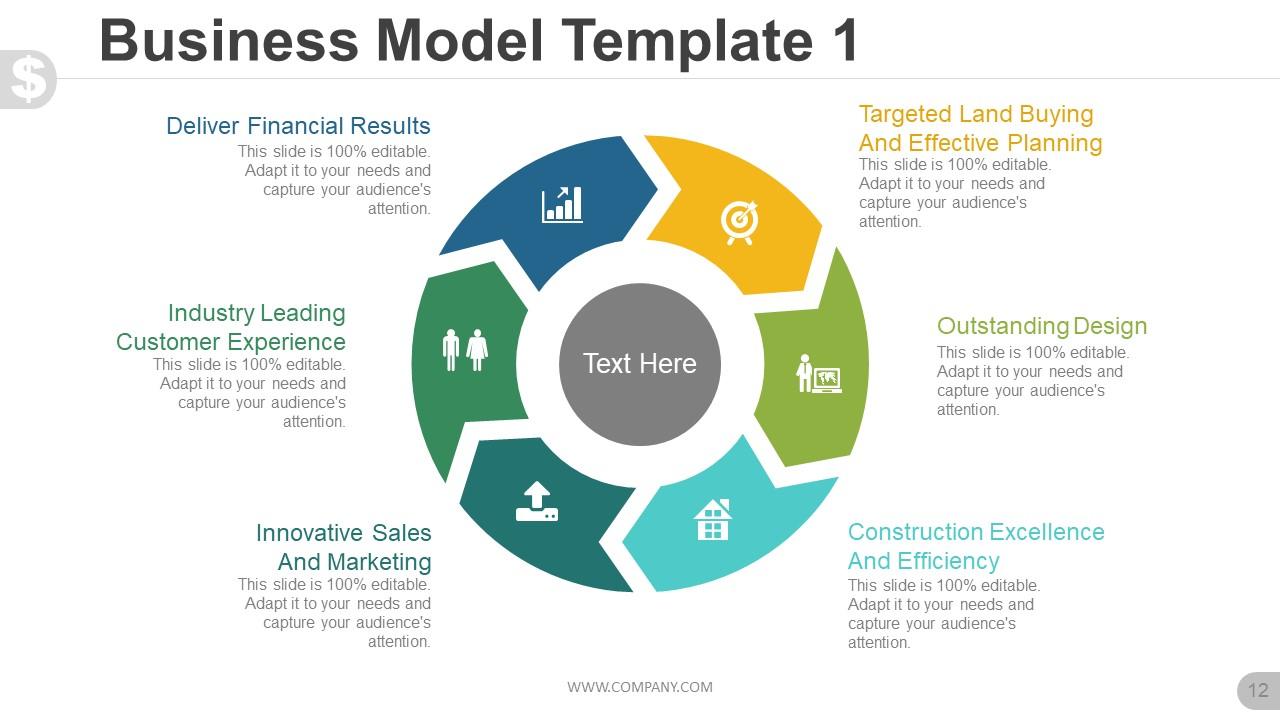
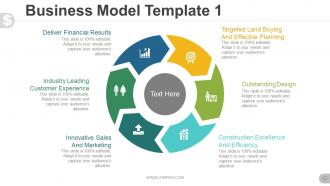
Slide 12: This slide showcases Business Model in a circular form. It consists of the following- Construction Excellence And Efficiency, Outstanding Design, Targeted Land Buying And Effective Planning, Industry Leading Customer Experience, Innovative Sales And Marketing, Deliver Financial Results.
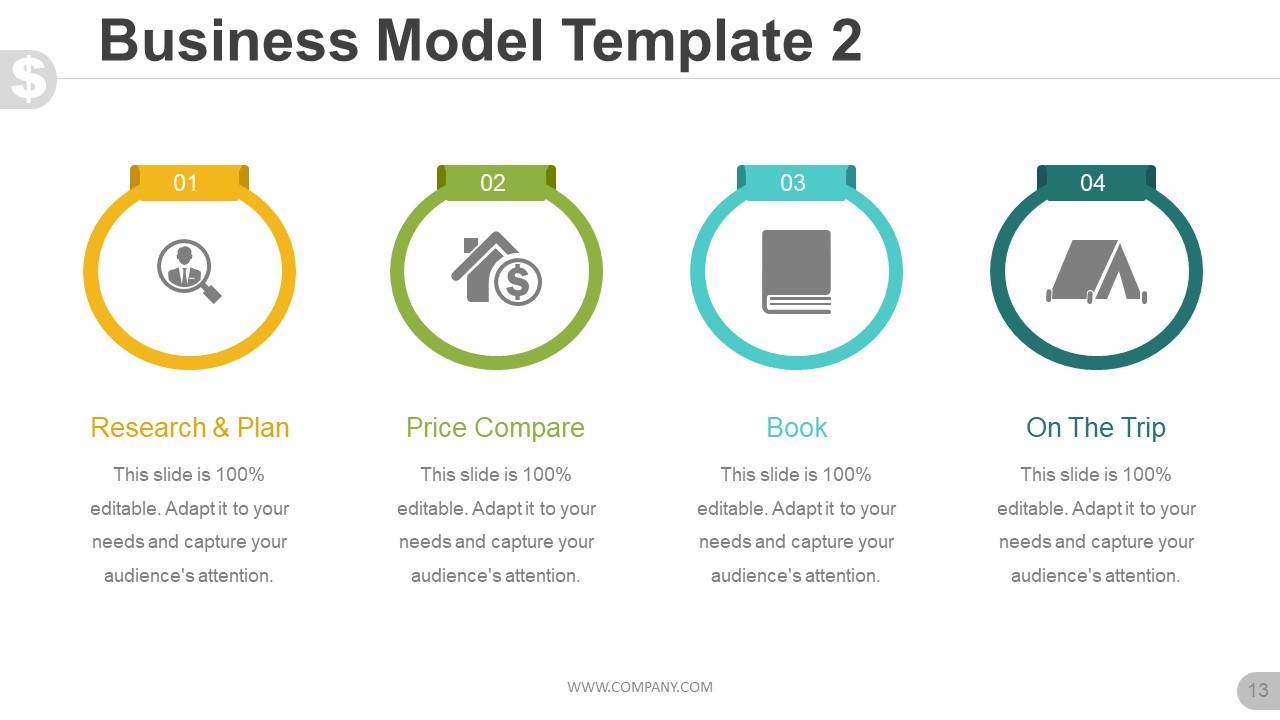
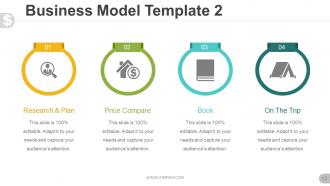
Slide 13: This slide also shows Business Model with- Research & Plan, Price Compare, Book, On The Trip.
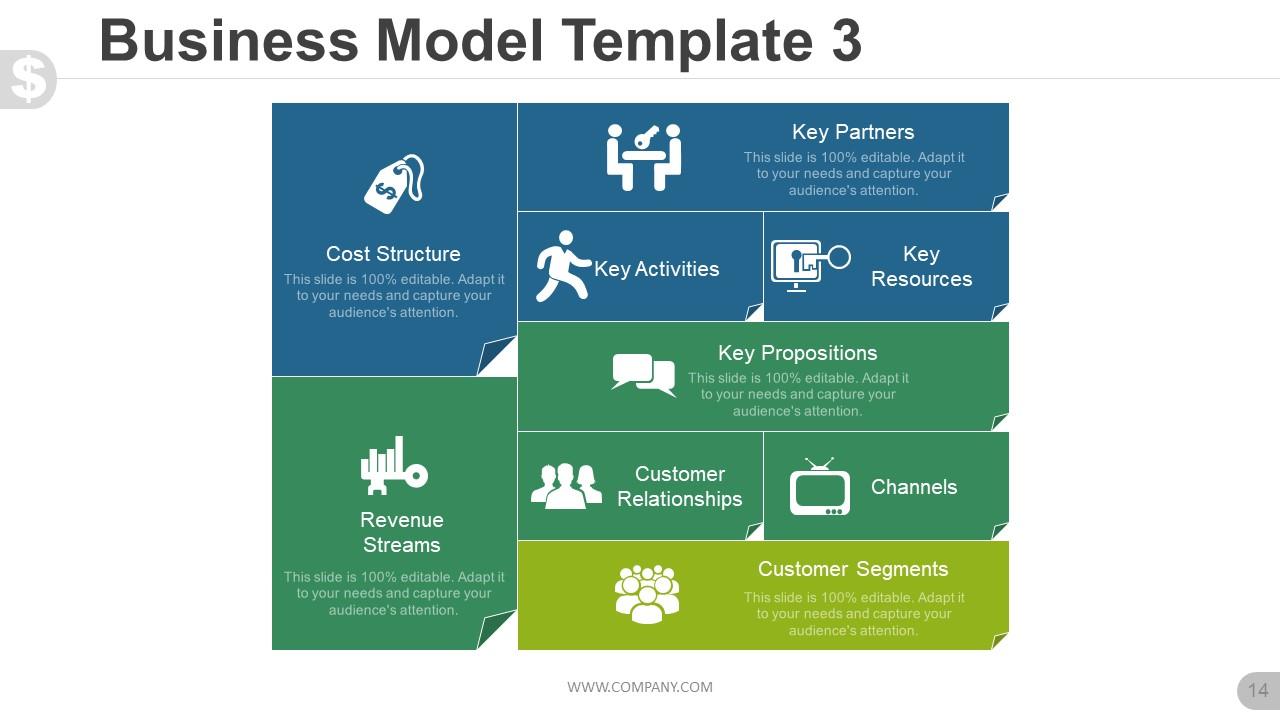
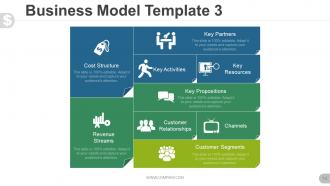
Slide 14: This is another slide showing Business Model with text boxes.
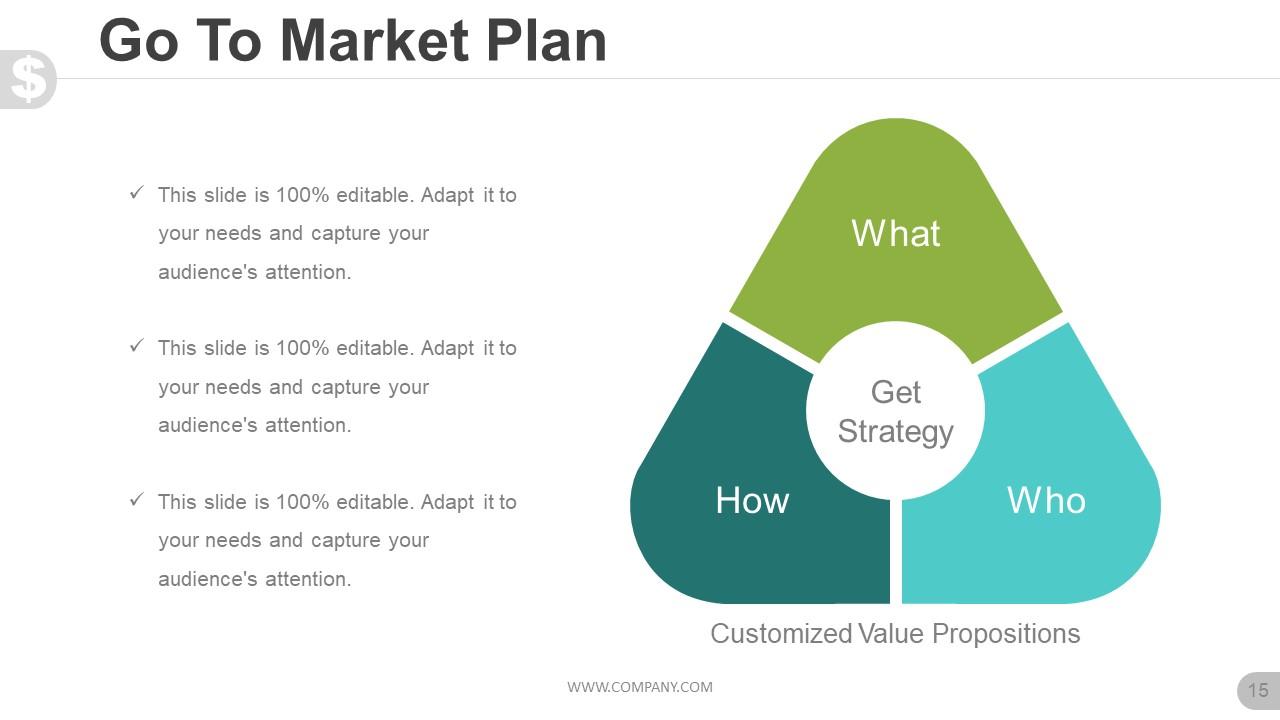
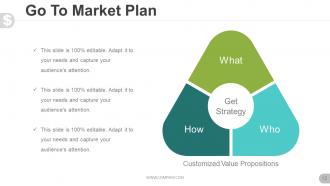
Slide 15: This is Go To Market Plan in a triangular image form and text boxes to go with.
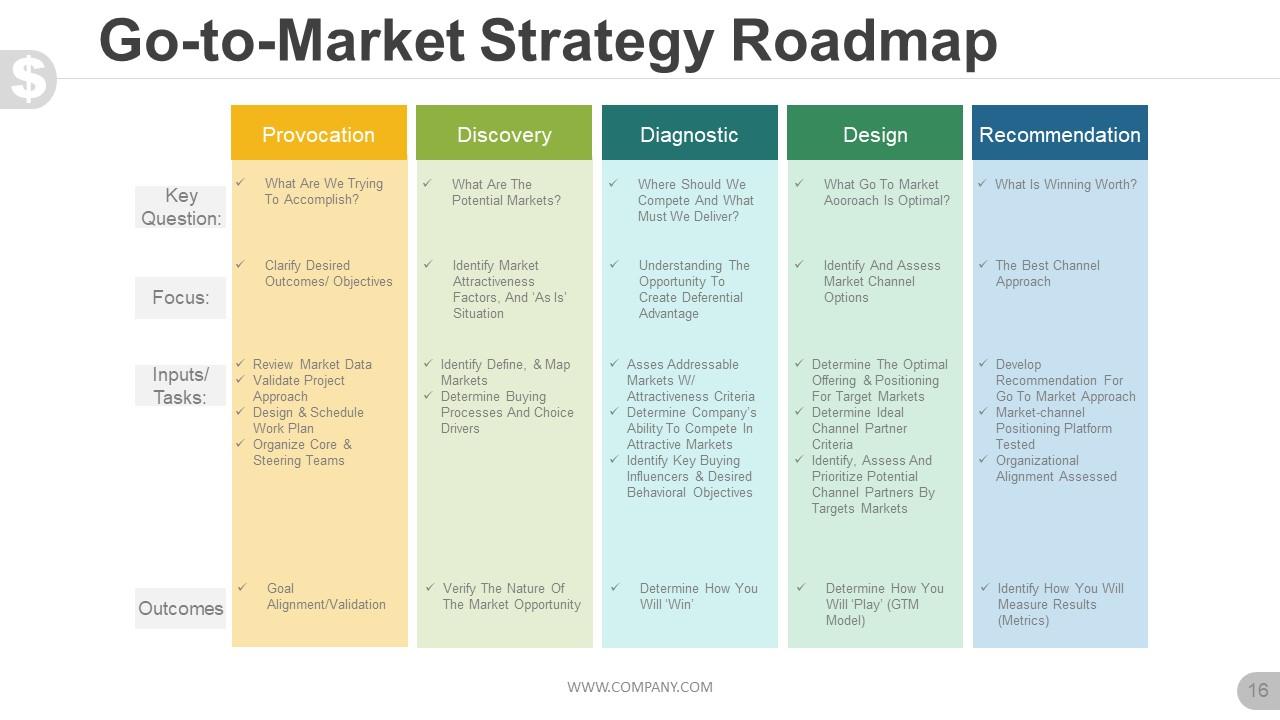
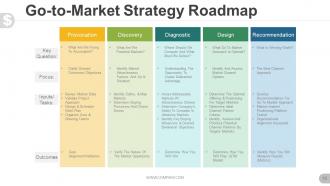
Slide 16: This slide displays Go-to-Market Strategy Roadmap with the following sub headings- Provocation, Discovery, Diagnostic, Design, Recommendation.
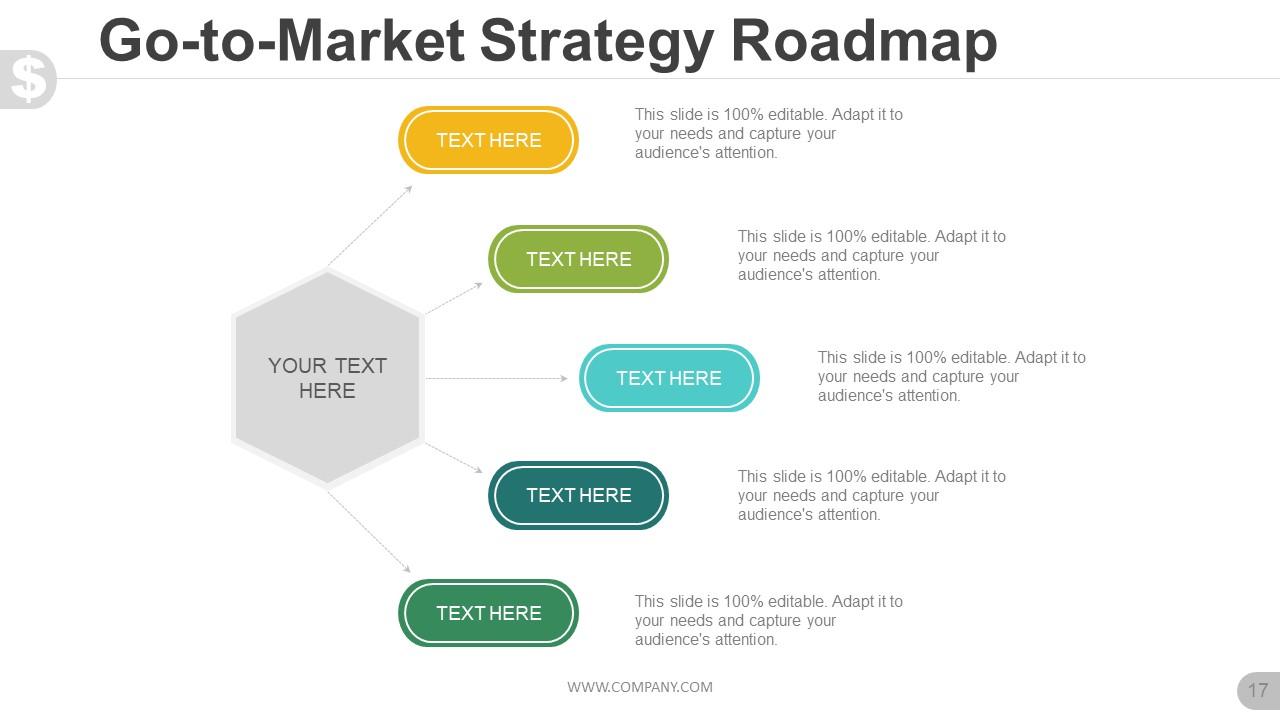
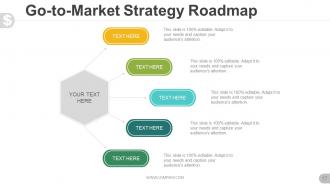
Slide 17: This is another slide showing Go-to-Market Strategy Roadmap with text boxes.
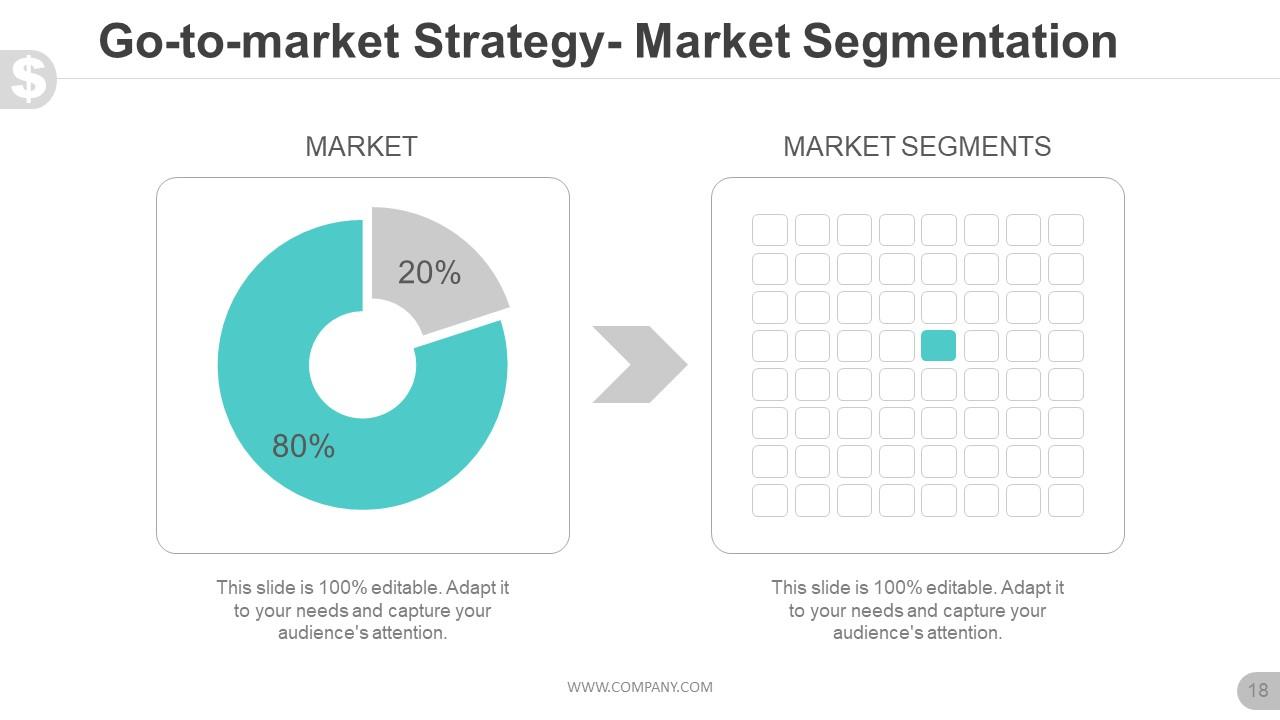
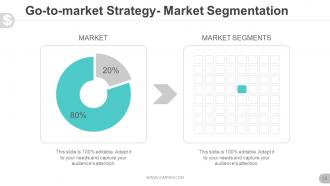
Slide 18: This slide showcases Go-to-market Strategy- Market Segmentation in a pie chart form with text boxes.
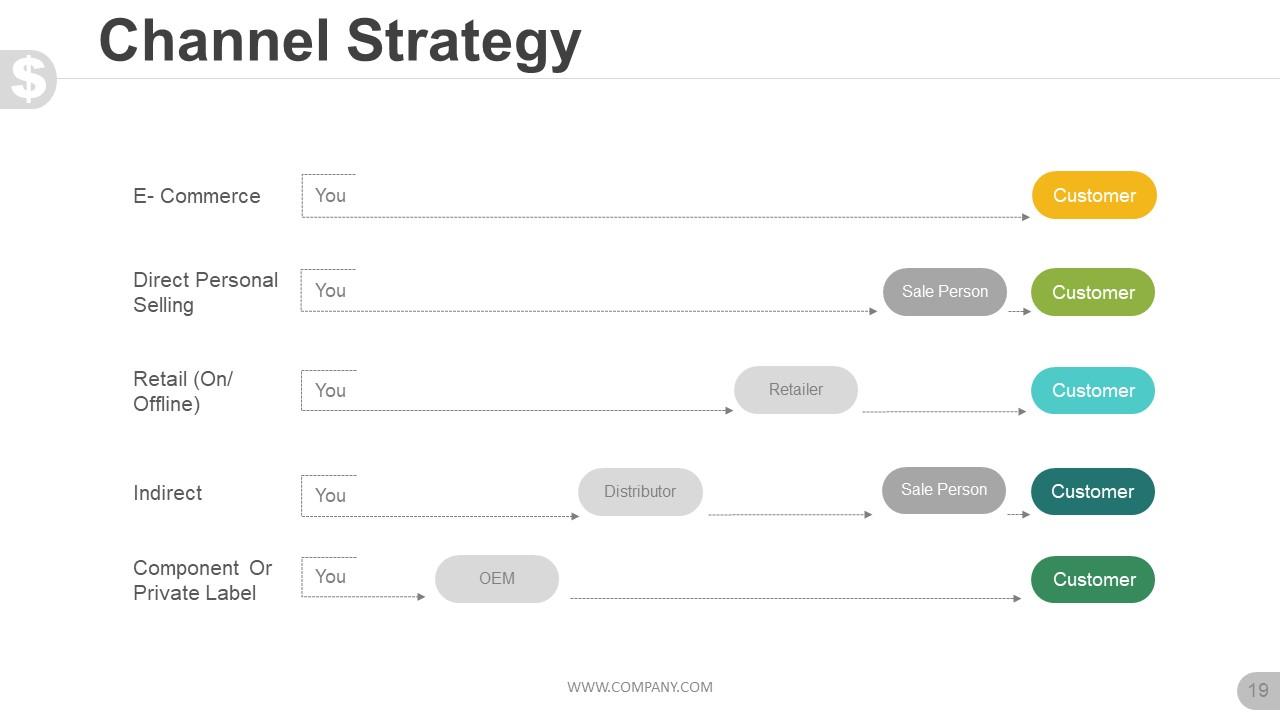
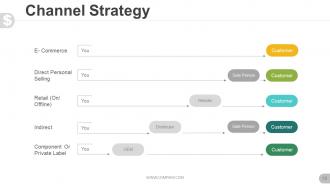
Slide 19: This slide states the Channel Strategy to implement.
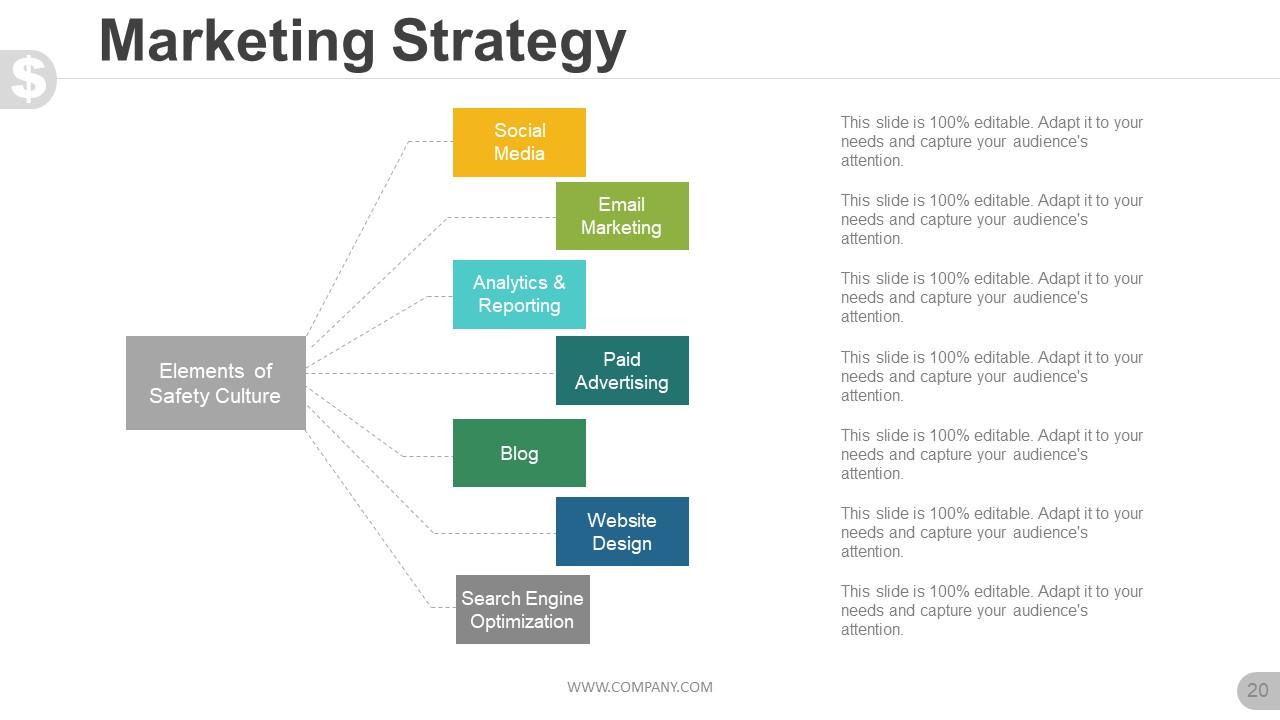
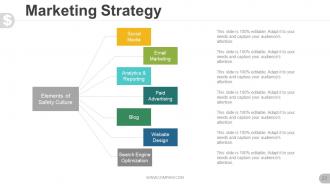
Slide 20: This slide showcases Marketing Strategy in terms of Elements of Safety Culture. These elements are- Analytics & Reporting, Search Engine, Optimization, Website Design, Blog, Paid Advertising, Email Marketing, Social Media.
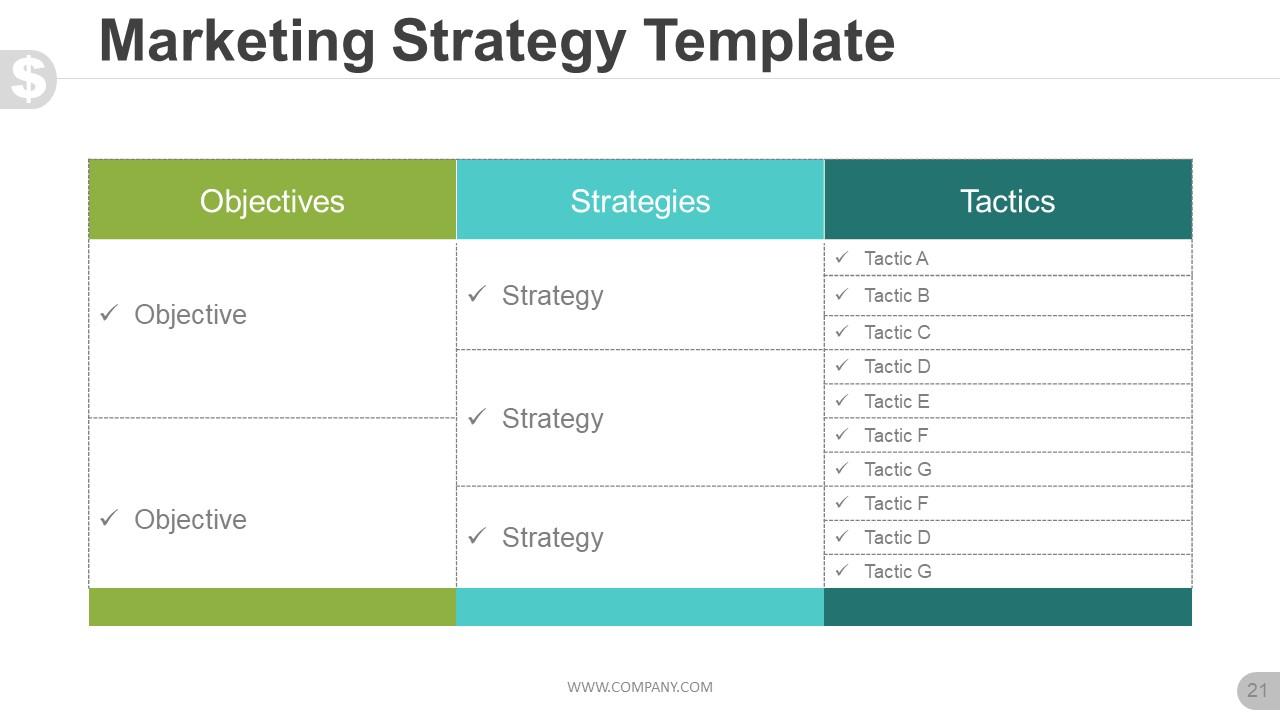
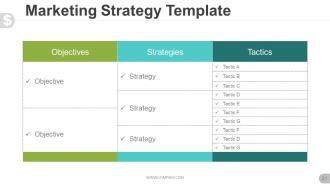
Slide 21: This is a Marketing Strategy Template with the following sub headings- Objectives, Strategies, Tactics.
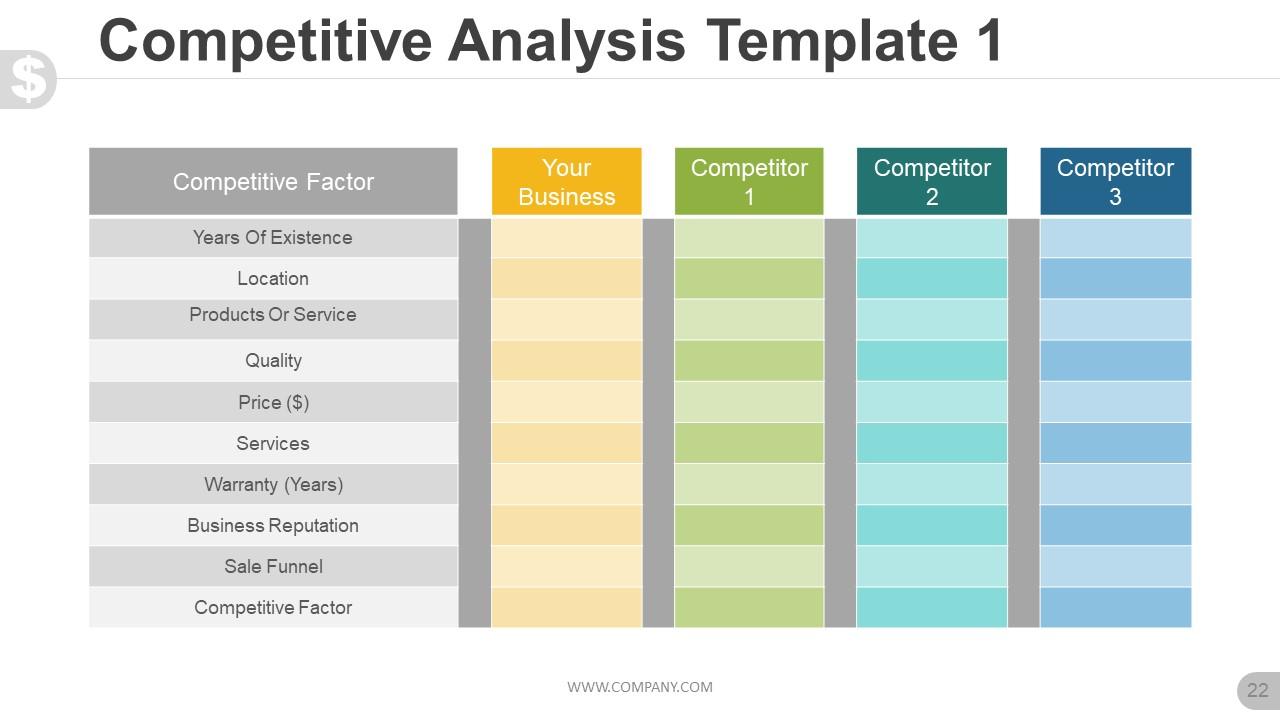
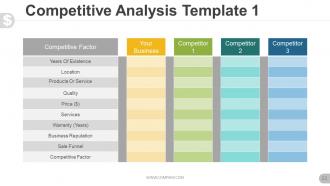
Slide 22: This slide showcases Competitive Analysis template.
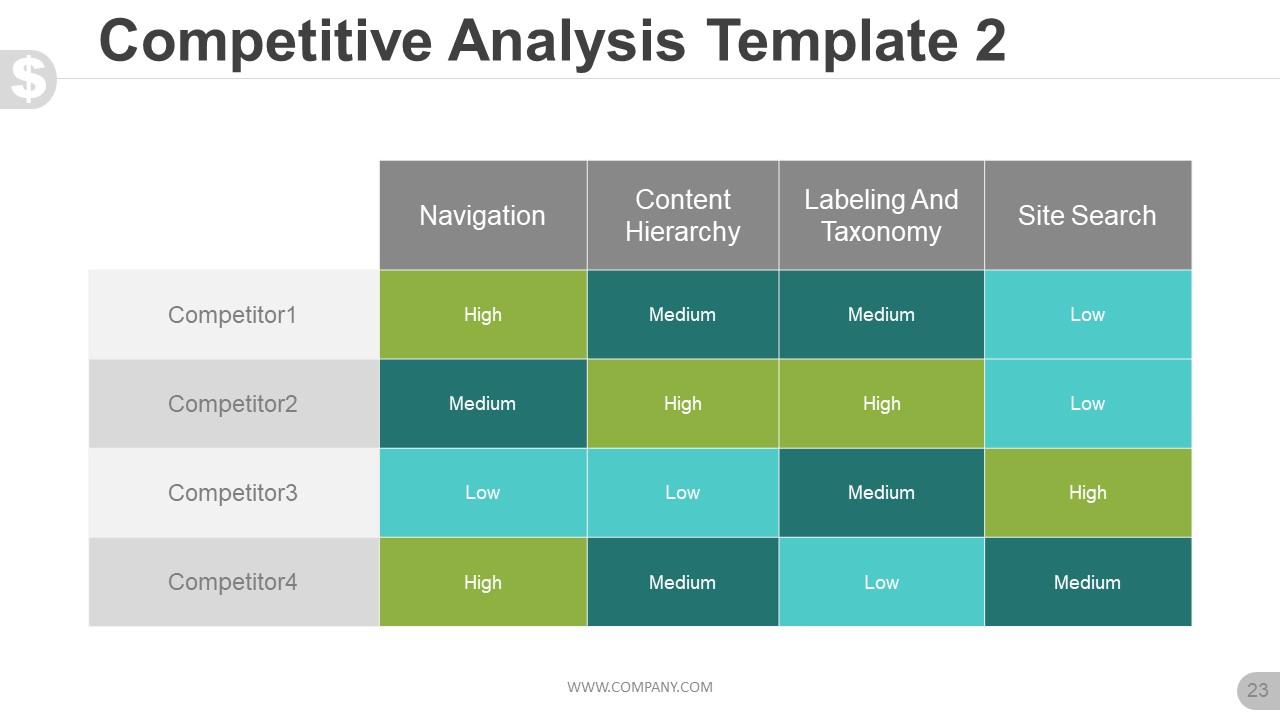
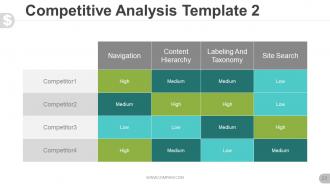
Slide 23: This slide presents second template of Competitive Analysis.
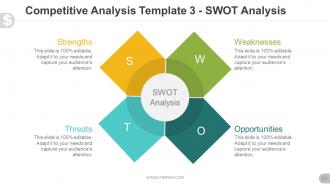
Slide 24: This slide showcases the third template of Competitive Analysis with SWOT analysis at its centre.
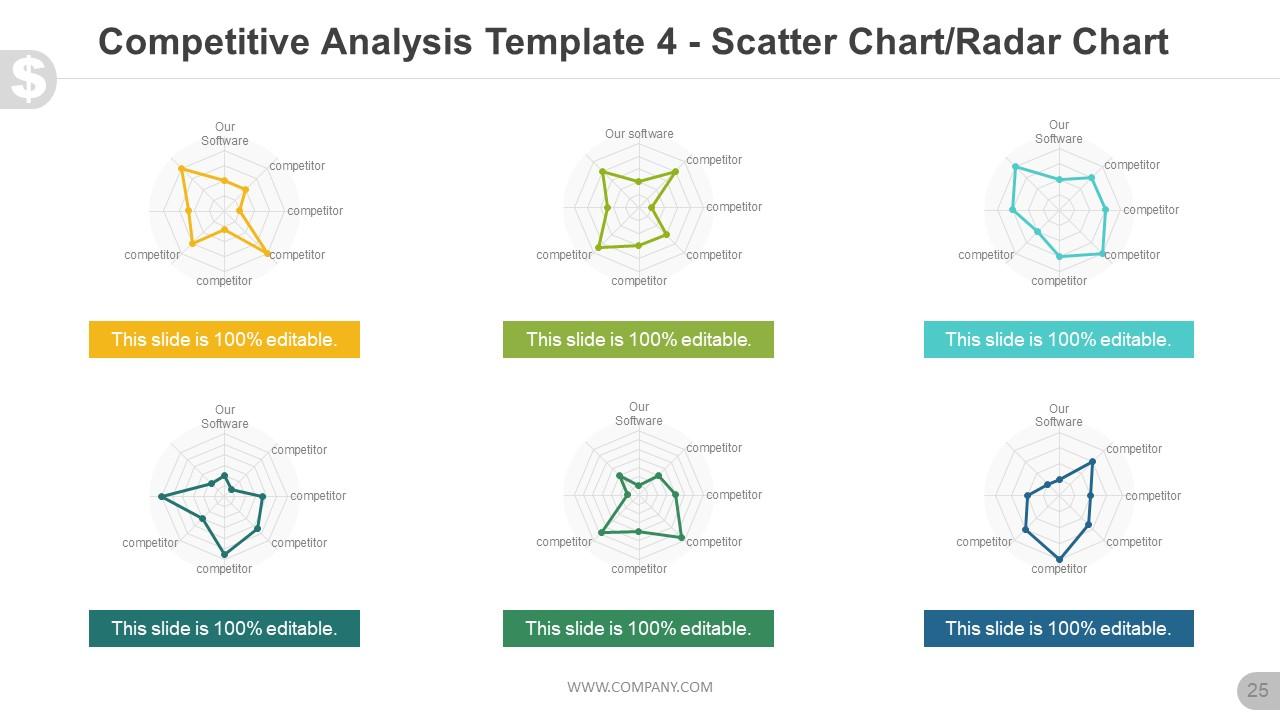
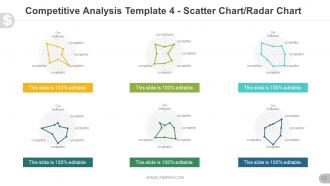
Slide 25: This slide showcases the fourth template of Competitive Analysis in a Radar Chart/ Scatter Chart form.
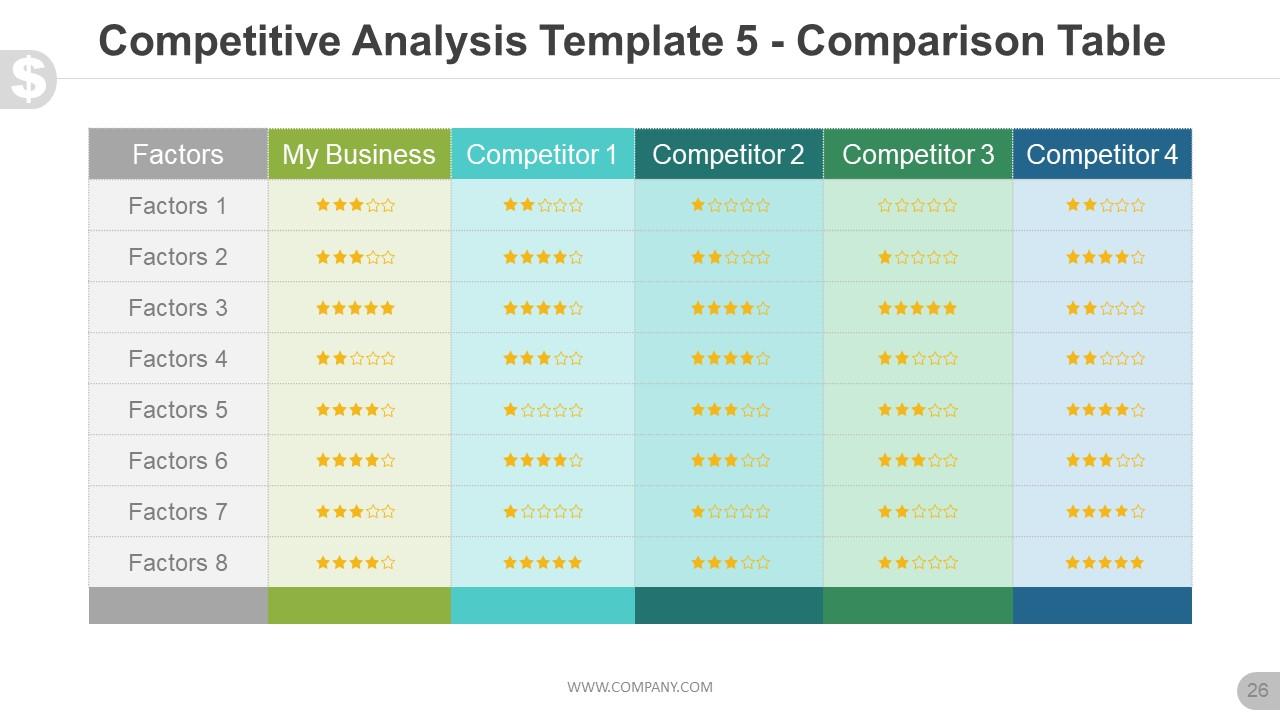
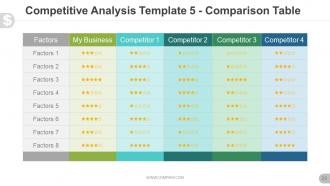
Slide 26: This slide presents fifth template for Competitive Analysis with a Comparison Table.
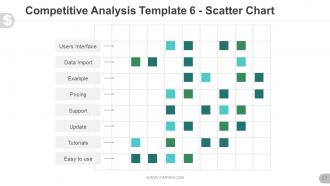
Slide 27: This slide showcases the sixth template of Competitive Analysis Template with a scatter chart.
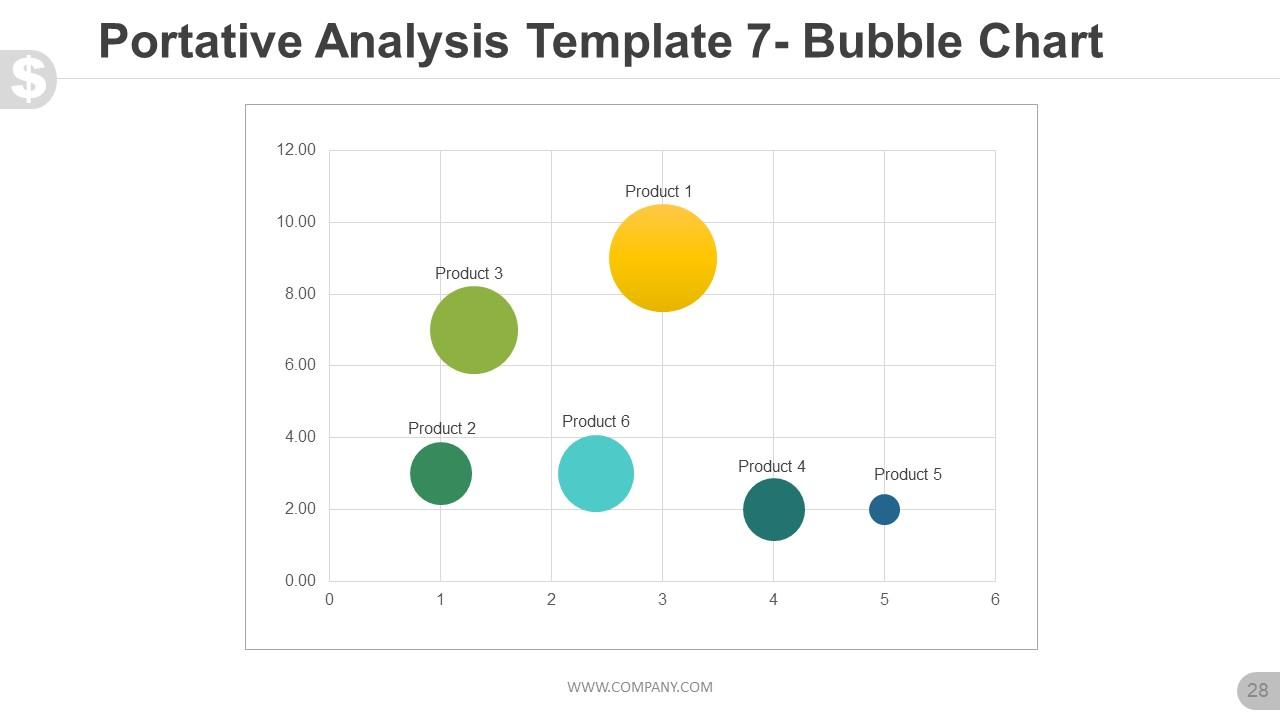
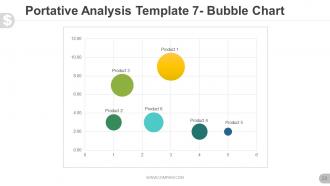
Slide 28: This is Portative Analysis Template slide in a Bubble Chart form.
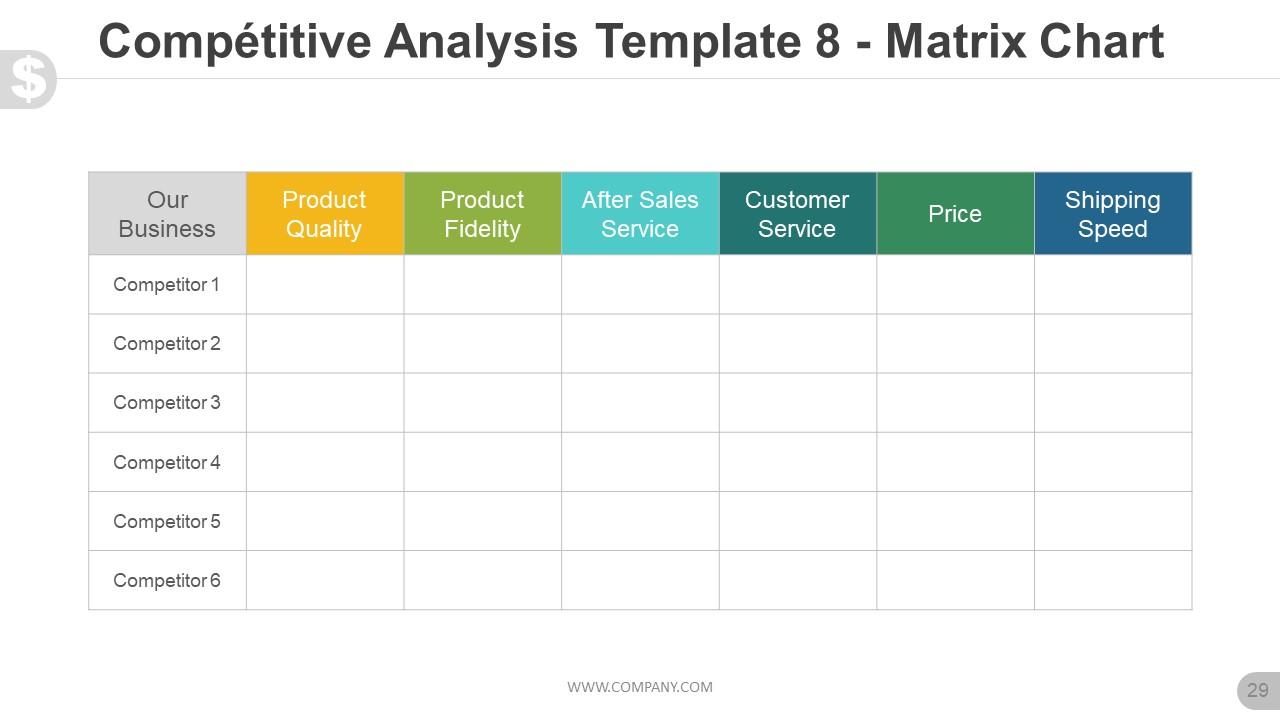
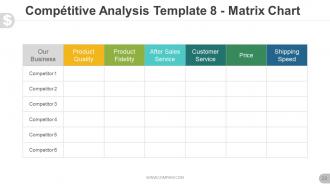
Slide 29: This slide showcases the eighth template of Compétitive Analysis in a matrix chart form.
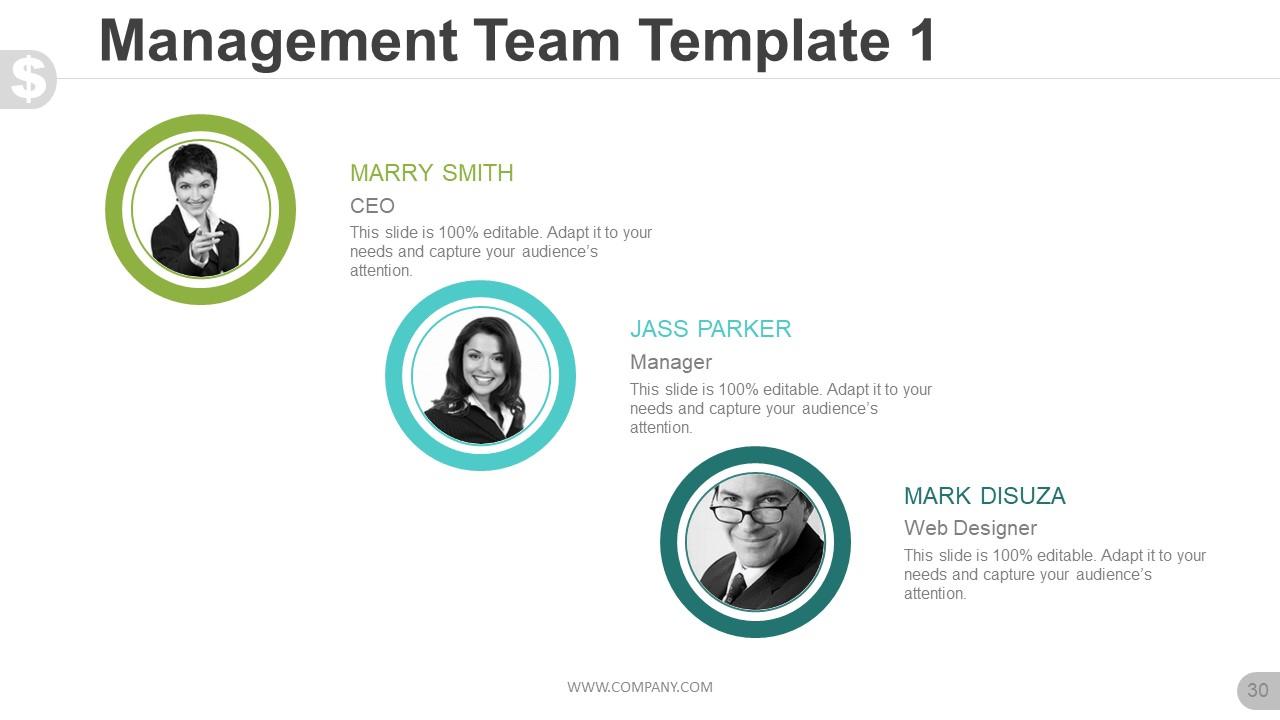
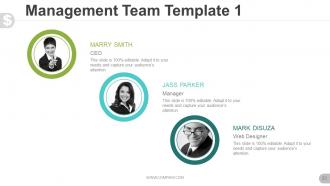
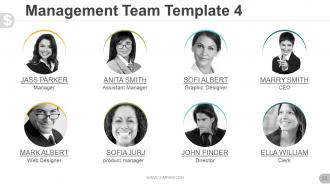
Slide 30: This slide showcases Management Team with name and designation to fill.
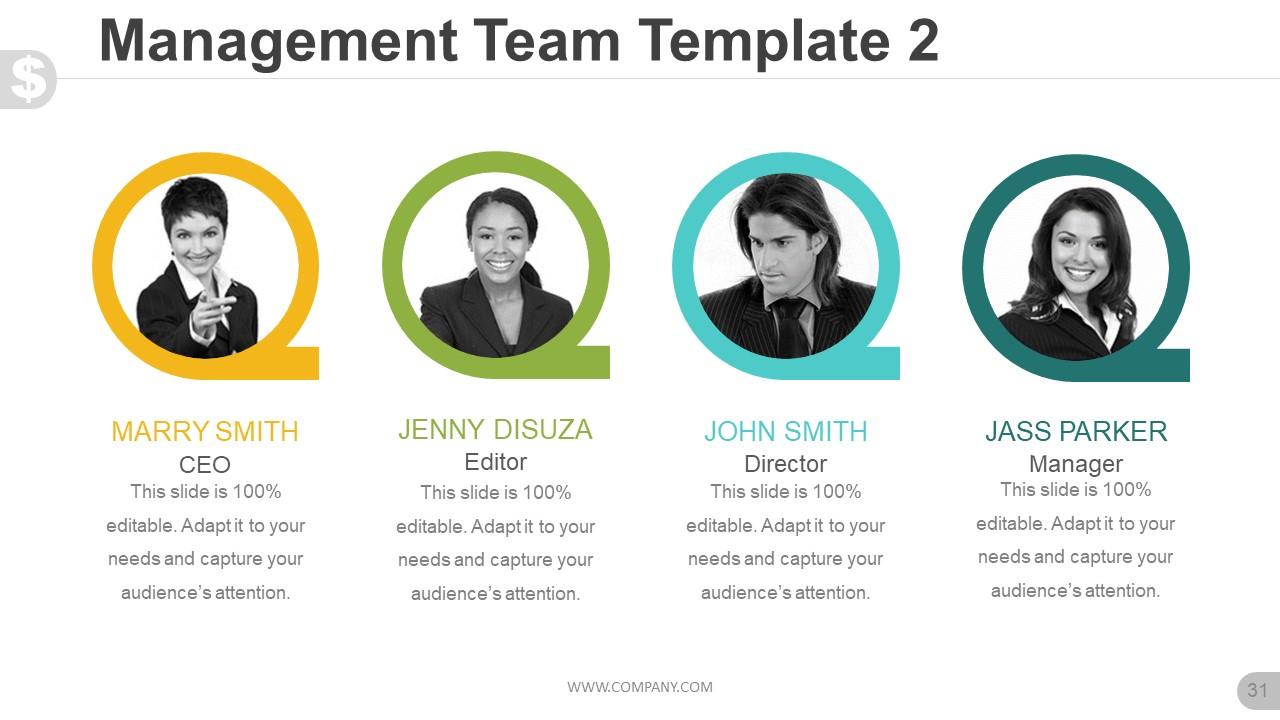
Slide 31: This slide also showcases the Management Team.
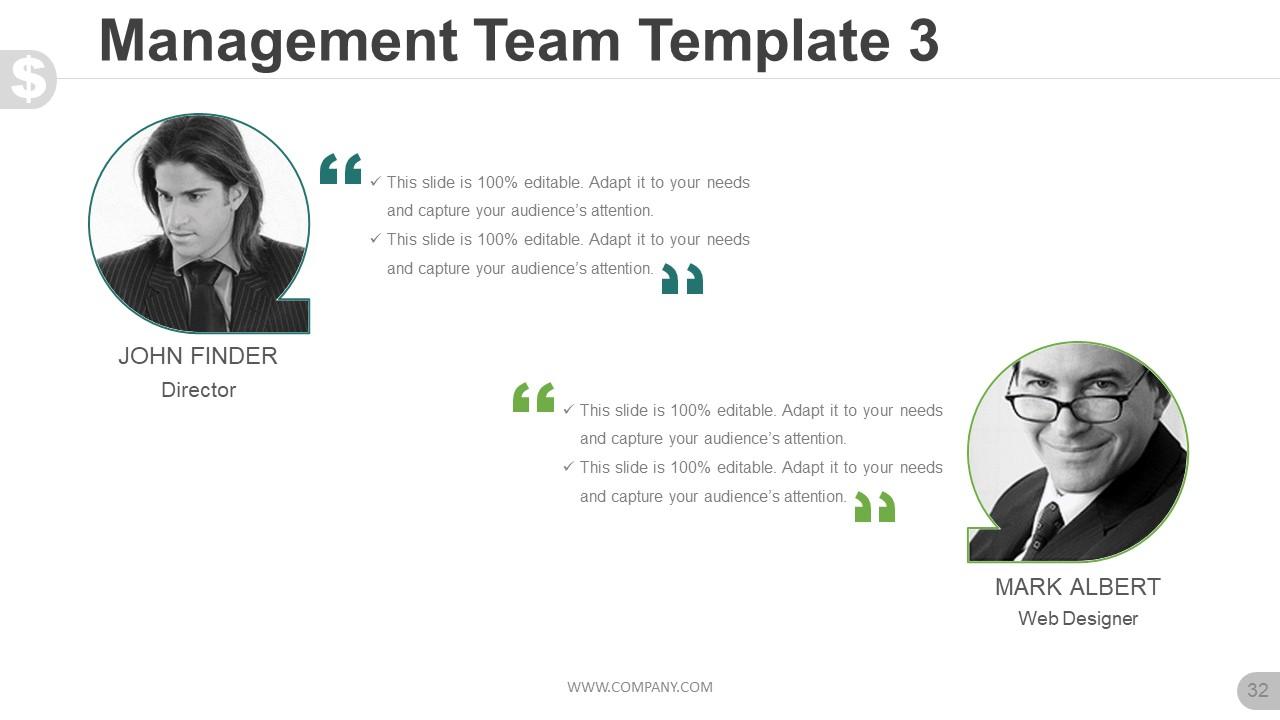
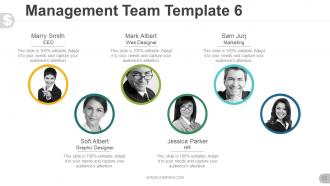
Slide 32: This is another Management Team slide with text boxes.
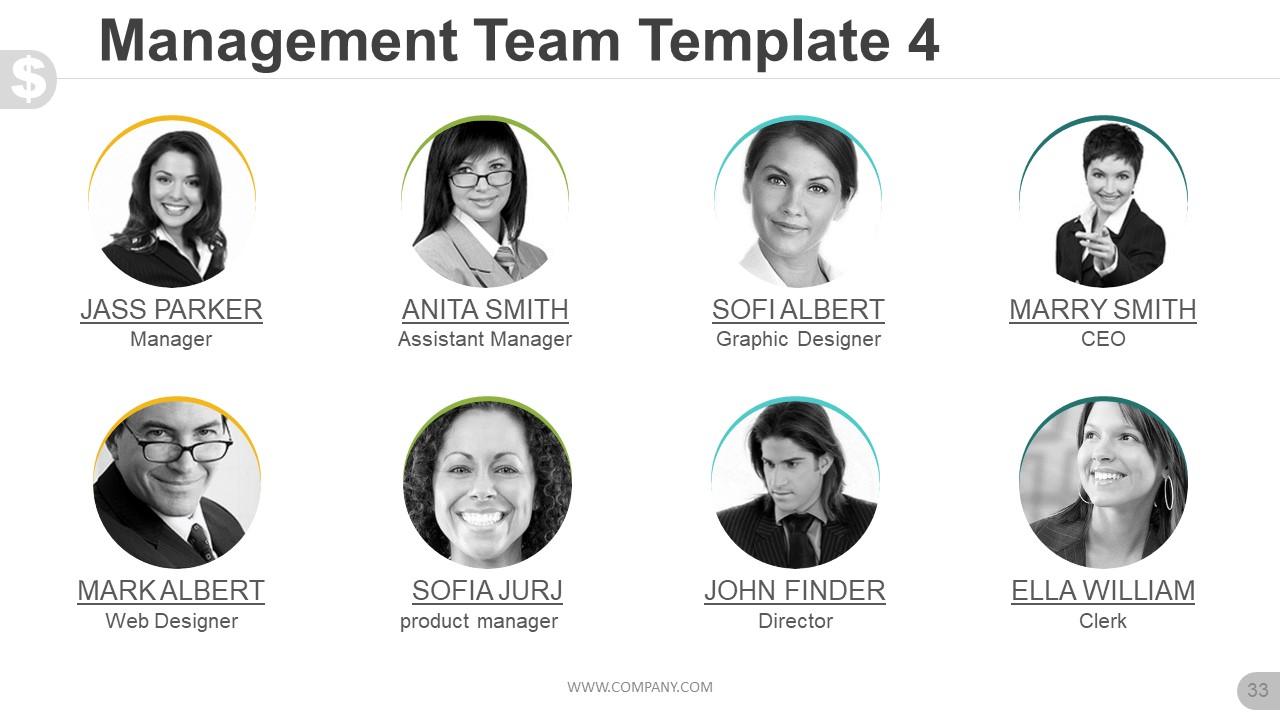
Slide 33: This slide also shows Management Team with their name, image and designation.
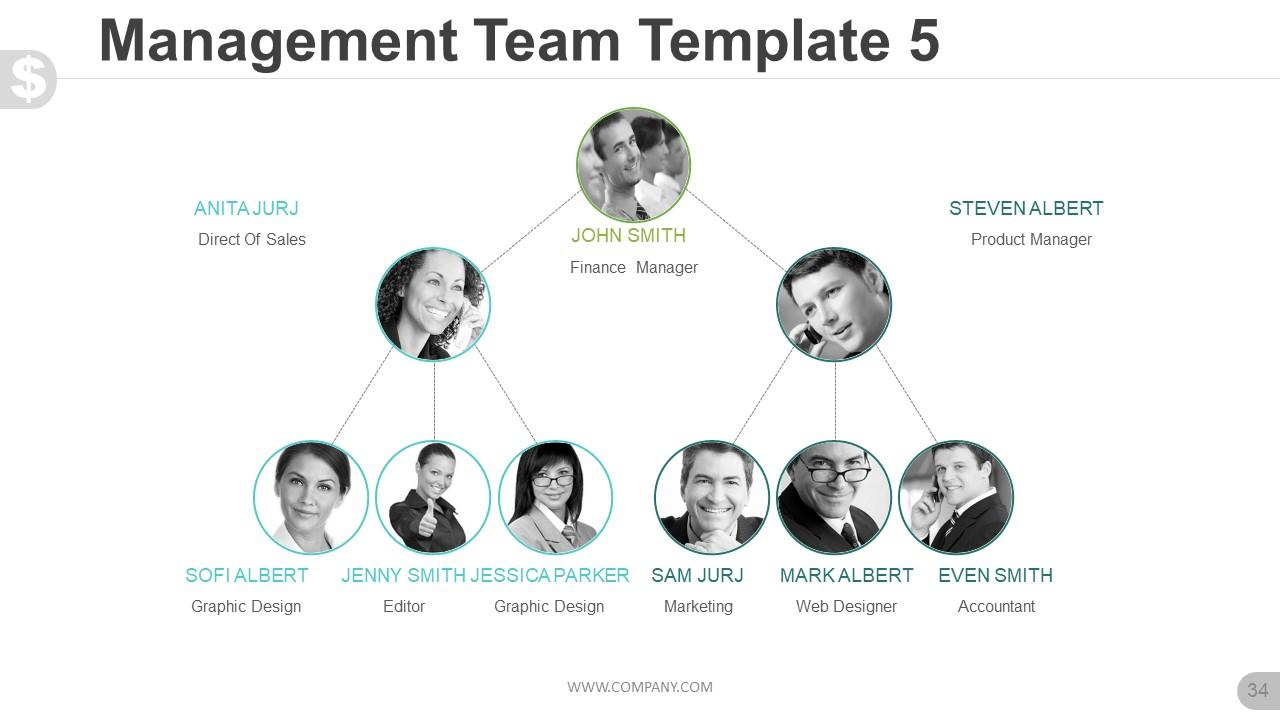
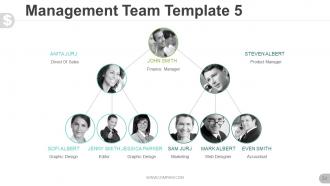
Slide 34: This is also Management Team slide in a tree diagram form.
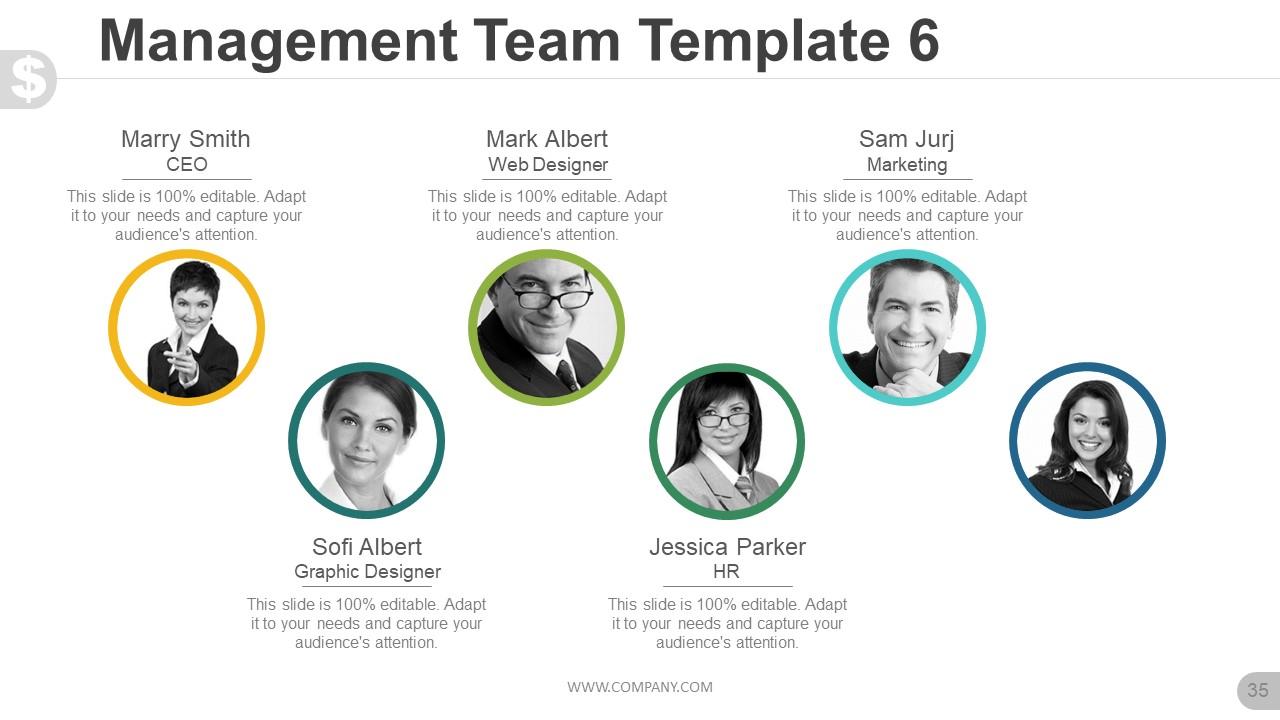
Slide 35: This is another slide presenting the name and designation of Management Team.
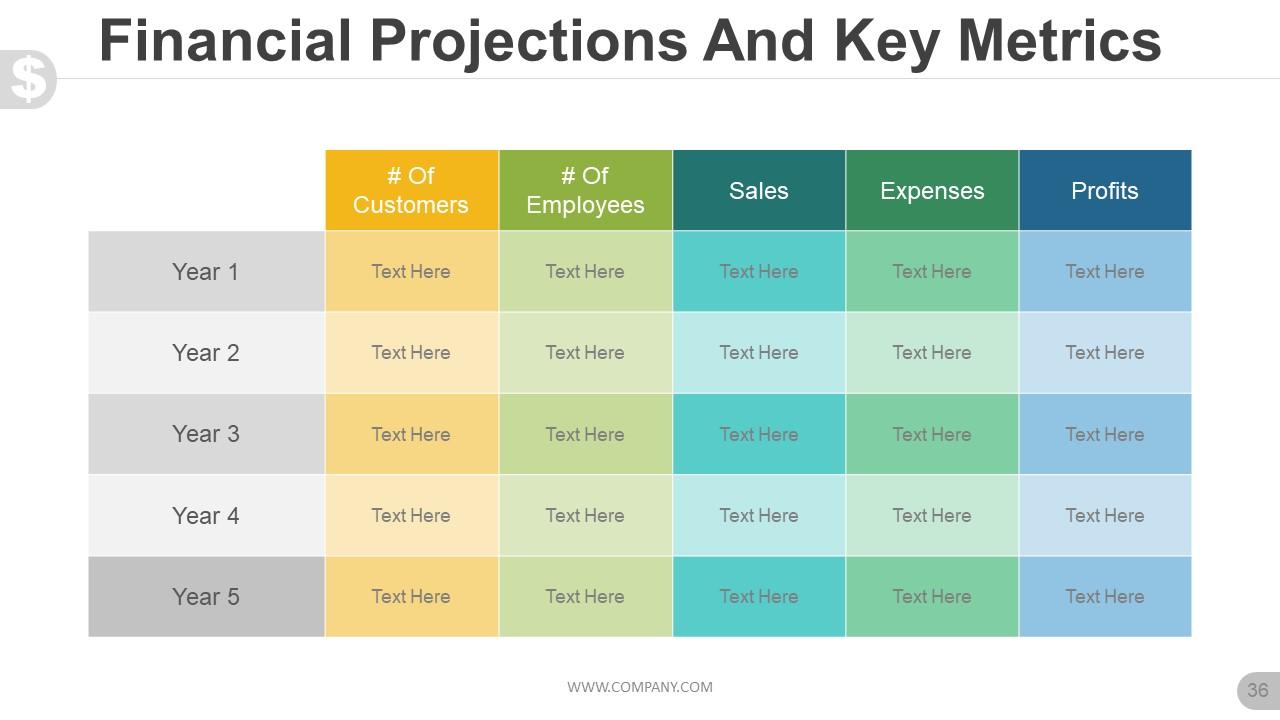
Slide 36: This slide showcases Financial Projections And Key Metrics with text boxes.
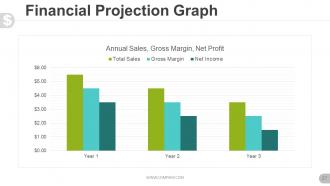
Slide 37: This is a Financial Projection Graph slide.
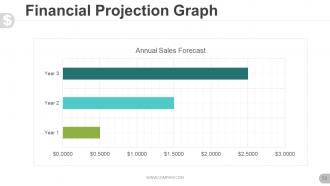
Slide 38: This slide also shows the Financial Projection Graph.
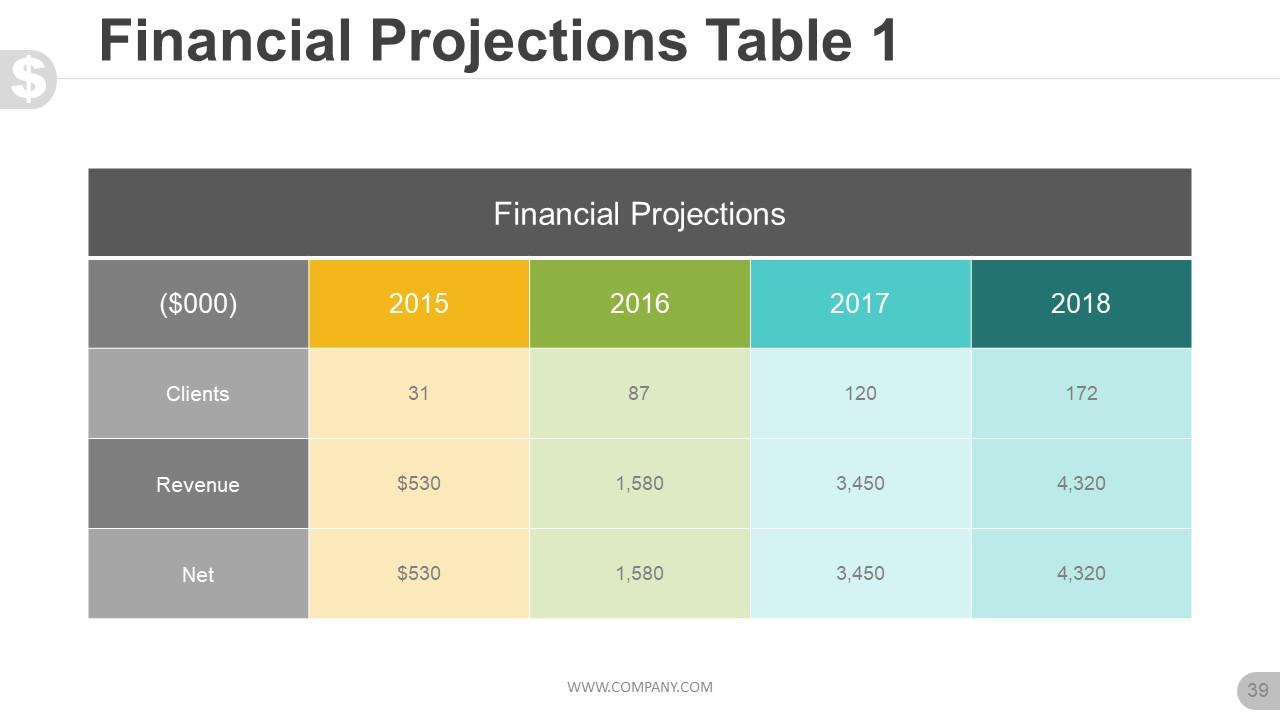
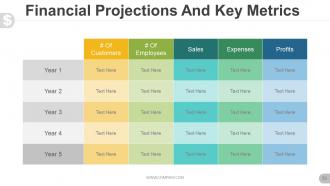
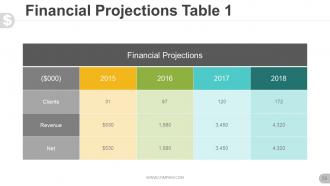
Slide 39: This slide shows Financial Projections Table.
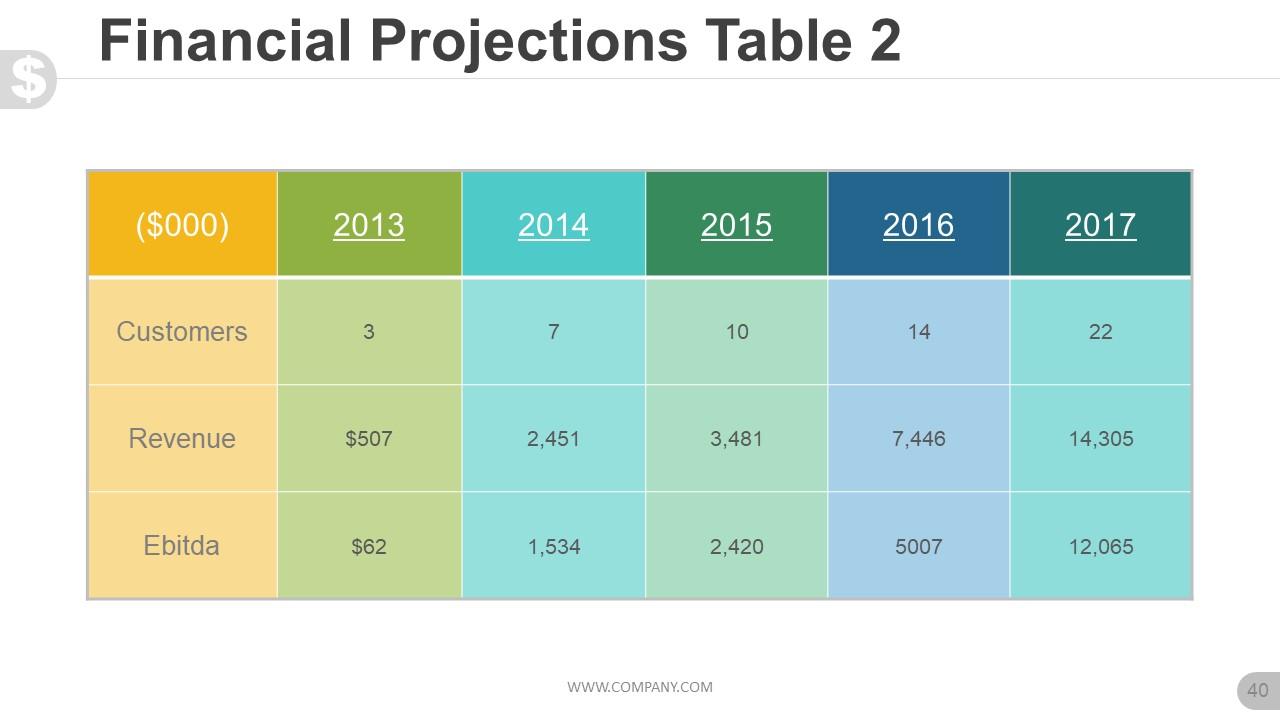
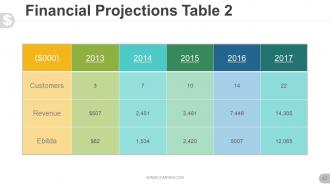
Slide 40: This slide also showcases Financial Projections.
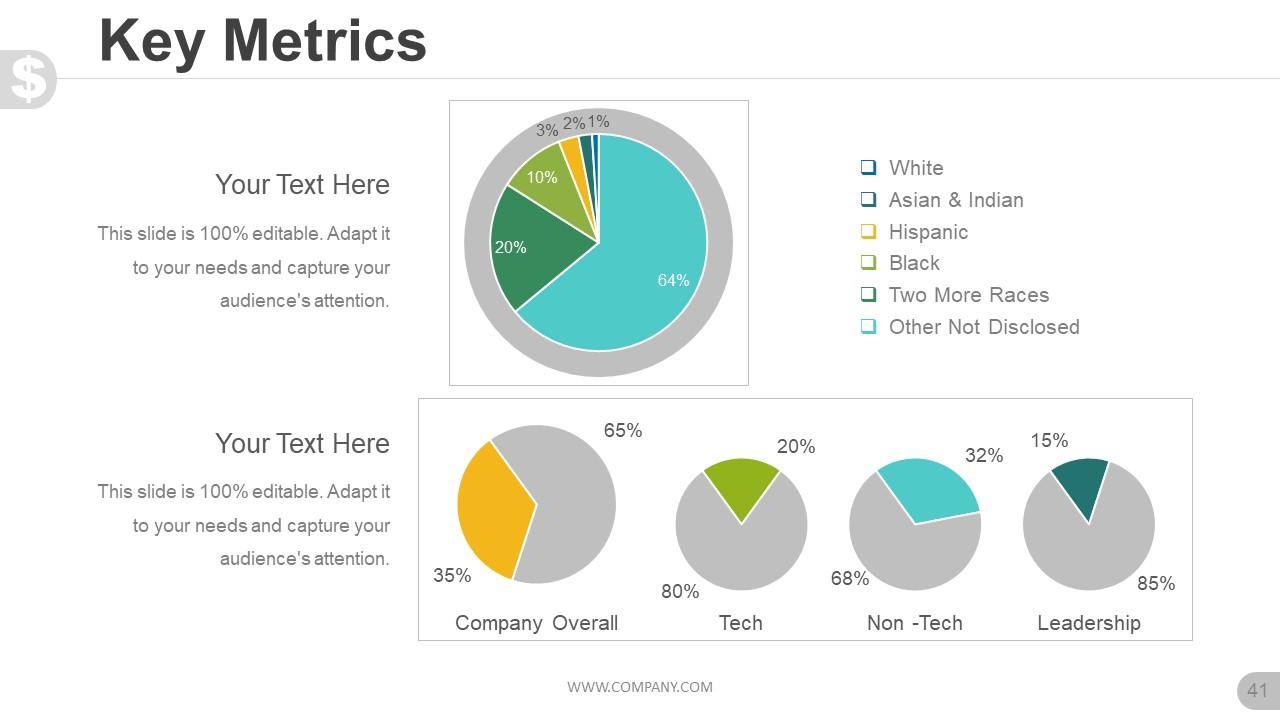
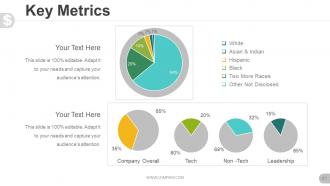
Slide 41: This slide showcases Key Metrics in a pie chart/ graph form with text boxes.
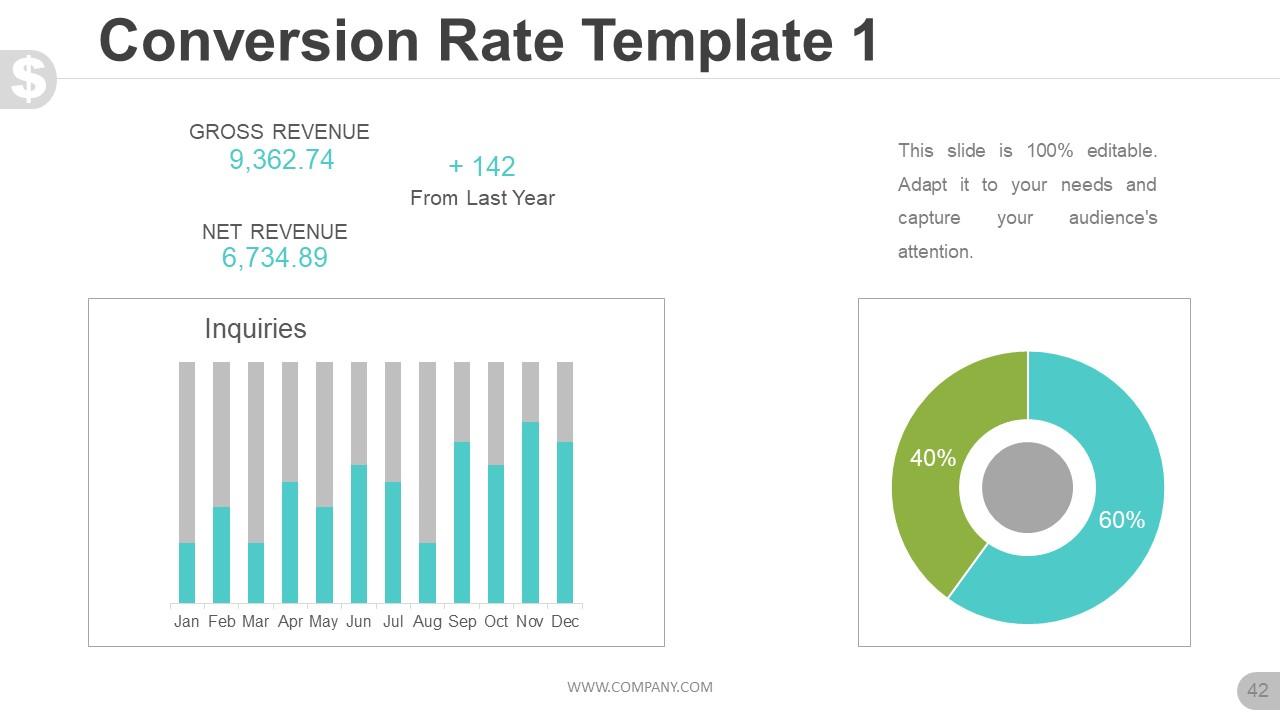
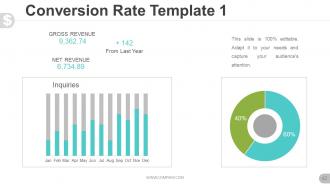
Slide 42: This slide shows Conversion Rate in charts and graphs.
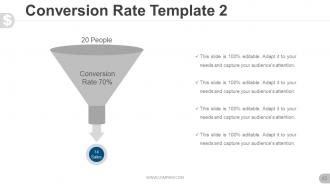
Slide 43: This is also a Conversion Rate showing slide presented in a funnel form.
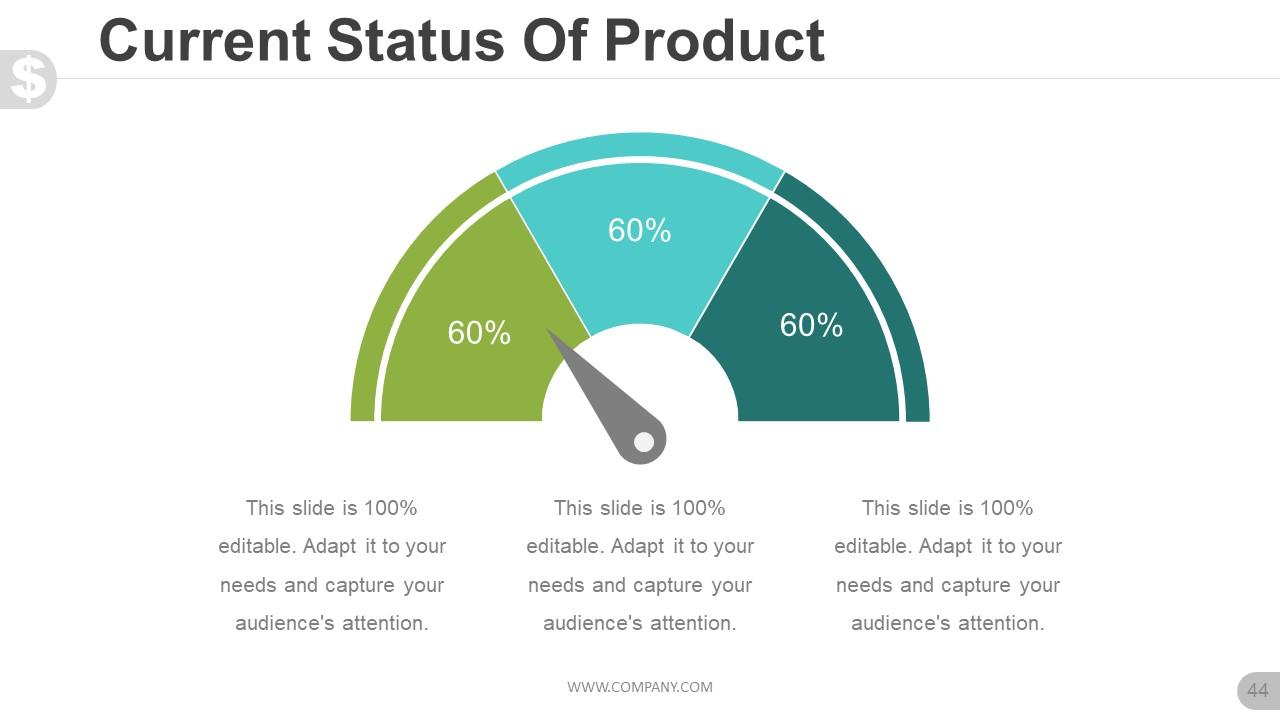
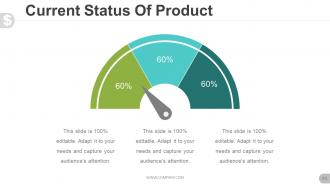
Slide 44: This slide showcases the Current Status Of Product with a dashboard.
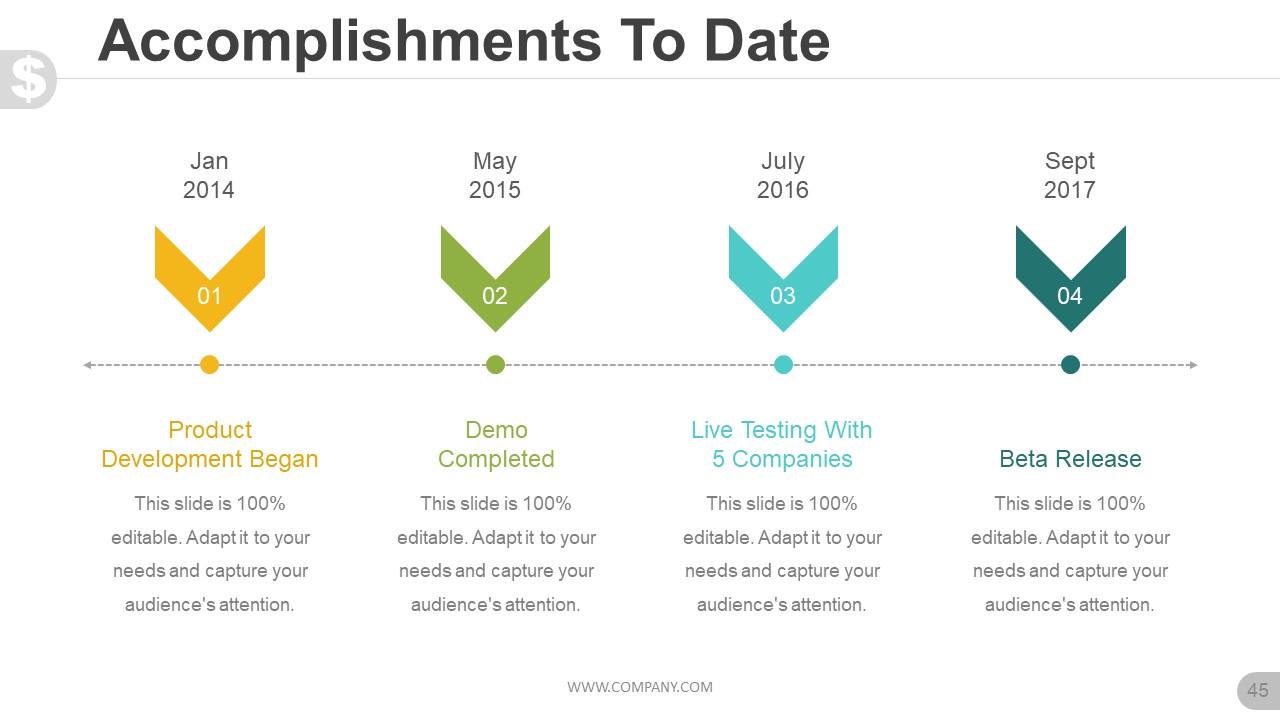
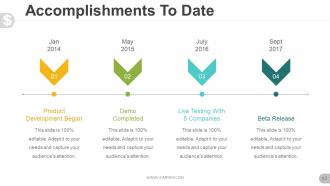
Slide 45: This slide showcases company Accomplishments To Date with a timeline.
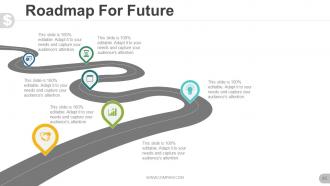
Slide 46: This is a Roadmap For Future image slide.
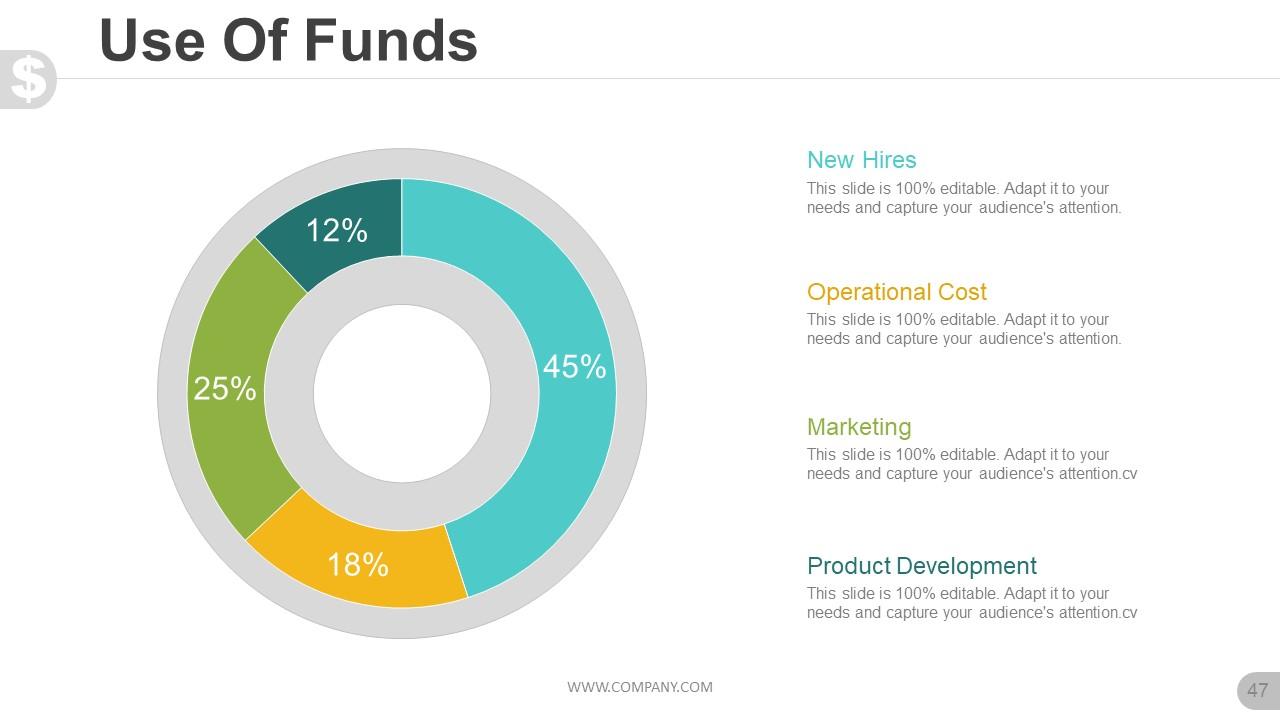
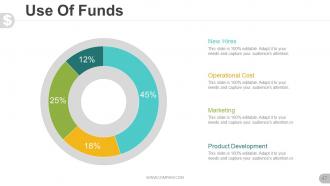
Slide 47: This slide states the Use Of Funds in a pie chart/ graph form. These include the following- New Hires, Operational Cost, Marketing, Product Development.
Slide 48: This slide is titled Additional Slides to move forward. You can change the slide content as per need.
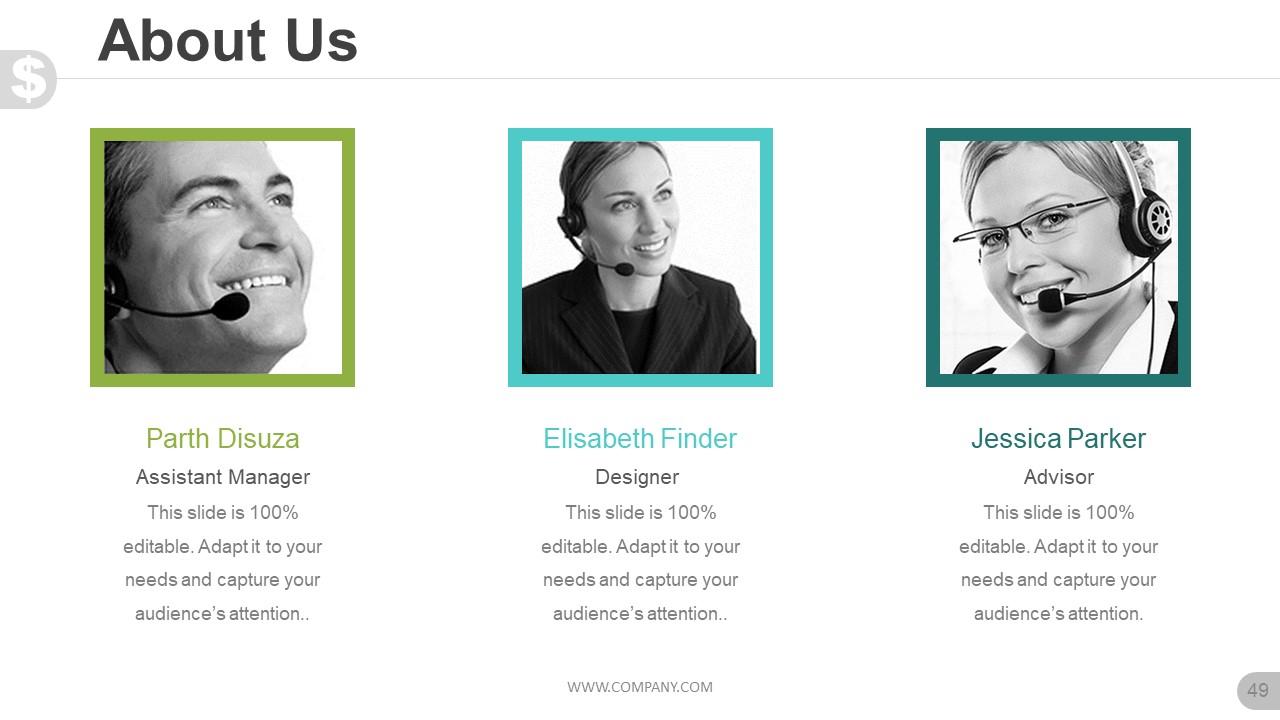
Slide 49: This is an About Us slide with name and designation. State company or team specifications here.
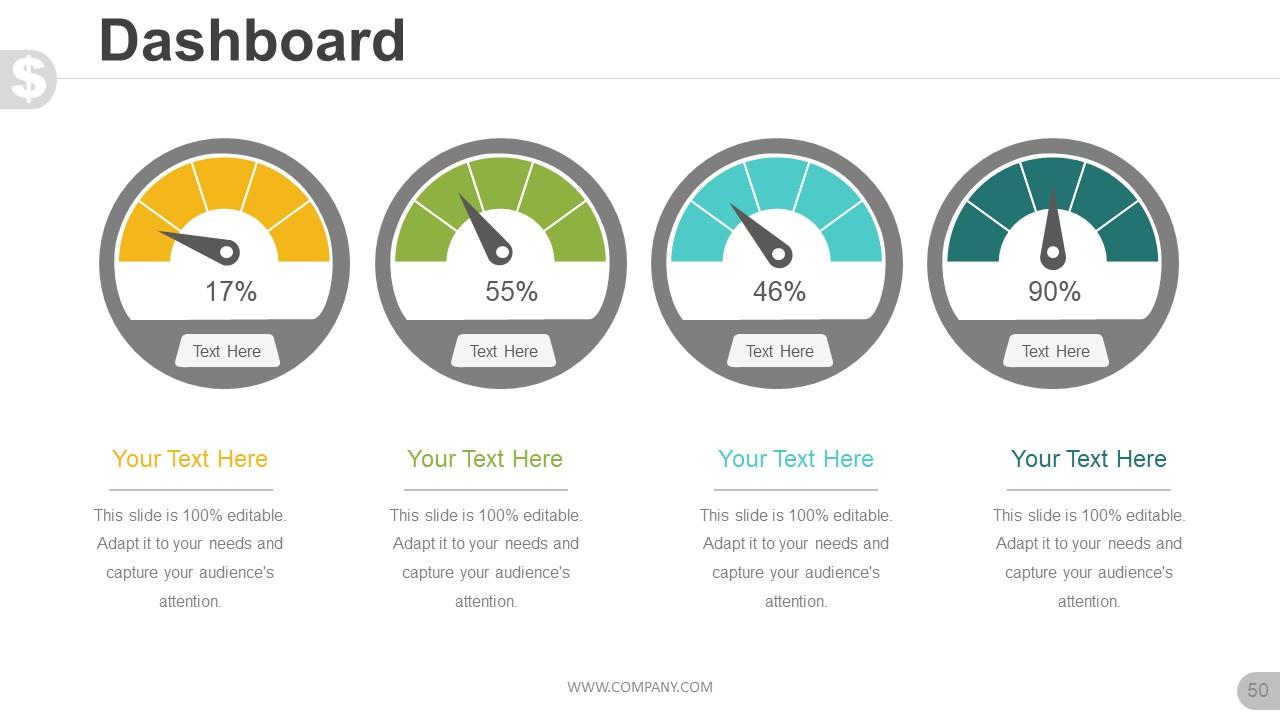
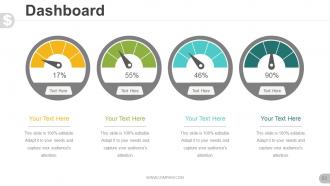
Slide 50: This is Dashboard slide to show information in percentages etc.
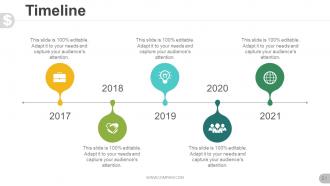
Slide 51: This is a Timeline slide to show milestones, growth or highlighting factors.
Slide 52: This slide presents a Newspaper image with text boxes to flash company news, position etc.
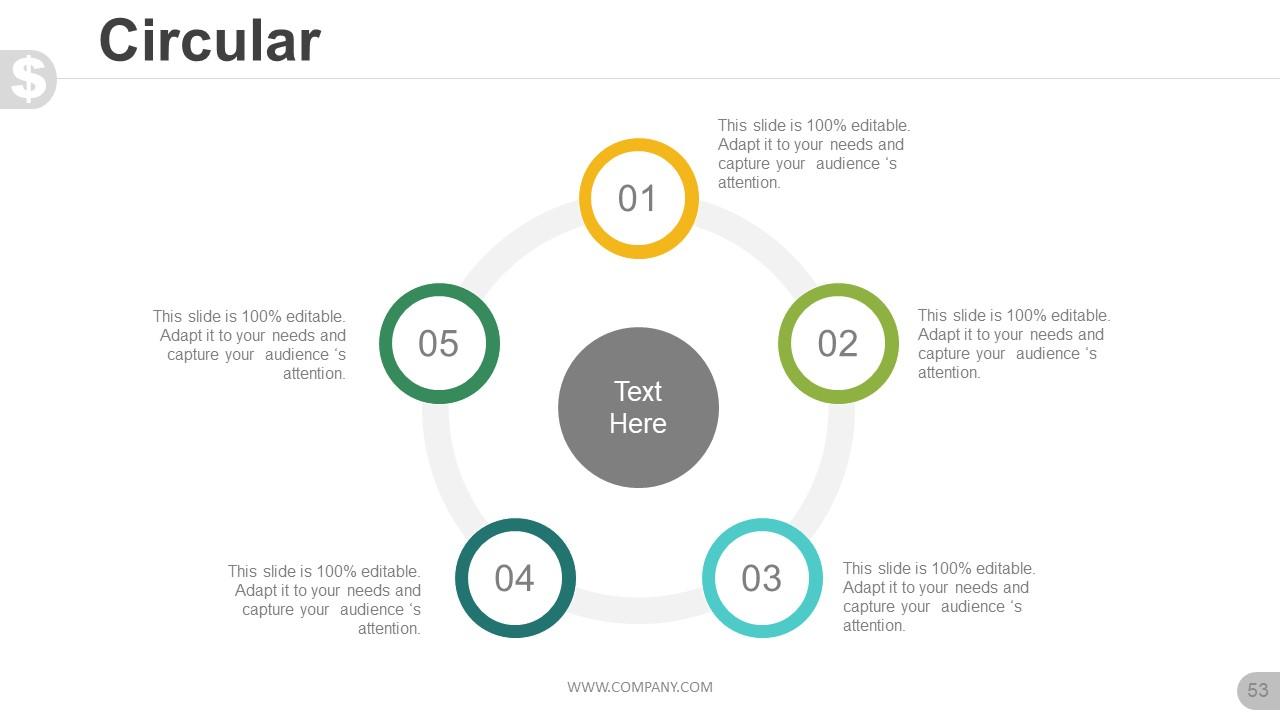
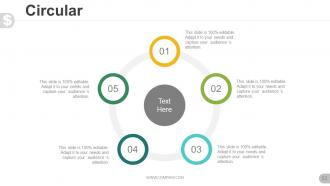
Slide 53: This is a Circular image slide to show information etc.
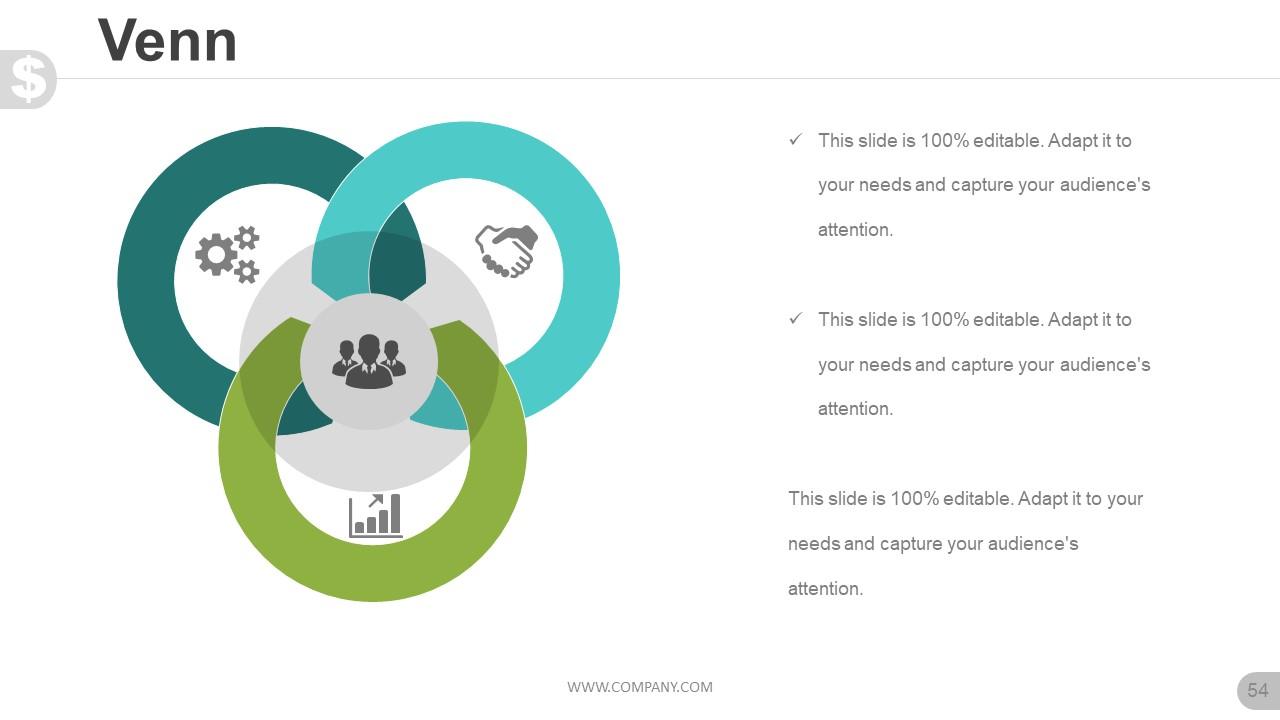
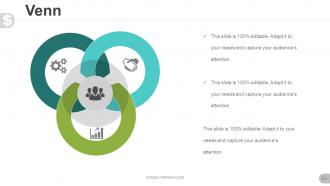
Slide 54: This is a Venn diagram image slide to show information, specifications etc.
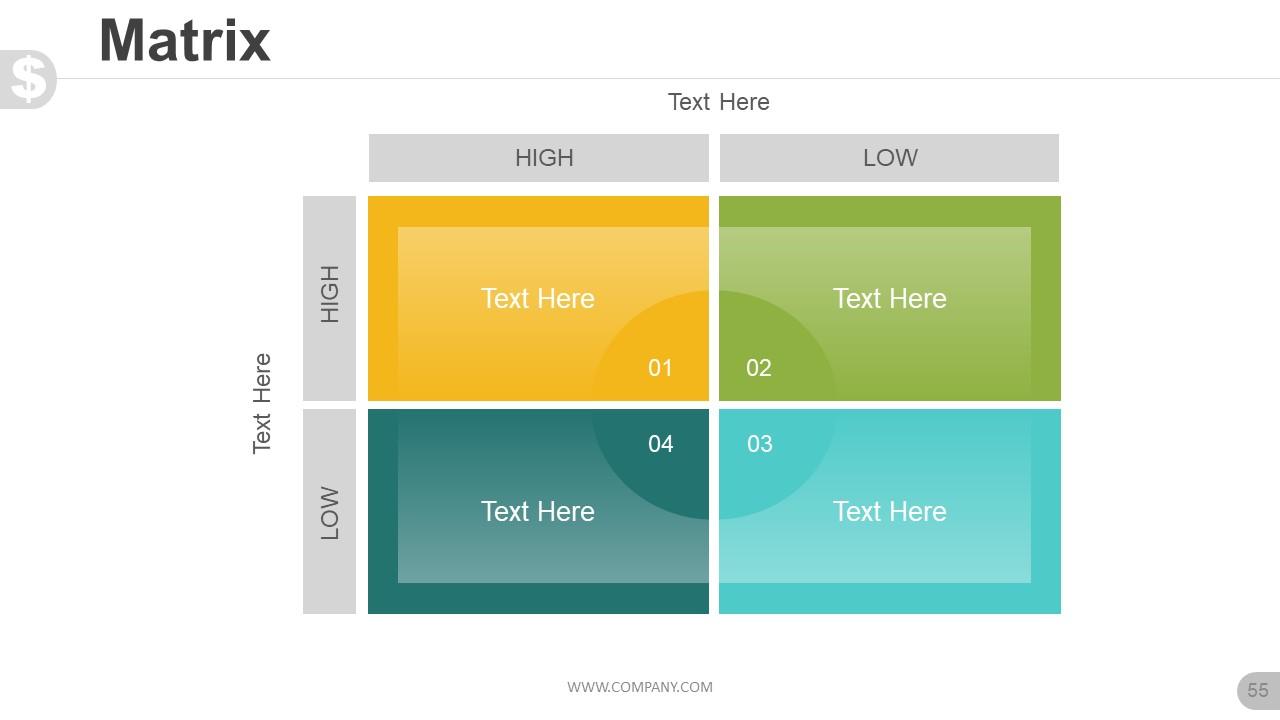
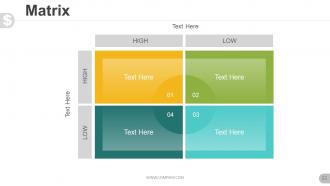
Slide 55: This is a MATRIX slide. Put relevant comparing data here.
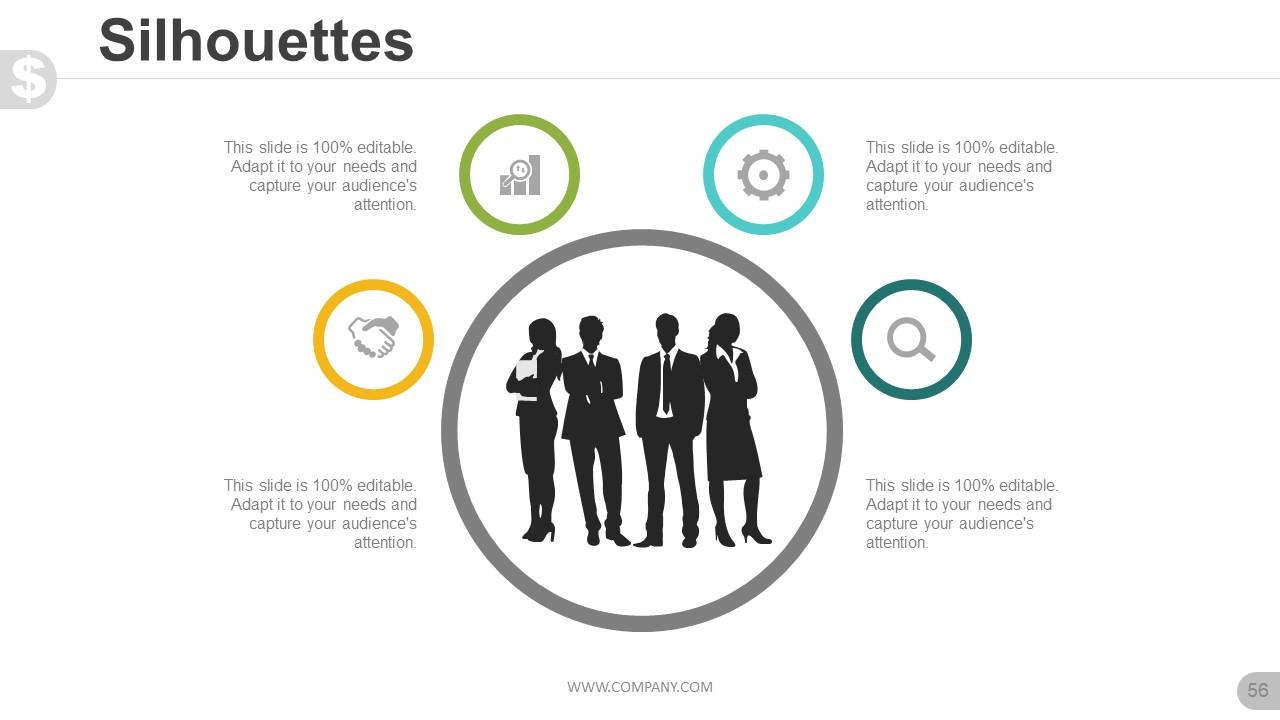
Slide 56: This is a Silhouettes slide with icons to show people specific information etc.
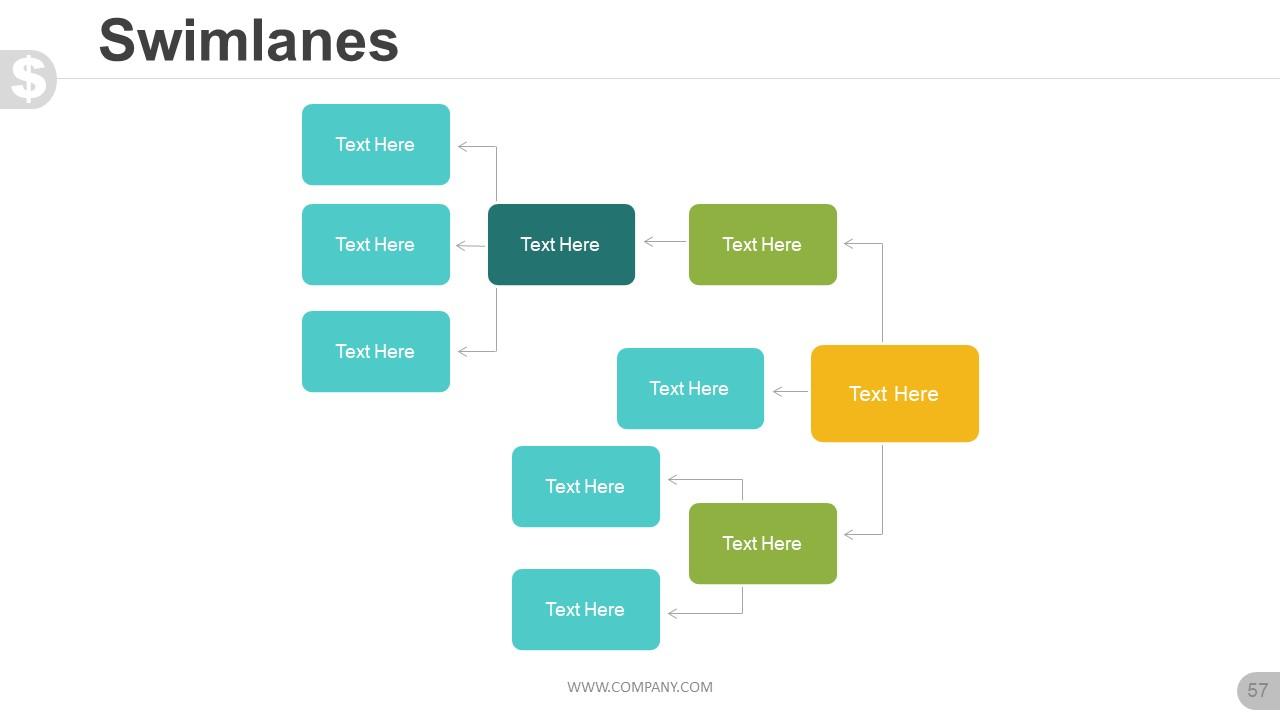
Slide 57: This is Swimlanes slide with text boxes to state information, specifications etc.
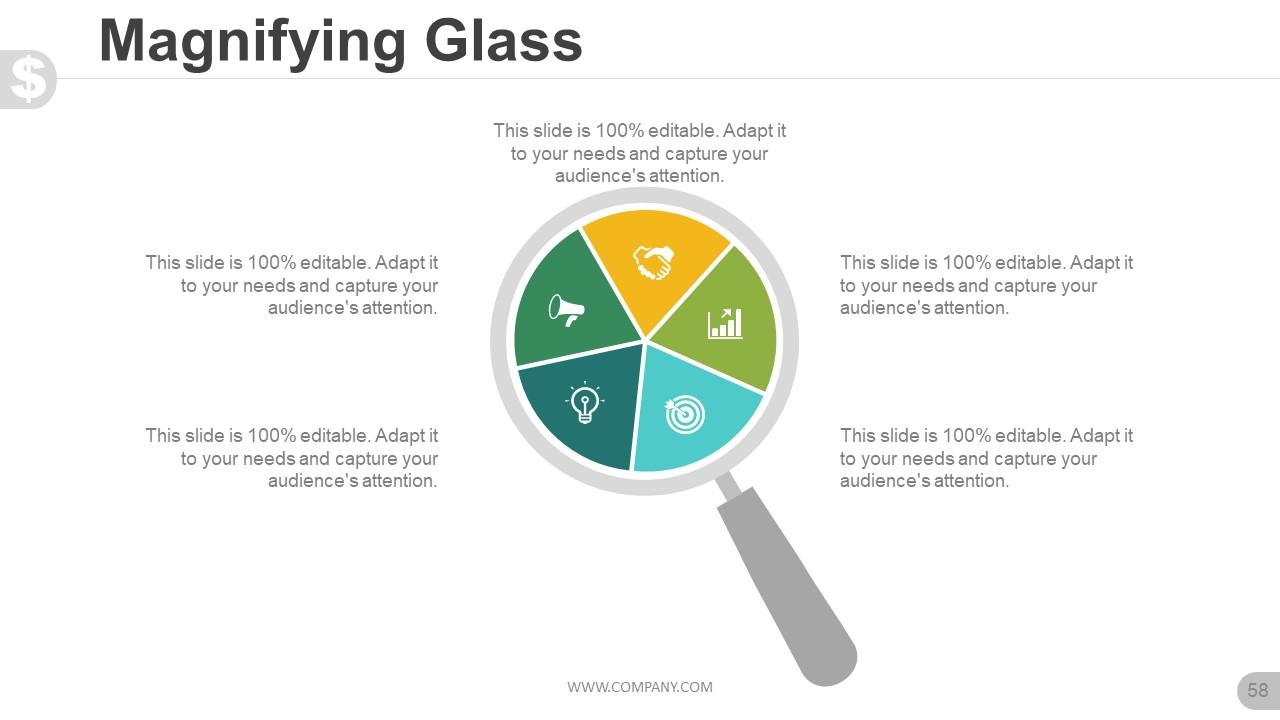
Slide 58: This slide displays a Magnifying Glass with icon imagery. State imformation, specifications etc. here.
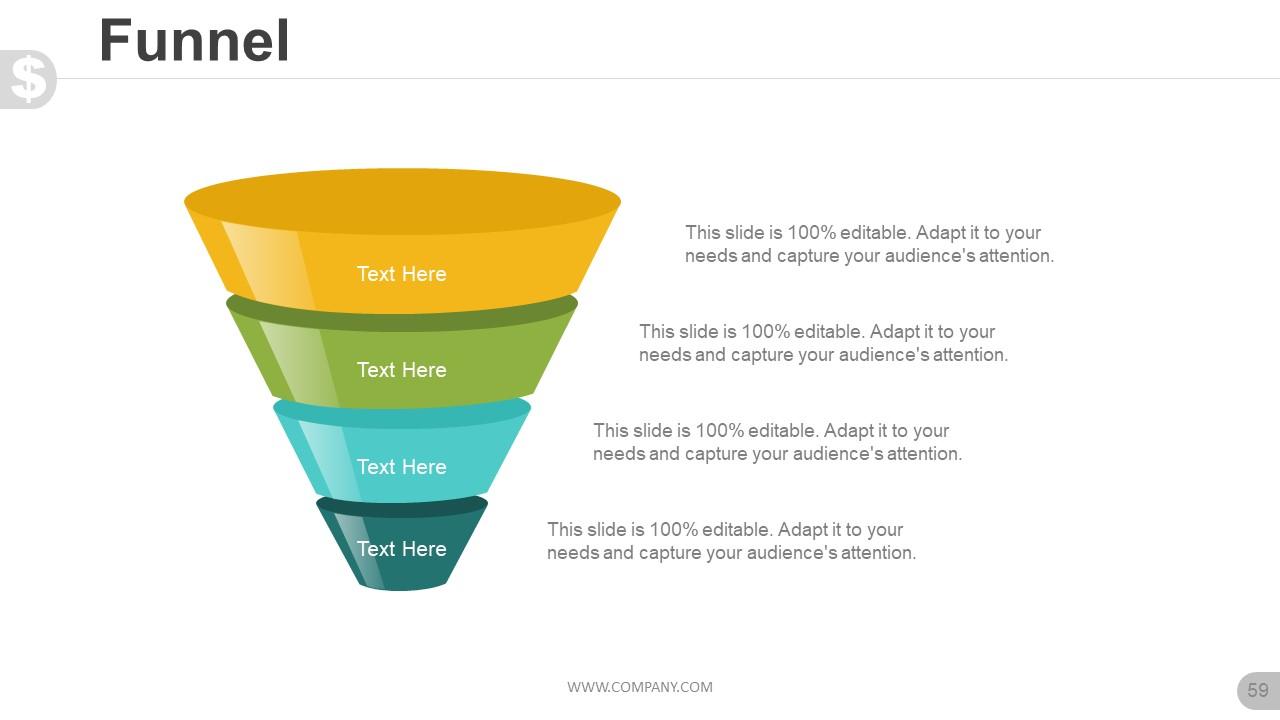
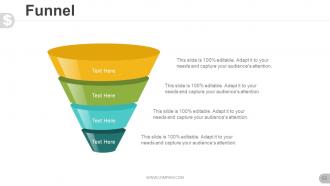
Slide 59: This slide showcases a Funnel with text boxes. State information, process in funnel form here.
Slide 60: This is a Thank You slide with Address# street number, city, state, Contact Numbers, Email Address.
Business proposal for venture capital powerpoint presentation slides with all 60 slides:
Our Business Proposal For Venture Capital Powerpoint Presentation Slides help increase the degree of acceptance. It has a definite impact.
-
Great designs, really helpful.
-
Very well designed and informative templates.
