Competitive intelligence framework with implementation process

Rating:
90%
Competitive intelligence framework with implementation process
Slide 1 of 2
Favourites Favourites

Try Before you Buy Download Free Sample Product

Audience Impress Your
Audience
Editable 100%
Editable
Time Save Hours
of Time
The Biggest Sale is ending soon in
0
0
:
0
0
:
0
0
Rating:
90%
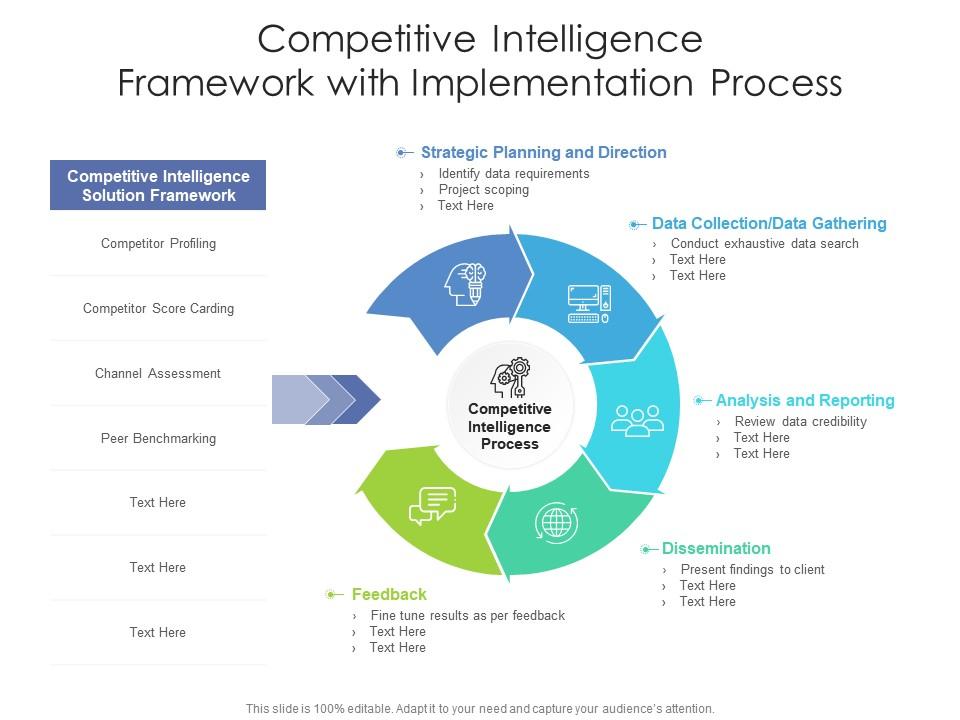
Presenting our set of slides with name Competitive Intelligence Framework With Implementation Process. This exhibits information on five stages of the process. This is an easy-to-edit and innovatively designed PowerPoint template. So download immediately and highlight information on Strategic Planning And Direction, Analysis And Reporting, Data Collection.

People who downloaded this PowerPoint presentation also viewed the following :

FAQs for Competitive intelligence framework

You'll want to start with figuring out exactly what you don't know - like are competitors undercutting your prices or launching stuff you haven't heard about? Once that's clear, set up your info sources. Industry reports are obvious, but don't sleep on social media monitoring and just talking to people at conferences. Honestly, networking still beats most fancy tools. Turn all that raw data into something useful during regular analysis sessions. Otherwise you're just hoarding information. Make sure the insights actually get to whoever makes decisions - I've seen too many great reports die in someone's inbox. Pick one main competitor first, then build out from there.

Honestly, just stalk your competitors regularly - sounds creepy but it works! Track their product drops, pricing shifts, and marketing moves. Job postings are gold mines too (seriously, they'll hire for stuff 6 months before launching). I usually pick like 3-5 main rivals and throw everything in a basic spreadsheet monthly. Watch who they're partnering with and what tech they're buying into. One-off moves don't matter much. It's the patterns over time that'll show you where things are headed. Super simple but most people just... don't do it consistently.

Honestly? Start with Google Alerts for basic stuff, then grab SEMrush or Ahrefs - those are absolute game-changers for seeing what keywords competitors are bidding on. Social listening tools like Hootsuite work great for tracking mentions. Crayon's pretty solid for automated website/pricing changes too. But here's the thing - sometimes the best intel comes from just scrolling through industry reports or creeping on LinkedIn (we all do it). Don't go crazy trying every tool at once though. Pick maybe two that actually fill your biggest knowledge gaps first.

Look, just stick to what's already public - company sites, SEC filings, trade publications, that kind of stuff. Don't even think about lying to get info or bribing employees. That's how companies get sued into oblivion. Dumpster diving might sound harmless but it's sketchy territory too. I always tell people to use the "would I be embarrassed if this showed up in the news?" test. Document everything so you can prove later that you got it legitimately. Honestly, there's usually plenty of good intel just sitting out there in the open anyway.

Honestly, competitive intelligence is a game-changer for making strategic decisions. Instead of guessing what'll work, you get actual data on what your competitors are doing wrong (and right). You can find market gaps they totally missed, figure out their pricing tricks, and see their failures before you waste money on the same mistakes. Good timing on product launches becomes way easier too. I mean, it's basically like getting a sneak peek at everyone else's playbook. Just make sure you're doing this research consistently - then use those insights to reality-check your big strategic moves before you go all in.

Honestly, customer feedback is like having a backstage pass to see what's really happening with your competition. Reviews and social media comments show you the raw truth about competitors' weak spots - stuff their marketing would never admit. I spend way too much time scrolling through competitor reviews, but it's gold. You'll spot new threats early and figure out what actually makes you different in customers' minds. The unfiltered opinions are everywhere now on review sites. Start monitoring what people really say about your competitors. It beats guessing what's working for them or against them.

Measuring CI ROI is honestly pretty tough since you're often preventing disasters rather than creating obvious wins. Track how your intel connects to actual business results - like "our competitor research let us price 15% higher and still land the deal." Revenue from insights, costs you avoided, market share you protected. The key is working backwards from your wins to figure out which intelligence actually moved the needle. Oh, and set clear goals upfront so you're not scrambling later to prove value. It's messy work but doable if you stay focused on real outcomes.

Honestly, the worst mistake is chasing what competitors post online instead of figuring out their real strategy. Free sources are fine but talking to customers or former employees? Way more valuable. Don't get stuck endlessly collecting data either - that's such a time suck. Figure out what decisions you actually need to make first, then hunt for those specific answers. Oh and obviously keep everything ethical, no sketchy stuff! I learned this the hard way but starting with your end goal makes everything so much clearer.

Dude, your competitors are literally broadcasting everything on social media - it's wild. Follow their accounts and you'll see product launches, who they're hiring, even customer complaints in real time. LinkedIn's probably the best for stalking their hiring patterns (sounds creepy but whatever, it works). Twitter and Instagram show you their messaging strategy plus how customers actually feel about them. Oh, and set up Google Alerts so you don't miss anything. Just throw it all in a basic spreadsheet each week. Hootsuite helps too if you want to get fancy with monitoring mentions.

Honestly, SWOT analysis is your friend here - sounds boring but it actually works. Check their social media and website updates regularly, plus read through customer reviews to see what people really think. If they're public, dig into their financials for the real performance story. Mystery shopping is clutch too - buy their stuff and see what the experience is like compared to yours. But here's the thing, talking to customers who've tried both products often gives you the best dirt on what's actually happening. Oh, and set up Google alerts so you don't miss anything important. Just make sure you're reviewing all this monthly.

Honestly, quarterly deep dives are probably your best bet to start. But don't just do those - set up Google alerts and follow their social stuff so you're not missing the big announcements. Those quarterly reviews help you catch the bigger shifts that daily stuff might not show you. If your industry moves crazy fast, maybe monthly works better. Slower sector? Twice a year could be fine. I learned the hard way that you can definitely drown in competitor data if you're not careful. Start quarterly and see how it feels - you can always tweak it based on how often things actually change in your space.

Honestly, competitive intelligence is a game-changer for product dev. I'd start by stalking your competitors' features and pricing - sounds creepy but it works lol. Last quarter this approach saved us tons of time because we spotted what customers were actually complaining about in reviews before building anything. Look for gaps where competitors are failing. Set up alerts for their launches and patent stuff so you're not flying blind. The real goldmine is user feedback on their products - tells you exactly what features people want but aren't getting. Way better than guessing what might work.

Yeah, you don't need to spend a fortune on this stuff. Google Alerts is clutch for tracking when competitors get mentioned anywhere online. I'd also stalk their social media and sign up for their email lists - people overshare on LinkedIn all the time, it's wild. Free tools like SimilarWeb let you peek at their website traffic too. Oh, and if you create some basic fake profiles, you can access their gated content (nothing sketchy, just business intel). The trick is staying consistent about it. Maybe spend like 30 minutes each week collecting this info and actually write it down somewhere. Otherwise you'll forget everything.

Honestly, competitive positioning maps are your best friend here - they show exactly where you stack up against everyone else. Bar charts work really well for comparing stuff like features or pricing side by side. Radar charts are clutch when you're looking at multiple competitors across different areas (though they can look a bit busy sometimes). You'll also want pie charts for market share and some trend lines to show how things have shifted over time. The whole point is making those key differences super obvious so people get it instantly.

Regulatory changes mess with your CI game big time - suddenly half your monitoring tricks are illegal or need workarounds. New privacy laws or tighter industry rules can totally blindside teams who aren't watching. I'd set up alerts for reg updates in your space and audit your methods quarterly. Honestly, I've seen companies scramble when they realize their favorite data collection approach just became sketchy. You'll probably need new tools or training too. Better to catch this stuff early than get caught with your pants down later.

Ratings and Reviews

90% of 100
Write a review
Most Relevant Reviews
  1. 100%

    by Darnell Tucker

    Unique design & color.
  2. 80%

    by Connor Lopez

    Informative presentations that are easily editable.
  3. 80%

    by Dorian Armstrong

    Qualitative and comprehensive slides.
  4. 100%

    by Collin Gonzales

    Really like the color and design of the presentation.

4 Item(s)

per page: