


Consulting Proposal Powerpoint Presentation Slides





Try Before you Buy Download Free Sample Product
 Impress Your
 Audience
 100%
100% Editable
 Save Hours
 of Time


Create a call to action approach and get a head start by using SlideTeam's Consulting Proposal PowerPoint presentation slides. This PPT Template is your approach to a striking experience for your business proposal related PPT presentations. Comprising of a variety of concerns that a consulting plan could hold, it allows you to portray your offerings to company. Showcase your proposed methodology, content marketing, and technical blogging and all the engaging offers once could cover along with project cost- retainer team analytics. It's easy to bring the company's logo or trademark and alter the intrinsic icons and images used here for an appealing experience. Your consulting plans demonstrated through our flat designs is a classic way to commendable business presentations. Charts and graphs are well synchronized with the plans and consulting proposal and help the viewer to retain a thorough understanding of your module. Click download and these surpassing designs are ready to take you a remarkable experience. Get begun with the journey today. Our Consulting Proposal Powerpoint Presentation Slides guarantee accolades. They are among the finest in the craft.
People who downloaded this PowerPoint presentation also viewed the following :
Content of this Powerpoint Presentation
Consulting, the $250 billion global industry, is one of the most cherished careers for young professionals with an inclination for management and problem-solving. As always, however, the reality is that despite the outward hint of glamor and polish, the sector is grime and toil as well.
Businesses approach a consultant when they think they (the external party) can suggest a new PIVOT or help them stay profitable for longer than they alone can keep their enterprise.
Hence, consultants have to be excellent at business theory and practice, of course, but they also need to be able to understand the psychology and mindset of the prospective client.
Here’s a business consulting proposal that will do the trick for you.
This is the pain point of the consultant industry, as sometimes only technical business skills and complex commerce might not be enough for leads, who also need to be guided along the growth path the consultant draws up for them.
Recognizing this significant gap in closing a deal, SlideTeam has drawn up this comprehensive consulting proposal to ensure the consultant can share his perspective and close the deal with confidence. This proposal builds up the much-vaunted human-to-human connection, as without really understanding the consultant’s proposal, most businesses approach a consultancy half-heartedly.
SlideTeam offers a bi-fold hospitality consulting service with the problems and deliverables here.
Even better, each of the templates is 100% editable and customizable, providing you with structure and a starting point. The slides ensure that no perspective in a consultant business relationship is left untouched.
Let’s explore these templates now!
Template 1 Consulting after Clarifying What We Heard from You PPT Template
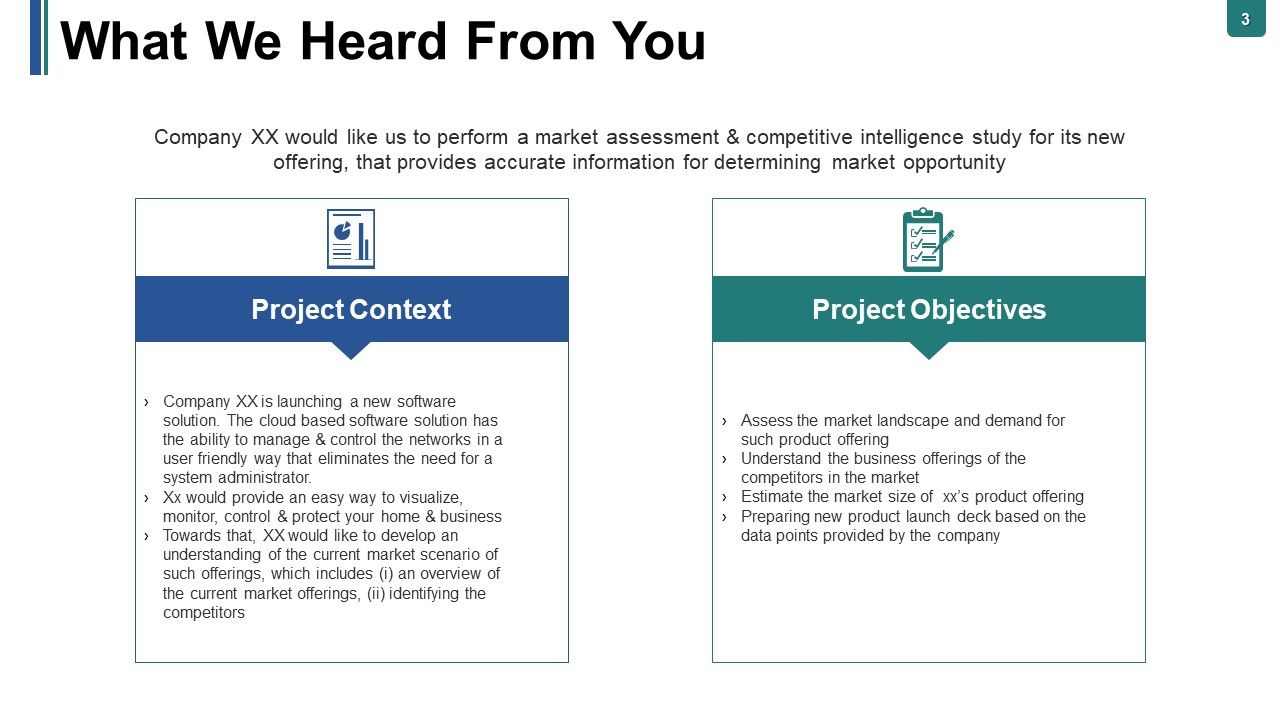
This PPT Template gives users the opportunity to clarify expectations from prospective clients in terms of the problem or the issue as they (the consultant) see it. The PPT states in their own language, such as: The company XX would like us to perform a market assessment & competitive intelligence study for its new offering that provides accurate information for determining market opportunity. At this stage, the only aim is to ensure alignment on project context and project objectives. Get it now!
Template 2 Our Offerings to Company/Client as Consultant PPT Template
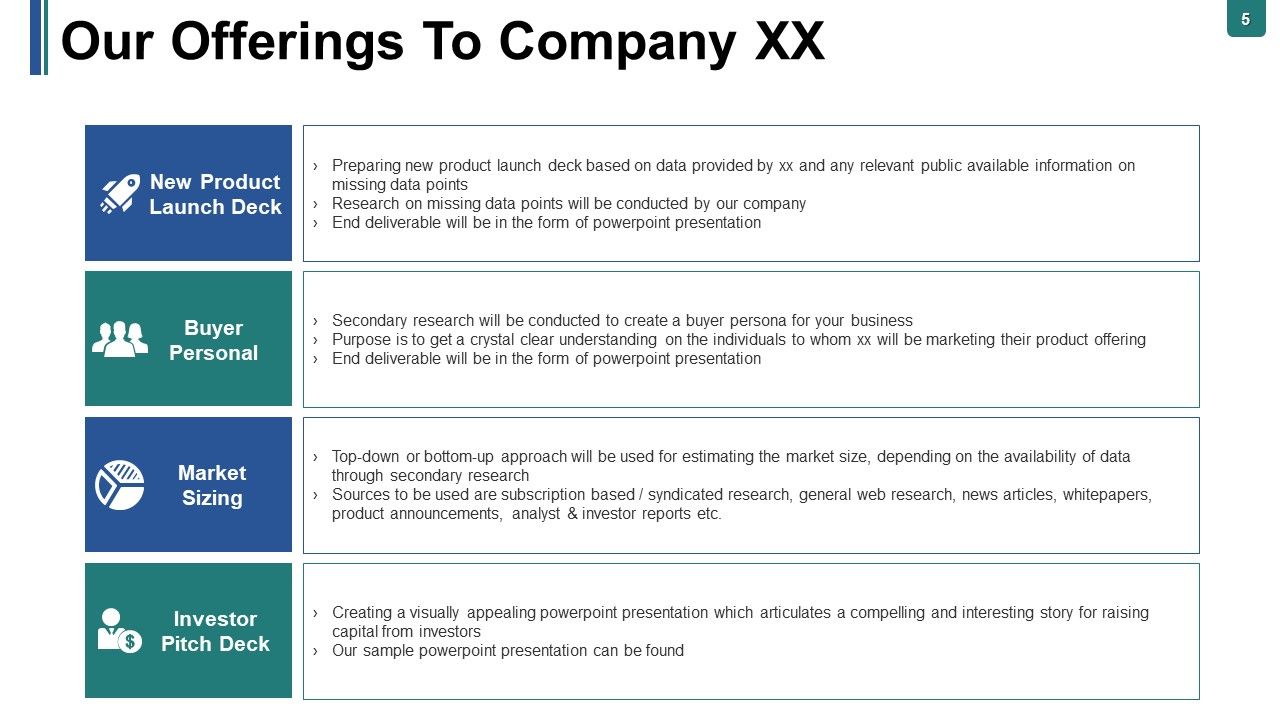
In this template, build on the understanding reached on the project previously to showcase how your intervention as a consultant will make a difference. List clearly the four areas of your intervention, which in this example sample case are the new product launch deck, buyer personas, market sizing, and investor pitch deck.
Template 3 Proposed Methodology PPT Template

In any business consultation exercise, the first step has to be authentic, latest, quality data that is research-based. This PPT Template lists out this research as the initial step with the aim of gathering information on outlined questions that the business and the consultant (you) have identified. The sources of research are also outlined on the slide itself.
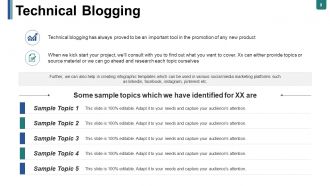
Template 4 Content Marketing & Blogging Support After Product Launch
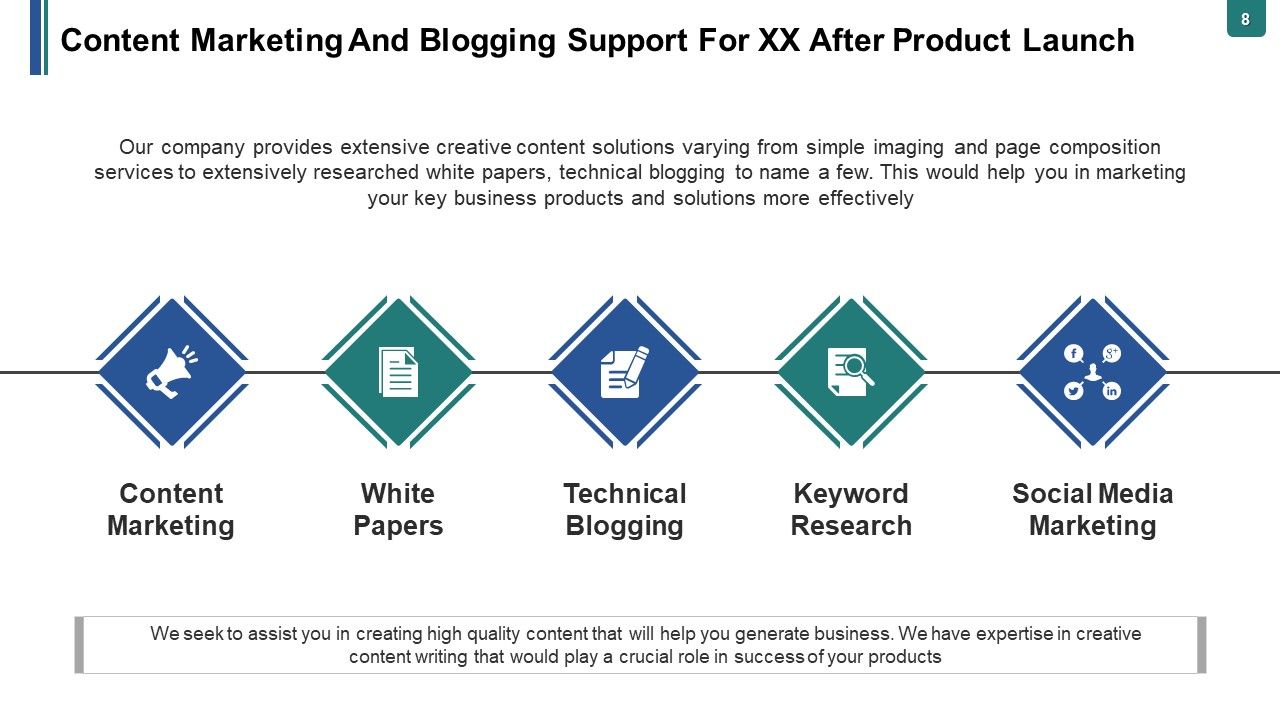
This PPT Template helps you in marketing your key business products and solutions more effectively with the consultant focusing on providing extensive creative content solutions. The slide clarifies to the client that you seek to assist their business in creating high-quality content meant to generate business. Get this PPT Template now!
Template 5 Engagement Options for Consulting PPT Template
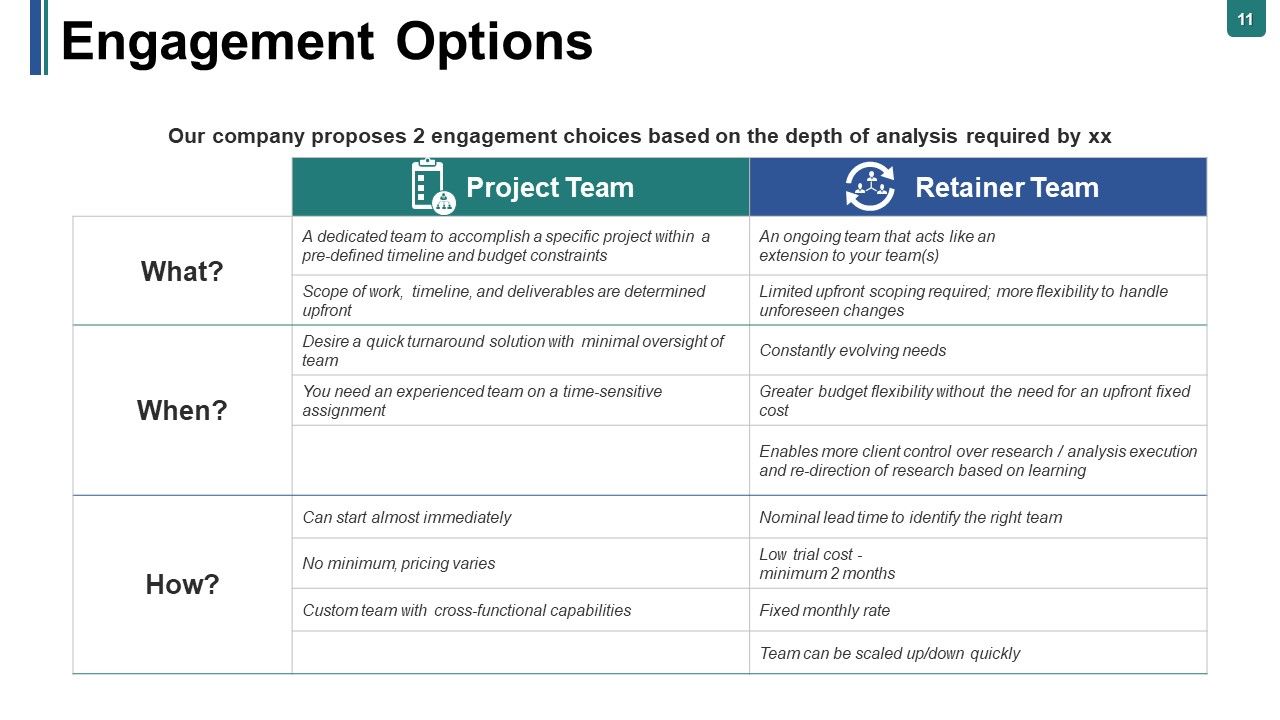
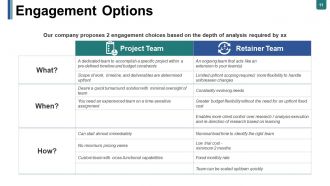
The real business-end slide for a consultant, this PPT Template, explains to the prospective client the engagement choices you offer. The options of the project team and retainer team are based on the depth of analysis the client may be wanting and requiring. On the slide are also mentioned the What, When, and How of each proposition and the engagement level. For instance, for the constantly evolving needs of a business, a retainer team of consultants is the best, and so on. Wanna know other combinations? Please download the slide now!
Template 6 Project Cost with Projectwise Beakdown
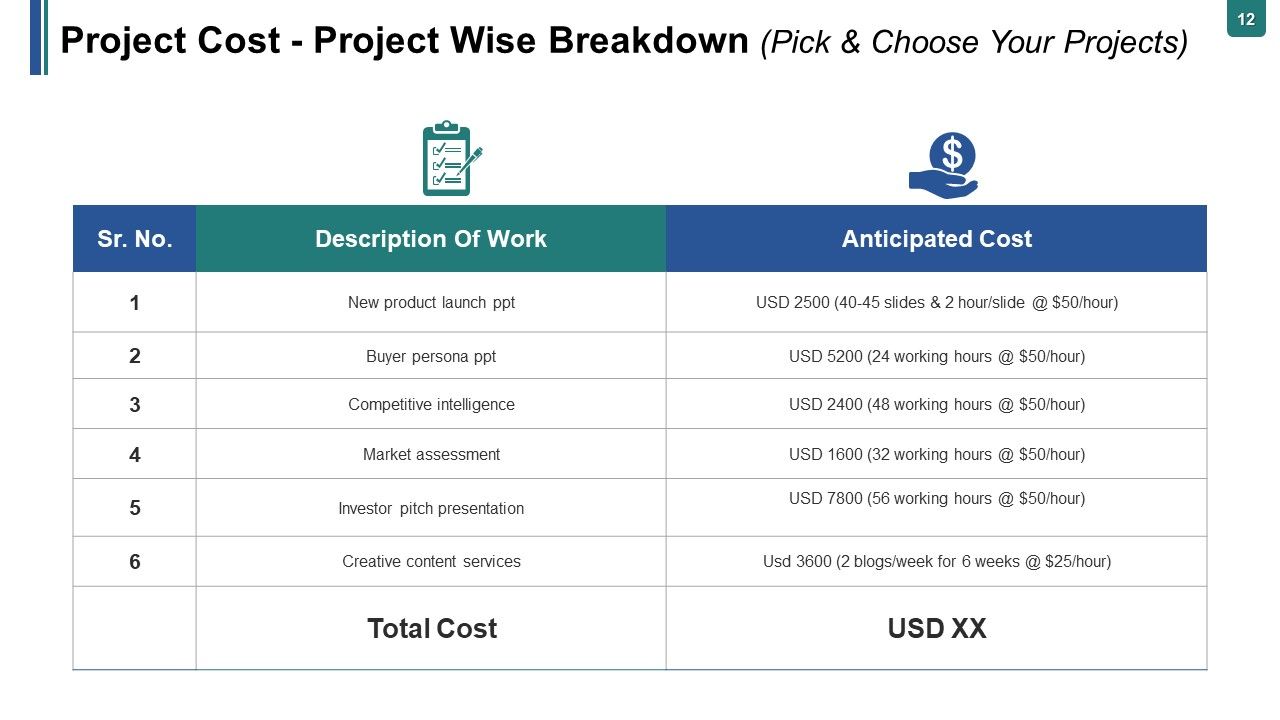
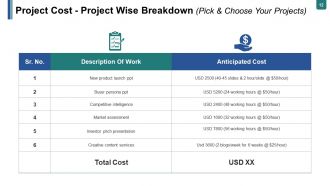
In a truly organized and consultant-like fashion, this PPT Template allows users to list their services according to projects. The client can pick-and-choose projects based on the description of the work the consultant will do and the anticipated cost. This slide can list up to six projects, but you can customize them according to requirements.
Template 7 Project Cost - Retainer Team
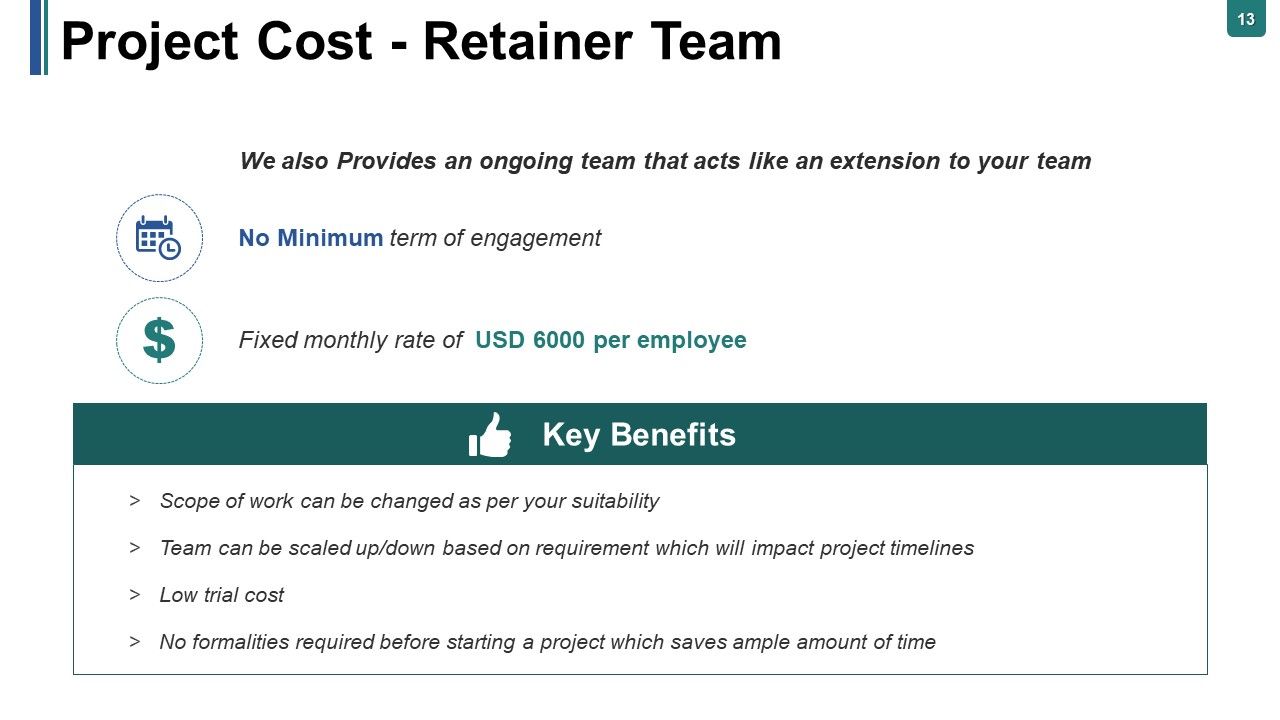
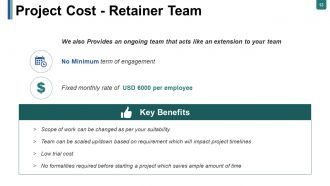
In line with the previous slide and overall pitch for getting that contract, this PPT Template elaborates upon the project cost if the client hires a retainer team. The key benefits of the retainer arrangement are highlighted on the slide as well, these being no minimum term of engagement and fixed cost. The slide also depicts how the scope of work can be changed, with low trial cost also an advantage.
Template 8 About Us PPT Template for Consultant
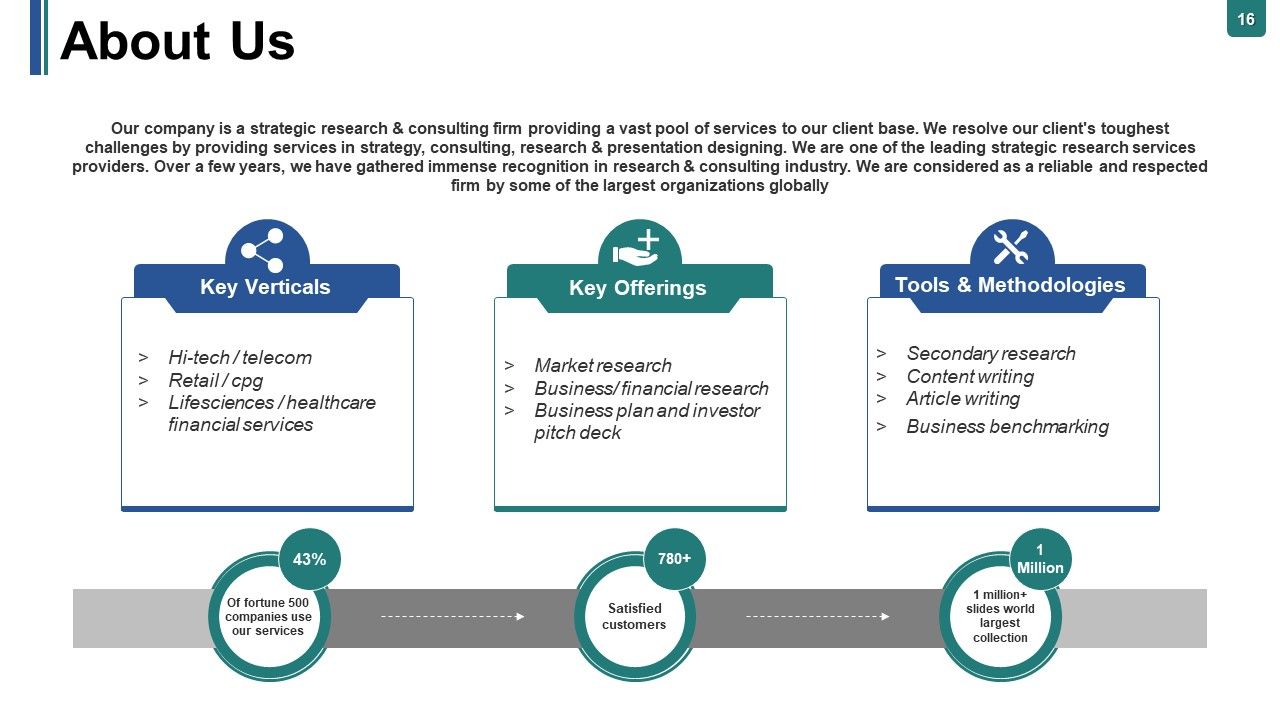
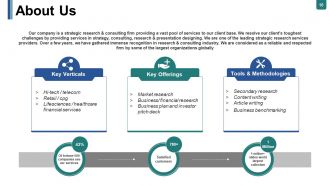
With the complete spotlight on the key verticals, key offerings, tools, and methodologies used, this PPT Template is the primer for your work. The three figures at the end act as the added persuasive element for businesses. This slide also explains how you resolve our clients' toughest challenges by providing services in strategy, consulting, research, and presentation design. We are one of the leading strategic research services providers.
Template 9 Where We Typically Partner With Clients PPT Template
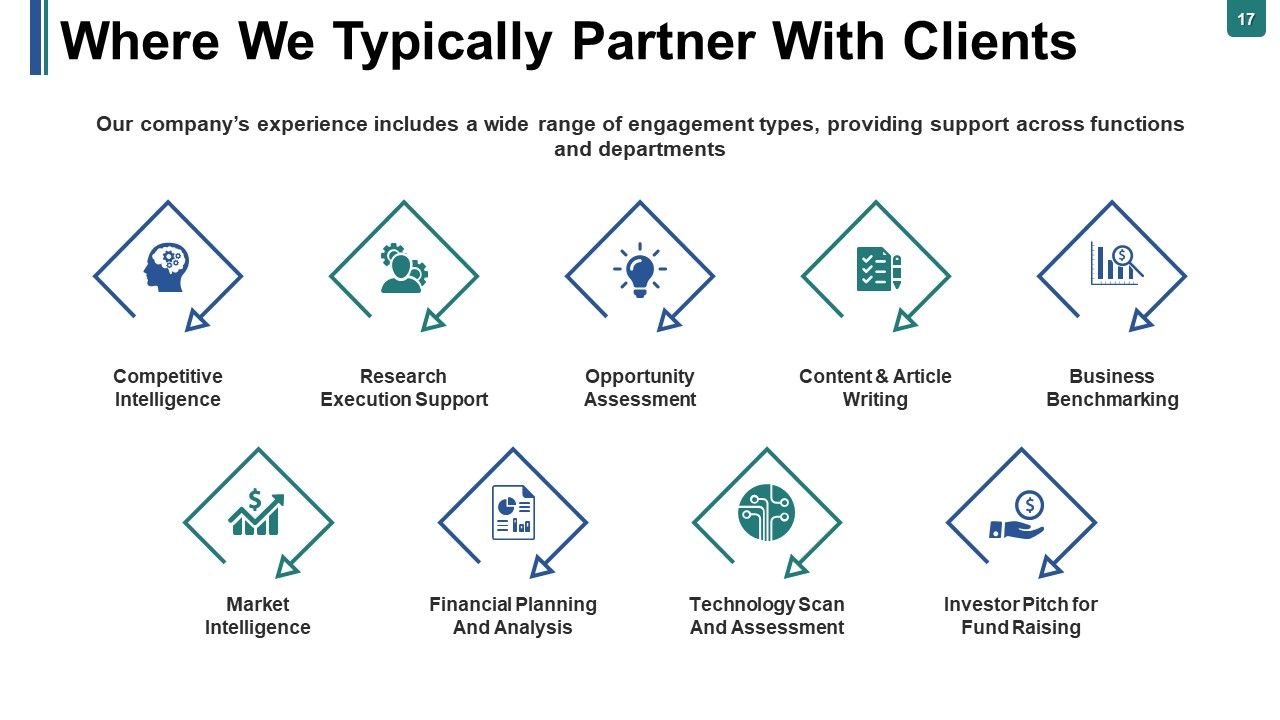
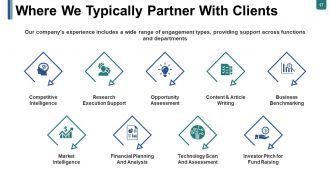
With this slide, we conclude the consulting deck. The PPT Template showcases your company’s experience, and includes a wide range of engagement types, providing support across functions and departments. The intervention usually involves market intelligence, opportunity assessment, research execution support, and so on. Overall, the template showcases about a dozen of these functional domains where your consultancy can make a marked positive contribution.
CONSULTING REQUIRES COURAGE, BOLDNESS
The business of consulting is a venture that requires the help-seeker to accept their limitations and the consultant to be humble in helping. Consultants have to be bold, while businesses need the courage to accept that their methods may have been flawed. In such a relationship, consultants must try that bit extra to ensure the trust placed in them bears fruit and brings business results for stakeholders.
PS Understand the DevOps Consulting Process with a click here.
Consulting Proposal Powerpoint Presentation Slides with all 46 slides:
Express gratitude for good articles with our Consulting Proposal Powerpoint Presentation Slides. Be able to compliment the authors.
-
Consulting Proposal
-
Table Of Contents
-

What We Heard From You
-
Table Of Contents
-
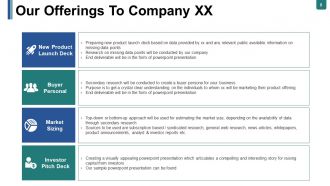
Our Offerings To Company XX
-
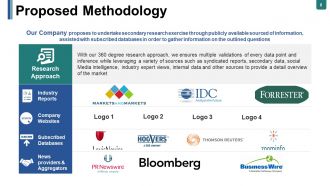
Proposed Methodology
-
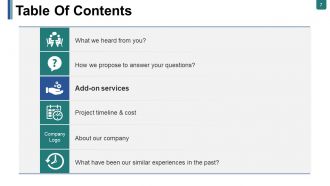
Table Of Contents
-
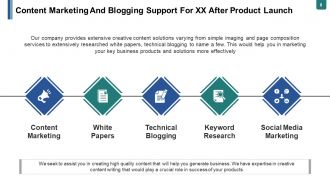
Content Marketing And Blogging Support For XX After Product Launch
-
Technical Blogging
-
Table Of Contents
-
Engagement Options
-
Project Cost Project Wise Breakdown Pick Choose Your Projects
-
Project Cost Retainer Team
-
Project Timeline
-
Table Of Contents
-
About Us
-
Where We Typically Partner With Clients
-
A Proven Record Of Success
-
Our Team
-
Table Of Contents
-
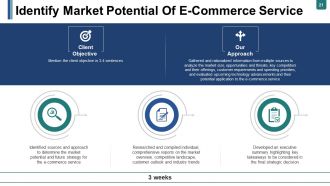
Identify Market Potential Of E Commerce Service
-
Consulting Proposal
-
Coffee Break
-
Charts Graphs
-
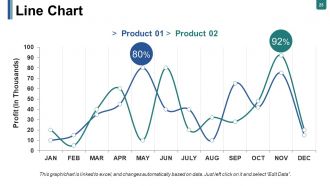
Line Chart
-
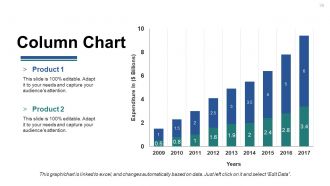
Column Chart
-
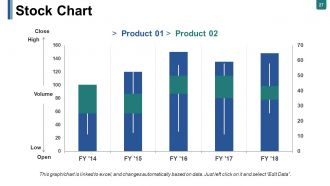
Stock Chart
-
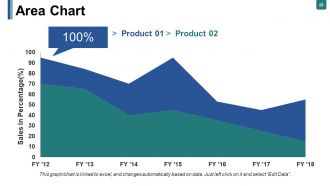
Area Chart
-
Additional Slides
-
Our Mission
-
Our Team
-
About Us
-
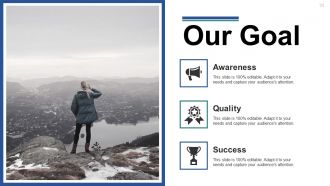
Our Goal
-

Comparison
-
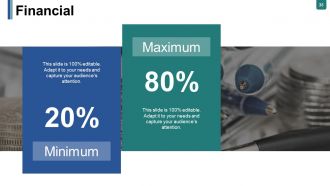
Financial
-
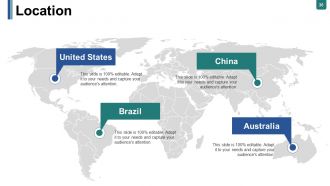
Location
-
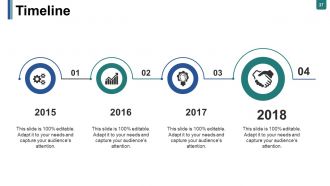
Timeline
-
Post It
-
Puzzle
-
Target
-
Venn
-
Circular
-
Mind Map
-

Bulb Or Idea
-
Lego
-
Thank You
FAQs for Consulting Proposal
You'll want to hit five main things: problem statement, your solution, timeline with milestones, clear pricing, and why you're qualified. Start by showing you actually get their problem - this part's honestly make-or-break. Map out your specific approach (not just "I'll help you succeed" fluff) and realistic deadlines with what they'll receive at each step. Be upfront about costs and any assumptions you're making. Oh, and definitely include relevant case studies or experience that proves you can handle this type of work. The format doesn't need to be fancy, but cover these basics clearly and you're golden.
Stop listing boring generic stuff everyone else does. Tell them what makes YOU different - maybe it's your weird methodology or some insight from your background that others miss. I always recommend sharing a quick story about solving something similar, then hit them with actual numbers from your wins. Don't make them guess why you're better. Spell it out: "Here's exactly how my approach gets you better results than the other guys." Most people submit these cookie-cutter proposals and wonder why they don't win. Make yours actually memorable.
Look, market research is honestly a game-changer for proposals that actually win deals. You'll understand their specific industry problems and what's keeping them up at night. Generic consulting fluff? That's a quick way to get ignored. Good research means you can drop industry trends into your pitch and prove you actually get their business - not just copying templates. I always dig through their recent press releases first, then hit up competitor reports. Sometimes I go down rabbit holes with industry publications but whatever. Point is, do this homework before touching that executive summary. Trust me on this one.
Dude, yes - visuals are a game changer for proposals. Charts and graphs make complex stuff way easier to understand than boring walls of text. Plus good design makes you look like you actually know what you're doing, which clients love. I'd focus on your three biggest data points first and turn those into clean visuals. Keep colors consistent and don't go crazy with fancy graphics that don't add value. Oh and white space is your friend - cramped layouts look amateur. A solid flowchart beats paragraphs explaining your process every single time.
Okay so first thing - do your homework on their actual problems through discovery calls and research. Mirror their exact language back at them (if they say "streamline operations," you say it too). I always creep their LinkedIn and press releases tbh, it's super helpful. Look up their competitors and any industry drama they're dealing with. Your case studies need to match their situation as closely as possible. Here's the key though - don't pitch your services. Structure everything around what winning looks like for them specifically. Make it about their outcomes, not what you're selling.
Get super specific with the numbers - show exactly how you'll save or make them money. Grab their actual data like "Your 15% churn rate costs you this much, dropping it 3% saves $200K." I always do conservative ROI plus best-case scenario. Most consultants are way too wishy-washy here and it kills their credibility. Real case studies help too - percentages and dollar amounts from similar clients. Make the returns feel inevitable, not just "maybe possible." Oh and directly connect your deliverables to outcomes they actually care about, not just busy work.
Ugh, the worst thing you can do is be vague about what you're actually delivering and when. Clients get super anxious when they can't picture the timeline. Also, don't copy-paste the same boring template for everyone - they can smell that generic stuff from a mile away. I used to do this and it never worked. Pricing too low actually hurts you more than helps. Weird, right? And definitely spell out their specific problems upfront so they know you get it. Oh, and proofread like your life depends on it. One typo and they'll think you're sloppy with everything else too.
Don't just shove all your testimonials at the back - that's what everyone does. Scatter them throughout instead. Lead with a killer client quote right in your executive summary, then drop relevant case studies after each service section. LinkedIn recommendations work great too, honestly they feel way more real than those polished formal ones. Match your examples to what this specific prospect is dealing with - same industry, similar pain points. Skip your flashiest wins if they're not relevant. I always finish with 2-3 short testimonials about reliability and actually delivering results. Works every time.
Honestly, shoot for 5-15 pages max. Nobody wants to read a novel, and clients will just skim the thing anyway. Put all your best stuff upfront in the executive summary. Use bullet points and charts to break things up - walls of text are brutal. If you're hitting 20+ pages, you're probably overthinking it or adding too much backstory nobody cares about. Stick to: what's broken, how you'll fix it, when, and what it costs. That's really it. Oh, and if you've got tons of research you're dying to include, just throw it in an appendix. Best of both worlds.
Your writing style literally makes or breaks how clients see you. Dense jargon? You'll sound out of touch. Too formal? Boring. I watched this brilliant consultant bomb a huge deal because his proposal read like a textbook - nobody got past page two. Match how your client actually talks. Startups want energy, corporate execs expect polish. Write conversationally but don't be wishy-washy about it. Here's the test: read it out loud. If you sound like a robot, fix those parts. Your proposal should feel like you're explaining the solution to them in person, just more organized.
Tell them a story that connects their problem to what you're offering. Walk through your approach step by step, but keep those slides super clean - way too much text kills presentations every time. Practice your timing so you're not cramming the budget discussion into like 30 seconds at the end (been there, it's awkward). Leave room for their questions and actually respond to what they're saying instead of just bulldozing through your deck. I'd honestly rather have a conversation than give a lecture. Wrap up by spelling out next steps and when they need to decide.
Give it about a week, then reach out - but don't just ask if they got it. That's annoying. Bring something useful instead, like a case study or new insight about their problem. After that, hit them up every week or so. Three strikes and you're out though - if they ghost you after three tries, back off for a while. Each message should be short and actually helpful to them, not just you checking your own timeline. The whole thing is basically staying on their radar without being that person who won't take a hint.
Just be straight up about any conflicts of interest right away. Don't promise stuff you can't actually deliver - learned that one the hard way myself. Be clear about what you can and can't do, plus realistic timelines. Your methodology should be transparent, including the limitations. Oh, and make sure you're crystal clear about handling their confidential info. Will this mess with other clients or your independence? That's worth thinking through. Honestly, I'd rather lose a project by being too honest than win it with flashy promises I'll regret later. Trust beats hype every time.
Honestly, tech makes proposals so much easier. I'd start with a project management tool - Asana's my go-to for tracking deadlines and keeping everyone on the same page. Templates are a lifesaver too. Google Docs or Notion will save you hours of formatting hell. Canva's design templates look way more professional than anything I could make from scratch (not gonna lie, design isn't my strong suit). Your CRM keeps client details handy so you're not scrambling to remember what they actually want. Loom's great for adding video explanations - adds that personal touch. Pick whatever fixes your biggest headache first, then expand.
Honestly, just be super real about what you can pull off while still showing you think big. Break your plan into phases with actual deadlines and deliverables - shows you're not just winging it. Too many consultants oversell then panic later (learned that the hard way). Definitely highlight some quick wins upfront to get momentum going. Don't sugarcoat the risks or what might slow you down though. Pull examples from stuff you've actually done before. If something's not in scope, just say so. Oh, and build buffer time into your timeline because projects always take longer than you think they will.
-
Attractive design and informative presentation.
-
Easily Editable.
-
Very good