Diapositives de présentation Powerpoint du processus CRM

Rating:
88%
Crm process powerpoint presentation slides
Slide 1 of 50
Favourites Favourites

Try Before you Buy Download Free Sample Product

Audience Impress Your
Audience
Editable 100%
Editable
Time Save Hours
of Time
The Biggest Sale is ending soon in
0
0
:
0
0
:
0
0
Rating:
88%

Caractéristiques de ces diapositives de présentation PowerPoint :

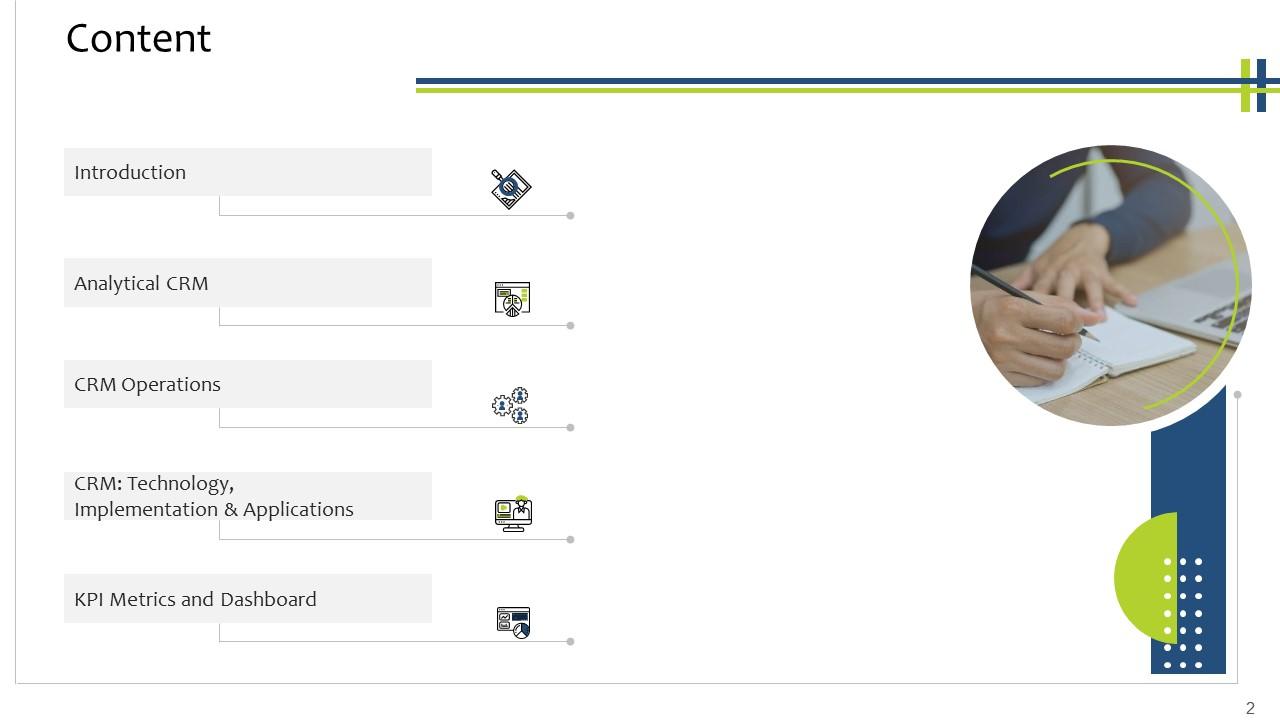
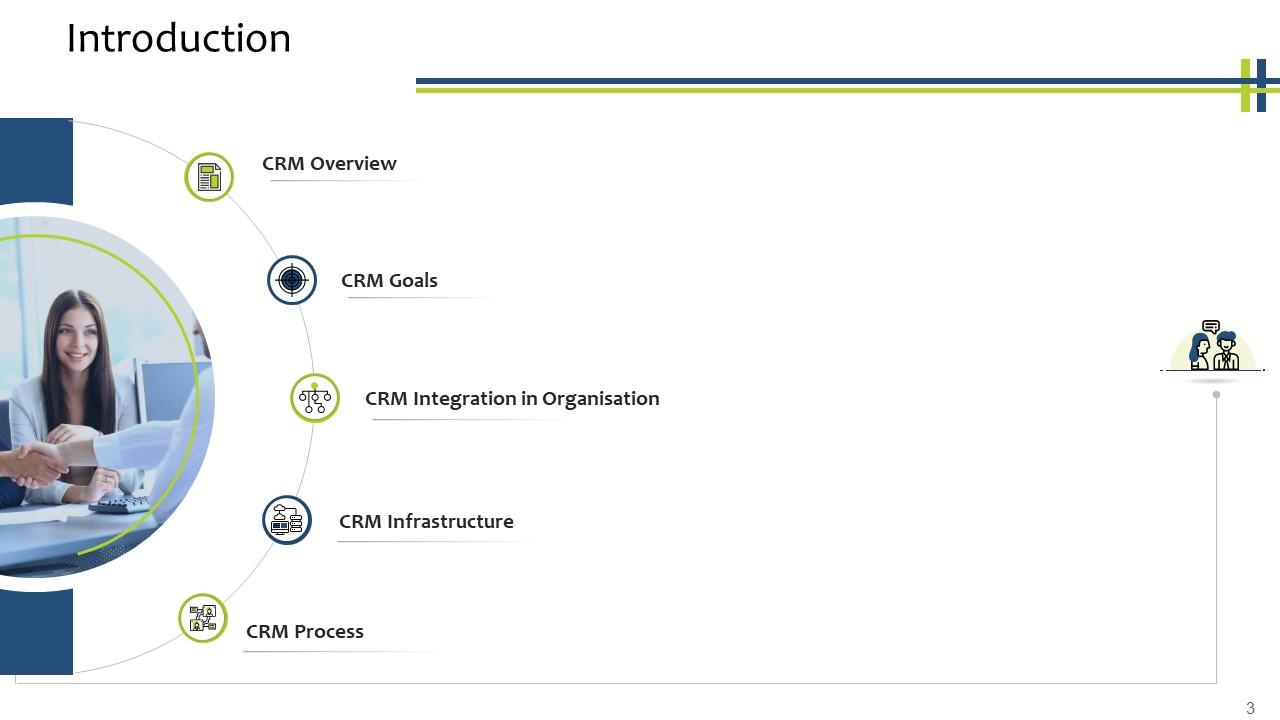
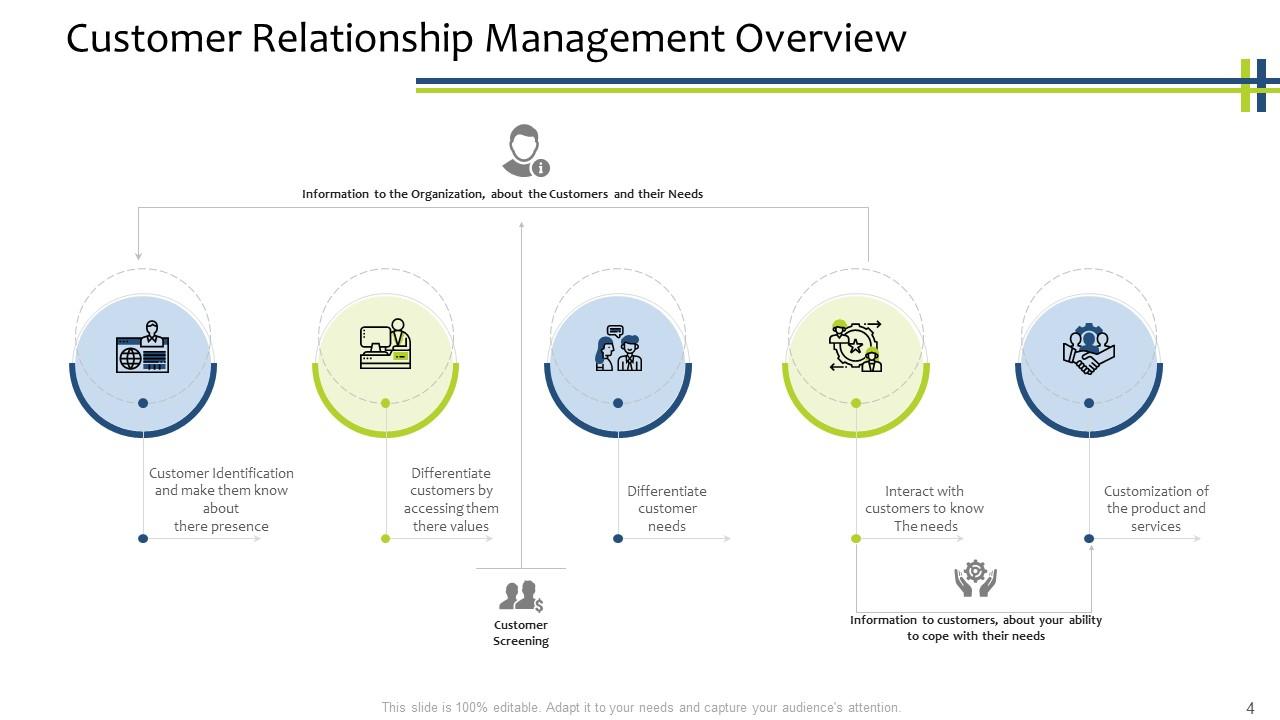
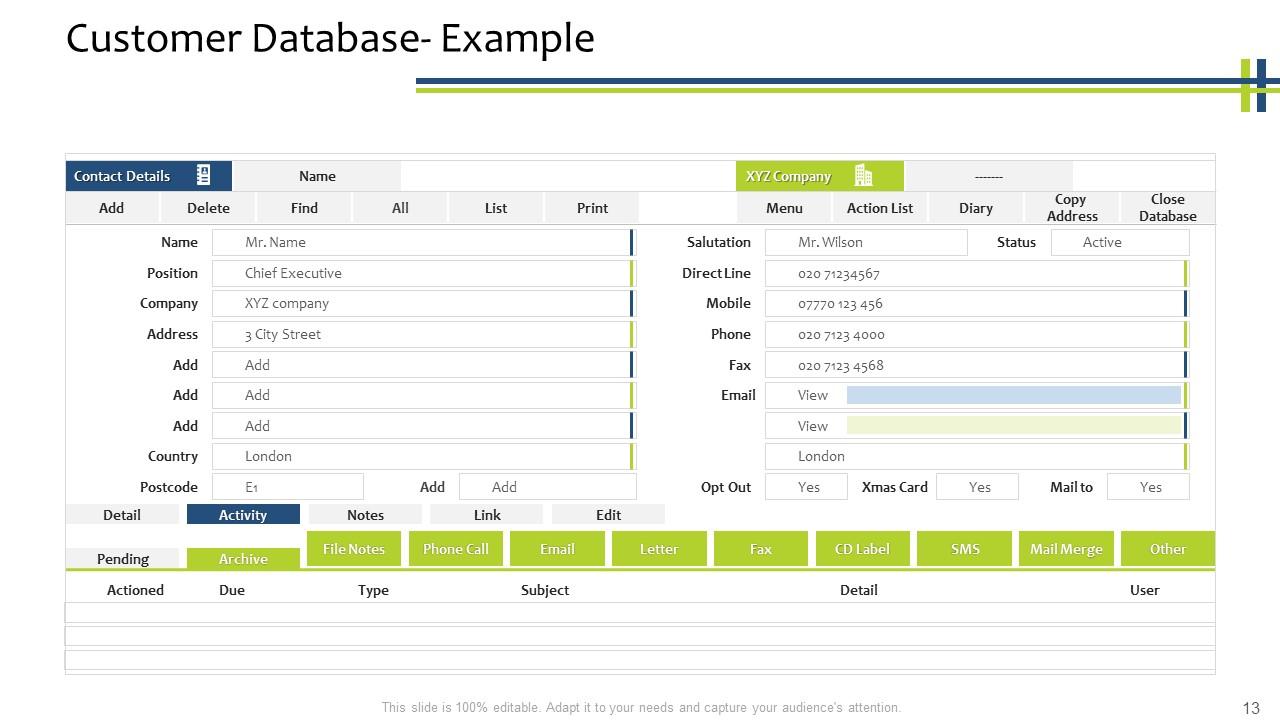
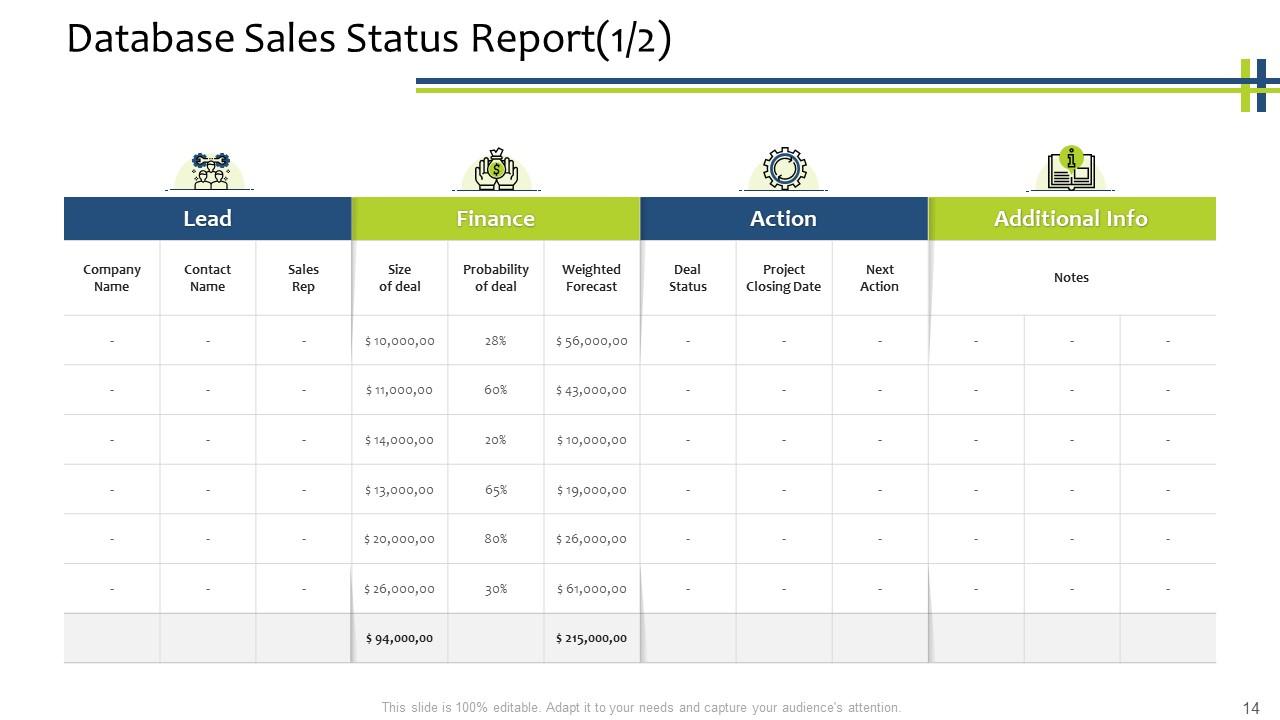
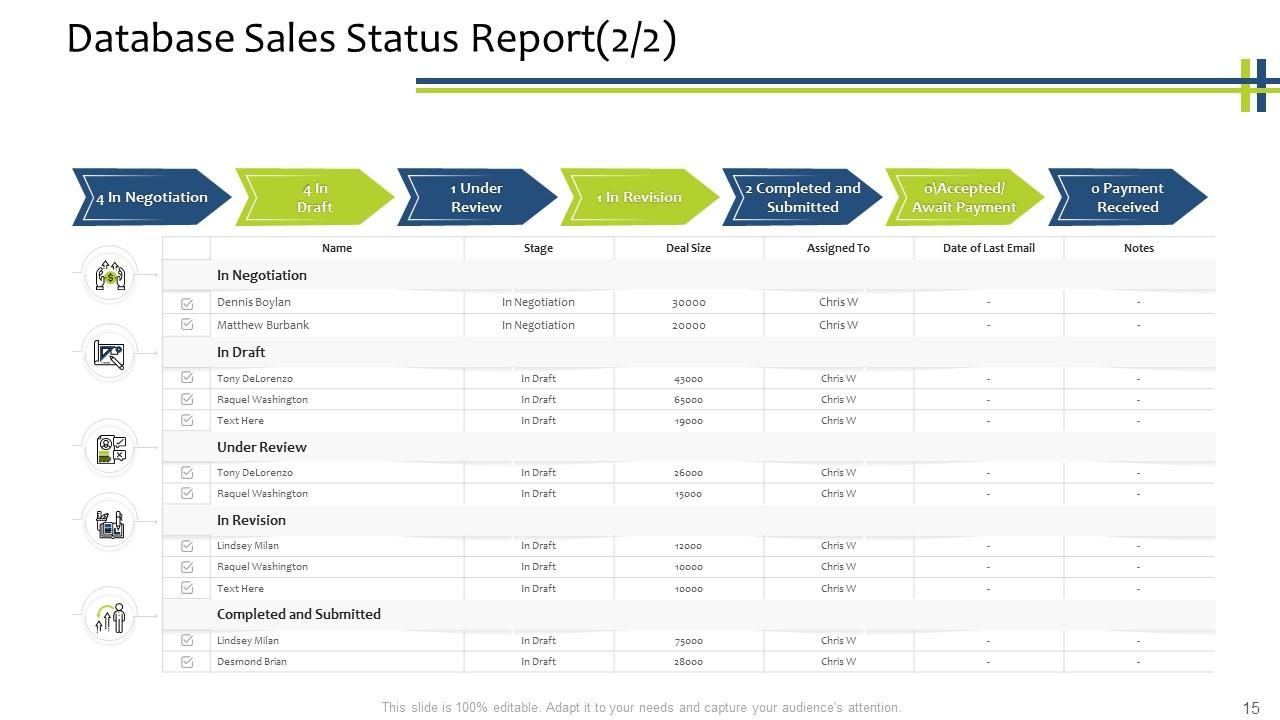
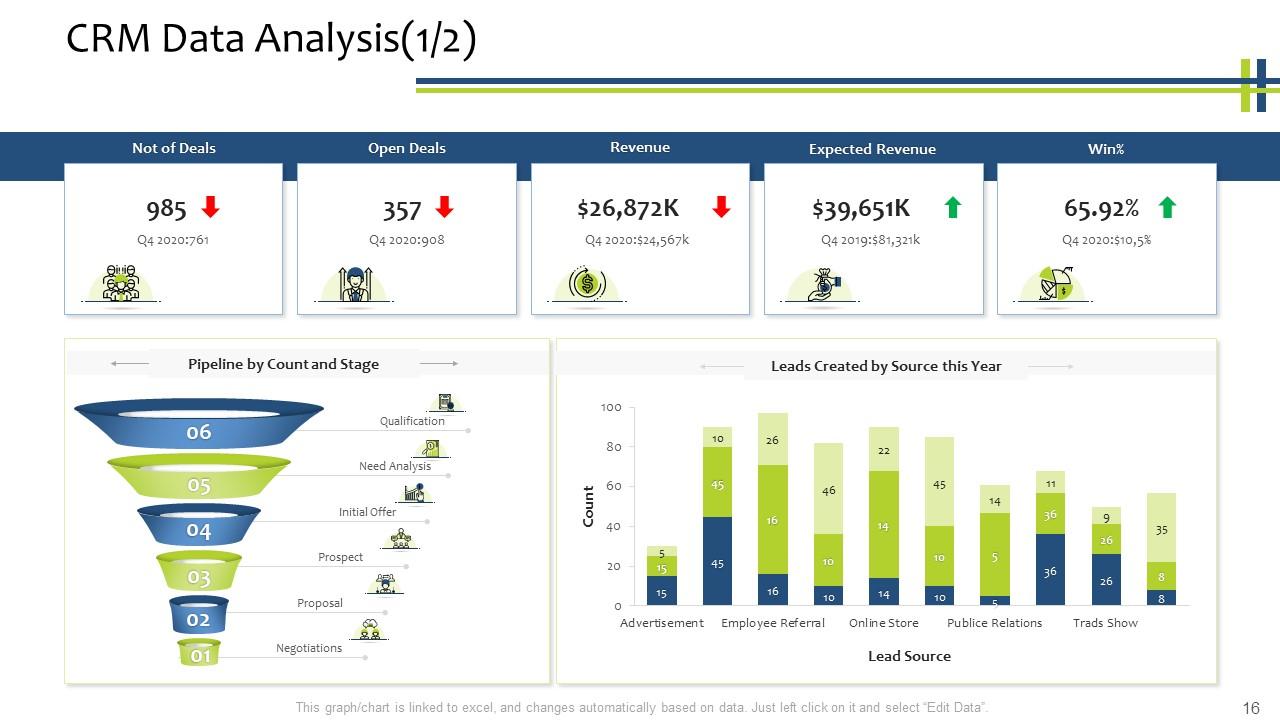
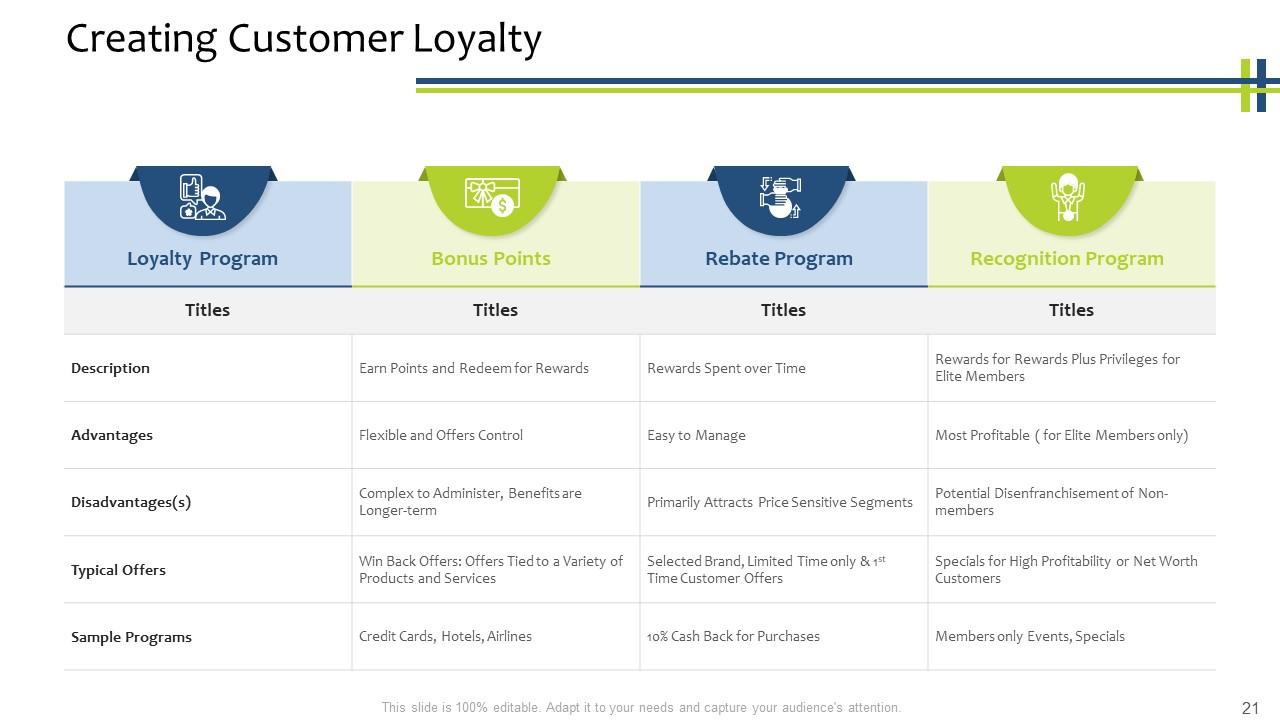
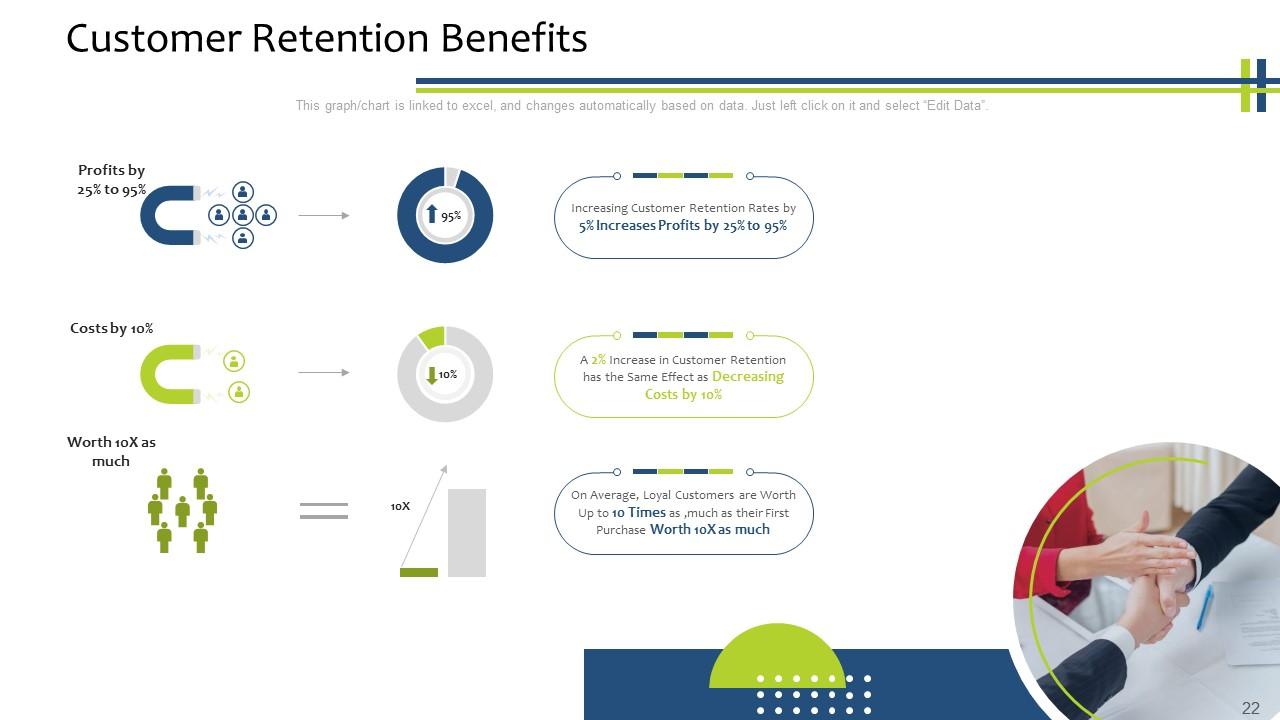
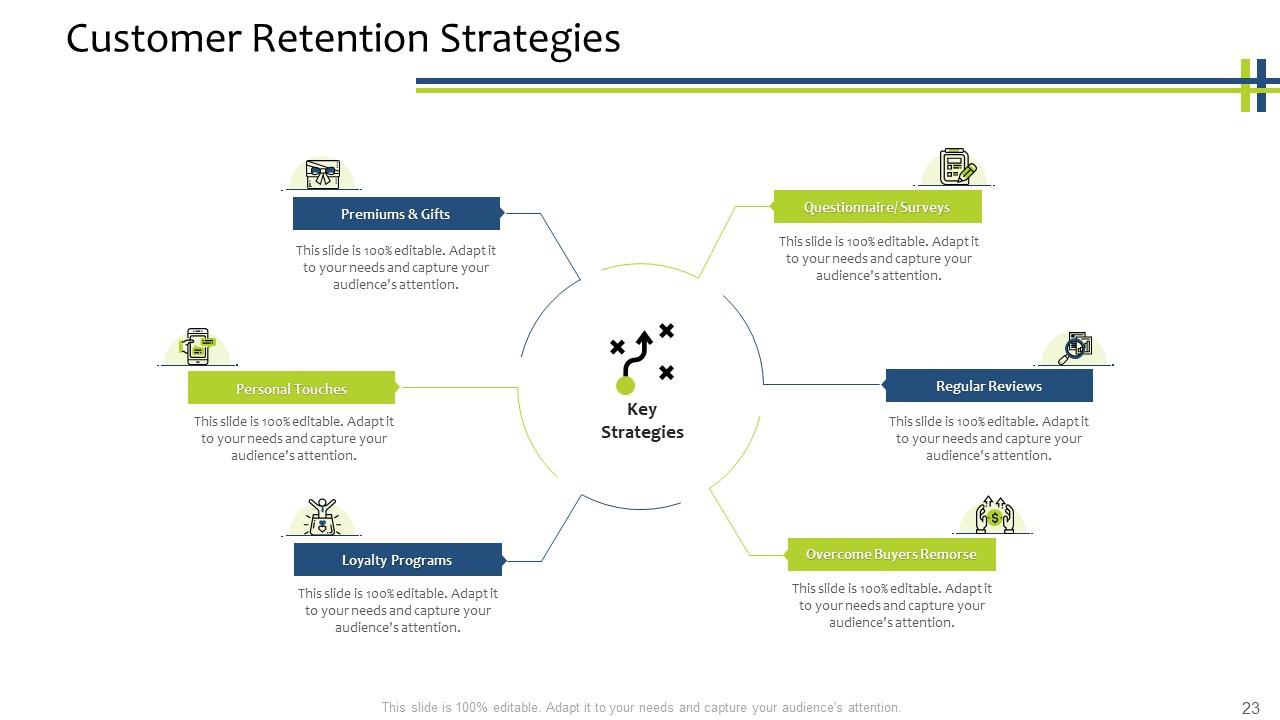
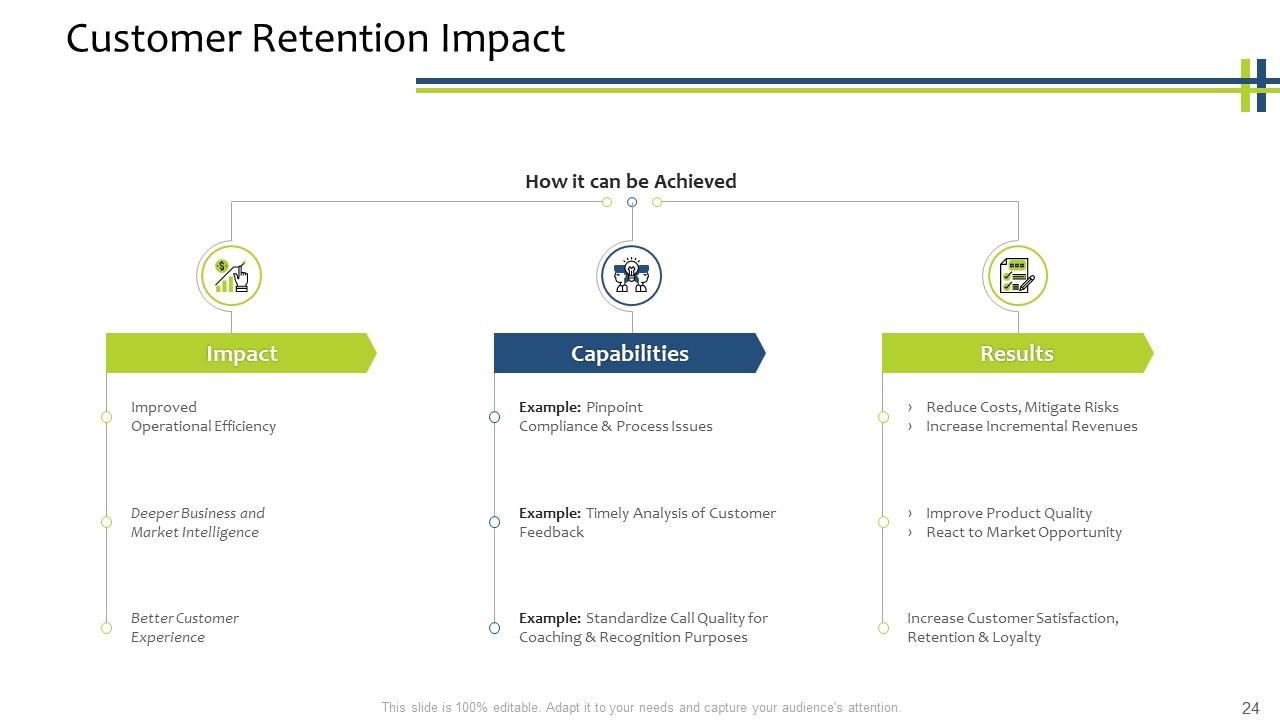
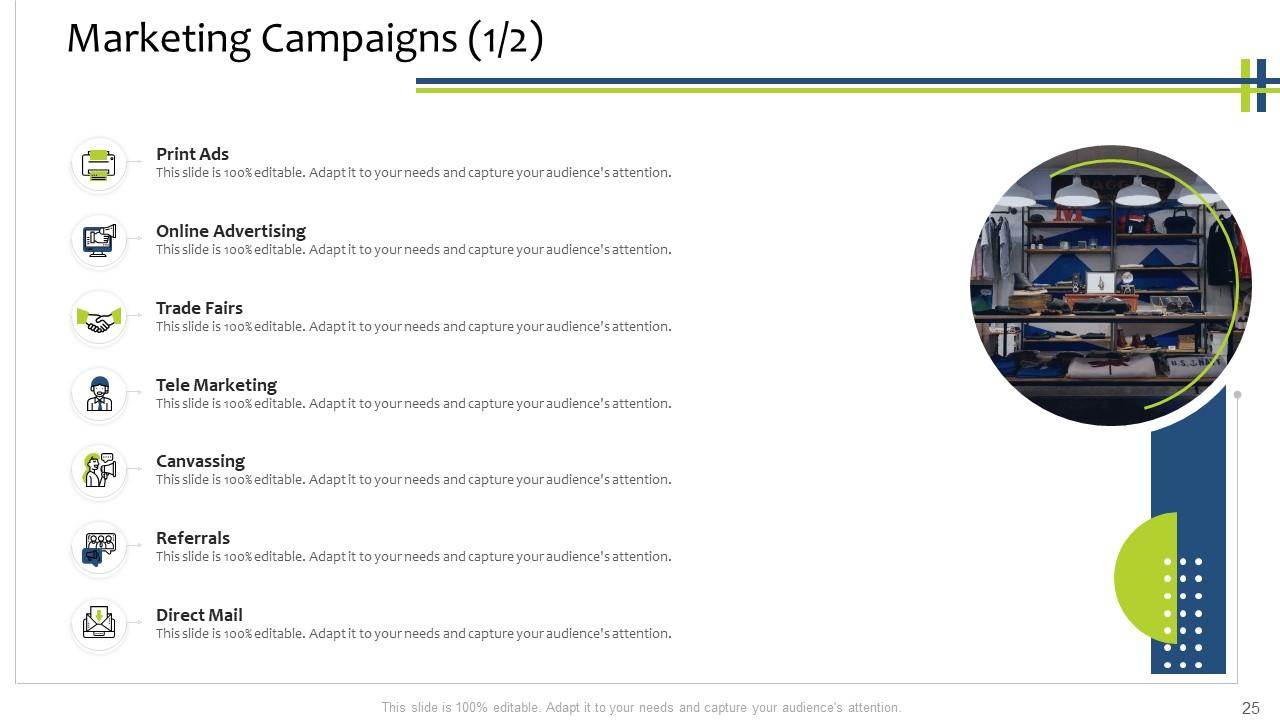
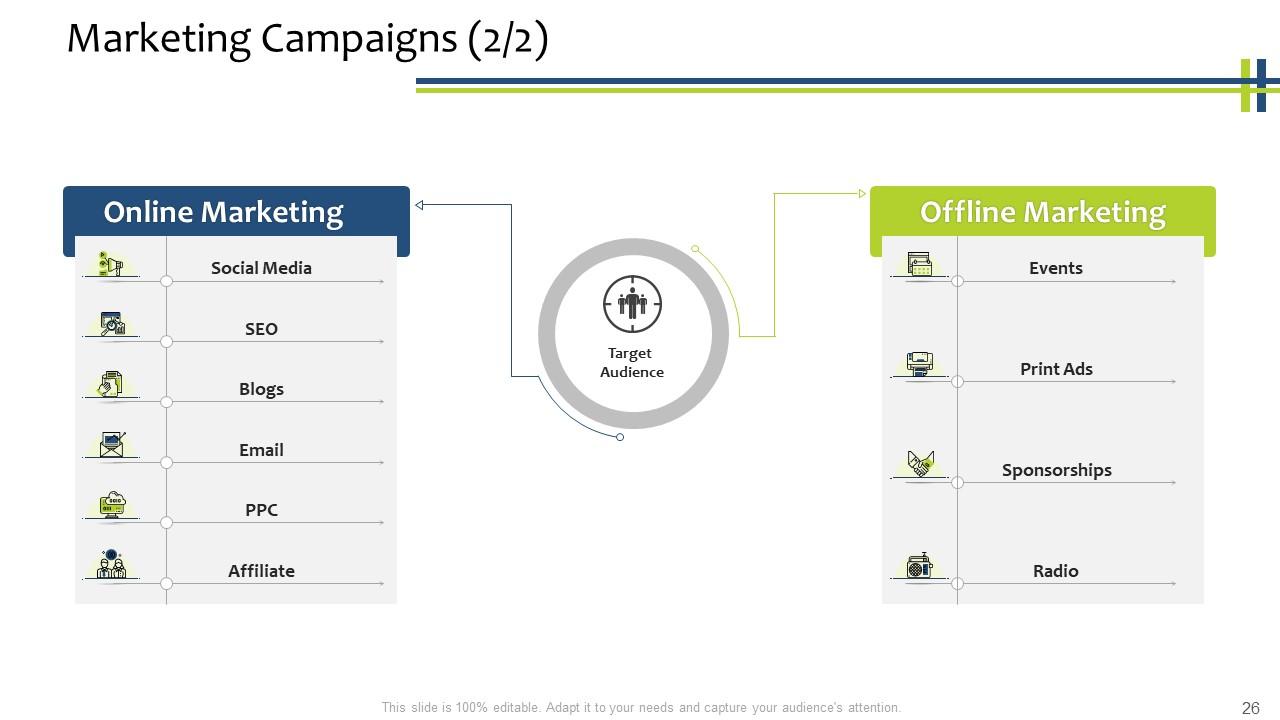
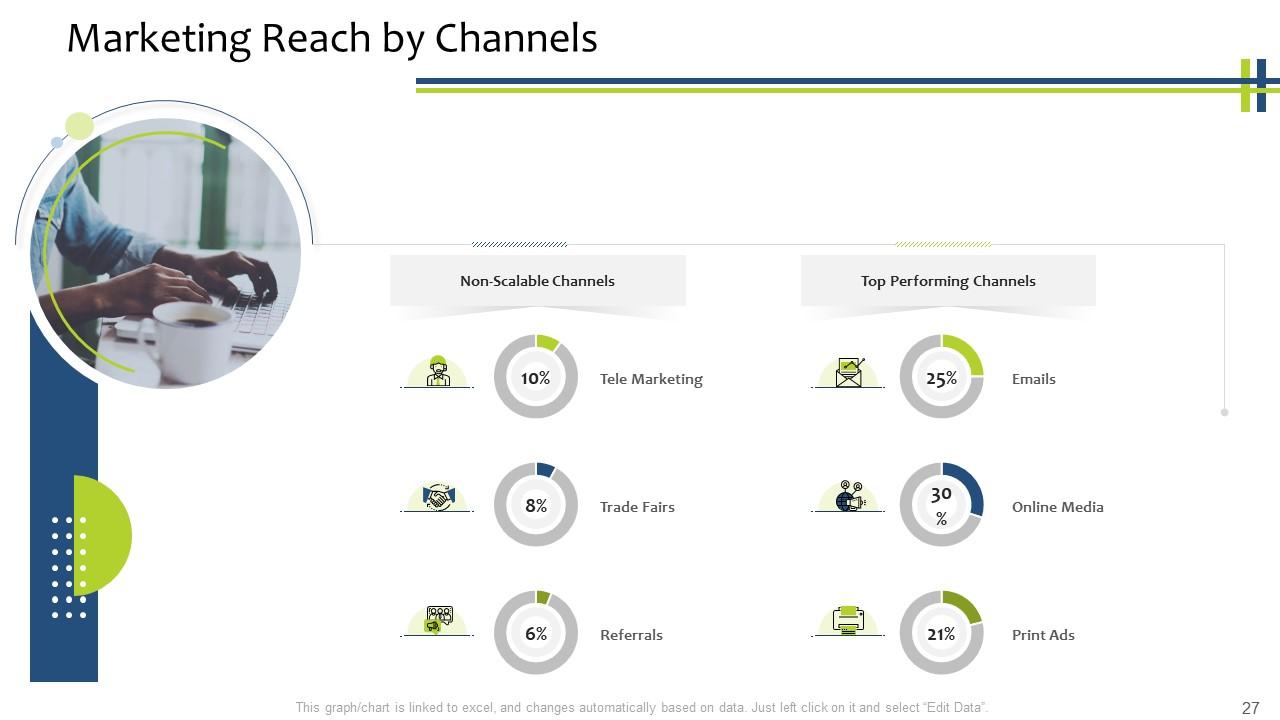
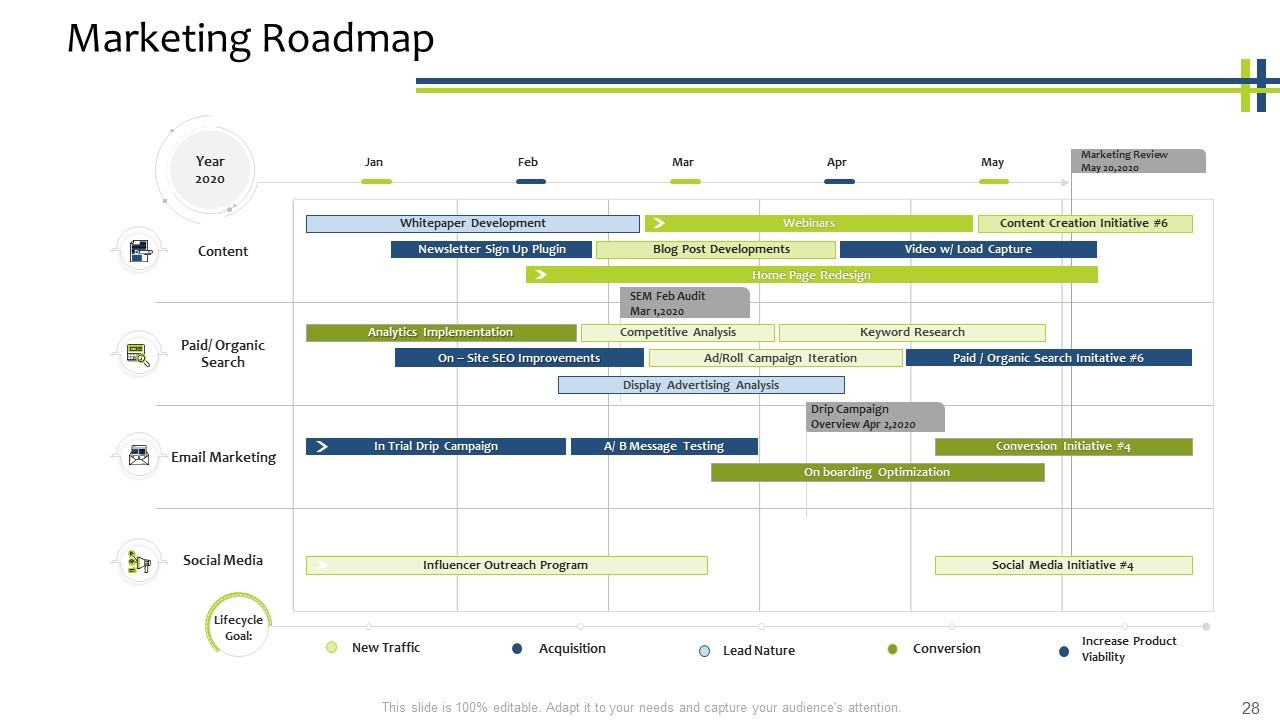
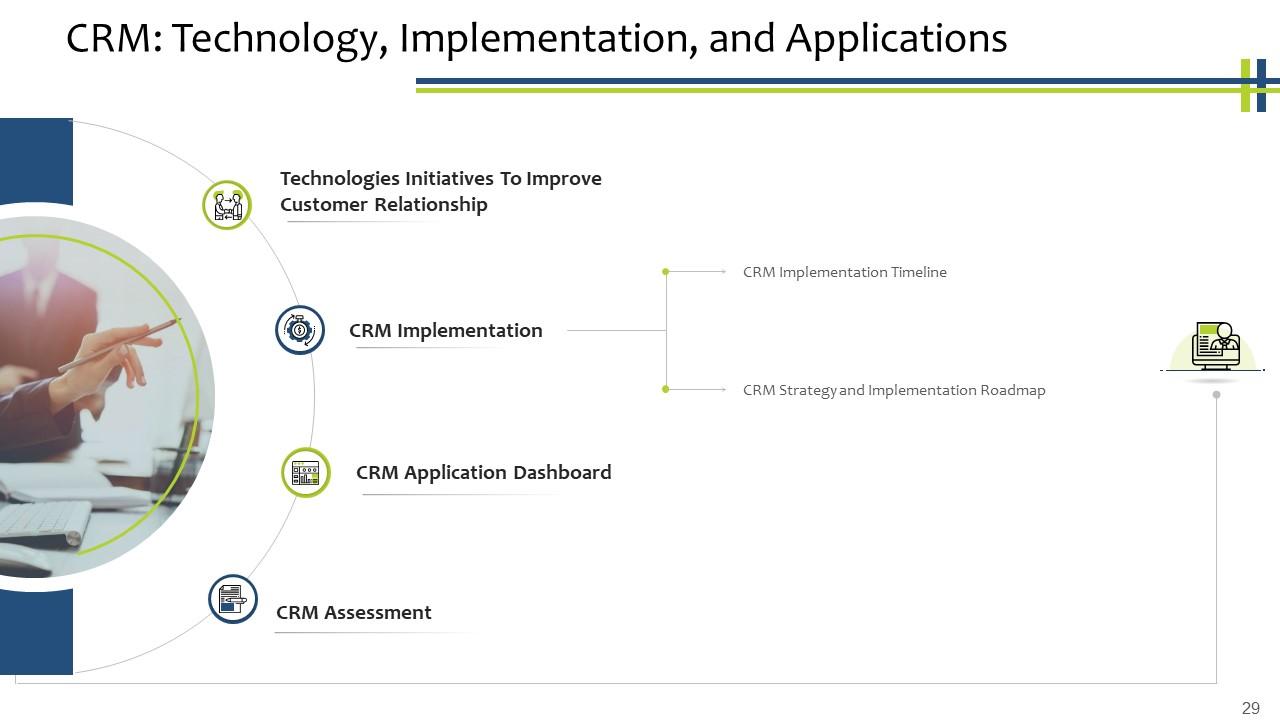
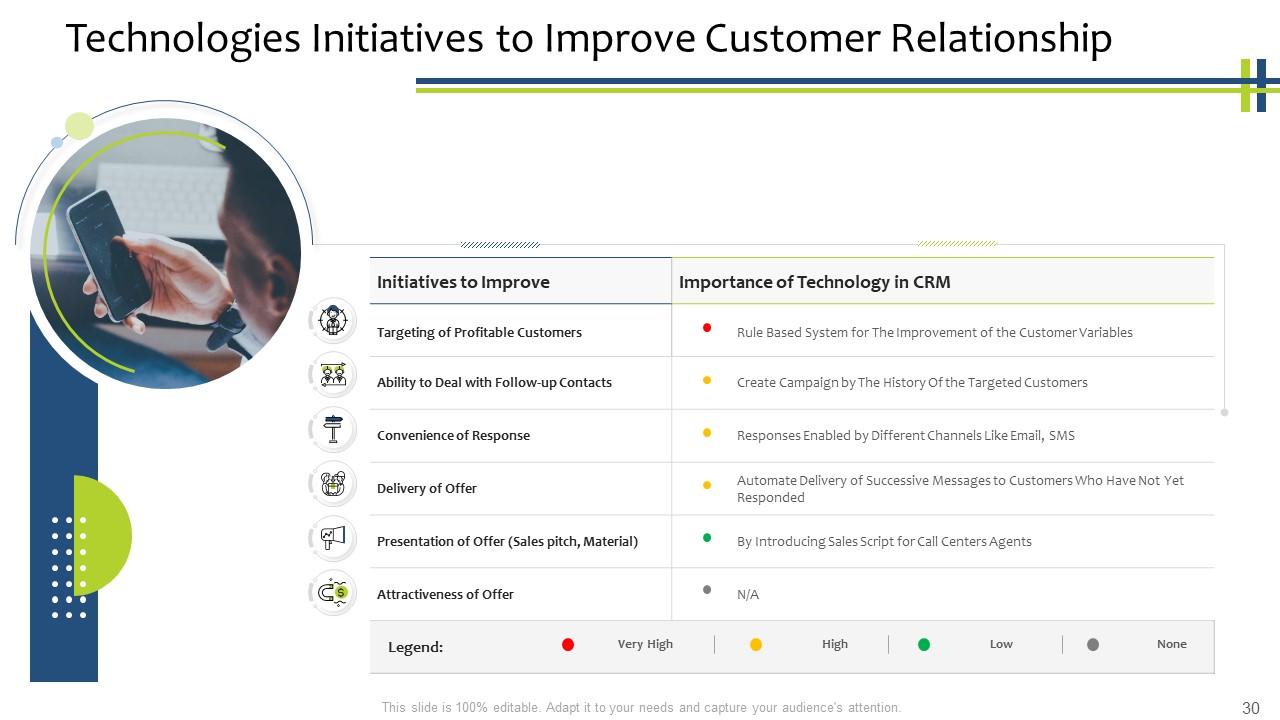
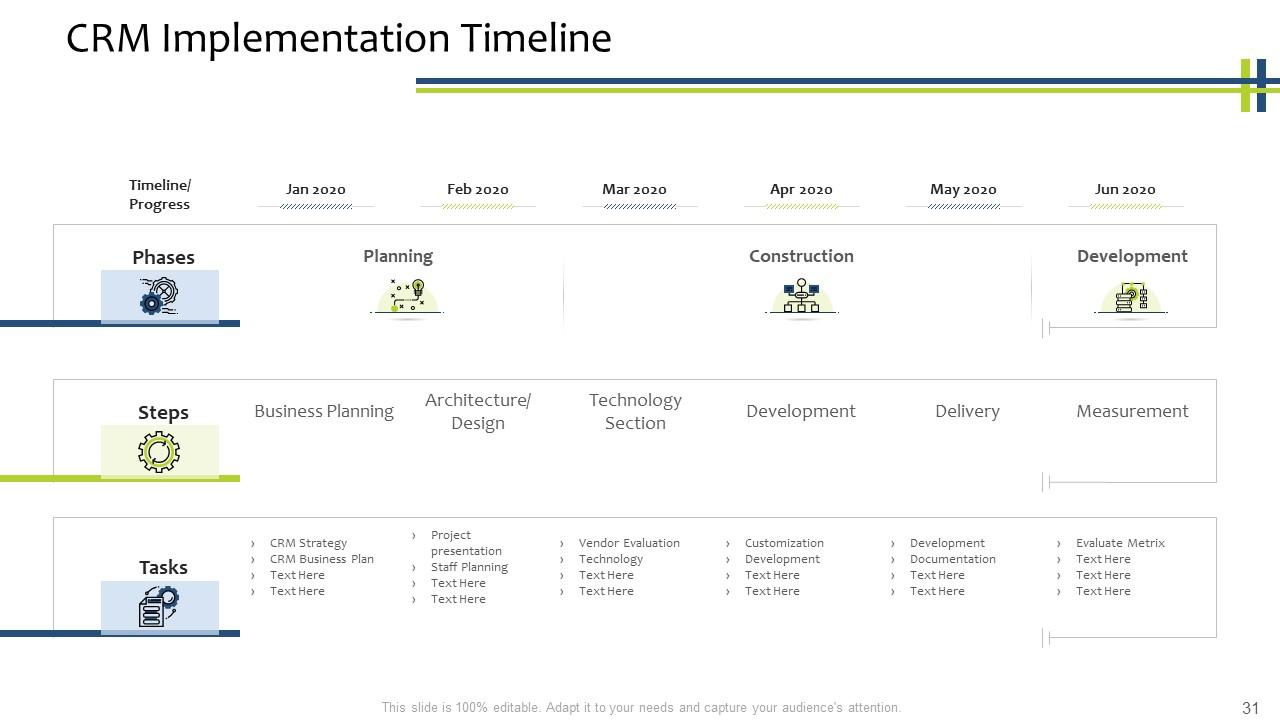
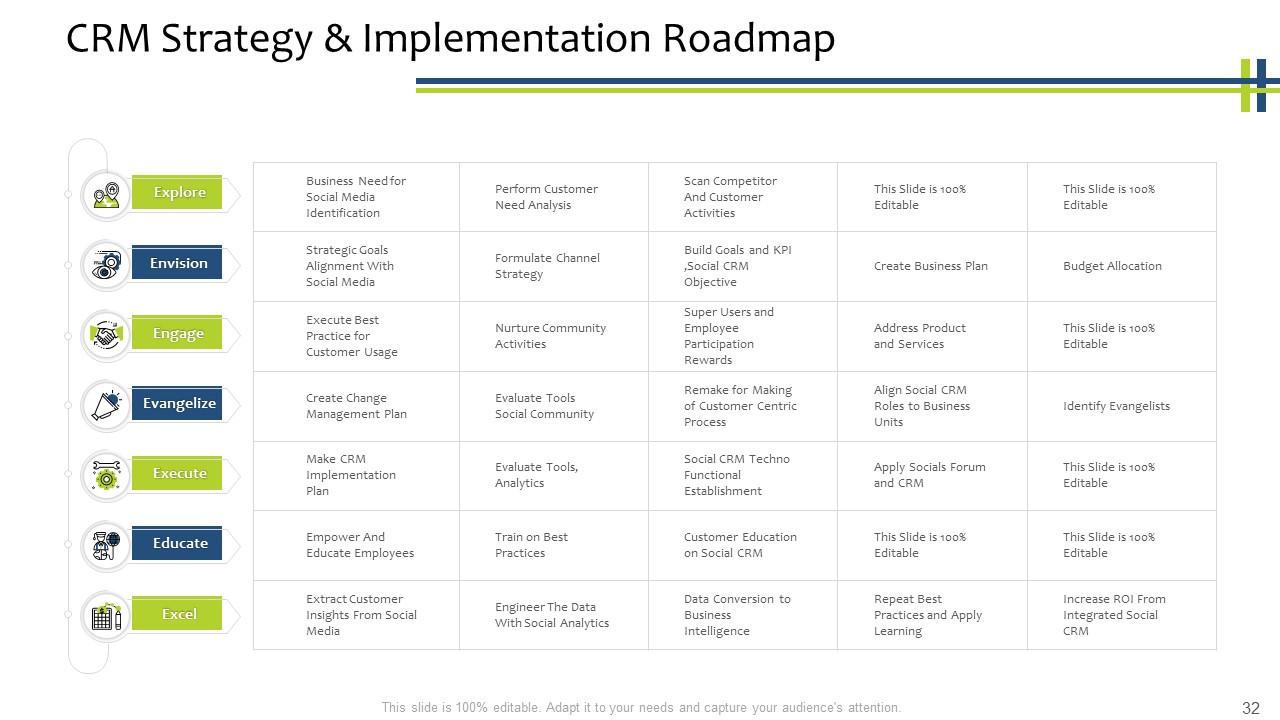
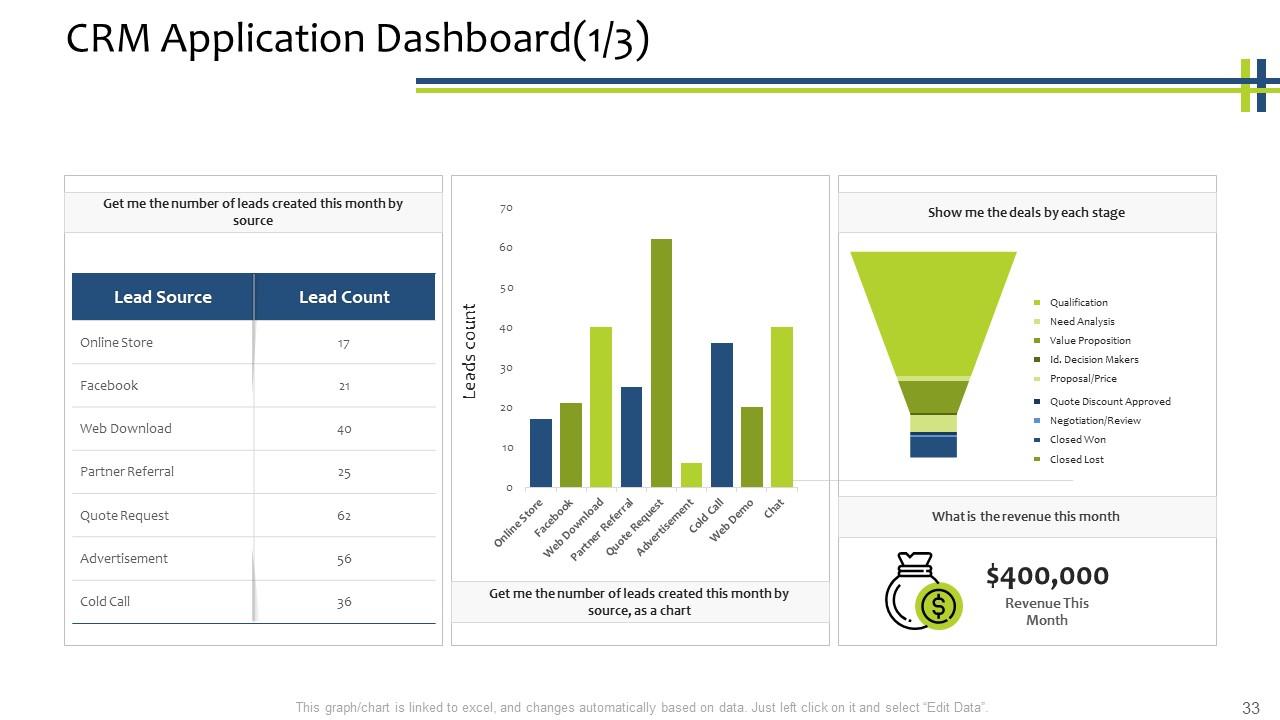
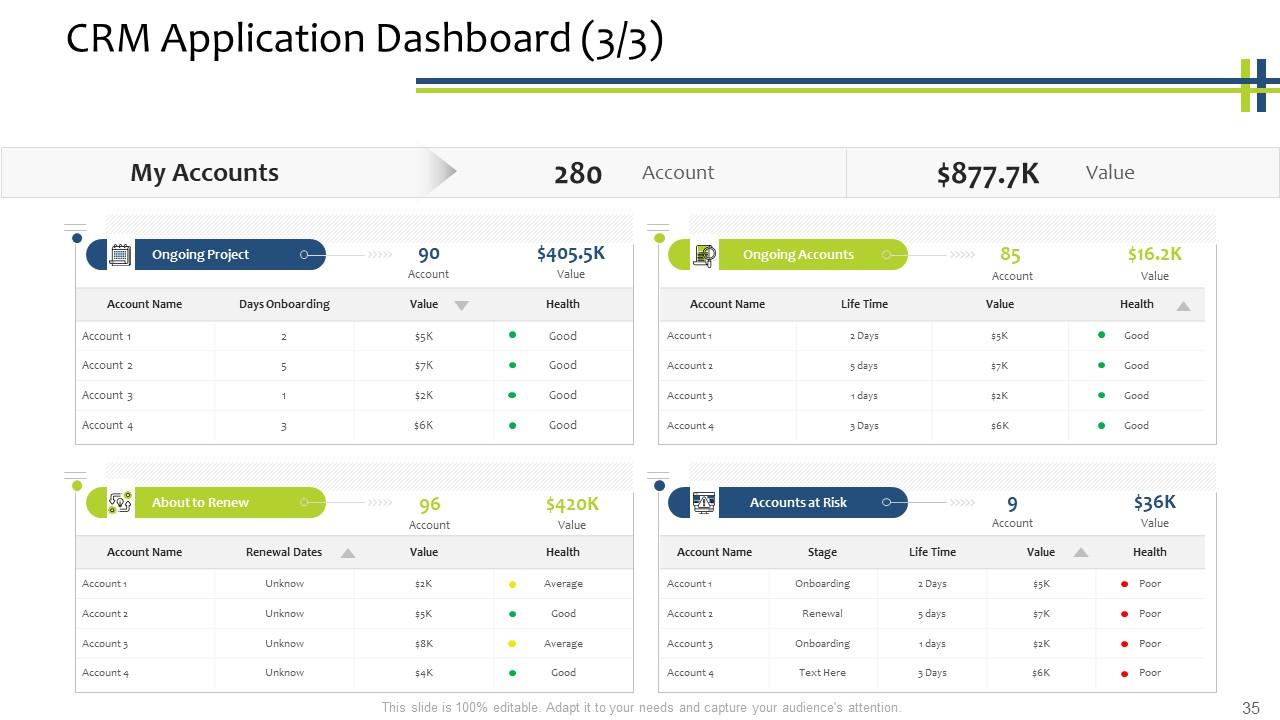
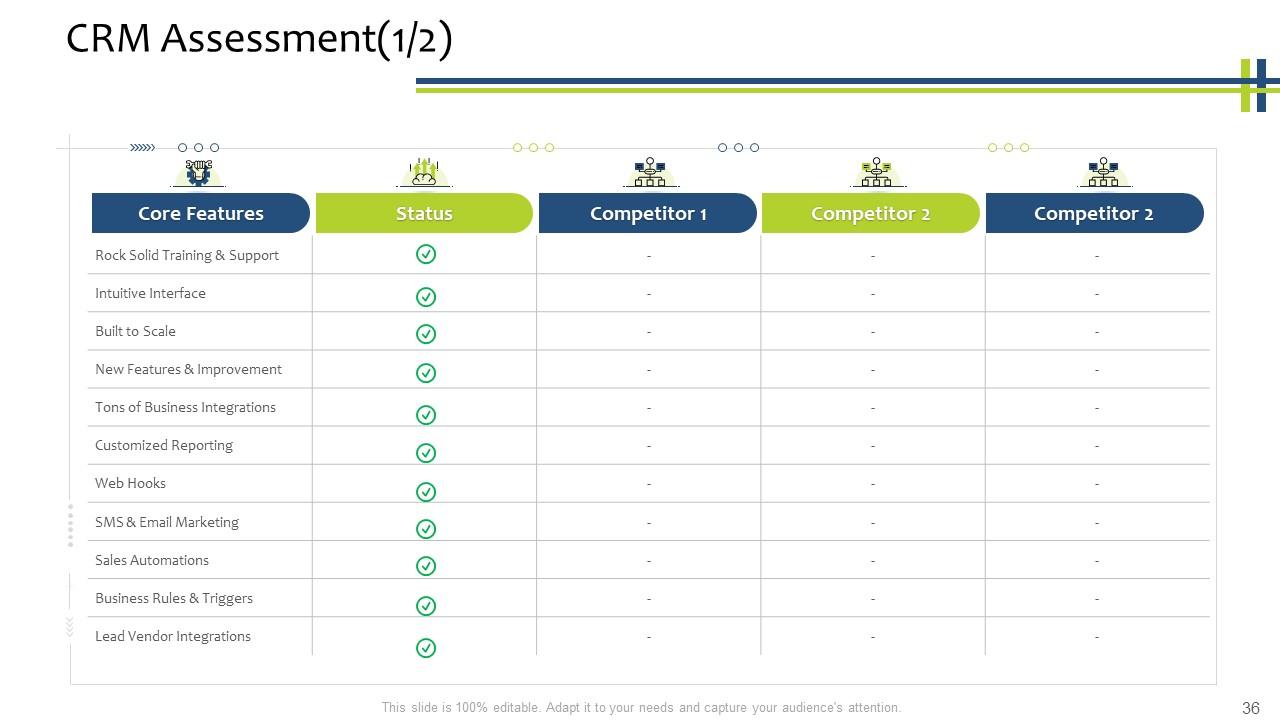
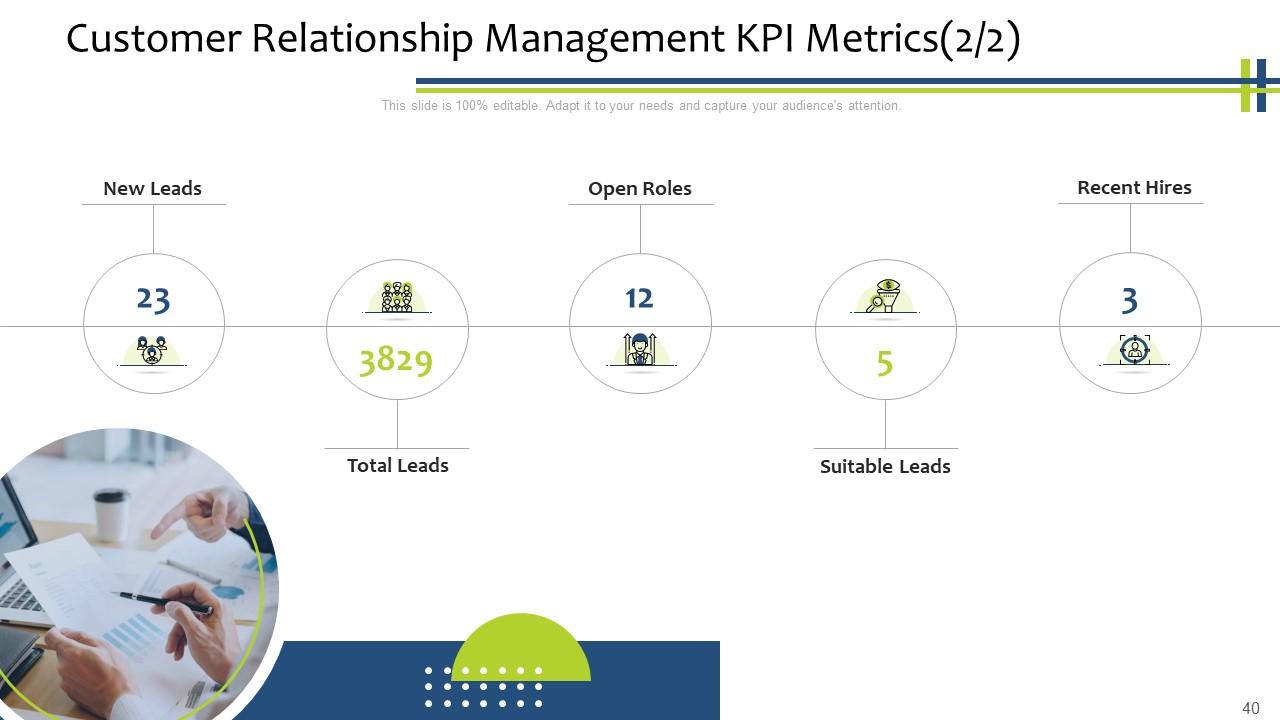
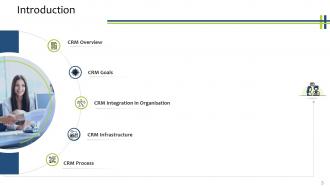
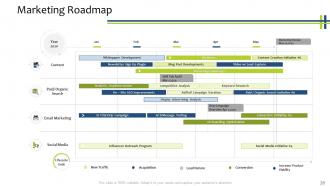
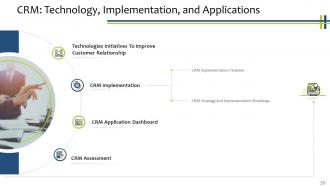
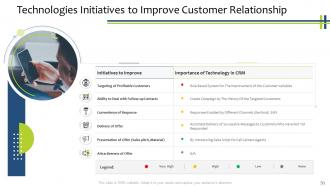
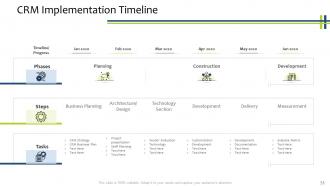
Ce jeu complet couvre divers sujets et met en évidence des concepts importants. Il a des diapositives PPT qui répondent aux besoins de votre entreprise. Cette présentation complète met l'accent sur les diapositives de présentation Powerpoint du processus CRM et contient des modèles avec des images d'arrière-plan professionnelles et un contenu pertinent. Cette plate-forme se compose d'un total de cinquante diapositives. Nos concepteurs ont créé des modèles personnalisables, en gardant votre commodité à l'esprit. Vous pouvez facilement modifier la couleur, le texte et la taille de la police. Non seulement cela, vous pouvez également ajouter ou supprimer le contenu si nécessaire. Accédez à cette présentation complète entièrement modifiable en cliquant sur le bouton de téléchargement ci-dessous.

FAQs for Crm process

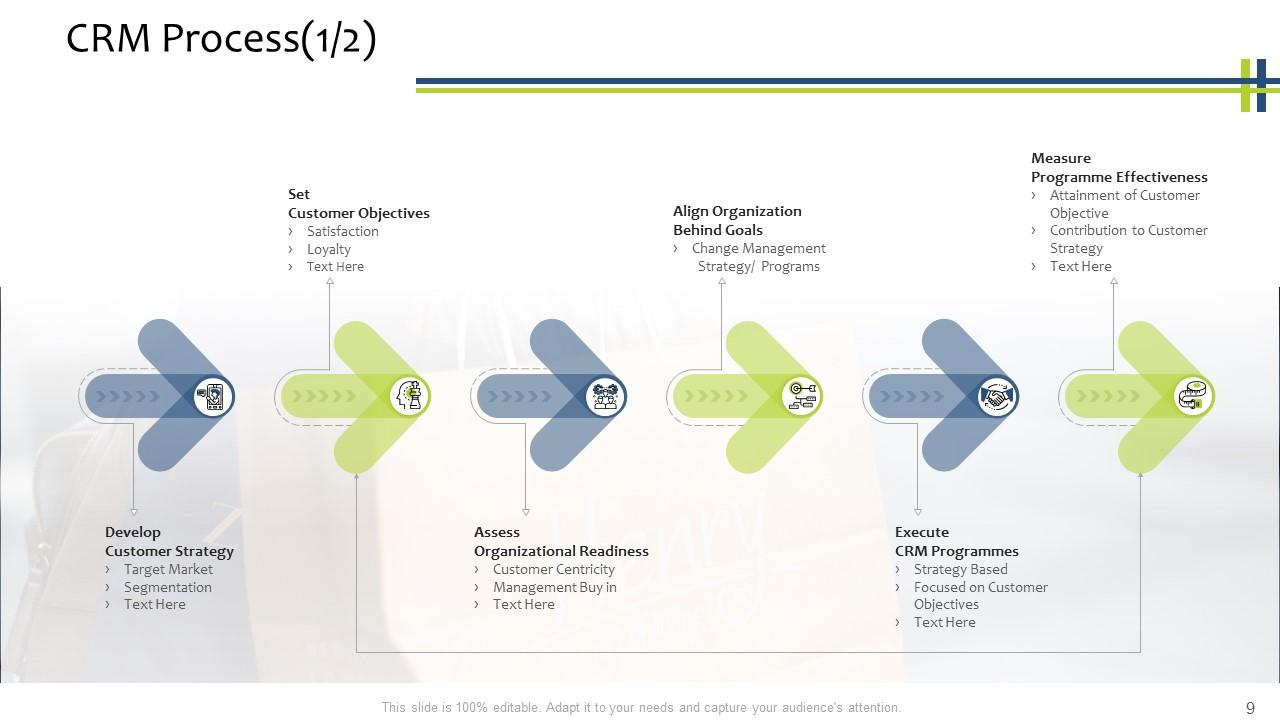
So CRM breaks down into five main stages: lead gen, qualifying those leads, managing opportunities, closing deals, and keeping customers happy afterward. Start by capturing prospects, then weed out the tire-kickers (trust me, this step will save your sanity). Nurture the good ones through your pipeline until you close them. Here's the thing though - retention is where you'll actually make bank. Growing existing accounts costs way less than hunting for new ones. Oh, and keep your data clean throughout or you'll end up chasing dead leads like an idiot.

Track your conversion rates, sales cycle times, and revenue per customer first - those numbers don't lie. But honestly? Customer satisfaction scores matter just as much. If your sales team hates the CRM, they'll probably enter crappy data anyway, so monitor how much they're actually using it. Keep an eye on retention rates too. I'd do monthly check-ins comparing everything to your pre-CRM numbers. Oh, and ask your team how they feel about the system - sounds touchy-feely but trust me, their buy-in makes or breaks the whole thing.

Your CRM is only as good as the data you put into it, honestly. Bad contact info and messy purchase history will screw up everything downstream - your sales team ends up looking like idiots calling prospects by wrong names or pitching stuff they already own. I've seen it happen so many times. Clean data makes your automation actually work and helps you segment customers properly. You'll want to audit what you have now first, then create some validation rules so garbage doesn't keep creeping in. Oh, and get your team trained on data entry best practices - saves headaches later.

Honestly, just start using all that data your CRM's already collecting instead of letting it sit there. Purchase history, support tickets, when people open emails - it's all gold. Set up some basic triggers first - like if someone downloads a whitepaper then checks your pricing, boom, send them something specific about that product. Behavioral scoring is clutch for figuring out who's actually ready to buy (your sales team will thank you). Oh, and some systems track what times customers usually engage with emails, which is pretty neat. Pick one simple personalization workflow and test it this week - you'll be surprised how much it moves the needle.

Ugh, data migration is such a pain - you'll spend forever cleaning up old records and praying nothing gets lost. People hate learning new systems too, so expect major pushback from your team. Integration with existing tools? Total headache, especially when nothing wants to work together properly. Oh, and scope creep will kill you if you're not careful. Start small though - grab a few people who actually want to help and get some wins with them first. Way easier than forcing it on everyone at once. Trust me on this one!

Dude, you've gotta automate your CRM - it'll handle all the boring stuff like lead scoring and data entry that normally kills your time. Email sequences are where I'd start honestly, biggest bang for your buck. Once you set up triggers, contacts move through your pipeline automatically. No more forgetting follow-ups or manually updating every little thing. I spent way too long doing that crap by hand before I figured this out. You'll actually have time for real conversations with prospects instead of just admin work. Trust me, start with those email automations and you'll wonder why you waited so long.

Start with CSAT scores - that's your basic "how'd we do?" metric. NPS is solid too since it shows who'd actually tell their friends about you. Response times and resolution rates matter more than people think, honestly. Customer Effort Score tracks how much work you're making them do, which can be a real relationship killer. Oh, and watch repeat contacts - if people keep calling back about the same issue, that's a red flag. I'd focus on CSAT and NPS first if you're just starting out. The rest you can add later once you've got those dialed in.

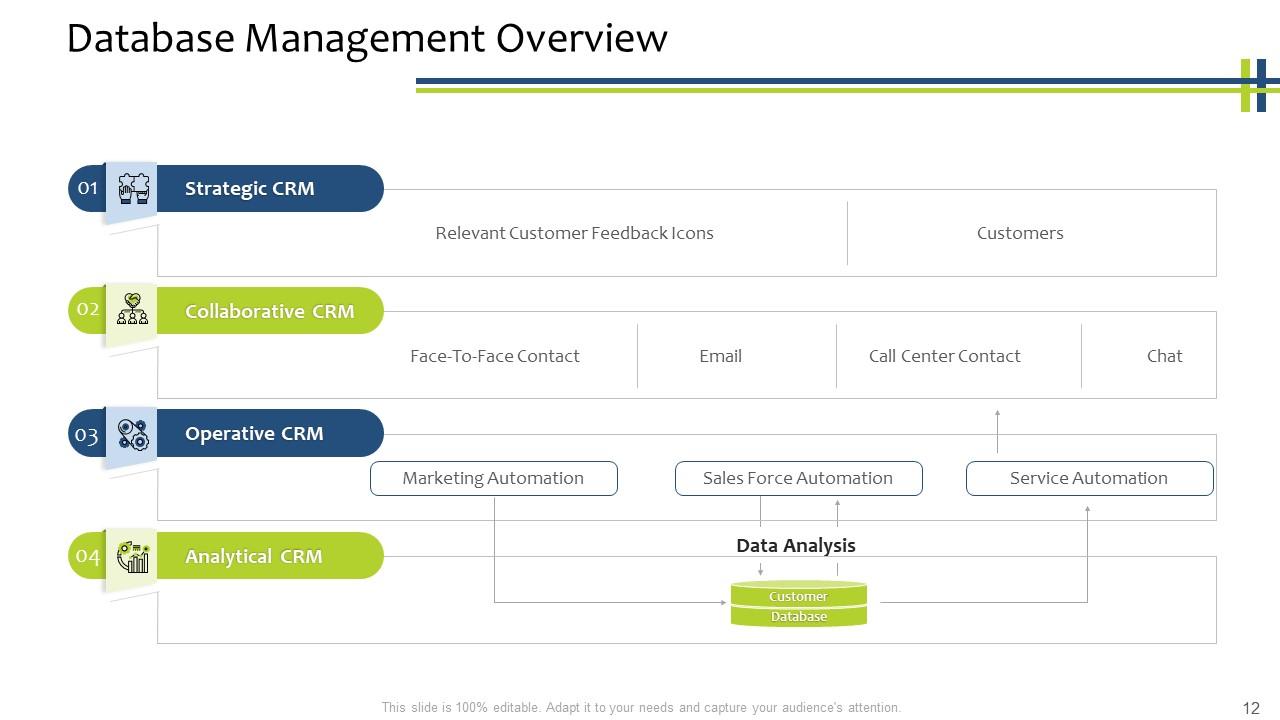
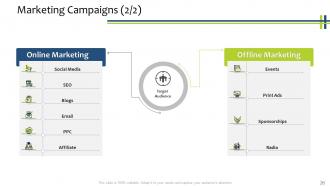
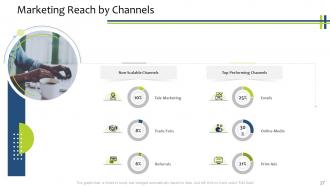
Oh, so multi-channel is just about reaching people where they already hang out instead of making them hunt you down. Email, social media, phone, live chat - whatever works for them. Honestly, I'm one of those people who'll ignore a phone call but respond to a text in two seconds. The cool part is you get tons more data points when you're tracking everything across different platforms. Plus customers actually feel heard when you meet them on their turf. Just make sure your systems actually sync up though - you don't want someone's complaint getting lost between your email and chat teams.

Start with email stuff like HubSpot or Mailchimp - total game changer for automation. Your accounting software needs to connect too, obviously. Slack/Teams integrations are clutch if your team actually uses those. Phone system sync is honestly underrated - saves so much time. Calendar apps too. Social media tools are pretty much expected now, especially for any social selling you're doing (though I still think that's overhyped). Just figure out what you're using every day and connect those first. No point getting fancy with integrations that don't fix real problems you're having.
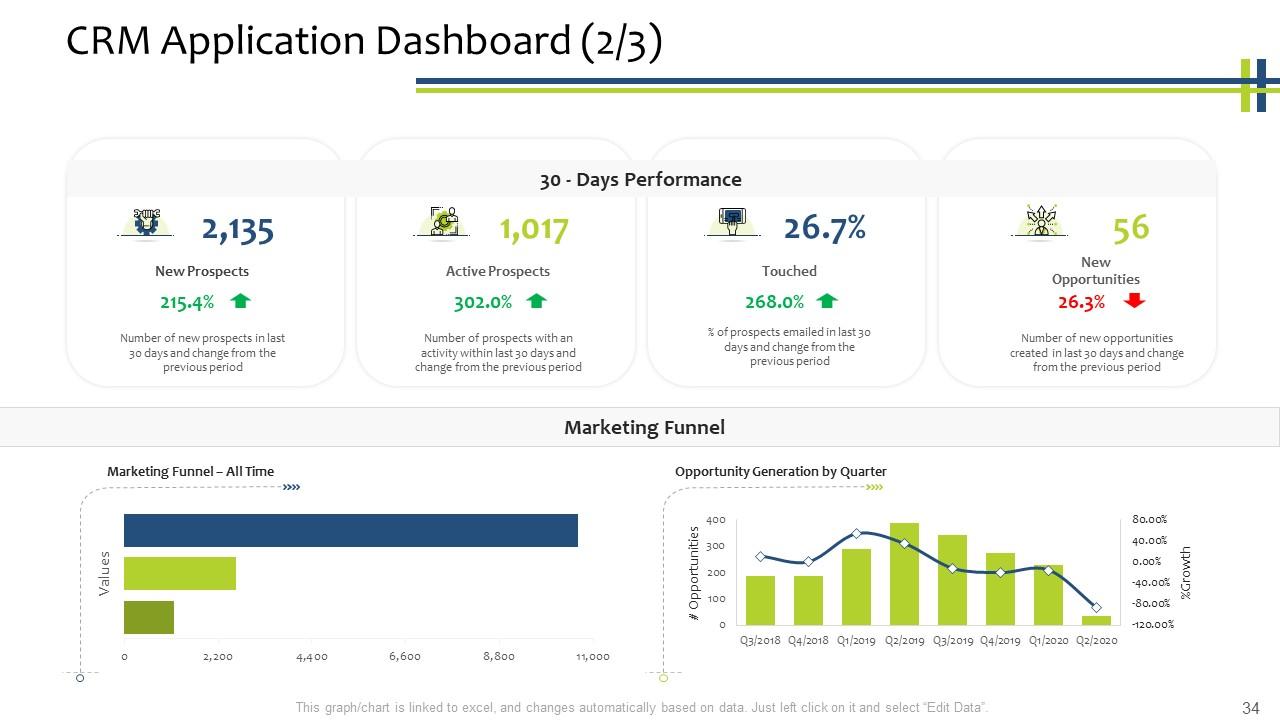
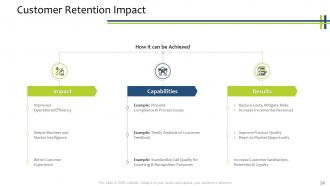
Honestly, CRM systems are perfect for this stuff. They track everything - what people buy, when they engage, all their preferences. Set up alerts for when customers go quiet or haven't bought anything in a while. The segmentation thing is clutch too, you can target different groups based on how much they spend or how they behave. I'd start simple though - maybe some win-back emails for people who've gone MIA, or throw some loyalty perks at your top customers. The personalized messaging really works, way better than those generic blasts everyone ignores.

Honestly, AI and machine learning are crushing it right now. They're handling lead scoring automatically and predicting what customers will do next. Voice assistants are getting weirdly good at sounding human - sometimes I can't even tell anymore. AR is making product demos way cooler, and blockchain's finally doing something useful with data security. IoT devices are pumping real-time usage data straight into CRMs too. But here's the thing - don't go crazy trying every new tech that pops up. Just pick one or two that'll actually fix problems your team's dealing with right now.

Honestly, your sales team probably has the best intel on what's broken - they're dealing with customer complaints all day. Start simple with a post-purchase survey or something. Track basic stuff like how fast you respond to people and whether you actually solve their problems. Monthly sit-downs to review what's working help too, but don't overthink it. Most companies just wing feedback and wonder why nothing improves. Pick one thing this week and build from there - maybe survey customers right after they buy or complain. The trick is making it automatic instead of hoping people will just tell you when stuff sucks.

Don't dump everything on them at once - role-based training is key. Your sales team doesn't need to know admin stuff they'll never use. Set up a practice environment where they can mess around without consequences. Honestly, hands-on beats PowerPoint slides every single time. Here's what most companies screw up: they do one session and think they're done. You need follow-ups, plus someone on each team who becomes the go-to CRM person. Oh, and connect it to actual results they care about - nobody wants to learn software just because.
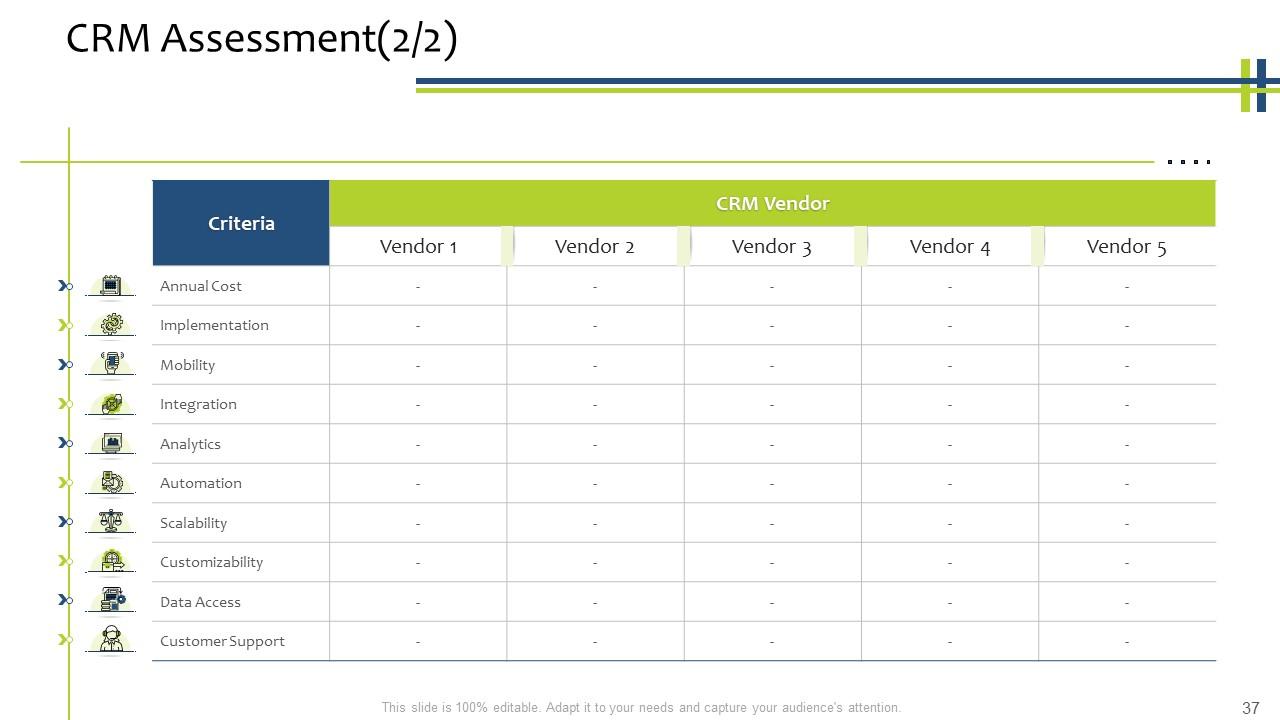
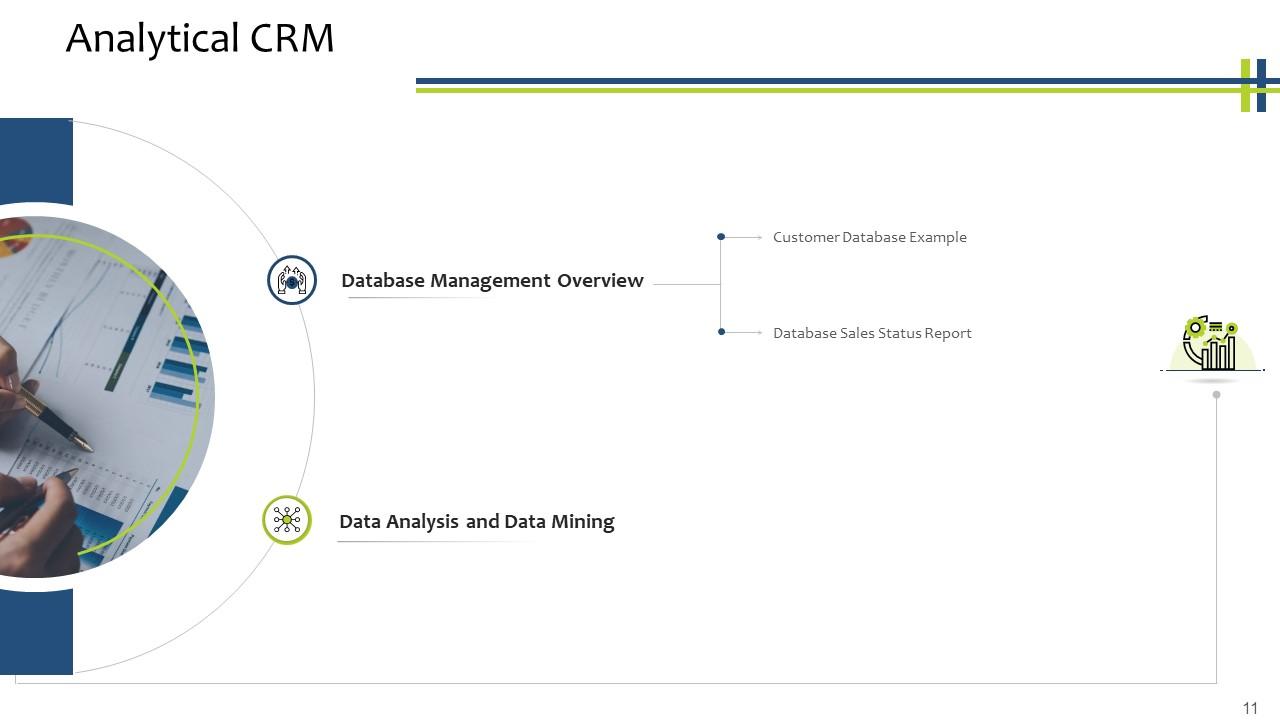
Honestly, data analytics is a game-changer for catching patterns you'd totally miss otherwise. Track which touchpoints actually convert customers instead of getting excited about meaningless stuff like email open rates (guilty of that myself). Set up dashboards for customer lifetime value and engagement scores first. Then you can spot who's about to bail before they disappear completely. The real magic happens when you use those insights to personalize your messaging for different segments. Focus on metrics that tie back to revenue - that's what actually matters. High-value prospects become way easier to identify once you've got the right data flowing.

Honestly, mobile CRM is a total game-changer for field sales. Your reps can pull up customer data and update records instantly - no more scribbling notes to enter later. Deal cycles speed up because they can check account history during meetings and fire off quotes immediately. Real-time pipeline visibility means managers aren't stuck waiting for weekly reports either. The key is figuring out which features your team will actually use first. Don't go crazy enabling everything at once - that just confuses people. I learned that the hard way!

Ratings and Reviews

88% of 100
Review Form
Write a review
Most Relevant Reviews
  1. 100%

    by Claude Price

    Excellent products for quick understanding.
  2. 80%

    by Clayton Sanders

    Good research work and creative work done on every template.
  3. 80%

    by Demetrius Boyd

    Unique and attractive product design.
  4. 100%
    by Wilson Campbell

    Out of the box and creative design.
  5. 80%
    by Clement Patel

    Unique design & color.
  6. 100%

    by Dave Shaw

    Easily Understandable slides.
  7. 80%

    by Brown Murphy

    Awesome presentation, really professional and easy to edit.
  8. 80%

    by Donald Peters

    Qualitative and comprehensive slides.

8 Item(s)

per page: