


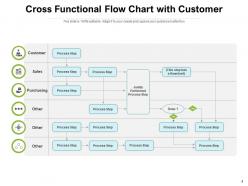
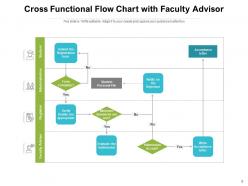
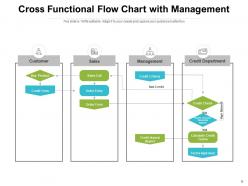
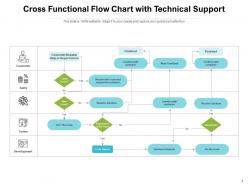
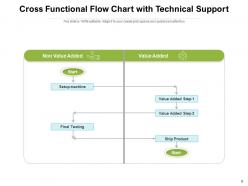
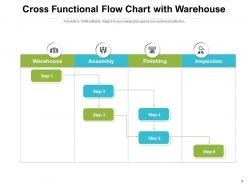
Cross Functional Flow Chart Department Process Management Technical




Try Before you Buy Download Free Sample Product
 Impress Your
 Audience
 100%
100% Editable
 Save Hours
 of Time


Our Cross Functional Flow Chart Department Process Management Technical are topically designed to provide an attractive backdrop to any subject. Use them to look like a presentation pro.
People who downloaded this PowerPoint presentation also viewed the following :
Cross Functional Flow Chart Department Process Management Technical with all 10 slides:
Use our Cross Functional Flow Chart Department Process Management Technical to effectively help you save your valuable time. They are readymade to fit into any presentation structure.
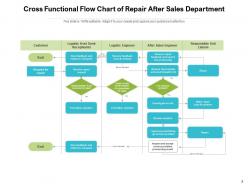
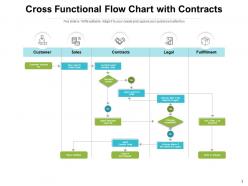
FAQs for Cross Functional Flow Chart Department
So there are five stages that kinda flow together: design, modeling, execution, monitoring, and optimization. First you design your process, then model it out with flowcharts or whatever software works. After that, you execute it in real life and monitor how it's actually going. Based on what you find, you optimize it. Here's the thing though - it's totally cyclical, so your optimization feeds back into redesigning everything again. You're basically always improving. Monitoring and optimization really push the whole thing forward. Honestly, I'd just pick one process you're already doing and map out where it gets stuck.
Here's what I'd do - grab a coffee and map out everything that currently makes people want to bang their heads against the wall. Those multi-team handoff situations? Pure chaos most of the time. Look at what's eating up hours, creating bottlenecks, or pissing off customers. Don't just go with your gut though - pull some actual numbers on cycle times and error rates. That data will save you when you're trying to get buy-in later. Honestly, I'd tackle the easier wins first since quick victories help build momentum. Then you can use that goodwill for the bigger, messier stuff.
Tech is honestly a game-changer for streamlining your processes. Start with automating those mind-numbing repetitive tasks that eat up your day. Real-time tracking shows you exactly what's broken - and trust me, it's usually not what you'd expect. Workflow software and dashboards reveal the actual mess happening behind the scenes versus your assumptions. The data's super helpful for figuring out optimization spots. Don't go crazy trying to fix everything at once though. Pick that one process that makes you want to scream, tech it up first, then expand from there.
Honestly, just pick some solid metrics first - cycle time, error rates, customer satisfaction, whatever makes sense for your thing. Get your baseline numbers before you change anything (I know it's boring but trust me on this one). After you roll it out, don't just look at the data. Talk to the people actually using the new process - they'll tell you real quick if it's working or if you just created a different headache. I'd check in at 30, 60, and 90 days to catch problems early.
Oh man, don't try documenting everything at once - that's a recipe for burnout. Start with whatever's causing you the biggest headache right now. Get your team involved from day one because they're the ones who'll actually use this stuff. I've seen so many companies where leadership says "yeah sure" but then doesn't really back it up, so make sure your executives are genuinely on board. Keep things flexible too - overly rigid processes just make people want to work around them. Pick someone to own each process or it'll just become orphaned documentation that nobody maintains. Actually, the documentation part is kinda the easy bit compared to getting people to change how they work.
Honestly, just make it feel like everyone's problem to solve, not some top-down initiative. When people point out dumb processes, actually do something about it - can't tell you how many places I've seen collect feedback then completely ignore it. Set up regular check-ins where folks can safely complain about what sucks. Quick wins first though. Fix the easy stuff so people see you're serious, then go after the bigger headaches. Oh and definitely celebrate when things work out. Don't throw anyone under the bus when experiments fail either - that'll shut down ideas real fast.
Honestly, I'd start super basic with whatever your team already uses - even sticky notes work great for brainstorming sessions. Lucidchart and Visio are solid for actual flowcharts, or try draw.io if you want something free. The real game-changer though? Process mining tools like Celonis or Disco. They'll show you what's actually happening vs what everyone thinks is happening (always eye-opening). Excel's fine for basic analysis, but Power BI makes prettier dashboards if you're presenting to management. My advice is don't overthink the tech stack initially. Get comfortable with simple mapping first, then upgrade as you get more sophisticated.
Pick one small area first - don't try to change everything at once. Maybe start with your procurement team or HR. Add some quick daily check-ins and regular retrospectives there. Keep your current structure but layer in the agile stuff gradually. Cross-functional teams work way better than silos, honestly. Give people more decision-making power within clear limits. The feedback loops are what really make the difference. Once you've got solid results from your pilot group, you can slowly roll it out elsewhere. Sprint reviews help too - they're not as scary as they sound!
Honestly, treat them like actual partners instead of just doing stuff TO them. Get employees involved in mapping current workflows - they know the real pain points way better than management does. Cross-functional teams work great for tackling improvements together. Don't forget to explain the "why" behind changes so people get the bigger picture. Quick wins should be celebrated publicly, and always give credit where it's due. Oh, and pizza during brainstorming sessions is clutch. Set up monthly feedback loops where people can suggest tweaks. Keeps momentum going and shows you're actually listening to their input.
Honestly, good process management is like having your shit together when everything hits the fan. You can pivot way faster because you actually know how things work instead of just winging it. Clear processes help you catch problems early and scale without everything falling apart. I mean, we've all seen companies that look successful from the outside but are total chaos internally, right? When disruptions happen (and they always do), you'll maintain quality instead of scrambling. My advice? Start with your most critical stuff first - that's where you'll feel the difference immediately.
Ugh, compliance is such a drag but it actually helps in weird ways. You'll be drowning in documentation and audit trails - everything needs approval workflows now. No more quick decisions or winging it. The paperwork alone will make you want to scream. But here's the thing: once you get systems locked down, they're way more reliable. Troubleshooting becomes easier too. Start by figuring out which regulations actually hit your stuff (some don't apply despite what lawyers think). Then work backwards to see what controls you actually need. It's annoying but beats getting fined later.
Honestly, most companies are terrible at this - they collect feedback but never actually do anything with it. Start by setting up surveys and direct communication channels, then figure out which process steps are causing the biggest headaches. Pick your most complained-about process first and redesign it based on what customers are telling you. The key thing people miss? Actually showing customers how their input changed things. Map feedback to specific workflow problems, fix the bottlenecks that matter most for customer experience. Don't try to boil the ocean though - just tackle one messy process at a time.
Honestly, process mapping is where the magic happens for sustainability. Map out any process that feels wasteful and you'll immediately see where you're bleeding money and resources. Materials getting wasted? Energy sucked up for no reason? It becomes super obvious once it's all laid out. Then you can cut the BS steps that don't add value. The best part? Leadership actually listens when you show them hard numbers on waste reduction - though getting them to care about the environment piece is still hit or miss. Pick one messy process and just start documenting everything. You'll be shocked at what you find.
Honestly, skip the PowerPoint death traps and go straight to hands-on workshops. Have people map out stuff they actually do every day - inputs, outputs, where things get stuck. Way more effective. The trick is showing them how this connects to problems they're already dealing with, not dumping some theoretical framework on them. I learned this the hard way at my last job lol. Also don't just do it once and disappear. Regular check-ins are huge. When people see it'll make their daily grind easier instead of creating more work, they'll actually use it.
Dude, those department silos are the worst - they make everything stupidly slow. Getting teams to actually talk catches problems so much faster. Finance will spot budget red flags while ops sees the workflow mess you'd totally miss. Different perspectives are clutch for fixing stuff that's broken. Honestly, I've seen companies waste months because marketing and sales weren't even on speaking terms (wild, right?). You just need regular check-ins between departments. Make sure everyone gets how their work connects to the whole thing. It's one of those obvious fixes that actually works.
-
Great quality slides in rapid time.
-
Qualitative and comprehensive slides.
-
Understandable and informative presentation.
-
Understandable and informative presentation.
-
Best Representation of topics, really appreciable.