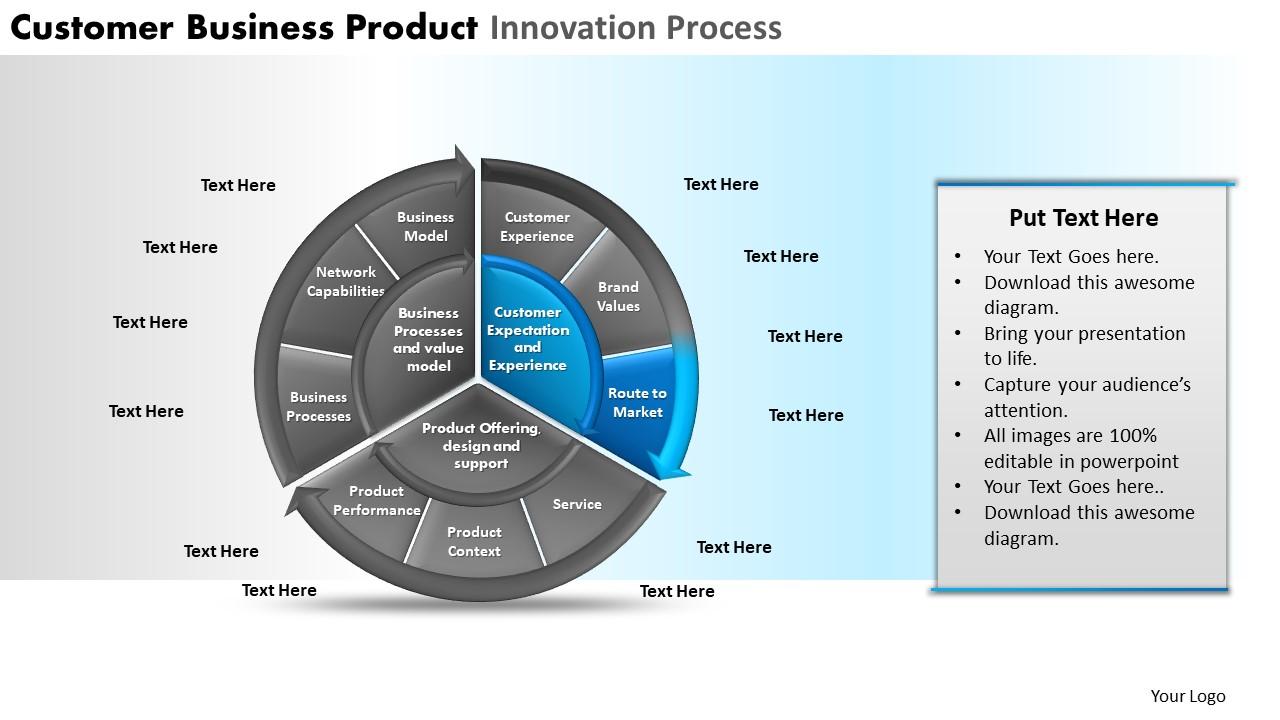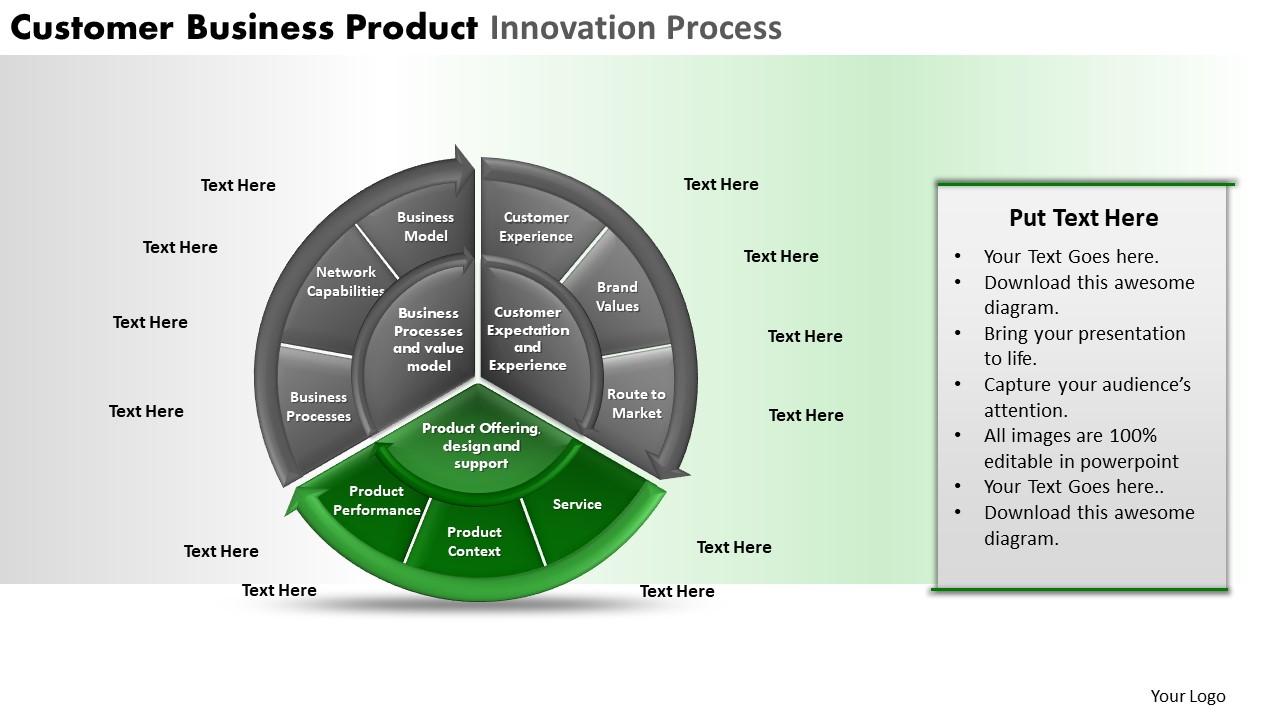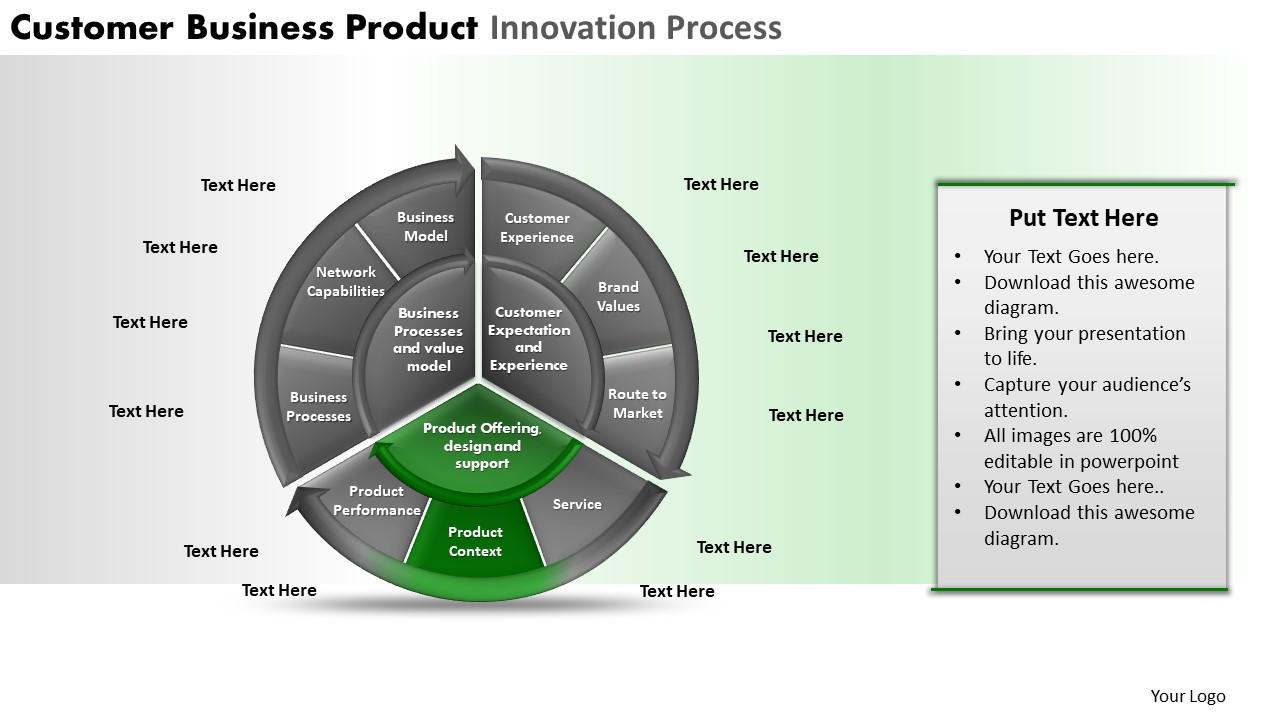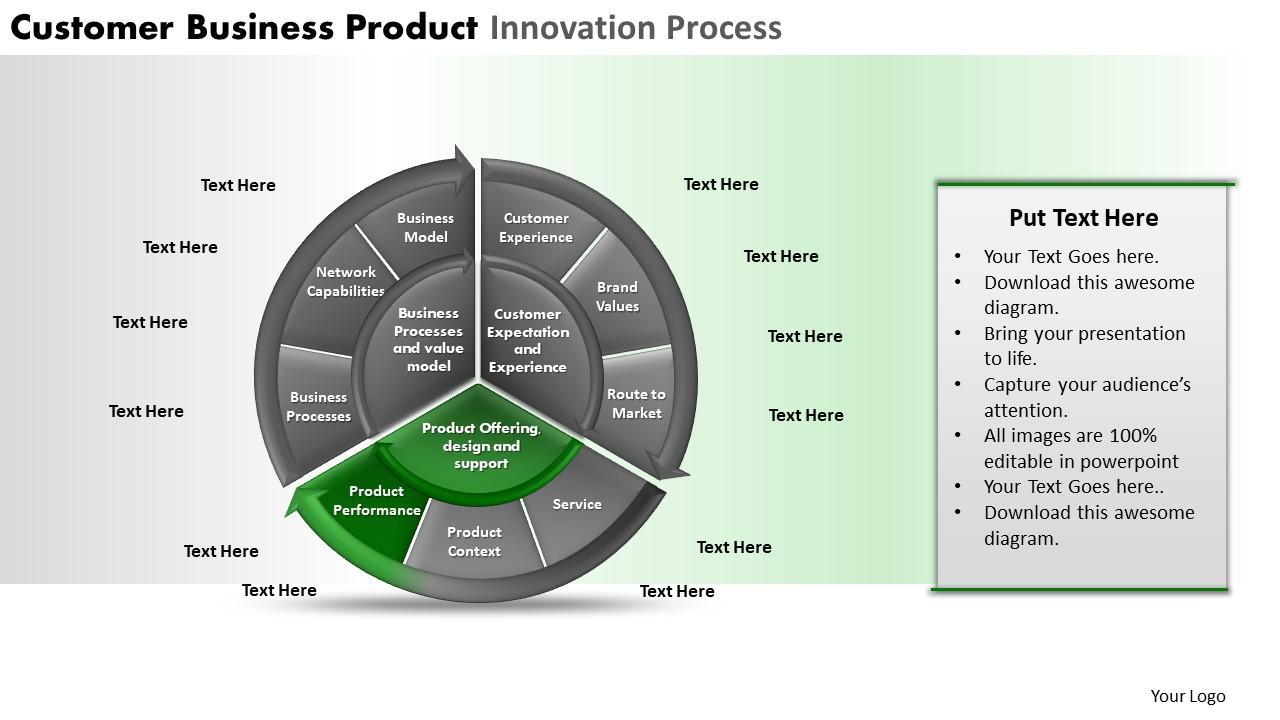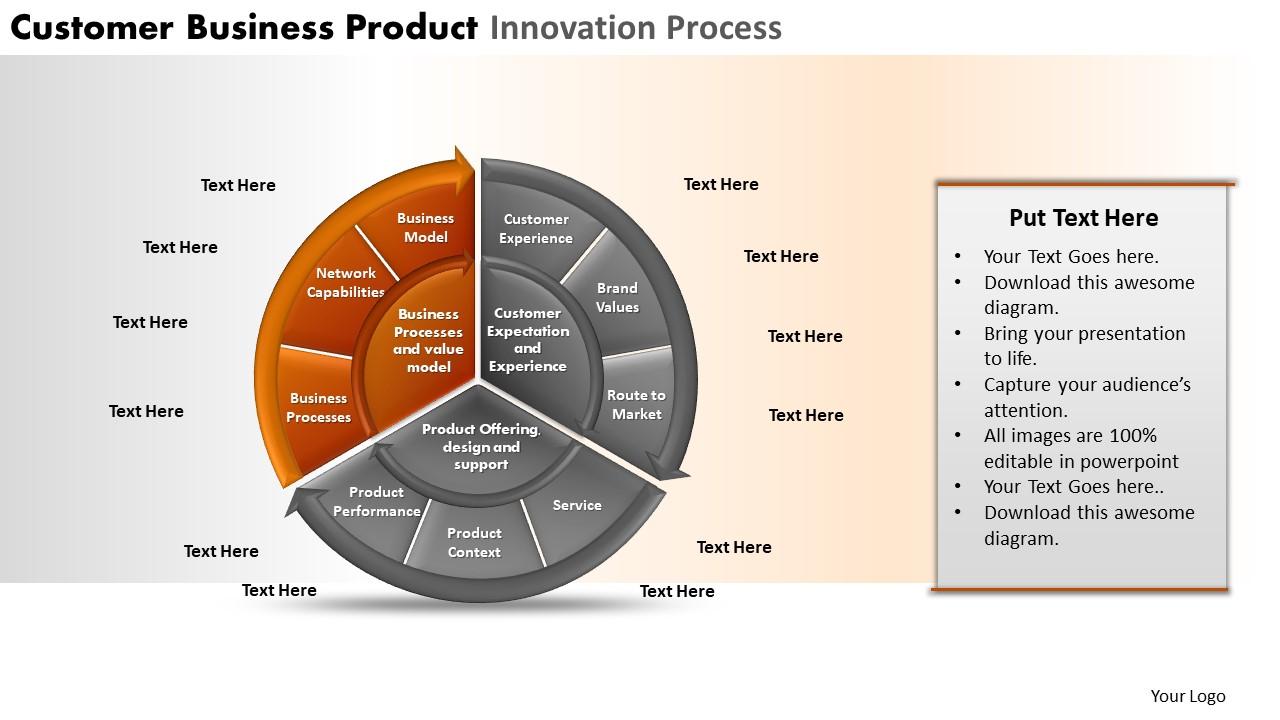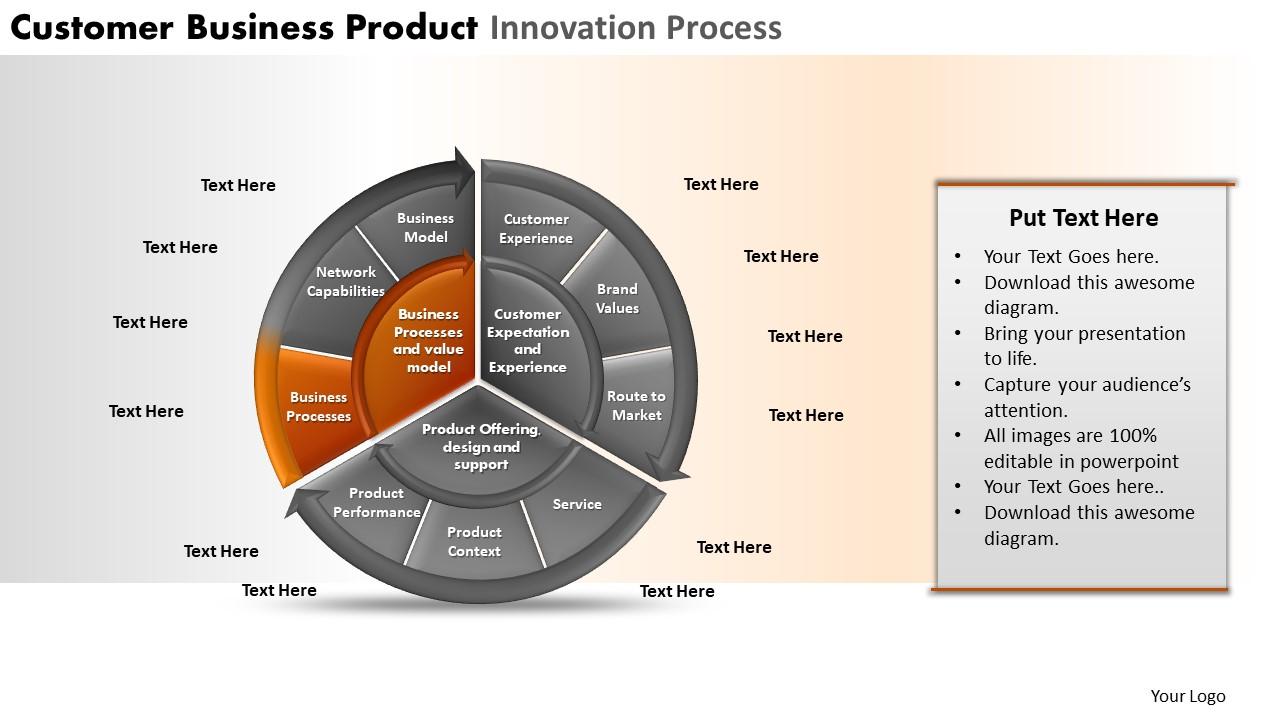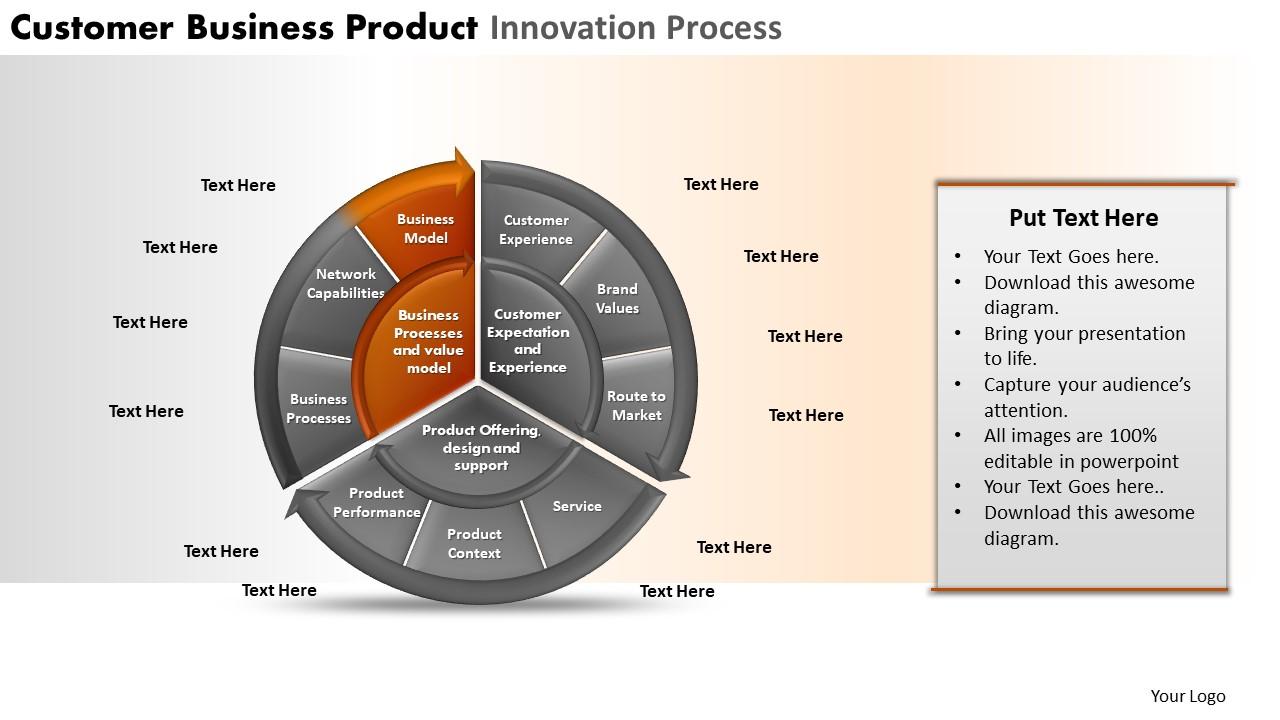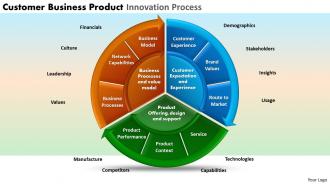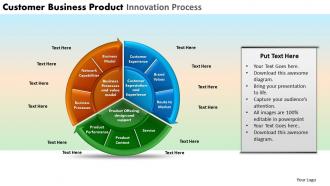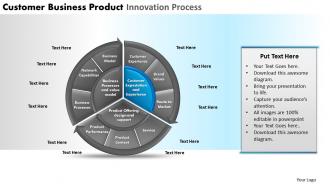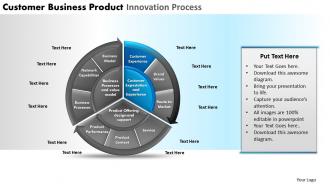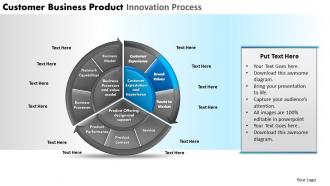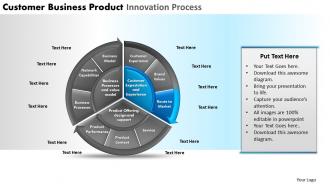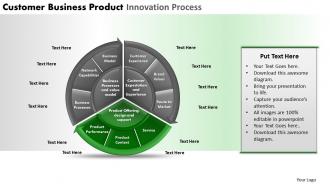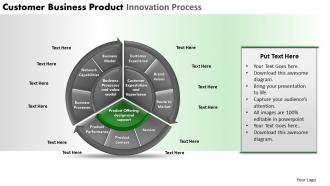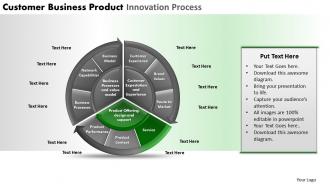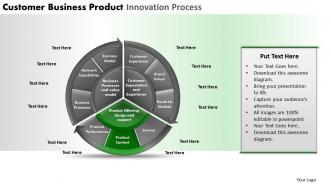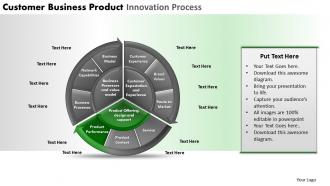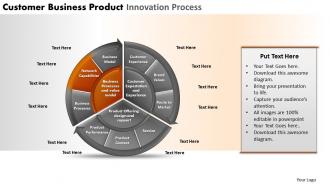
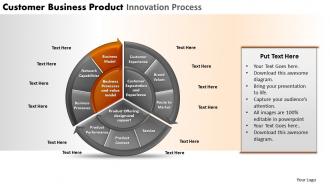
Diapositivas de PowerPoint y plantillas PPT del proceso de innovación de productos de negocios del cliente DB

Rating:
90%
Customer business product innovation process powerpoint slides and ppt templates db
Slide 1 of 20
Favourites Favourites

Try Before you Buy Download Free Sample Product

Audience Impress Your
Audience
Editable 100%
Editable
Time Save Hours
of Time
The Biggest Sale is ending soon in
0
0
:
0
0
:
0
0
Rating:
90%

Características de estas diapositivas de presentación de PowerPoint:

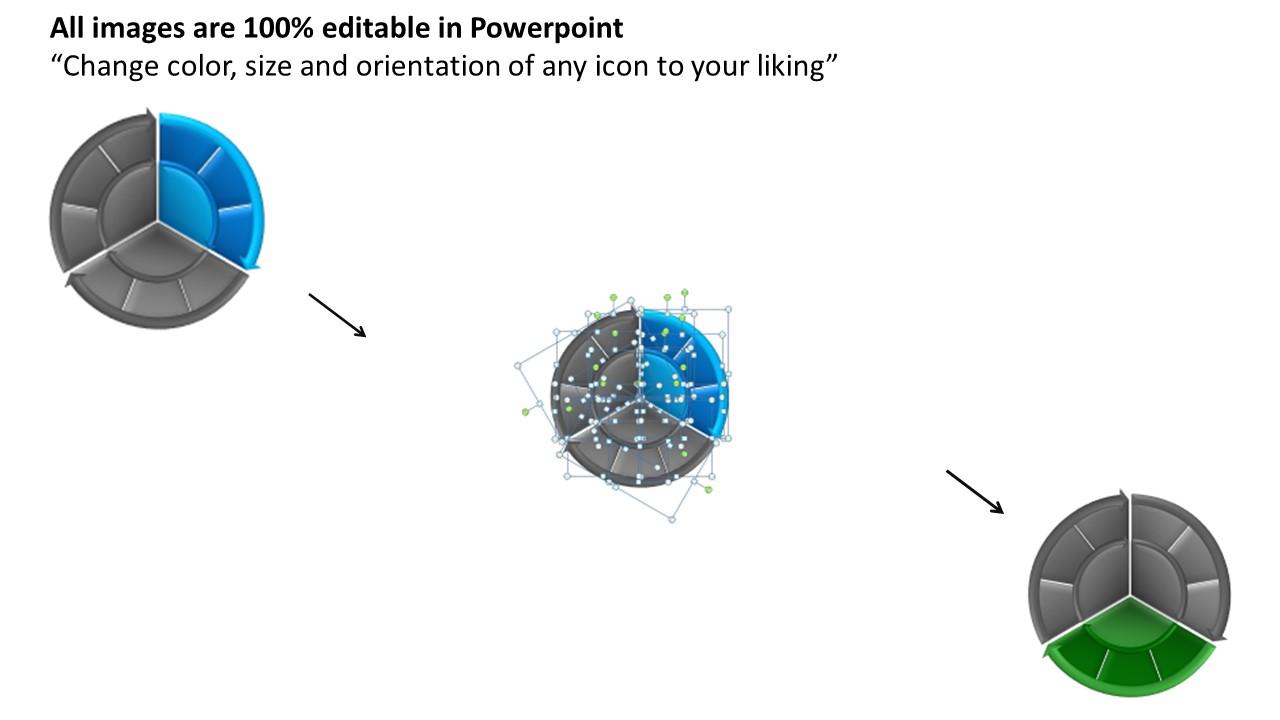
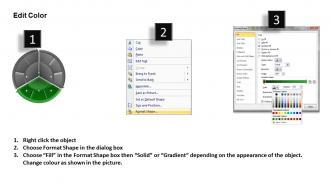
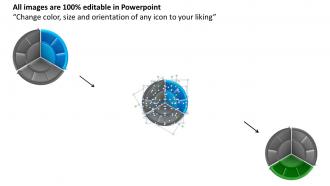
La mayor ventaja de descargar la presentación de diapositivas PPT realizada por SlideTeam es que es 100% editable, por lo que puede modificar fácilmente cualquier información dada en el pre diapositivas diseñadas. Puede modificar el tamaño de fuente, el color de fuente e incluso el estilo de fuente del texto que se utilizará en la plataforma completa. Puede cambiar el tamaño, el color y la ubicación de la orientación de las diversas ilustraciones utilizadas en las diapositivas. Es una plataforma completa de veinte diapositivas hábilmente diseñadas por nuestros profesionales de negocios. También puede guardar estas plantillas comerciales en formato PDF o JPG.

FAQs for Customer business product innovation process powerpoint slides and

Customer business product innovation succeeds through deep customer insights, agile development methodologies, cross-functional collaboration, data-driven decision making, and strategic market timing. These factors work synergistically by enabling rapid prototyping, reducing time-to-market, and ensuring product-market fit, with many organizations finding that combining customer feedback loops with advanced analytics ultimately delivers sustainable competitive advantage and accelerated revenue growth.

Companies effectively gather customer feedback through surveys, focus groups, user interviews, beta testing programs, and social media monitoring during innovation cycles. These methods enable organizations to identify unmet needs, validate concepts, and refine products iteratively, with many technology and retail companies finding that continuous feedback loops accelerate development timelines while reducing costly post-launch revisions.
Cross-functional collaboration enhances product innovation by integrating diverse expertise, accelerating development cycles, reducing costly design revisions, and ensuring market-aligned solutions from concept to launch. Through strategic team integration, organizations streamline communication barriers, leverage complementary skill sets, and deliver more comprehensive products, with many companies finding that collaborative approaches reduce time-to-market while significantly improving customer satisfaction and competitive positioning.
Businesses can leverage AI-powered analytics, cloud-based collaboration platforms, IoT sensors, automation tools, and digital twin technology to streamline product innovation processes. These technologies enhance development by accelerating prototyping, enabling real-time data collection, and facilitating cross-team collaboration, with many organizations finding that strategic technology integration reduces time-to-market while improving product quality and competitive positioning.

Organizations can foster innovation culture through cross-functional collaboration, dedicated innovation time, recognition programs, failure tolerance, and continuous learning initiatives. These strategies enhance employee engagement by encouraging experimentation, providing resources for creative projects, and celebrating both successes and learning opportunities, with many companies finding that empowered teams deliver breakthrough solutions and sustained competitive advantage.

Customer personas inform product development by providing detailed user insights that guide feature prioritization, design decisions, and market positioning throughout each lifecycle stage. These research-based profiles enable development teams to anticipate user needs, validate concepts against real behaviors, and streamline testing processes, with many technology companies finding that persona-driven development reduces costly pivots while delivering more targeted, market-ready solutions.

Companies should track customer adoption rates, revenue growth from new products, time-to-market metrics, customer satisfaction scores, and return on innovation investment. These metrics enable organizations to measure both immediate market response and long-term strategic impact, with many businesses finding that combining financial performance indicators with customer feedback data ultimately delivers comprehensive insights into innovation effectiveness and competitive positioning.

Agile methodology enhances customer business product innovation by enabling rapid prototyping, iterative development, and continuous customer feedback integration throughout the innovation cycle. This approach allows organizations to test market assumptions quickly, adapt products based on real user insights, and accelerate time-to-market, with many companies finding that agile processes significantly reduce innovation risks while delivering more customer-centered solutions.

Competitive analysis significantly shapes innovation strategy by identifying market gaps, revealing emerging trends, and highlighting differentiation opportunities that drive strategic product development. Through systematic competitor monitoring, businesses can anticipate industry shifts, avoid costly missteps, and accelerate time-to-market, with many organizations finding that comprehensive competitive intelligence ultimately delivers stronger market positioning and sustainable competitive advantage.

Storytelling enhances product innovation by creating compelling narratives around customer pain points, solution journeys, and outcome visions, helping teams maintain user-centric focus throughout development cycles. Through narrative frameworks, companies like Apple and Tesla transform technical features into emotional connections, enabling better stakeholder alignment, clearer communication of value propositions, and ultimately delivering products that resonate deeply with target audiences.

Best practices for customer prototyping and testing include creating low-fidelity prototypes early, involving diverse customer segments, conducting structured feedback sessions, iterating rapidly based on insights, and establishing clear testing objectives. These approaches streamline product development by reducing costly revisions, accelerating time-to-market, and ensuring customer-centric design, with many organizations finding that systematic customer testing ultimately delivers higher adoption rates and competitive advantage.

Organizations ensure innovation alignment through comprehensive customer research, real-time market analysis, cross-functional collaboration, and continuous feedback loops integrated throughout development cycles. By leveraging customer data analytics, trend monitoring platforms, and direct stakeholder engagement, companies in sectors like retail and technology can rapidly adapt their innovation processes, ultimately delivering products that meet evolving market demands while maintaining competitive advantage.

Businesses face scaling challenges including resource constraints, market adaptation complexities, operational bottlenecks, talent acquisition difficulties, and maintaining innovation quality across larger volumes. These obstacles can be overcome by implementing scalable infrastructure, establishing cross-functional teams, leveraging strategic partnerships, and adopting agile methodologies, with many organizations finding that systematic planning and continuous feedback loops ultimately deliver sustainable growth and competitive advantage.

Integrating sustainability into product innovation is increasingly critical as consumers demand environmentally responsible solutions and regulatory requirements tighten across industries. Companies like Unilever and Tesla demonstrate how sustainable innovation drives competitive advantage, reduces operational costs, enhances brand loyalty, and opens new market opportunities, ultimately delivering long-term profitability while meeting stakeholder expectations.

Customer pain point identification techniques include surveys, interviews, journey mapping, behavioral analytics, and social listening platforms. These methods streamline innovation by revealing unmet needs, quantifying impact levels, and validating market demand, with many organizations finding that combining multiple approaches delivers deeper insights and enables more strategic resource allocation toward high-impact solutions.

Ratings and Reviews

90% of 100
Review Form
Write a review
Most Relevant Reviews
  1. 80%

    by Cody Bell

    Thanks for all your great templates they have saved me lots of time and accelerate my presentations. Great product, keep them up!
  2. 100%

    by Darren Olson

    Great designs, Easily Editable.

2 Item(s)

per page: