


Customer Journey Framework Steps Powerpoint Presentation Slides
Improve your business customer’s experiences and satisfaction level with our exceptionally designed PPT diagram on customer journey framework steps PowerPoint Presentation slides to represent the structure of your company which will work as an effective management tool for your business. Use this customer journey framework PPT slide template to understand the nature and opinions of customers for your organization which will help in taking effective lead generation strategies for your business. Thus, this Customer Journey mapping PowerPoint slide will help in controlling the business customers and improving their satisfaction level so that to retain them for the business success and its continuous developments. Also, you can describe the customer journey framework, its relevance and working mechanism for the better understanding to its audiences. Further, this consumer journey framework presentation diagram will assist you in taking your business on the new statures of business success. Just download this fascinating PPT image now. Highlight inflated accounts with our Customer Journey Framework Steps Powerpoint Presentation Slides. Get folks aware of any exaggeration.
Improve your business customer’s experiences and satisfaction level with our exceptionally designed PPT diagram on customer..

























-

- Google Slides is a new FREE Presentation software from Google.
- All our content is 100% compatible with Google Slides.
- Just download our designs, and upload them to Google Slides and they will work automatically.
- Amaze your audience with SlideTeam and Google Slides.
-

Want Changes to This PPT Slide? Check out our Presentation Design Services
-

- WideScreen Aspect ratio is becoming a very popular format. When you download this product, the downloaded ZIP will contain this product in both standard and widescreen format.
-

- Some older products that we have may only be in standard format, but they can easily be converted to widescreen.
- To do this, please open the SlideTeam product in Powerpoint, and go to
- Design ( On the top bar) -> Page Setup -> and select "On-screen Show (16:9)” in the drop down for "Slides Sized for".
- The slide or theme will change to widescreen, and all graphics will adjust automatically. You can similarly convert our content to any other desired screen aspect ratio.
Compatible With Google Slides

Get This In WideScreen
You must be logged in to download this presentation.


Do you want to remove this product from your favourites?
PowerPoint presentation slides
Introducing Customer Journey Framework Steps PowerPoint Presentation Slides. Incredibly amicable PPT design entirely useful for trade professionals, trade experts etc. from diverse areas, comprehensive and convenient PPT Images with ductile dummy data options with an alternate to add company name, design or symbol, consonant with all available graphic software’s and Google slides, totally accessible into other file configurations like PDF or JPG. Features as background images, styles, texts and other characteristics are fully editable, Expeditious downloading process.

People who downloaded this PowerPoint presentation also viewed the following :
Content of this Powerpoint Presentation
Slide 1: This slide introduces Customer JourneyFramework Steps. Add your company name here and begin.
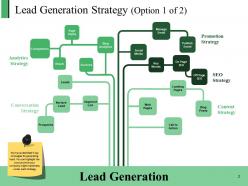
Slide 2: This is Lead Generation Strategy (Option 1 of 2) slide with five key strategies- Conversation Strategy, Analytics Strategy, Promotion Strategy, SEO Strategy, Content Strategy. We have identified 5 key strategies for generating lead. You can highlight the tactics which your company might implement, under each strategy.
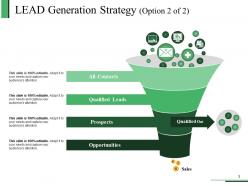
Slide 3: This is another slide showing LEAD Generation Strategy (Option 2 of 2) in a creative funnel form. Its levels include- All Contacts, Qualified Leads, Prospects, Opportunities, Sales.
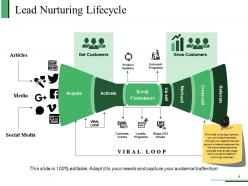
Slide 4: This slide showcases Lead Nurturing Lifecycle. We have mentioned some possible tools at each stage which would be helpful in nurturing customers. You can alter them as per your need.
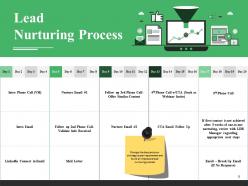
Slide 5: This slide showcases Lead Nurturing Process table. Change the days and your strategy as per requirement and build an impressive lead nurturing process.
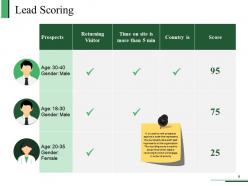
Slide 6: This slide presents Lead Scoring in a tabular form. Showcase your own Lead Scoring here.
Slide 7: This slide showcases Lead Conversion Process with- Pipeline, Leads, Sales. Enter the number of leads that were generated this year, followed by those which qualified for follow-ups and finally got converted into paying customers. This slide will determine whether you have a high or low conversion rate.
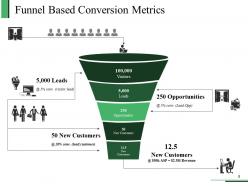
Slide 8: This slide showcases Funnel Based Conversion Metrics with imagery.
Slide 9: This is a Coffee Break image slide to halt. You can modify content as per need.
Slide 10: This slide forwards to Charts & Graphs. Alter/ modify content as needed.
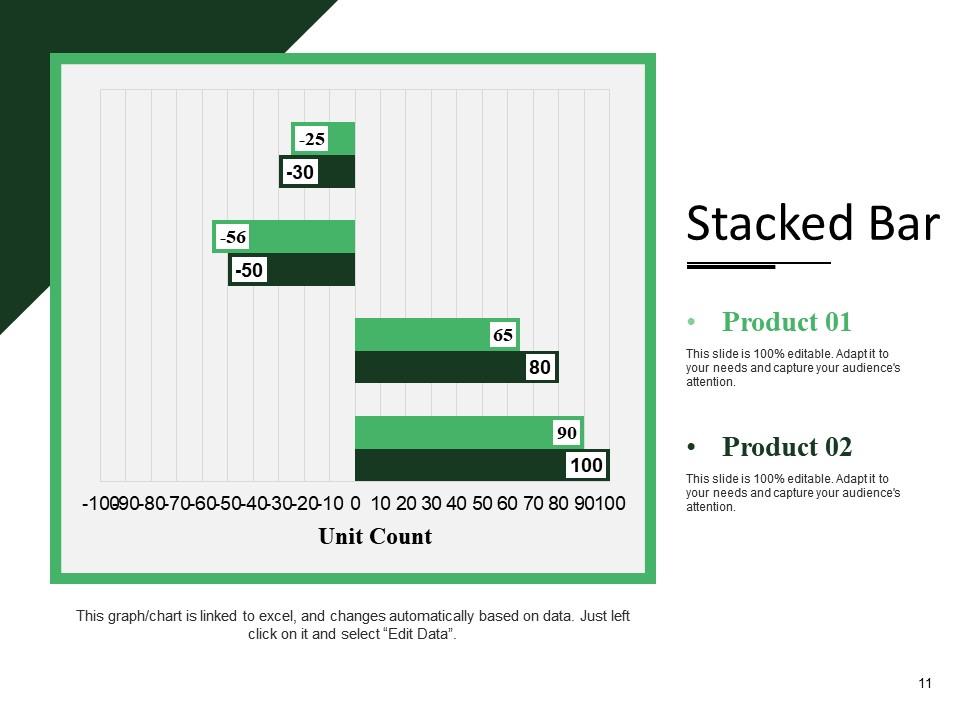
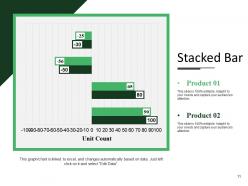
Slide 11: This is a Stacked Bar Chart slide to present product/ entity comparison, specifications etc.
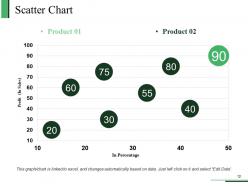
Slide 12: This is a Scatter Chart slide to present product/ entity comparison, specifications etc.
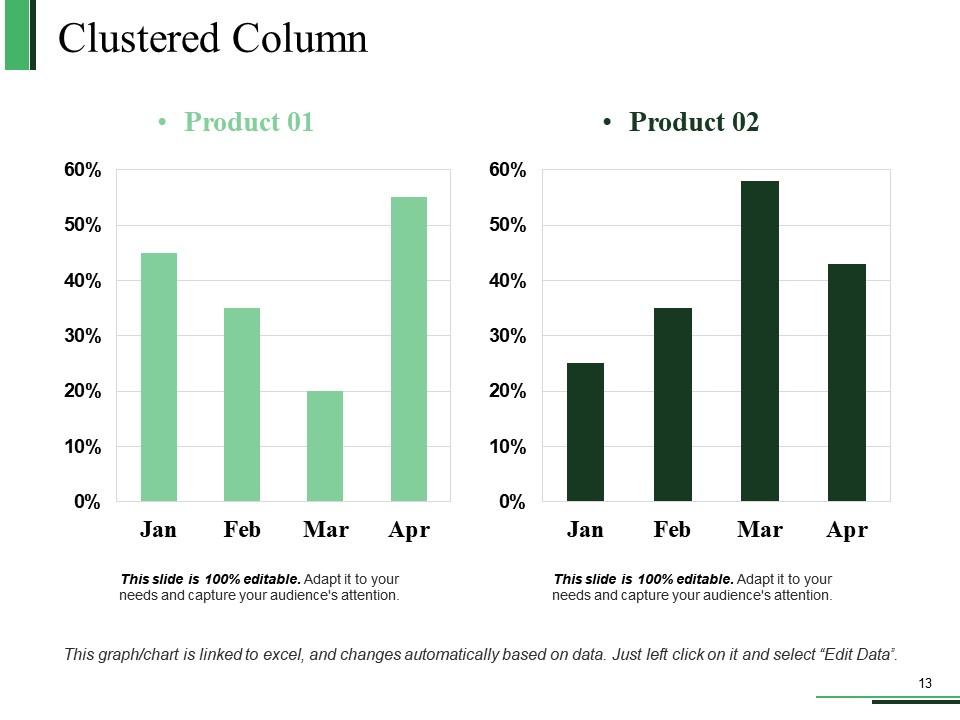
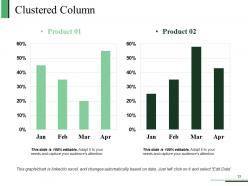
Slide 13: This is a Clustered Column chart slide to present product/ entity comparison, specifications etc.
Slide 14: This slide is titled Additional slides.
Slide 15: This slide contains Our Mission with text boxes.
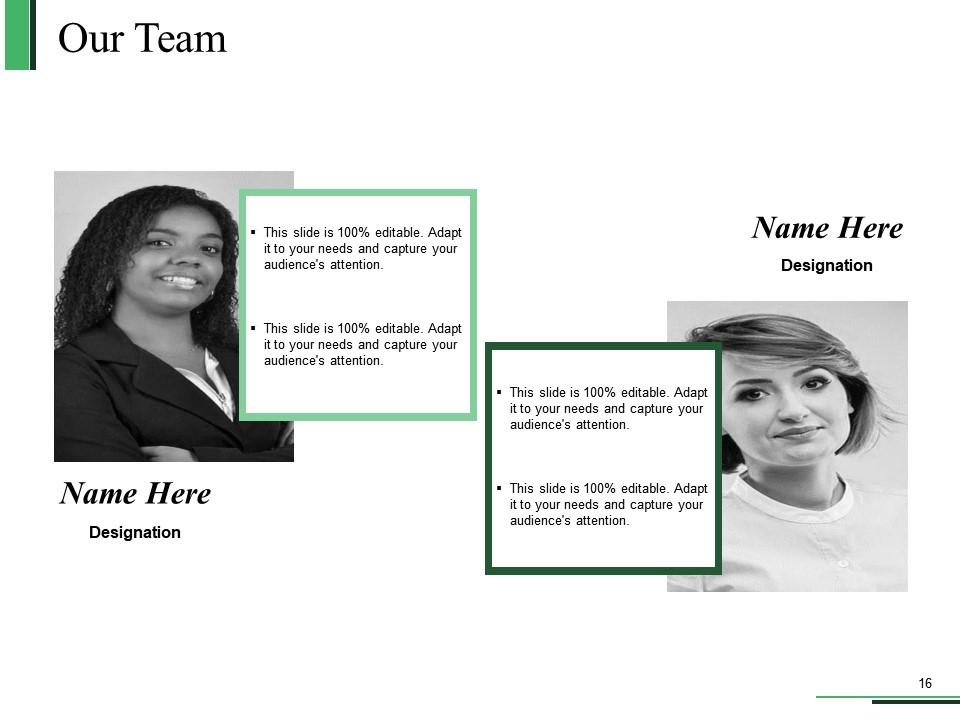
Slide 16: This slide helps depict Our Team with text boxes.
Slide 17: This is an About Us slide. State team/ company specifications here.
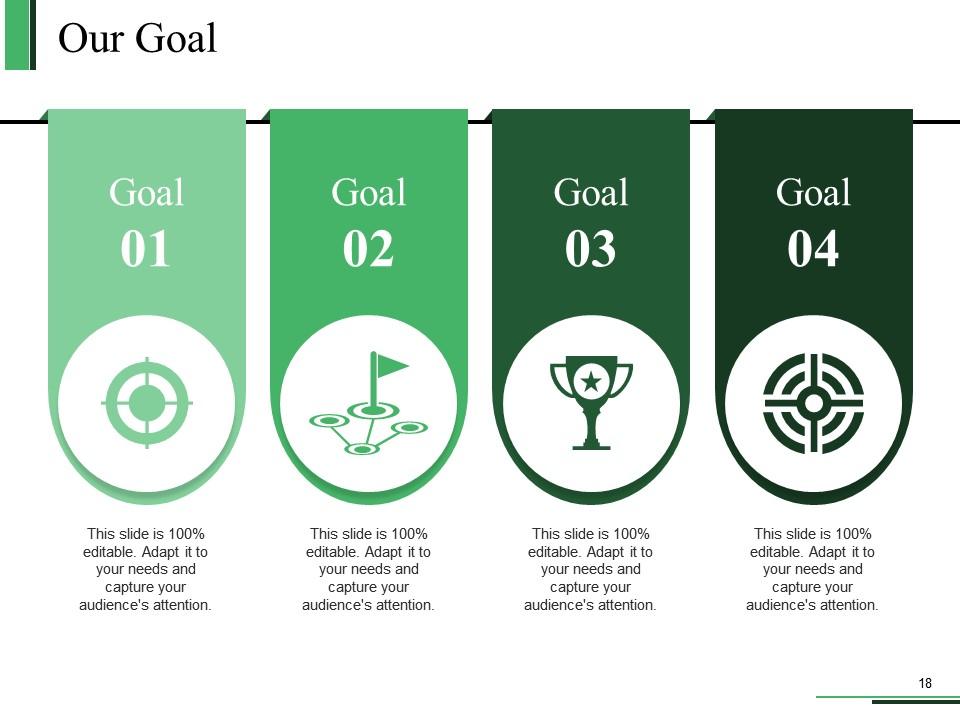
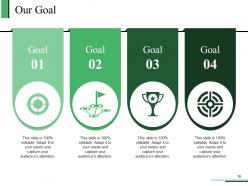
Slide 18: This slide shows Our Goals. State them here.
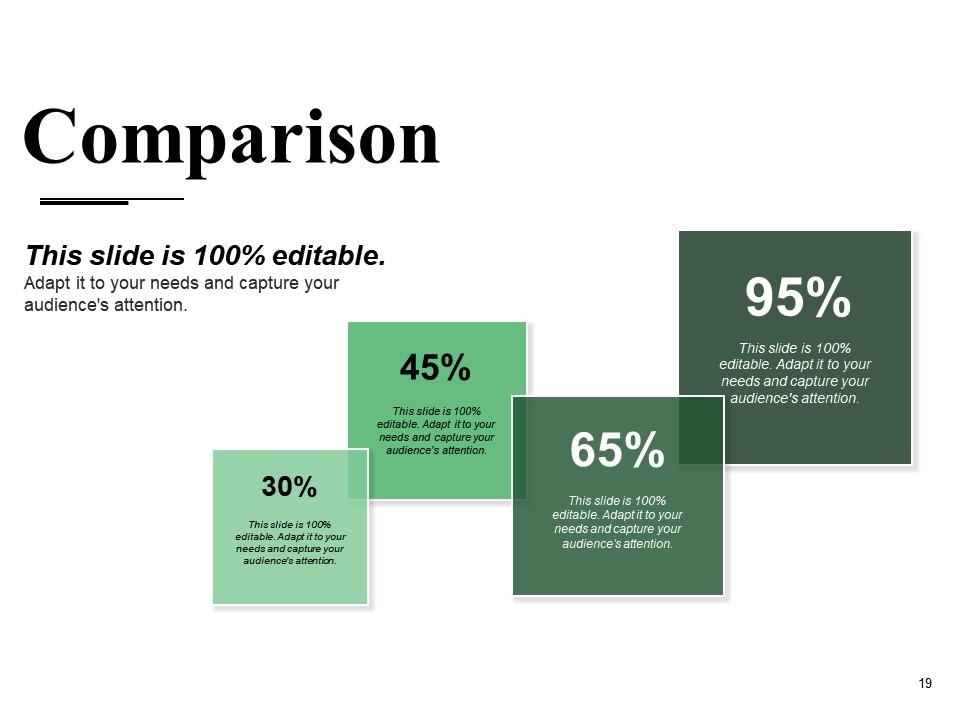
Slide 19: This is a Comparison slide to show comparison of two entities.
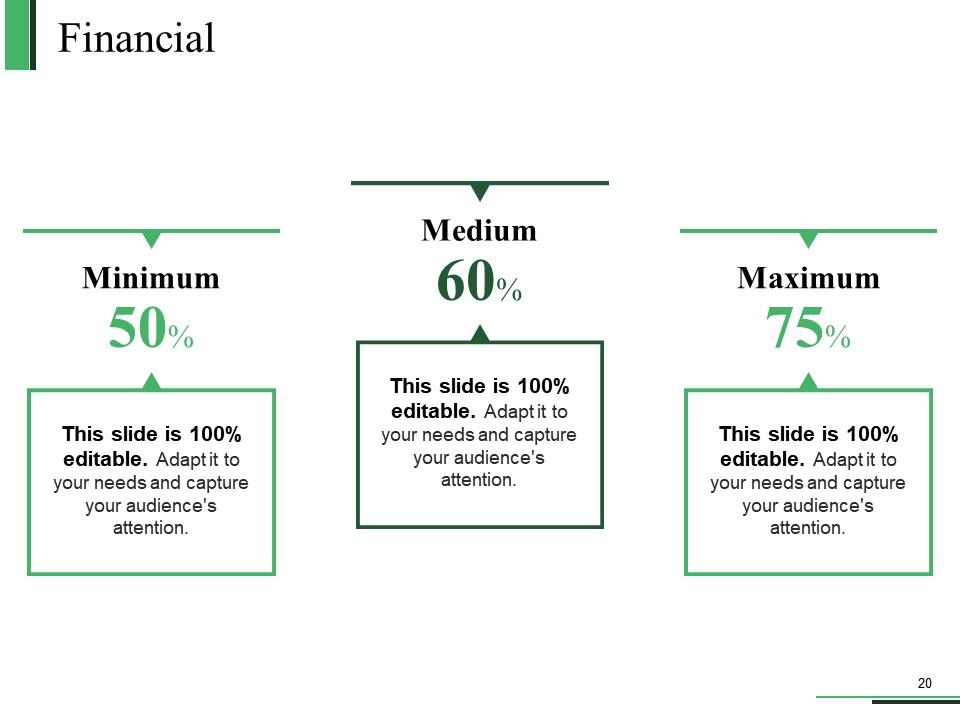
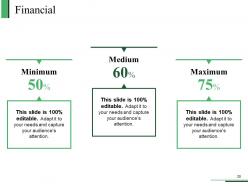
Slide 20: This is a Financial score slide. State financial aspects, information etc. here.
Slide 21: This is a Quotes slide to convey company/ organization message, beliefs etc. You may change the slide content as per need.
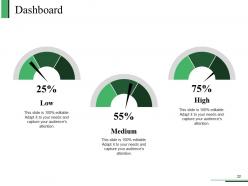
Slide 22: This is a Dashboard slide to state Low, Medium and High aspects, kpis, metrics etc.
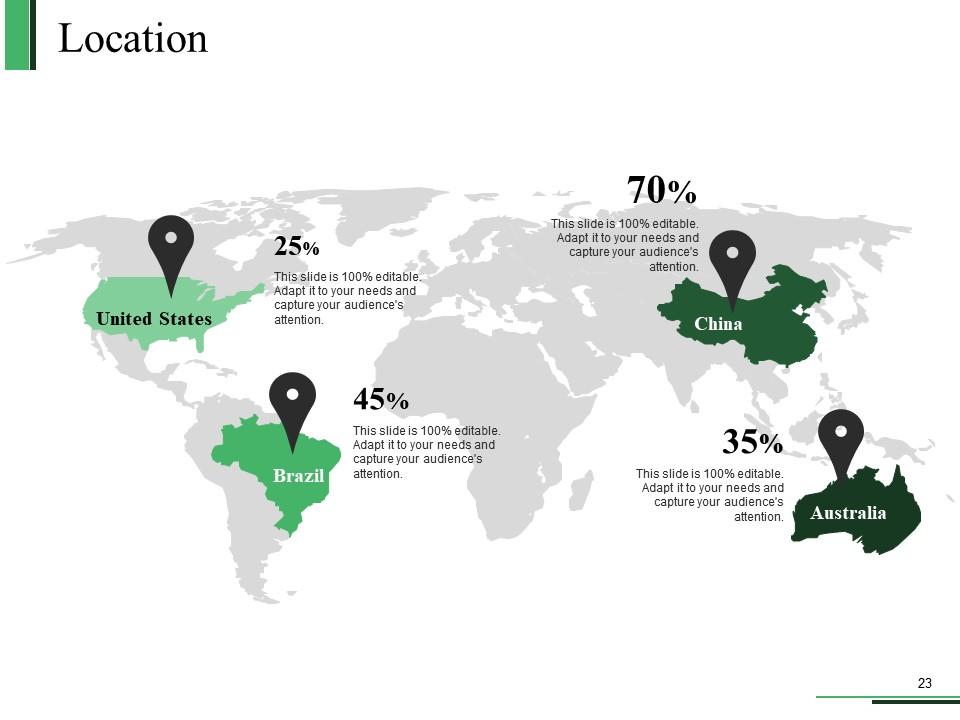
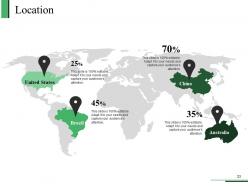
Slide 23: This is a Location slide to show global growth, presence etc. on a world map.
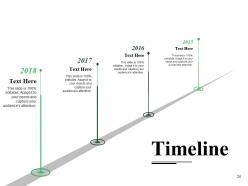
Slide 24: This is a Timeline slide to present important dates, journey, evolution, milestones etc.
Slide 25: This is Our Target image slide. State targets, etc. here.
Slide 26: This is a Mind map image slide to show information, specifications etc.
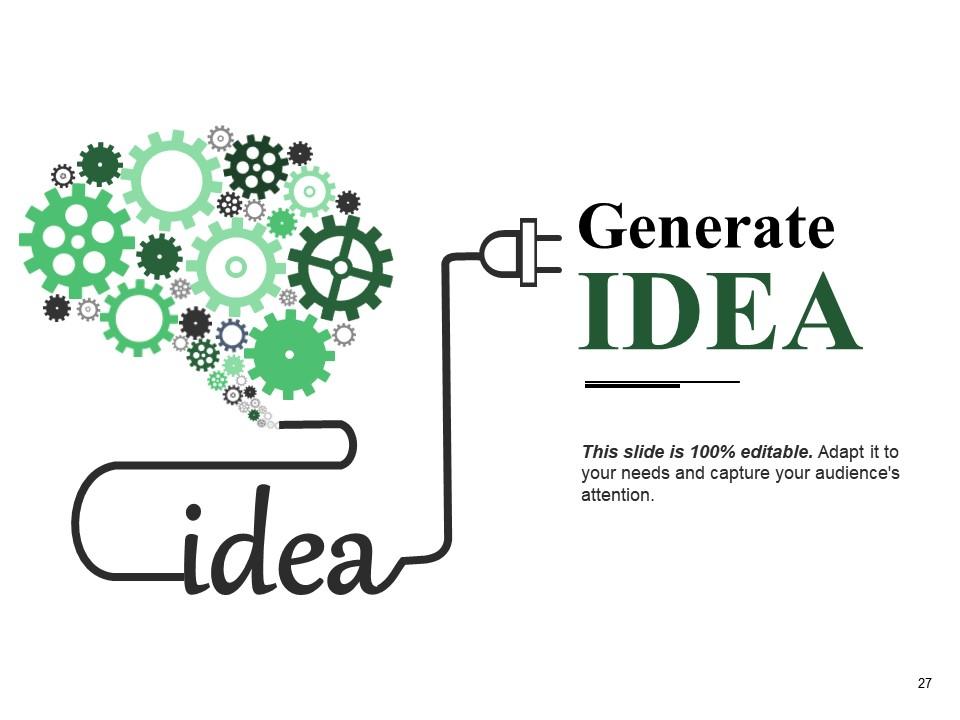
Slide 27: This is an Idea slide to state a new idea or highlight specifications/ information etc.
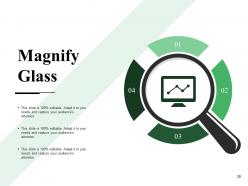
Slide 28: This slide shows a Magnifying glass with text boxes.
Slide 29: This is a Thank You slide with Address# street number, city, state, Contact Number, Email Address.
Customer Journey Framework Steps Powerpoint Presentation Slides with all 29 slides:
Insist on giving a balanced assessment with our Customer Journey Framework Steps Powerpoint Presentation Slides. You will be a fair judge.
-
Great designs, really helpful.
-
Qualitative and comprehensive slides.
