


Customer Service Team Soft Skills Training Module on Customer Service Edu Ppt
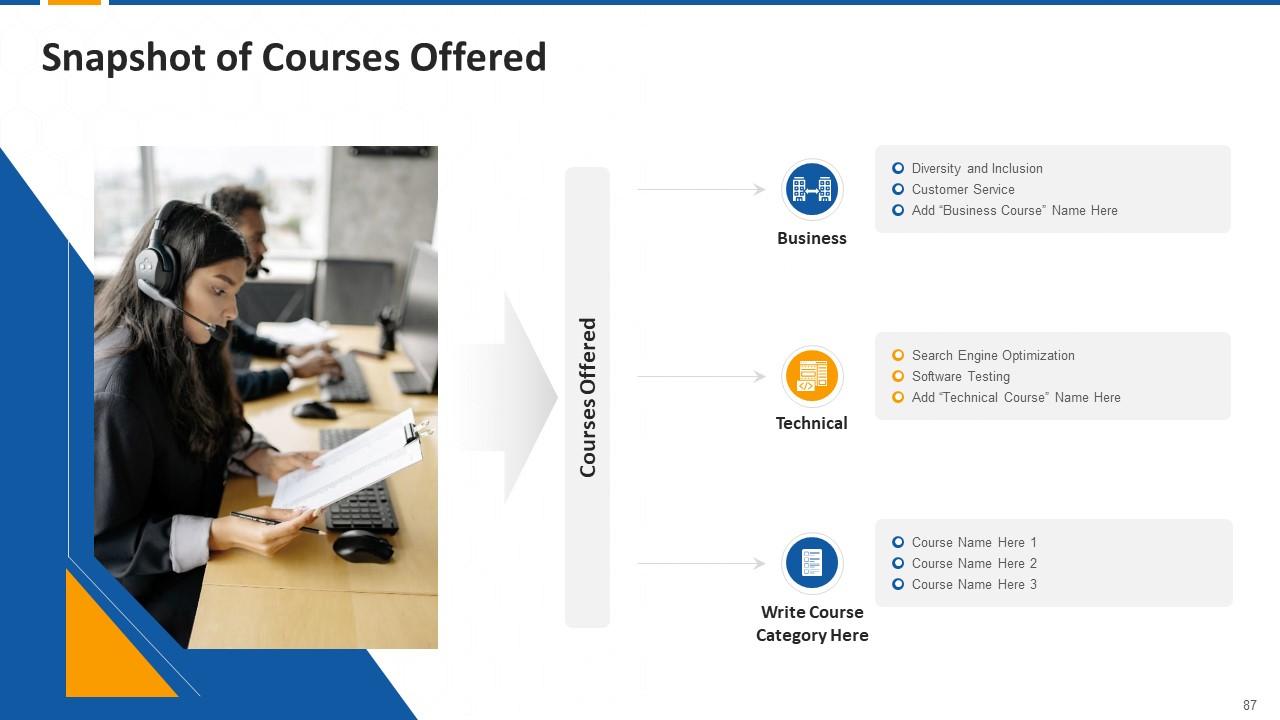
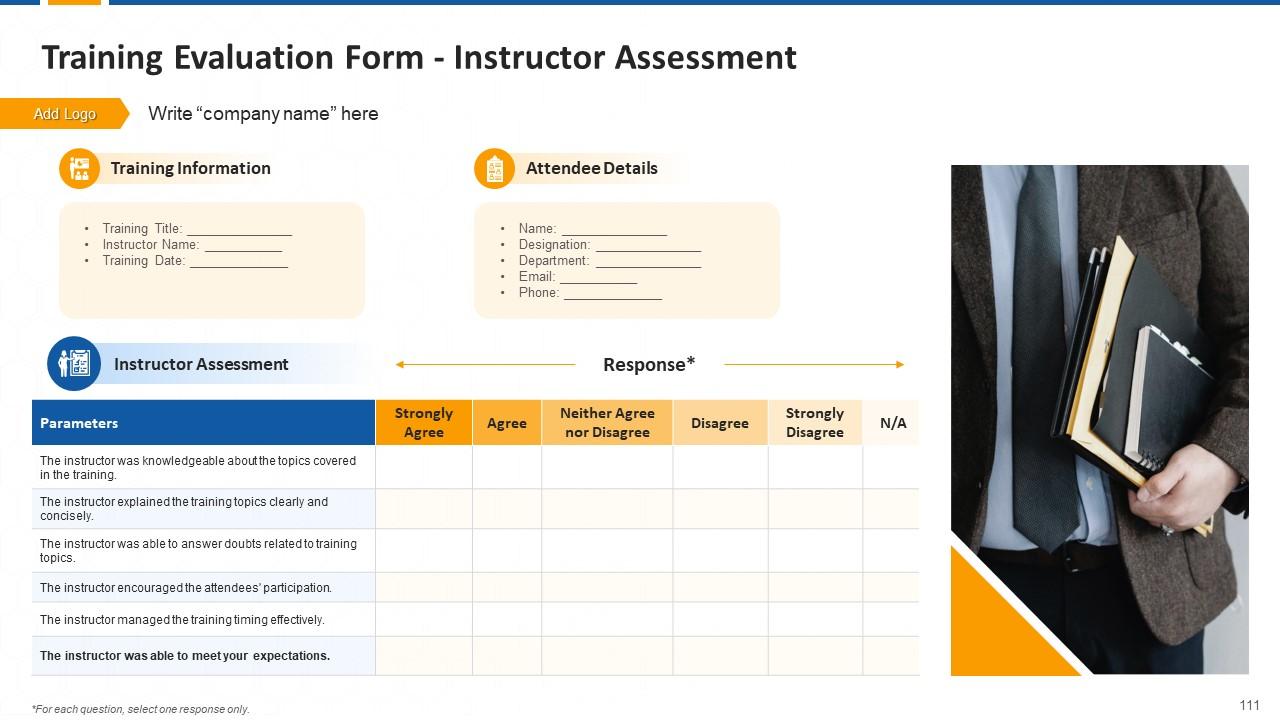
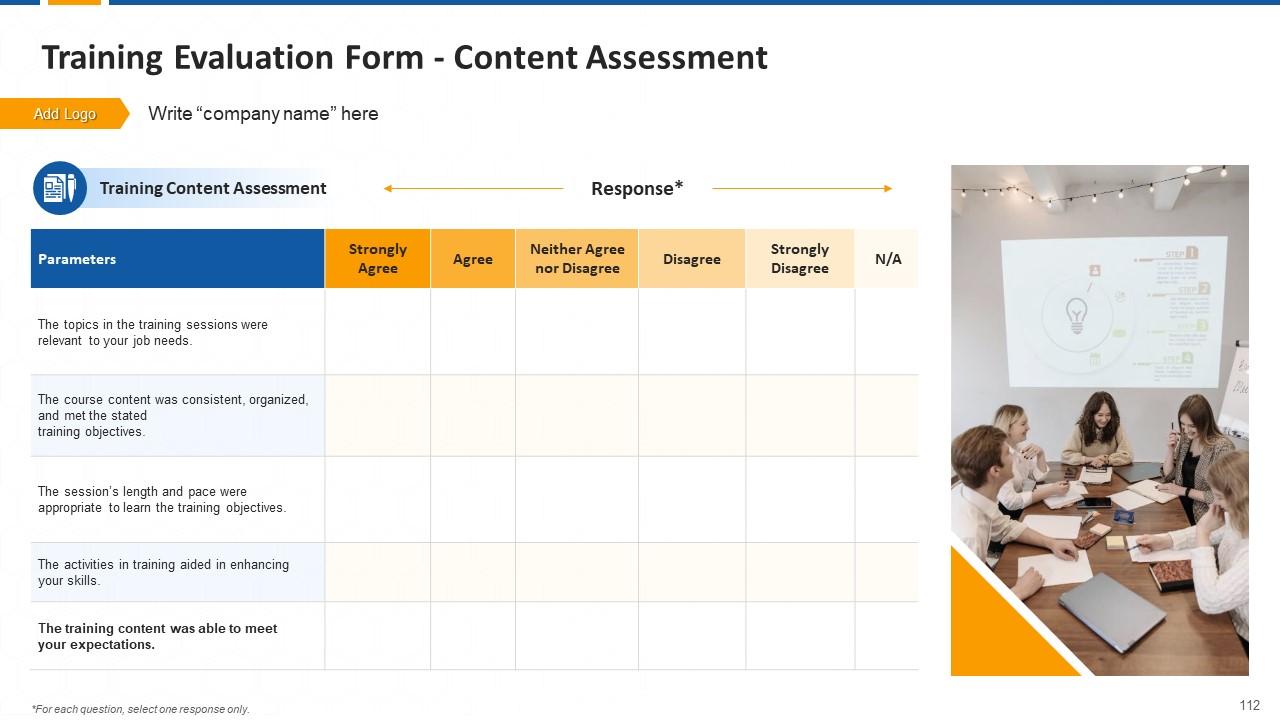
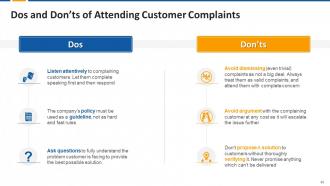
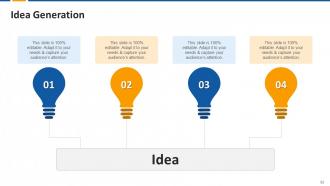
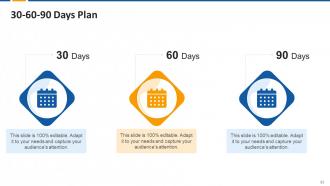
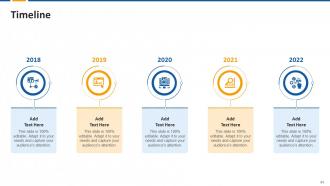
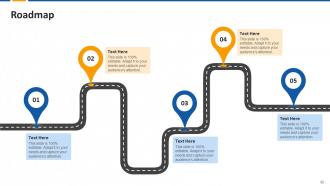
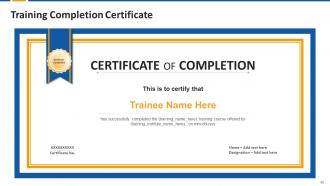
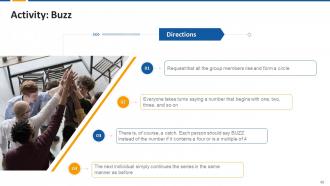
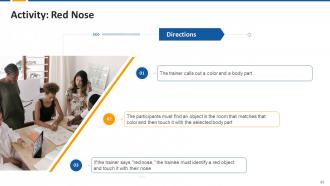
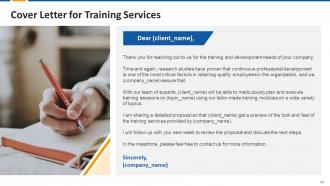
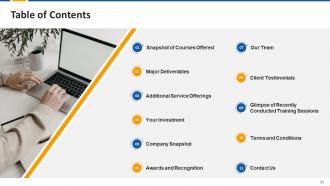
The training module in-depth covers essential soft skills for the customer service team. The PPT deck includes the dos and donts of attending to customer complaints, a real-time case study, and the golden rules of customer service. Further, the PowerPoint module contains activities, key takeaways, and multiple-choice questions related to the concepts covered. It contains additional slides on about us, vision, mission, goal, 30-60-90 days plan, timeline, roadmap, training completion certificate, energizer activities, detailed client proposal, and training assessment form.














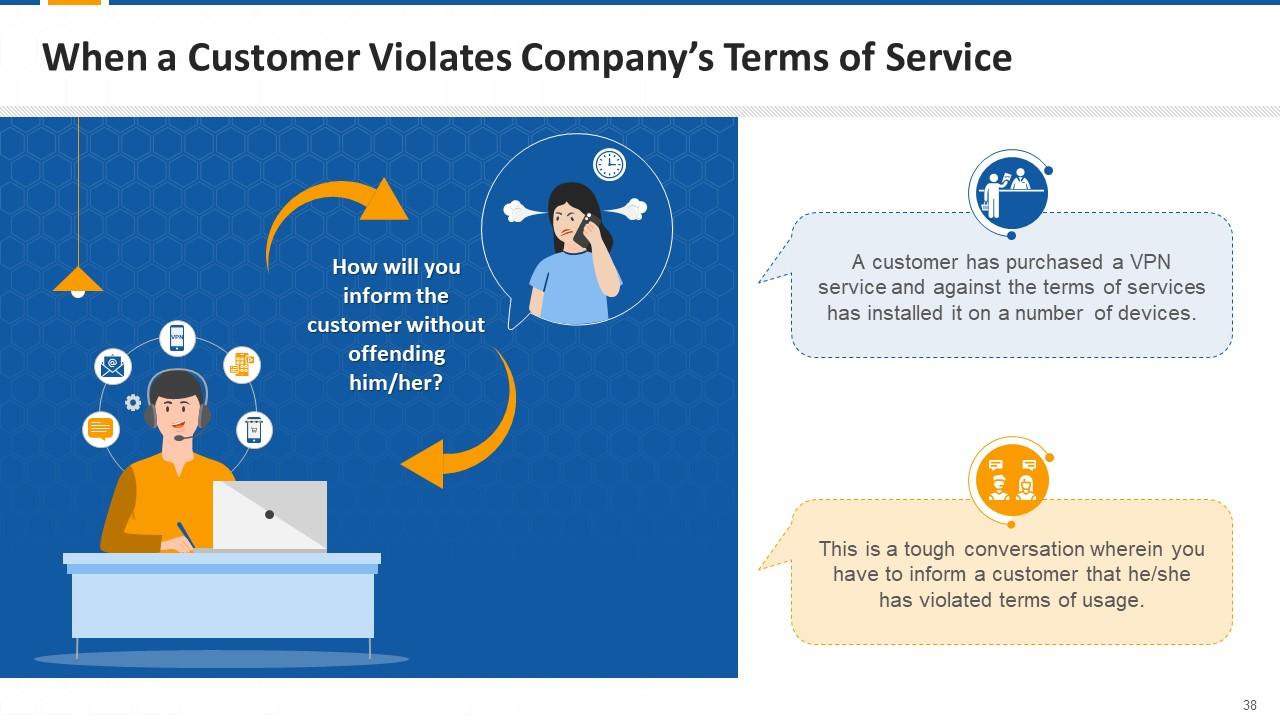
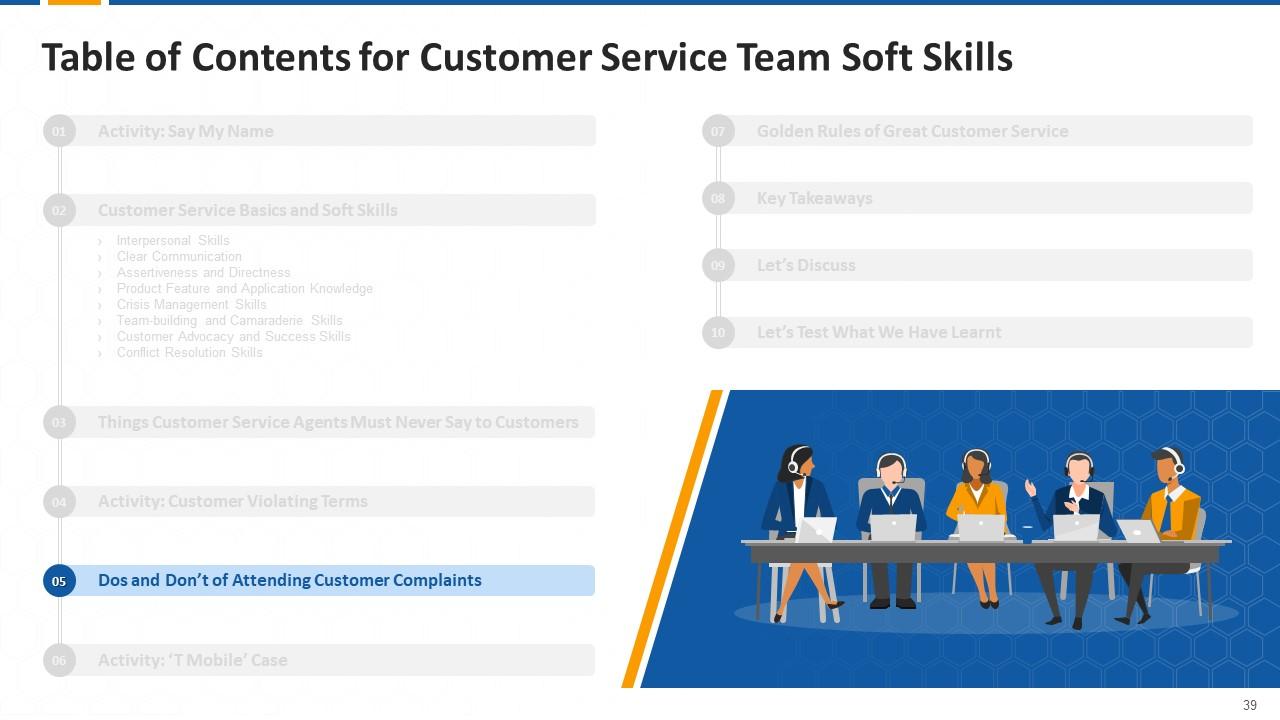
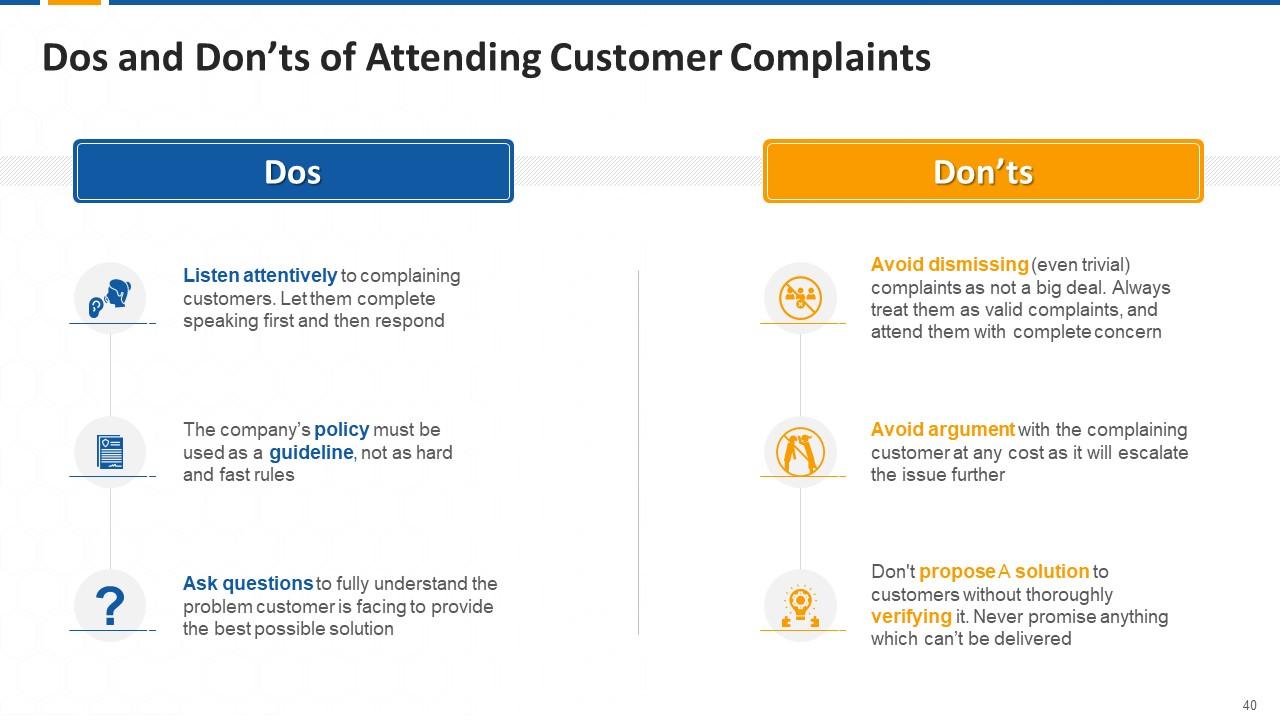
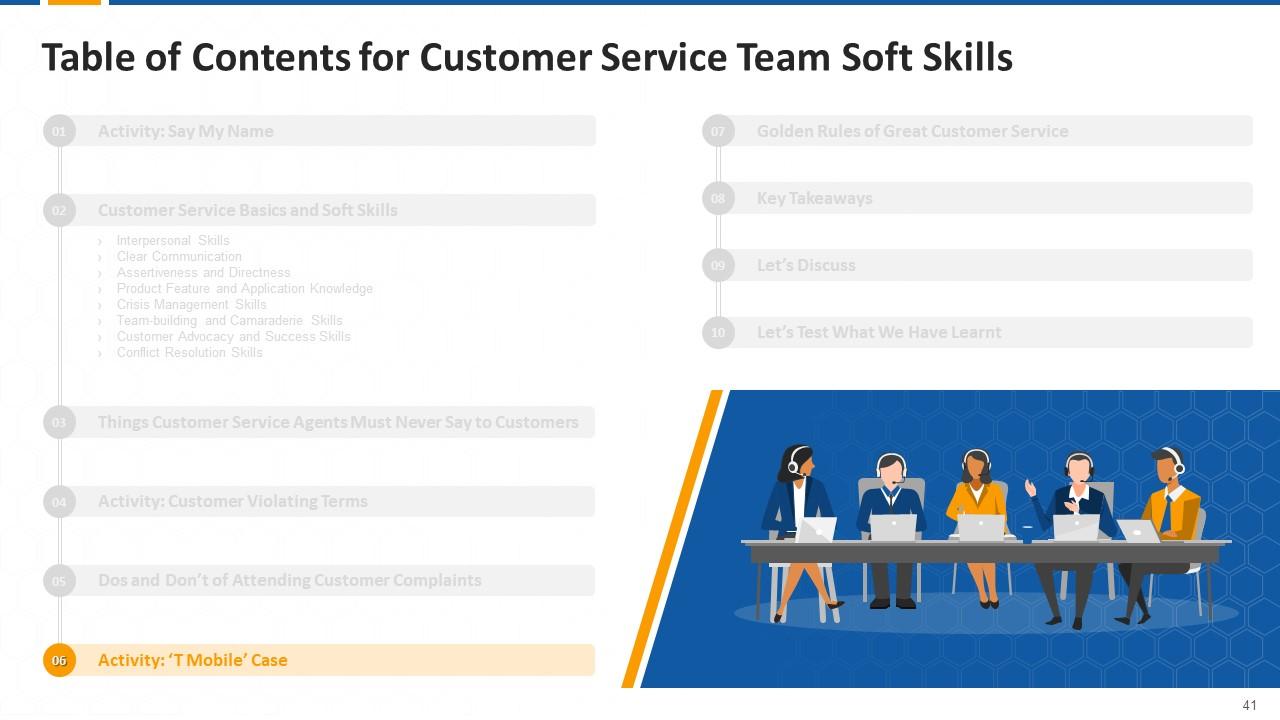












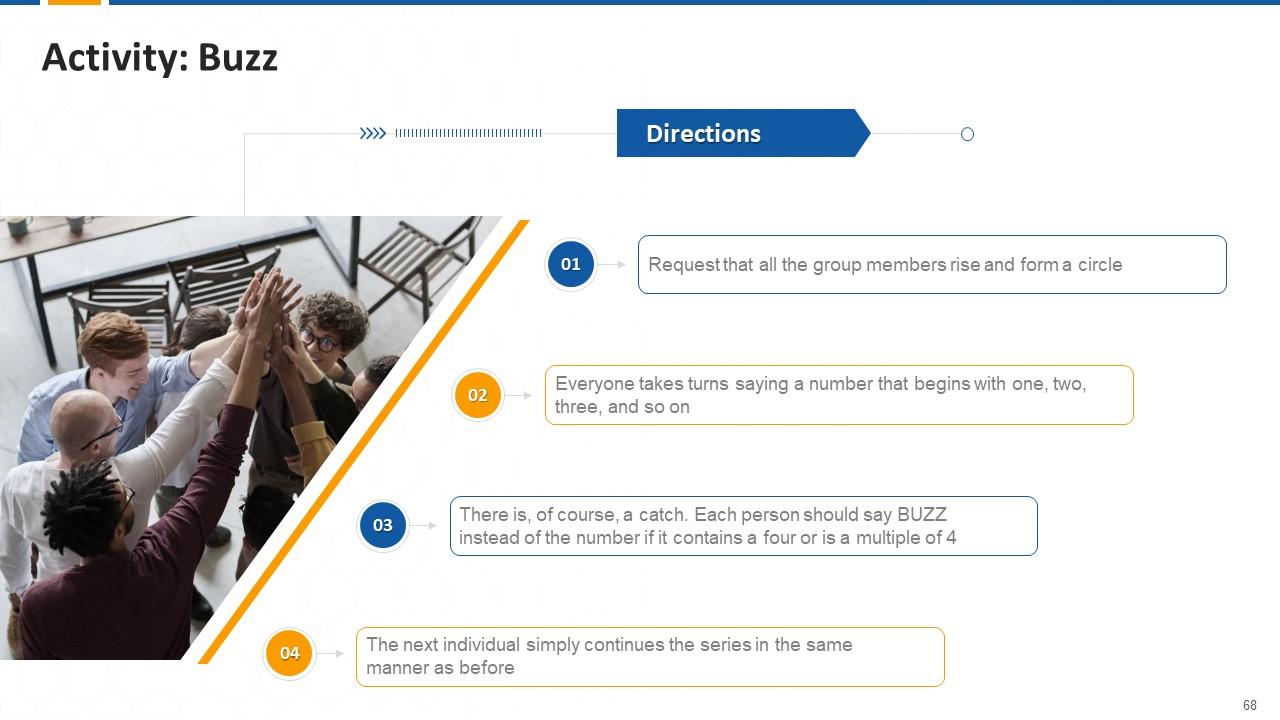
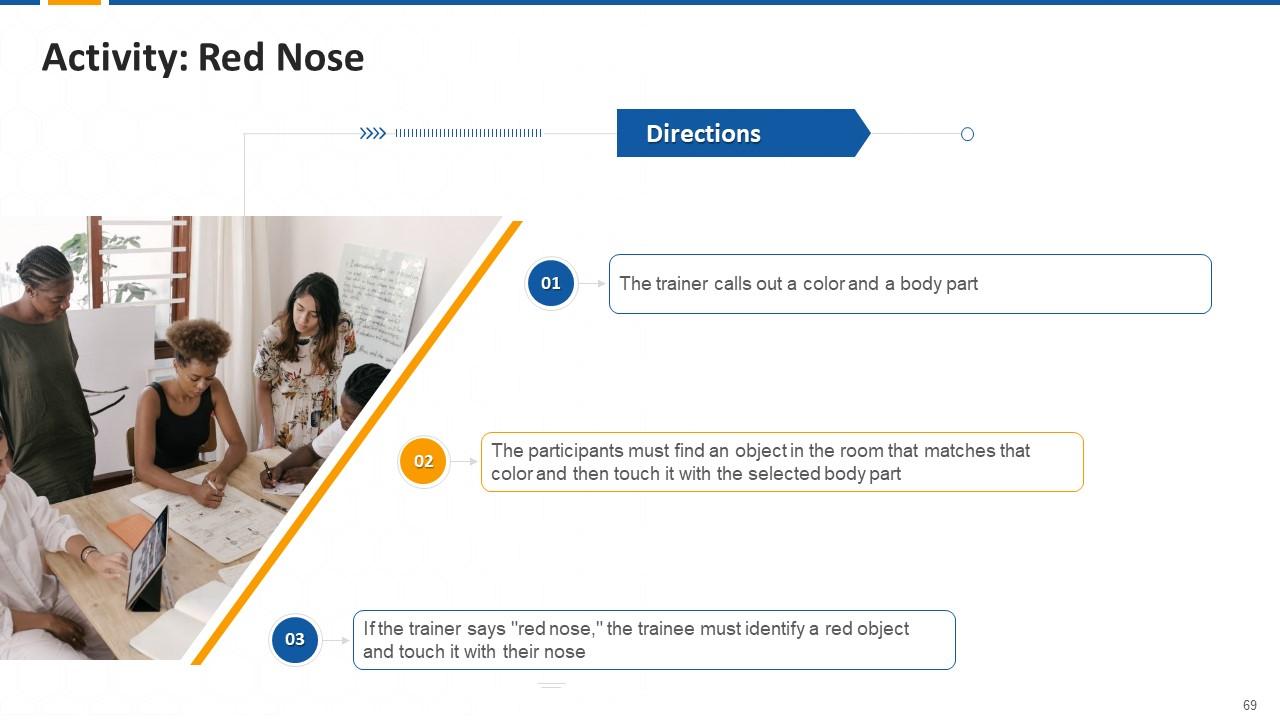
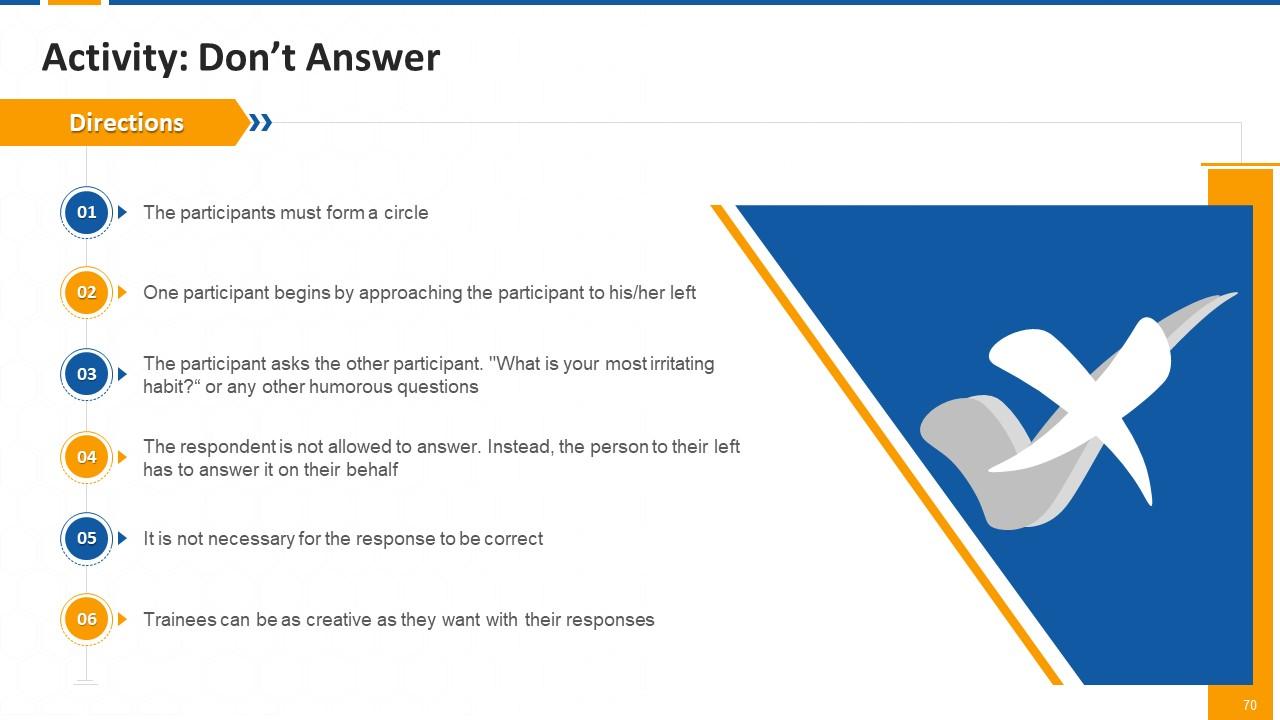


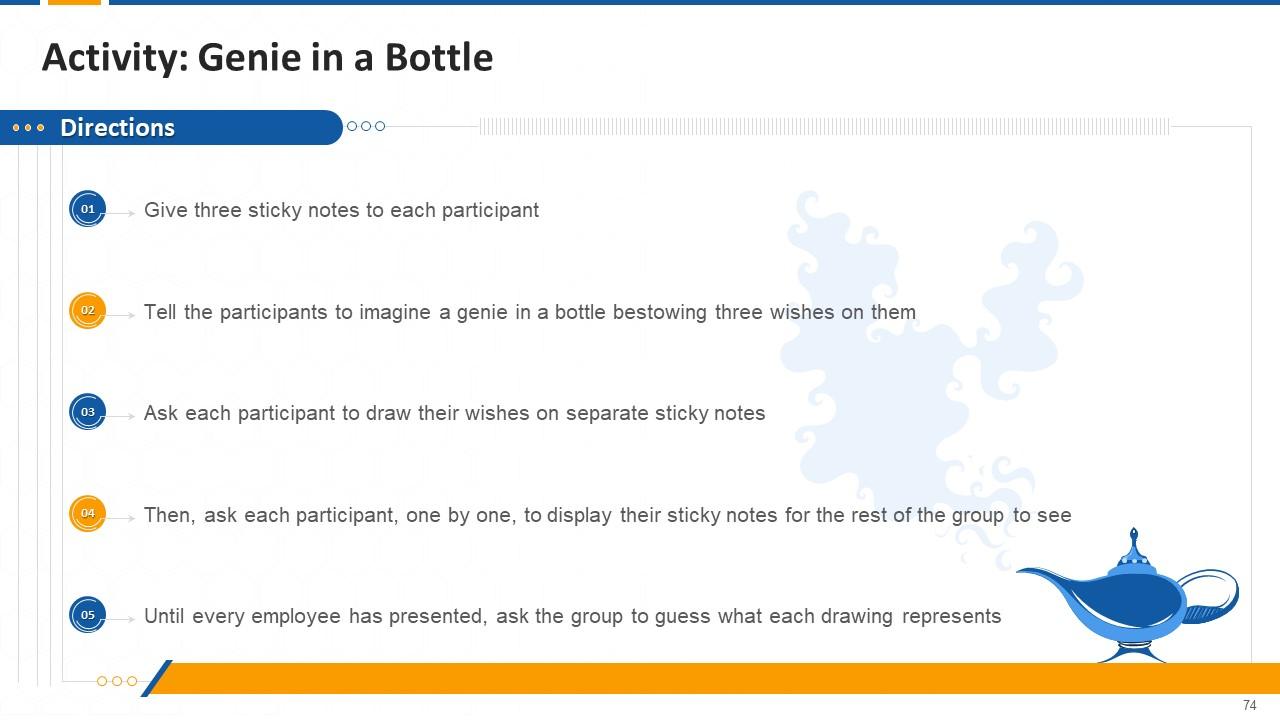




















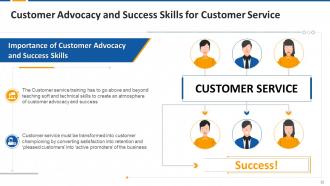



















-

- Google Slides is a new FREE Presentation software from Google.
- All our content is 100% compatible with Google Slides.
- Just download our designs, and upload them to Google Slides and they will work automatically.
- Amaze your audience with SlideTeam and Google Slides.
-

Want Changes to This PPT Slide? Check out our Presentation Design Services
-

- WideScreen Aspect ratio is becoming a very popular format. When you download this product, the downloaded ZIP will contain this product in both standard and widescreen format.
-

- Some older products that we have may only be in standard format, but they can easily be converted to widescreen.
- To do this, please open the SlideTeam product in Powerpoint, and go to
- Design ( On the top bar) -> Page Setup -> and select "On-screen Show (16:9)” in the drop down for "Slides Sized for".
- The slide or theme will change to widescreen, and all graphics will adjust automatically. You can similarly convert our content to any other desired screen aspect ratio.
Compatible With Google Slides

Get This In WideScreen
You must be logged in to download this presentation.


Do you want to remove this product from your favourites?
PowerPoint presentation slides
Presenting Training Module on Customer Service Team Soft Skills. This deck comprises of 113 slides. Each slide is well crafted and designed by our PowerPoint experts. This PPT presentation is thoroughly researched by the experts and every slide consists of an appropriate content. All slides are customizable. You can add or delete the content as per your need. Not just this, you can also make the required changes in the charts and graphs. Download this professionally designed business presentation, add your content and present it with confidence.

People who downloaded this PowerPoint presentation also viewed the following :
Content of this Powerpoint Presentation
Customer service is a crucial aspect in any business. To keep your customer happy and satisfied, you need to provide excellent customer support. Providing exceptional customer service is a must, if you want your organization to stay and sustain in business. Therefore, customer service training is essential to retain customers for the long term. It will create a successful customer-centric organization.
Are you looking for free customer service training material? If so, then you’re in the right place. SlideTeam has introduced a set of customer service training templates that cover in-depth, essential soft skills needed for the customer service team.
These templates comprise ideas and concepts that make customer service so good. From core customer service skills to training exercises and guidelines. Whether you’re a small business owner or a customer service manager, these slides will offer you the tools to train your team effectively.
Are you starting your restaurant business? Here’s our complete deck to understand the customer service journey.
These templates are 100% editable and customizable. Therefore, you can change the information as per your requirements. Let’s explore now!
Template 1- Customer Service Team Soft Skills Training Module on Customer Service Template
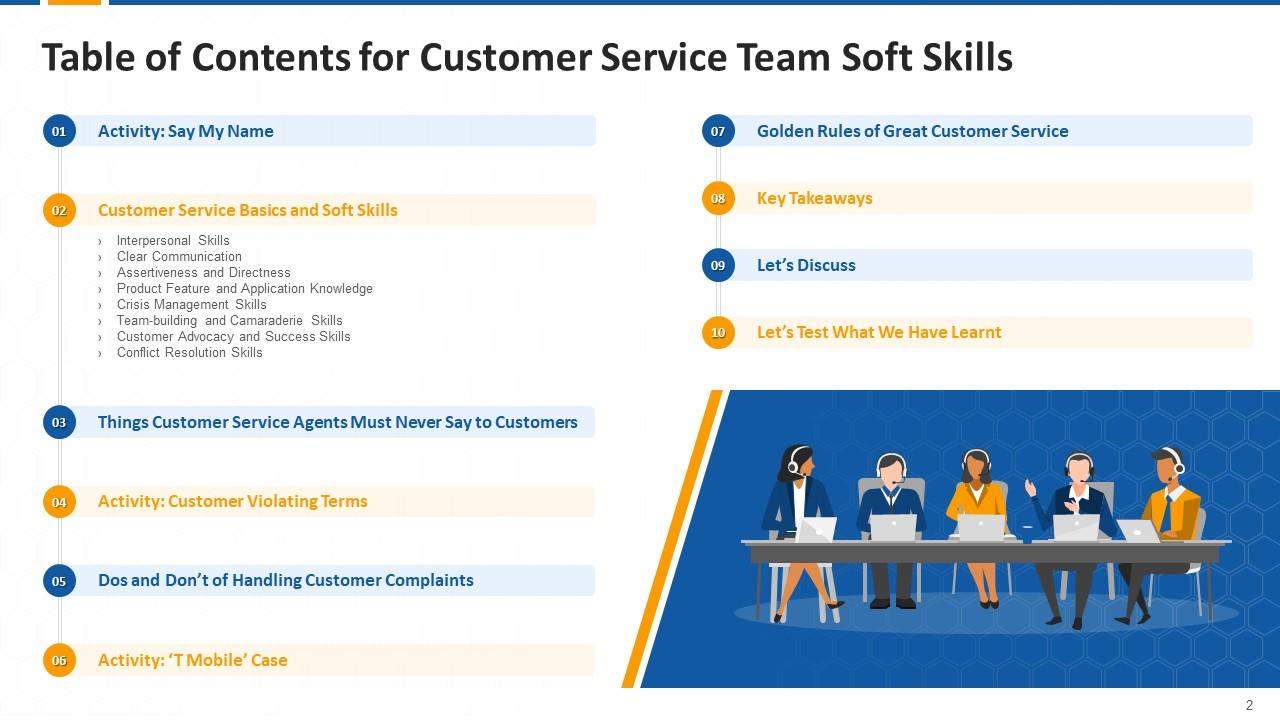
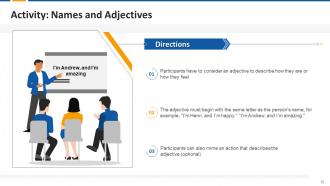
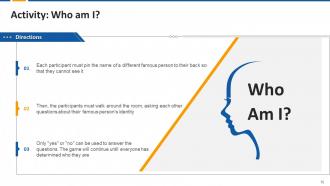
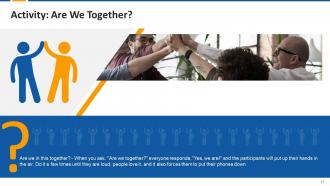
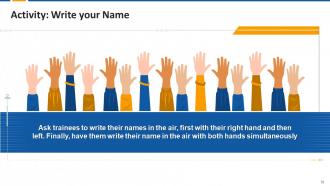
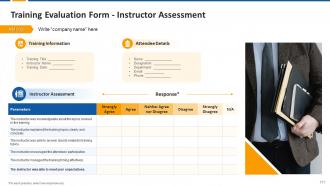
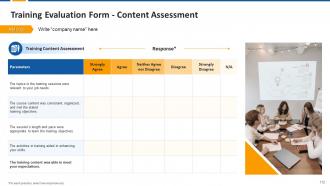
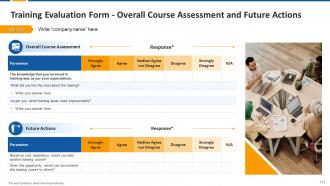
Check out our customer service team soft skills PPT template that covers in-depth the essential soft skills for the customer service team. This template includes the dos and don’ts of attending to customer complaints, a real-time case study, and the golden rules of customer service. This template contains activities, key takeaways, and multiple-choice questions related to the concepts covered. The other slides are based on About Us, vision, mission, goal, 30-60-90 days plan, timeline, roadmap, training completion certificate, energizer activities, detailed client proposal, and training assessment form. Therefore, download this now.
Template 2- Activity Template
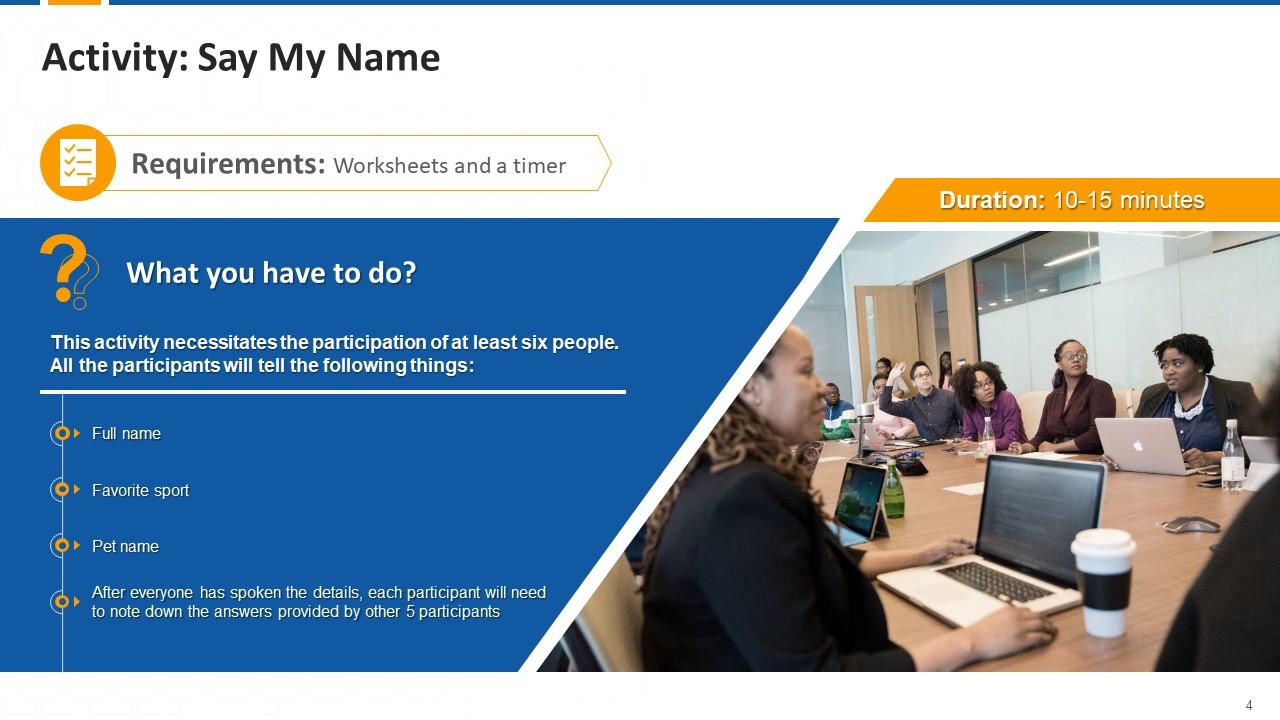
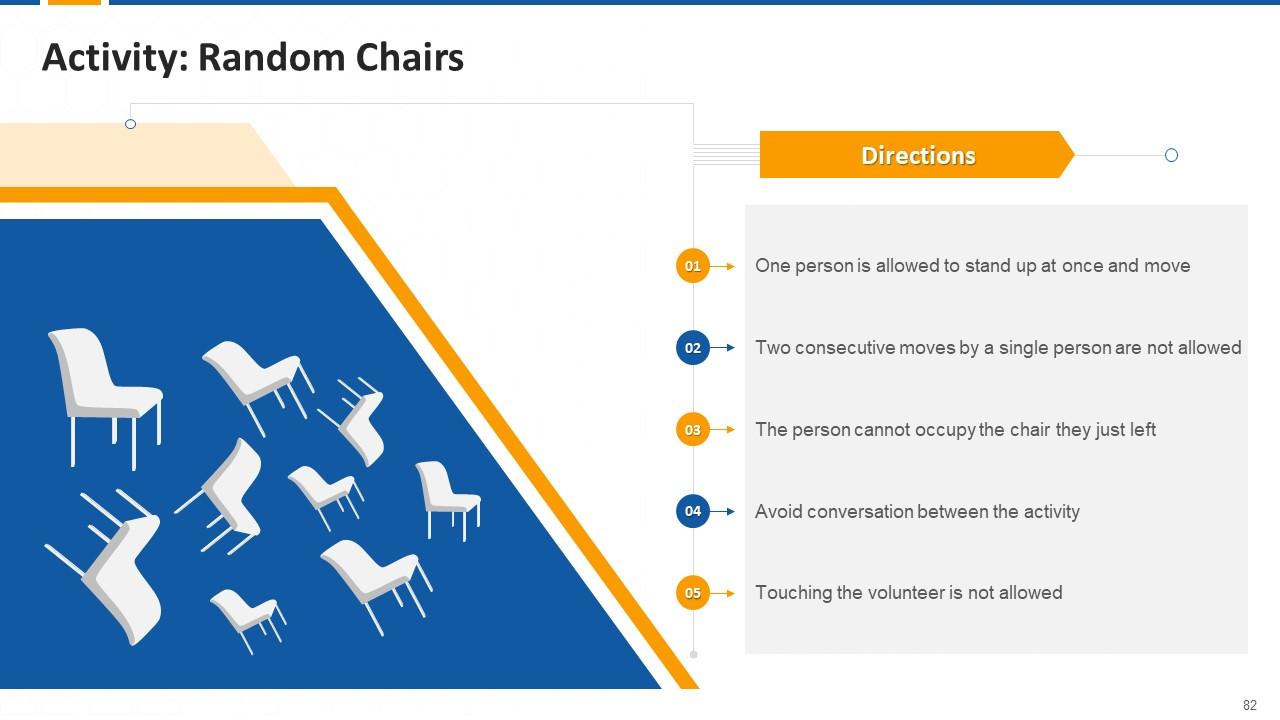
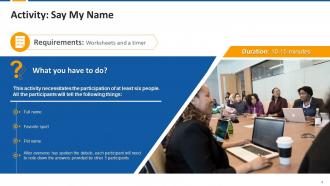
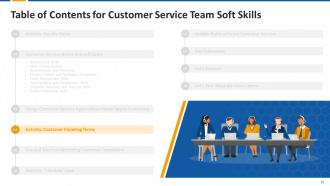
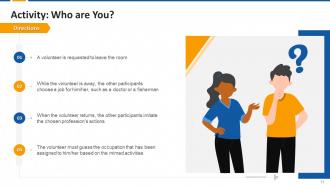
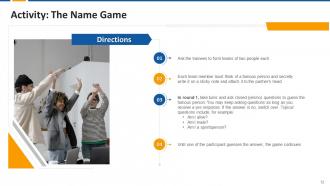
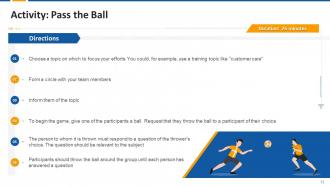
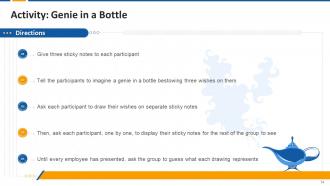
To enhance participation in customer service, use our activity template. This template necessitates the participation of at least six people. To perform any activity the only requirement is a worksheet and a timer. This slide helps gather the details answered by other participants and discuss these thread-bare for wonderful group lessons. Download this now.
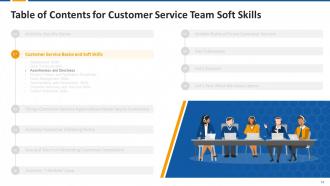
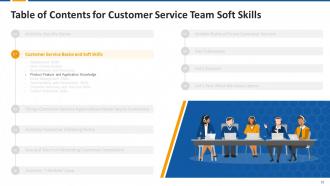
Template 3- Customer Service Basics and Soft Skills Template
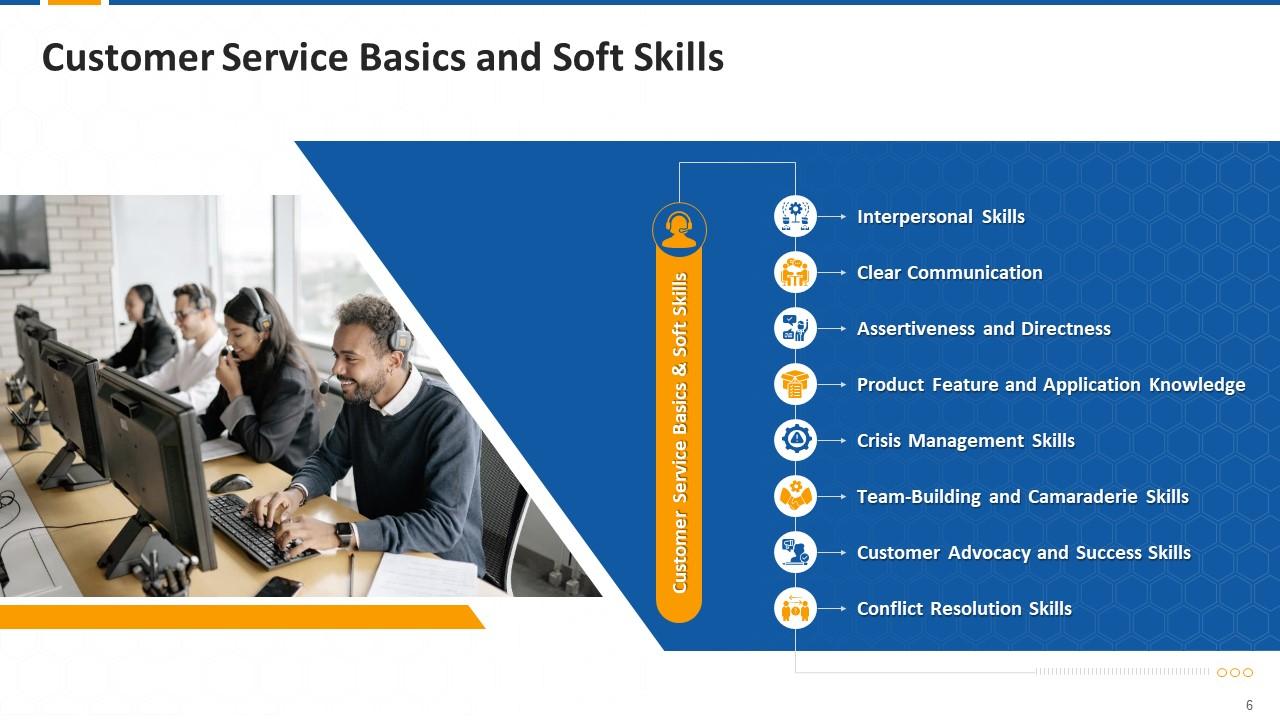
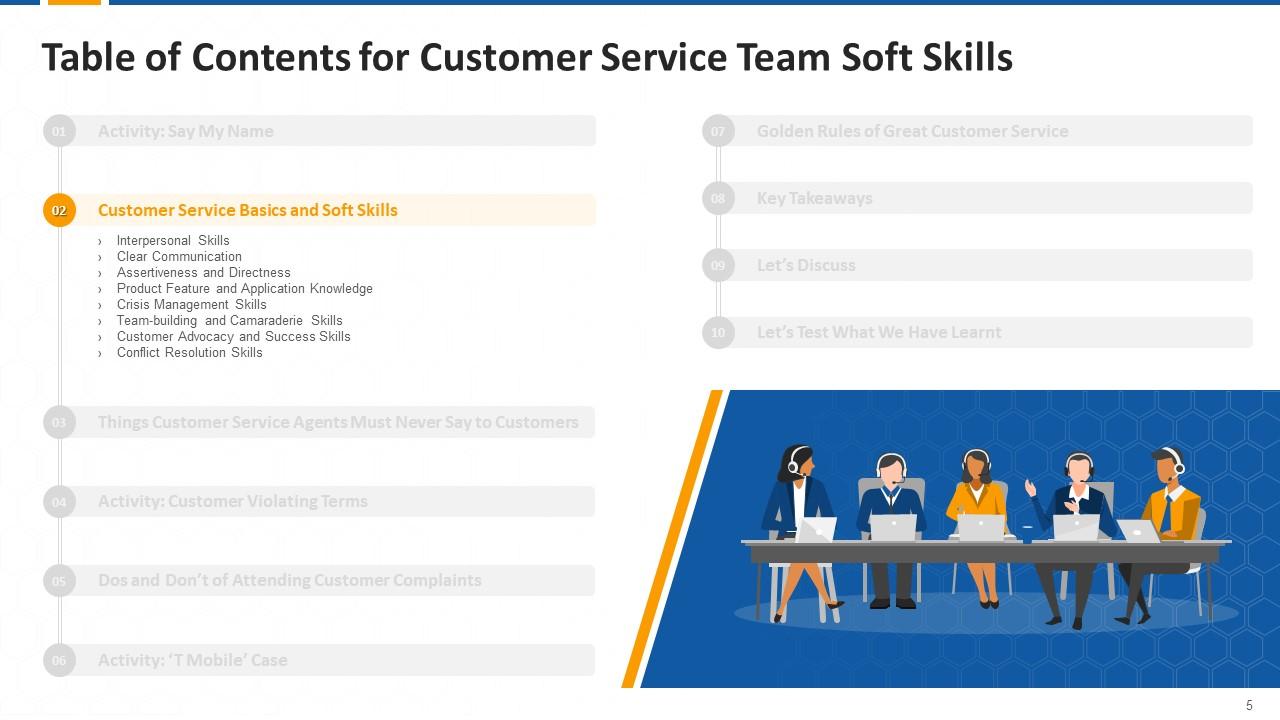
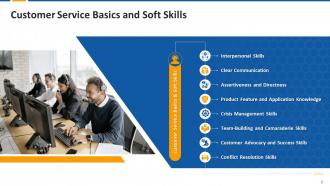
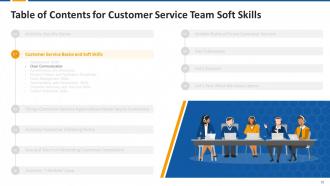
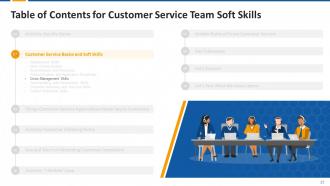
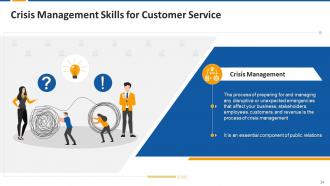
To keep your customer satisfied, you need to have an idea about customer service basics and soft skills. Therefore, you can use our customized PPT Template that helps to enhance your soft skills. This template showcases the customer service basics which include interpersonal skills, clear communication, assertiveness and directness, crisis management skills etc. These skills will help provide better customer service.
Template 4- Interpersonal Skills for Customer Service Template
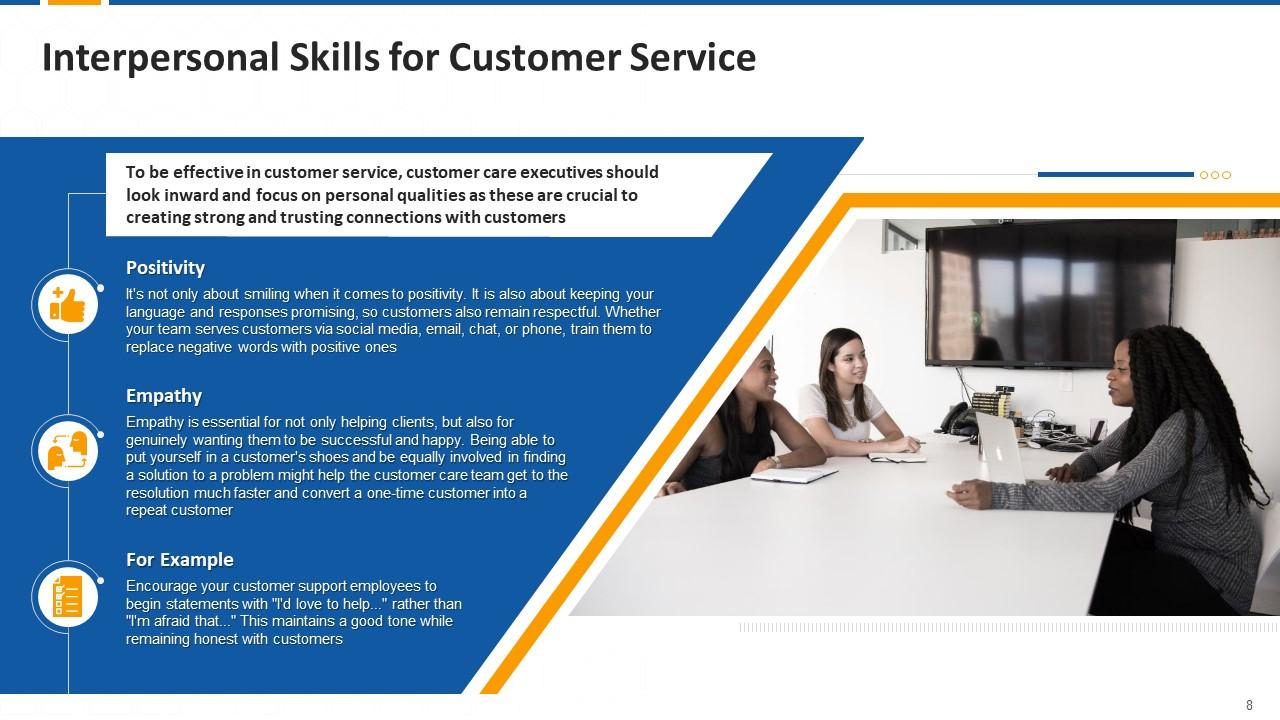
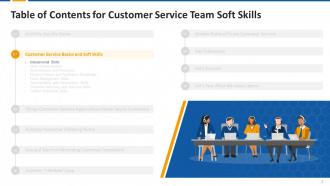
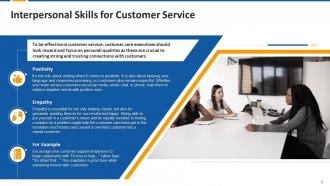
For effective customer service, interpersonal skills matter the most. The customer care executive should look inward and focus on personal qualities. Use this customized PPT Template to create strong and trustworthy connections with customers. This slide showcases interpersonal skills required for customer service, which are positivity and empathy. It illustrates this with examples.
Template 5- Customer Service Soft Skills Exercise: Positivity and Empathy Training Template
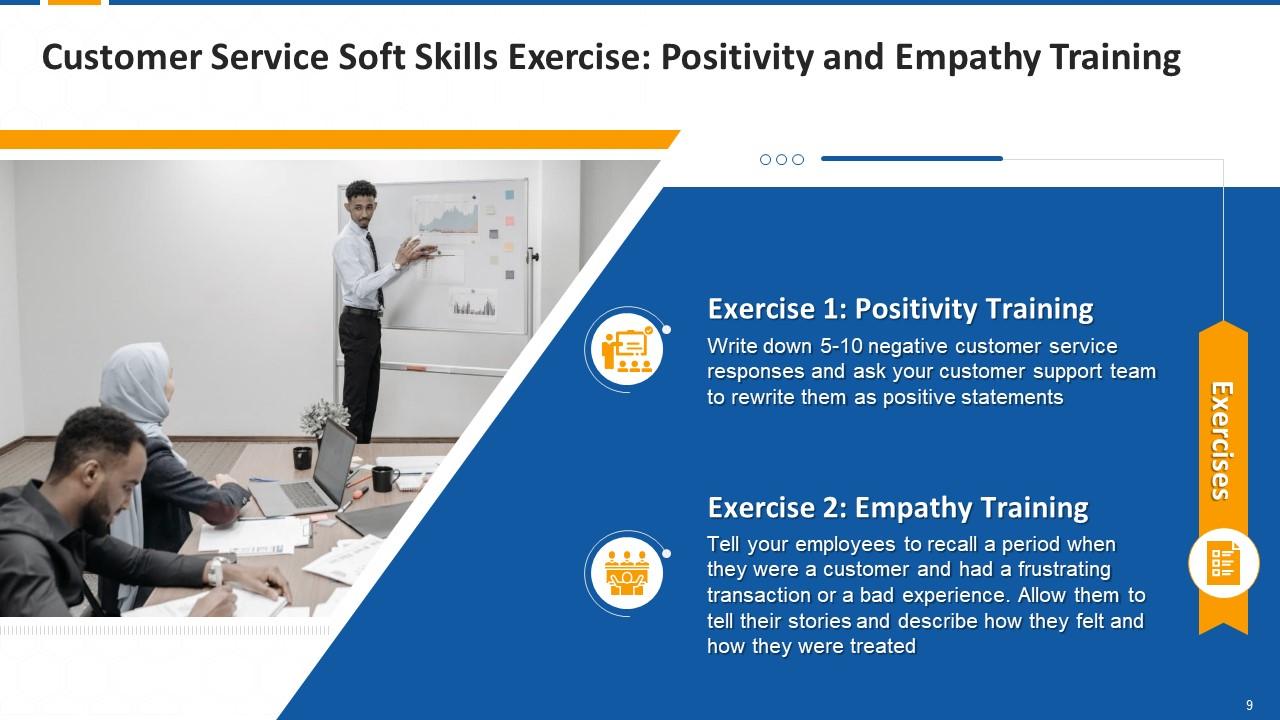
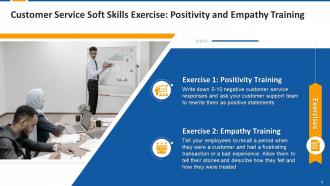
Check out this customer service soft skills exercise PPT Template to get an idea about interpersonal training. It showcases the positivity training by mentioning negative customer service responses and rewriting them as positive statements and empathy training by allowing employees to share their bad experiences as a customer. This will help you understand the situation from the aspect of the customer, and you will provide better customer services. Therefore, download this now.
Template 6- Customer Service Soft Skill: Clear Communication Template
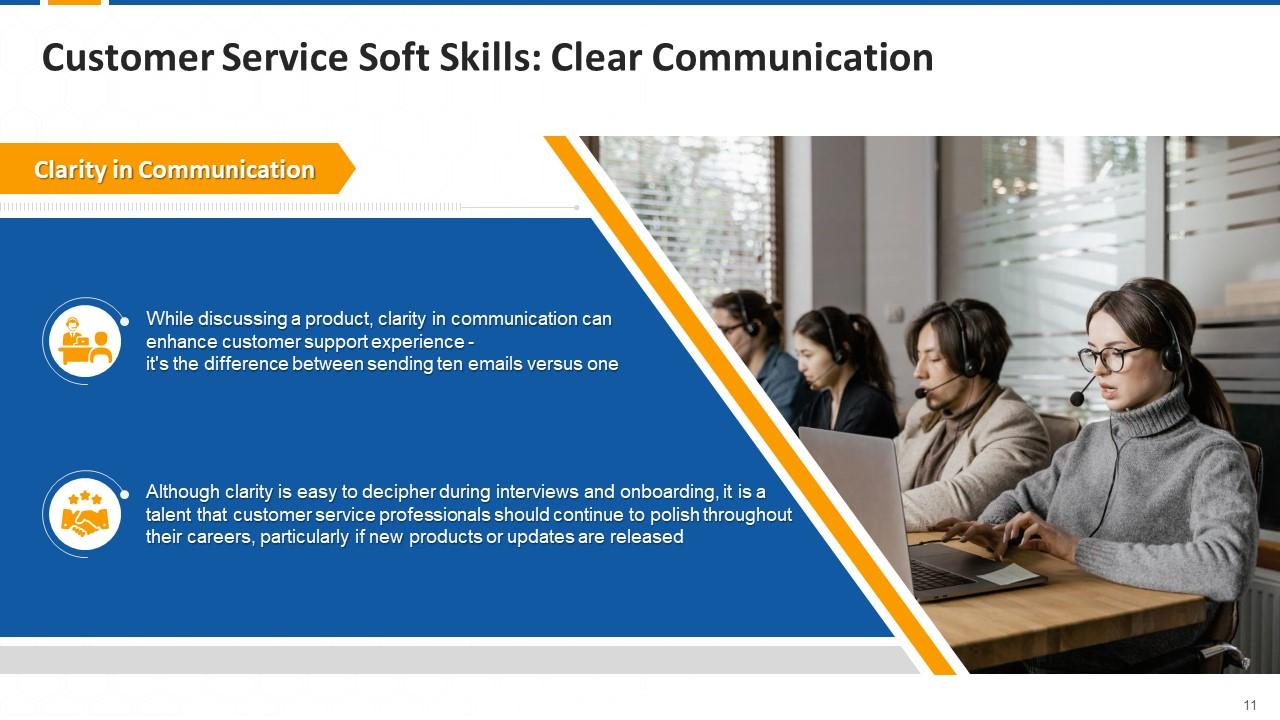
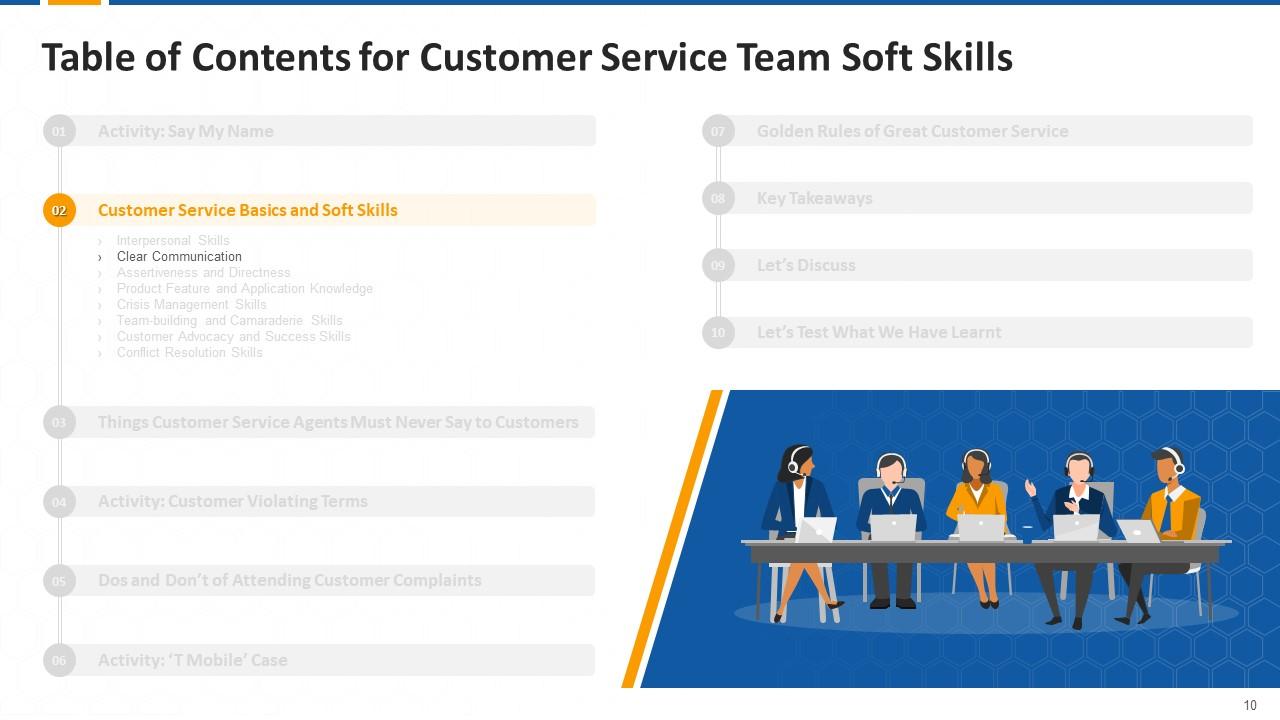
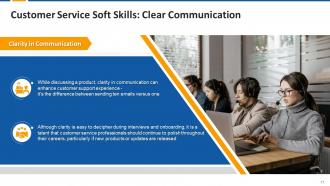
Clear communication is an important factor in a business organization. It doesn’t only improve customer satisfaction but also builds trust and avoids misunderstandings. Check out our clear communication PPT Template to improve customer soft skills. This slide shows that while discussing a product, clear communication is equivalent to sharing ten emails. Though, the interview and onboarding process easily determine clarity but as a customer service professional, you need to polish this characteristic throughout your career. Therefore, to improve your communication skill for better customer service download this template now!
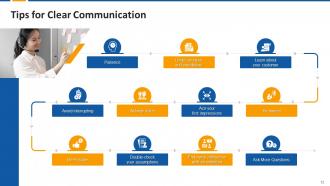
Template 7- Tips for Clear Communication Template

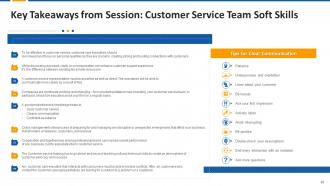
As we know the benefits of a clear communication for customer service, we need some tips to improve this skill. Therefore, download this customized PPT Template to get idea about the tips for clear communication. The tips include patience, avoiding interruption and positivity. Use this slide to facilitate effective decision-making and prevent conflicts.
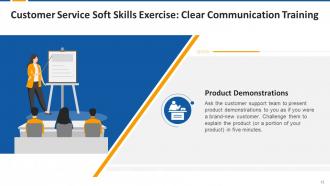
Template 8- Customer Service Soft Skills Exercise: Clear Communication Training Template

Grab this PPT Template to get an insight about clear communication training. This slide showcases the training process in the form of product description. It shows that the customer support team is asked to present a product demonstration to a brand-new customer. This enhances their communication skill and boosts employee morale.
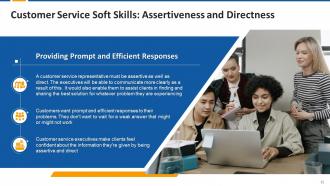
Template 9- Customer Service Soft Skill: Assertiveness and Directness Template

Check out this assertive and direct presentation template to get an idea about prompt and efficient responses. This slide showcases the communication of the customer service representative in finding the best solution to any problem. It also guides you in giving prompt and efficient responses to issues.
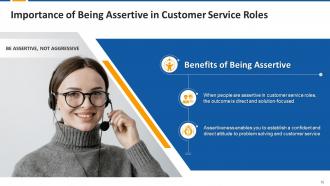
Template 10- Importance of Being Assertive in Customer Service Roles Template
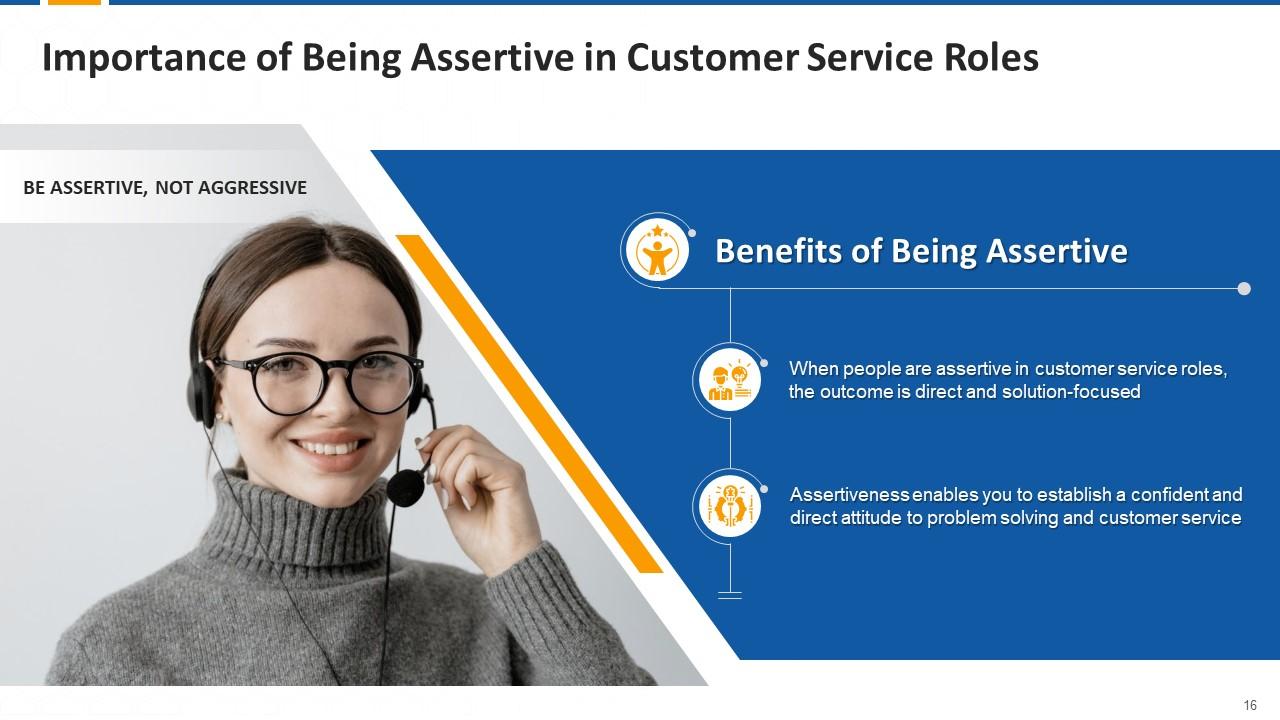
Being assertive in customer service roles is of utmost importance. It enables you to establish a confident and direct attitude towards problem solving and customer service. Use this customized PPT Template to get insight about the importance of being assertive in customer service roles. This slide highlights the assertive customer service roles that lead to direct outcomes.
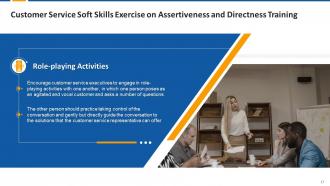
Template 11- Customer Service Soft Skills Exercise on Assertiveness and Directness Training Template

Check out this PPT template to highlight role-playing activities. This slide encourages customer service executives to engage in role-playing activities with one another and take control of the conversation. Use this template to enhance communication and build customer trust.
SKILLS AND TRAINING MATTER
By using these soft skills templates, your customer service team can build trust, navigate challenges and enhance positive customer relationships. This will in turn lead to customer satisfaction and loyalty.
Check out the key initiatives showing efficiency in quality innovation and customer service.
Customer Service Team Soft Skills Training Module on Customer Service Edu Ppt with all 118 slides:
Use our Customer Service Team Soft Skills Training Module on Customer Service Edu Ppt to effectively help you save your valuable time. They are readymade to fit into any presentation structure.
-
The templates are easy to get, and the chat customer support is excellent.
-
Excellent work done on template design and graphics.
