Customer value proposition framework circular diagram ppt examples

Rating:
90%
Customer value proposition framework circular diagram ppt examples
Slide 1 of 5
Favourites Favourites

Try Before you Buy Download Free Sample Product

Audience Impress Your
Audience
Editable 100%
Editable
Time Save Hours
of Time
The Biggest Sale is ending soon in
0
0
:
0
0
:
0
0
Rating:
90%
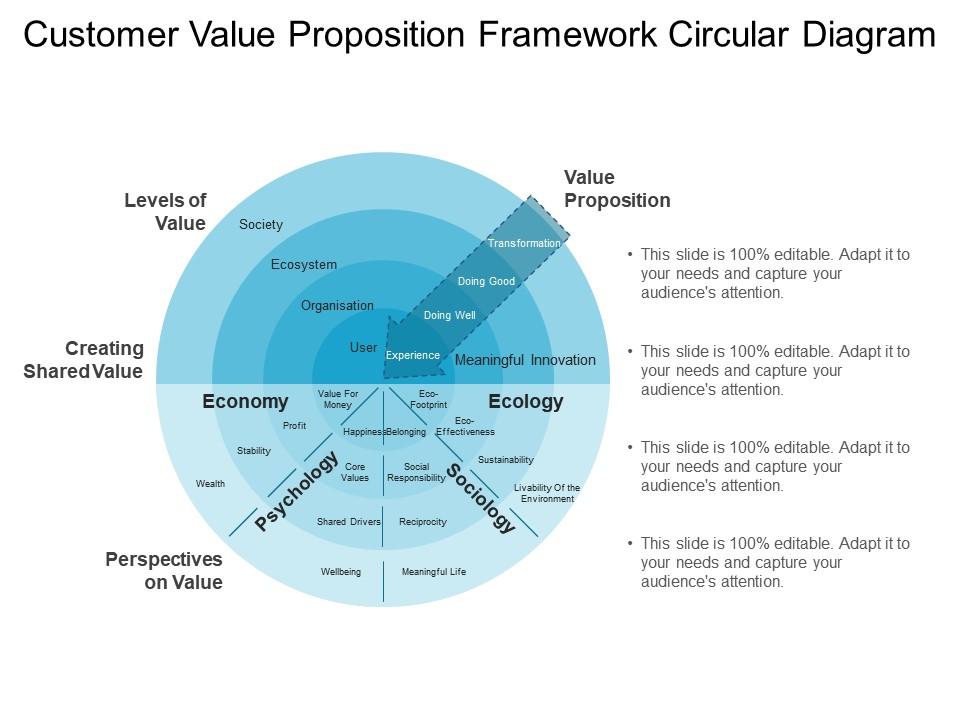
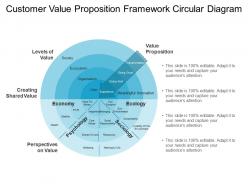
Introducing customer value proposition framework circular diagram PPT design. Ready to use PPT template for business and management professionals from diverse areas. Easy manual process to change texts, colors to match any style. High resolution PPT slide for giving an appealing visual treat. Click to add company logo, trademark, or name. Flexible option to convert into PDF or JPG formats. Goes well with Google Slides and other software applications. Remains its adequacy when projected on wide screen.

People who downloaded this PowerPoint presentation also viewed the following :

FAQs for Customer value proposition framework circular

Three things you gotta get right: what problem you're solving, the actual benefit you deliver, and why you're different. Don't be vague about the problem - that kills everything. Your benefit needs to be specific too, like "save 3 hours weekly" instead of just "be more efficient." Most people screw up the differentiation part because they list features instead of explaining why customers should care. Honestly, I'd start by writing down your customer's biggest headache in their exact words. Then work backwards from there. Makes the whole thing way clearer.

First things first - figure out who's actually buying your stuff right now. I'd start there instead of guessing who *should* be interested (honestly, that's where most people mess up). Survey your current customers, maybe hop on calls with a few. What problems are you solving for them? Build detailed profiles but go deeper than just age and income - what keeps them up at night? How do they make decisions? Then - and this is crucial - test everything by talking to real potential customers. Their feedback will either confirm you're on track or show you need to adjust. The whole point is getting specific enough that your messaging actually hits home.

Dude, you absolutely have to do market research first. Talk to actual customers - find out what they really care about, not what you assume they want. I learned this the hard way honestly. Look at what problems they're dealing with and how they're solving them now. Short version: stop guessing and start asking. The competition analysis part matters too, but customer conversations are gold. You'll discover gaps you never knew existed. Without this stuff, you're basically throwing darts blindfolded and hoping something sticks.

Honestly, most people overthink this. Just figure out what pisses off your customers about existing options - like, what are they actually complaining about? Then see where your competitors totally suck or ignore obvious problems. Don't say generic stuff like "we're better quality" though. Get specific. Maybe you're the only one with real humans answering phones at 3am, or you actually solve their problem in half the time instead of making them jump through hoops. Test different messages with real customers first. They'll tell you what actually matters to them vs what sounds good in your head.

Start with the actual problem they're dealing with, then hit them with concrete numbers showing how you fix it. That before/after thing works every time - I swear by it. Keep slides super visual, tell a story instead of just dumping features on them. Ask yourself "so what?" after every point. Here's the thing though - you gotta know your audience. A CFO wants to see money saved, operations people care about efficiency gains. Oh, and always end sections with "this means you can..." because people need you to spell it out for them.

Customer feedback is huge for nailing your value prop. Most companies think they know what customers want, but they're usually way off. Run some surveys or just call up existing customers and ask why they picked you over the competition. What you'll find is crazy - they use totally different words than your marketing team does, and half the time they care about stuff you never even thought mattered. I've seen this happen so many times. Their actual pain points are nothing like what you assumed. Once you get that real feedback, you can tweak your messaging to match what they actually value.

Ugh, the worst thing you can do is be super generic - like saying "we provide quality service" when literally every company says that garbage. Don't list features either, talk about what customers actually get out of it. I've watched so many teams promise stuff they can't deliver and it blows up in their faces. Here's the thing though - most people write these without talking to actual customers first, which is backwards. You can't appeal to everyone or you'll appeal to nobody. Just call up 5-10 customers and ask what they really care about. Way easier than guessing.

So basically, you've gotta match your value prop to where people are in their buying journey. Someone who just found you needs totally different messaging than someone comparing prices, you know? Map out each stage - discovery, research, decision, whatever - then figure out what actually matters to customers at each point. Early on they might not even know they have the problem you solve. Later they're all about why you're better than the competition. I always start by sketching out the whole journey first, then going back to see if my messaging actually makes sense for each stage. Sounds obvious but most people skip this step completely.

Honestly, start with your conversion rates - that's the most obvious one. Customer acquisition costs matter too, plus how fast people move through your sales process. I'd throw in some customer satisfaction scores or NPS if you're tracking those already. The tricky part is figuring out if your messaging actually resonates. Are customers repeating back the benefits you're pushing? Time-to-purchase tells you a lot about whether you're hitting the mark. Customer lifetime value shows if you're attracting quality people, not just anyone. But here's the thing - referrals are probably your best indicator. Stick with 2-3 metrics that make sense for your business and track them consistently.

Honestly, I'd start by just asking your current customers what they care about now vs six months ago - sometimes those shifts are sneaky but huge. Keep tabs on what your competitors are doing too. Monthly check-ins work well for me to see if my messaging still hits right. New pain points pop up all the time in markets, so you gotta stay ahead of that curve instead of scrambling to catch up later. A/B test new value statements with small groups first - way safer than going all-in. Survey existing customers about what matters most to them. The whole thing is really about staying proactive with feedback and trends.

Honestly, tech can really boost your value prop if you use it right. Personalization is huge - tailor stuff to each customer instead of the generic approach everyone hates. Automate the boring parts so people don't get stuck waiting around. Data's your friend here too, shows you what customers actually care about (which is weird sometimes, trust me). AI tools give instant help and suggest things before people even ask. Mobile apps just make everything easier to access. The trick is combining these smartly. Map out where your customers get frustrated first - that's where tech helps most.

Oh totally - emotional appeal is huge! People buy with their hearts first, then their brains catch up with the logic later. Even in boring B2B stuff, you're still dealing with actual humans who have feelings about their decisions (shocking, I know). Think about how your product makes someone *feel* - relieved, confident, maybe even a little proud they chose you. Those feelings matter way more than your fancy feature list. Sure, include the practical benefits too, but don't skip the emotional stuff. That's honestly what separates you from competitors half the time.

Look at Apple - they went with "Think Different" instead of listing tech specs. Netflix crushed it by promising "watch anything, anywhere" while Blockbuster was still doing the DVD mail thing (god, remember that?). Slack didn't sell messaging software, they sold "be less busy" to burned-out teams. Tesla? They made electric cars cool instead of preachy. See the pattern? None of them talked about features. They focused on what people actually wanted to feel or achieve. So figure out the emotional problem you're solving, not just the technical one. Way more powerful than whatever bells and whistles you've built.

Look at your value prop and brand messaging side by side - do they actually match up? If there's a disconnect, customers pick up on that weird vibe instantly. I've watched companies crash and burn trying to appeal to everyone. Total mess. Your value proposition should flow naturally from what your brand already represents, not fight against it. Quick check: same tone of voice? Talking to the same people? Supporting your main brand themes? If any of those are off, you've got some realigning to do. The promise you're making needs to feel consistent everywhere customers see it, or honestly, why should they trust you?

Honestly, having a solid value prop is like giving customers a really good reason to stick around. When people know exactly what they're getting from you - and why it's better than whatever else is out there - they don't bounce as easily. Think of it as your "here's why you should stay" elevator pitch, except it needs to show up in everything you do. The tricky part? You actually have to deliver on whatever you're promising. Overpromise and you'll watch people leave faster than they came. But nail that consistency and retention becomes way easier.

Ratings and Reviews

90% of 100
Write a review
Most Relevant Reviews
  1. 80%

    by Dusty Hoffman

    Very unique, user-friendly presentation interface.
  2. 100%

    by Douglas Lane

    Easily Editable.
  3. 80%

    by Dylan Richards

    The content is very helpful from business point of view.

  4. 100%

    by Thomas Hill

    The content is very helpful from business point of view.

4 Item(s)

per page: