


Danone company profile overview financials and statistics from 2014-2018





Try Before you Buy Download Free Sample Product
 Impress Your
 Audience
 100%
100% Editable
 Save Hours
 of Time


Keeping presentation presentations fresh and compelling can be a challenge. Our Danone Company Profile Overview Financials And Statistics From 2014-2018 are waiting to help update your look quickly every time.
People who downloaded this PowerPoint presentation also viewed the following :
Danone company profile overview financials and statistics from 2014-2018 with all 78 slides:
Leave a lasting impression. High quality Danone Company Profile Overview Financials And Statistics From 2014-2018 design for every presentation need.




FAQs for Danone company profile overview financials and
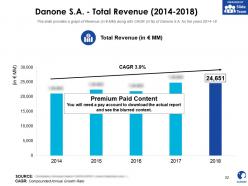
Danone's key revenue drivers from 2014-2018 included strategic expansion in emerging markets, portfolio optimization toward health-focused products, and the transformational WhiteWave acquisition in 2017. These initiatives enabled geographic diversification, premium product positioning, and entry into plant-based alternatives, with the company increasingly leveraging organic growth and strategic acquisitions to deliver sustained revenue growth across its global operations.
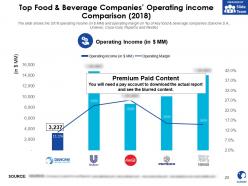
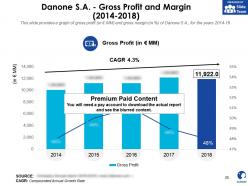
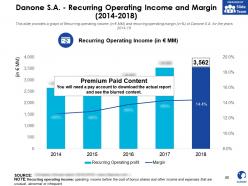
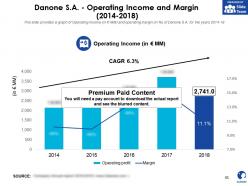
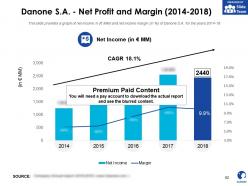
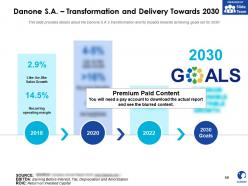
Danone's profitability trends from 2014-2018 showed steady improvement through strategic portfolio optimization, geographic expansion, and operational efficiency initiatives across its dairy, water, and specialized nutrition segments. The company enhanced margins by streamlining operations, divesting non-core assets, and focusing on premium health-focused products, ultimately delivering stronger recurring operating margins and sustainable profit growth despite challenging market conditions.
Currency fluctuations significantly impacted Danone's financial performance from 2014-2018, creating both headwinds and tailwinds as the strong euro affected international revenue translation and emerging market operations. These foreign exchange impacts influenced reported growth rates, margin pressures in key markets like Latin America and Asia, and strategic hedging decisions, with many multinational food companies finding that currency volatility requires sophisticated financial management to maintain consistent operational performance across diverse geographic markets.
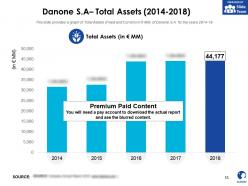
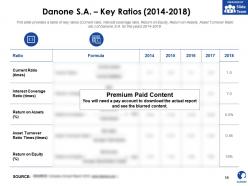
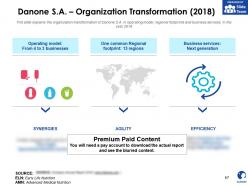
Danone's operational efficiency ratios improved significantly from 2014 to 2018, with asset turnover increasing from 0.68 to 0.74 times and inventory turnover rising from 6.2 to 7.1 times annually. These enhancements reflect strategic supply chain optimization, enhanced production processes, and better resource allocation, ultimately delivering stronger working capital management and competitive positioning in the global food industry.
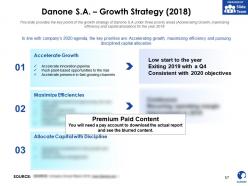
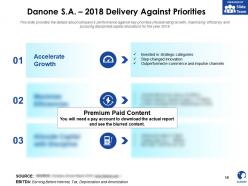
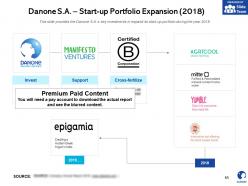
Danone implemented strategic initiatives including portfolio optimization through acquisitions like WhiteWave, geographic expansion in emerging markets, sustainable development programs, and operational efficiency improvements across manufacturing. These initiatives enhanced shareholder value by diversifying revenue streams, strengthening market positions in plant-based nutrition, and delivering consistent organic growth, with many investors finding that Danone's focus on health-focused categories ultimately provided competitive advantage in evolving consumer markets.
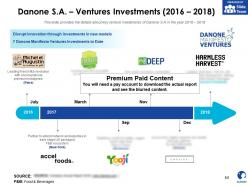
Danone's strategic acquisitions, including WhiteWave Foods and Earthbound Farm, significantly enhanced their plant-based and organic portfolios while initially impacting debt levels and integration costs. These mergers ultimately delivered expanded market presence in high-growth segments like organic dairy and plant-based alternatives, with many food industry analysts finding that Danone's diversification strategy strengthened their competitive position in increasingly health-conscious consumer markets.
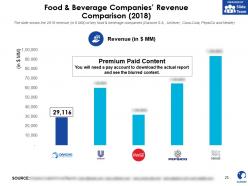
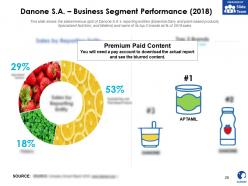
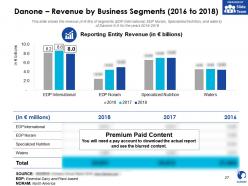
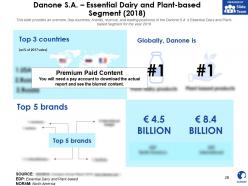
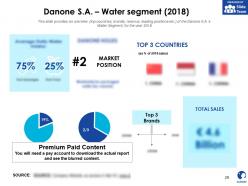
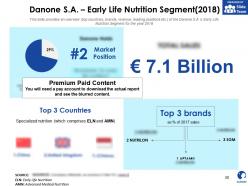
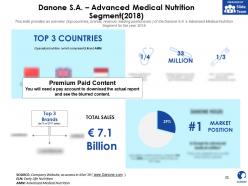
Danone's major revenue segments include Fresh Dairy Products, Waters, Early Life Nutrition, and Medical Nutrition, with Fresh Dairy historically representing the largest portion of total revenue. From 2014 to 2018, Early Life Nutrition and Medical Nutrition demonstrated the strongest growth trajectories, while Waters maintained steady performance and Fresh Dairy faced increasing competitive pressures, ultimately driving Danone's strategic portfolio diversification toward higher-margin specialized nutrition categories.
Danone's capital expenditures fluctuated significantly during 2014-2018, with investments ranging from approximately €1.2 billion to €1.8 billion annually, reflecting strategic expansions and facility upgrades. These fluctuations enabled enhanced production capacity, operational efficiency improvements, and market penetration across emerging regions, ultimately delivering stronger competitive positioning and sustainable growth trajectories for the global nutrition company.
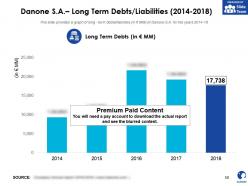
Danone's debt-to-equity ratio demonstrated a fluctuating but generally manageable trend from 2014-2018, with periods of strategic leverage adjustment reflecting operational restructuring and acquisition activities. This financial metric enabled the company to balance growth investments with fiscal responsibility, ultimately maintaining competitive positioning while supporting expansion initiatives across global markets, with many food industry leaders finding that strategic debt management enhances operational flexibility.
Danone's sustainability investments during 2014-2018 enhanced long-term financial resilience by driving operational efficiency, reducing resource costs, and strengthening brand equity in premium markets. These strategic initiatives enabled improved margin stability, accelerated growth in organic and plant-based segments, and enhanced investor confidence, with sustainability-focused product lines delivering higher profitability and competitive differentiation.
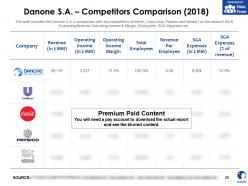
The competitive landscape intensified Danone's focus on premiumization and organic growth, with increased competition from private labels, emerging brands, and global players like Nestlé affecting traditional market positions. While facing pressure in mature markets, Danone strategically divested non-core assets and strengthened positions in plant-based alternatives and specialized nutrition, ultimately delivering enhanced portfolio focus and competitive differentiation in higher-growth segments.
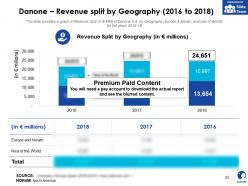
Emerging markets served as crucial growth drivers for Danone during 2014-2018, contributing significantly to revenue expansion through accelerated market penetration in Asia-Pacific, Latin America, and Africa. These regions delivered higher growth rates than mature markets, with Danone's specialized nutrition and dairy products finding strong consumer adoption, ultimately enabling the company to diversify revenue streams and reduce dependence on slower-growing European markets.
Danone's dividend policy from 2014 to 2018 demonstrated steady growth, with dividends per share increasing from €1.45 to €2.10, reflecting the company's commitment to consistent shareholder returns despite market volatility. This progressive dividend strategy enabled Danone to maintain investor confidence while reinvesting in organic growth initiatives and strategic acquisitions, ultimately delivering enhanced shareholder value and competitive positioning in the global food market.
Danone's stock price fluctuations from 2014-2018 reflected strategic portfolio transformations, including the major WhiteWave acquisition, emerging market challenges, and shifting consumer preferences toward organic and plant-based products. These underlying factors created both volatility and growth opportunities, with investors responding to Danone's repositioning as a health-focused company, currency headwinds in key markets, and the integration complexities of major acquisitions ultimately delivering long-term strategic value.
**INPUT**: How did Danone address changing consumer preferences in its product offerings within this timeframe? **OUTPUT**: Danone addressed changing consumer preferences by expanding organic offerings, introducing plant-based alternatives, reducing sugar content, and enhancing nutritional profiles across dairy, water, and specialized nutrition segments. Through strategic acquisitions like WhiteWave and product reformulations, the company captured growing health-conscious trends while maintaining taste appeal, ultimately delivering enhanced market positioning in premium wellness categories and sustainable competitive advantage.
No Reviews