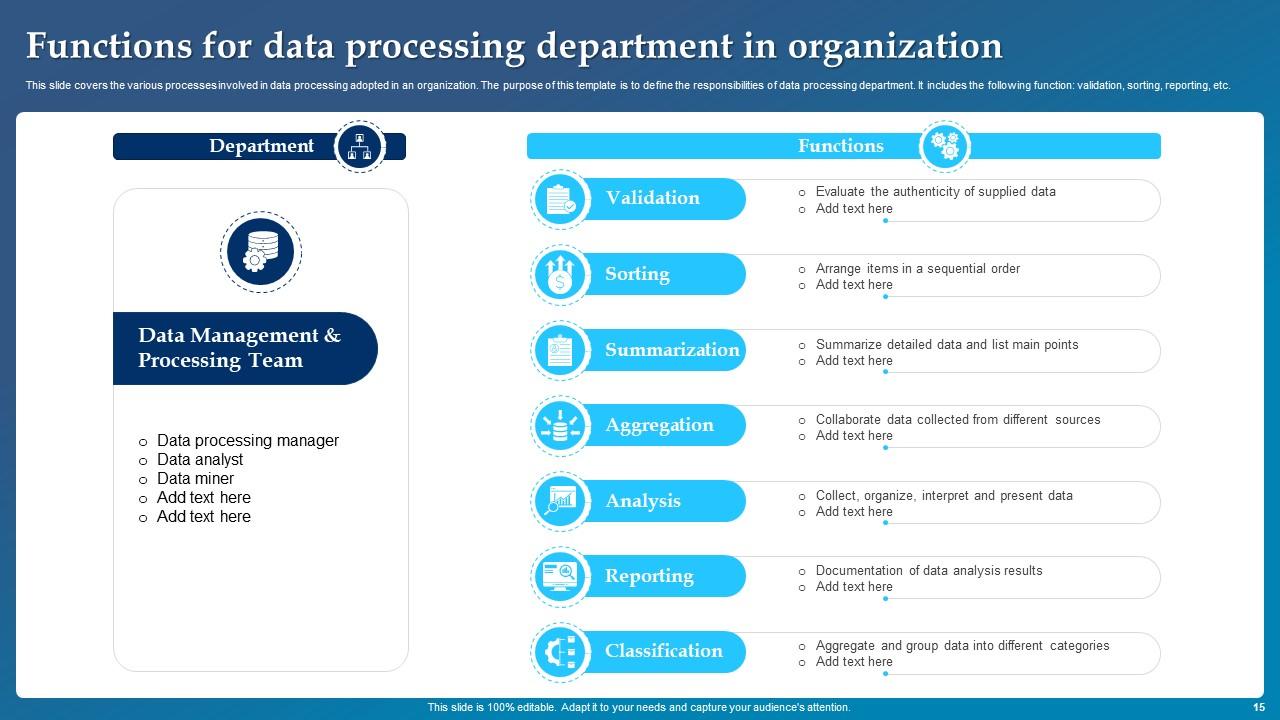
Data Processing Powerpoint Ppt Template Bundles
Try Before you Buy Download Free Sample Product
Audience
Editable
of Time
Our Data Processing Powerpoint Ppt Template Bundles are topically designed to provide an attractive backdrop to any subject. Use them to look like a presentation pro.
People who downloaded this PowerPoint presentation also viewed the following :
Data Processing Powerpoint Ppt Template Bundles with all 24 slides:
Use our Data Processing Powerpoint Ppt Template Bundles to effectively help you save your valuable time. They are readymade to fit into any presentation structure.
FAQs for Data Processing Powerpoint
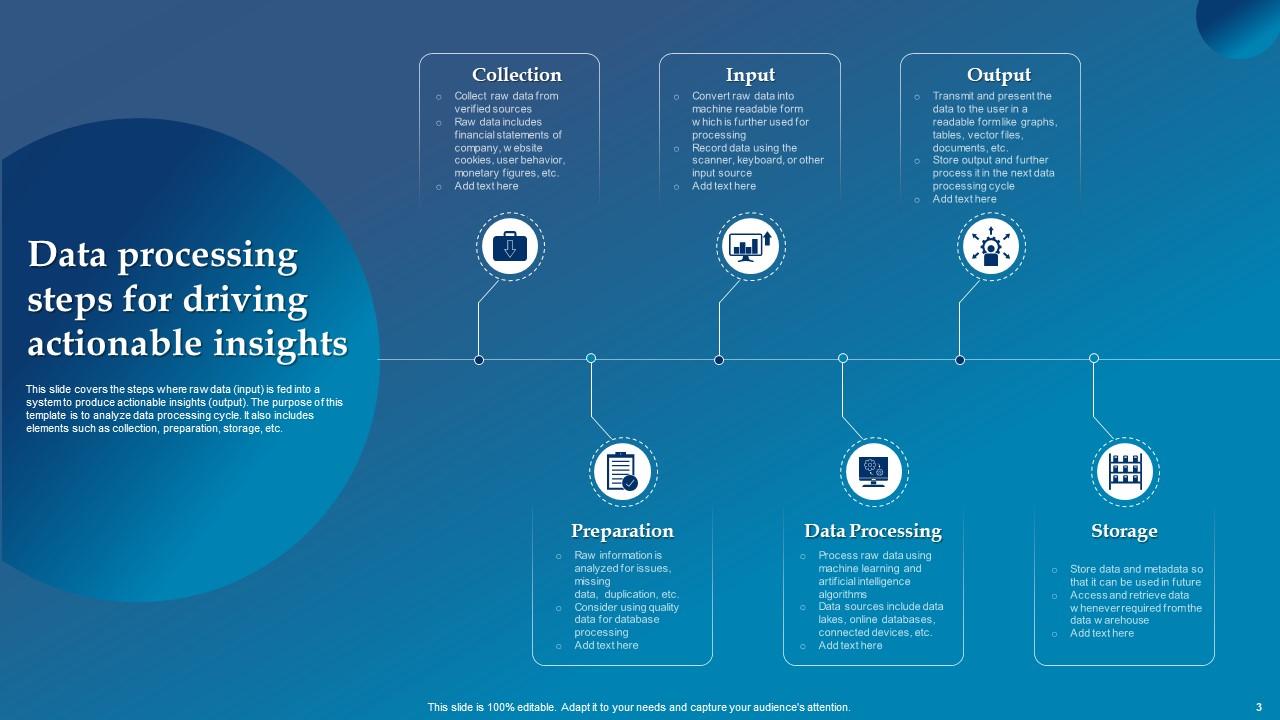
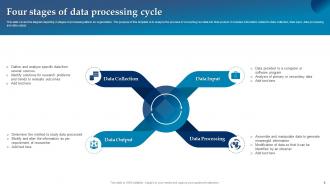
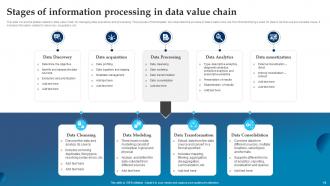
So basically you've got six main steps: collect your data, clean it up, transform it into the right format, analyze it, make some visuals, then store everything. Fair warning though - the cleaning part is gonna eat up way more time than you think. It's honestly such a pain but you can't skip it. Once that's done, you pull insights from analysis, create charts or whatever to show your findings, and archive it all properly. Oh and seriously, budget like double the time for cleaning because data is always messier than it looks on paper.
So data preprocessing is basically cleaning up your messy data before throwing it at your model. Handle missing values first, then kick out those weird outliers that don't make sense. Normalizing features is super important too - everything needs to be on the same scale or your model gets confused. I've literally watched terrible models become decent just from fixing data quality stuff, it's wild. Oh and don't forget to encode categorical variables properly! Also check for duplicates and nulls right away. The cleaner your input, the better it learns patterns.
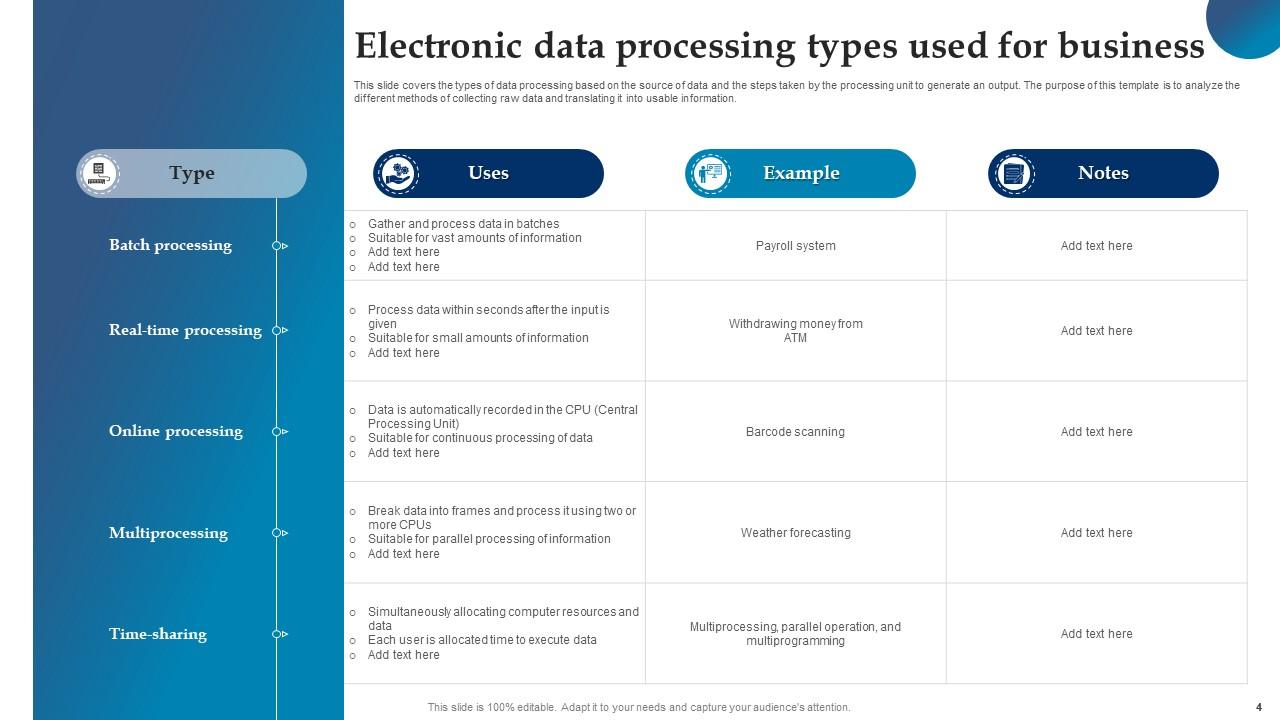
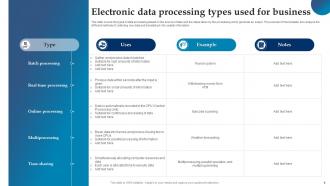
So basically, batch processing waits and does everything in chunks - like processing all day's transactions overnight. Real-time hits data the second it comes in. Batch is way cheaper and honestly fine for most stuff like reports or payroll. But if you're doing fraud detection or stock trading? Yeah, you need real-time or you're screwed. The thing is, real-time eats up tons of resources and costs more. I'd say pick batch unless you actually need instant results, not just because real-time sounds fancier.
So data normalization is just putting all your variables on equal footing. Otherwise one dominates everything - like if you're comparing salary ($50,000) vs age (25), that salary number will mess up your whole analysis. You scale everything to the same range, usually 0-1 or z-scores work great. Clustering algorithms especially hate when scales are off, same with neural networks. They get all wonky without it. Oh and mixed units are the worst for this - always normalize first or you'll be debugging forever. Trust me on that one lol.
Honestly, big data is perfect for catching stuff that regular reports totally miss. Customer habits, market changes, where your operations are getting stuck - you know, the real story behind the numbers. What's cool is when you start mixing different data sources together. Sales numbers plus social media buzz plus how your team's actually performing? That's where you see what's really going on. I'd say don't overthink it though. Just pick one thing that's bugging you about your business and dig into what the data's telling you. Most companies have crazy insights just sitting there waiting to be found.
Honestly, Python's your best bet - pandas and numpy make data manipulation way easier. SQL's obviously crucial for databases, and Excel's still great for quick stuff. I mean, you've probably touched most of these already anyway. R's pretty solid if you're doing heavy stats work. Tableau and Power BI are clutch for making things look nice. Apache Spark or Hadoop come into play when you're dealing with massive datasets. Really just depends on what you're working with and how big it is. Don't stress about learning everything - just build on what you already know.
Ugh, data privacy laws totally changed everything. You can't just grab whatever data you want anymore - GDPR and CCPA make you get explicit consent first. Plus you need clear retention policies and have to minimize what you collect. Honestly? It's annoying but makes you way more organized. Users get actual control over their stuff now. The worst part is all the compliance checking and audits (seriously, so much paperwork). I'd start by listing what data you're collecting right now and figure out why you need each piece. That'll save you headaches later.
Oh man, data cleaning is SUCH a pain but you literally can't skip it - messy data = useless results. I swear I spend like 70% of my time just fixing stuff. You'll mostly be dealing with missing values (fill them or delete rows), getting rid of duplicates, and making formats consistent - dates are the worst for this. Also watch out for weird outliers that'll mess up your analysis. Pro tip: do a quick scan of everything first so you know what disaster you're dealing with. Then just tackle the biggest problems first instead of getting lost in tiny details.
Oh man, automation is a total lifesaver for data stuff. I used to spend hours doing the same cleaning tasks over and over - now I just set up pipelines that handle collection, cleaning, transforms, all of it. Way fewer mistakes too since you're not copy-pasting at 3pm when your brain's fried. You can run everything overnight so data's fresh in the morning. Honestly, larger datasets become way less scary when you don't have to babysit every step. Just pick one annoying task you hate doing and automate that first.
So the big problem is unstructured data is basically chaos - text, images, videos, emails that don't fit into nice neat rows like regular databases. You can't just throw SQL at it and call it a day. Think messy closet vs. organized filing cabinet, you know? Standard analysis tools won't work here. Instead you'll need NLP for text stuff, computer vision for images, that kind of thing. Oh and definitely figure out what insights you're actually after first - saves you from going down random rabbit holes. The preprocessing step is honestly where most people get stuck.
Honestly, cloud stuff is a game changer for data processing. You're not stuck with whatever hardware you bought years ago anymore - just scale up when you need it, scale down when you don't. The money side makes sense too since you only pay for what you actually use instead of keeping servers running 24/7. Your whole team can work on the same data at once, which is pretty sweet for collaboration. I'd say pick one small project to test it out first (don't go all-in right away). You'll probably be surprised how much smoother everything runs.
Start with data ownership and access controls - that's your base layer. Document where all your data comes from and where it goes (seriously, future you will be so grateful when stuff inevitably breaks). Don't just check quality at the end - build those checks into every processing step. Encrypt sensitive stuff both when it's moving around and when it's sitting still. Keep logs of who touches what and when. Honestly, the biggest mistake is trying to add all this security afterwards instead of baking it in from the start.
Look, visualizations just make data way easier to digest. Your brain processes charts and graphs so much faster than scrolling through endless spreadsheet cells - honestly, who has time for that? Patterns and weird outliers jump out immediately when you plot them visually. Bar charts, line graphs, scatter plots... they're all game-changers for spotting trends you'd totally miss otherwise. Plus, when you need to present findings to your boss or team? They'll actually pay attention to a clean dashboard instead of glazing over at raw numbers. I'd start simple with basic charts first, then get creative once you figure out what your data's actually trying to tell you.
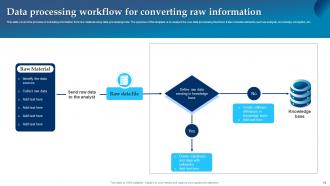
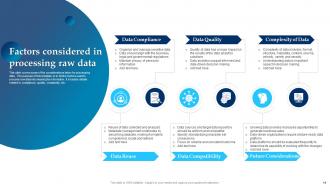
Dude, AI is seriously changing everything with data processing right now. Machine learning can catch patterns and weird anomalies that you'd totally miss doing it by hand. The cleaning and analysis stuff that used to be such a pain? Now it's mostly automated. What's really cool is how it handles messy, unstructured data - way better than old-school methods. Oh, and predictive processing is insane - it basically knows what data you'll need before you do. Honestly, you should mess around with some automated pipelines soon because this stuff isn't going anywhere.
So basically, Hadoop writes everything to disk and processes in batches - super slow but handles massive datasets. Spark keeps stuff in memory instead, which makes it way faster. Like, we're talking minutes vs hours here. Plus Spark does both batch and streaming data, and honestly? The coding is just cleaner with their APIs. I mean, unless you're working with absolutely enormous datasets where you need Hadoop's cost benefits, I'd probably just go with Spark. It's become pretty much the standard now. Way less headache overall.
-
Kudos to SlideTeam for achieving the high success rate in delivering the top-notch slides.
-
The PPT layout is great and it has an effective design that helps in presenting corporate presentations. It's easy to edit and the stunning visuals make it an absolute steal!