


Dd checklist for positive and negative signs flat powerpoint design
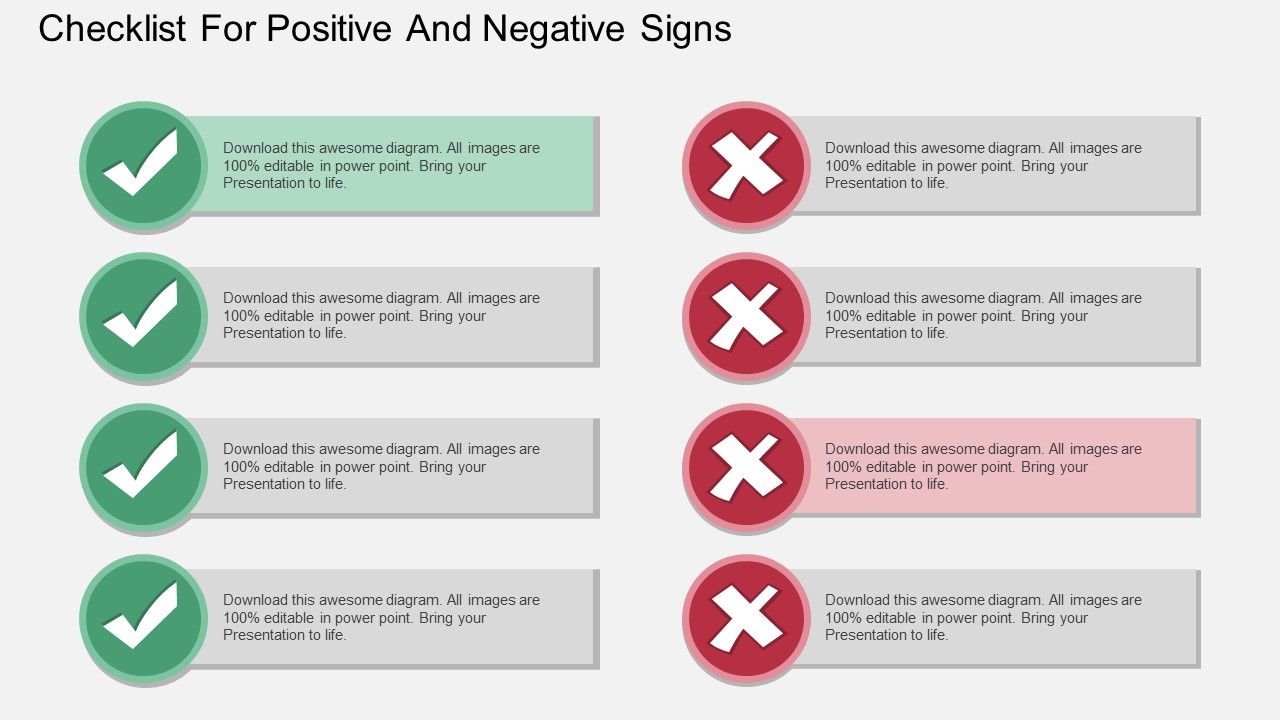
PowerPoint presentation is the most useful and accessible way to create and present the ideas and the information. It presents the concept in an organized and systemic way. Keeping this in mind we have prepared PPT slides designs of dd checklist. Using this presentation template you can come up with quality presentation for four staged pricing table, numeric banners and icons, Design banners and icons and many more. We have designed PowerPoint info graphics of checklist with positive and negative signs. Our expert have designed readymade dd checklist presentation slides especially for executives involved in conceptualizing the concept checklist formation.
PowerPoint presentation is the most useful and accessible way to create and present the ideas and the information. It prese..



-

- Google Slides is a new FREE Presentation software from Google.
- All our content is 100% compatible with Google Slides.
- Just download our designs, and upload them to Google Slides and they will work automatically.
- Amaze your audience with SlideTeam and Google Slides.
-

Want Changes to This PPT Slide? Check out our Presentation Design Services
-

- WideScreen Aspect ratio is becoming a very popular format. When you download this product, the downloaded ZIP will contain this product in both standard and widescreen format.
-

- Some older products that we have may only be in standard format, but they can easily be converted to widescreen.
- To do this, please open the SlideTeam product in Powerpoint, and go to
- Design ( On the top bar) -> Page Setup -> and select "On-screen Show (16:9)” in the drop down for "Slides Sized for".
- The slide or theme will change to widescreen, and all graphics will adjust automatically. You can similarly convert our content to any other desired screen aspect ratio.
Compatible With Google Slides

Get This In WideScreen
You must be logged in to download this presentation.


Do you want to remove this product from your favourites?
PowerPoint presentation slides
High resolution PPT slide to address the formation of checklist with positive and negative signs. Easily editable with attractive color, layout and font. Alluring graphs for comparison with beautiful pictures to illustrate the concept. Easily converted into PDF and JPG format. Content is ready to use and is flexible

People who downloaded this PowerPoint presentation also viewed the following :
Dd checklist for positive and negative signs flat powerpoint design with all 4 slides:
Get on equal footing with our dd Checklist For Positive And Negative Signs Flat Powerpoint Design. They allow you to get your own back.
-
Content of slide is easy to understand and edit.
-
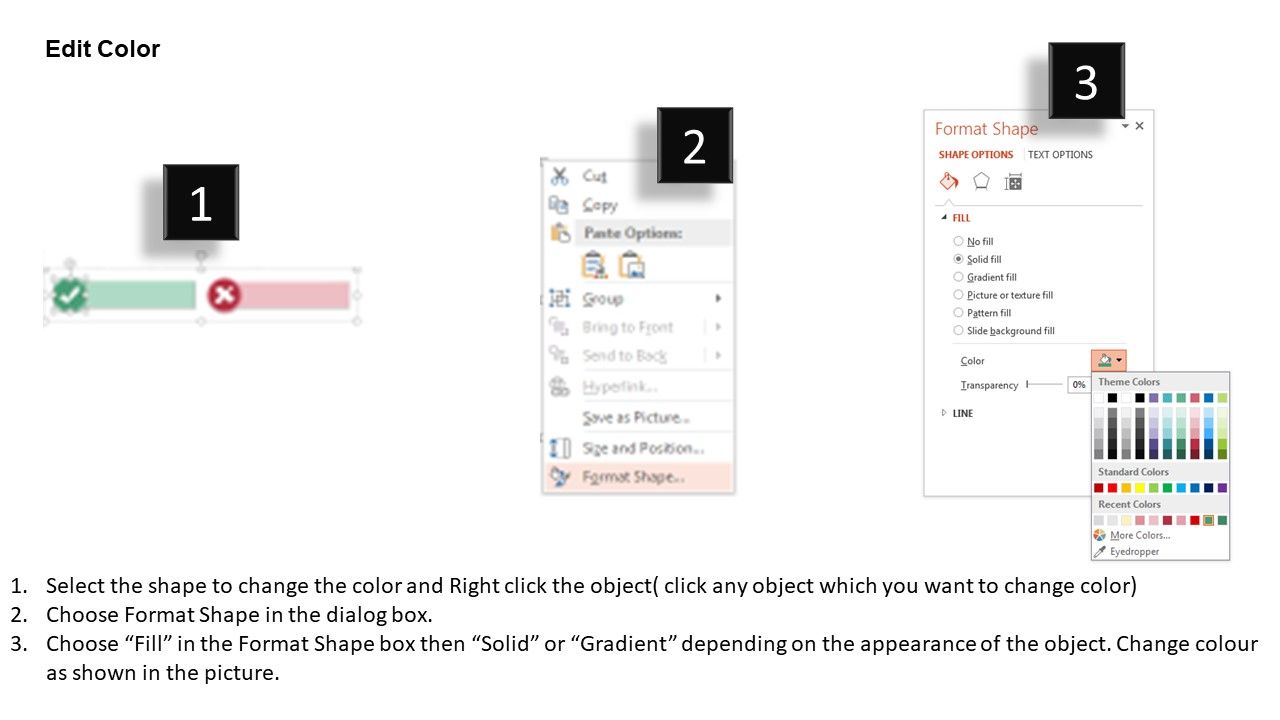
Easy to edit slides with easy to understand instructions.
