

Debt financing investment pitch deck powerpoint presentation slides




Try Before you Buy Download Free Sample Product
 Impress Your
 Audience
 100%
100% Editable
 Save Hours
 of Time


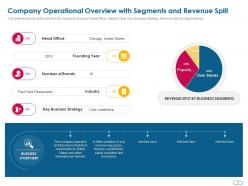
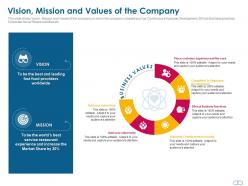
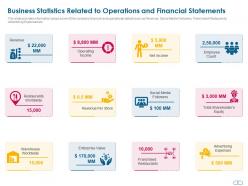
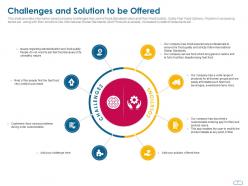
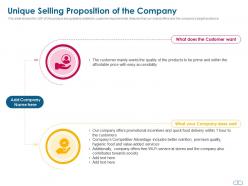
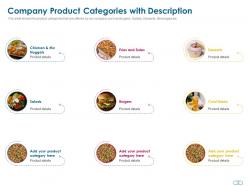
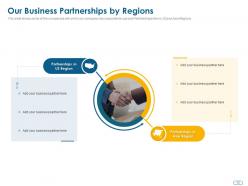
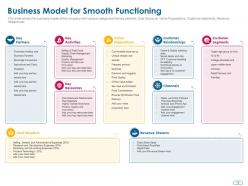
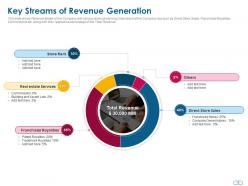
Employ our Debt Financing Investment Pitch Deck PowerPoint Presentation Slides to provide the company's operational overview with segments and revenue split in a well-organized format. Select this fundraising PPT slideshow to showcase your company's vision, mission, and values in an attractive manner. Grab the attention of the audiences by providing accurate business revenue and finance-related statistics through these equity investment PowerPoint templates. You can easily highlight the operational issues along with their solutions like global standardization and franchise expansion by taking the aid of these private investment PPT slides. Capture the attention of your potential investors by using these well-color-coded financial PPT layouts to display the company’s unique selling proposition. Compel the venture capitalists to invest in your company by utilizing these fiscal outlay PPT themes to put forward your ideas, key features, elements, awards, achievements, and product categories. Share the list of corporate tie-ups and partnerships of your company with the assistance of this equity-raisingPowerPoint presentation. Click the download button and make this capital funds PPT deck your source for impressing potential investors.
People who downloaded this PowerPoint presentation also viewed the following :
Content of this Powerpoint Presentation
Debt financing investment pitch deck powerpoint presentation slides with all 50 slides:
Use our Debt Financing Investment Pitch Deck Powerpoint Presentation Slides to effectively help you save your valuable time. They are readymade to fit into any presentation structure.



FAQs for Debt financing investment pitch deck
Honestly, the best part is you don't have to give up any ownership - no investors breathing down your neck or wanting a piece of your company. Monthly payments are predictable and usually tax-deductible, so budgeting gets easier. Building business credit is another bonus if you keep up with payments. Banks basically leave you alone to run things how you want, which is huge compared to dealing with investor opinions on every decision. Just don't bite off more than you can chew payment-wise - I've seen too many small businesses crash because they couldn't handle the monthly hit to their cash flow.
So debt financing means you're borrowing money - gotta pay it back no matter what happens to your business. Risky but you stay in complete control. Equity is totally different. You're selling pieces of your company to investors who then share both the upside AND the downside with you. Think of it this way: debt is like getting a loan from your bank (they want their money back even if you fail). Equity is more like bringing on a business partner. Honestly, it comes down to what you can live with - keeping 100% control but shouldering all the financial risk yourself, or giving up some ownership to have investors who'll sink with the ship if things go sideways.
Banks won't look at you twice without revenue or collateral, which sucks but whatever. SBA loans are your best bet if you can qualify - way better rates than the alternatives. Equipment financing works if you're buying specific stuff. There's also revenue-based financing where payments fluctuate with your monthly sales, which is kinda nice actually. You can try building credit for a business line of credit too. Online lenders exist but man, those interest rates will make you cry. Definitely check SBA programs first though.
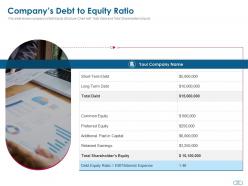
So first figure out your cash flow after all your operating costs - that's the real number that matters for debt payments. Most companies try to keep debt-to-equity somewhere between 1:1 and 2:1, though it really depends on your industry. If you've got predictable revenue, you can probably handle more. Interest rates are kinda all over the place right now, so definitely shop around before you commit to anything. My rule of thumb? Borrow enough to actually grow but don't go crazy - you don't want one slow quarter to totally screw you over.
Dude, interest rates will make or break your debt decision. Higher rates = way more money out of pocket over time. Shop around different lenders because honestly, even 1% can save you thousands. Monthly payments matter, but calculate the total interest cost too - that's where you see the real damage. If rates are going up, probably smart to lock something in now rather than wait. I learned this the hard way on my car loan lol. Just don't get caught up only looking at that monthly number.
Look, debt can actually help your credit rating if you're smart about it. Making payments on time shows you're reliable - same concept as personal credit cards. But here's the thing: pile on too much debt or start missing payments and credit agencies will tank your rating super fast. I've seen it happen to companies that seemed totally fine just months before. You want to stay below a 1.25x debt service coverage ratio (boring but crucial). Basically, use debt to grow but don't go crazy with it. There's definitely a sweet spot.
So basically, interest payments on debt are tax-deductible but dividends aren't. When you borrow money, those interest expenses reduce your taxable income - which is honestly pretty nice. Makes debt cheaper after taxes. Equity's different though. You're paying dividends or giving up ownership with money that's already been taxed. No deductions. That's why companies usually go for debt first when they need cash. Just gotta make sure you can actually afford those monthly payments, ya know? Don't want to get stuck.
Basically you want your loan term to match when you'll actually make money back from whatever you're buying. Shorter loans mean higher monthly payments but you pay less overall - longer ones are easier on cash flow but cost way more in interest. I'd honestly just look at your projected cash and pick something that won't stress you out each month. Like if you're buying equipment that pays for itself in 3 years, don't do a 7-year loan just because the payments look nice. You'll end up paying forever. Match the timeline to your actual business cycle and you'll be fine.
So there are basically two types - financial and operational covenants. Financial ones are like keeping your debt-to-equity ratio above a certain level, maintaining coverage ratios, that kind of stuff. Then operational ones restrict things like big acquisitions or paying out dividends without asking the lender first. Here's what really matters though - some covenants only kick in when you do specific things (incurrence), while others get tested every quarter (maintenance). Those maintenance ones can be a real pain honestly. Before you sign, figure out how each one could mess with your business plans down the road. Most are negotiable if you push back.
Yeah, your industry makes a huge difference with loans. Banks love steady cash flow - utilities and healthcare usually score decent rates. Restaurants though? Brutal. Tech startups and oil companies get hit with higher interest because of all the ups and downs. Some industries like cannabis or gambling get completely blacklisted by certain lenders (regulatory headaches, you know). My advice? Find lenders who actually work with your specific industry. They won't freak out about your business model and you'll get way better terms than going to some generic bank.
Honestly, too much debt will crush your cash flow - those monthly payments just eat up everything. If sales dip even a little, you're scrambling to cover obligations. Banks hate high debt-to-equity ratios too, so good luck getting more funding later. You're basically gambling that revenue stays steady, which... yeah, risky move. I learned this the hard way watching my cousin's restaurant nearly tank. Keep debt payments under 30% of what you bring in monthly. Gives you room to actually breathe and pivot when opportunities pop up.
Get your credit score and financials looking good first - lenders are obsessed with consistent cash flow and debt ratios. Shop around like crazy because the rate differences are honestly insane sometimes. Don't just take the first deal you see. Try building relationships with a few different lenders before you actually need anything, maybe find a business banker who gets your industry. Oh and make sure all your financial statements are current and clean. The better your numbers look, the more negotiating power you'll have when it comes to terms.
Dude, first thing - get all your paperwork together. Financial statements, tax returns, cash flow stuff. They want like 2 years minimum. Know your exact number too, not some ballpark figure. What's it for? Have a real answer ready. Check your credit score beforehand so there's no surprises. Honestly, shopping around is huge because some lenders are way better than others on rates. I learned that the hard way on my first loan. Bottom line: walk in there looking organized with a solid plan for paying it back. Makes all the difference.
So basically the economy totally dictates whether you can get decent debt financing or not. Strong economy? Lenders are way more chill about risk and you'll see better rates. Plus way more options. But when things go south - recession, crazy inflation, whatever - banks get super picky. Rates shoot up and your credit needs to be spotless. I swear it's like two different worlds sometimes. Honestly, I'd watch what the Fed's doing with rates before you apply anywhere. Getting the timing right could literally save you thousands. My cousin waited like 6 months last year and got a way better deal.
Look, it really comes down to what you're comfortable risking and how much extra interest you can stomach. Secured loans give you way better rates since you're putting up collateral, but yeah - if you can't pay, you lose whatever you pledged. Unsecured costs more but your stuff stays safe. Though getting approved can be a nightmare if your credit's not great. I'd honestly just make a list of what assets you'd be okay using as backup, then do the math on total costs. Also think about whether you'll need flexibility later - secured debt can sometimes box you in more. It's basically a safety vs savings trade-off.
-
Unique research projects to present in meeting.