


Developing an integrated marketing plan for new product launch powerpoint presentation slides
Our Developing An Integrated Marketing Plan For New Product Launch Powerpoint Presentation Slides are topically designed to provide an attractive backdrop to any subject. Use them to look like a presentation pro.
Our Developing An Integrated Marketing Plan For New Product Launch Powerpoint Presentation Slides are topically designed to..



















-

- Google Slides is a new FREE Presentation software from Google.
- All our content is 100% compatible with Google Slides.
- Just download our designs, and upload them to Google Slides and they will work automatically.
- Amaze your audience with SlideTeam and Google Slides.
-

Want Changes to This PPT Slide? Check out our Presentation Design Services
-

- WideScreen Aspect ratio is becoming a very popular format. When you download this product, the downloaded ZIP will contain this product in both standard and widescreen format.
-

- Some older products that we have may only be in standard format, but they can easily be converted to widescreen.
- To do this, please open the SlideTeam product in Powerpoint, and go to
- Design ( On the top bar) -> Page Setup -> and select "On-screen Show (16:9)” in the drop down for "Slides Sized for".
- The slide or theme will change to widescreen, and all graphics will adjust automatically. You can similarly convert our content to any other desired screen aspect ratio.
Compatible With Google Slides

Get This In WideScreen
You must be logged in to download this presentation.


Do you want to remove this product from your favourites?
PowerPoint presentation slides
Deliver this complete deck to your team members and other collaborators. Encompassed with stylized slides presenting various concepts, this Developing An Integrated Marketing Plan For New Product Launch Powerpoint Presentation Slides is the best tool you can utilize. Personalize its content and graphics to make it unique and thought provoking. All the fifty four slides are editable and modifiable, so feel free to adjust them to your business setting. The font, color, and other components also come in an editable format making this PPT design the best choice for your next presentation. So, download now.

People who downloaded this PowerPoint presentation also viewed the following :
Content of this Powerpoint Presentation
Slide 1: This slide introduces Developing an Integrated Marketing Plan for New Product Launch. State Your Company Name and begin.
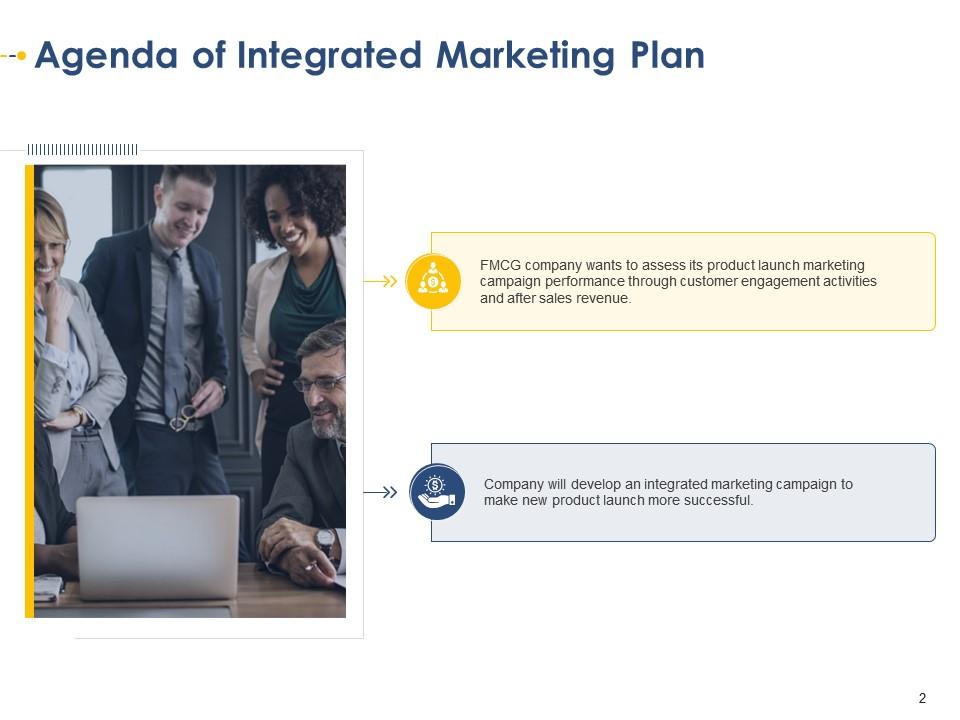
Slide 2: This slide shows Agenda of Integrated Marketing Plan.
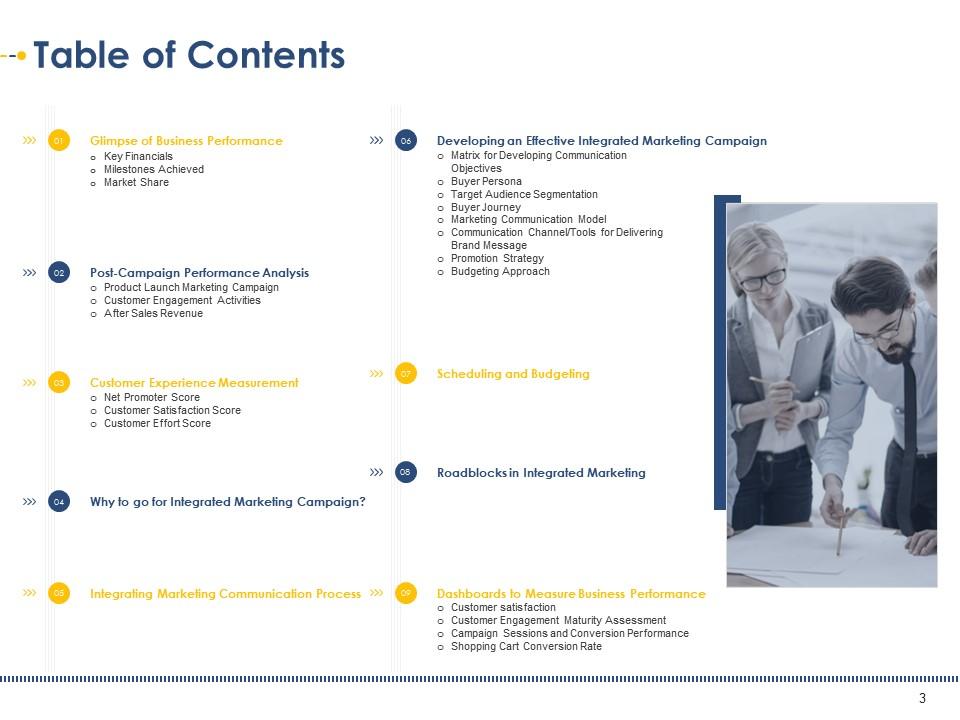
Slide 3: This slide presents Table of Content for the presentation.
Slide 4: This slide shows Table of Content for the presentation.
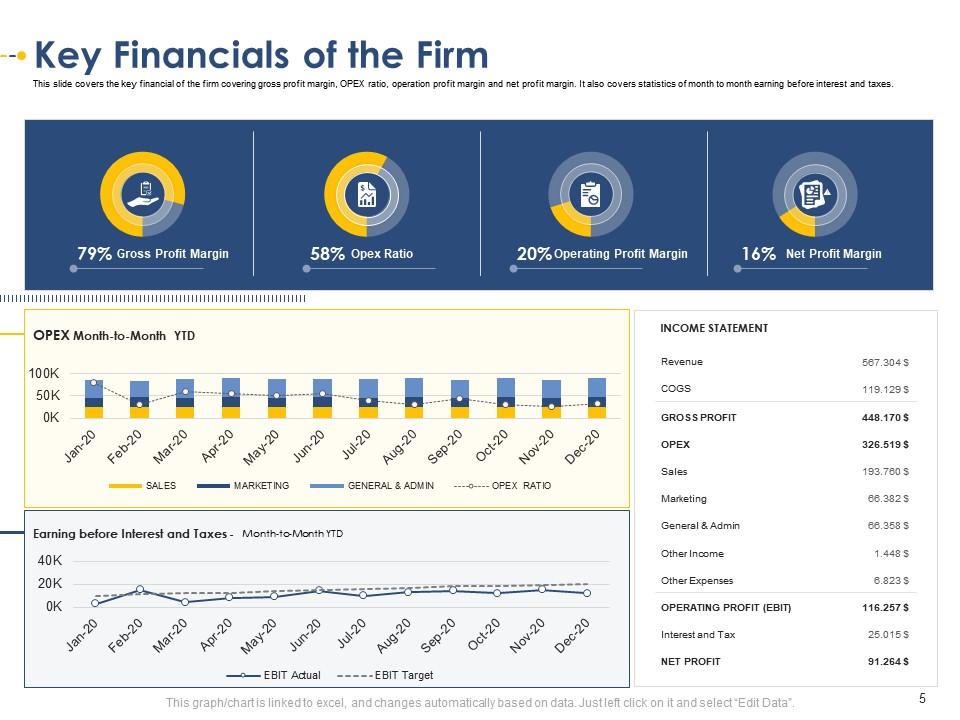
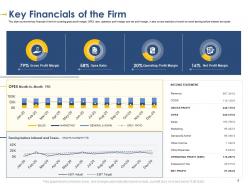
Slide 5: This slide displays the key financial of the firm covering gross profit margin, OPEX ratio, operation profit margin and net profit margin.
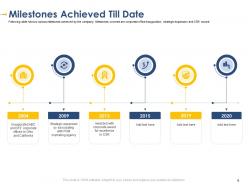
Slide 6: This slide represents various milestones achieved by the company.
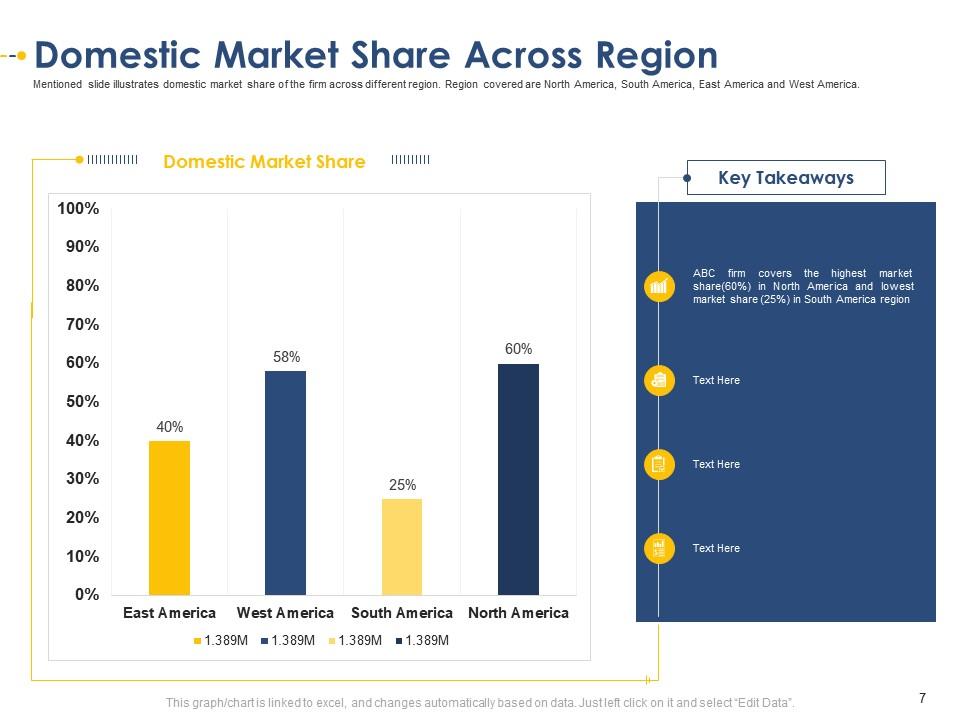
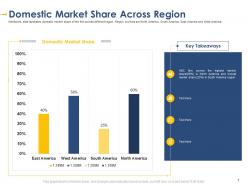
Slide 7: This slide shows Domestic Market Share Across Region.
Slide 8: This slide presents Table of Content for the presentation.
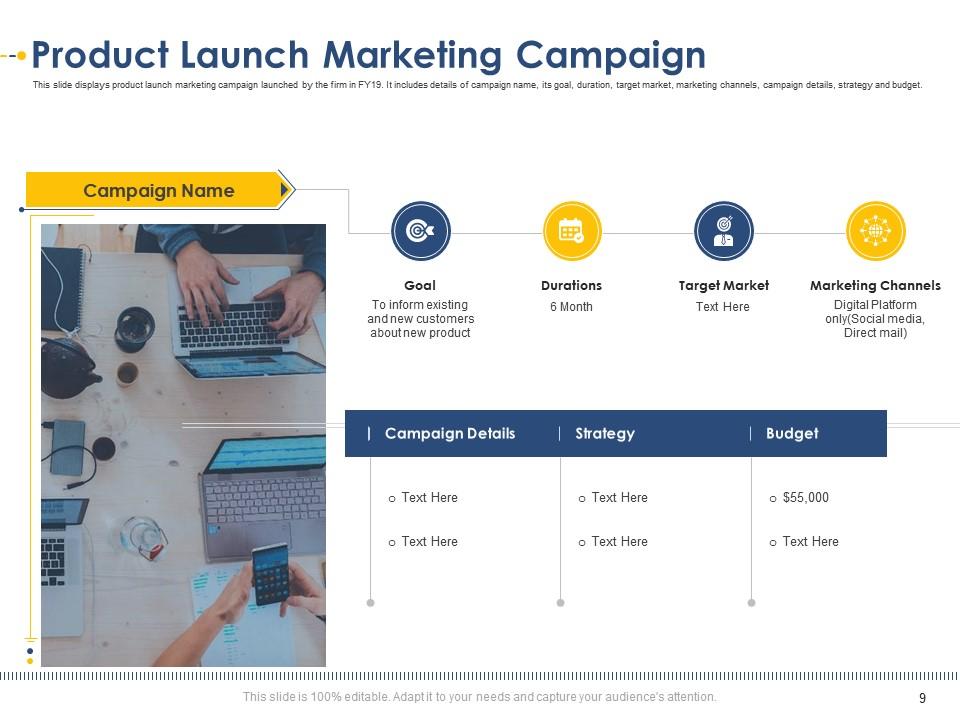
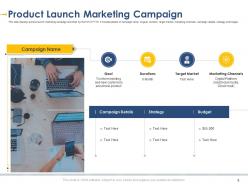
Slide 9: This slide displays product launch marketing campaign launched by the firm in FY19.
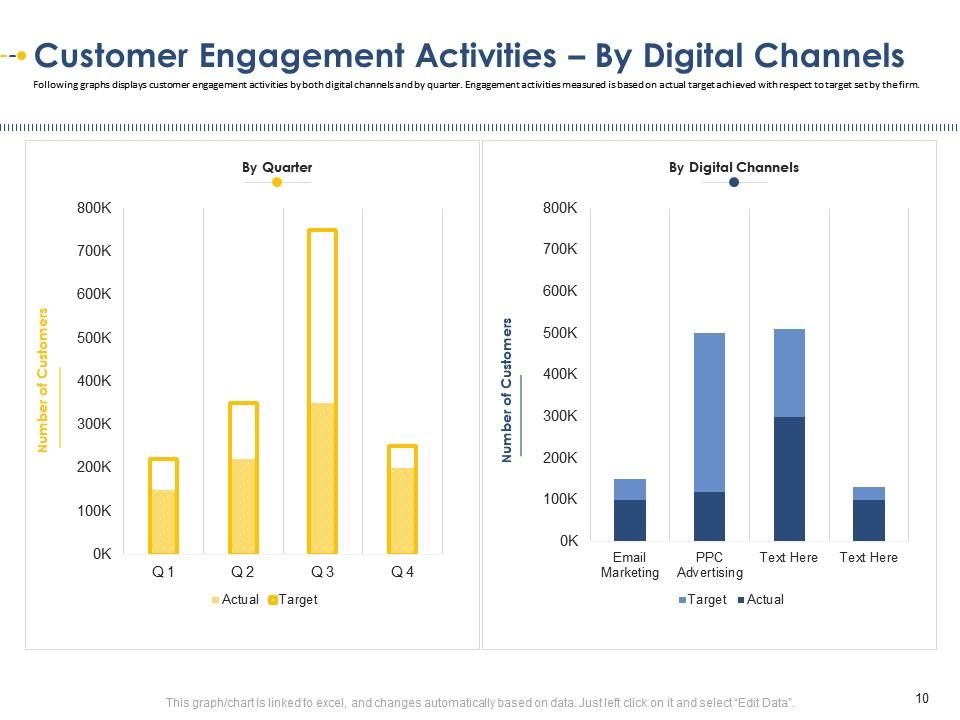
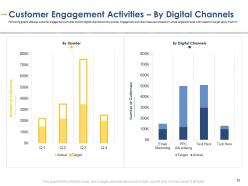
Slide 10: This slide displays Customer Engagement Activities – By Digital Channels.
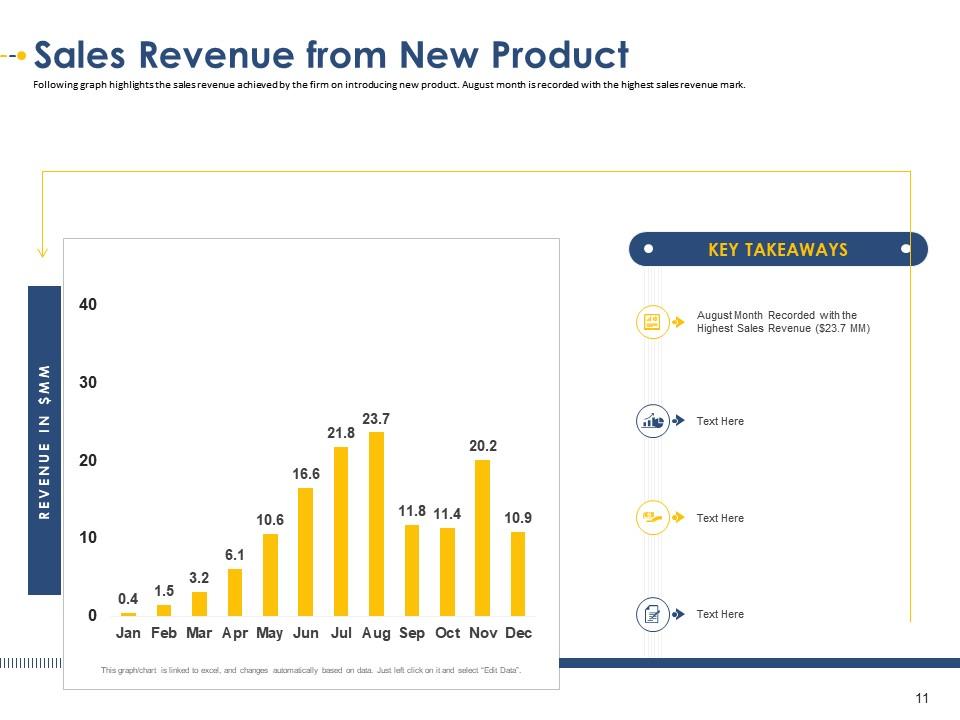
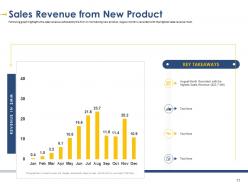
Slide 11: This slide represents Sales Revenue from New Product.
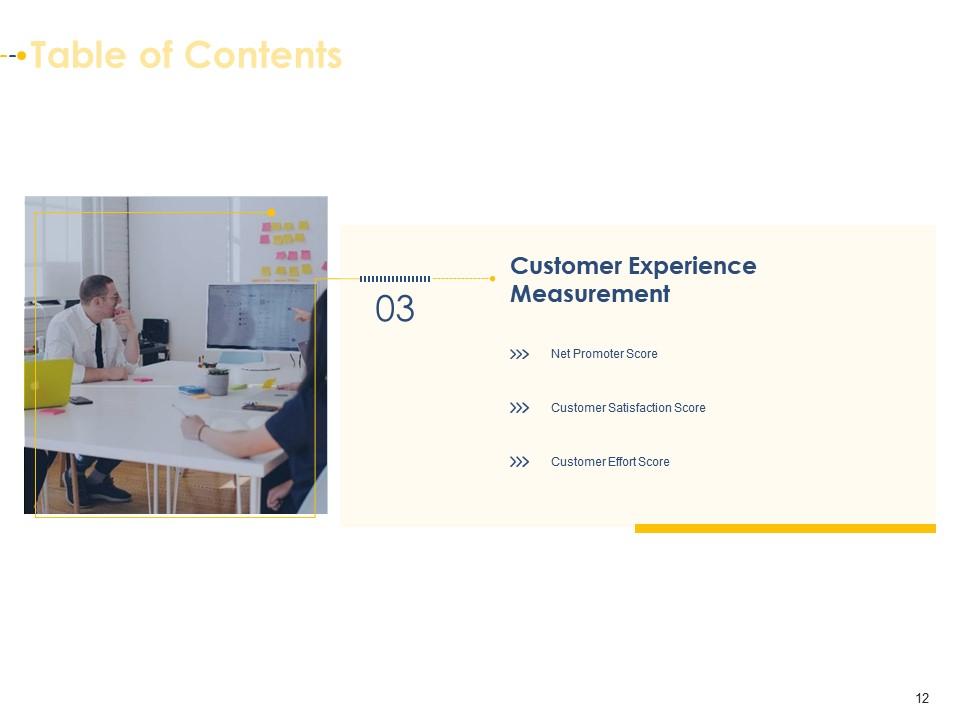
Slide 12: This slide shows Table of Content for the presentation.
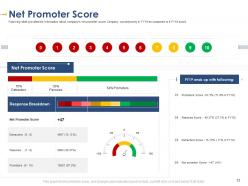
Slide 13: This slide presents the information about company’s net promoter score.
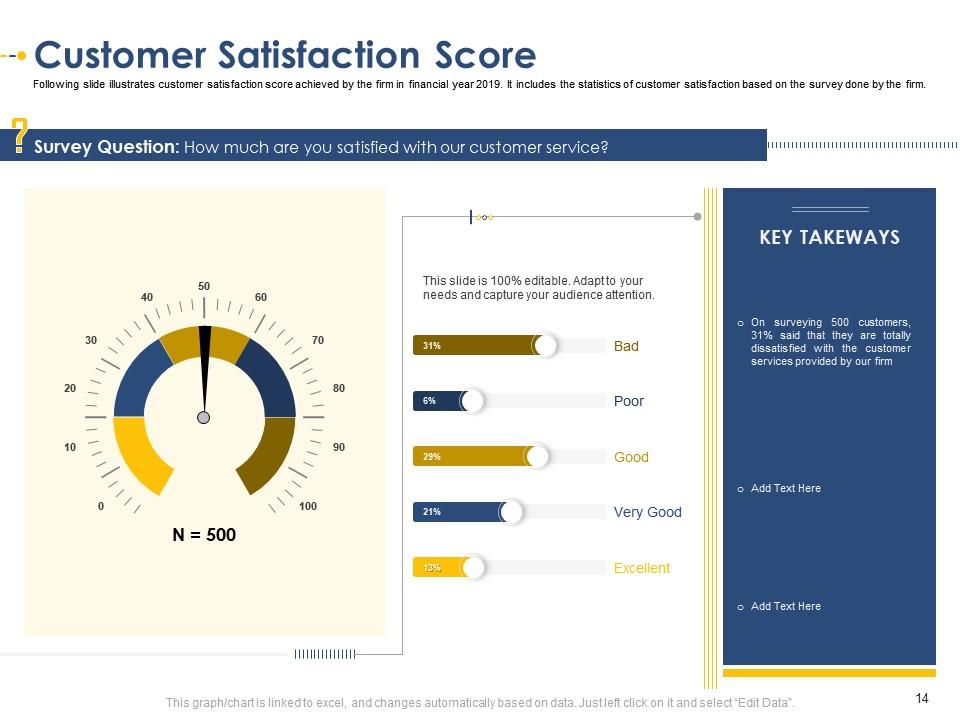
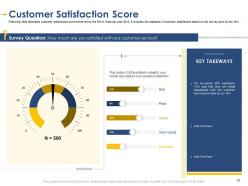
Slide 14: This slide shows illustrates customer satisfaction score achieved by the firm in financial year 2019.
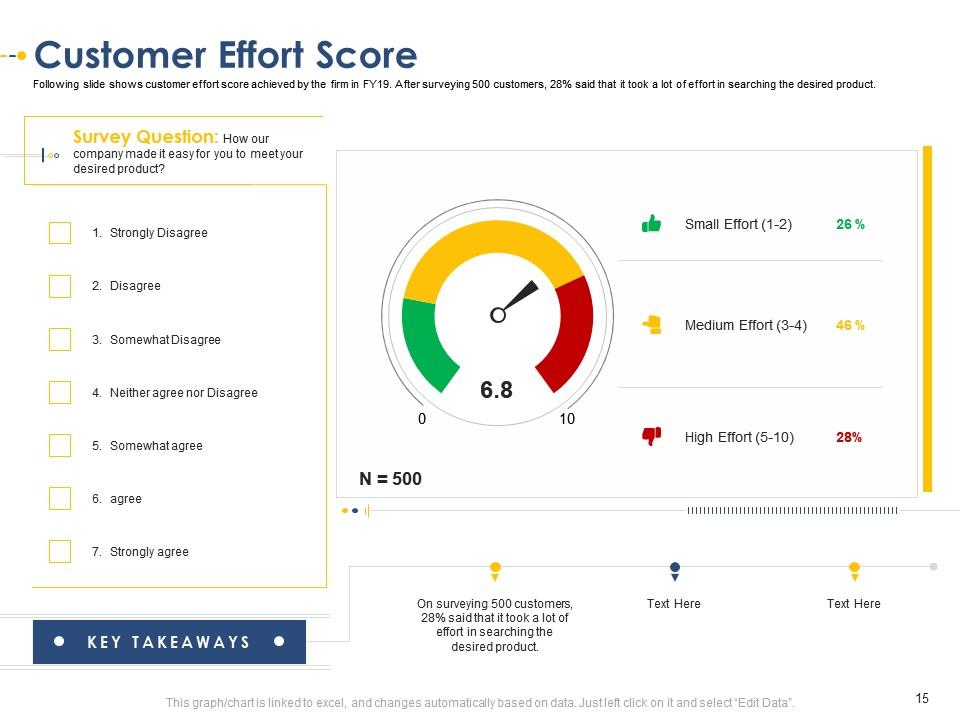
Slide 15: This slide displays customer effort score achieved by the firm in FY19.
Slide 16: This slide represents Table of Content for the presentation.
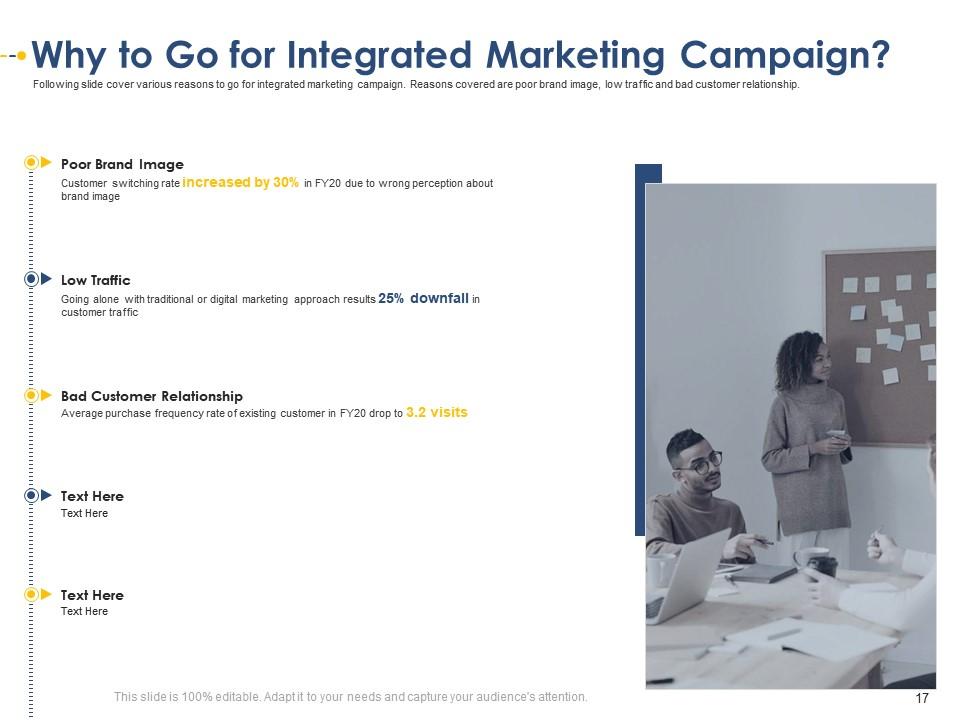
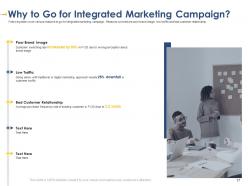
Slide 17: This slide shows various reasons to go for integrated marketing campaign.
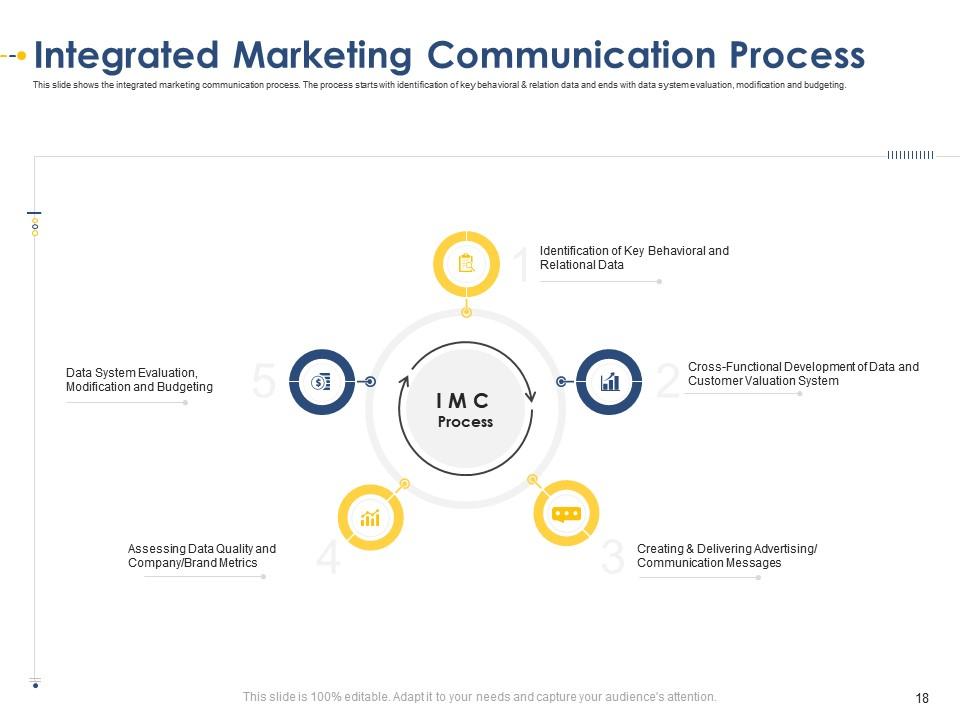
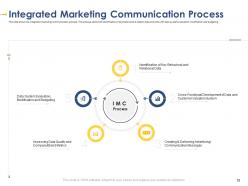
Slide 18: This slide presents the integrated marketing communication process.
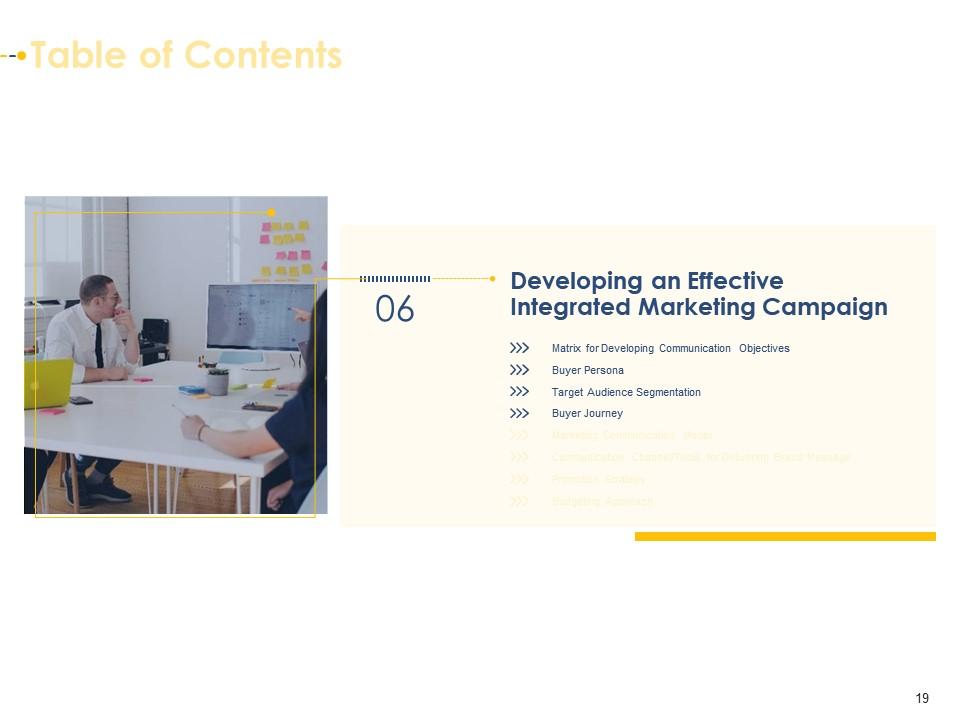
Slide 19: This slide shows Table of Content for the presentation.
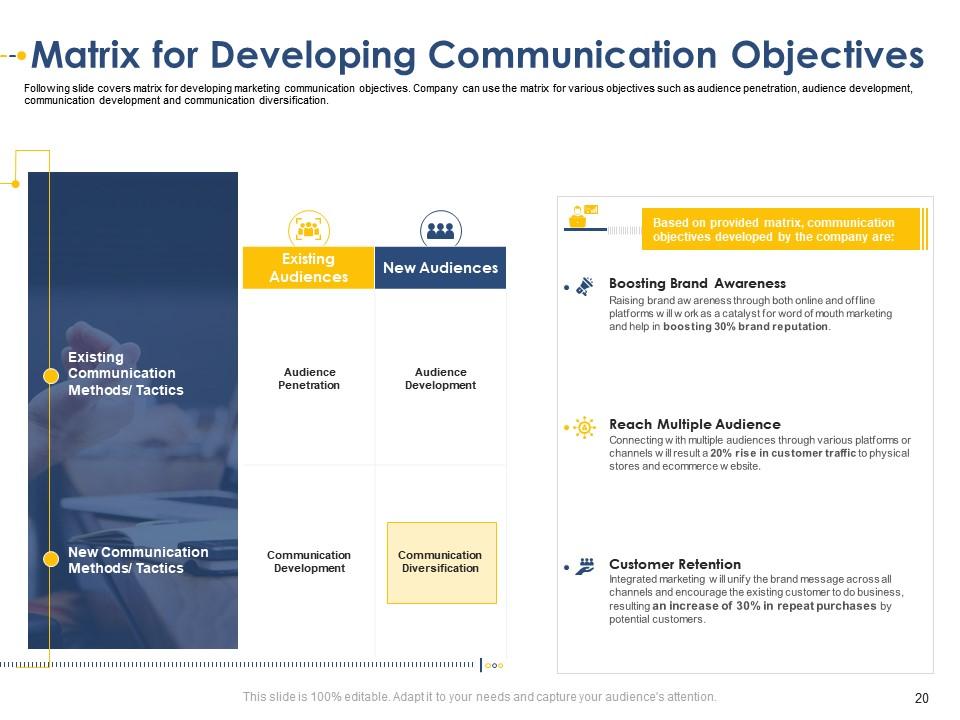
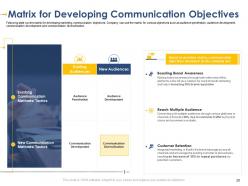
Slide 20: This slide displays matrix for developing marketing communication objectives.
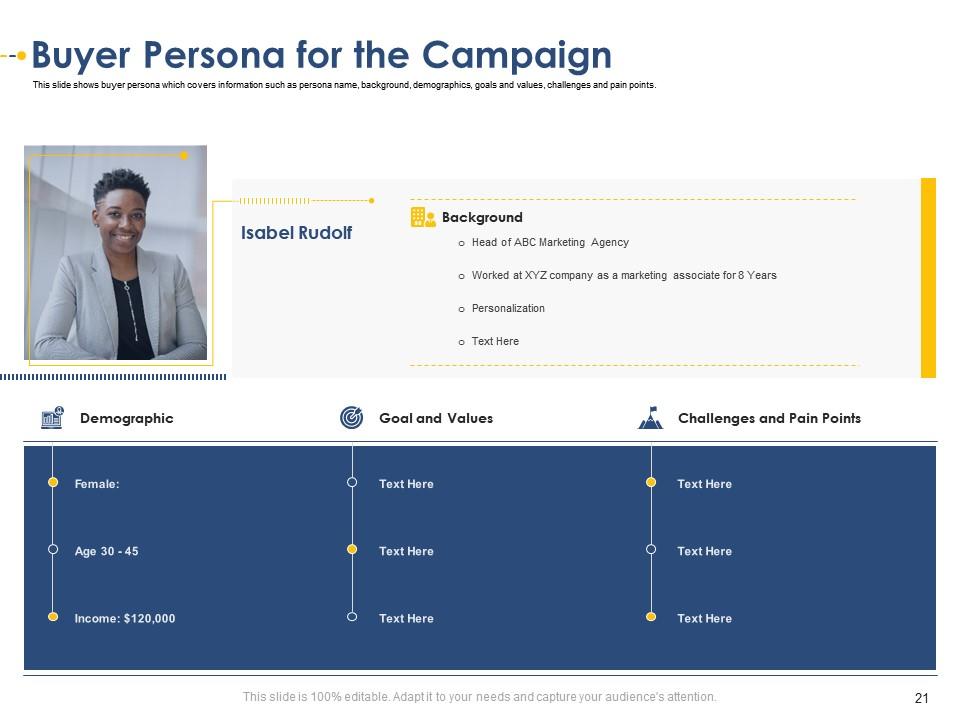
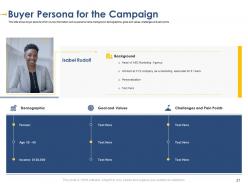
Slide 21: This slide represents buyer persona which covers information such as persona name, background, demographics, goals and values, etc.
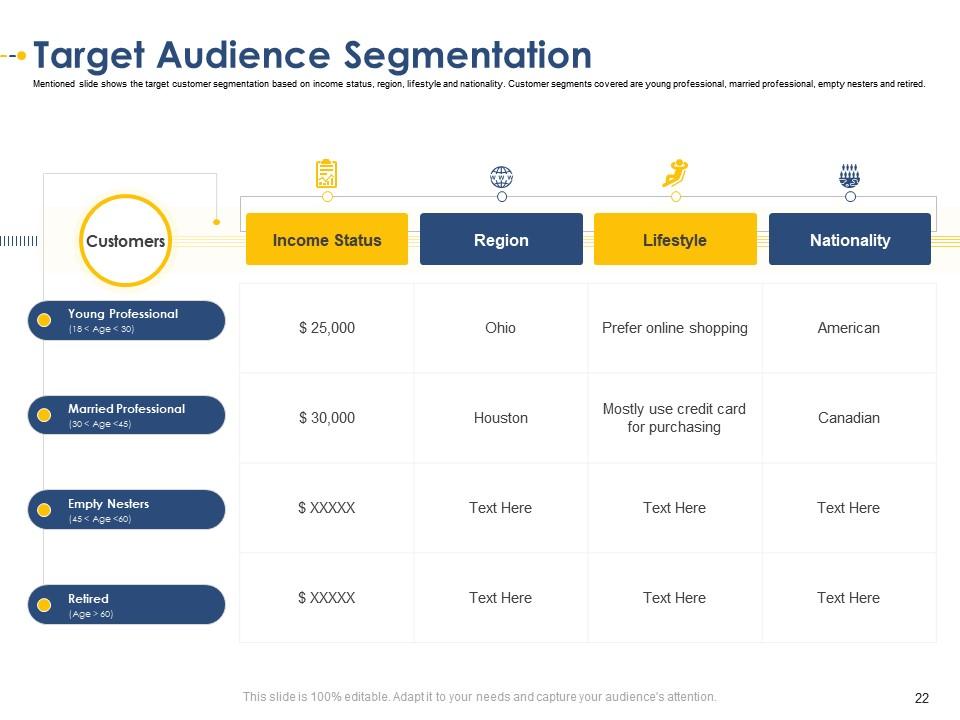
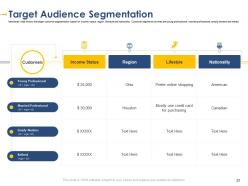
Slide 22: This slide shows the target customer segmentation based on income status, region, lifestyle and nationality.
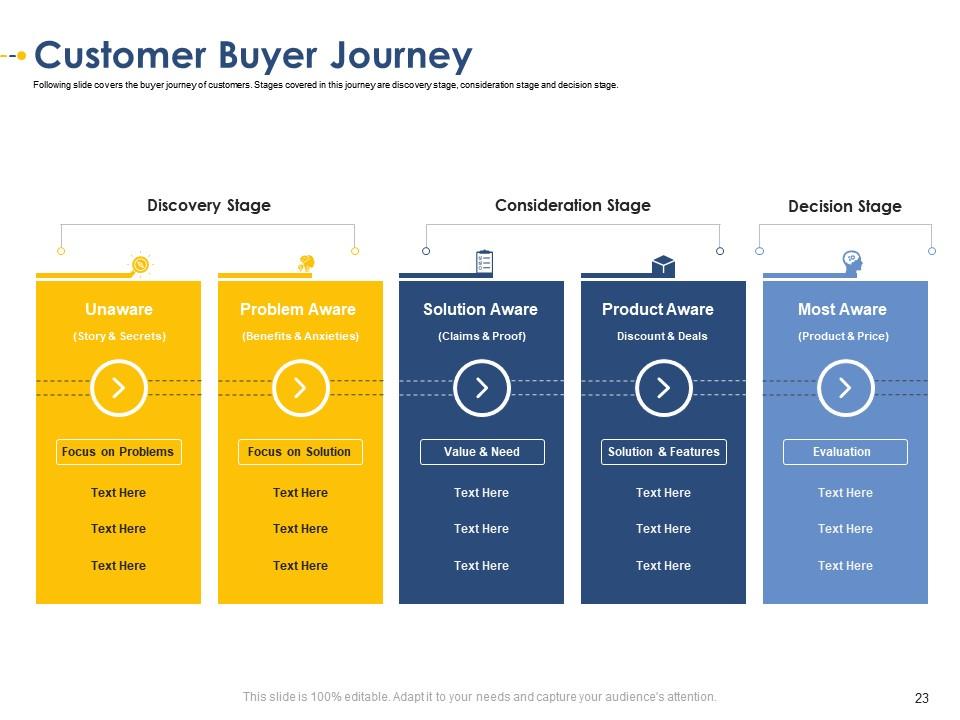
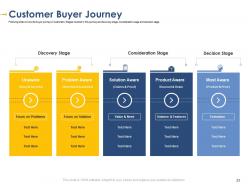
Slide 23: This slide presents the buyer journey of customers.
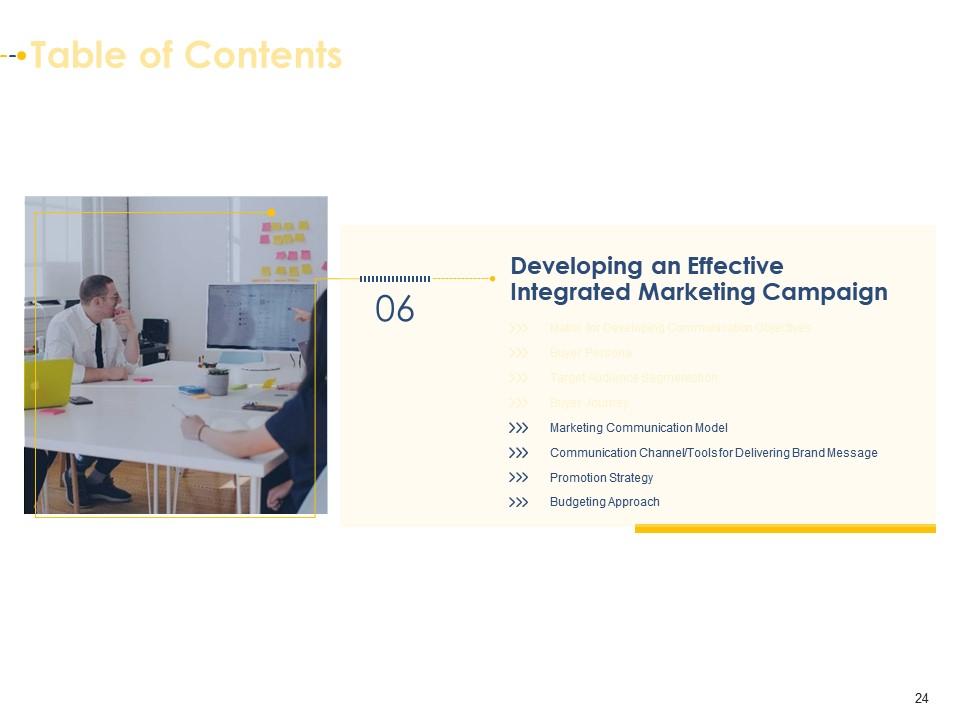
Slide 24: This slide shows Table of Content for the presentation.
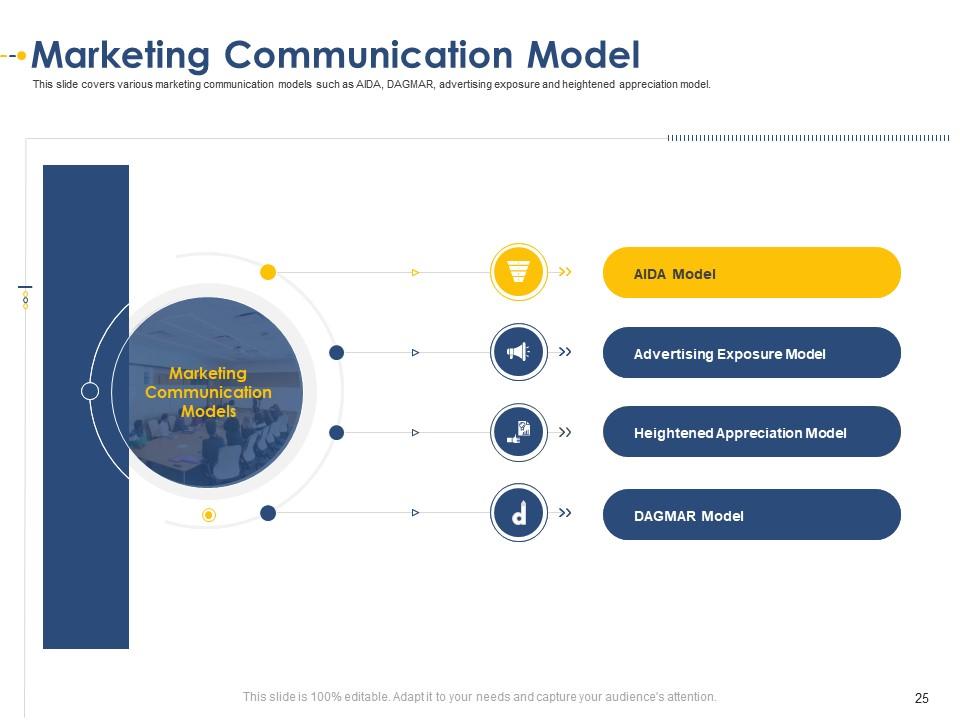
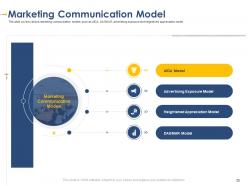
Slide 25: This slide displays various marketing communication models such as AIDA, DAGMAR, advertising exposure and heightened appreciation model.
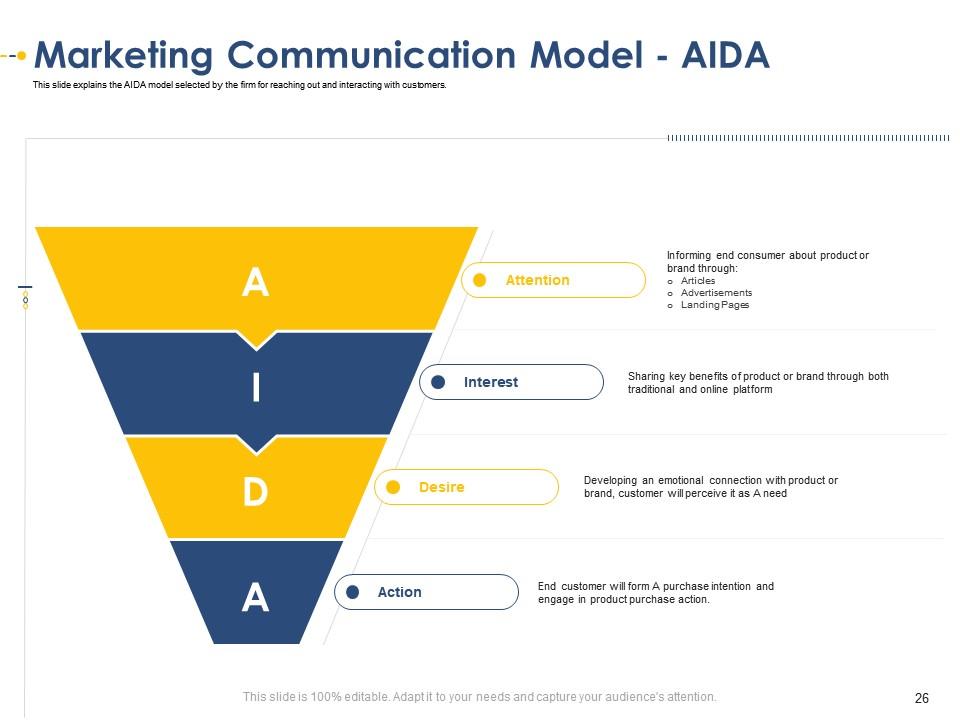
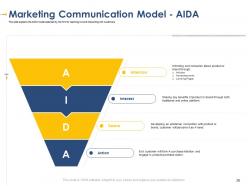
Slide 26: This slide represents Marketing Communication Model - AIDA.
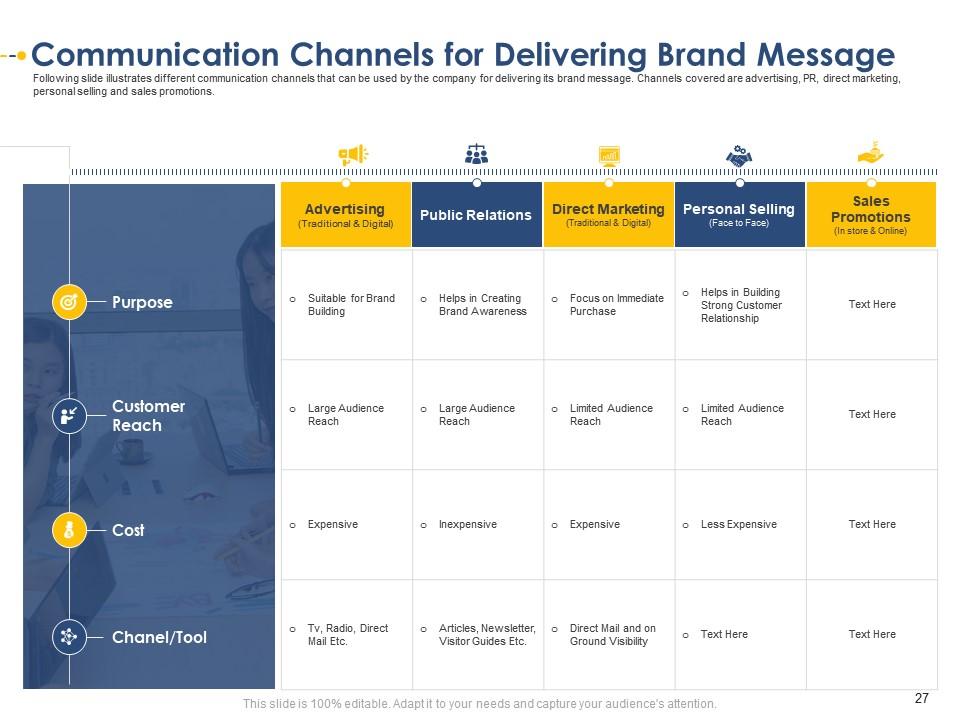
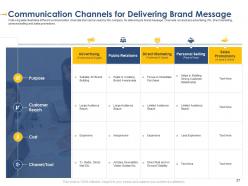
Slide 27: This slide shows different communication channels that can be used by the company for delivering its brand message.
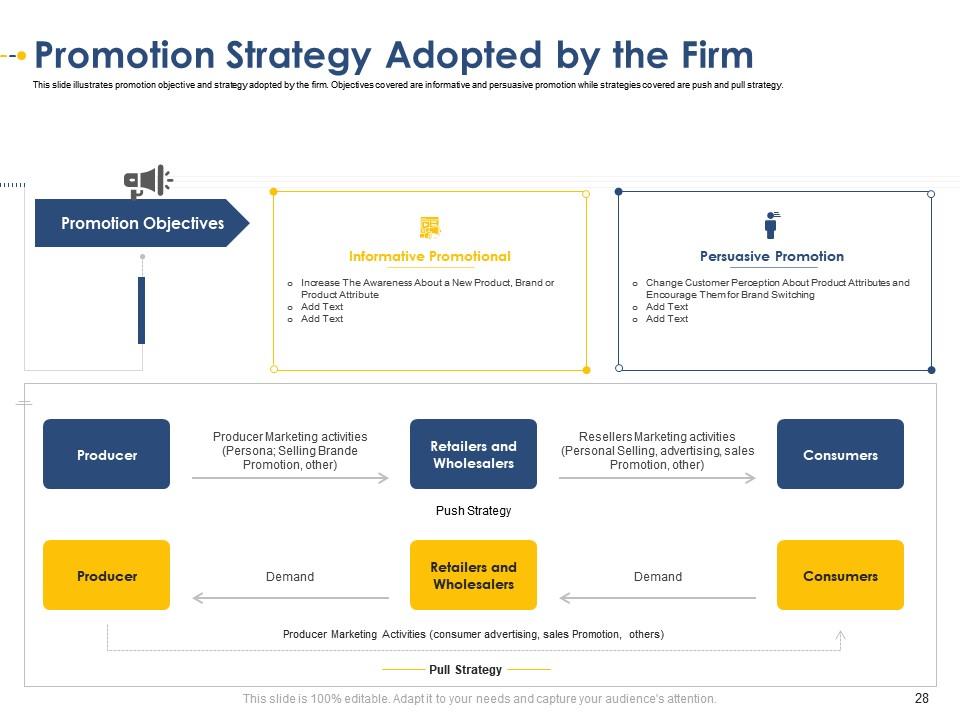
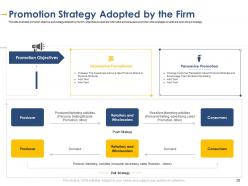
Slide 28: This slide presents promotion objective and strategy adopted by the firm.
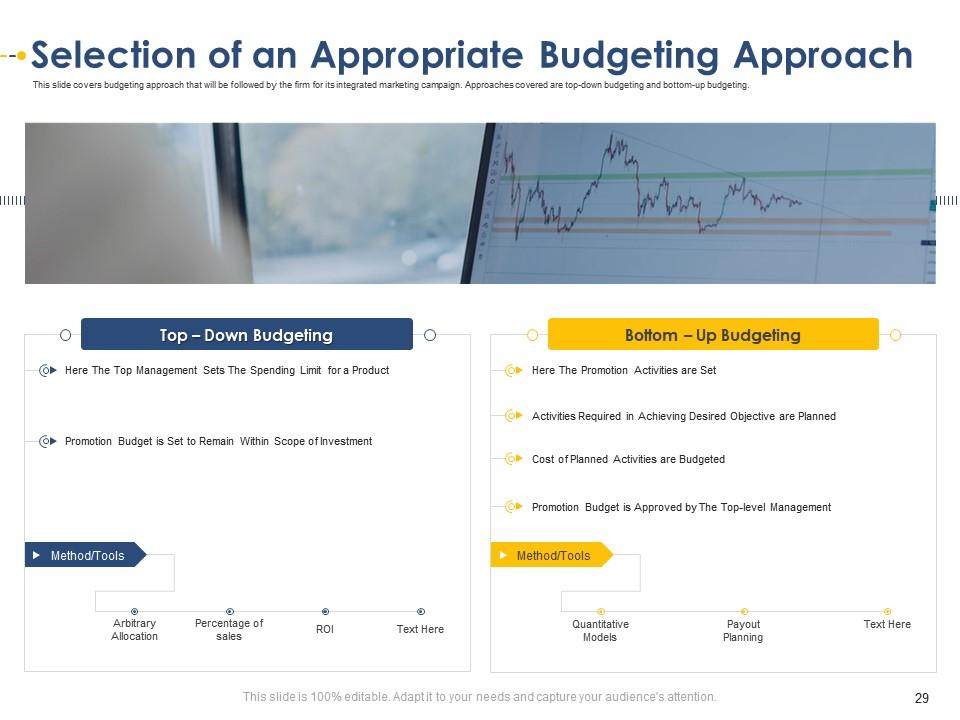
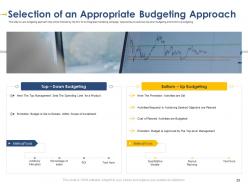
Slide 29: This slide shows budgeting approach that will be followed by the firm for its integrated marketing campaign.
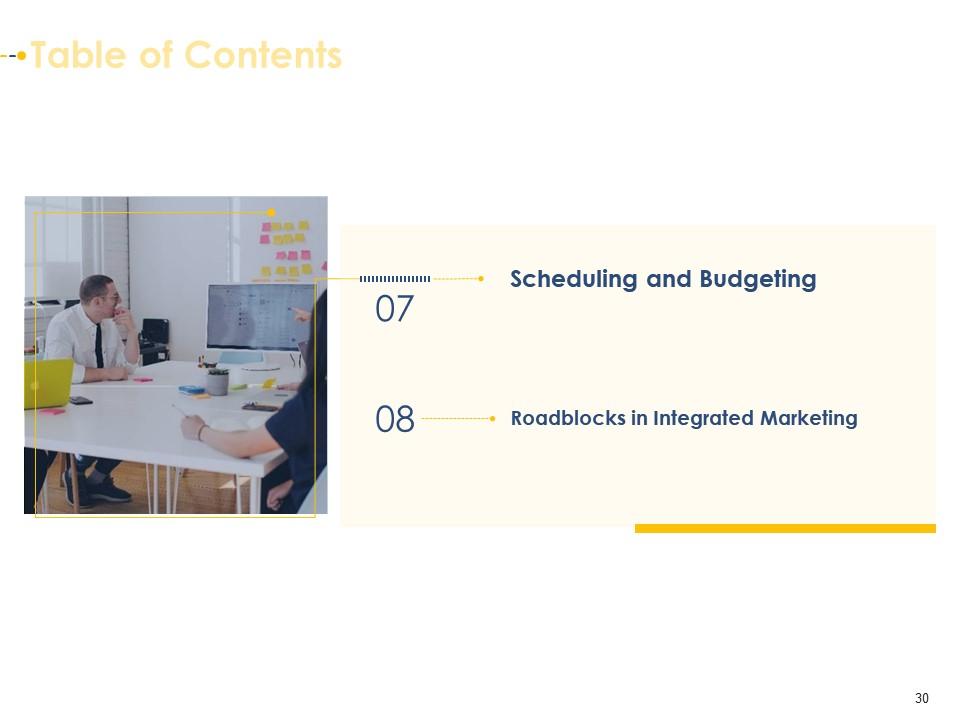
Slide 30: This slide displays Table of Content for the presentation.
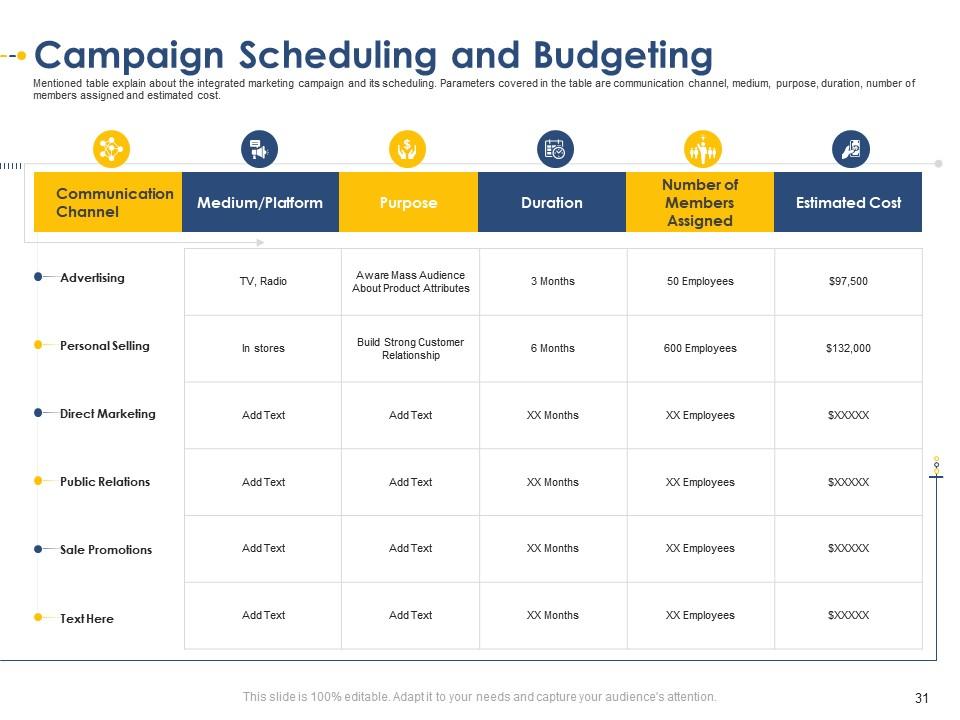
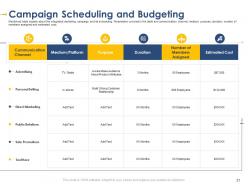
Slide 31: This slide represents Campaign Scheduling and Budgeting.
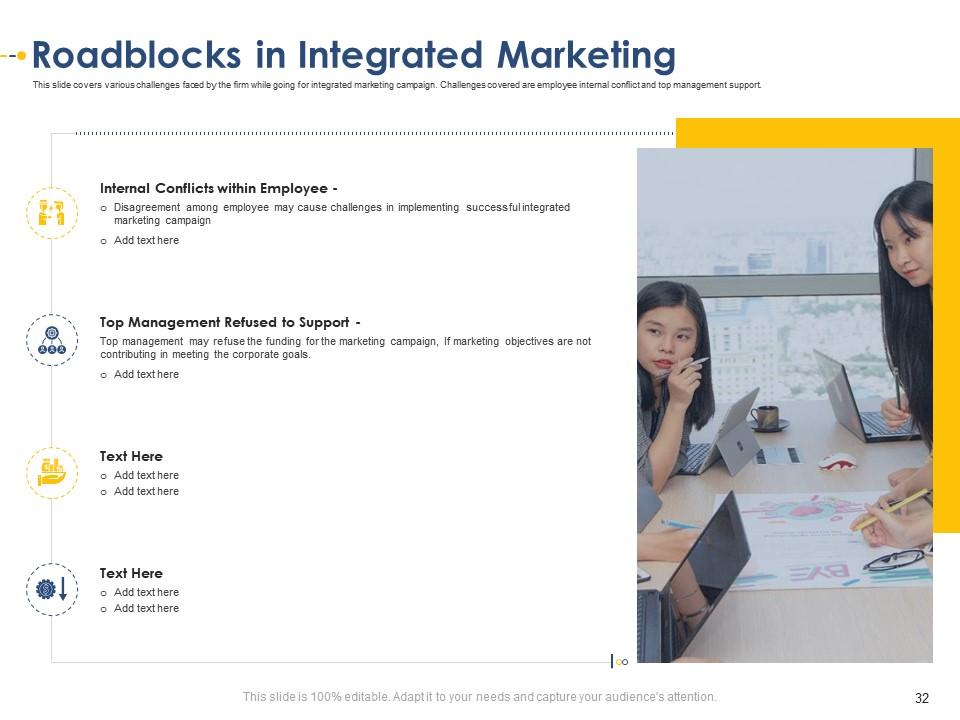
Slide 32: This slide covers various challenges faced by the firm while going for integrated marketing campaign.
Slide 33: This slide presents Dashboards to Measure Business Performance.
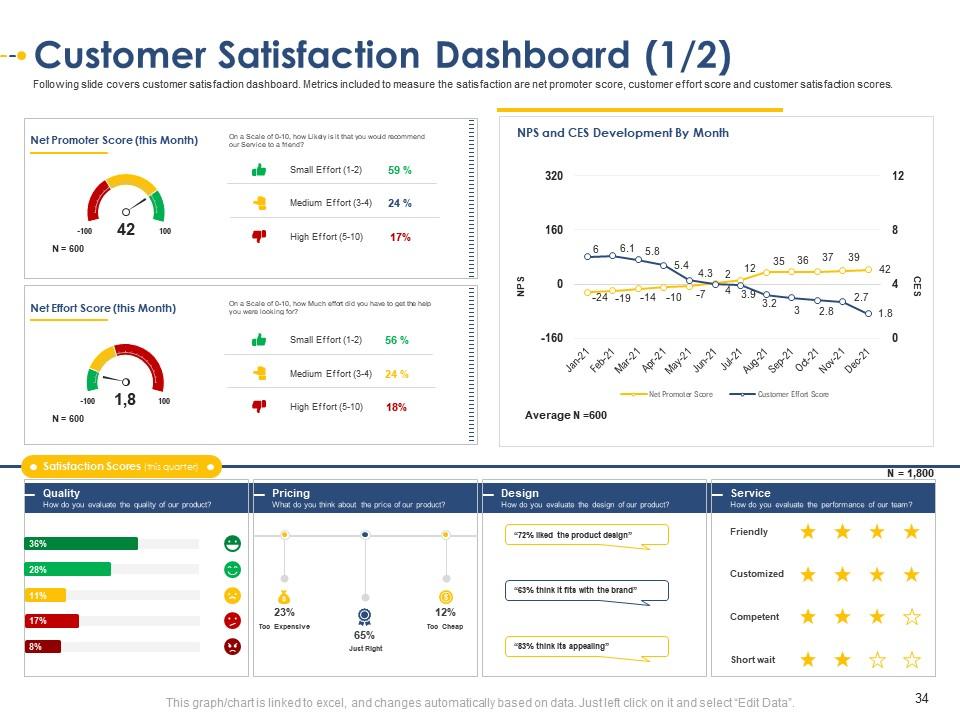
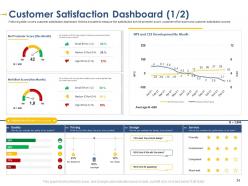
Slide 34: This slide shows customer satisfaction dashboard Metrics like net promoter score, customer effort score and customer satisfaction scores.
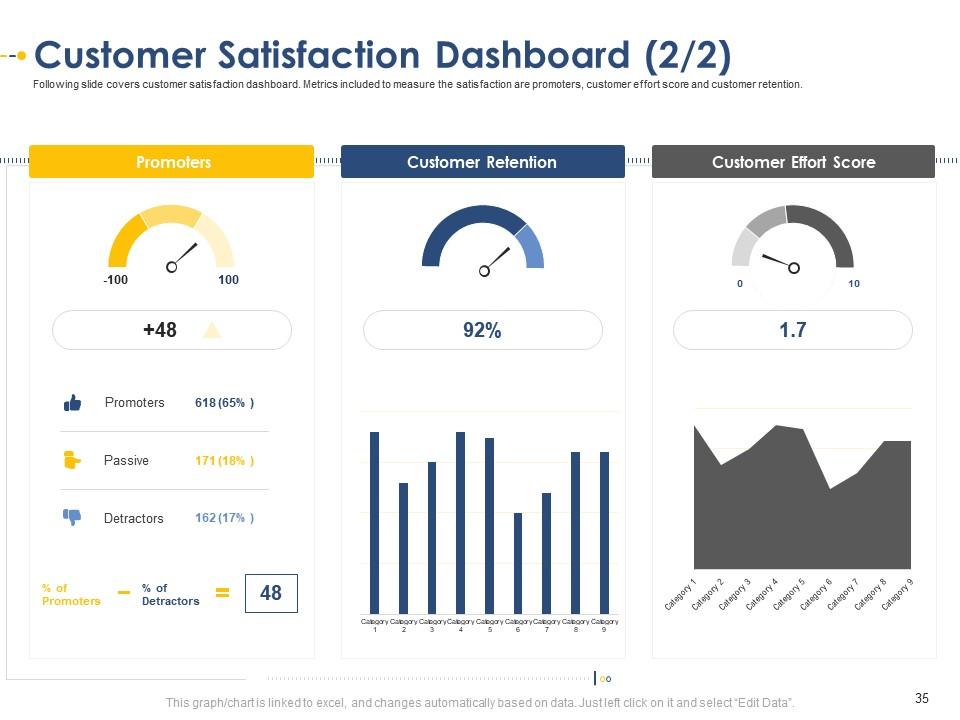
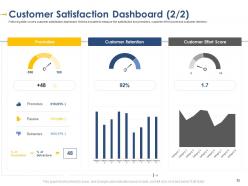
Slide 35: This is another slide showing Customer Satisfaction Dashboard.
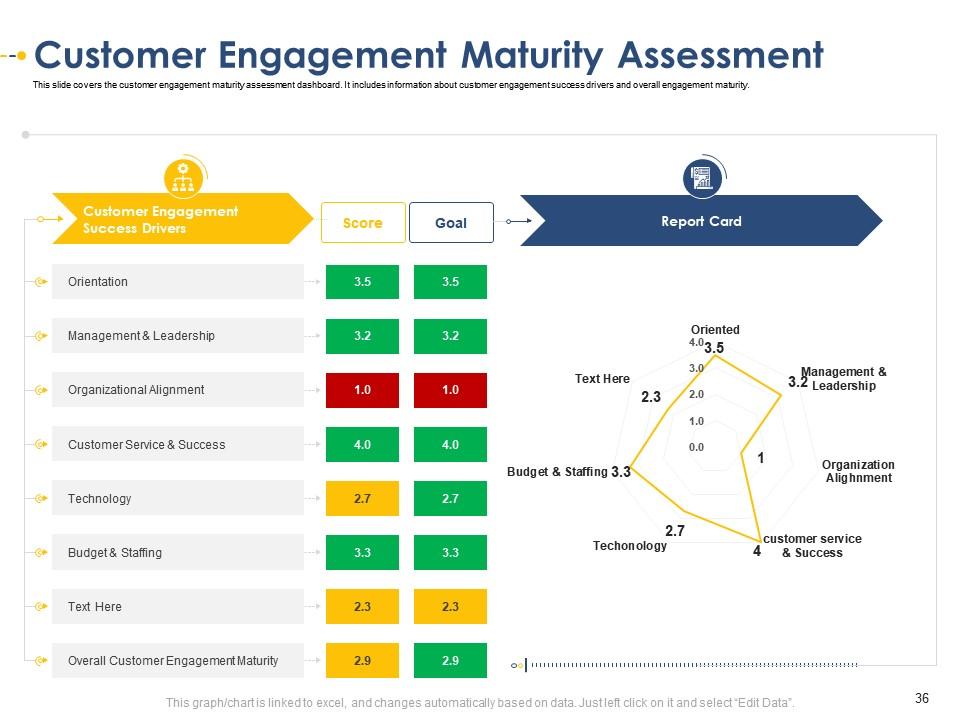
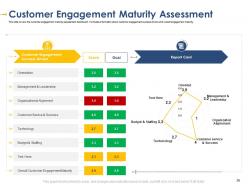
Slide 36: This slide represents the customer engagement maturity assessment dashboard.
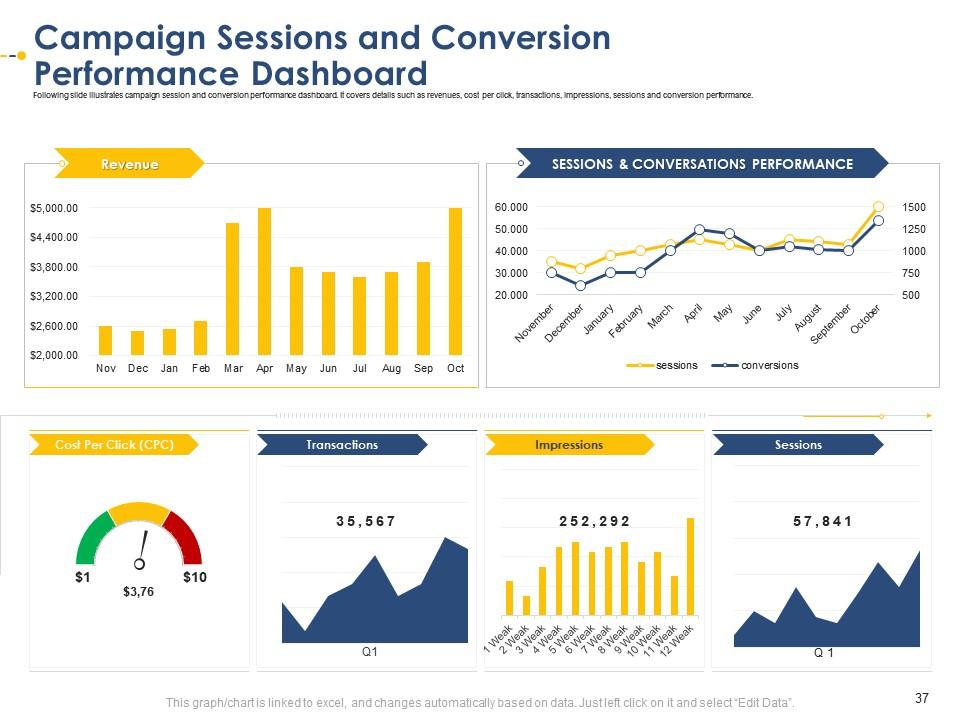
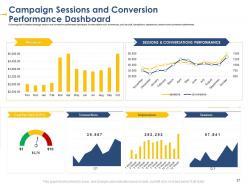
Slide 37: This slide shows Campaign Sessions and Conversion Performance Dashboard.
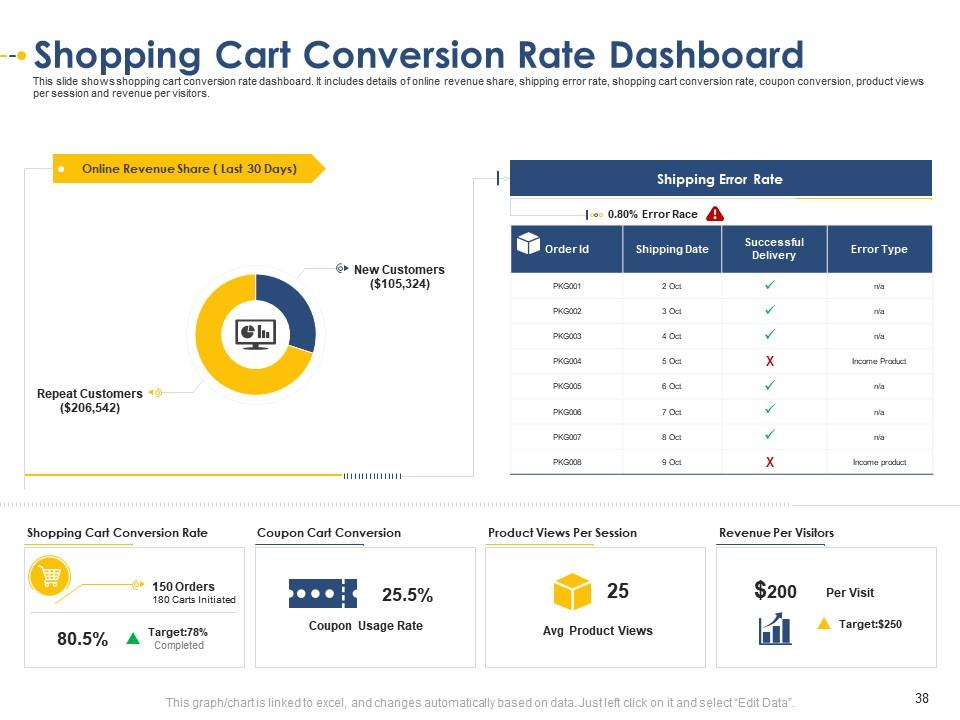
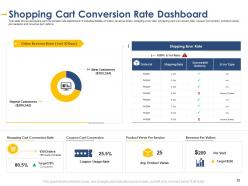
Slide 38: This slide presents shopping cart conversion rate dashboard.
Slide 39: This slide shows Developing an Integrated Marketing Plan for New Product Launch Icons.
Slide 40: This slide is titled as Additional Slides for moving forward.
Slide 41: This is Our Mission slide with related imagery and text.
Slide 42: This is Our Team slide with names and designation.
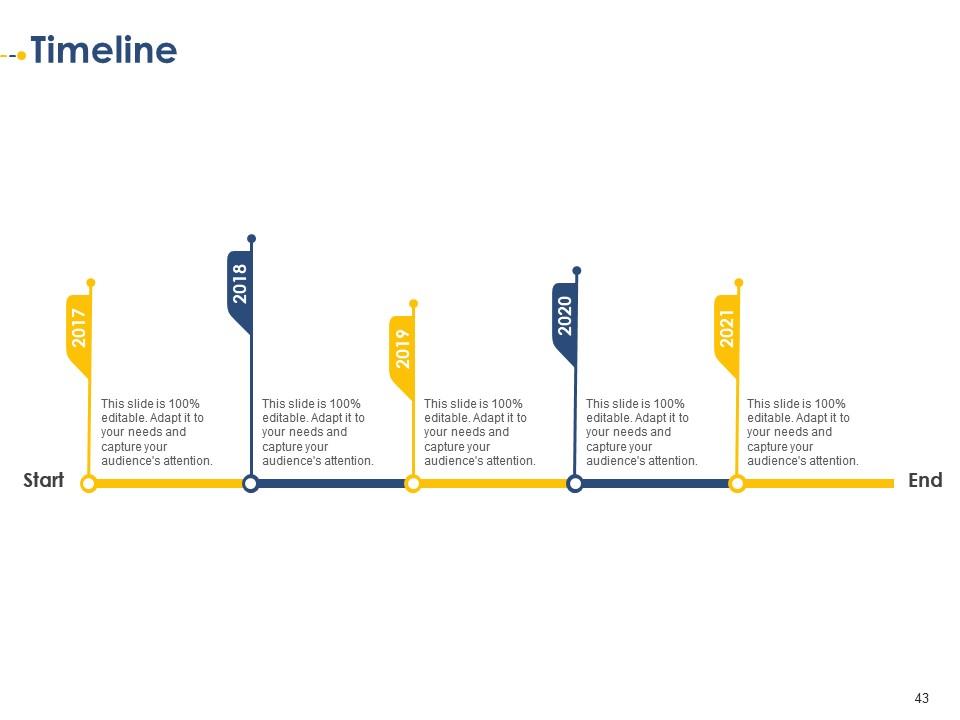
Slide 43: This is a Timeline slide. Show data related to time intervals here.
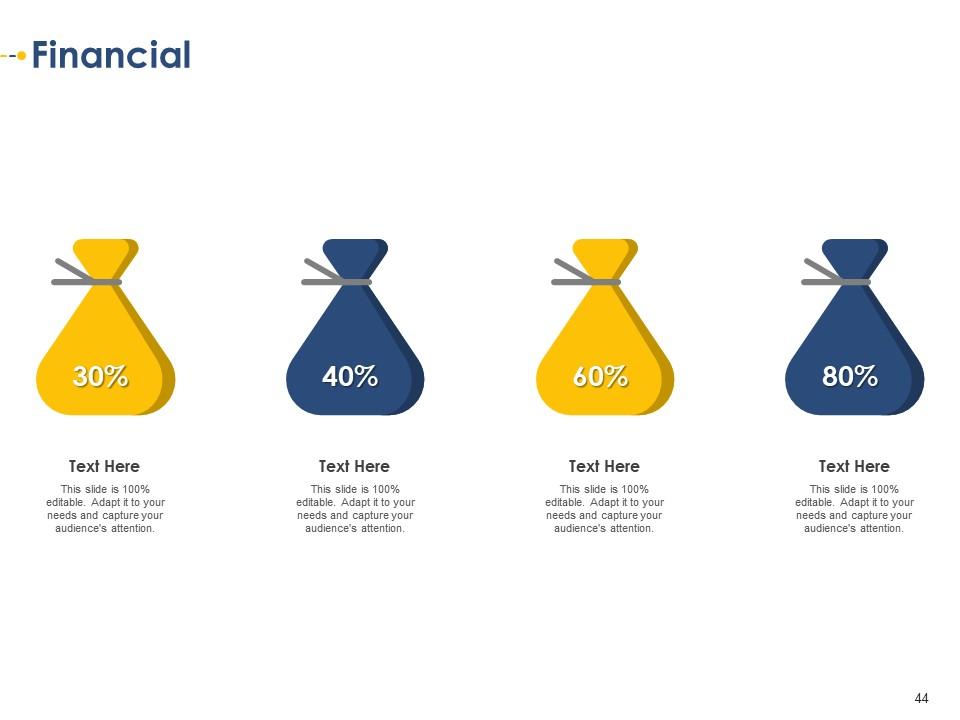
Slide 44: This is a Financial slide. Show your finance related stuff here.
Slide 45: This slide displays Mind Map with related icons and text.
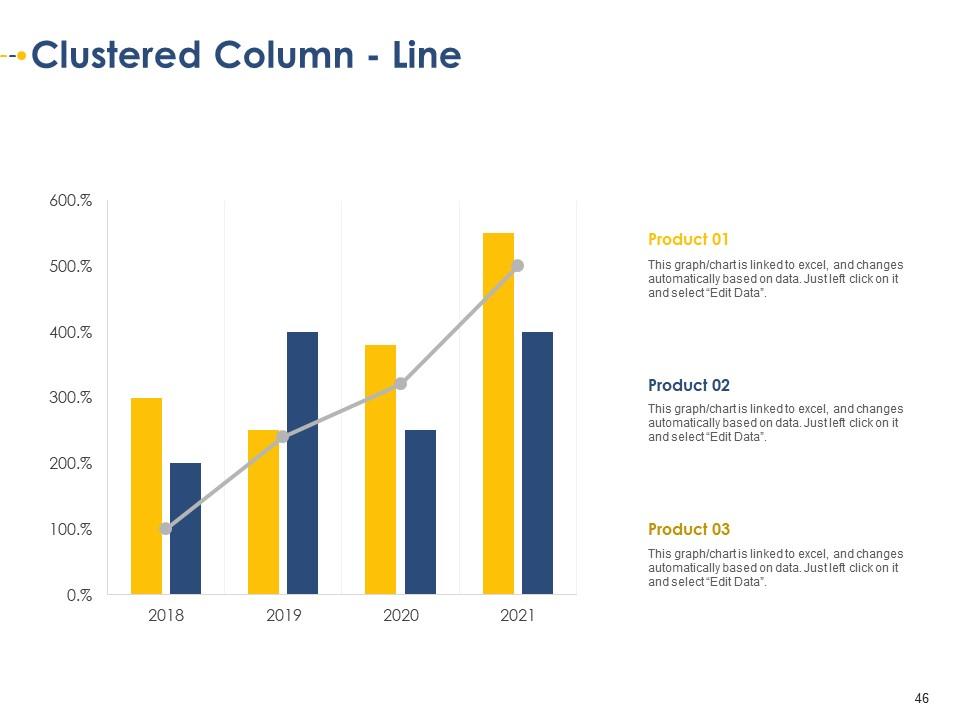
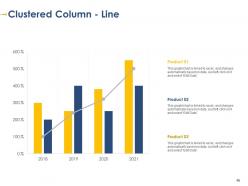
Slide 46: This slide represents Clustered Column - Line with three products comparison.
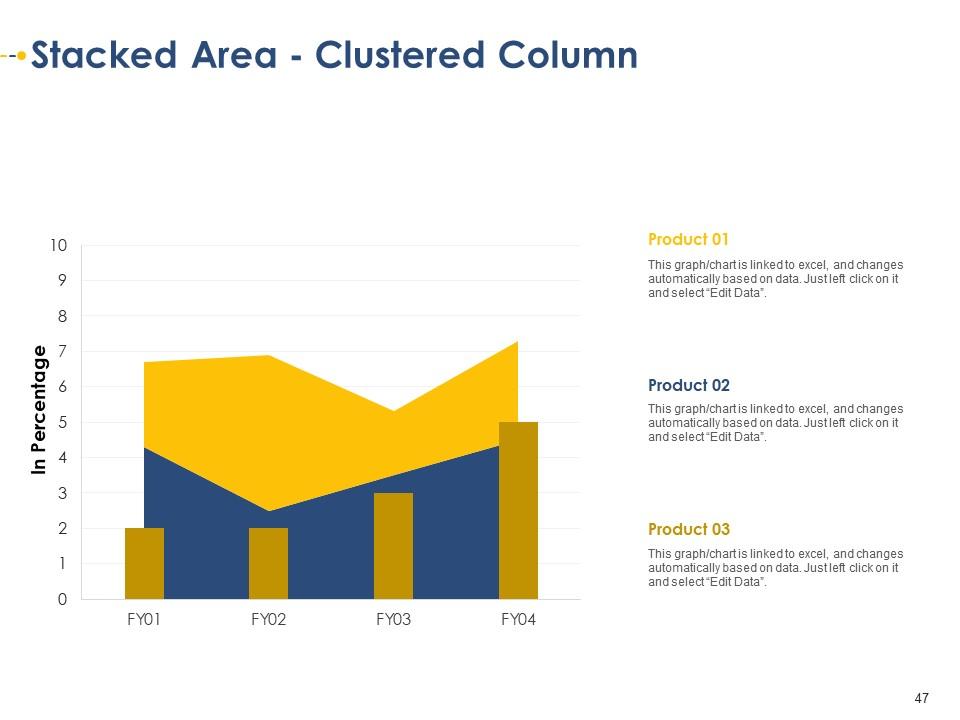
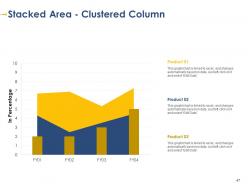
Slide 47: This slide shows Stacked Area - Clustered Column with three products comparison.
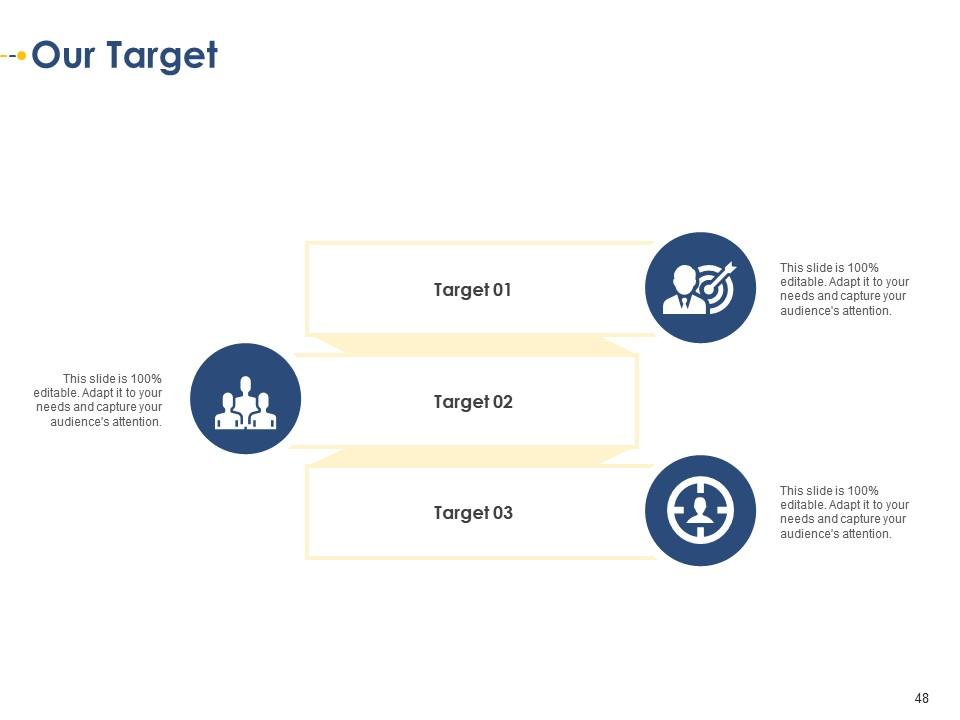
Slide 48: This is Our Target slide. State your targets here.
Slide 49: This slide shows Post It Notes. Post your important notes here.
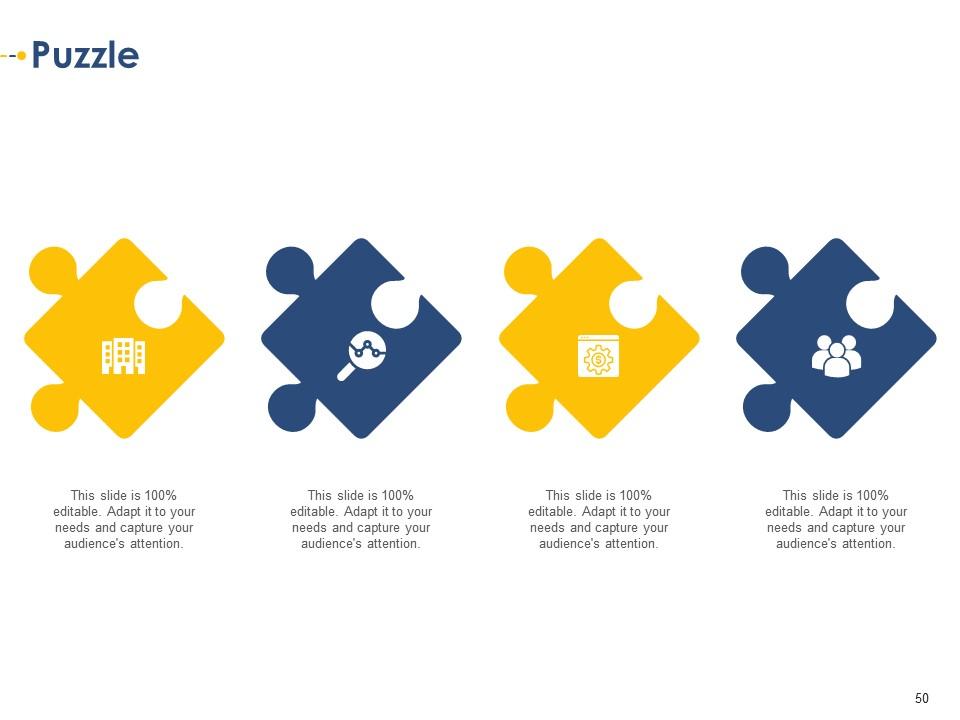
Slide 50: This slide displays Puzzle with related icons and text.
Slide 51: This is a Quotes slide to convey message, beliefs etc.
Slide 52: This slide shows Venn diagram with text boxes.
Slide 53: This is an Idea Generation slide to state a new idea or highlight information, specifications etc.
Slide 54: This is a Thank You slide with address, contact numbers and email address.
Developing an integrated marketing plan for new product launch powerpoint presentation slides with all 54 slides:
Use our Developing An Integrated Marketing Plan For New Product Launch Powerpoint Presentation Slides to effectively help you save your valuable time. They are readymade to fit into any presentation structure.
-
Enough space for editing and adding your own content.
-
Enough space for editing and adding your own content.
-
Very unique, user-friendly presentation interface.
-
Graphics are very appealing to eyes.
-
Much better than the original! Thanks for the quick turnaround.
-
Much better than the original! Thanks for the quick turnaround.
-
Professional and unique presentations.
-
Much better than the original! Thanks for the quick turnaround.
-
Perfect template with attractive color combination.
-
Great quality product.
