


Digital Signal Processing In Modern Communication Systems Powerpoint Presentation Slides
This Digital Signal Processing in Modern Communication Systems PPT includes an introduction, major components, applications, and significance of digital signal processing. It also discusses the analog signals, conversion of analog to digital signals as well as the CT signals. This Emerging Trends in DSP Technology Best Practices-PowerPoint presentation represents different domains of digital signal processing. It includes sampling and quantization types too. In addition, the Microprocessor Architectures for DSP Applications module demonstrates the various filters in digital signal processing. There are two types of filters discrete Fourier transform DFT and fast Fourier transform FFT. Furthermore, the Biomedical Signal Processing for Rehabilitation deck discusses some common hardware devices and software tools for digital signals. Moreover, Machine Learning for Audio Signal Processing PPT contains sections about different applications of DSP such as audio signals, image signals and video signals. Lastly, the Digital Signal Processing Algorithms and Techniques deck comprises a roadmap, checklist, dashboard, and awareness training program for implementing infrastructure as code. Download our 100 percent editable and customizable template, which is also compatible with Google Slides.
This Digital Signal Processing in Modern Communication Systems PPT includes an introduction, major components, applications..










































-

- Google Slides is a new FREE Presentation software from Google.
- All our content is 100% compatible with Google Slides.
- Just download our designs, and upload them to Google Slides and they will work automatically.
- Amaze your audience with SlideTeam and Google Slides.
-

Want Changes to This PPT Slide? Check out our Presentation Design Services
-

- WideScreen Aspect ratio is becoming a very popular format. When you download this product, the downloaded ZIP will contain this product in both standard and widescreen format.
-

- Some older products that we have may only be in standard format, but they can easily be converted to widescreen.
- To do this, please open the SlideTeam product in Powerpoint, and go to
- Design ( On the top bar) -> Page Setup -> and select "On-screen Show (16:9)” in the drop down for "Slides Sized for".
- The slide or theme will change to widescreen, and all graphics will adjust automatically. You can similarly convert our content to any other desired screen aspect ratio.
Compatible With Google Slides

Get This In WideScreen
You must be logged in to download this presentation.


Do you want to remove this product from your favourites?
PowerPoint presentation slides
Deliver an informational PPT on various topics by using this Digital Signal Processing In Modern Communication Systems Powerpoint Presentation Slides. This deck focuses and implements best industry practices, thus providing a birds-eye view of the topic. Encompassed with eighty two slides, designed using high-quality visuals and graphics, this deck is a complete package to use and download. All the slides offered in this deck are subjective to innumerable alterations, thus making you a pro at delivering and educating. You can modify the color of the graphics, background, or anything else as per your needs and requirements. It suits every business vertical because of its adaptable layout.

People who downloaded this PowerPoint presentation also viewed the following :
Content of this Powerpoint Presentation
Slide 1: This slide introduces Digital Signal Processing In Modern Communication Systems. State Your Company Name and begin.
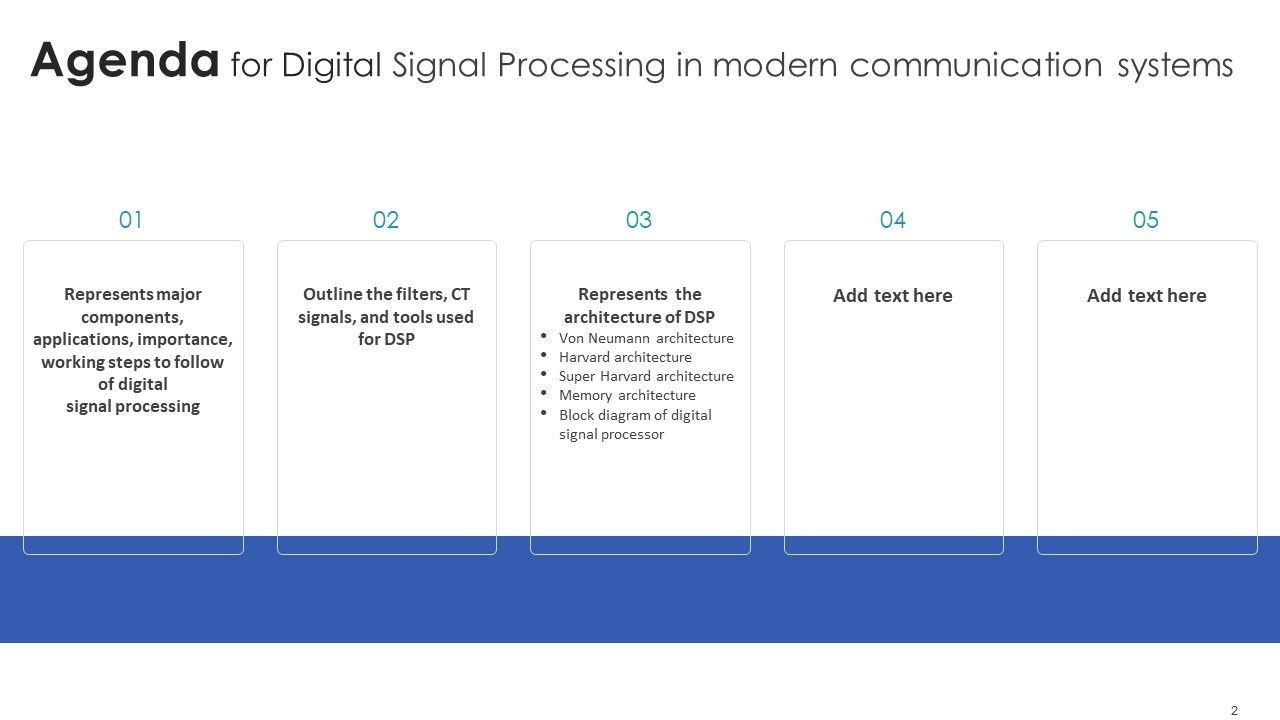
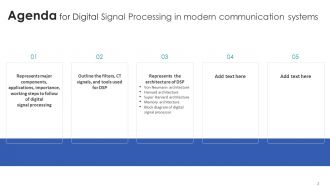
Slide 2: This slide is an Agenda slide. State your agendas here.
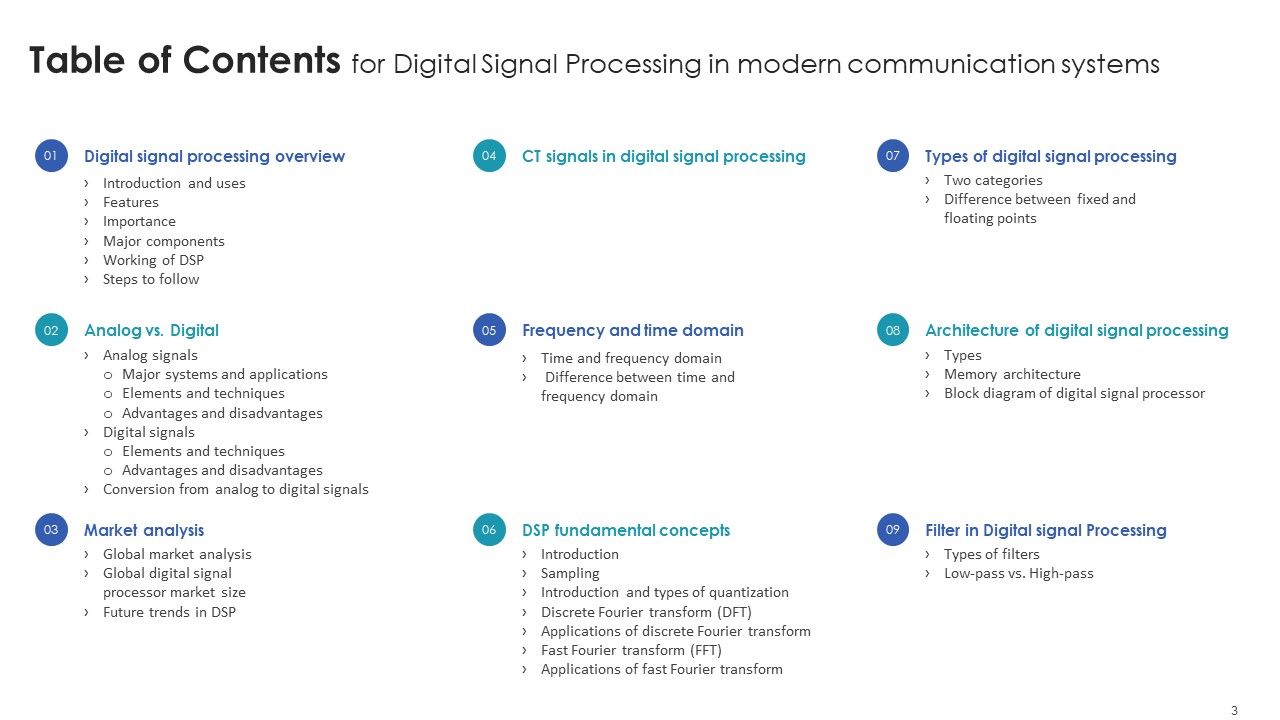
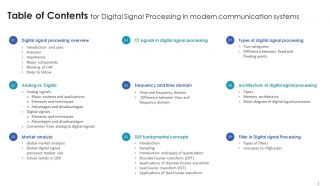
Slide 3: This slide shows a Table of Contents for the presentation.
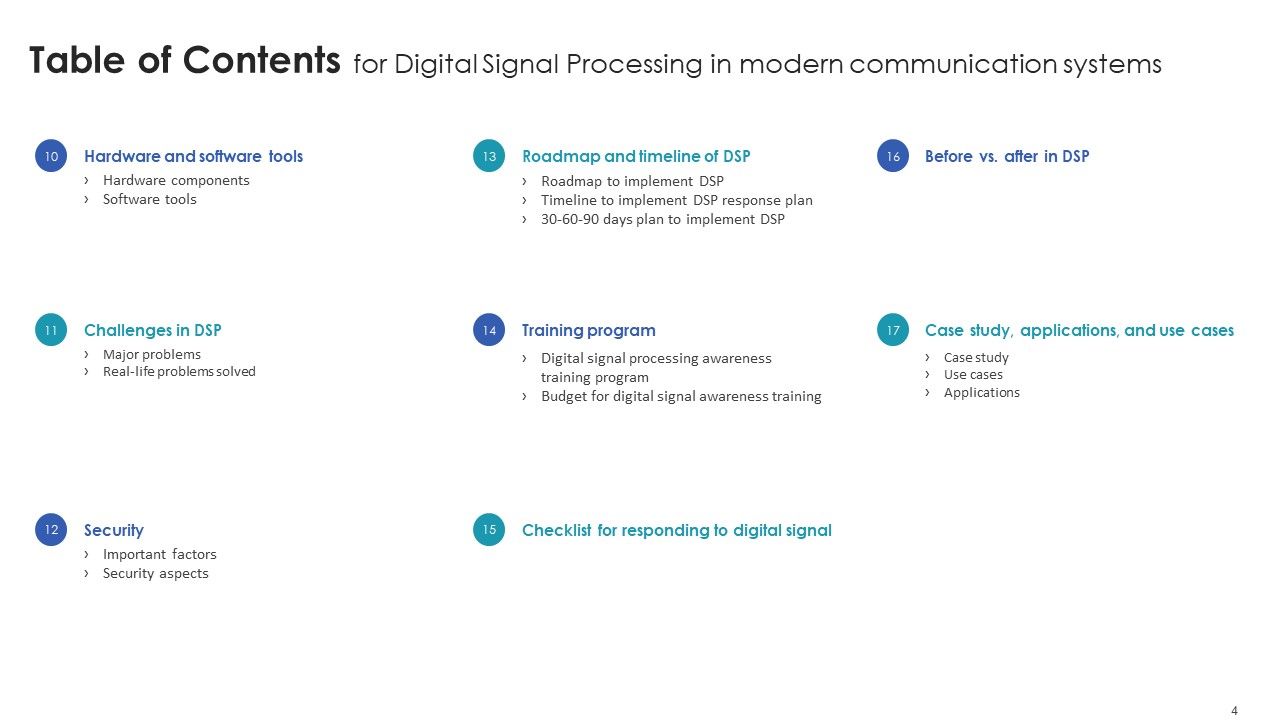
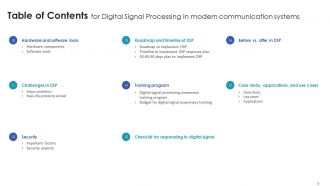
Slide 4: This slide is in continuation with the previous slide.
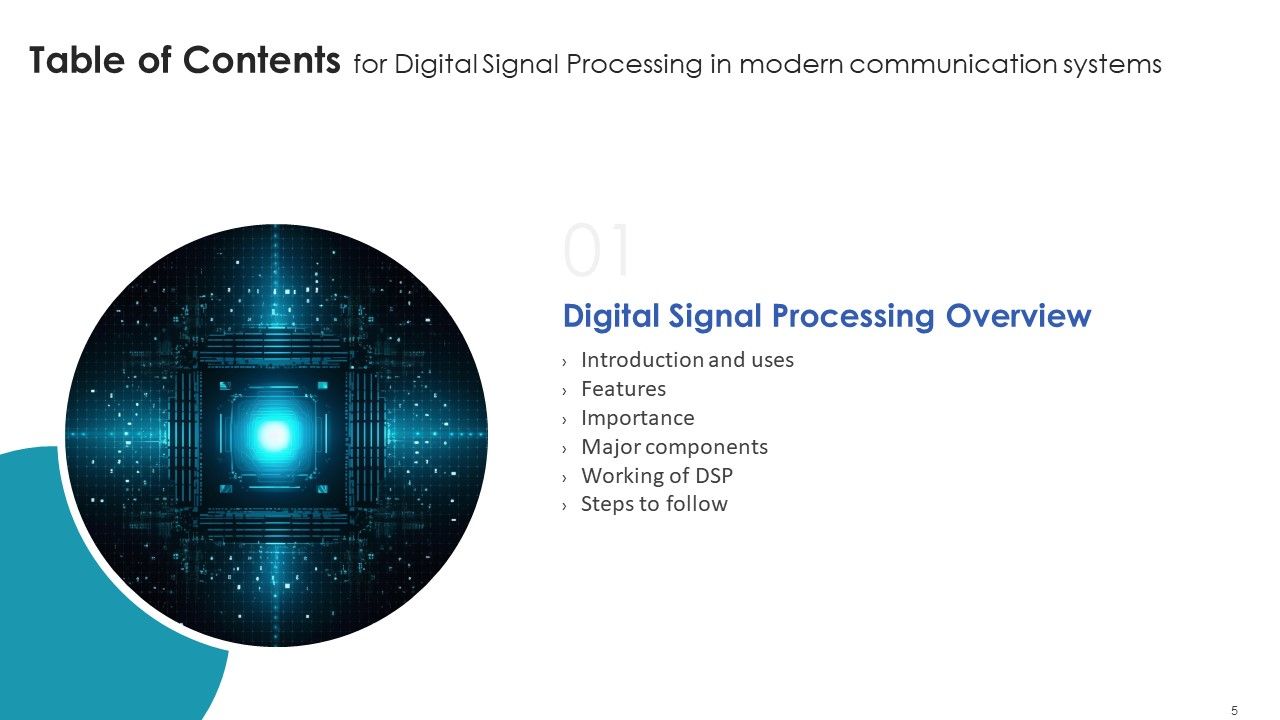
Slide 5: This slide is an introductory slide.
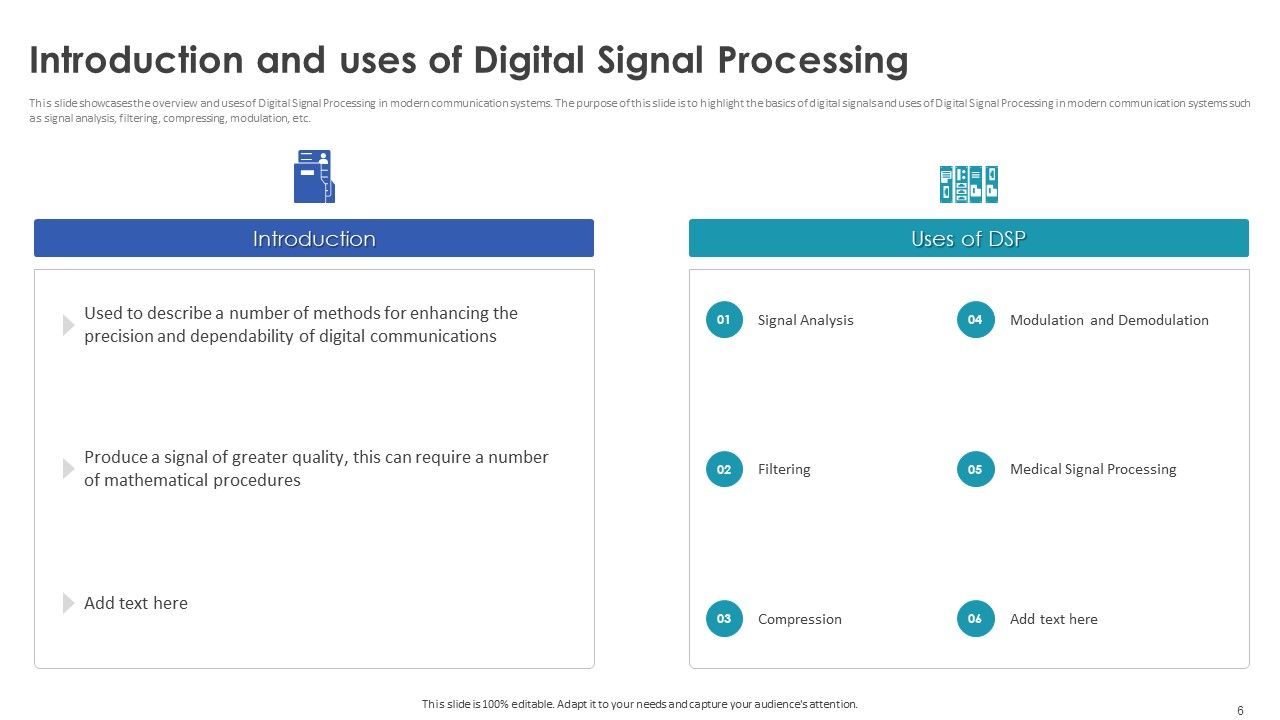
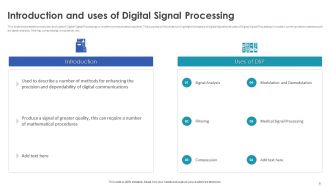
Slide 6: This slide showcases the overview and uses of Digital Signal Processing in modern communication systems.
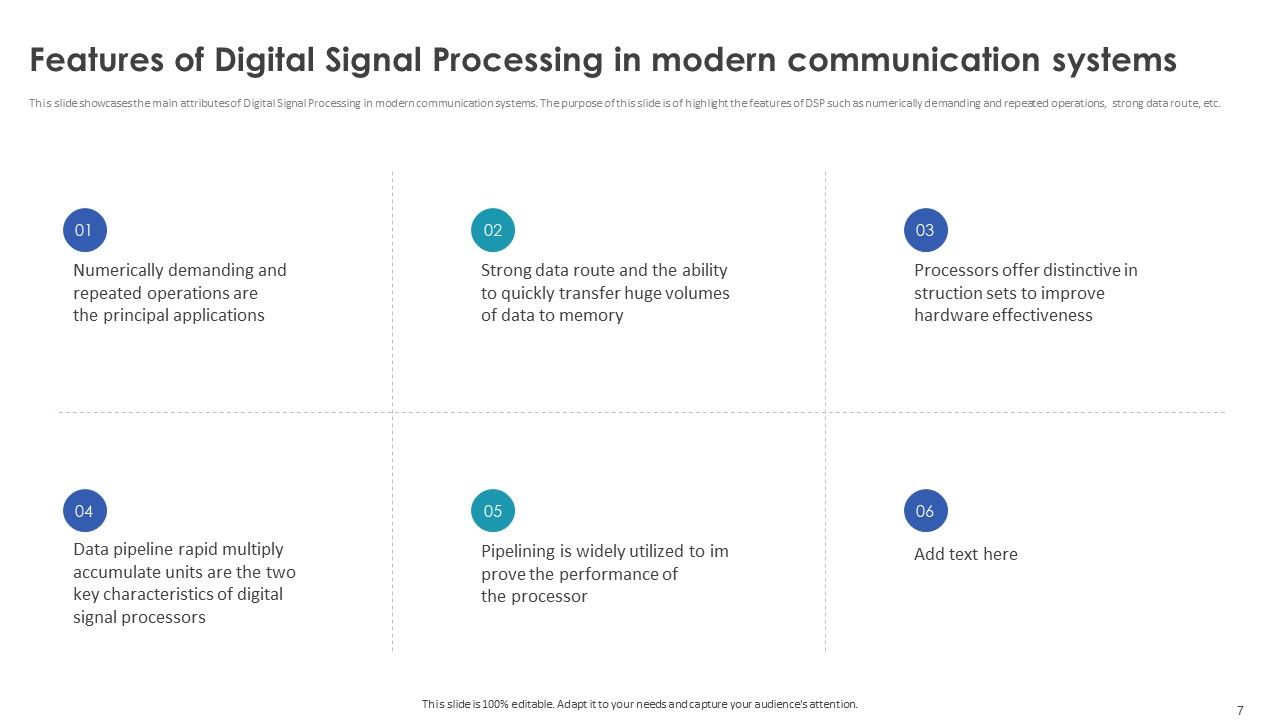
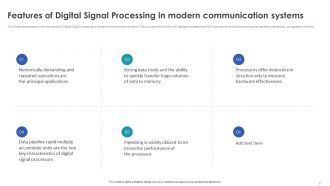
Slide 7: This slide shows the main attributes of Digital Signal Processing in modern communication systems.
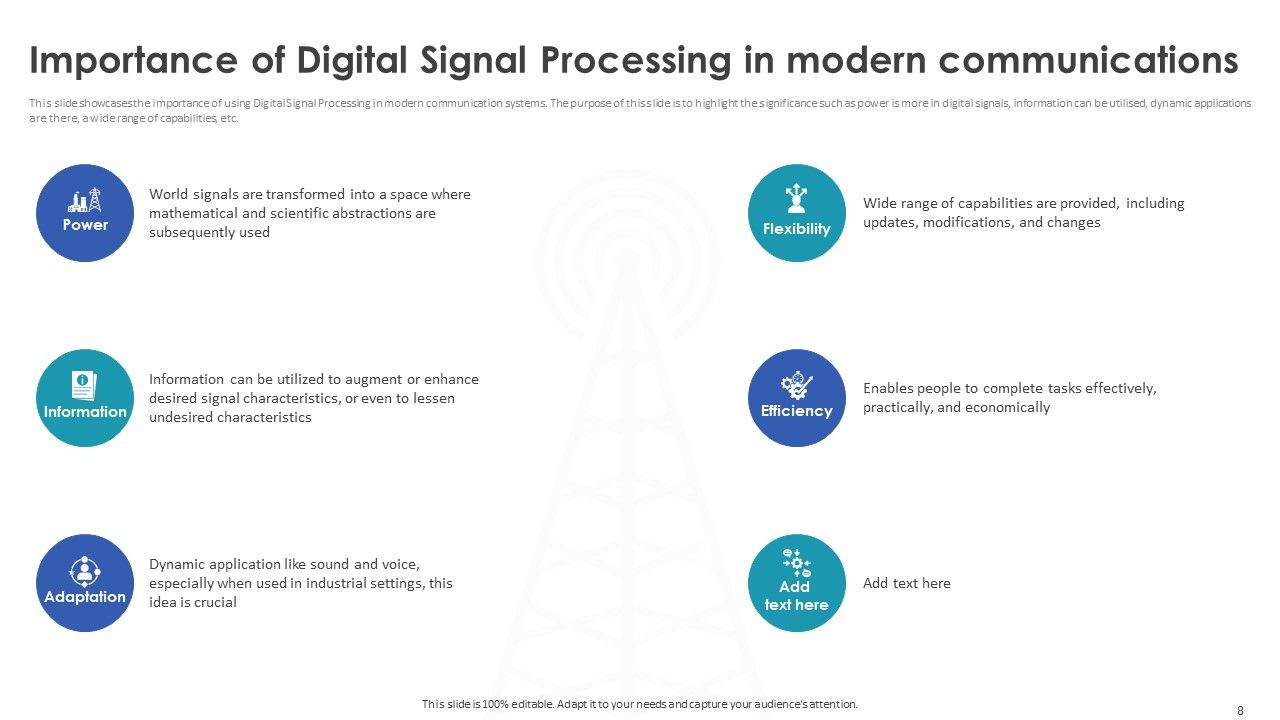
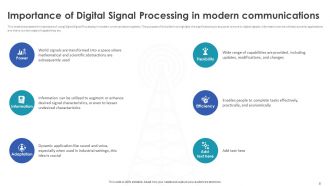
Slide 8: This slide entails the importance of using Digital Signal Processing in modern communication systems.
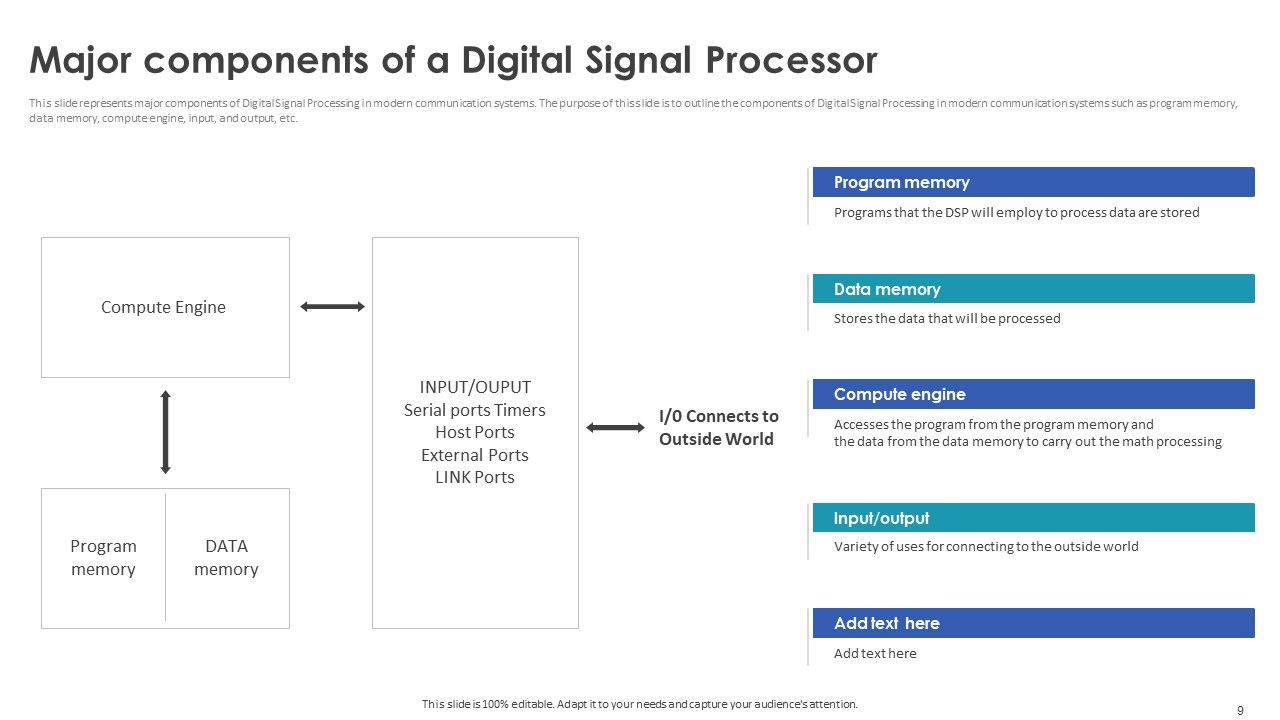
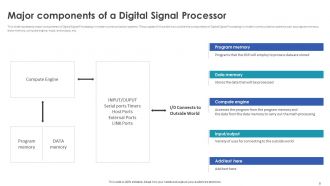
Slide 9: This slide represents major components of Digital Signal Processing in modern communication systems.
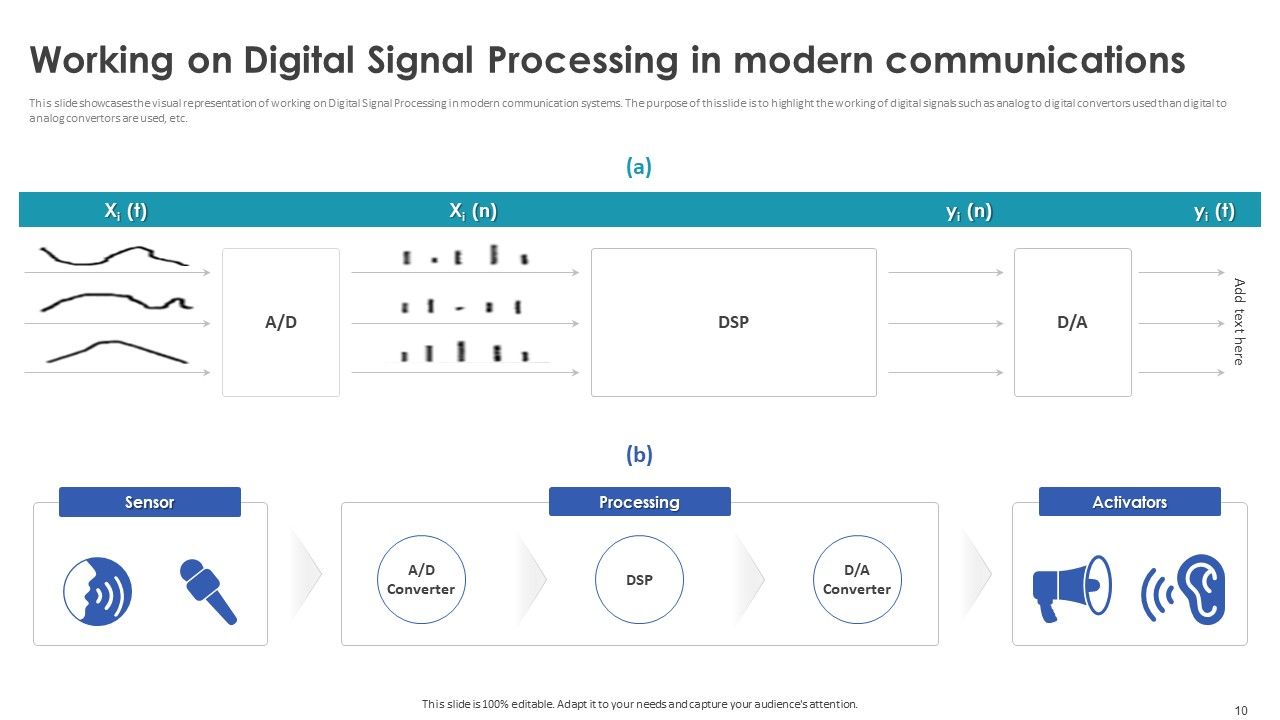
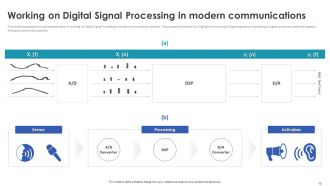
Slide 10: This slide presents the visual representation of working on Digital Signal Processing in modern communication systems.
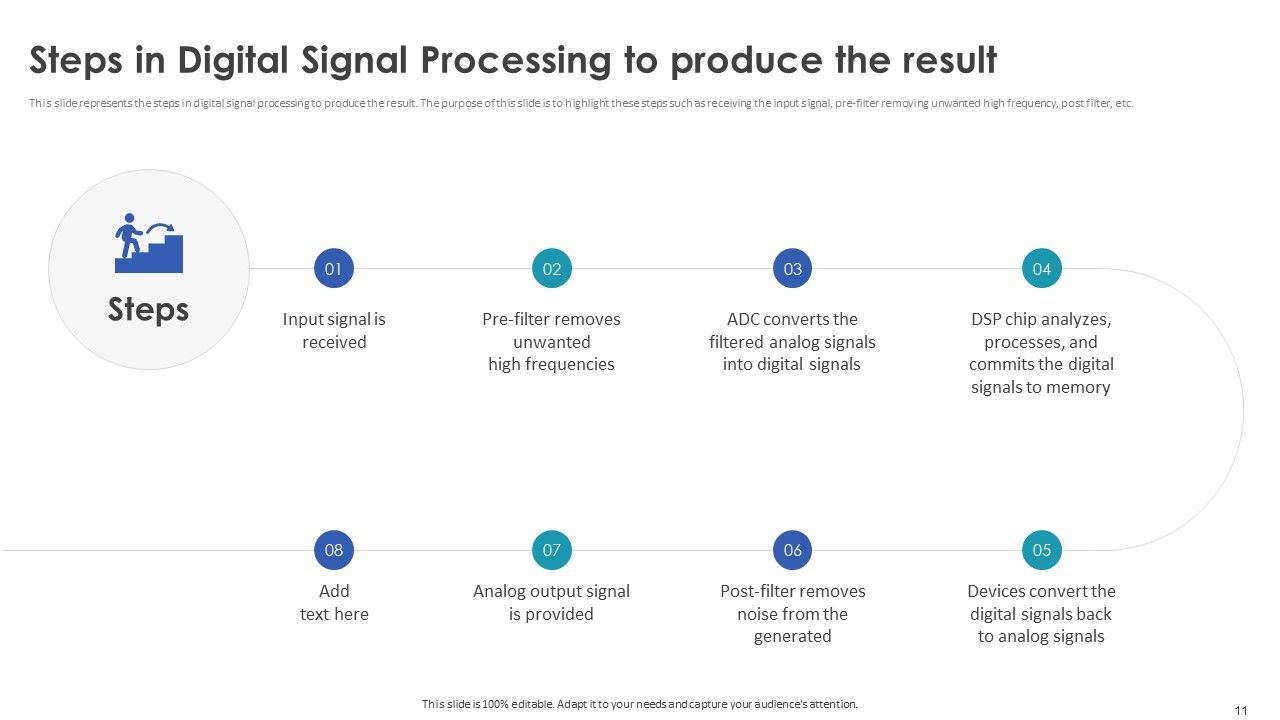
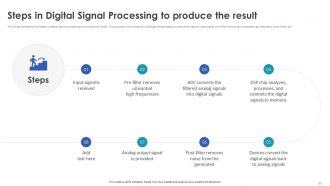
Slide 11: This slide contains the steps in digital signal processing to produce the result.
Slide 12: This slide is an introductory slide.
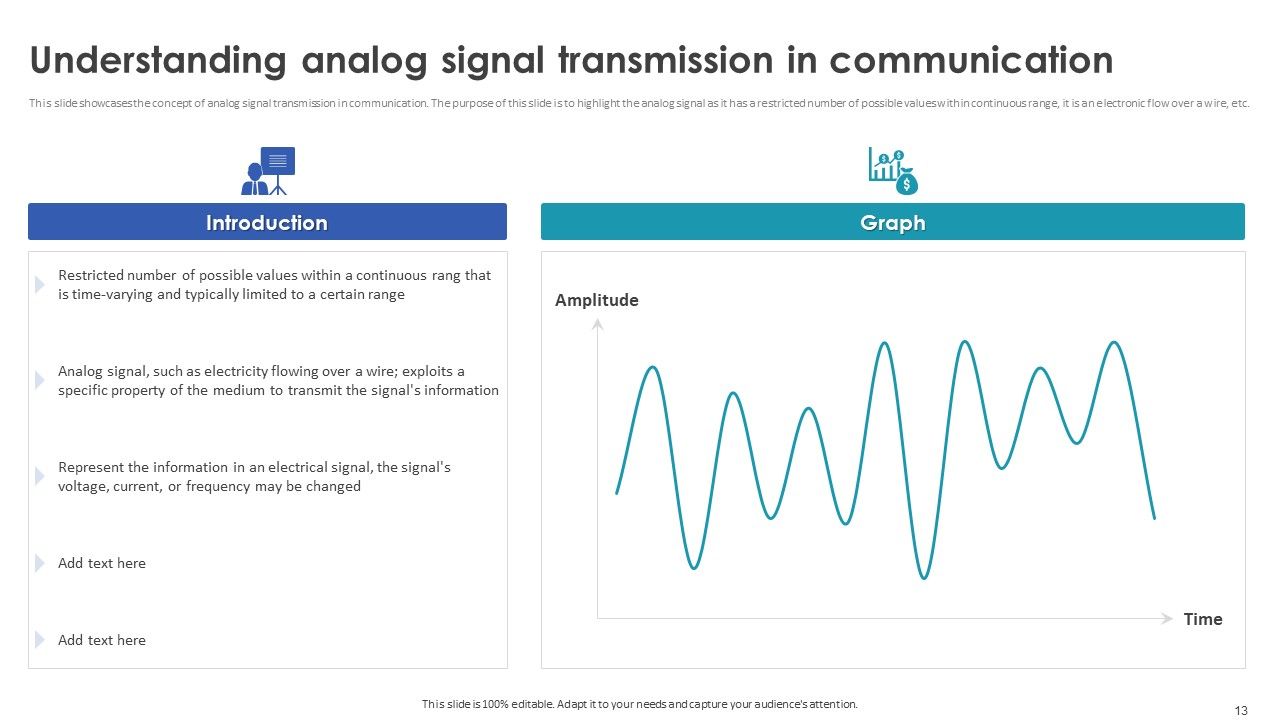
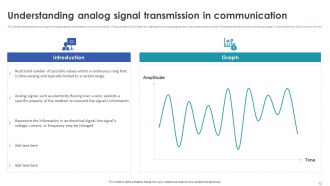
Slide 13: This slide caters to the concept of analog signal transmission in communication.
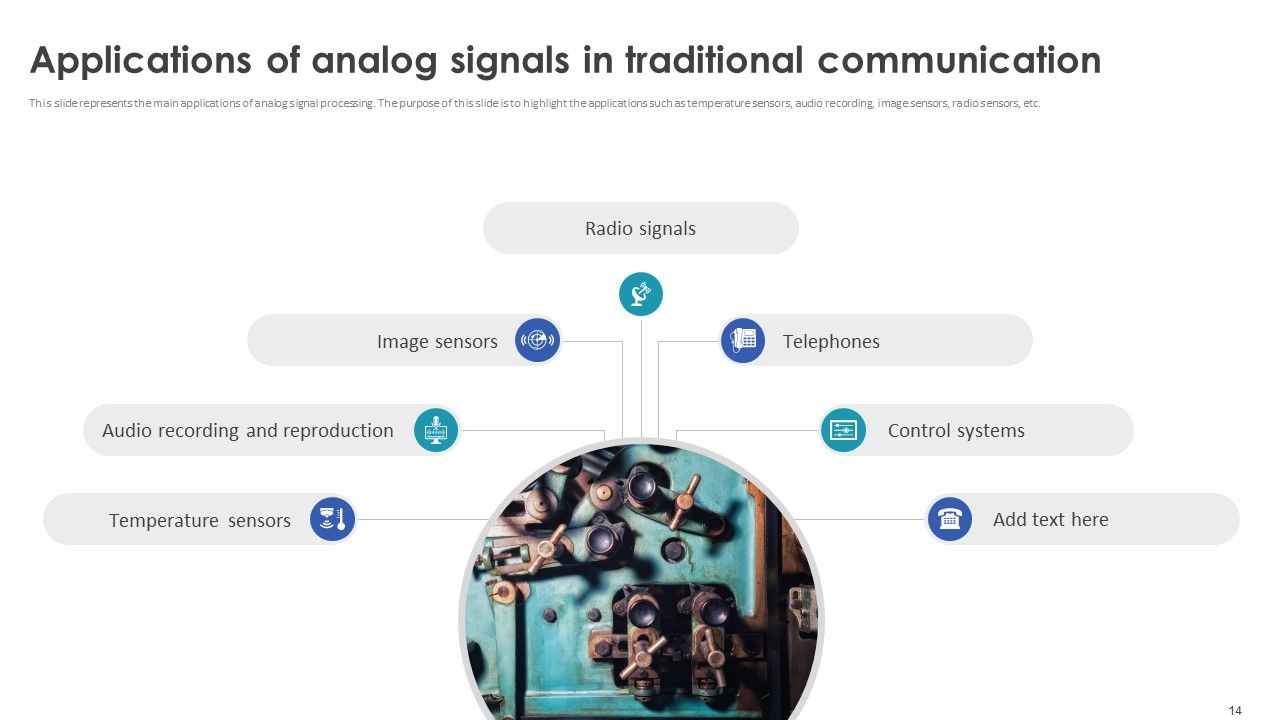
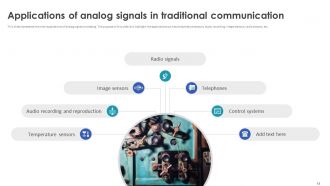
Slide 14: This slide represents the main applications of analog signal processing. The purpose of this slide is to highlight the applications such as temperature sensors, audio recording, image sensors, radio sensors, etc.
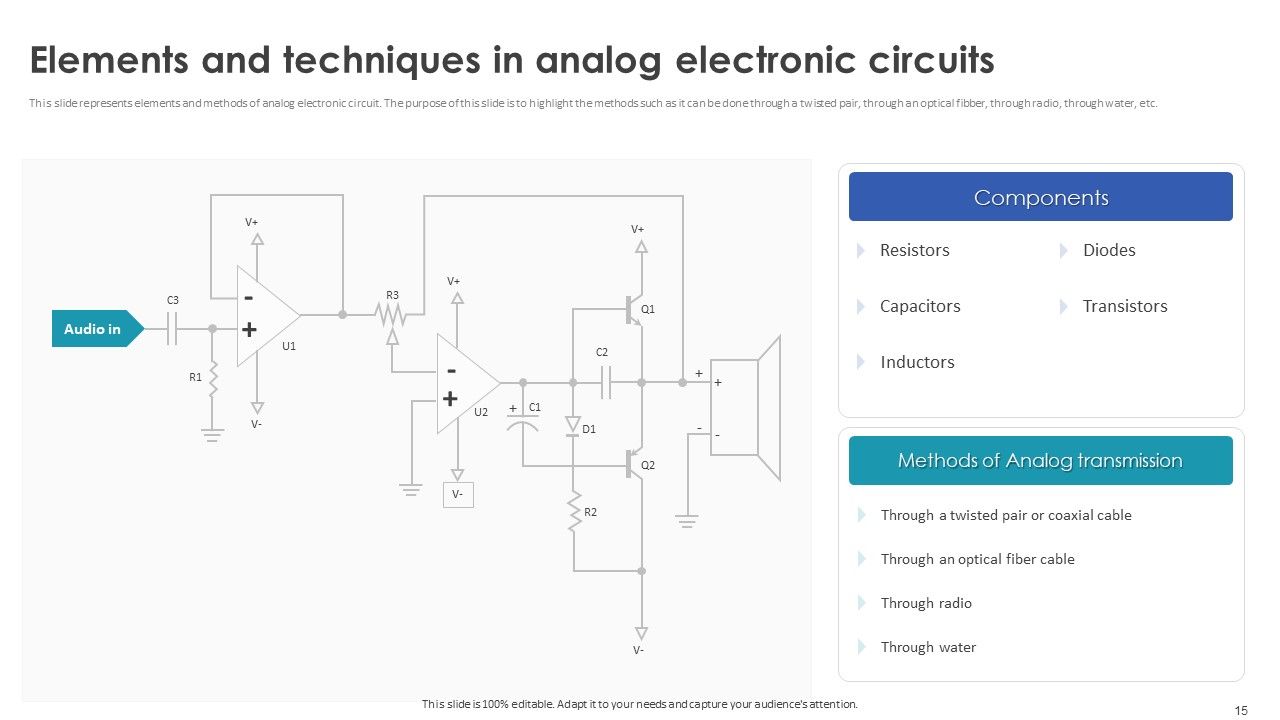
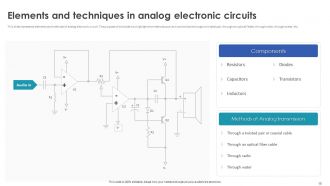
Slide 15: This slide marks elements and methods of analog electronic circuit.
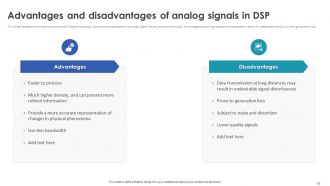
Slide 16: This slide highlights the major pros and cons of digital processing.
Slide 17: This slide is an introductory slide.
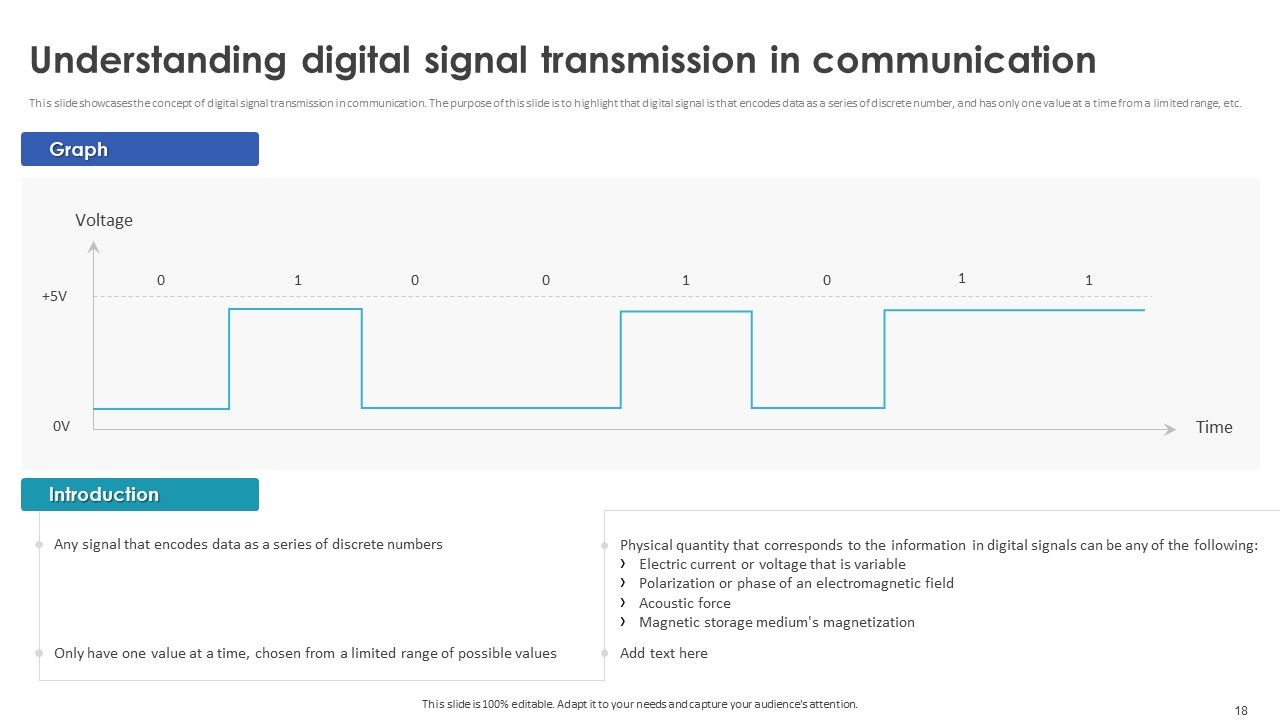
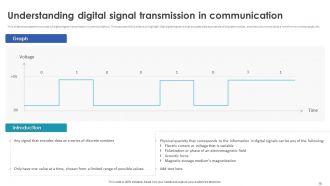
Slide 18: This slide illustrates the concept of digital signal transmission in communication.
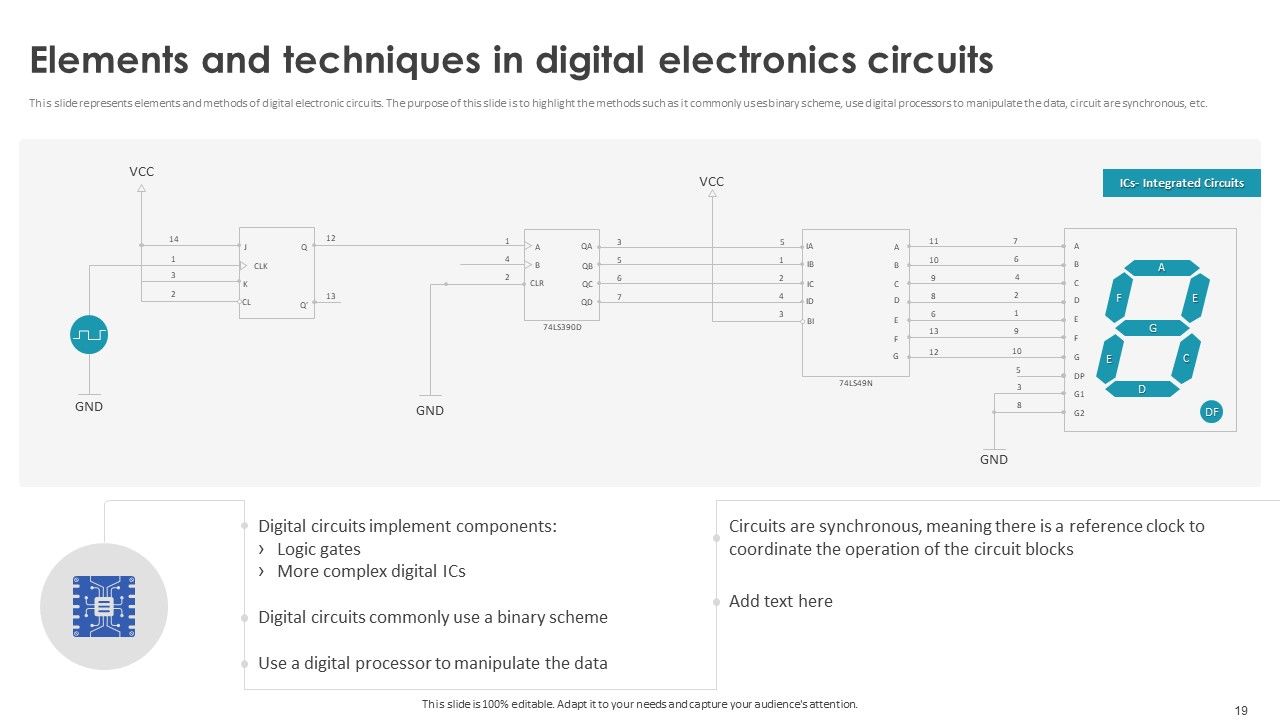
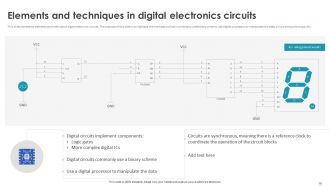
Slide 19: This slide portrays elements and methods of digital electronic circuits.
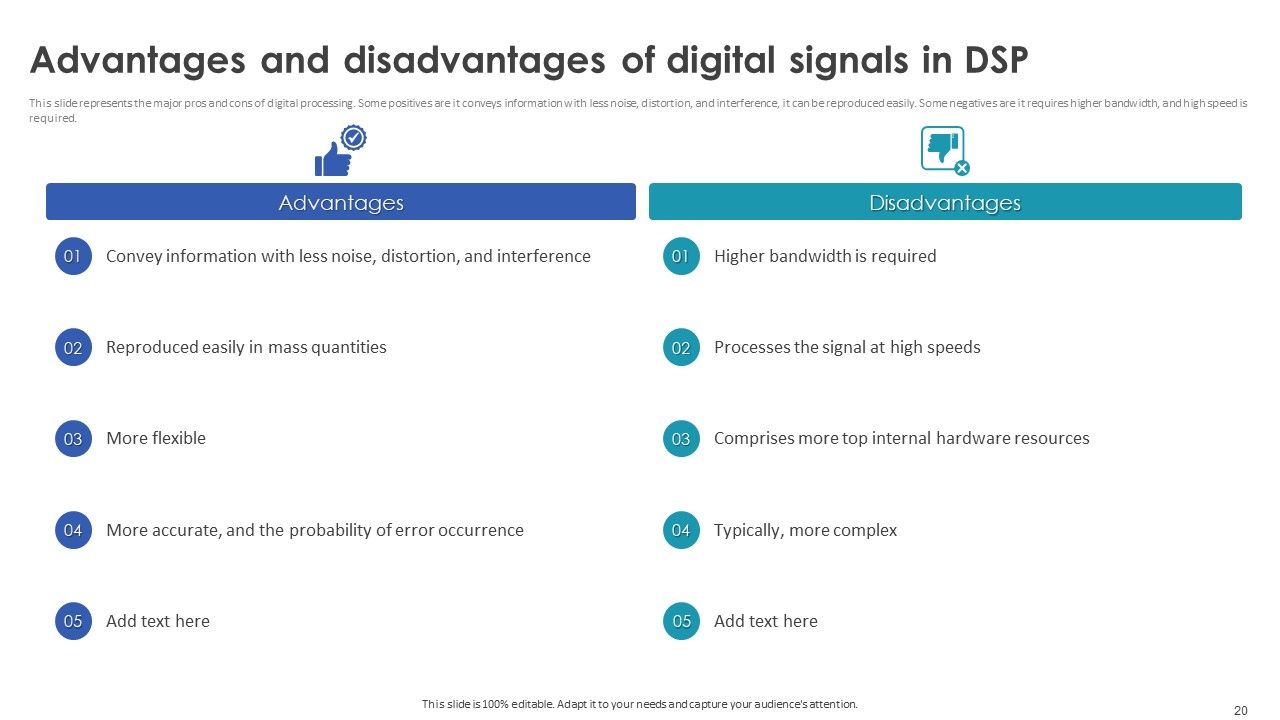
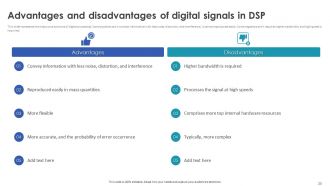
Slide 20: This slide pertains to the major pros and cons of digital processing.
Slide 21: This slide is an introductory slide.
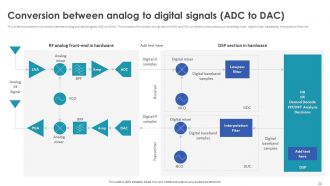
Slide 22: This slide projects the conversion between analog and digital signals (ADC and DAC).
Slide 23: This slide is an introductory slide.
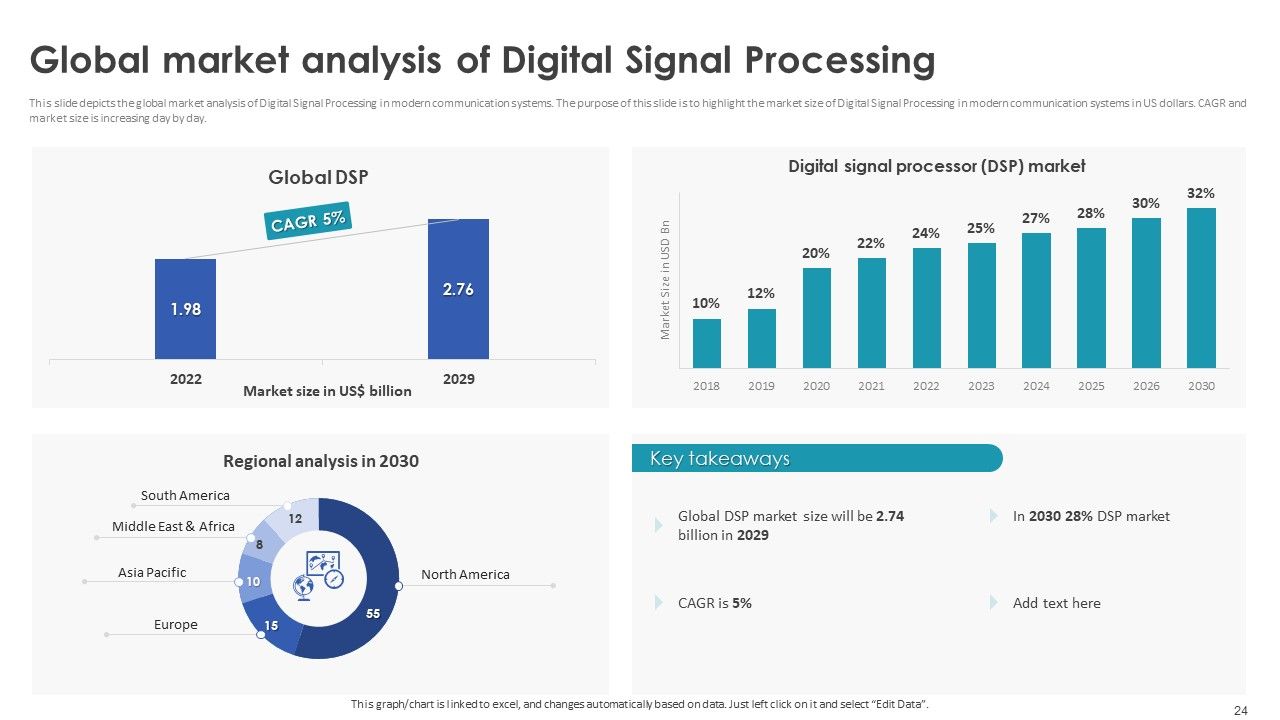
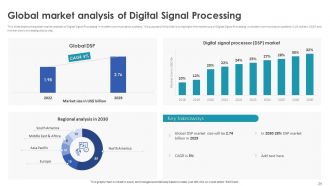
Slide 24: This slide depicts the global market analysis of Digital Signal Processing in modern communication systems.
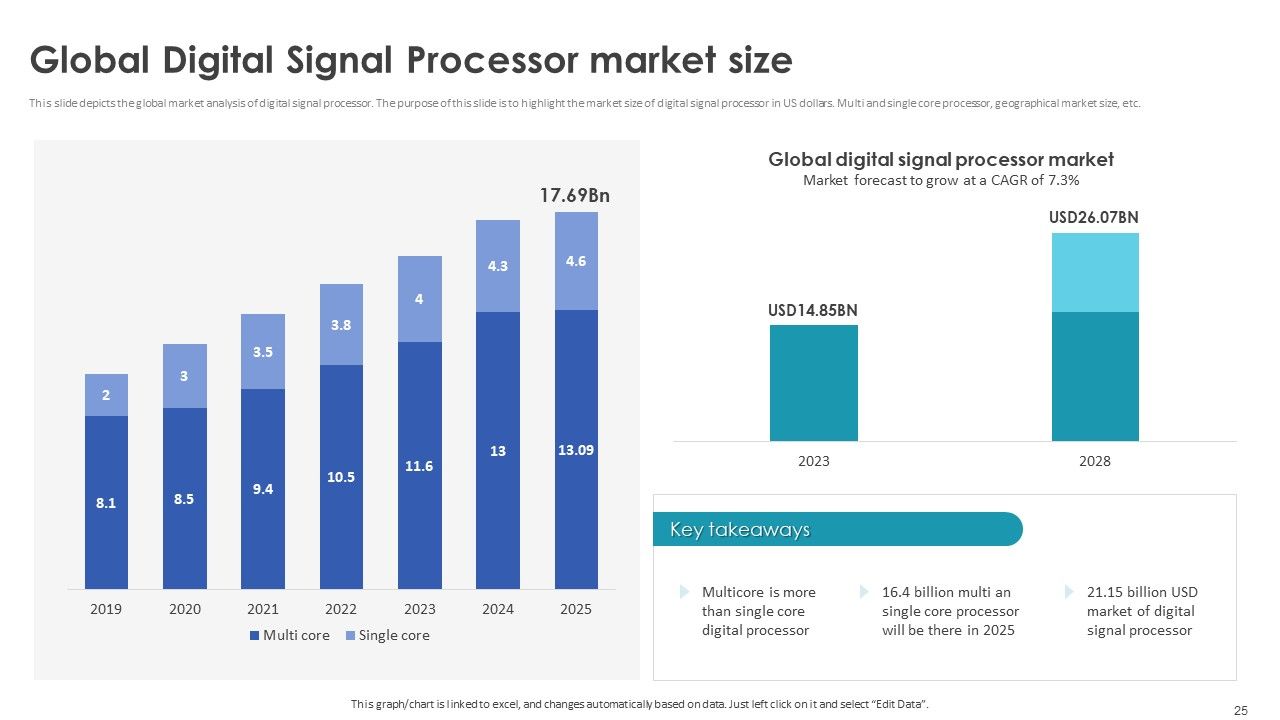
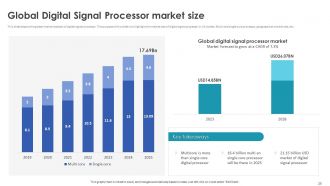
Slide 25: This slide demonstrates the global market analysis of digital signal processor.
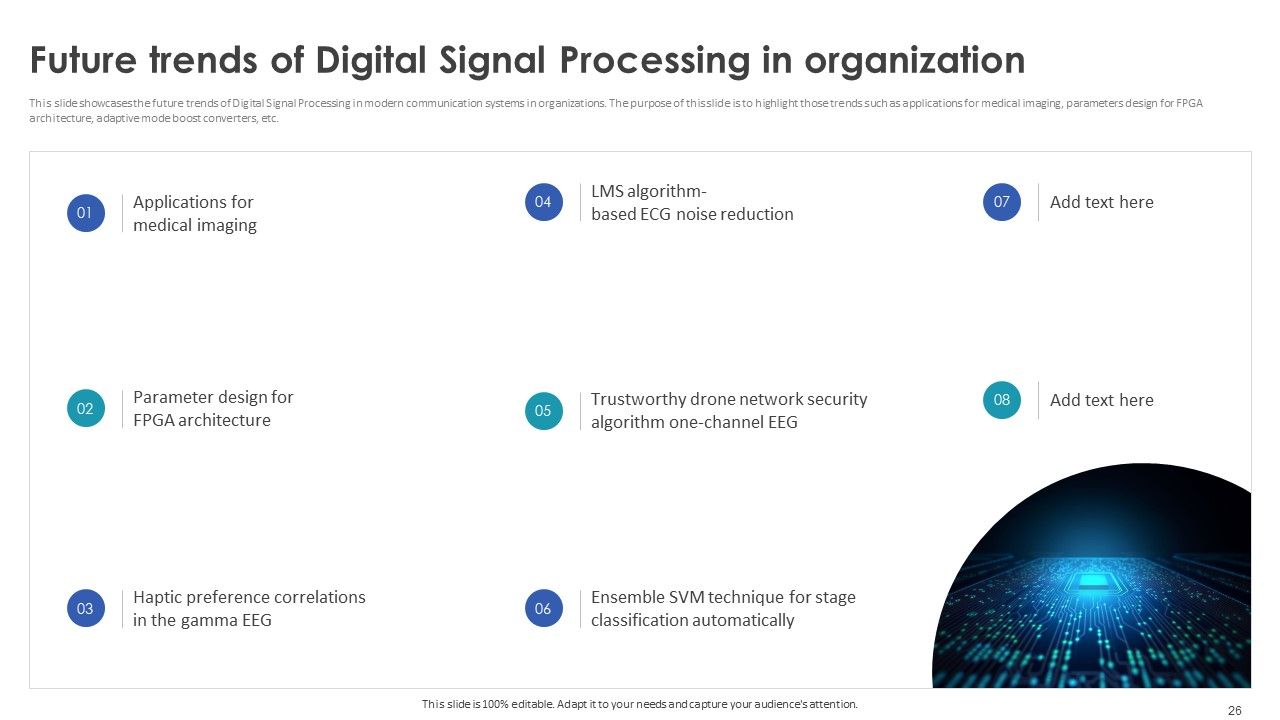
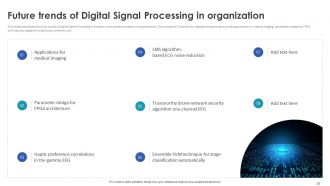
Slide 26: This slide denotes the future trends of Digital Signal Processing in modern communication systems in organizations.
Slide 27: This slide is an introductory slide.
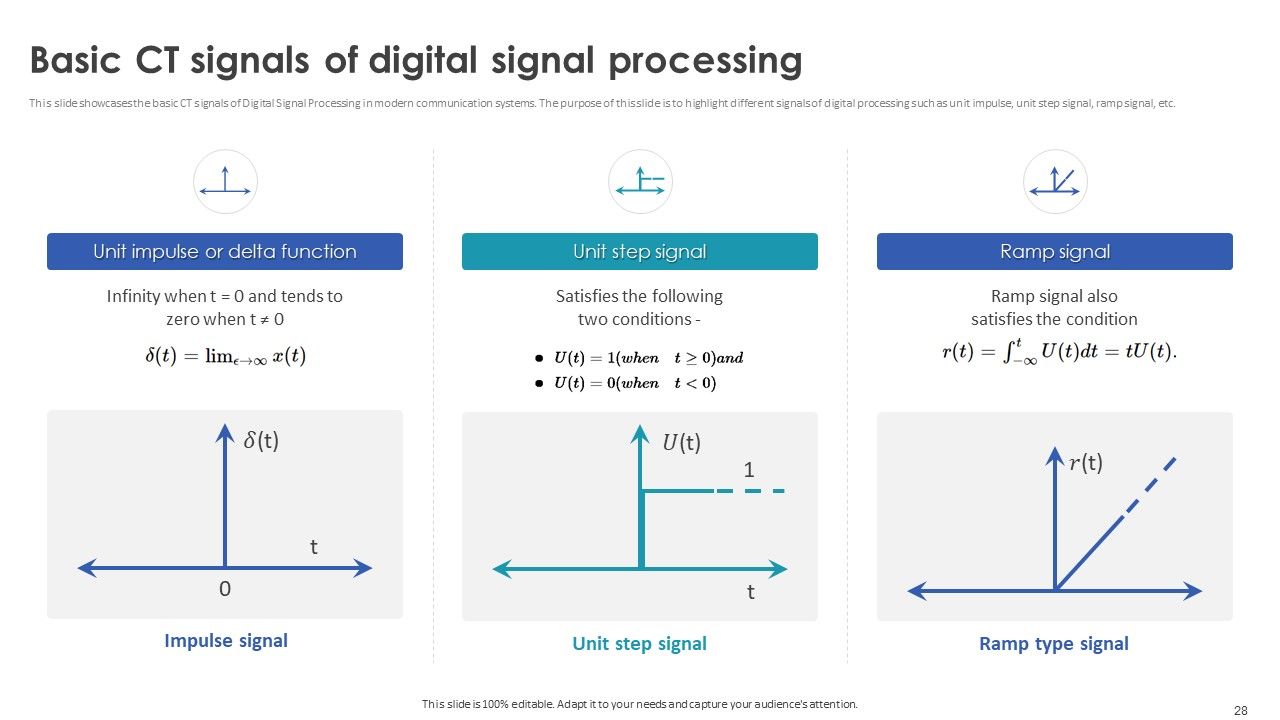
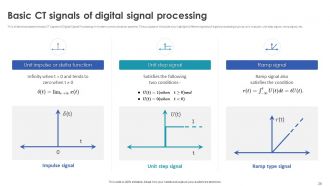
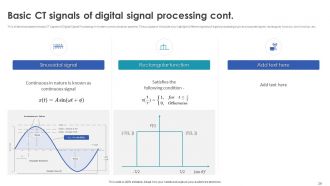
Slide 28: This slide elucidates the basic CT signals of Digital Signal Processing in modern communication systems.
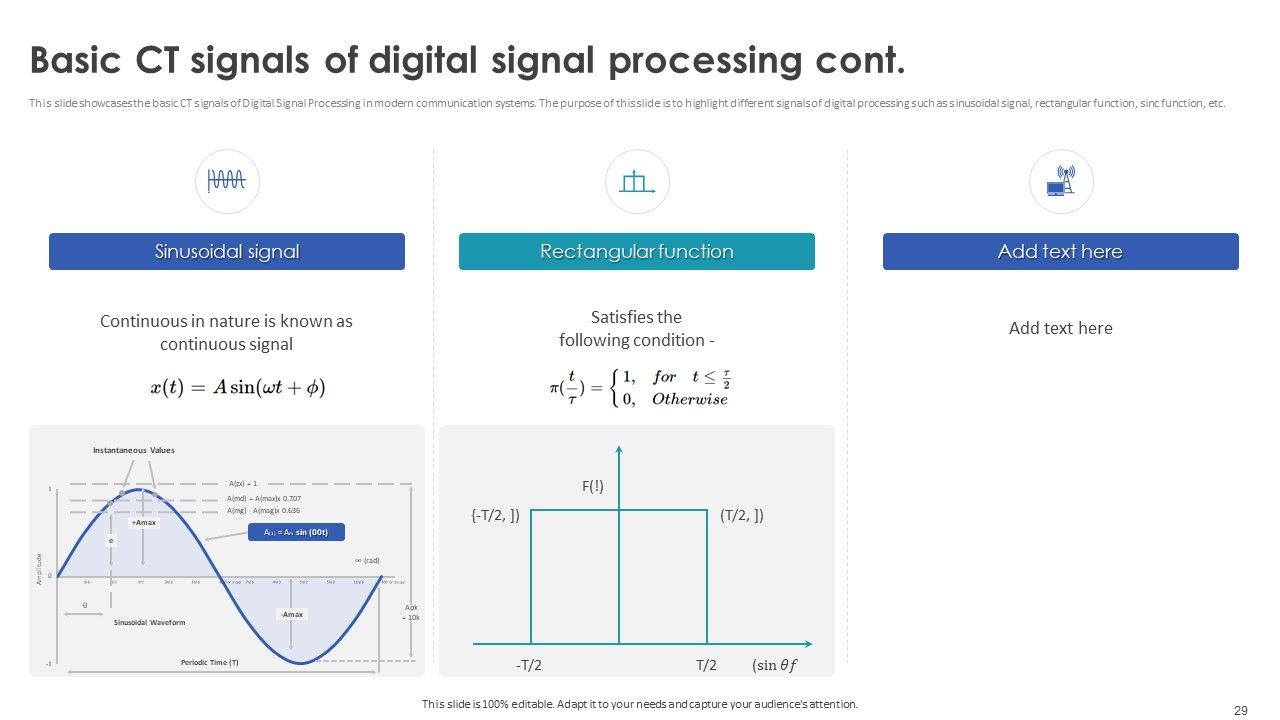
Slide 29: This slide showcases the basic CT signals of Digital Signal Processing in modern communication systems.
Slide 30: This slide is an introductory slide.
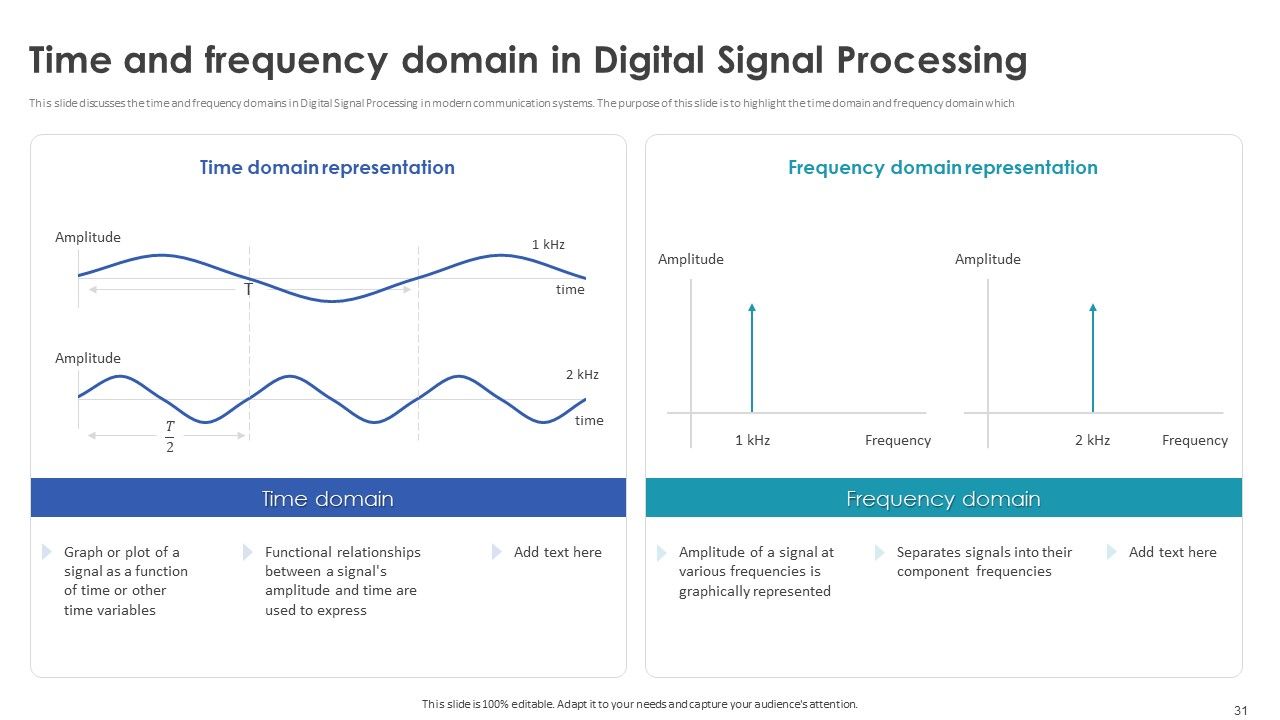
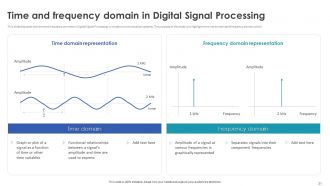
Slide 31: This slide discusses the time and frequency domains in Digital Signal Processing in modern communication systems.
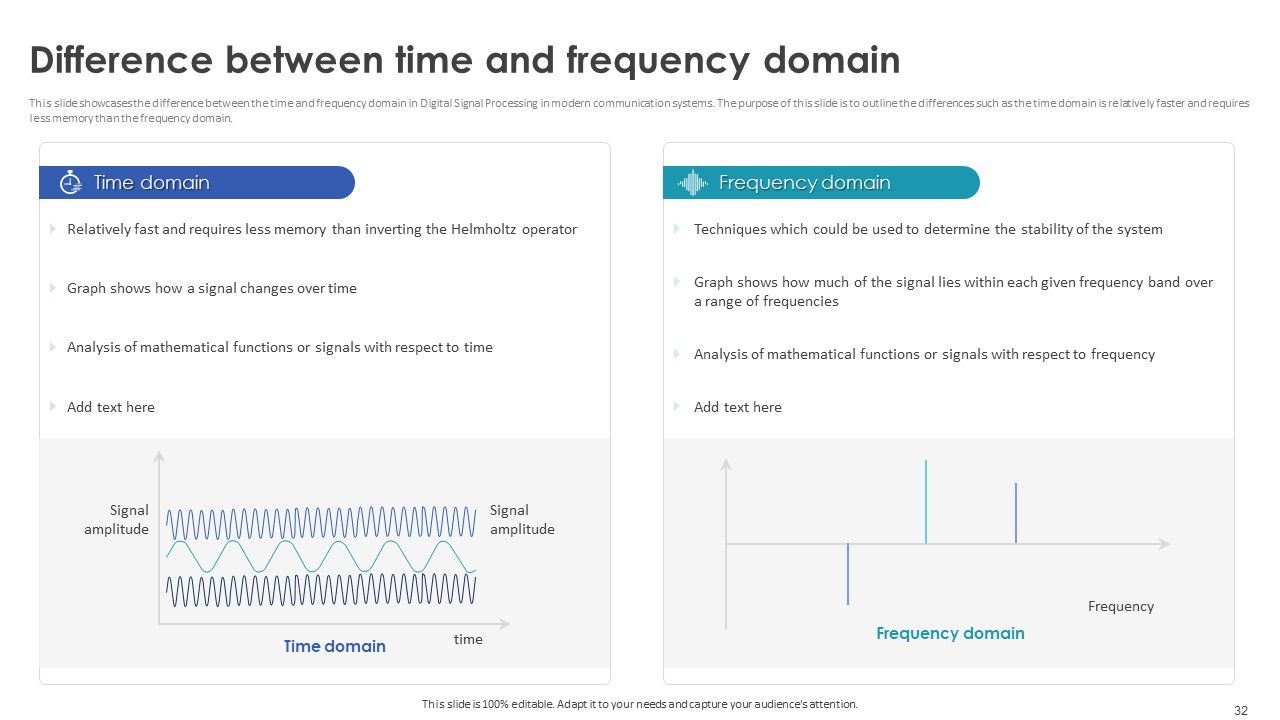
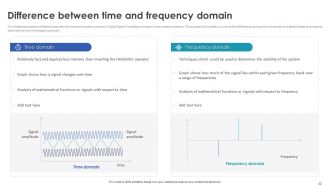
Slide 32: This slide showcases the difference between the time and frequency domain in Digital Signal Processing in modern communication systems.
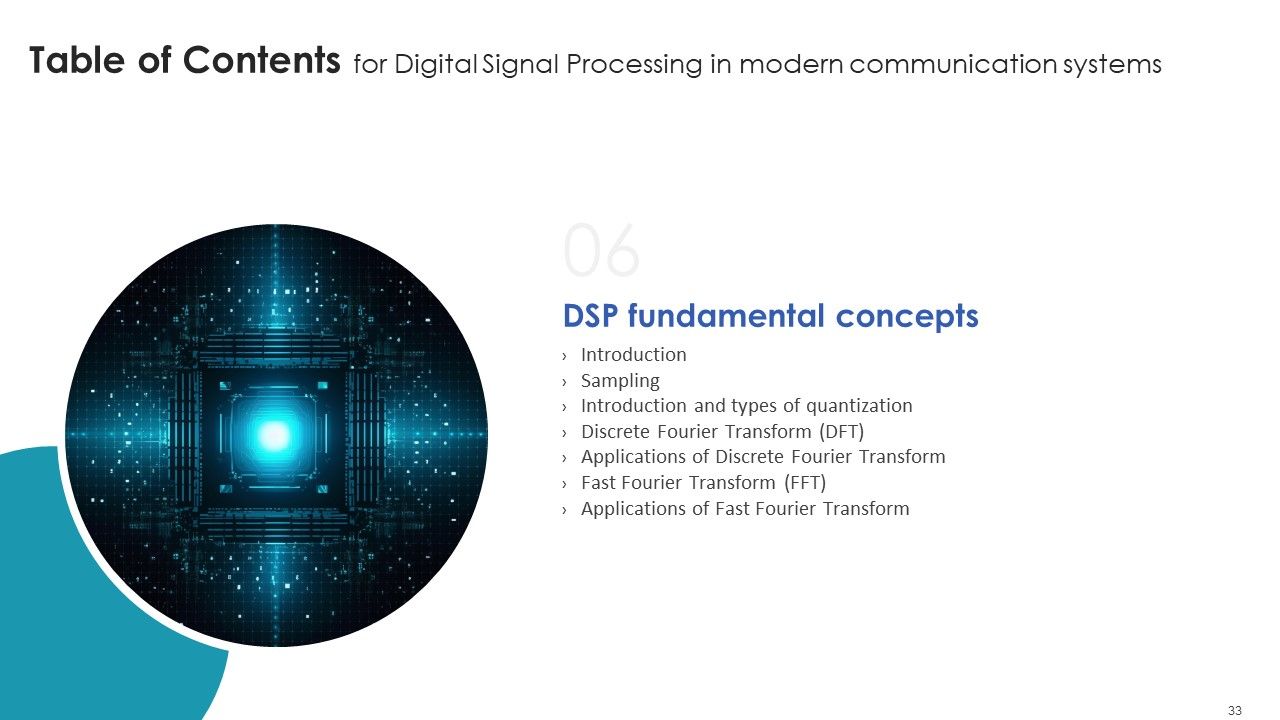
Slide 33: This slide is an introductory slide.
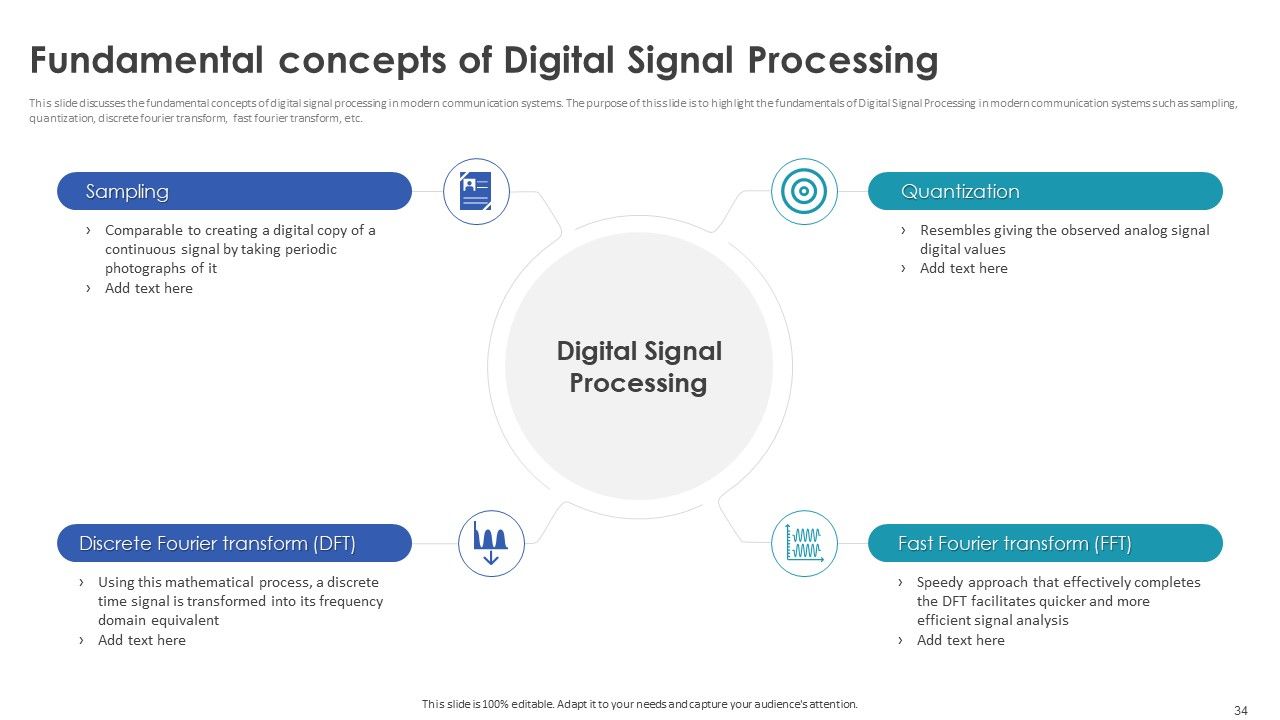
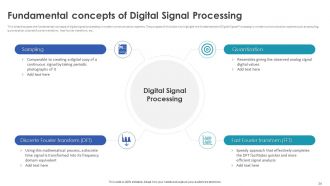
Slide 34: This slide shows the fundamental concepts of digital signal processing in modern communication systems.
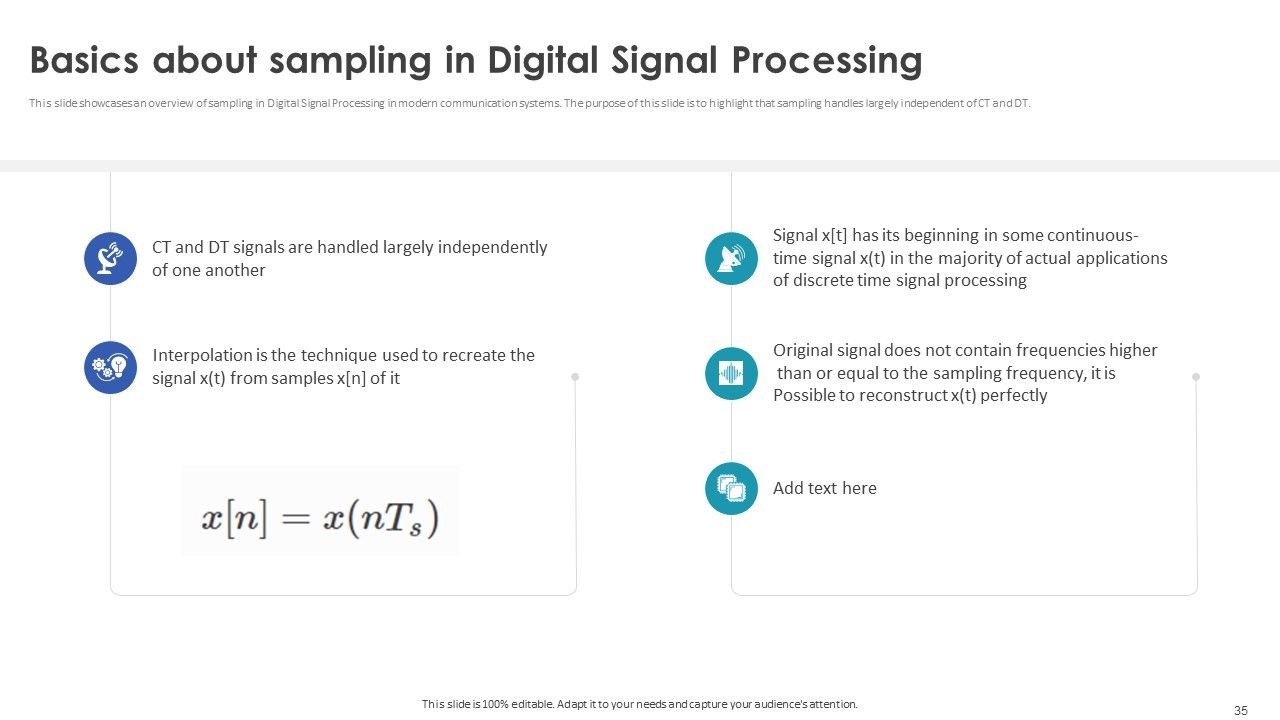
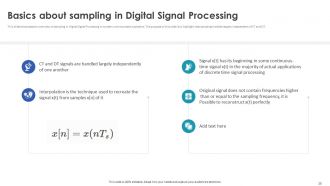
Slide 35: This slide showcases an overview of sampling in Digital Signal Processing in modern communication systems.
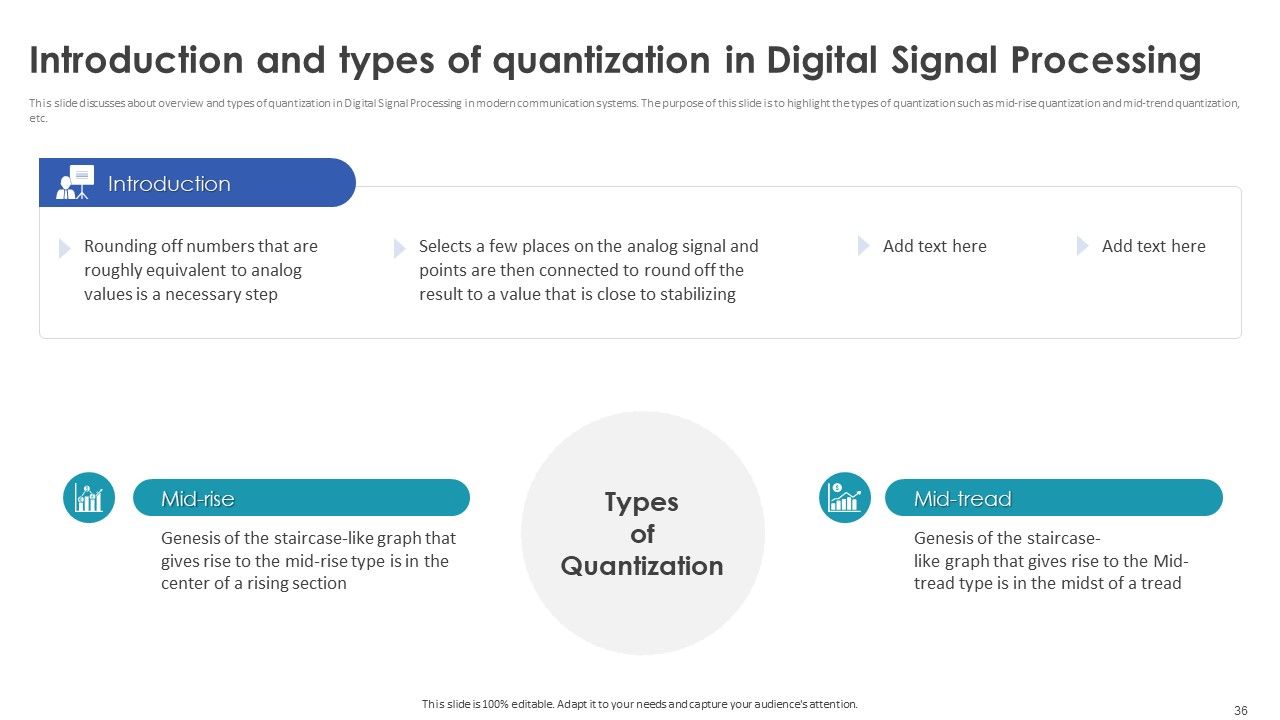
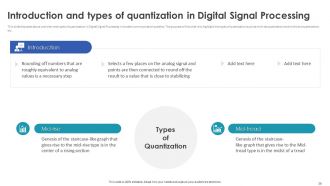
Slide 36: This slide discusses about overview and types of quantization in Digital Signal Processing in modern communication systems.
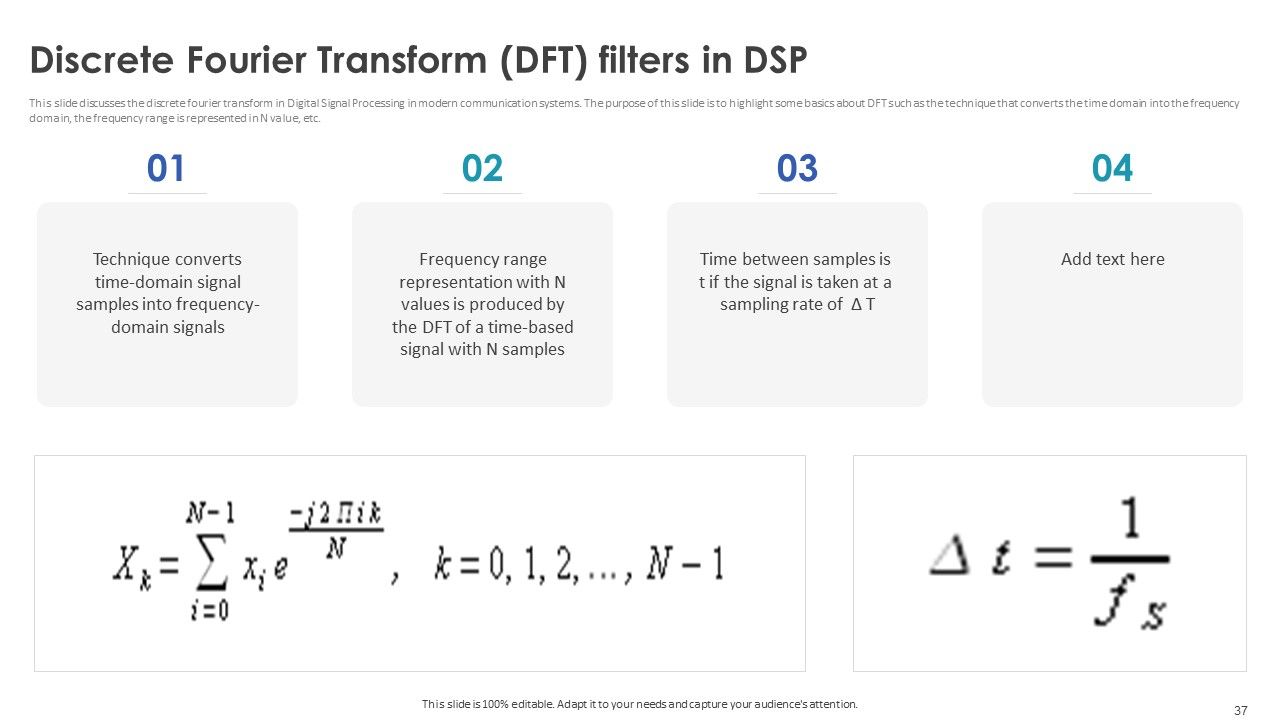
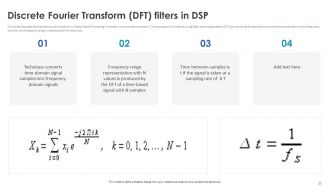
Slide 37: This slide demonstrates the discrete fourier transform in Digital Signal Processing in modern communication systems.
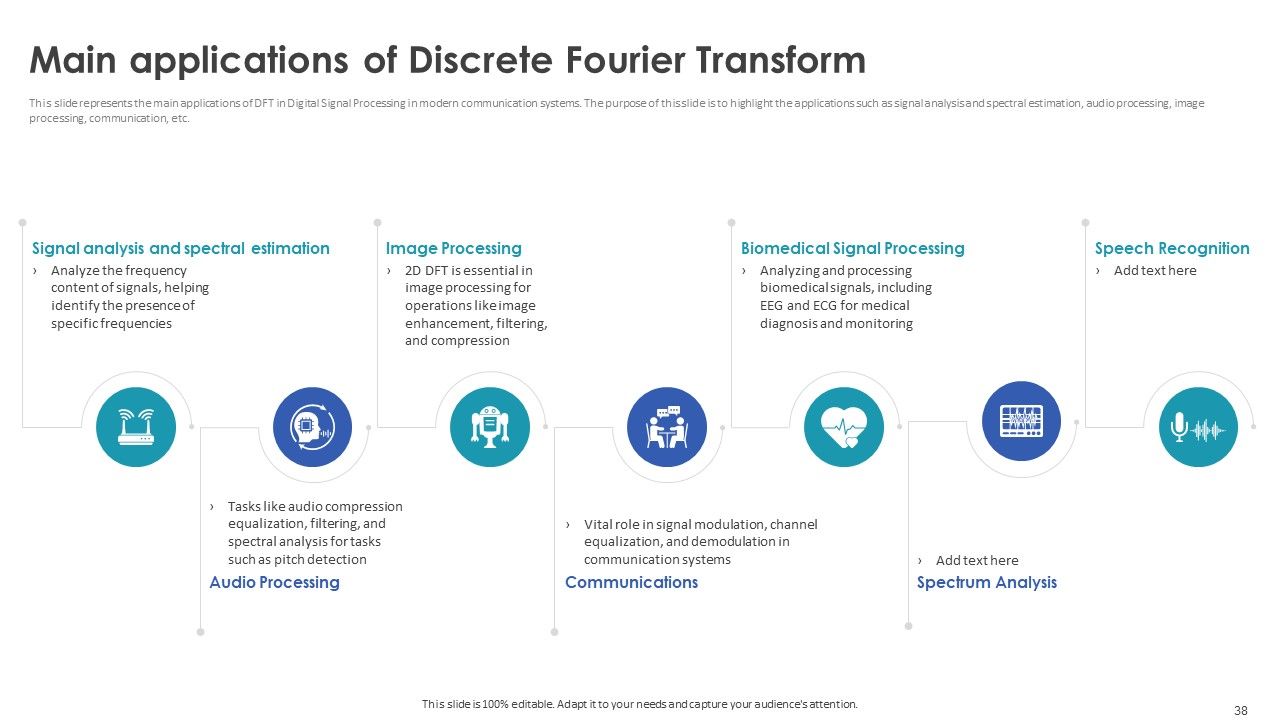
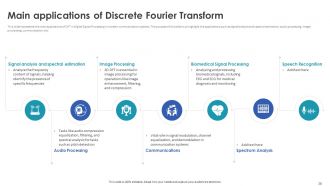
Slide 38: This slide represents the main applications of DFT in Digital Signal Processing in modern communication systems.
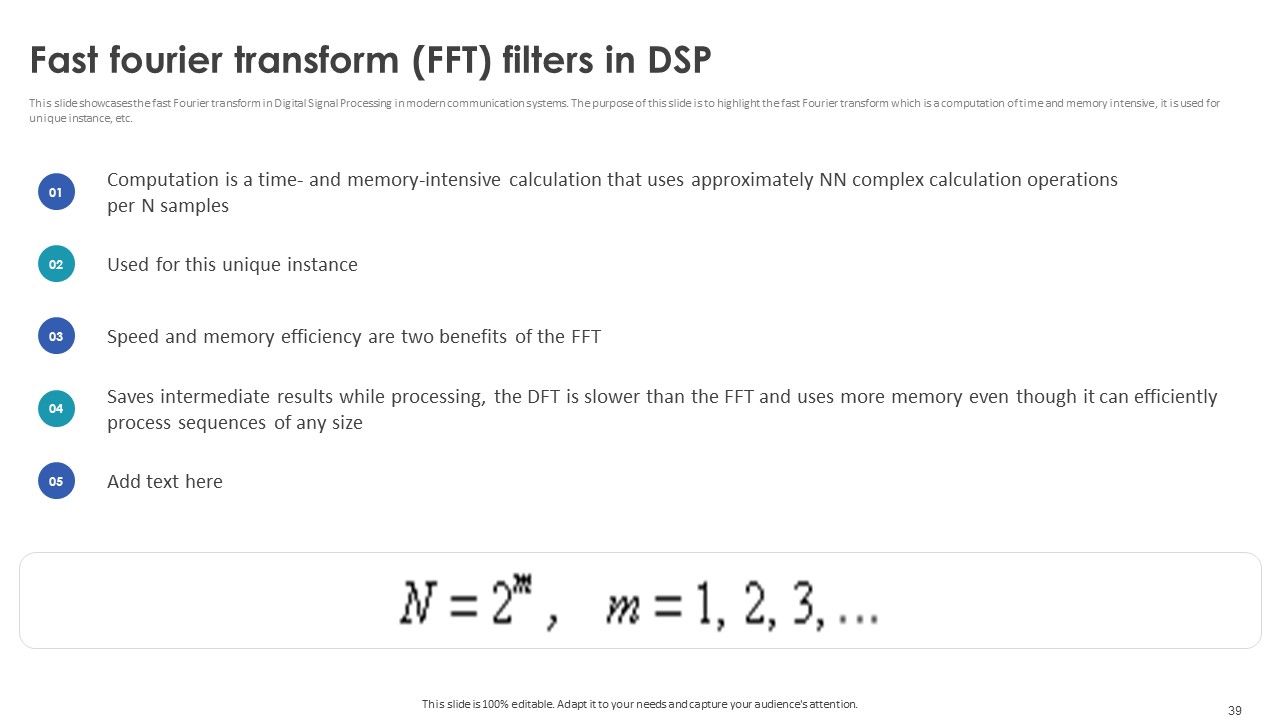
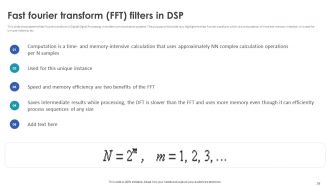
Slide 39: This slide presents the fast Fourier transform in Digital Signal Processing in modern communication systems.
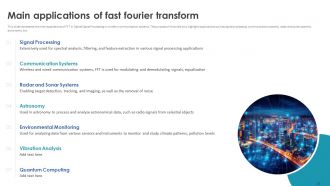
Slide 40: This slide represents the main applications of FFT in Digital Signal Processing in modern communication systems.
Slide 41: This slide is an introductory slide.
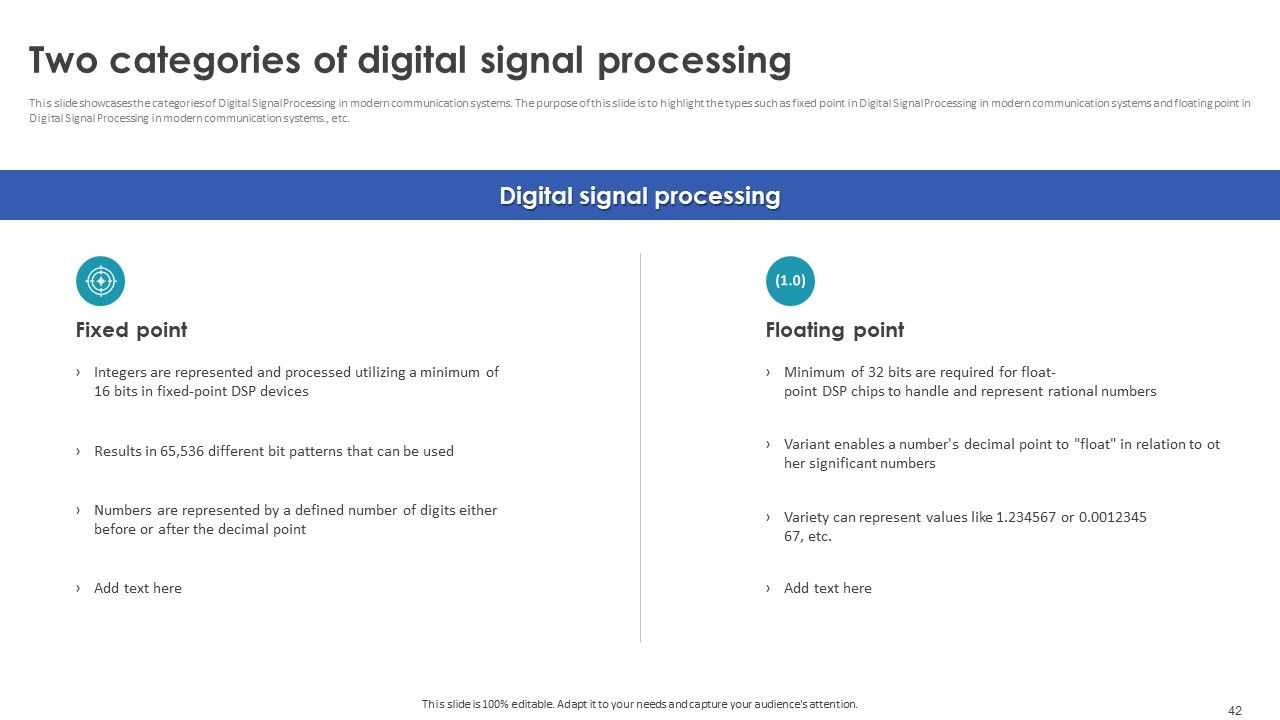
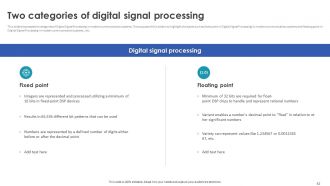
Slide 42: This slide caters to the categories of Digital Signal Processing in modern communication systems.
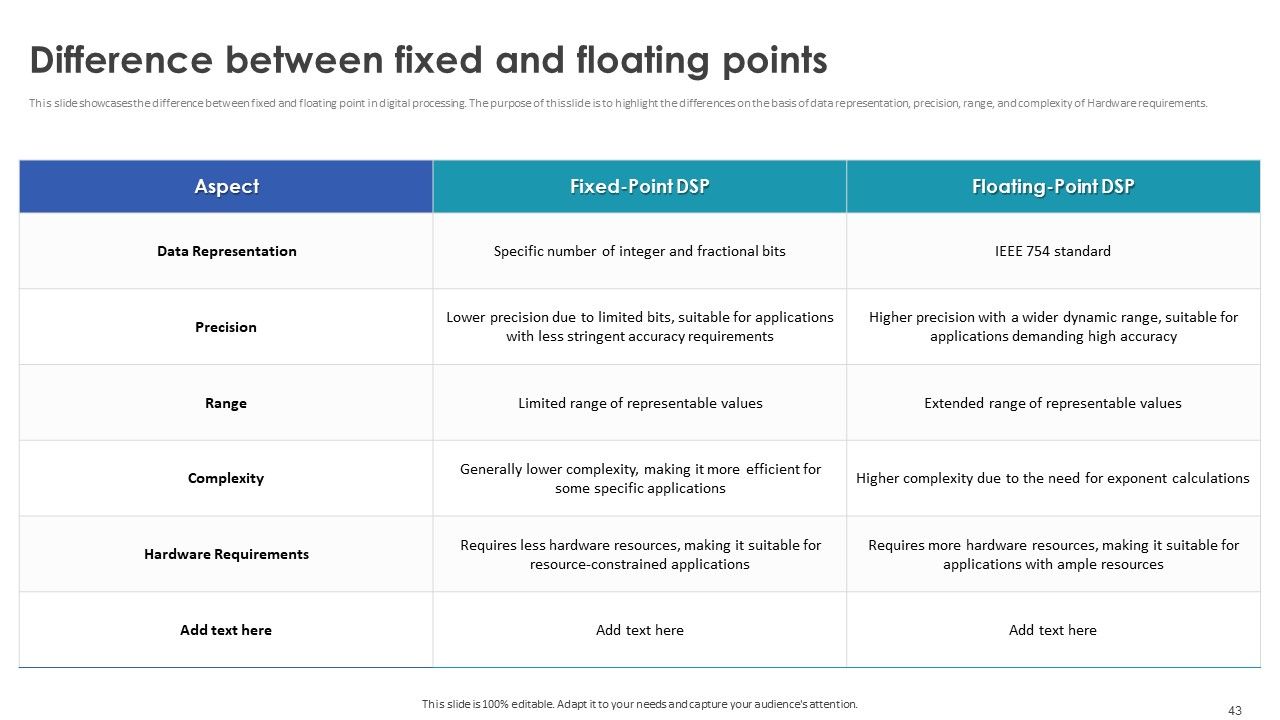
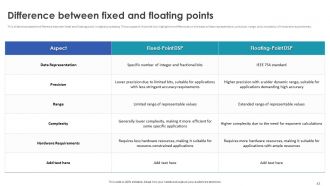
Slide 43: This slide contains the difference between fixed and floating point in digital processing.
Slide 44: This slide is an introductory slide.
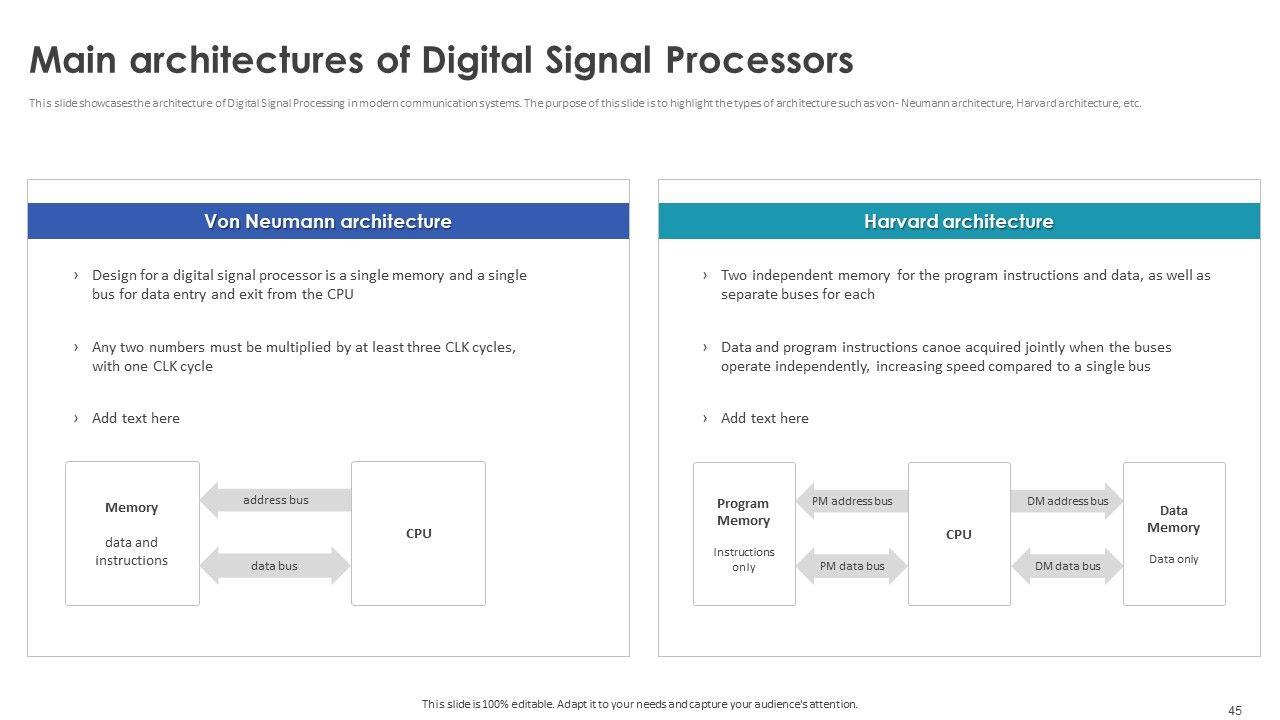
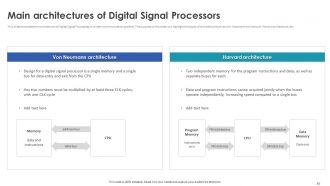
Slide 45: This slide consists the architecture of Digital Signal Processing in modern communication systems.
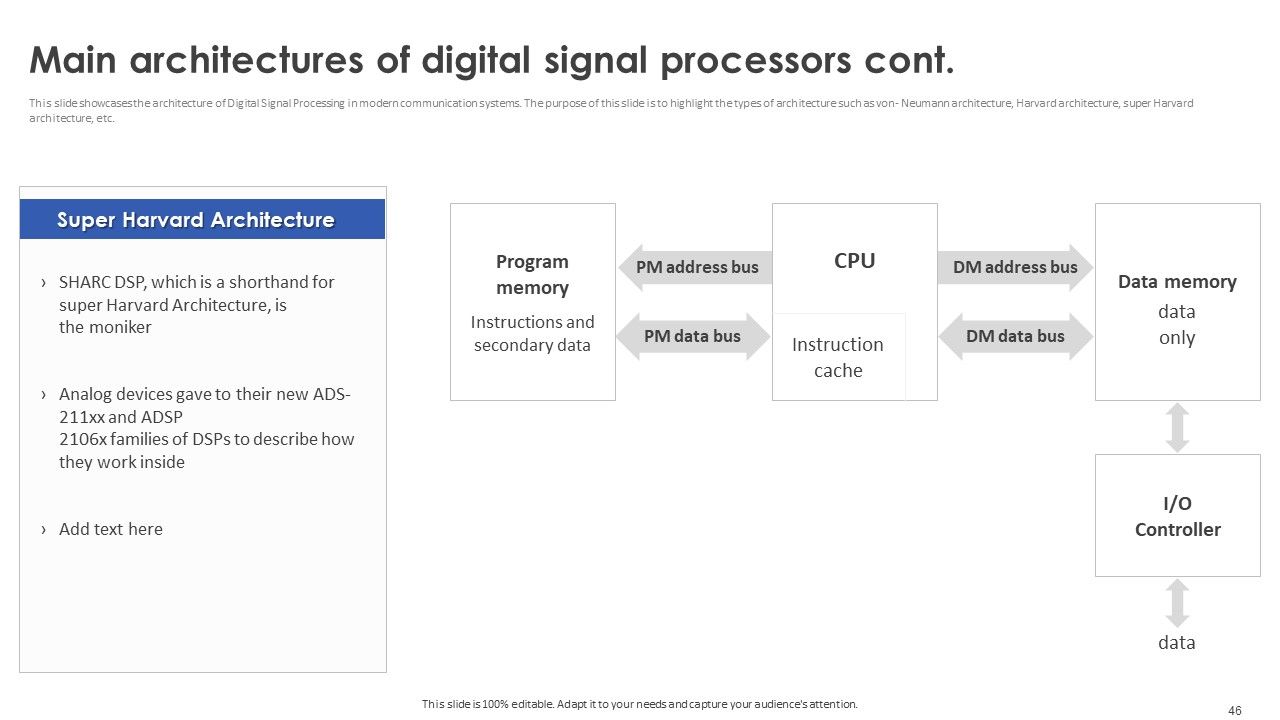
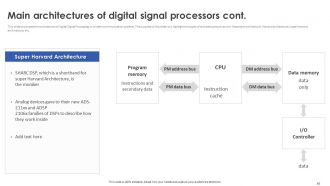
Slide 46: This slide showcases the architecture of Digital Signal Processing in modern communication systems.
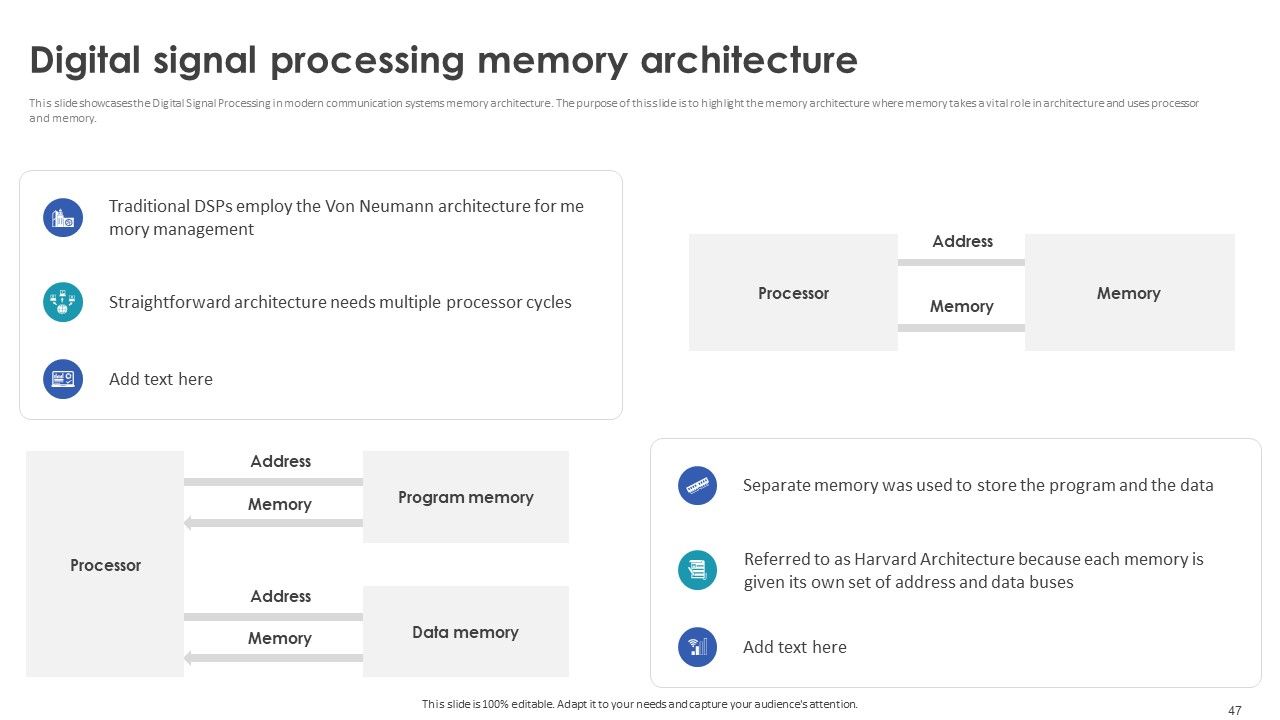
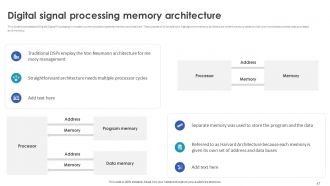
Slide 47: This slide shows the Digital Signal Processing in modern communication systems memory architecture.
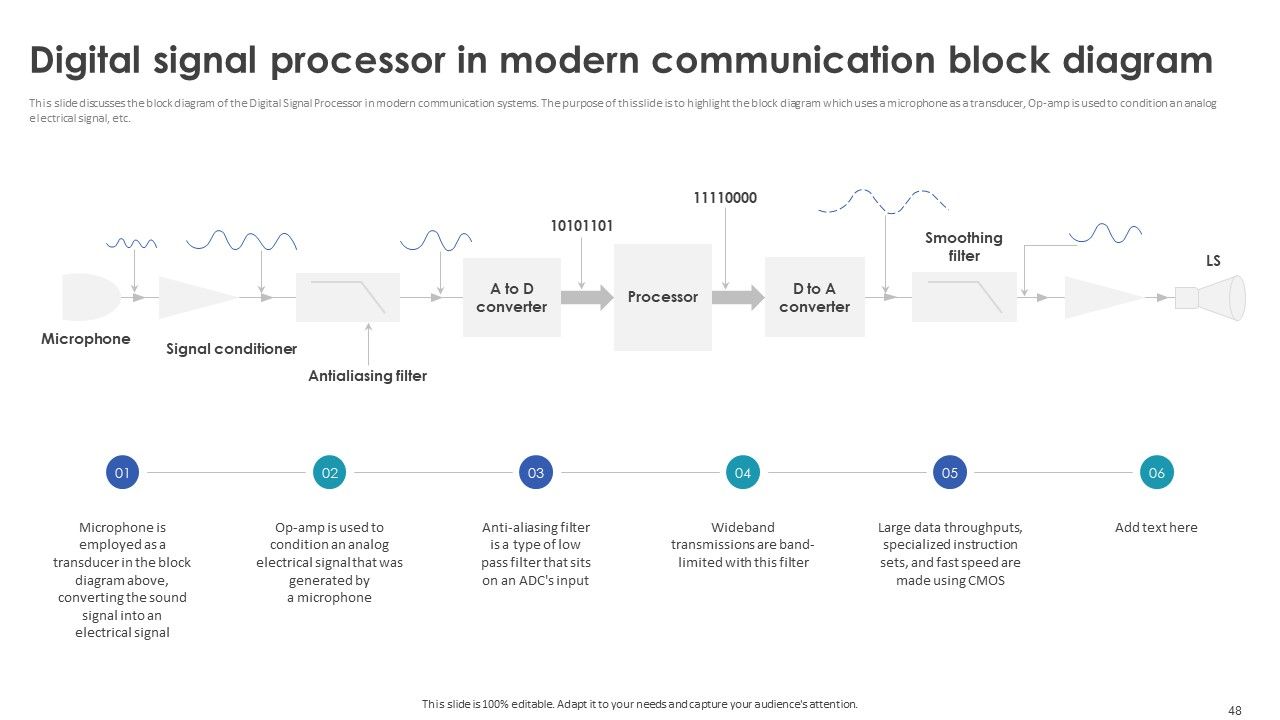
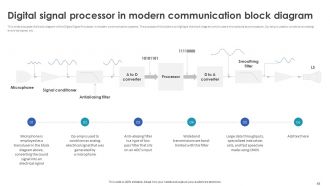
Slide 48: This slide pertains to the block diagram of the Digital Signal Processor in modern communication systems.
Slide 49: This slide is an introductory slide.
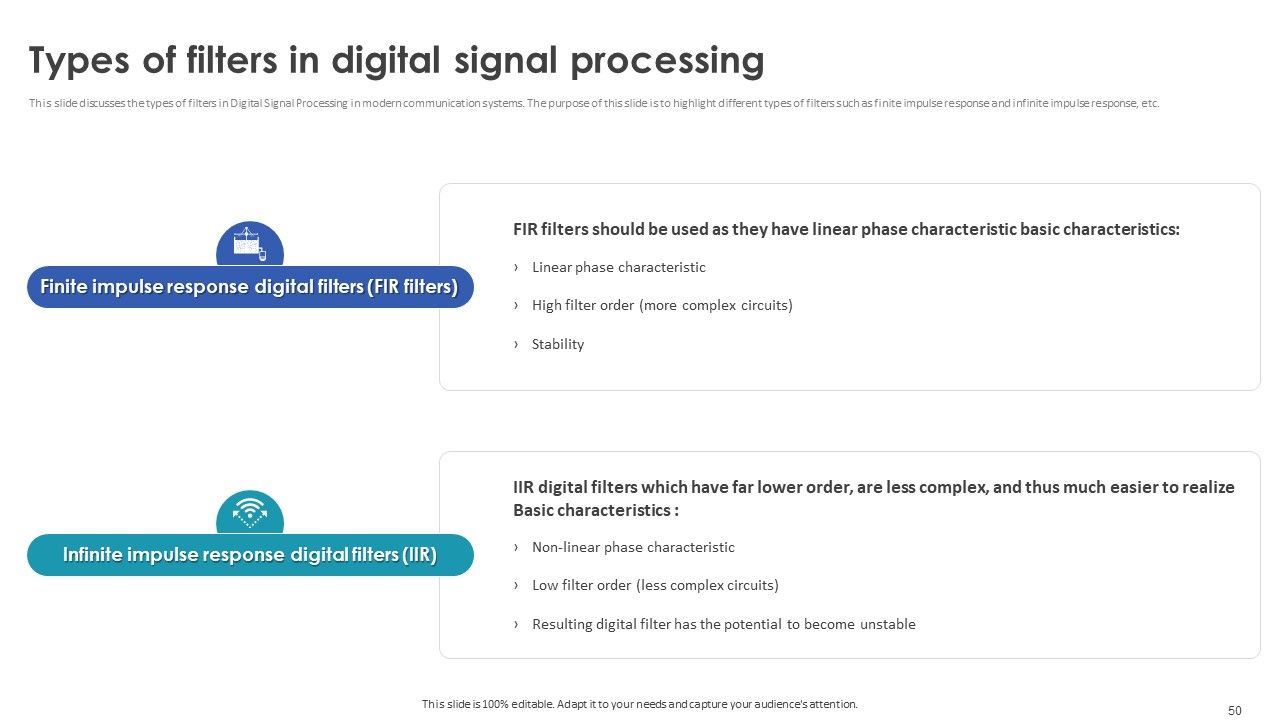
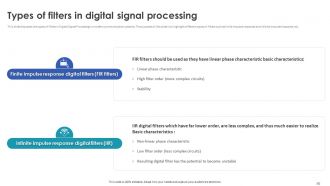
Slide 50: This slide discusses the types of filters in Digital Signal Processing in modern communication systems.
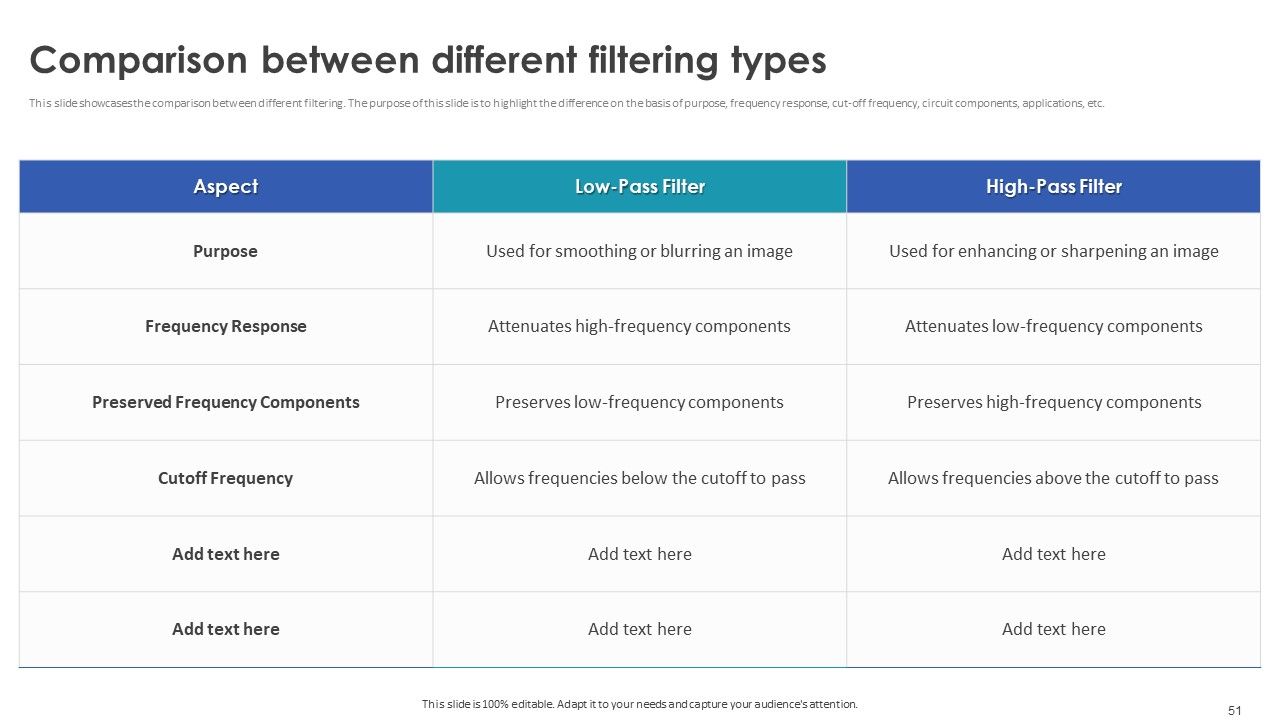
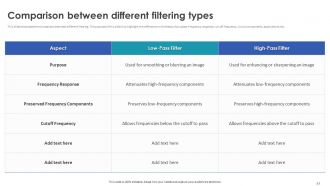
Slide 51: This slide demonstrates the comparison between different filtering.
Slide 52: This slide is an introductory slide.
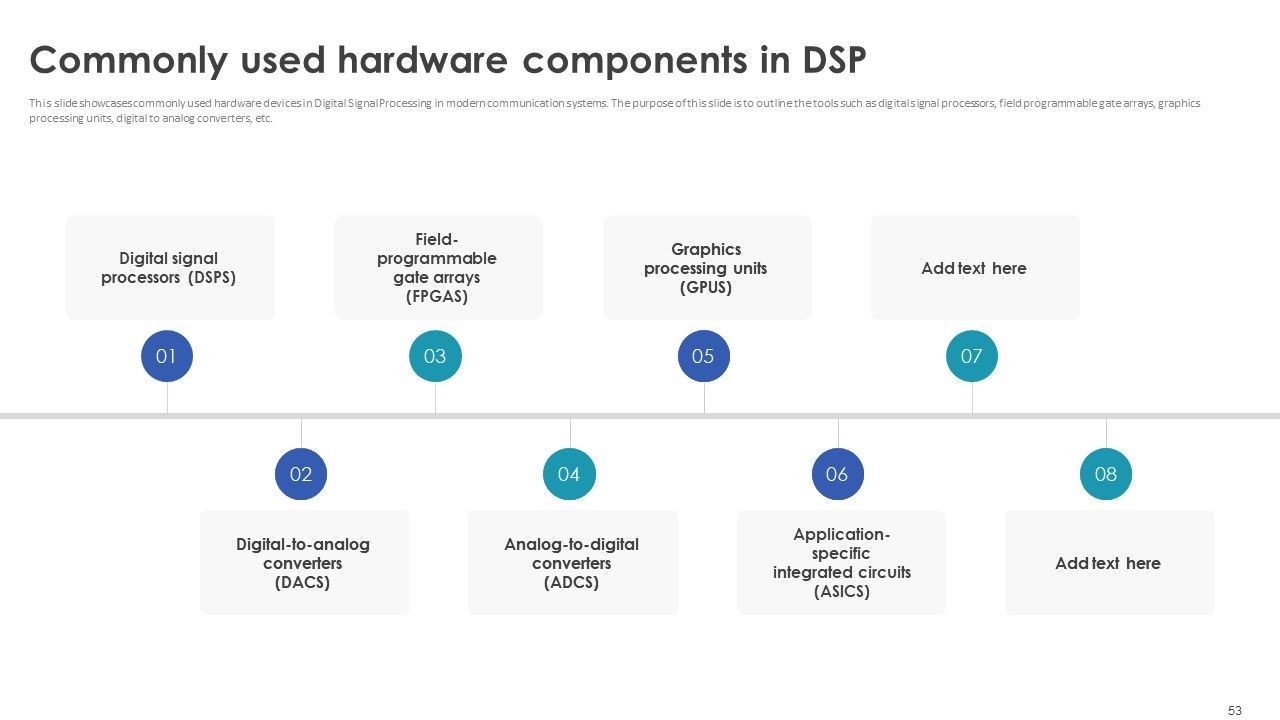
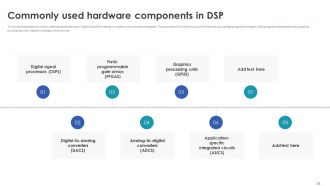
Slide 53: This slide elucidates commonly used hardware devices in Digital Signal Processing in modern communication systems.
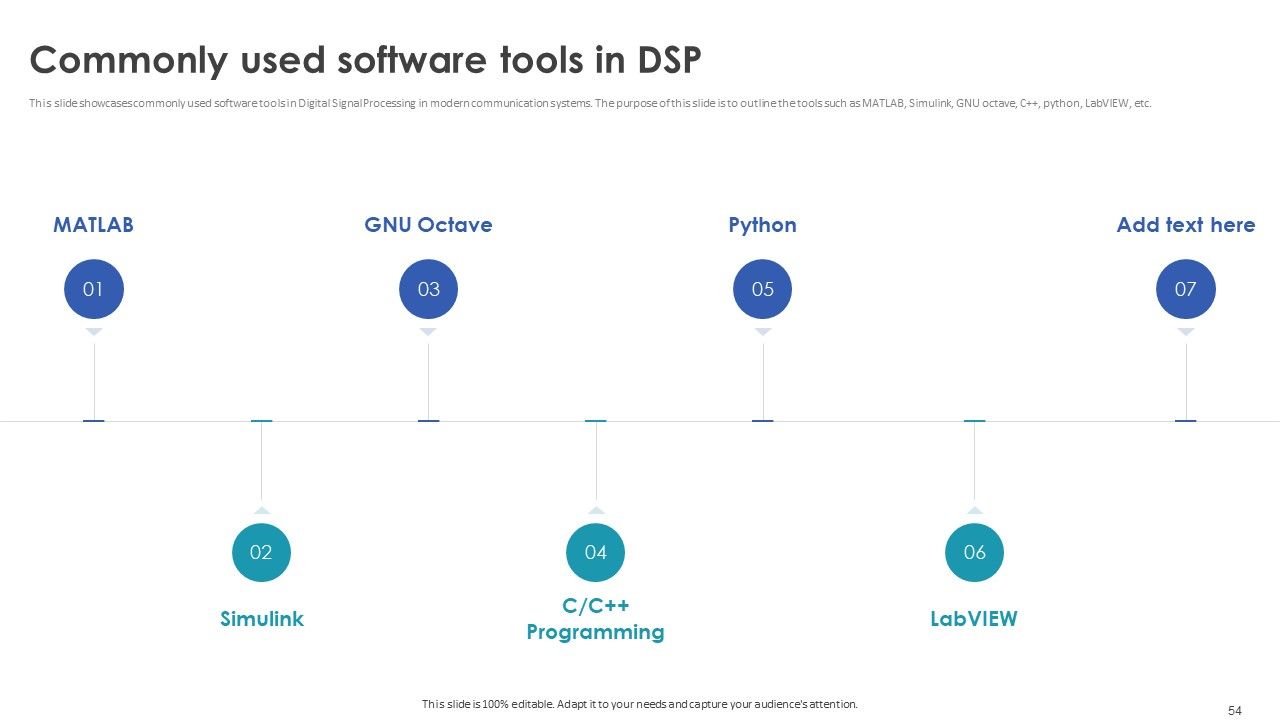
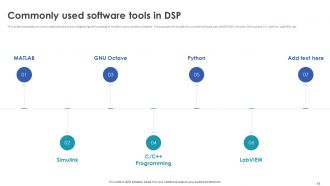
Slide 54: This slide outlines commonly used software tools in Digital Signal Processing in modern communication systems.
Slide 55: This slide is an introductory slide.
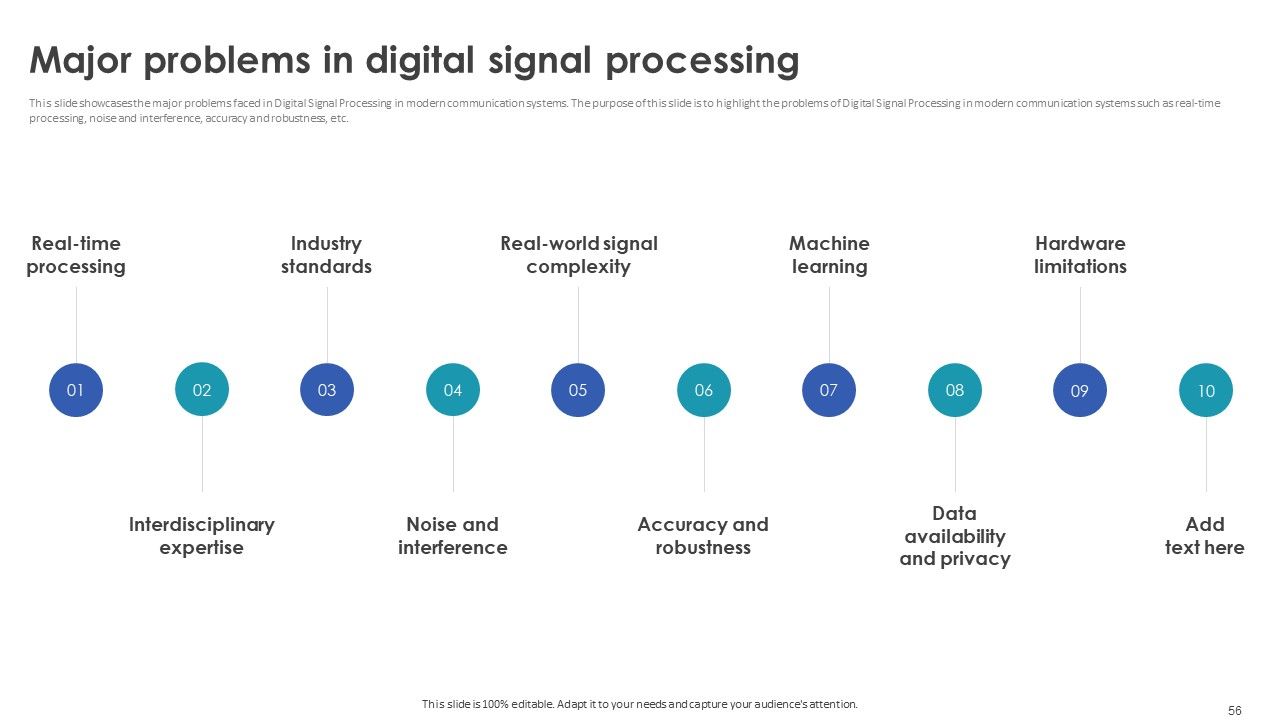
Slide 56: This slide portrays the major problems faced in Digital Signal Processing in modern communication systems.
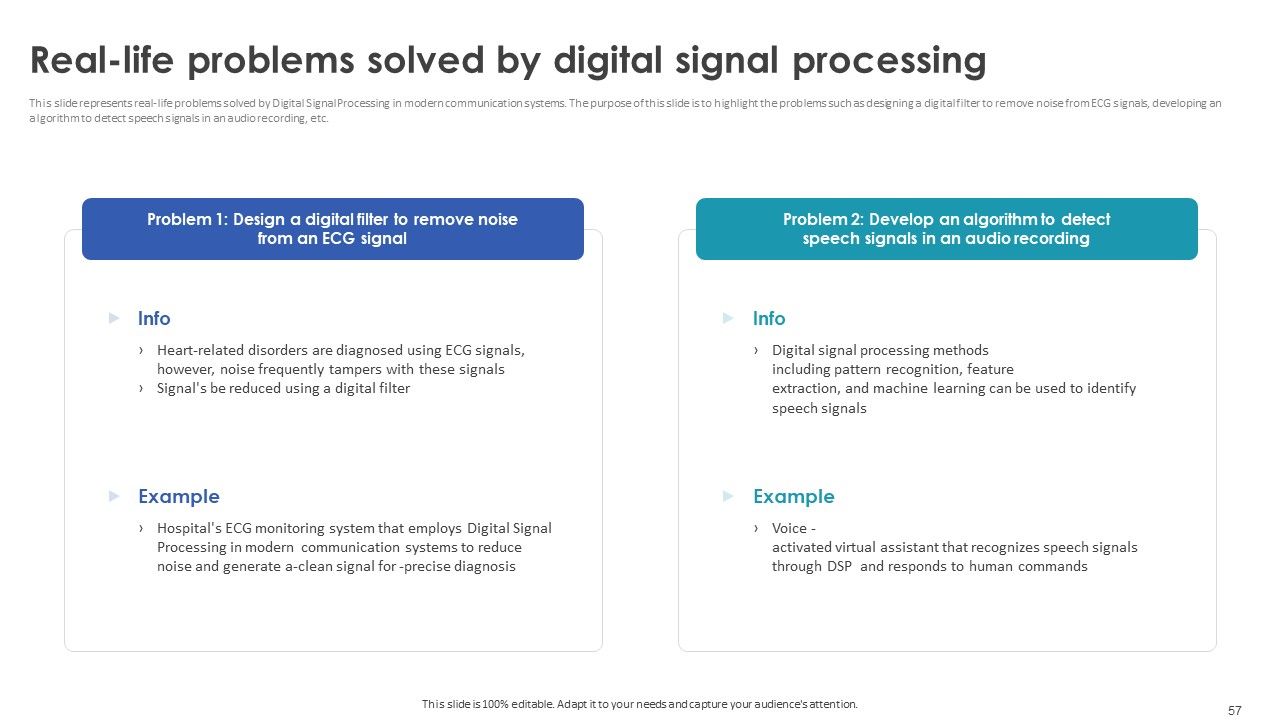
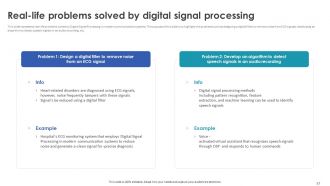
Slide 57: This slide pertains to real-life problems solved by Digital Signal Processing in modern communication systems.
Slide 58: This slide is an introductory slide.
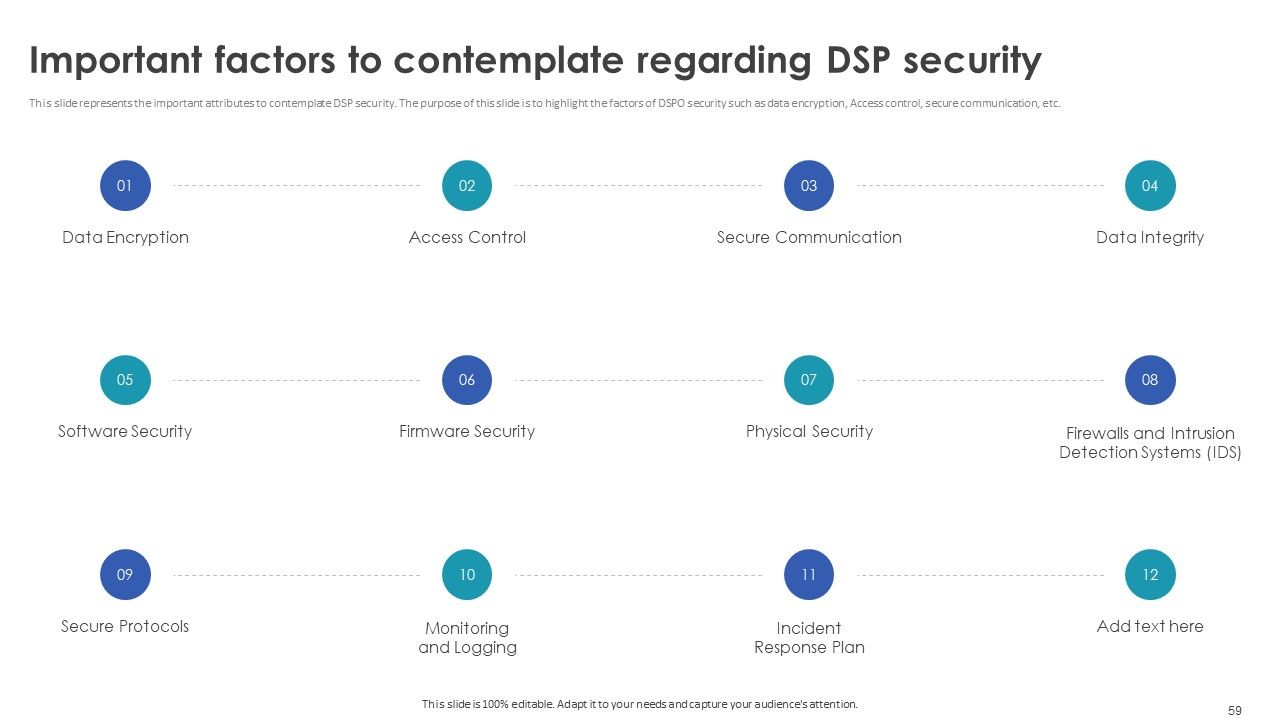
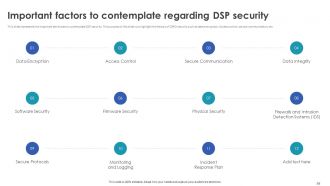
Slide 59: This slide concludes the important attributes to contemplate DSP security.
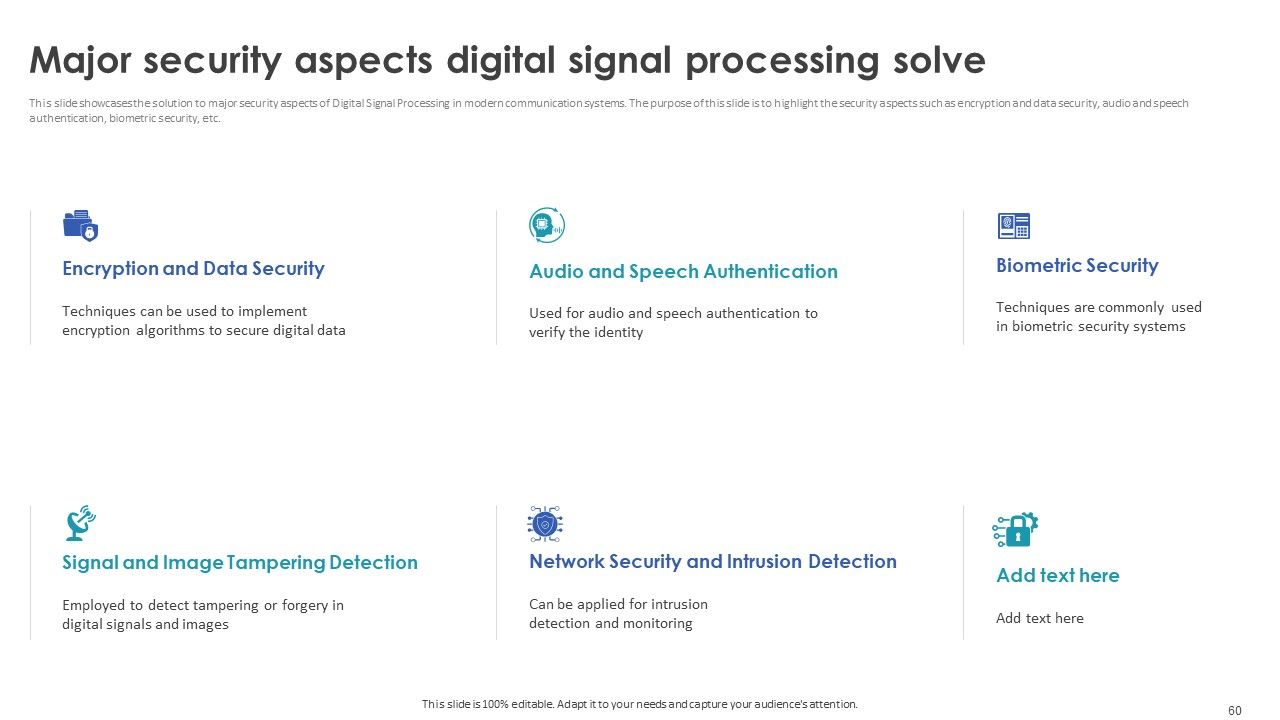
Slide 60: This slide highlights the solution to major security aspects of Digital Signal Processing in modern communication systems.
Slide 61: This slide is an introductory slide.
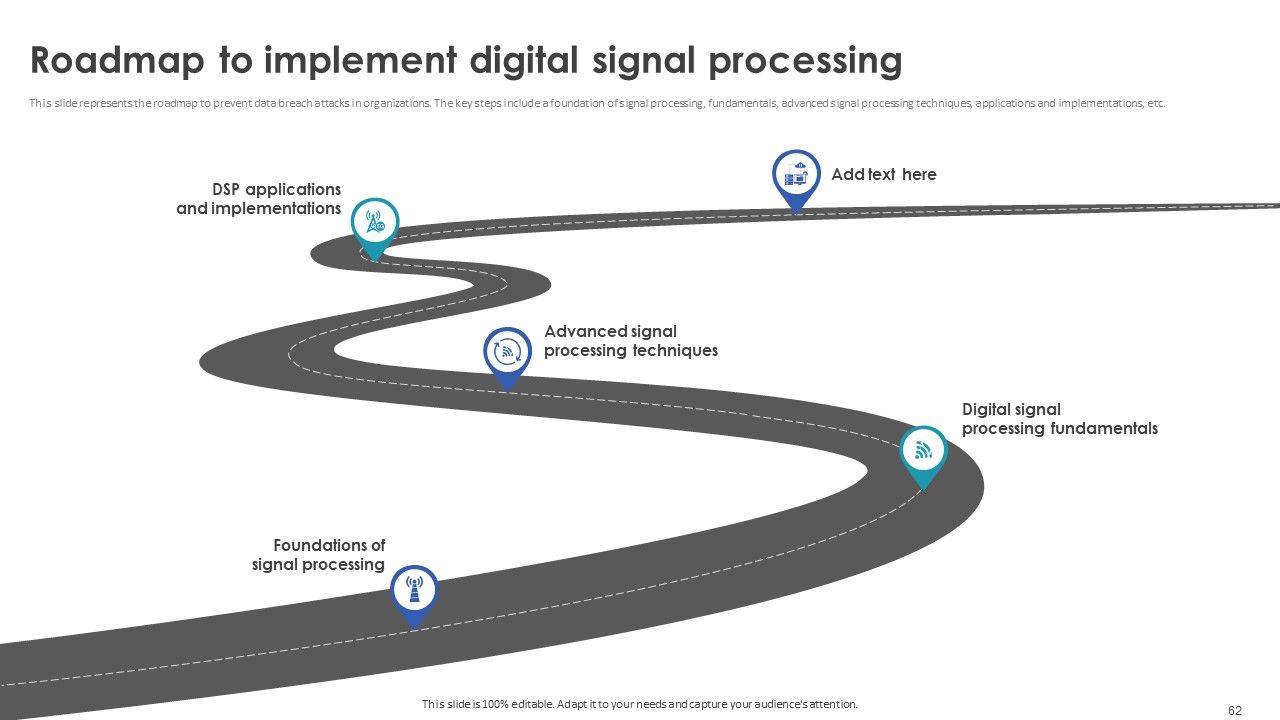
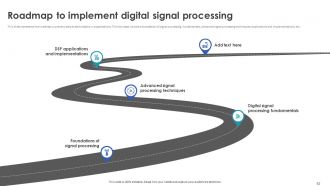
Slide 62: This slide illustrates the roadmap to prevent data breach attacks in organizations.
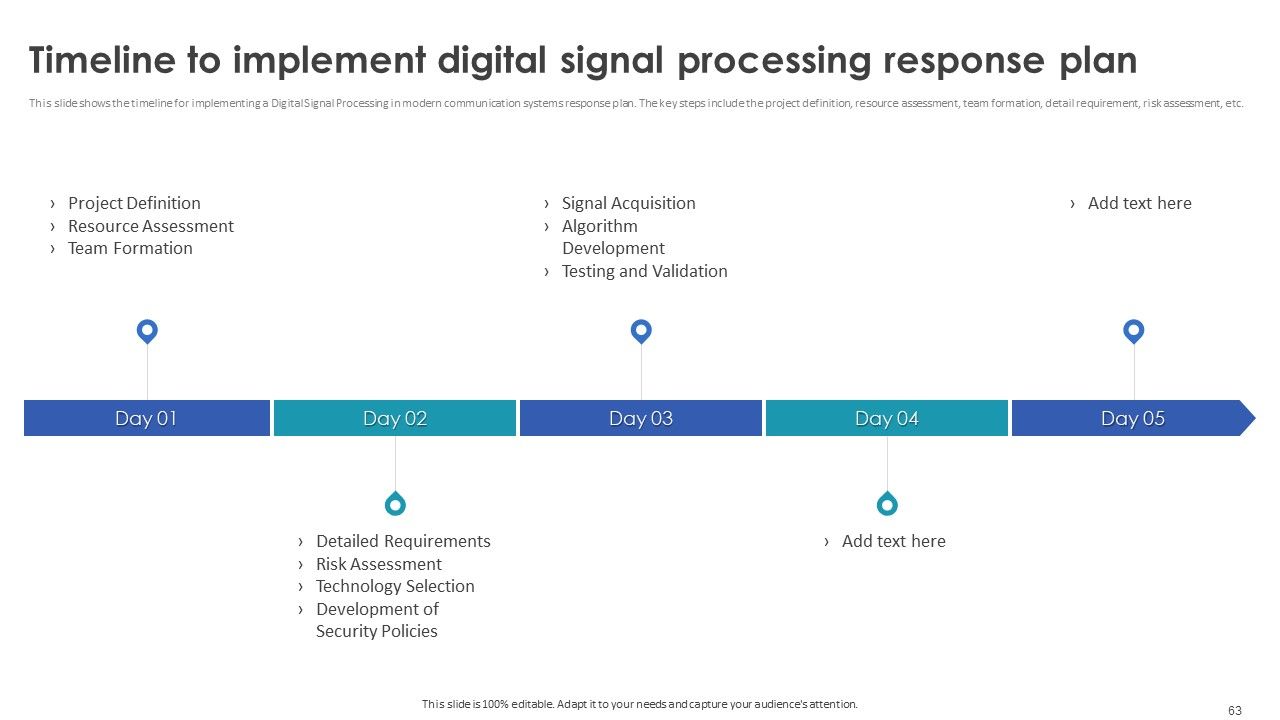
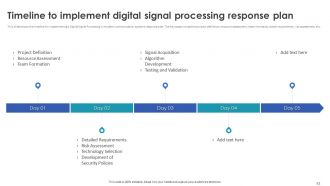
Slide 63: This slide shows the timeline for implementing a Digital Signal Processing in modern communication systems response plan.
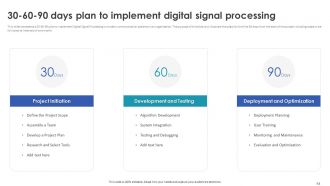
Slide 64: This slide represents a 30-60-90 plan to implement Digital Signal Processing in modern communication systems in an organization.
Slide 65: This slide is an introductory slide.
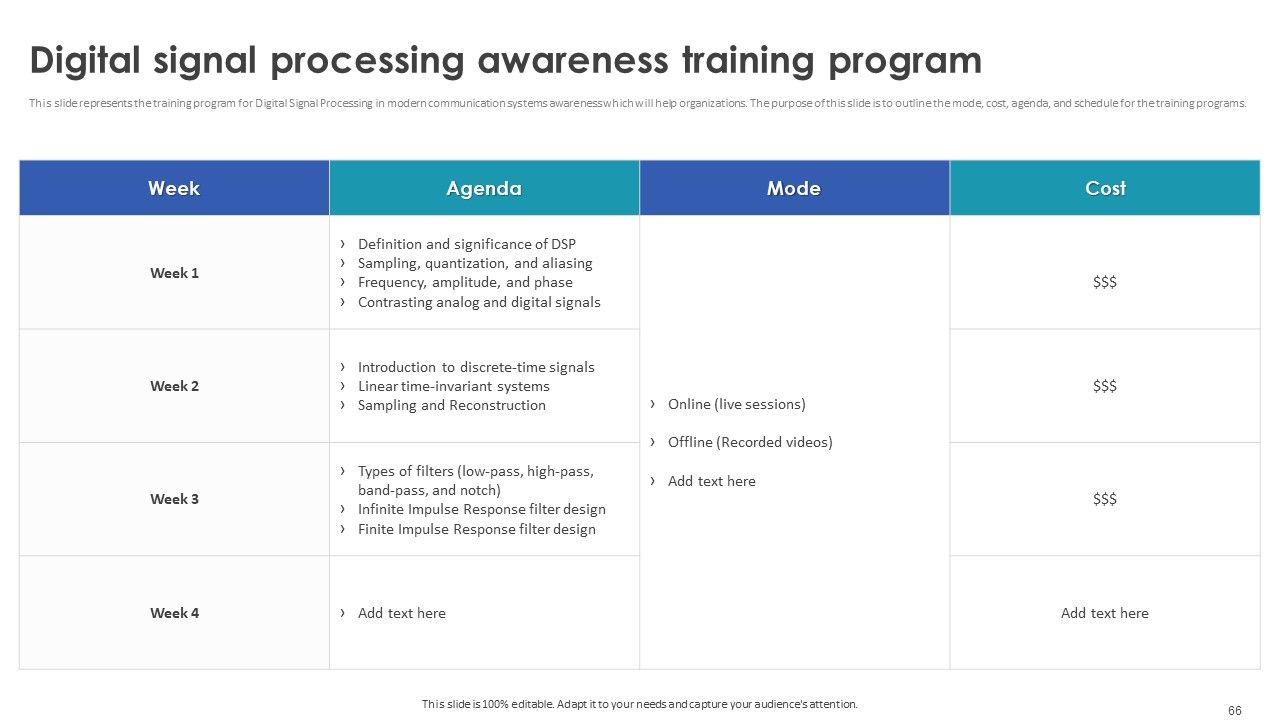
Slide 66: This slide demarcates the training program for Digital Signal Processing in modern communication systems awareness which will help organizations.
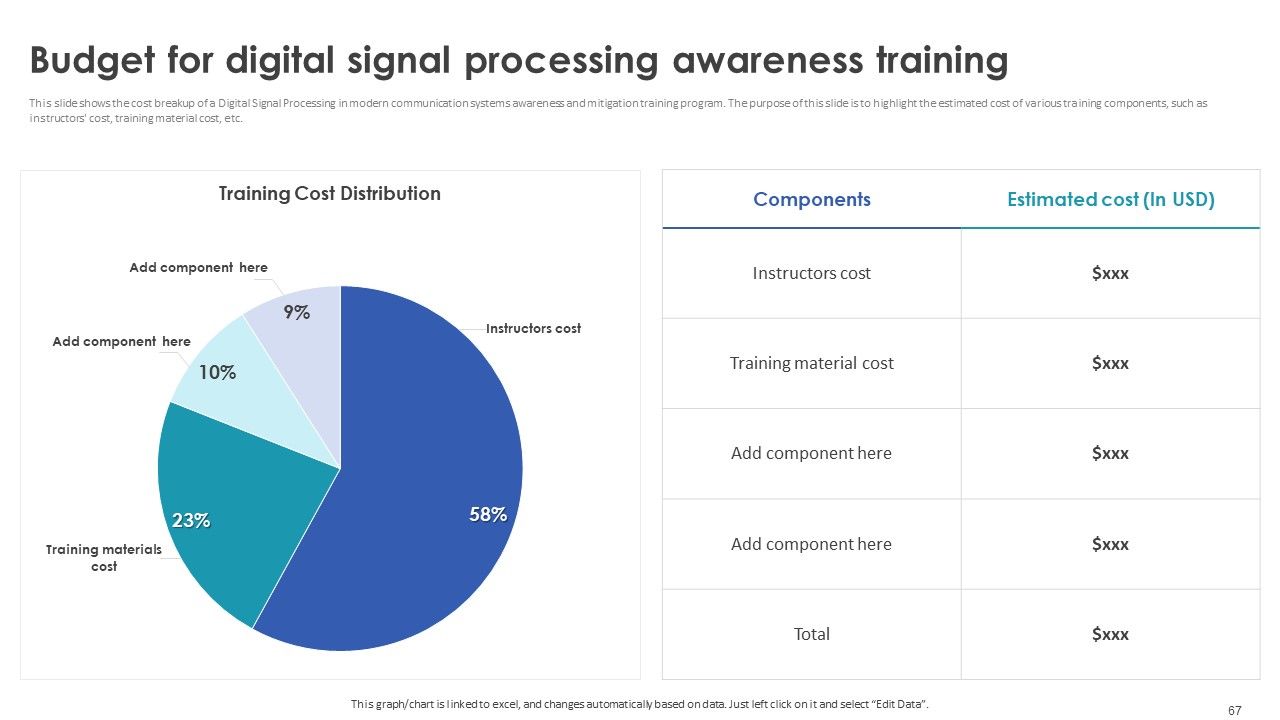
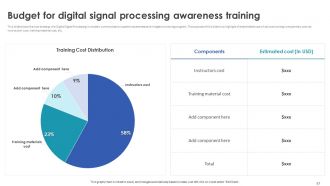
Slide 67: This slide puts the cost breakup of a Digital Signal Processing in modern communication systems awareness and mitigation training program.
Slide 68: This slide is an introductory slide.
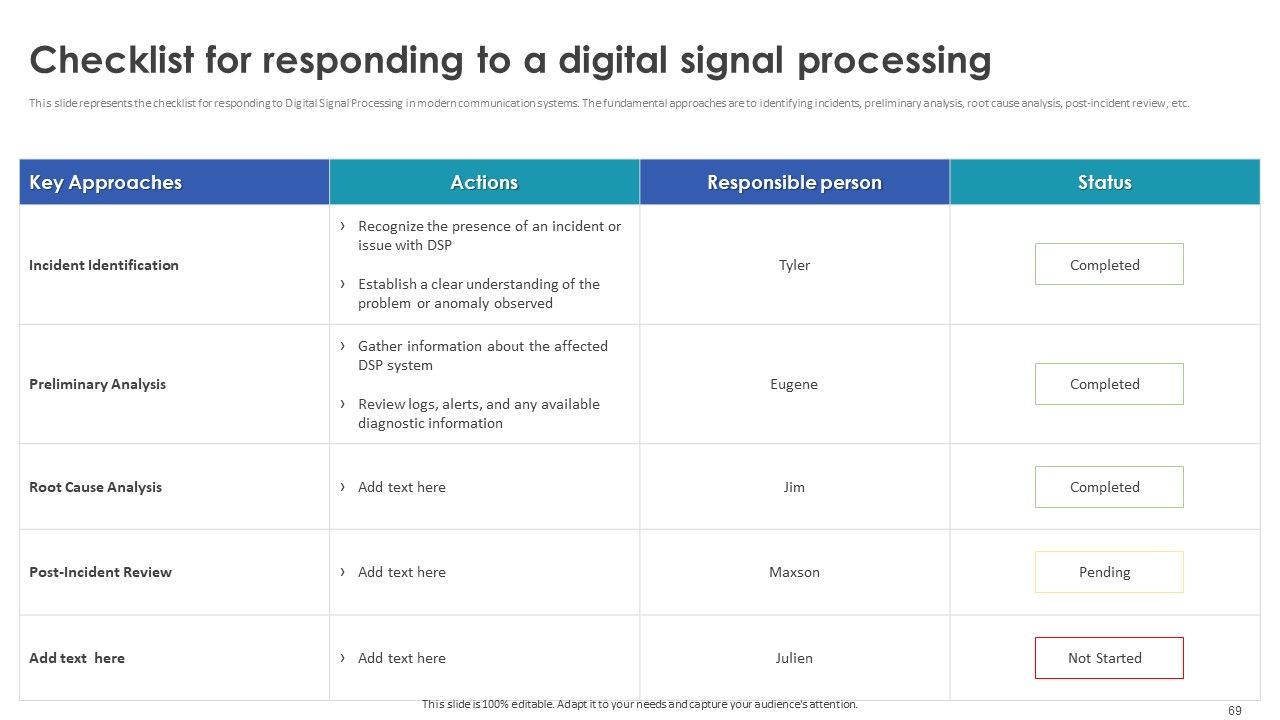
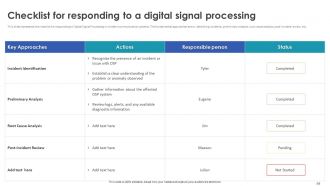
Slide 69: This slide elucidates the checklist for responding to Digital Signal Processing in modern communication systems.
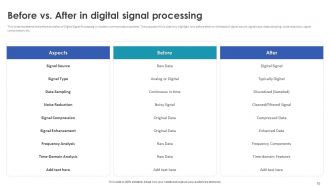
Slide 70: This slide represents the before and after of Digital Signal Processing in modern communication systems.
Slide 71: This slide is an introductory slide.
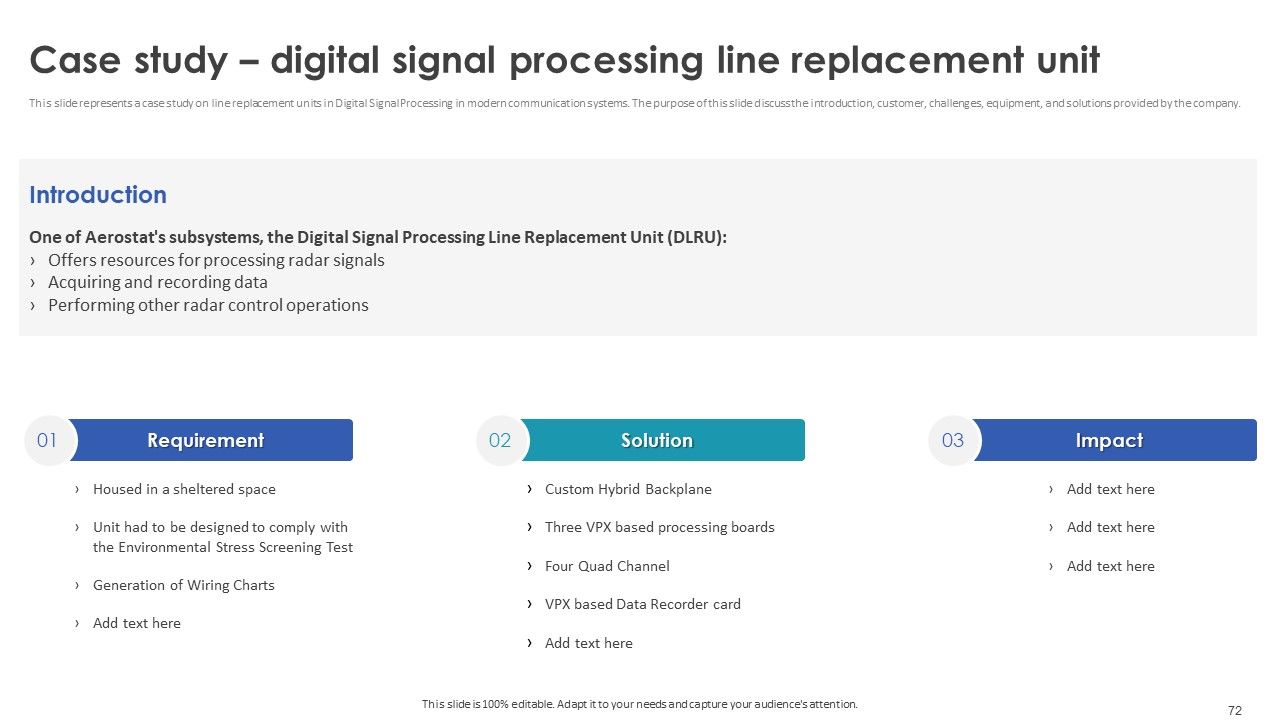
Slide 72: This slide presents a case study on line replacement units in Digital Signal Processing in modern communication systems.
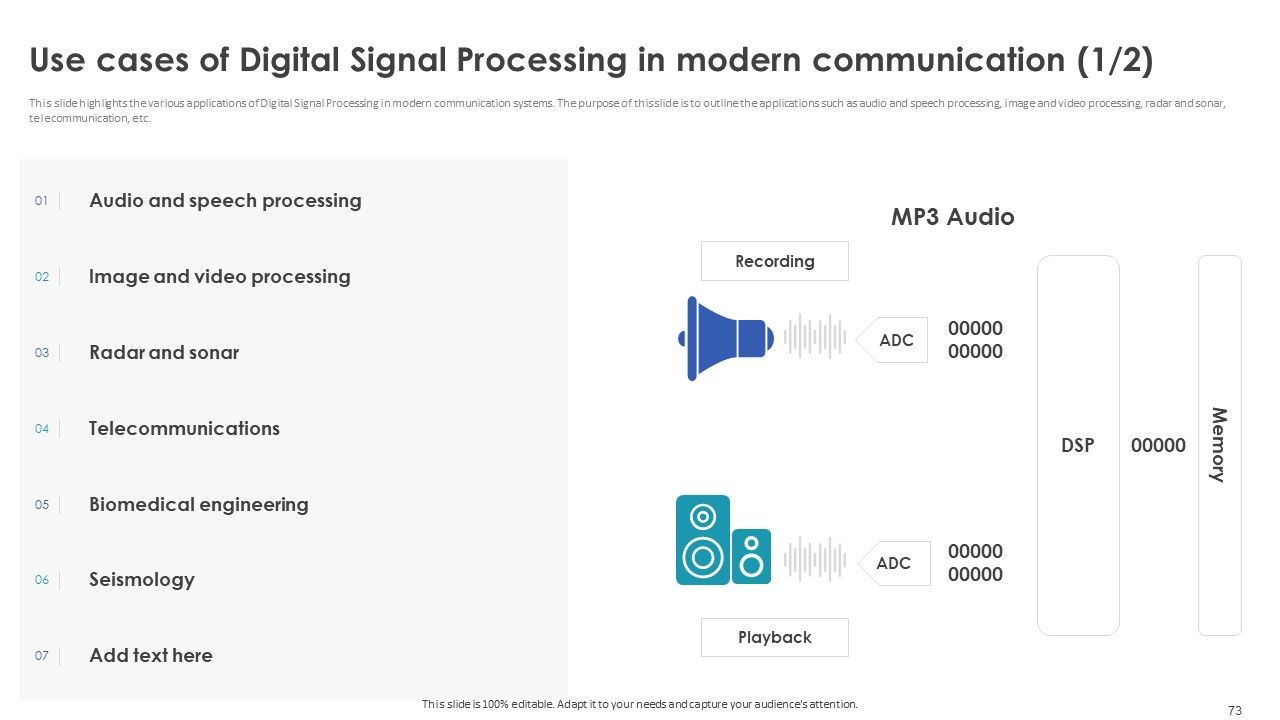
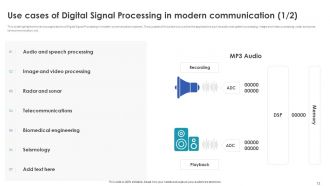
Slide 73: This slide highlights the various applications of Digital Signal Processing in modern communication systems.
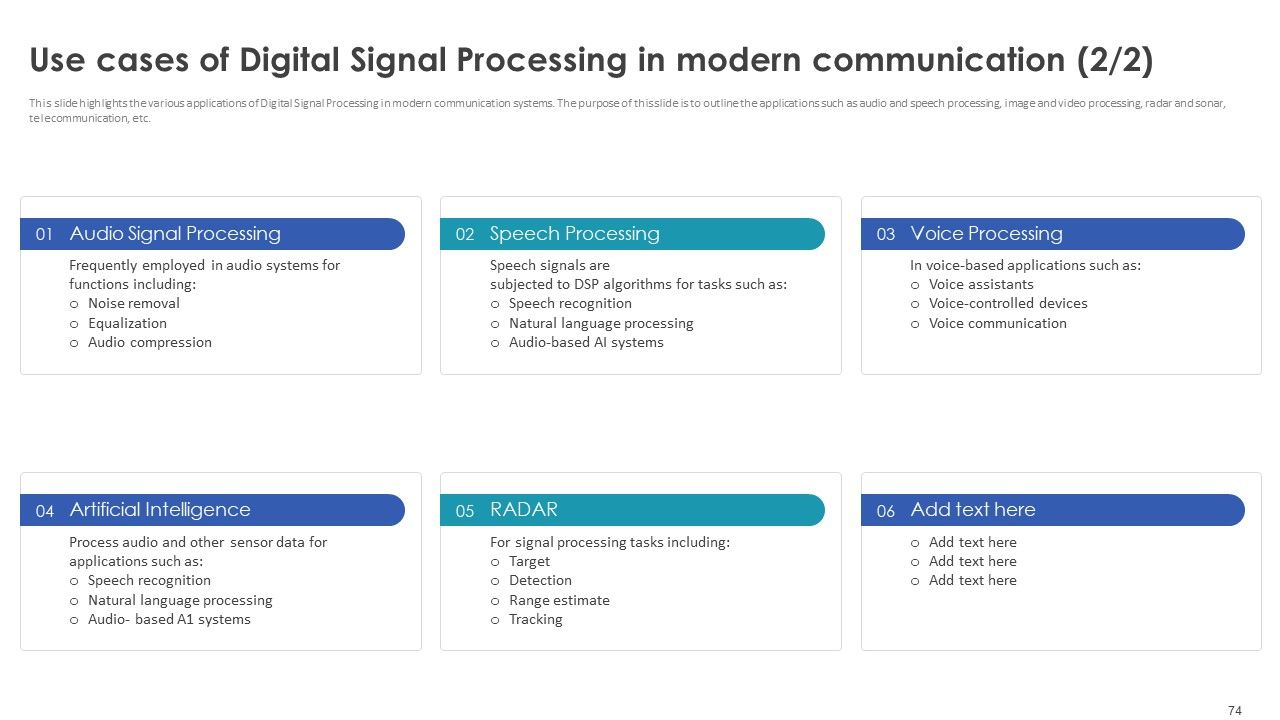
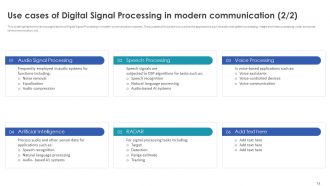
Slide 74: This slide pertains to the various applications of Digital Signal Processing in modern communication systems.
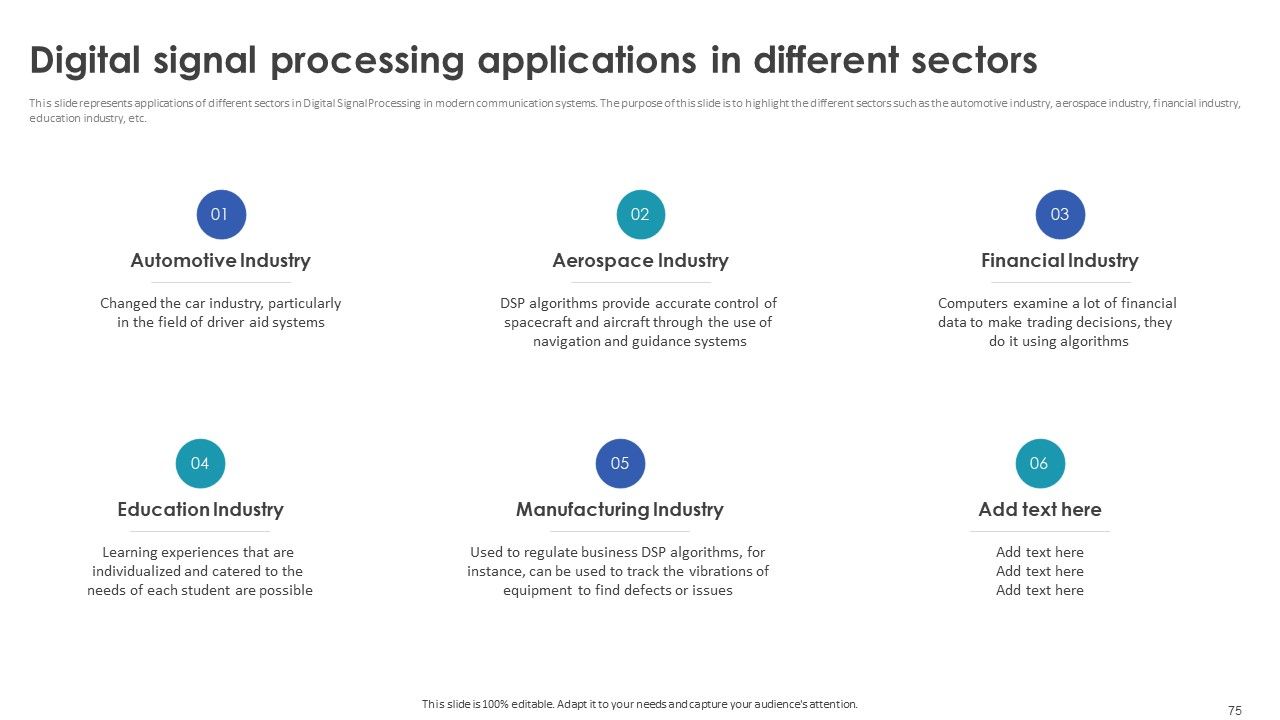
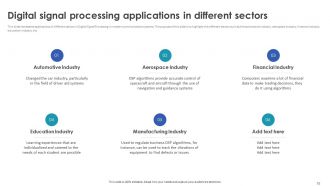
Slide 75: This slide portrays applications of different sectors in Digital Signal Processing in modern communication systems.
Slide 76: This slide is titled Additional Slides for moving forward.
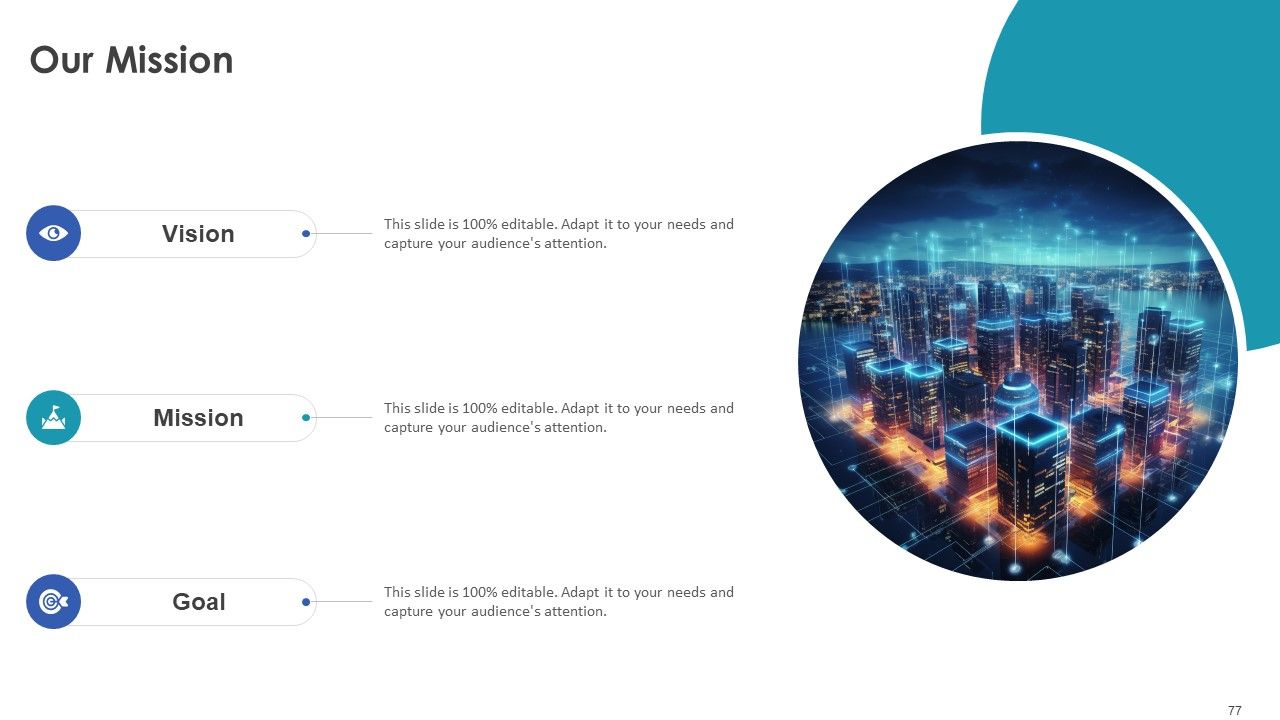
Slide 77: This slide is Our Mission slide with related imagery and text.
Slide 78: This slide is Our Team slide with names and designations.
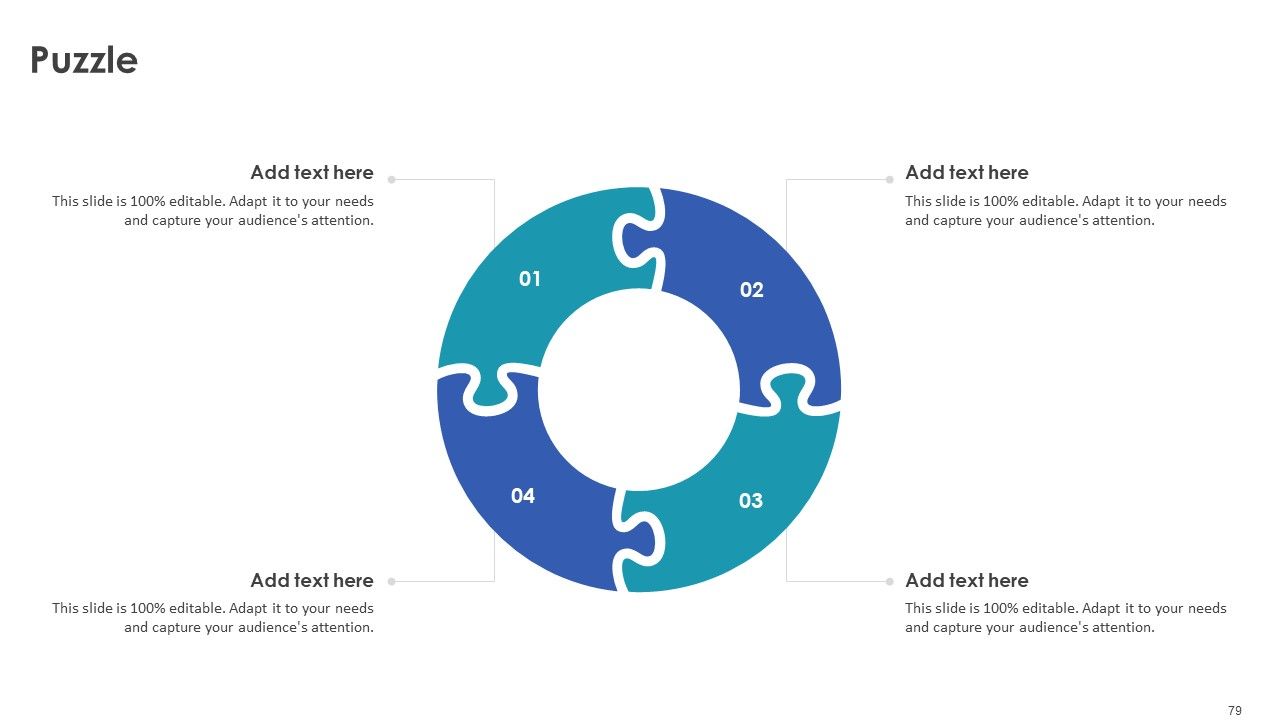
Slide 79: This slide contains a Puzzle with related icons and text.
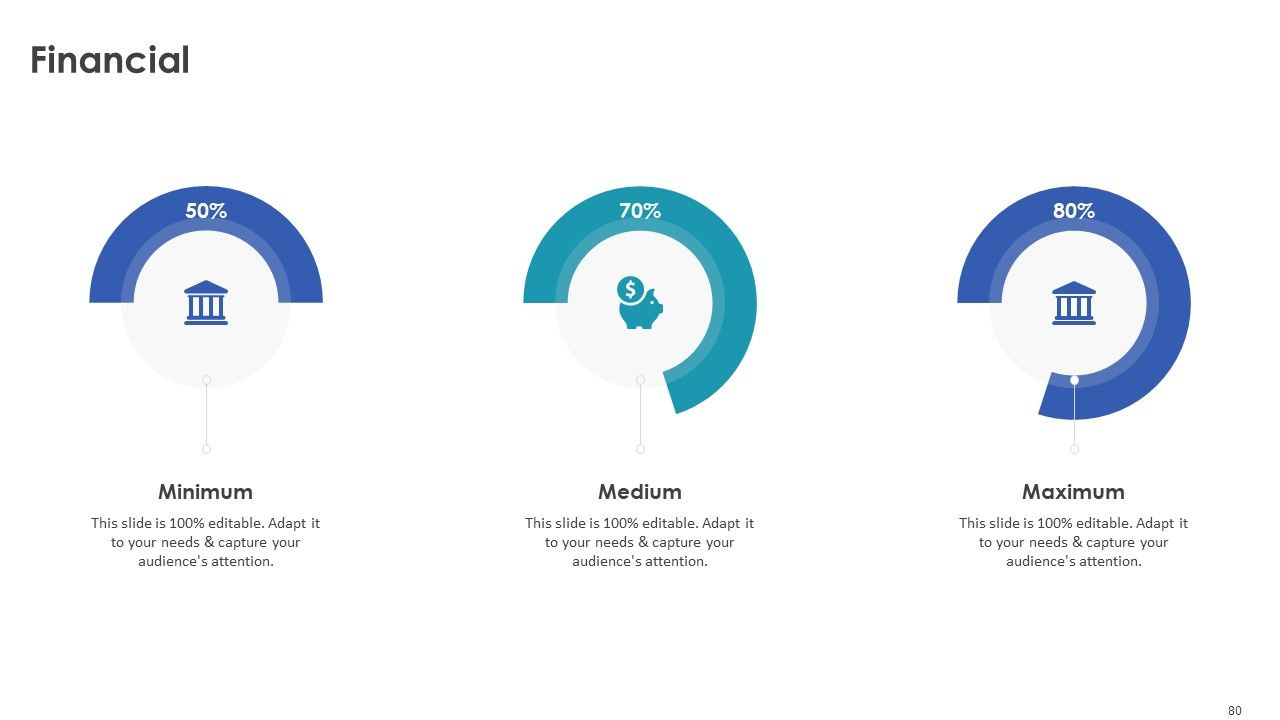
Slide 80: This slide is a financial slide. Show your finance-related stuff here.
Slide 81: This slide depicts a Venn diagram with text boxes.
Slide 82: This slide is a thank-you slide with address, contact numbers, and email address.
Digital Signal Processing In Modern Communication Systems Powerpoint Presentation Slides with all 91 slides:
Use our Digital Signal Processing In Modern Communication Systems Powerpoint Presentation Slides to effectively help you save your valuable time. They are readymade to fit into any presentation structure.
-
Amazing slides! Unique, attractive, and easy to understand.
-
I came across many PowerPoint presentations with excellent creatives and I believe they would be beneficial to my work.
