


Distribution Plan Powerpoint Presentation Slides




Try Before you Buy Download Free Sample Product
 Impress Your
 Audience
 100%
100% Editable
 Save Hours
 of Time


Do you need to represent the product distribution plans and strategies among the management and team members? Do not worry! SlideTeam has come up with a predesigned distribution plan PowerPoint presentation slides that will help you in showcasing the entire process of distribution systematically. This editable distribution planning process steps PPT presentation has been researched by a team of professionals from top consulting firms and is converted into an appealing presentation by a group of graphic designers. The presentation has been crafted to help the customer to overcome the stress of finding the appropriate content and graphics related to the distribution plan. This distribution plan PPT includes an impressive slide on relevant topics such as supply model, content distribution template, supply plan, and matrix. While keeping customer presentation needs in mind, our designers have provided additional relevant slides like our mission and team, about us, our goal, timeline, puzzle, donut chart. Bar graph, area chart, and thank you. The product supply plan presentation allows you to add or remove the slides as per the needs. Flash our Distribution Plan Powerpoint Presentation Slides, beam your ideas. You will create an enlightening environment.
People who downloaded this PowerPoint presentation also viewed the following :
Content of this Powerpoint Presentation
Slide 1: This slidel introduces Distribution Plan. State Your Company Name and begin.
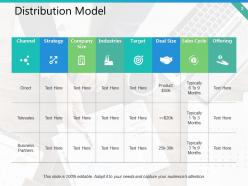
Slide 2: This slide presents Distribution Model.
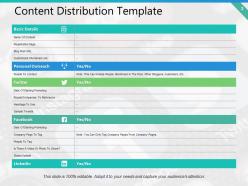
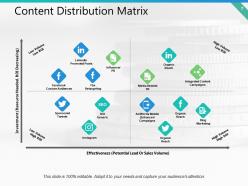
Slide 3: This slide showcases Content Distribution Template.
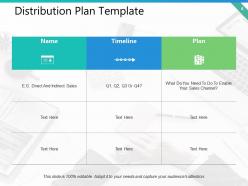
Slide 4: This slide presents Distribution Plan Template. Add the table data and use it accordingly.
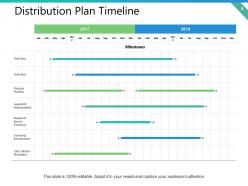
Slide 5: This slide showcases Distribution Plan Timeline.
Slide 6: This slide presents Template. Add the details in this table.
Slide 7: This slide shows Content Distribution Matrix.
Slide 8: This slide showcases Distribution Plan Icons Slide.
Slide 9: This slide is titled Additional Slides.
Slide 10: This slide represents Our Mission. State your mission, goals etc.
Slide 11: This slide showcases Our Team with Name and Designation to fill.
Slide 12: This slide helps show- About Our Company. The sub headings include- Creative Design, Customer Care, Expand Company
Slide 13: This slide shows Our Goals for your company.
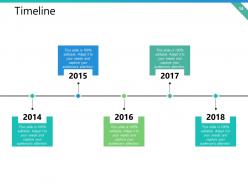
Slide 14: This slide presents a Timeline to show growth, milestones etc.
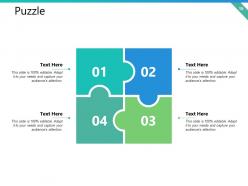
Slide 15: This slide presents a PUZZLE slide with the following subheadings- Integrity and Judgment, Critical and Decision Making, Leadership, Agility
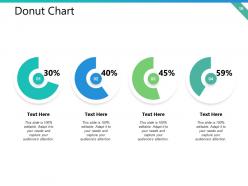
Slide 16: This slide showcases Donut Chart.
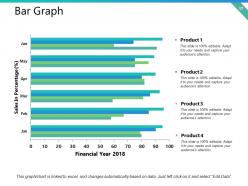
Slide 17: This slide shows Bar Graph.
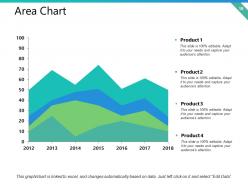
Slide 18: This is an Area Chart slide for product/entity comparison
Slide 19: This is a Thank You slide with Address# street number, city, state, Contact Numbers, Email Address.
Distribution Plan Powerpoint Presentation Slides with all 19 slides:
Get among the admired with our Distribution Plan Powerpoint Presentation Slides. Folks will clamor for your expert advice.


FAQs for Distribution Plan
Okay so first figure out who you're actually selling to and where they hang out. Then pick your channels - direct sales, retailers, online, whatever makes sense. Here's what nobody tells you though: the logistics stuff will bite you if you ignore it. Warehousing, inventory, shipping - boring but crucial. Also set up some way to track what's working because you'll definitely need to pivot at some point. I'd start with nailing down your audience first, then just work backwards from there. Oh and don't try to be everywhere at once - that never works.
Look, your distribution strategy needs to match how your customers actually shop. Gen Z? They're all about social commerce and buying direct from brands. Enterprise clients are totally different - they go through B2B distributors or want to talk to sales reps. Here's what I'd do: figure out where your target customers are actually finding and buying stuff, then build around those channels. Don't just pick whatever's convenient for you (learned that one the hard way). Match their habits, not yours.
Honestly, the right tech will change everything for your distribution setup. Real-time tracking across all your channels is a game changer - you'll actually know what's happening with inventory and can predict demand way better. Automation handles the order routing to your best fulfillment spots without you babysitting it. The analytics dashboards are where it gets interesting though (I spend way too much time staring at mine). You can finally see which channels are making you money and which ones are just bleeding cash. Start by figuring out where you're flying blind right now, then find tools that fix those specific headaches first.
Honestly, start with the basics - track your sales volume, what each sale costs you, and how many people you're reaching per channel. Revenue matters obviously, but customer satisfaction scores and return rates can tell you if something's actually working or just looks good on paper. I'd compare against industry benchmarks to see where you stand. The real game-changer though? Figure out your customer acquisition costs for each channel - that's where you'll find your winners. Do this every quarter so you can shift money to whatever's actually making you profit, not just bringing in volume. Some channels look amazing until you crunch those numbers.
Honestly, it comes down to control vs. reach. Going direct means you control everything - pricing, customer experience, how your brand comes across. But your growth is capped by what you can actually handle. Partners give you way more reach since they already have those relationships built up, which is clutch if you're trying to grow fast. You'll lose some control and profit margin though. Also think about how complex your product is - if customers need tons of hand-holding, direct probably makes more sense. I'd map out how you want customers to actually experience buying from you first, then see which path fits that better.
Dude, logistics is literally what makes or breaks your whole distribution game. Can't promise 2-day shipping if your supply chain is a mess, you know? I've watched companies with solid strategies totally crash because they didn't think through the actual moving parts first. Your warehouse locations, shipping costs, how fast you can fulfill orders - that stuff determines what you can realistically offer customers. My advice? Figure out what your logistics can actually handle, then build your promises around that. Way better than overpromising and dealing with angry customers later.
The worst parts are definitely inventory headaches, logistics nightmares, and keeping quality consistent everywhere. Real-time tracking helps tons - you can actually see what's happening instead of guessing. Communication with partners is huge too, like having actual protocols instead of just winging it. Oh and build quality checks into each step or you'll hate yourself later. Map out where your current bottlenecks are first though, that's your starting point. Contingency plans for shipping delays save your sanity. Being ahead of problems beats scrambling to fix them every single time.
Pull your sales data by channel and location first - that's your starting point. From there you can spot which distribution channels actually make money and which ones are just bleeding cash. Most businesses have tons of useful data just sitting there doing nothing, which is honestly pretty frustrating to see. Look at seasonal patterns and how customers behave differently across regions. Short bursts work better than trying to build some massive analytics system right away. Once you've got the basics down, you can start predicting demand and moving inventory to where it'll actually sell. Even simple geographic breakdowns will surprise you.
Dude, international shipping is a total game changer. Transit times get crazy long and customs can hold stuff up forever. The costs hit way harder too - duties, taxes, all that compliance paperwork for every single country. It's honestly a nightmare sometimes. Your whole inventory game has to shift since you can't just quickly restock like normal. Most people end up needing warehouses in different regions or they use fulfillment centers to keep delivery times decent. I'd start by figuring out which markets are actually worth all this headache and expense, then build everything around those.
Honestly, you've gotta map out every regulation that hits your industry first - sounds boring but it's crucial. Build those compliance checks right into your distribution flow from day one. Don't make my mistake of adding them later, what a nightmare that was. Get your legal team to write super clear guidelines for all your distributors. Nobody should be confused about what happens if they screw up. Oh and audit regularly - like, actually do it, don't just say you will. Compliance isn't some checkbox thing, it needs to be baked into everything you do operationally.
Honestly, I'd tackle three main things if I were you. Get your shipping times dialed in and give people options - fast, cheap, whatever they need. Real-time tracking is huge too because customers hate being left in the dark about their orders. Oh, and definitely have backup plans ready because stuff always goes sideways eventually. Your customer service people need to know how to handle shipping problems without making customers even more frustrated. I'd probably start by looking at what's currently breaking down most often - like, what are people actually complaining about? That'll show you where to focus first.
Dude, seasonal stuff totally messes with your whole game plan. You've gotta start forecasting those crazy spikes way earlier - like back-to-school madness can literally triple your usual numbers. Warehouse space becomes gold during peak times, so grab extra capacity or at least figure out which products deserve the good spots. Here's the annoying part though: you can't go overboard with inventory because you'll be stuck with tons of leftover crap when things slow down. Honestly, I'd start mapping your patterns now and build in some extra time for distribution. Better safe than scrambling last minute.
Dude, packaging is way more important than people think. It's literally protecting your stuff during shipping AND selling it at the same time. Bad packaging = damaged products = angry customers. But here's the thing - it's also your silent sales rep on the shelf. People judge products by their packaging all the time (shallow but true). Smart packaging tells customers what they're buying and makes your brand look legit. Oh, and don't forget it affects shipping costs too. Heavier/bigger boxes = more money. You've gotta find that sweet spot between protection, cost, and making it look good.
Find companies that already reach your customers but aren't direct competitors. A software company teaming up with consultants who serve their ideal clients, for example. These partners basically become extra salespeople for you. Bundle deals with complementary products work great too - you get access to their customers while adding real value. I'd start by mapping out who's already talking to your target market. The sweet spot is finding partners where if they win, you win. Makes the whole thing way more natural than trying to build distribution from scratch.
So I'd definitely focus on the basics first - delivery rates, open rates, clicks, and conversions. Those tell you the real story. Cost per acquisition is huge too, especially if you're trying to stay on budget (learned that one the hard way lol). Timing stuff matters more than people think - like how fast you're actually reaching your audience. Also watch your unsubscribe rates because nobody talks about those enough, but they'll show you when you're annoying people. Just throw together a quick dashboard with these numbers and check it weekly. Way easier to fix things early than realize you've been tanking for a month.
No Reviews