


Effective partnership management with customers channel partners and business partners complete deck





Try Before you Buy Download Free Sample Product
 Impress Your
 Audience
 100%
100% Editable
 Save Hours
 of Time


Supercharge your presentation with our effective partnership management with customers channel partners and business partners complete PPT deck. This successful cooperation PowerPoint template helps the audience with useful content such as- current state analysis, partnership implementation areas, customers and managing business partners. The slides in this PPT bundle covers the latest issues faced by the company and the customer analysis will assist you in evaluating the current market situation. Providing you with logical reasonings as to why the management is required, this effectual association PowerPoint template has the most informative slides. The detailed representation of persisting challenges in this productive collaboration PPT layout along with their respective solutions and strategies ensure the smooth running of the organization. The systemised graphs make the figures easily understandable to the audience, this functional coalition PowerPoint slide is a must have. To make sure you do not miss out, grab it right now and become a pro.
People who downloaded this PowerPoint presentation also viewed the following :
Content of this Powerpoint Presentation
Slide 1: This title slide introduces Effective Partnership Management with Customers, Channel Partners, and Business Partners. Add the name of your company here.
Slide 2: This is the Agenda slide.
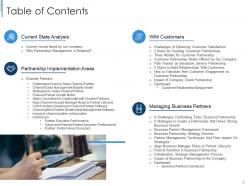
Slide 3: This slide contains the Table of Contents. It includes - Current State Analysis, Partnership Implementation Areas, Managing Business Partners, etc.
Slide 4: This is a table of content slide showing the Current State Analysis.
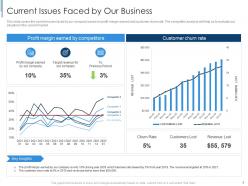
Slide 5: This slide presents the Current Issues Faced by Our Business. It covers the current issues faced by our company based on profit margin earned and customer churn rate.
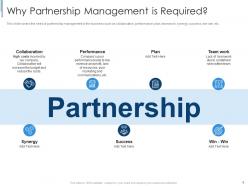
Slide 6: This slide presents Why Partnership Management is Required? It covers the need for partnership management in the business such as collaboration, performance, plan, teamwork, synergy, success, win-win, etc.
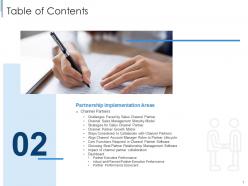
Slide 7: This is a table of content slide showing the Partnership Implementation Areas. It includes - Channel Partners, Challenges Faced by Sales Channel Partner, Channel Sales Management Maturity Model, etc.
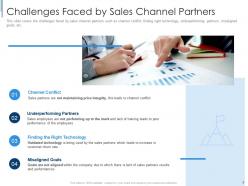
Slide 8: This slide presents the Channel Conflict. It covers the challenges faced by sales channel partners such as channel conflict, finding the right technology, underperforming partners, misaligned goals, etc.
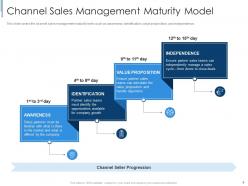
Slide 9: This slide presents the Channel Sales Management Maturity Model. It covers the channel sales management maturity levels such as awareness, identification, value proposition, and independence.
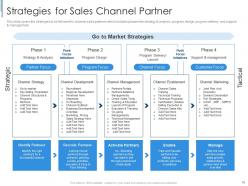
Slide 10: This slide presents Strategies for Sales Channel Partners. It covers the strategies to be followed for channel sales partners which include phases like strategy & analysis, program design, program delivery, and support & management.
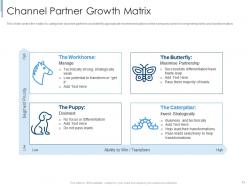
Slide 11: This slide presents the Channel Partner Growth Matrix. It covers the matrix to categorize channel partners and identify appropriate investment options in the company based on segment priority and transformation.
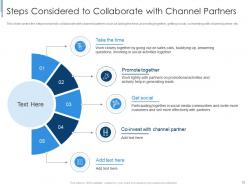
Slide 12: This slide presents the Steps Considered to Collaborate with Channel Partners. It covers the steps involved to collaborate with channel partners such as taking the time, promoting together, getting social, co-investing with channel partners, etc.
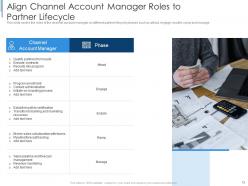
Slide 13: This slide presents the Align Channel Account Manager Roles to Partner Lifecycle.
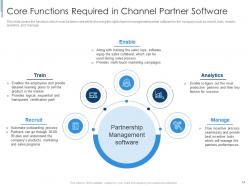
Slide 14: This slide presents the Core Functions Required in Channel Partner Software. It covers the functions which must be taken care of while choosing the right channel management partner software for the company such as recruiting, training, enabling, analytics, and managing.
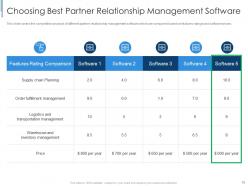
Slide 15: This slide presents Choosing Best Partner Relationship Management Software. It covers the competitive analysis of different partner relationship management software which are compared based on features ratings and software prices.
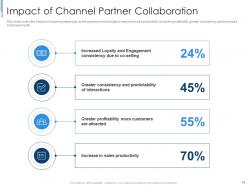
Slide 16: This slide presents the Impact of Channel Partner Collaboration. It covers the impact of channel partnership on the business which leads to improved sales productivity, business profitability, greater consistency, and increased employee loyalty.
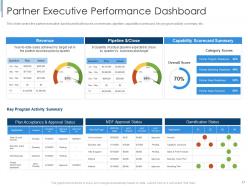
Slide 17: This slide presents the Partner Executive Performance Dashboard. It covers the partner executive dashboard that focuses on revenues, pipeline, capability scoreboard, key program activity summary, etc.
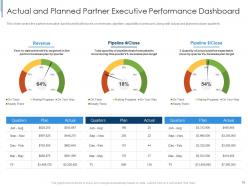
Slide 18: This slide presents the Actual and Planned Partner Executive Performance Dashboard. It covers the partner executive dashboard that focuses on revenues, pipeline, capability scoreboard, along with actual and planned values quarterly.
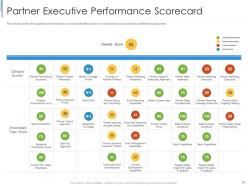
Slide 19: This slide presents the Partner Executive Performance Scorecard. It covers the partner performance scorecard that focuses on employee scores based on different categories.
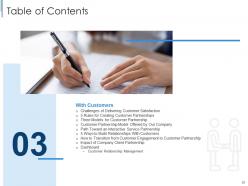
Slide 20: This is a table of content slide showing With Customers. It includes - Challenges of Delivering Customer Satisfaction, 5 Rules for Creating Customer Partnerships, Three Models for Customer Partnership, etc.
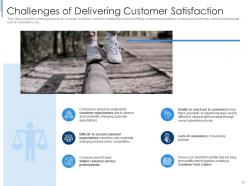
Slide 21: This slide presents the Challenges of Delivering Customer Satisfaction. It covers the challenges faced by the company to deliver customer satisfaction such as fulfilling customer expectations, reaching out to customers, skilled professionals, lack of consistency, etc.
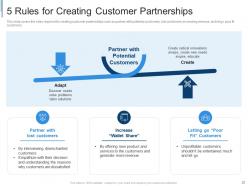
Slide 22: This slide presents the 5 Rules for Creating Customer Partnerships. It covers the rules required for creating customer partnerships such as partnering with potential customers, losing customers, increasing revenue, and letting go of poor fit customers.
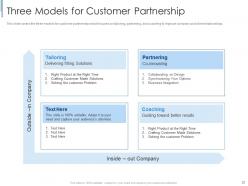
Slide 23: This slide presents the Three Models for Customer Partnership. It covers the three models for customer partnership which focuses on tailoring, partnering, and coaching to improve company and client relationships.
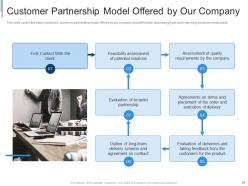
Slide 24: This slide presents the Customer Partnership Model Offered by Our Company. It covers the steps involved in the customer partnership model offered by our company and will lead to business growth and improving customer relationships.
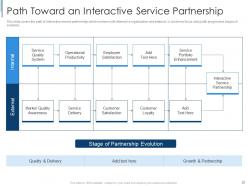
Slide 25: This slide presents the Path Toward an Interactive Service Partnership. It covers the path of interactive service partnership which involves both internal i.e., organization, and external i.e., customer focus along with progressive stages of evolution.
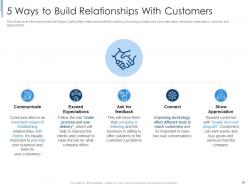
Slide 26: This slide presents the 5 Ways to Build Relationships With Customers. It covers the ways which will help to build a better relationship with the clients by focusing on steps like communication, feedback, expectation, connection, and appreciation.
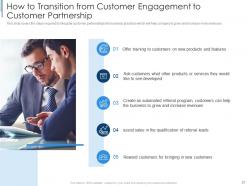
Slide 27: This slide presents How to Transition from Customer Engagement to Customer Partnership. It covers the steps required to integrate customer partnerships into business practices which will help the company to grow and increase more revenues.
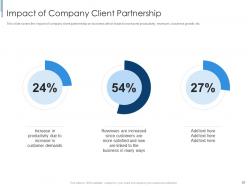
Slide 28: This slide presents the Impact of Company Client Partnership. It covers the impact of the company-client partnership on business which leads to increased productivity, revenues, business growth, etc.
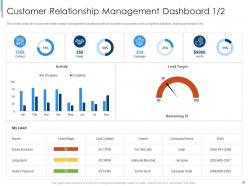
Slide 29: This slide presents the Customer Relationship Management Dashboard (1/2). It covers the customer relationship management dashboard which includes in progress and completed activities, lead target details, etc.
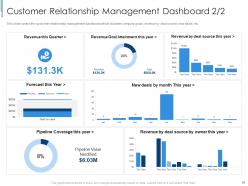
Slide 30: This slide presents the Customer Relationship Management Dashboard (2/2). It covers the customer relationship management dashboard which includes company goals, revenue by deal source, new deals, etc.
Slide 31: This is a table of content slide showing the Managing Business Partners. It includes - 6 Challenges Confronting Every Business Partnership, 6 Strategies to Create a Partnership that Drives Strong Business Growth, Business Partner Management Framework, etc.
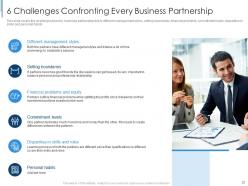
Slide 32: This slide presents the 6 Challenges Confronting Every Business Partnership. It covers the challenges faced by the business partnerships due to different management styles, setting boundaries, financial problems, commitment levels, disparities in skills, and personal habits.
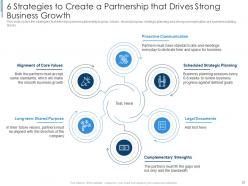
Slide 33: This slide presents the 6 Strategies to Create a Partnership that Drives Strong Business Growth.
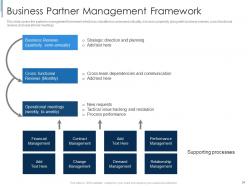
Slide 34: This slide presents the Business Partner Management Framework. It covers the partners' management framework which has classified assessed criticality, risk, complexity, etc.
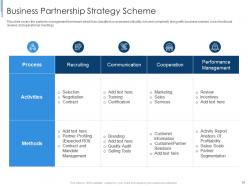
Slide 35: This slide presents the Business Partnership Strategy Scheme. It covers the partners' management framework which has classified on business reviews, cross-functional reviews, and operational meetings.
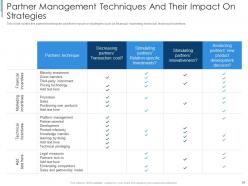
Slide 36: This slide presents the Partner Management Techniques and Their Impact on Strategies. It covers the partner techniques and their impact on strategies such as financial, marketing, technical, technical
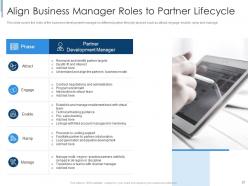
Slide 37: This slide presents the Align Business Manager Roles to Partner Lifecycle. It covers the roles of the business development manager on different partner lifecycle phases such as attract, engage, enable, ramp, and manage.
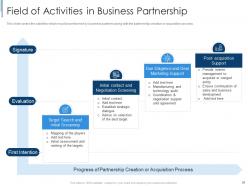
Slide 38: This slide presents the Field of Activities in Business Partnership. It covers the activities which must be performed by business partners along with the partnership creation or acquisition process.
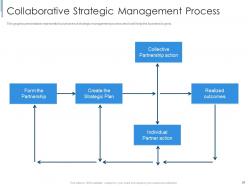
Slide 39: This slide presents the Collaborative Strategic Management Process. It represents four phases of the strategic management process which will help the business to grow.
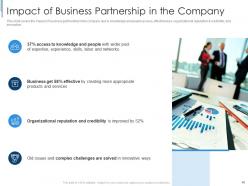
Slide 40: This slide presents the Impact of Business Partnership in the Company. It covers the impact of business partnership in the company due to knowledge and people access, effectiveness, organizational reputation & credibility, and innovation.
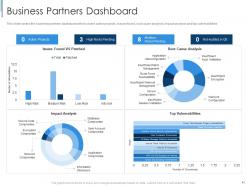
Slide 41: This slide presents the Business Partners Dashboard. It covers the business partners dashboard which covers active projects, issues found, root cause analysis, impact analysis, and top vulnerabilities.
Slide 42: This slide presents the Icons Slide for Effective Partnership Management with Customers, Channel Partners, and Business Partners.
Slide 43: This slide presents the Additional Slides.
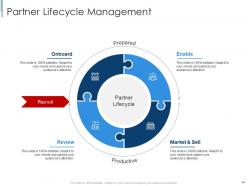
Slide 44: This slide presents the Partner Lifecycle Management. It includes – Enable, Onboard, Review, etc.
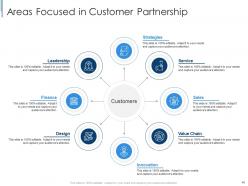
Slide 45: This slide presents the Areas Focused on Customer Partnership. It includes – Strategies, Service, Sales, etc.
Slide 46: This slide contains the information about the company aka the ‘About Us’ section. This includes the Value Clients, the Target Audience, and Preferred by Many.
Slide 47: This slide provides the Mission for the entire company. This includes the vision, the mission, and the goal.
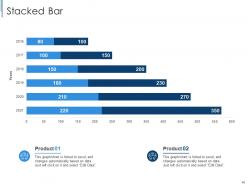
Slide 48: This slide shows a Stacked Bar that compares 2 products’ data over a timeline of years.
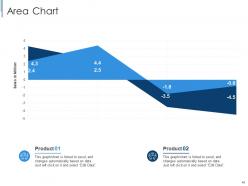
Slide 49: This slide shows an Area Chart that compares 2 products’ sales. Product 02
Slide 50: This slide presents the overall goal of the company as well as smaller goals.
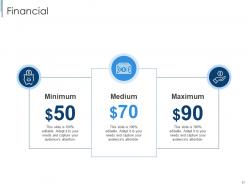
Slide 51: This slide presents the Financial data with the data’s numbers at minimum, medium, and maximum percentage.
Slide 52: This slide presents the Circular Process.
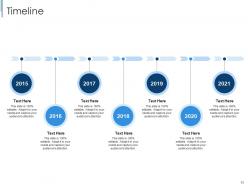
Slide 53: This slide is a Timeline template to showcase the progress of the steps of a project with time.
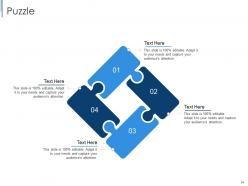
Slide 54: This is the Puzzle slide.
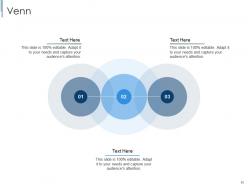
Slide 55: This slide provides a Venn diagram that can be used to show interconnectedness and overlap between various departments, projects, etc.
Slide 56: This is a Thank You slide where details such as the address, contact number, email address are added.
Effective partnership management with customers channel partners and business partners complete deck with all 56 slides:
Use our Effective Partnership Management With Customers Channel Partners And Business Partners Complete Deck to effectively help you save your valuable time. They are readymade to fit into any presentation structure.





FAQs for Effective partnership management with customers channel partners and business
Honestly, most partnerships crash because people never actually spell out who's doing what. You'll want clear communication and goals that actually match up. Document everything upfront - expectations, success metrics, the whole deal. Regular check-ins help catch problems early. Trust matters obviously, but so does having a plan for when things go sideways (even exit strategies, awkward as that sounds). Oh, and make sure you both actually get something valuable out of it. Conflict resolution processes are boring but necessary. Sometimes I think people just assume everyone thinks the same way they do, which... yeah, that never works out.
First thing - figure out what you actually need help with. Technology? New markets? Whatever your gaps are, find someone who's strong where you're weak. I made this mistake once and partnered with a company that did the exact same thing we did... total waste of time. You'll want to dig into their past work and see if they actually care about your success or just their own bottom line. The cultural fit thing matters more than people think. Before you sign anything though, have those awkward conversations about timelines and what "winning" looks like. Trust me, it saves headaches later.
Honestly, start simple with just a CRM like HubSpot or Salesforce to track your partner stuff. Slack's pretty much essential too - I swear, most of my partner relationships basically exist in random Slack channels now. If you want something more specialized, Crossbeam and Partner Fleet are solid for partnership-specific features. Asana works great for managing joint projects, and you'll need somewhere like Notion or Google Workspace for sharing docs and keeping agreements organized. Don't go crazy trying to implement everything at once though. Pick your CRM and communication tool first, then build from there.
Dude, communication styles can totally wreck partnerships. Like, if you're super direct but they need everything sugar-coated, you'll both think the other person's being rude or weird. I've literally watched good partnerships die because one person wanted detailed emails and the other just texted "sounds good." Figure out early how they like to communicate - are they formal meeting people or quick phone call types? Do they want to hash out problems immediately or sleep on it first? Oh, and matching their vibe isn't fake - it just shows you actually pay attention. Saves so much drama later.
Track the obvious stuff first - revenue from joint deals, leads passed back and forth, how much it costs to land customers together. But don't sleep on the relationship metrics either. Are you actually talking regularly? Hit your shared deadlines? Both teams happy with how things are going? I always tell people to measure if partners are genuinely engaged or just going through the motions. Pick maybe 4 metrics max that align with what you're trying to accomplish. Check in every quarter. Oh, and agree on what "winning" looks like before you start - saves headaches later when someone thinks you're failing and the other thinks you're crushing it.
Honestly, jump on conflicts fast before they turn into disasters. Have each person explain their side without cutting each other off - sounds basic but people suck at this. Then figure out what you're both actually trying to achieve together. I can't tell you how many business partnerships I've watched implode because nobody wanted to have the uncomfortable talk. Write down whatever you decide so there's no "wait, didn't we say..." BS later. Stay focused on fixing things, not pointing fingers. Oh, and schedule regular check-ins going forward - catches problems early.
Honestly, trust is what makes or breaks the whole thing. I've watched partnerships implode over the dumbest stuff that could've been avoided. You'll waste so much time double-checking everything and playing office politics instead of actually getting shit done. But when you trust each other? Game changer. Suddenly you're moving fast, taking smart risks, and calling out problems before they blow up. My advice: be upfront about what you suck at from day one, and don't promise stuff you can't deliver. Even tiny commitments matter more than you think.
Quarterly reviews are your sweet spot - gives you real data without turning into a full-time partnership babysitter. Monthly check-ins work great too, especially if it's a new partnership or super important to your business. Honestly, I've seen people try weekly reviews and it's just overkill. Nobody needs that stress. For big annual deals, do formal quarterly reviews but throw in casual monthly touchpoints. Catches problems before they blow up. Match your review schedule to how complex the partnership is - simple ones don't need as much attention. Just pick a date and set up those recurring calendar invites now. You'll thank yourself later.
First thing - figure out your structure. LLC, general partnership, limited partnership all handle liability differently. Get a partnership agreement that spells out profit splits, who makes what decisions, and exit strategies. Trust me, I've seen friendships implode over this stuff when it's not clear upfront. Tax-wise, partnerships are pass-through entities so that'll affect your returns. Check if your industry has specific regulations too. Definitely get a lawyer to look everything over before signing - way cheaper than dealing with a mess later when someone wants out.
Oh man, cultural stuff can absolutely tank partnerships if you're not careful. Like, what you think is being direct and efficient? Might come off super rude to someone from a culture that's all about building relationships first. I've definitely stepped in that landmine before lol. Some cultures are hardcore about being on time, others care way more about getting things done right even if it takes forever. Your whole approach to meetings, negotiations, how you deal with drama - it all needs to flex depending on who you're working with. Best bet is doing some homework on their norms and just straight-up asking how they prefer to work.
Honestly, just talk to each other constantly. Set up those quarterly meetings to check on your shared goals - yeah they're annoying but trust me, you'll thank yourself later when everything's falling apart. Write down who does what in some kind of partnership doc so nobody can play dumb about responsibilities. Deal with problems fast instead of letting them fester. Oh and definitely celebrate together when stuff goes well! Makes the whole thing feel worth it. Start simple though - maybe just a shared dashboard where you can both see how things are going. Documentation saves relationships, I swear.
Economic downturns mess with partnerships big time - budgets shrink and suddenly everyone's priorities flip overnight. Partners start pulling back from joint projects or worse, they're fighting over the same customers. Not fun. Build resilience early by diversifying how you both make money and setting up cost-sharing that bends when needed. Honestly, most people avoid the money talk until it's too late. Have those budget conversations regularly - way better than panicking when the economy tanks. Oh, and don't put all your eggs in one revenue basket together.
Honestly, most partnerships blow up because people assume way too much from the get-go. You gotta be super explicit about who's doing what and how you'll measure success - I know it feels excessive but trust me on this one. Goals that don't actually align will torpedo everything later. Regular check-ins are crucial too, don't just set it and forget it. Also make sure your own team is actually on board before you commit to anything. My advice? Over-communicate in the beginning and set up monthly reviews where you're honestly looking at whether you're hitting those original targets.
Honestly, partnerships work best when you find people who are strong where you're weak. Maybe they've got killer tech skills while you understand the market inside out. Joint R&D labs are pretty cool - you're splitting costs but doubling the brainpower. Co-developing stuff together often leads to breakthroughs neither team would've hit alone. Just... and I can't stress this enough... nail down the IP stuff early. Trust me on that one. Start by figuring out what's missing in your innovation game, then hunt for partners who fill those exact holes. Different perspectives are everything.
Honestly, start with communication and negotiation training - that's like 80% of the job right there. Cross-functional project management is clutch too since partnerships are basically messy projects with outside people. I'd grab some conflict resolution workshops because things will get weird when different companies butt heads. Oh, and strategic thinking courses help you zoom out from all the daily relationship drama. Industry certs are worth it for the credibility factor when you're trying to impress potential partners. Don't overthink it though - pick one communication course and see how it goes first.
-
Amazing product with appealing content and design.
-
Unique design & color.
-
Top Quality presentations that are easily editable.
-
I discovered this website through a google search, the services matched my needs perfectly and the pricing was very reasonable. I was thrilled with the product and the customer service. I will definitely use their slides again for my presentations and recommend them to other colleagues.
-
Innovative and Colorful designs.