


Employee Engagement HR Communication Plan Powerpoint Presentation Slides




Try Before you Buy Download Free Sample Product
 Impress Your
 Audience
 100%
100% Editable
 Save Hours
 of Time


HR communication plays a significant role in organizational task management. Our Employee Engagement HR Communication Plan presentation showcases the importance of HR communication which is to embrace two-way dialogue, access corporate information quickly, and increase employee productivity and engagement. The deck exhibits the issues faced by the company due to ineffective HR communication, including decreased employee productivity, increased turnover, low workforce engagement, hiring new employees, workplace stress management, etc. It further includes the gap analysis that depicts the current situation and strategies to achieve the desired goals. This module covers strategies to improve HR and personnel communication, such as engaging content, providing employee feedback, conducting employee empowerment tasks, and scheduling workforce training and development sessions. Also, this Workforce Engagement PPT includes digital, face-to-face, video conferencing, and written communication channels along with upward, downward, diagonal and horizontal communication models. At last, it highlights the tools to improve communication in the workforce, the cost spent on implementing improvement strategies, and the overall impact on the organization. Download our 100 percent editable and customizable deck to know more in detail.
People who downloaded this PowerPoint presentation also viewed the following :
Content of this Powerpoint Presentation
Slide 1: This slide introduces Employee Engagement HR Communication Plan. State your company name and begin.
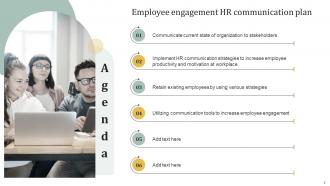
Slide 2: This slide states Agenda of the presentation.
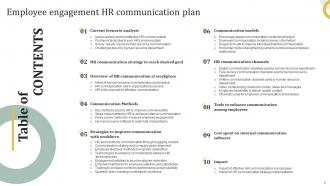
Slide 3: This slide shows Table of Content for the presentation.
Slide 4: This slide highlights title for topics that are to be covered next in the template.
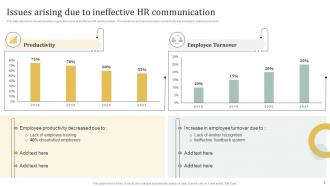
Slide 5: This slide presents Issues arising due to ineffective HR communication.
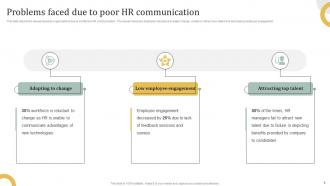
Slide 6: This slide displays Problems faced due to poor HR communication.
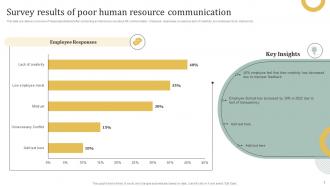
Slide 7: This slide represents Survey results of poor human resource communication.
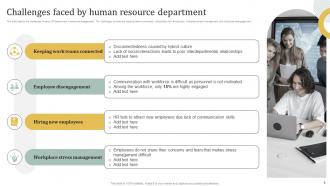
Slide 8: This slide showcases Challenges faced by human resource department.
Slide 9: This slide highlights title for topics that are to be covered next in the template.
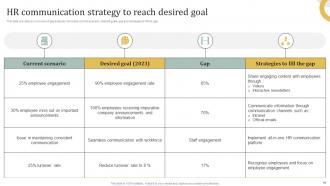
Slide 10: This slide shows HR communication strategy to reach desired goal.
Slide 11: This slide highlights title for topics that are to be covered next in the template.
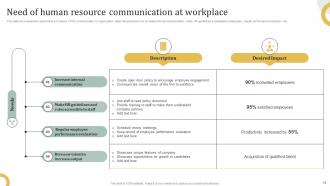
Slide 12: This slide presents Need of human resource communication at workplace.
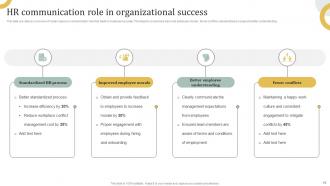
Slide 13: This slide displays HR communication role in organizational success.
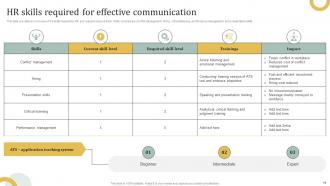
Slide 14: This slide represents HR skills required for effective communication.
Slide 15: This slide highlights title for topics that are to be covered next in the template.
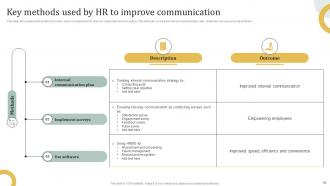
Slide 16: This slide showcases Key methods used by HR to improve communication.
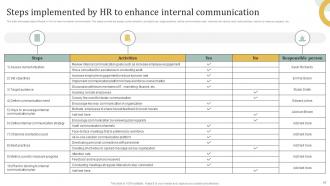
Slide 17: This slide shows Steps implemented by HR to enhance internal communication.
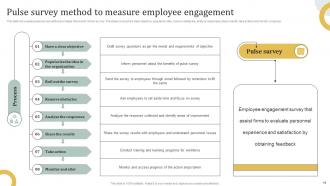
Slide 18: This slide presents Pulse survey method to measure employee engagement.
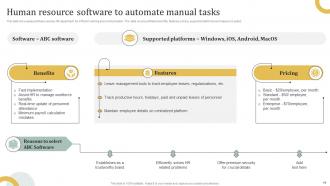
Slide 19: This slide displays Human resource software to automate manual tasks.
Slide 20: This slide highlights title for topics that are to be covered next in the template.
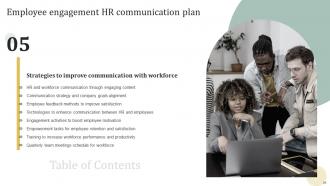
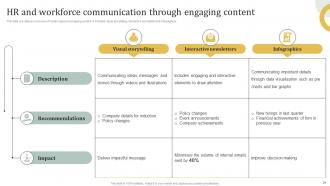
Slide 21: This slide represents HR and workforce communication through engaging content.
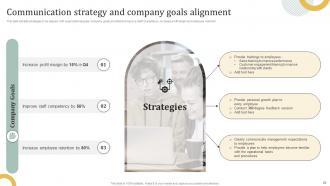
Slide 22: This slide showcases Communication strategy and company goals alignment.
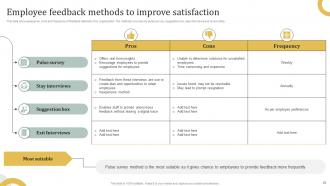
Slide 23: This slide shows Employee feedback methods to improve satisfaction.
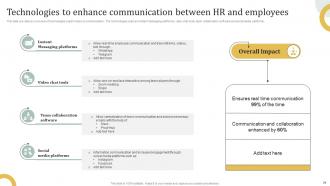
Slide 24: This slide provides an overview of technologies used to improve communication.
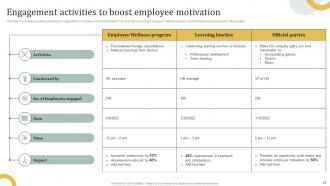
Slide 25: This slide presents Engagement activities to boost employee motivation.
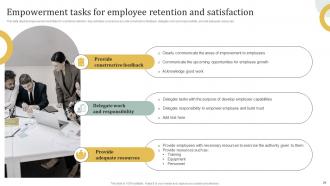
Slide 26: This slide displays Empowerment tasks for employee retention and satisfaction.
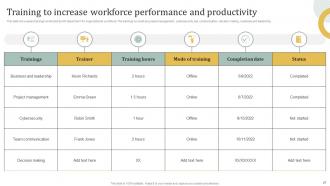
Slide 27: This slide represents Training to increase workforce performance and productivity.
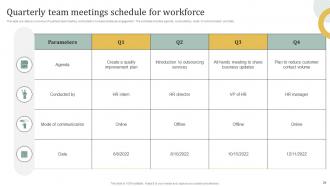
Slide 28: This slide showcases Quarterly team meetings schedule for workforce.
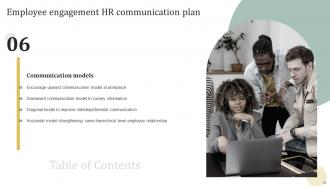
Slide 29: This slide highlights title for topics that are to be covered next in the template.
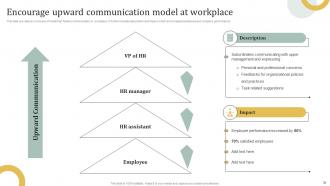
Slide 30: This slide shows Encourage upward communication model at workplace.
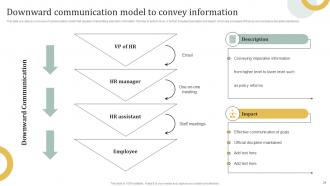
Slide 31: This slide presents Downward communication model to convey information.
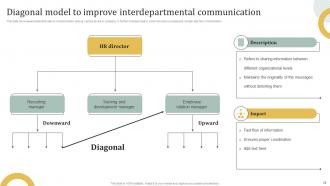
Slide 32: This slide displays Diagonal model to improve inter-departmental communication.
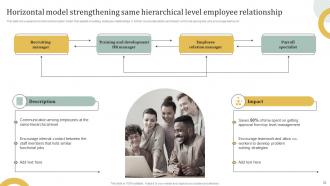
Slide 33: This slide showcases horizontal communication model.
Slide 34: This slide highlights title for topics that are to be covered next in the template.
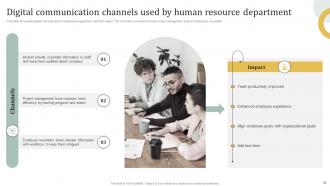
Slide 35: This slide showcases digital channels used for employee engagement and their impact.
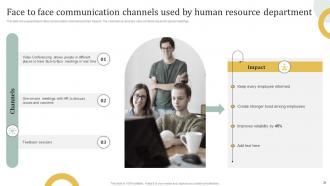
Slide 36: This slide showcases face-to-face communication channels and their impacts.
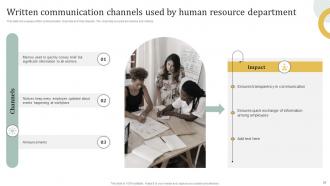
Slide 37: This slide shows Written communication channels used by human resource department.
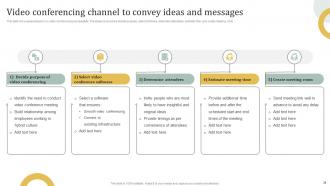
Slide 38: This slide presents Video conferencing channel to convey ideas and messages.
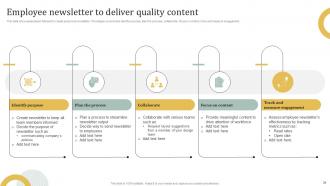
Slide 39: This slide displays Employee newsletter to deliver quality content.
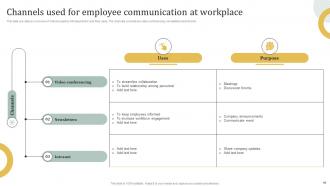
Slide 40: This slide represents Channels used for employee communication at workplace.
Slide 41: This slide highlights title for topics that are to be covered next in the template.
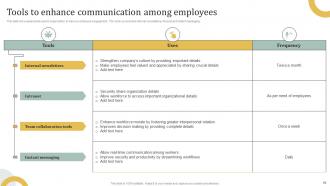
Slide 42: This slide showcases Tools to enhance communication among employees.
Slide 43: This slide highlights title for topics that are to be covered next in the template.
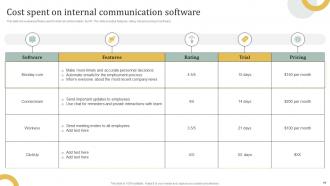
Slide 44: This slide shows Cost spent on internal communication software.
Slide 45: This slide highlights title for topics that are to be covered next in the template.
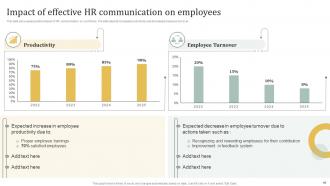
Slide 46: This slide presents Impact of effective HR communication on employees.
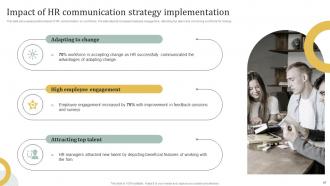
Slide 47: This slide displays Impact of HR communication strategy implementation.
Slide 48: This slide contains all the icons used in this presentation.
Slide 49: This slide is titled as Additional Slides for moving forward.
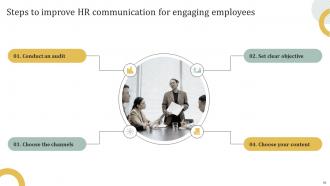
Slide 50: This slide represents Steps to improve HR communication for engaging employees.
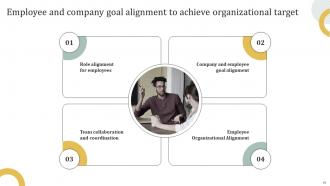
Slide 51: This slide showcases Employee and company goal alignment to achieve organizational target.
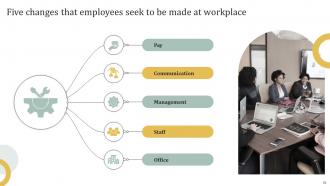
Slide 52: This slide shows Five changes that employees seek to be made at workplace.
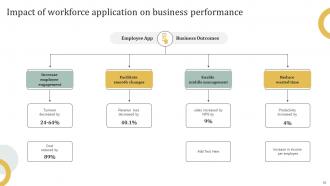
Slide 53: This slide presents Impact of workforce application on business performance.
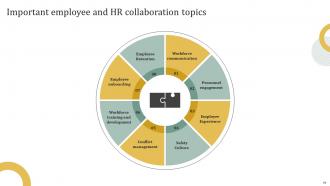
Slide 54: This slide displays Important employee and HR collaboration topics.
Slide 55: This is Our Mission slide with related imagery and text.
Slide 56: This is About Us slide to show company specifications etc.
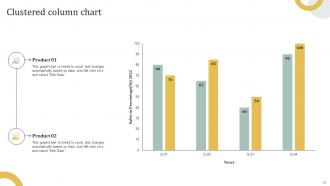
Slide 57: This slide provides Clustered Column chart with two products comparison.
Slide 58: This slide shows Post It Notes. Post your important notes here.
Slide 59: This slide depicts Venn diagram with text boxes.
Slide 60: This is an Idea Generation slide to state a new idea or highlight information, specifications etc.
Slide 61: This is a Thank You slide with address, contact numbers and email address.
Employee Engagement HR Communication Plan Powerpoint Presentation Slides with all 66 slides:
Use our Employee Engagement HR Communication Plan Powerpoint Presentation Slides to effectively help you save your valuable time. They are readymade to fit into any presentation structure.





FAQs for Employee Engagement HR Communication Plan
Honestly, it's all about staying connected without being annoying about it. Weekly one-on-ones are clutch - not just work stuff, but actually checking in. Trust people to handle their own time (micromanaging remote workers is the worst). Since you can't randomly chat by the coffee machine, you've got to create those moments on purpose. Maybe start calls 5 minutes early for random talk? Recognition hits different when it's virtual too. Oh, and be super clear about what you actually want from people. Nothing's more frustrating than guessing what your boss expects when they're just a Slack dot.
Oh man, measuring this stuff is honestly tricky but doable. Quarterly engagement surveys are your starting point - boring but necessary. Then dig into retention rates and how often people call in "sick" (you know what I mean). Track internal promotions too since that shows people actually want to stay and grow. Productivity metrics help, though connecting them to engagement can get messy. Here's the thing though - exit interviews and focus groups give you the real tea. People will actually tell you what's broken. Also track who's participating in your programs because low turnout says everything. Monthly dashboards keep you honest, but actually doing something with the data matters way more than just collecting it.
Dude, leadership totally makes or breaks engagement. Your team picks up on everything - how transparent you are, whether you actually listen when they talk, if you bother recognizing their wins. I've watched entire departments flip around just because someone started doing real one-on-ones instead of those useless check-ins. Growth opportunities matter too. People stick around when they feel like you're invested in where they're headed. But here's the thing - you can't fake it. They'll see right through any BS enthusiasm. Just ask them straight up what they need from you to actually do good work.
Look, people just want to feel heard at work - it's really that simple. When you actually listen to what they're saying and do something about it, they'll care way more about their job. Try monthly one-on-ones or those quick pulse surveys. But here's the thing (and I learned this the hard way) - you can't just collect feedback and then ghost people. Always circle back with "hey, here's what we're doing about that thing you mentioned." Even managers I thought were terrible got better once they started actually responding to concerns. Short surveys work better than long ones too.
Dude, engaged employees are game-changers. Companies see 23% better profits and 18% higher productivity when people actually give a damn about their jobs. Makes total sense though - why would someone phone it in when they're invested? Disengaged workers do the bare minimum while motivated ones actively hunt for improvements. The domino effect is wild too. Better engagement means people stick around longer, customers get treated better, and your numbers improve across the board. Honestly, just start asking your team what gets them fired up. Sometimes it's simpler than you'd think.
Honestly, the weirdest stuff works best - virtual coffee chats, online game nights, building playlists together. Set up buddy systems where remote people get paired with office folks. Maybe rotate where meetings happen so everyone actually sees each other sometimes? Oh, and those digital shoutout boards are clutch for celebrating wins publicly. Don't try to do everything at once though. Pick one or two things, see what your team actually likes, then add more. The main thing is just being consistent about it, not making it perfect.
Stop guessing what people want and just ask them directly. Survey your employees about their actual values and work preferences - you'll be surprised how wrong those generational stereotypes usually are. Build different engagement options: mentorship, flexible schedules, recognition programs, career development tracks. Then let people choose what works for them instead of forcing everyone into the same box. Honestly, I've seen companies waste so much time assuming millennials all want the same thing. Track who's participating in what so you can see the real patterns, not the ones you expected.
Oh man, disengaged employees are basically gone before they've even quit. They mentally check out first, then start job hunting. Your best people? They're usually the first to bail since they've got options everywhere. It's brutal watching good talent turn into zombies at their desks - happened at my last company constantly. The whole cycle screws you over because you're stuck recruiting and training instead of actually growing your team. Pro tip: track your engagement scores next to turnover data. You'll spot people heading for the exit way earlier.
Honestly, people just want to feel like their work actually matters, you know? Recognition hits that sweet spot - when someone calls out your specific contributions publicly or gives you something meaningful, it's way better than generic praise. I've seen it totally change how invested people get at work. The timing matters though - don't wait three months to say "hey, great job on that thing." Also, peer recognition is huge. Like, having coworkers appreciate you hits different than just your boss doing it. Creates this whole vibe where everyone's looking out for each other.
Honestly, engagement and well-being are super connected - when people feel good, they work better. And vice versa. But here's the thing that bugs me: most companies think throwing money at wellness programs fixes everything. Like, nobody cares about your meditation app if their workload is insane. The cycle works both ways though - stressed employees check out, and disengaged people get more stressed. My advice? Actually ask your team what would help instead of guessing. Maybe they need flexible hours, not another company happy hour. Focus on both sides at once or you're just wasting time.
Honestly, the secret is setting up different channels for different stuff - project updates, random chat, celebrating wins. But here's the thing: don't just blast announcements at people. I've watched so many Slack channels turn into corporate echo chambers and everyone just tunes out. Ask for feedback, run polls, let people actually talk back to you. Video calls help but don't go crazy with them. Oh, and definitely ask your team what tools they actually want to use first - might save you some headaches later. People need to feel heard, not just bombarded with info.
Dude, career development is honestly make-or-break for keeping people engaged long-term. Your best employees will start mentally checking out if they can't see where they're headed next. I've seen it happen so many times. People need to feel like you're actually investing in their growth, not just using them for their current role forever. Skip the whole "we'll talk about it at your annual review" thing - that's way too late. Try doing quick career check-ins every few months instead. Just casual chats about what they want to learn or where they see themselves going. It keeps them way more motivated day-to-day.
Honestly, start with pulse surveys and just watch your retention numbers - they'll show you way more than you think. Check who's actually showing up to company stuff and what people say in exit interviews. That data usually screams at you once you look at it properly. Different teams need totally different approaches though - like sales folks vs your dev team are motivated by completely opposite things. I'd pick one simple metric first, test some small tweaks, then see what actually works before going bigger. Way easier than trying to track everything at once.
Honestly, most people think employee engagement just means happy workers getting free snacks and team lunches. That's not it at all. You can have someone who loves the office vibe but doesn't really care about doing good work or helping the company succeed. People also blame HR when engagement sucks, but your direct manager matters way more than any corporate wellness program - trust me on this one. Oh, and don't assume your remote people are checked out just because they're not physically there. What you really want to measure is whether people actually give a damn about their work and feel connected to what they're doing.
Honestly, give your people actual say in stuff that affects them - not those pointless surveys everyone ignores. Get different teams working together on projects. Hold feedback sessions where you actually DO something with what they tell you (crazy concept, right?). Let departments have input on their own goals and how they work. Start with smaller decisions first so people trust you won't just ignore them later. Then you can move to bigger strategic stuff. Just be upfront about what kind of input you want and how you'll use it. I've seen this turn around entire workplaces when managers actually commit to it.
-
“Easy to use. I always wanted to have a quick search for products and SlideTeam has helped me have it.”
-
Their templates are super easy to edit and use even for the one like me who is not familiar with PowerPoint. Great customer support.